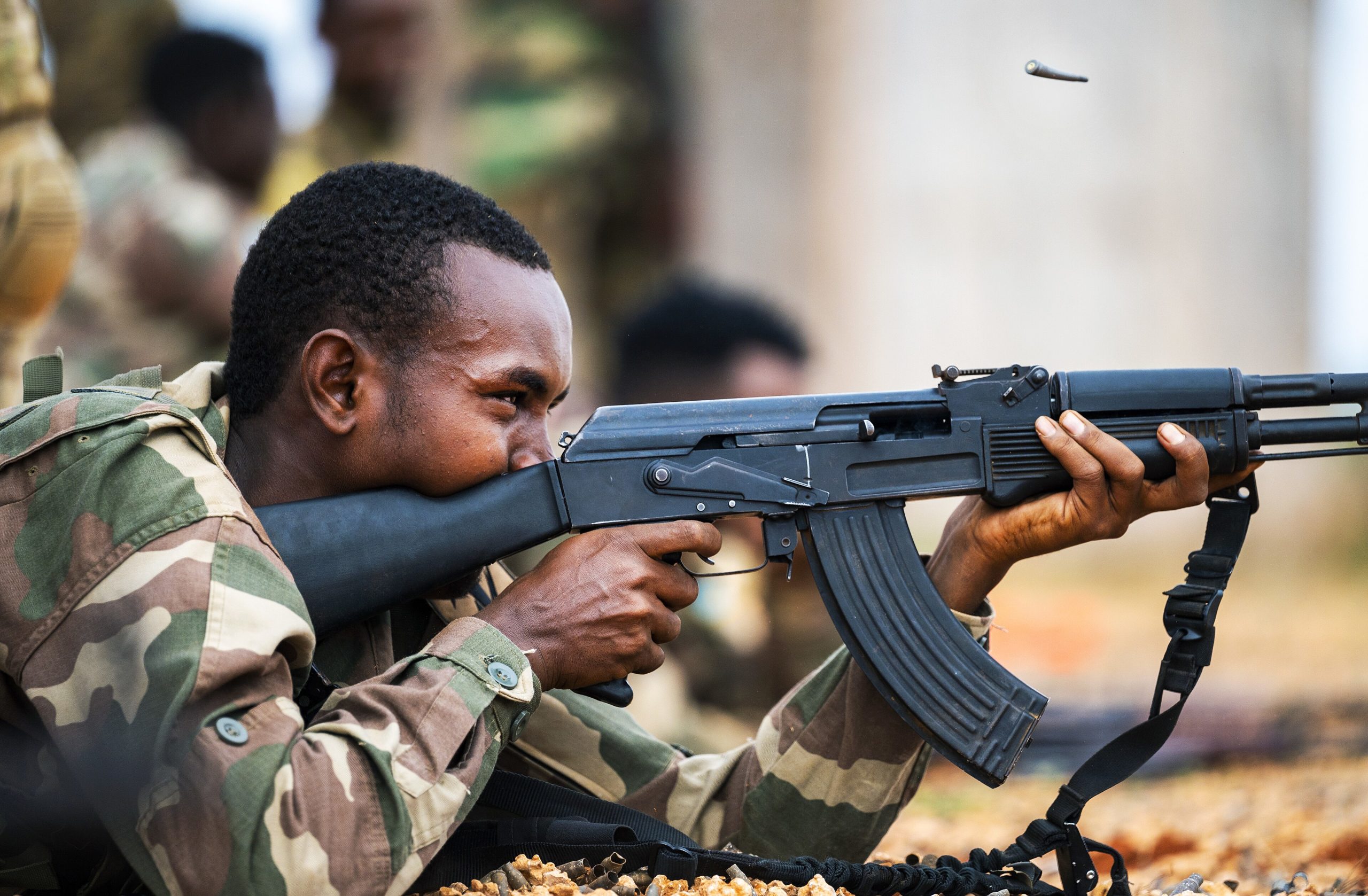
For decades, American enthusiasts associated the AK with rifles imported from Russia and Eastern Europe. That connection changed dramatically as U.S. restrictions tightened around Russian defense companies. Kalashnikov USA emerged from that changing landscape, taking the familiar Russian design philosophy and shifting its production onto American soil. The result was not simply an imported rifle with a new label, but a distinctly American manufacturing operation built around a famous foreign design.
1. 2014 Changed the AK Import Landscape
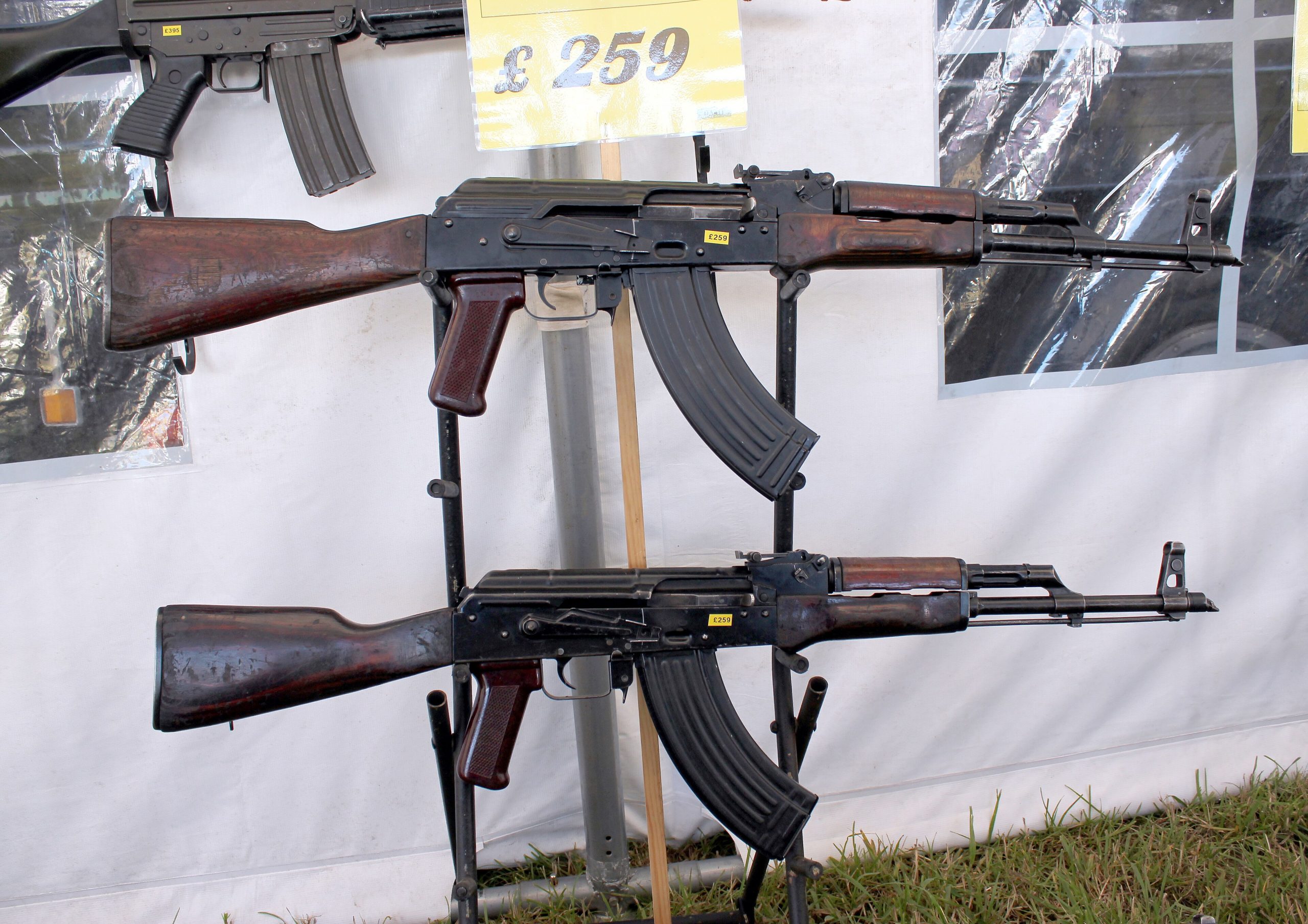
The major turning point came in 2014, when the United States imposed Russia-related sanctions following Moscow’s actions in Ukraine. Kalashnikov Concern was subsequently placed under U.S. sanctions, creating serious barriers to its American commercial presence. For AK enthusiasts, the impact was immediate: the idea of simply continuing to import Russian-made rifles became increasingly difficult. The political change therefore became an industrial catalyst, encouraging a transition from foreign sourcing toward domestic production. That shift ultimately helped establish a new American chapter for the Kalashnikov pattern.
2. Kalashnikov USA Started With Imports
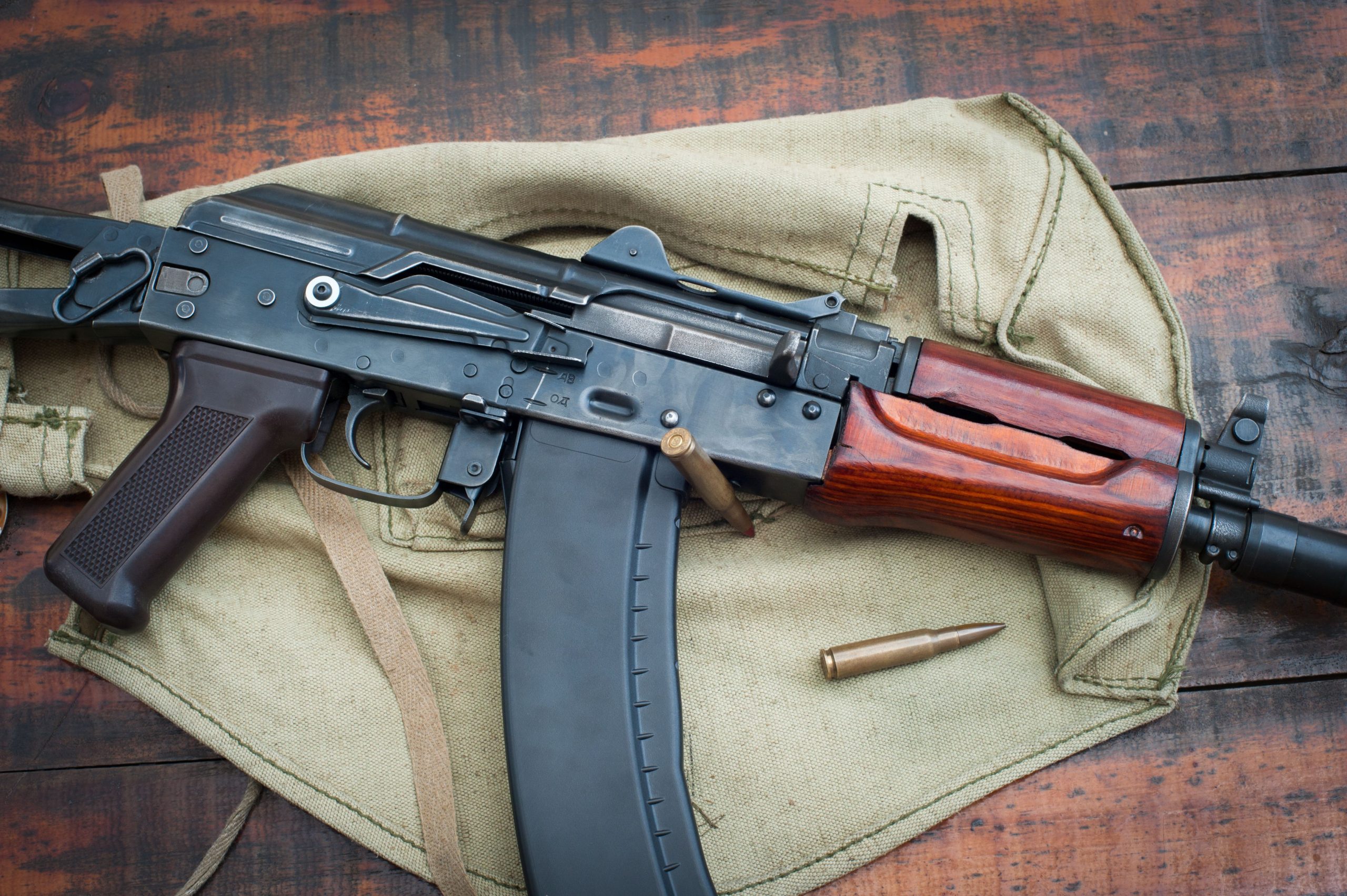
Kalashnikov USA did not begin as a completely separate American rifle maker. According to the company’s own history, it was originally an importer of Russian-made firearms. When U.S. authorities banned their importation, the business changed direction and began manufacturing its own firearms using Russian specifications as a foundation. That transition is important because it explains why the company’s rifles retain recognizable Kalashnikov characteristics while being produced domestically. The transformation turned an import business into an American manufacturing operation.
3. The Production Move Was More Than a Name Change
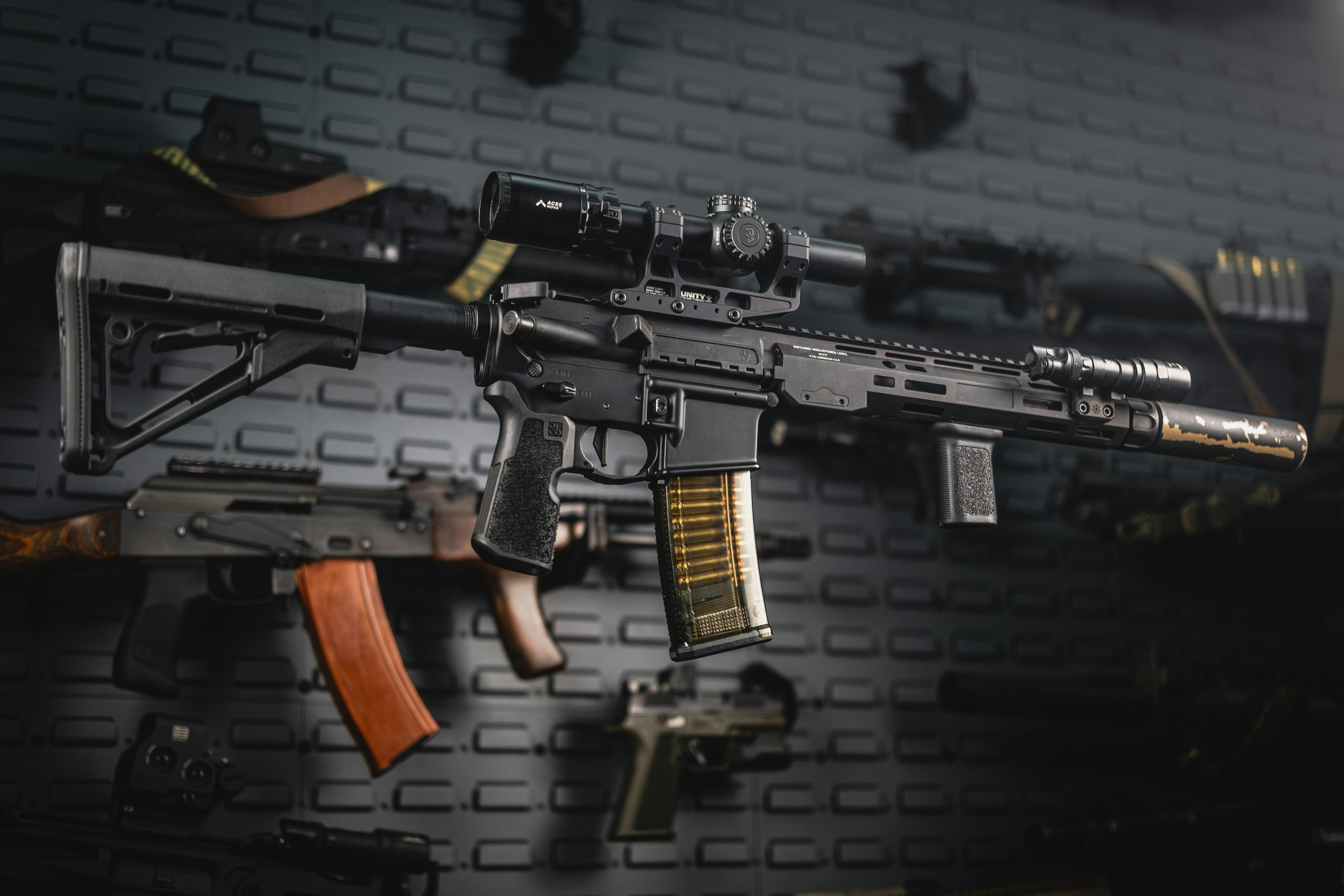
Calling a rifle “American-made” can mean several things, but Kalashnikov USA describes its firearms as manufactured in Florida by American workers using American components. The company specifically identifies U.S.-made barrels, receivers, trunnions, bolts, and other parts in its manufacturing process. This represents a substantial departure from the earlier Russian-import model. Instead of waiting for overseas factories to supply finished rifles, production became centered in the United States. The number 1 became especially meaningful here: one foreign-origin design was being rebuilt around an American industrial supply chain.
4. Russian Design, American Manufacturing
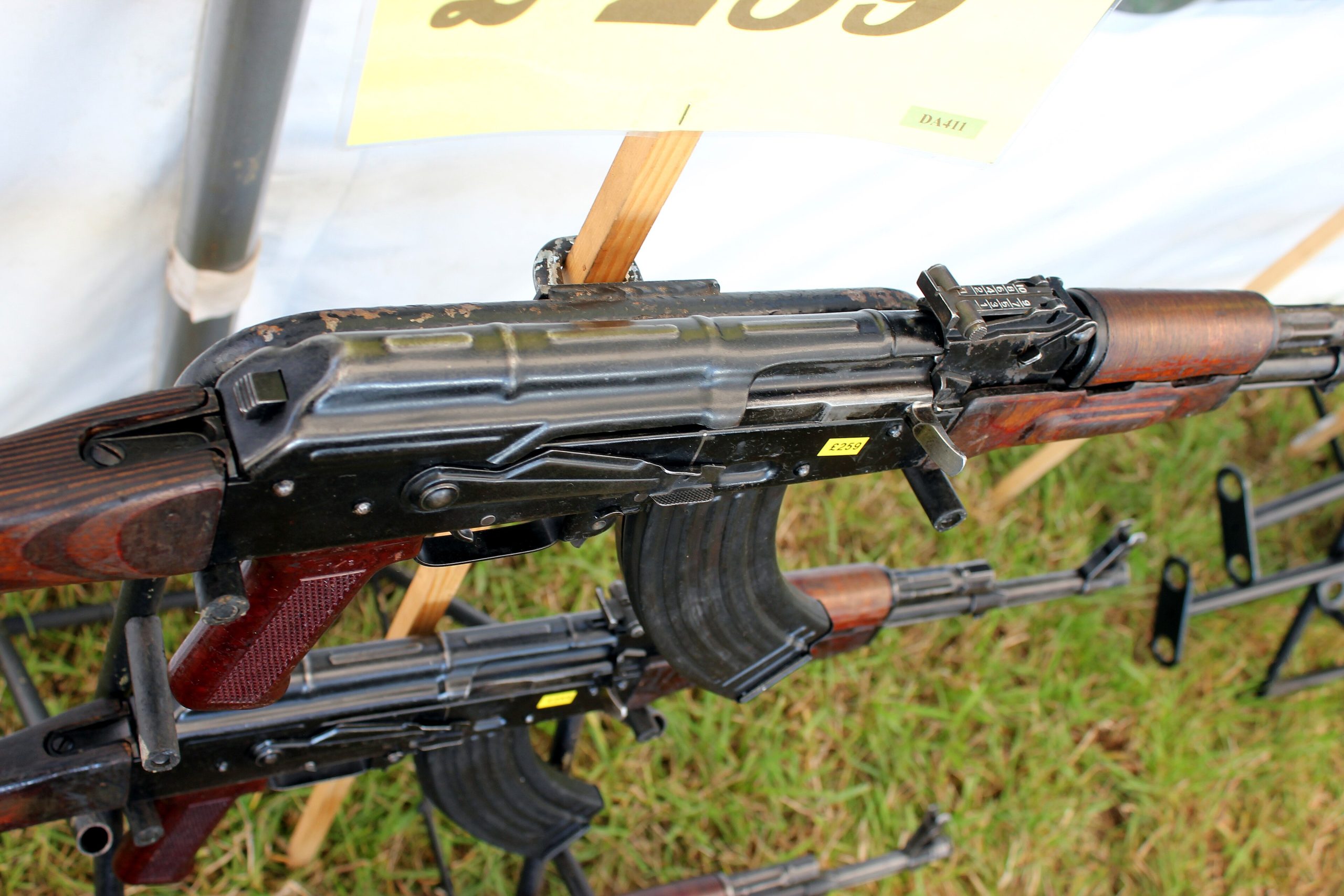
Kalashnikov USA deliberately retained the fundamental character of the original Kalashnikov system rather than abandoning it for a completely different platform. Its stated philosophy is essentially Russian design combined with American manufacturing and innovation. That approach allowed the company to preserve the familiar AK identity while adapting production to domestic requirements. The distinction matters because these rifles are not Russian imports simply assembled in America. The company says its firearms are manufactured domestically, with American workers and components, while drawing heavily from established Kalashnikov engineering principles.
5. The KR-103 Became a Major Symbol
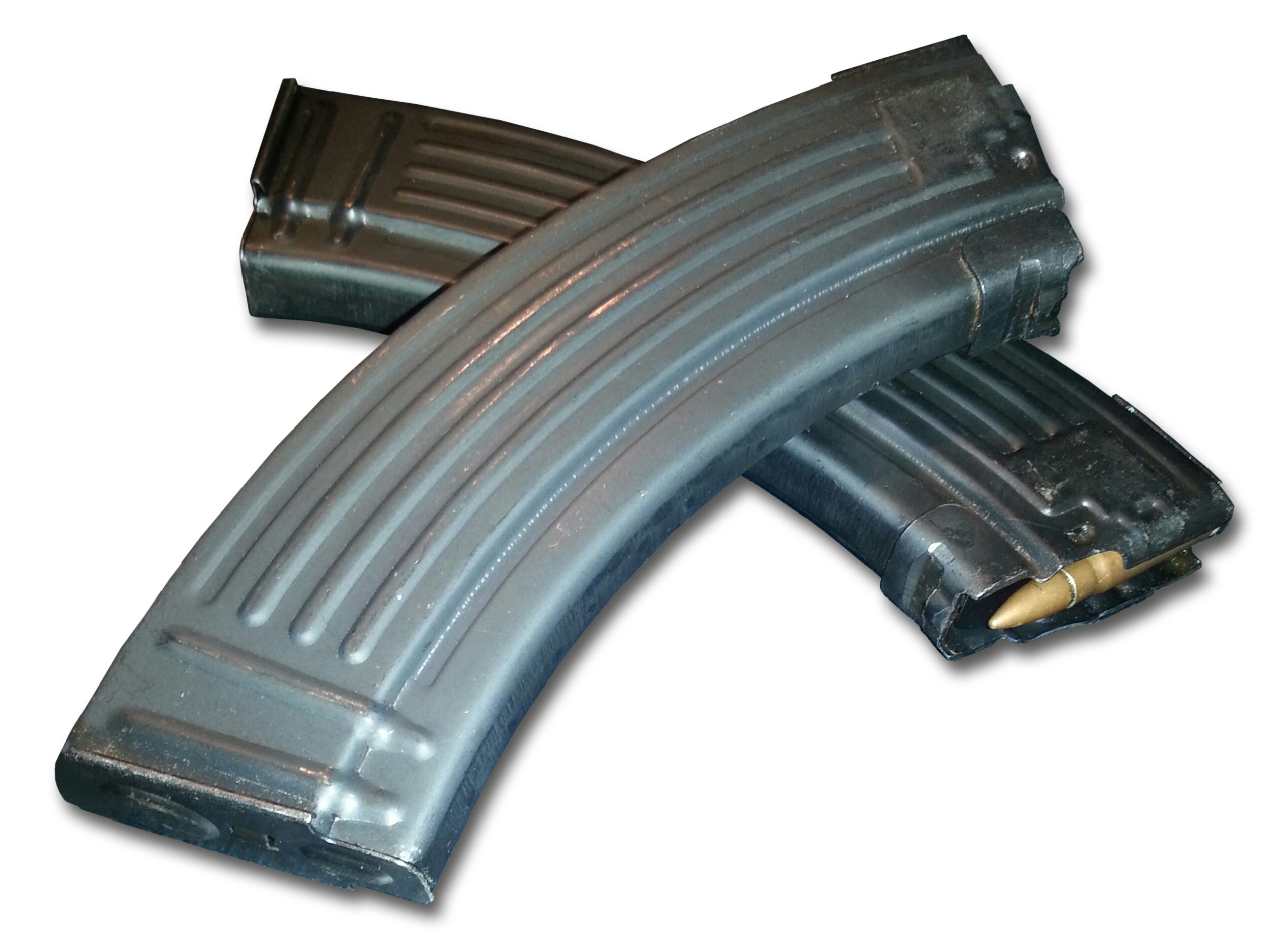
The KR-103 represents one of the clearest examples of Kalashnikov USA’s attempt to connect modern American production with traditional Russian AK architecture. Its name deliberately echoes the AK-100-series lineage, while the rifle itself is manufactured by Kalashnikov USA rather than imported from Russia. That distinction became increasingly important after sanctions reshaped the market. Instead of treating the loss of Russian imports as the end of the story, the company used the familiar designation and design language to create a domestic successor. It effectively turned an obstacle into a new product identity.
6. Sanctions Were Not the Only Pressure
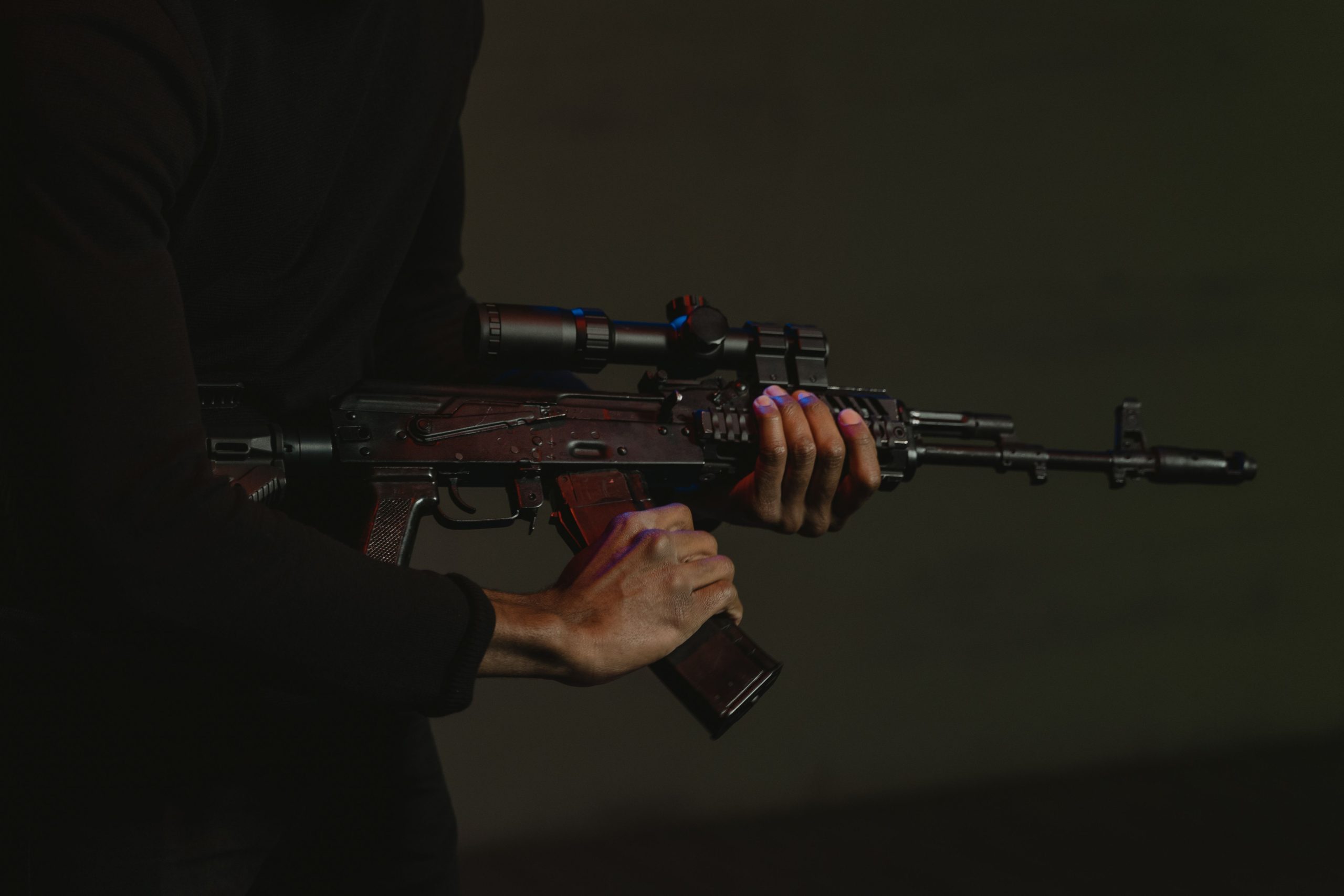
It would be misleading to suggest that one sanctions announcement alone created the entire American AK industry. U.S. import restrictions on military-style rifles had already influenced the market for decades. The 1989 import restrictions and the 1994 federal assault-weapons ban both affected the availability and configuration of AK-pattern firearms. When Russian sanctions arrived in 2014, they landed on an industry that already understood how regulations could reshape firearm manufacturing. Kalashnikov USA therefore emerged from several layers of restrictions, market changes, and consumer demand rather than one isolated event.
7. Florida Became the New Manufacturing Base
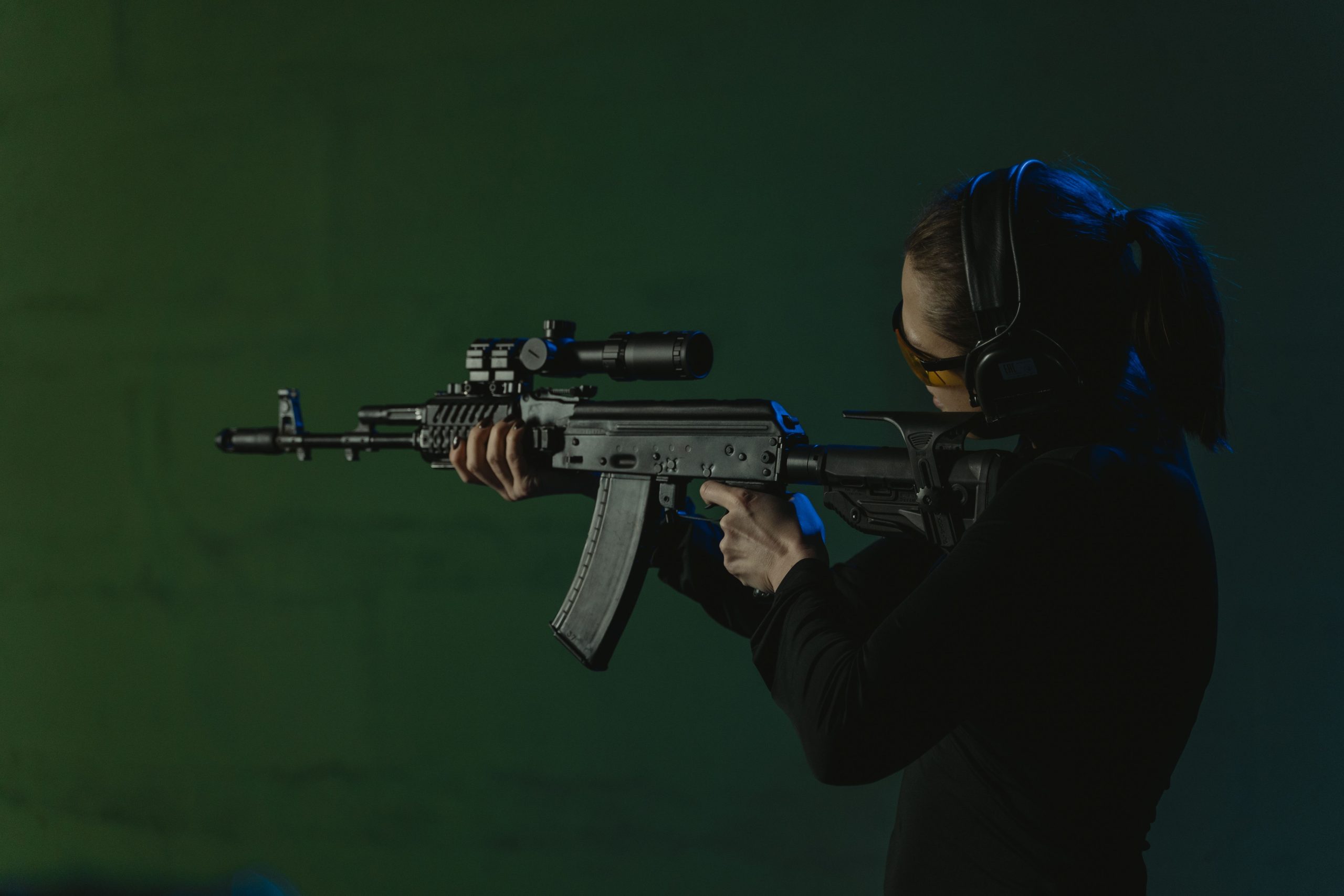
The geographic shift is one of the most striking parts of the story. Instead of relying on factories thousands of miles away in Russia, Kalashnikov USA established American manufacturing in Florida. The company states that its firearms are produced by American workers and undergo quality-control inspections before shipment. That change also gave the company greater control over sourcing and production. In simple terms, the journey changed from a Russian factory to an American importer to an American factory to an American customer. The number 1 factory location became a defining part of its identity.
8. The AK Survived by Becoming American
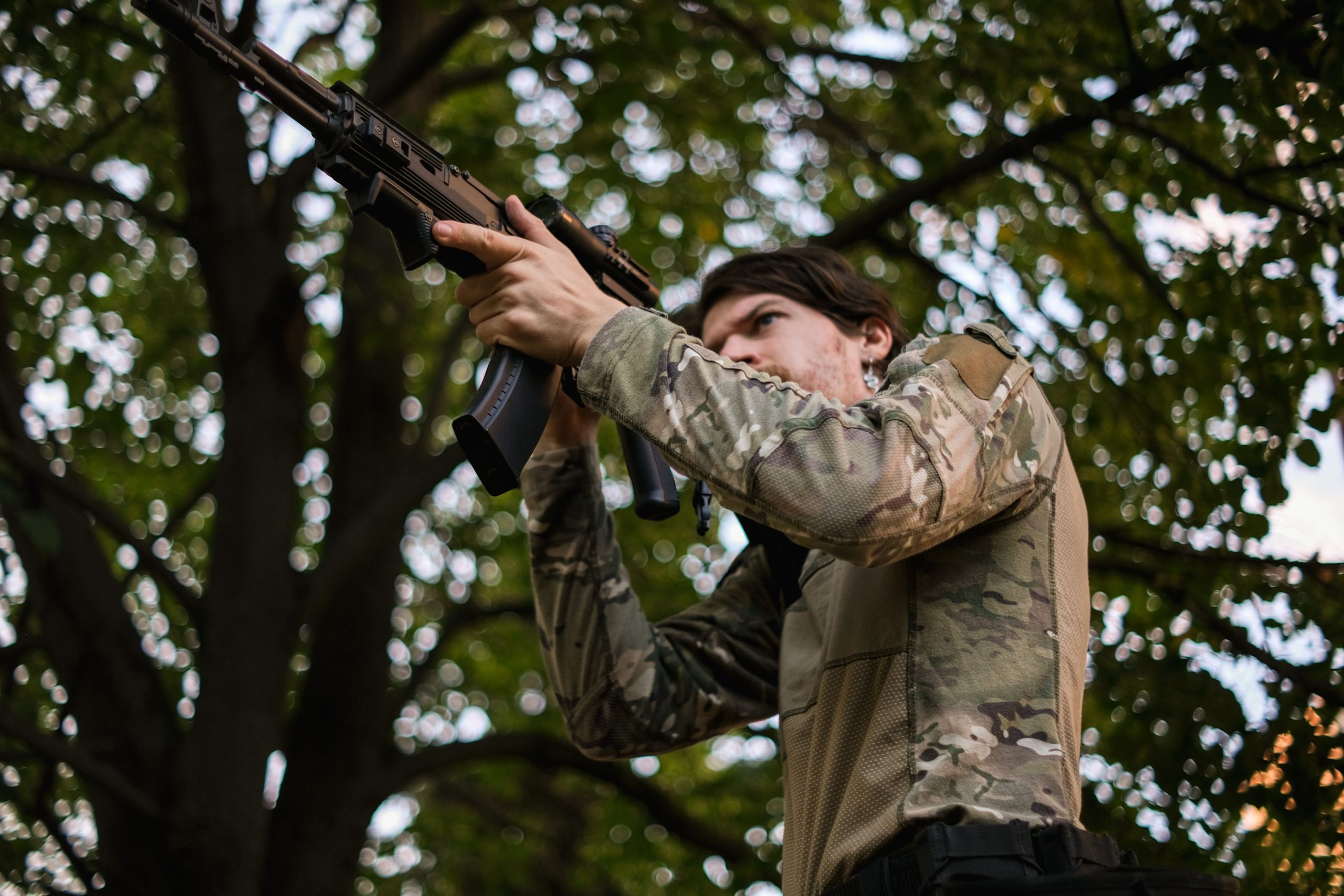
The most interesting lesson is that sanctions did not erase the AK from the American civilian market; they helped accelerate its transformation. A rifle family once strongly associated with Russian imports gained a domestic manufacturing path through Kalashnikov USA. The company preserved the recognizable Kalashnikov concept while replacing much of the original supply chain with American production. More than a century of Russian and Soviet firearms history ultimately fed into a modern American manufacturing story. The number 2 now describes two worlds: Russian design heritage and American industrial production.