A fly can look good in the vise and still fail on the water. Seasoned trout anglers see the same tying mistakes return every year, from bulky bodies to weak proportions that ruin drift and durability. This gallery breaks down the most common errors beginners make and explains why small corrections can lead to cleaner ties, tougher flies, and more trout in the net.
Using Too Much Material

One of the fastest ways to make a fly look clumsy is to overdress it. Beginners often think more dubbing, more hackle, or a thicker wing will make a pattern more visible or more lifelike, but experienced trout anglers usually say the opposite is true. Sparse flies often move better and land more naturally.
Too much material also creates practical problems at the vise. Bulky wraps crowd the hook, hide important features, and make every next step harder than it needs to be. A cleaner tie usually starts with less than you think you need, then adding only if the pattern truly calls for it.
The easiest fix is simple restraint. Before each tie-in, compare your material bundle to the hook size and trim it down once more.
Crowding the Hook Eye

A crowded hook eye is one of those beginner mistakes that seems minor until you are streamside with cold fingers trying to thread tippet through a wall of thread and hair. Many new tiers keep adding material forward and leave no clean space at the front of the fly.
Veteran anglers notice it right away because it affects both looks and function. A neat head helps the fly track properly, finish cleanly, and stay easier to tie on when the light is low or the hatch is moving fast.
The habit to build early is leaving a small buffer behind the eye from the start. Treat that space as reserved real estate, not extra room to fill at the end.
Ignoring Proportions

Many beginner flies miss the mark not because the materials are wrong, but because the proportions are off. Tails run too long, wings sit too high, and hackle collars flare wider than the hook gap. Even a well-made pattern can stop looking buggy when the parts stop matching one another.
Experienced trout anglers talk constantly about silhouette. Fish often respond to shape and balance before they respond to tiny color details, especially in moving water where the fly gets only a brief inspection.
Good proportion comes from repetition and reference. Keeping a sample fly nearby or checking classic ratios while tying can help train your eye faster than guessing your way through every pattern.
Choosing the Wrong Hook Size

Beginners often get excited about a pattern recipe and then tie it on whatever hooks they happen to own. That shortcut can change the entire fly. A nymph tied too large may sink awkwardly and look unnatural, while a dry fly on the wrong wire can ride poorly or twist the leader.
Seasoned trout anglers usually match hook size to the insects on the water first, then adjust pattern details from there. The hook is the foundation, and everything else depends on it being right for the job.
A smart practice is to compare your hook directly to the naturals or to proven shop flies. The pattern name matters, but the profile and scale matter even more when trout are selective.
Using Thread That Is Too Heavy

Thread choice does more than hold materials in place. Beginners often use a heavy thread on tiny flies because it feels easier to control, but thick thread builds bulk fast and can turn a small midge or mayfly imitation into a lumpy little knot.
Experienced tiers think about thread as part of the pattern, not just a tool. The diameter affects taper, head size, durability, and how cleanly each section transitions into the next.
The fix is not chasing the finest thread possible for every fly. It is matching thread size to hook size and material load. On small trout patterns, lighter thread usually gives you far more control and a much neater result.
Failing to Secure Materials Properly

A fly that falls apart after one fish is frustrating, and beginners often do not realize why it happened. Loose tie-in points, too few wraps, or poor thread tension can let tails spin, wings pull free, and bodies unravel long before the pattern should be finished.
Trout anglers who tie a lot tend to value durability almost as much as realism. A fly does not need to survive forever, but it should handle several drifts, a few trout, and the abuse of casting into current without coming undone.
This is where discipline pays off. Firm thread control, clean tie-in angles, and the habit of locking down materials before moving on make flies tougher without making them bulkier.
Skipping a Clean Taper

A smooth taper is one of the details that separates a polished fly from a rough one. Beginners often create abrupt bumps in the body by stacking materials without planning how each section will transition. The result can make a nymph look stiff or a streamer look oddly blocky.
Experienced anglers know trout may not inspect every wrap, but taper affects the overall impression of life. Many insects and baitfish have gradual shape changes, and patterns that echo that shape often look more convincing in the water.
The solution starts before the first wrap of dubbing or chenille. Think about where bulk should begin, where it should peak, and how you will reduce it as you move toward the head of the fly.
Neglecting Whip Finish and Head Cement
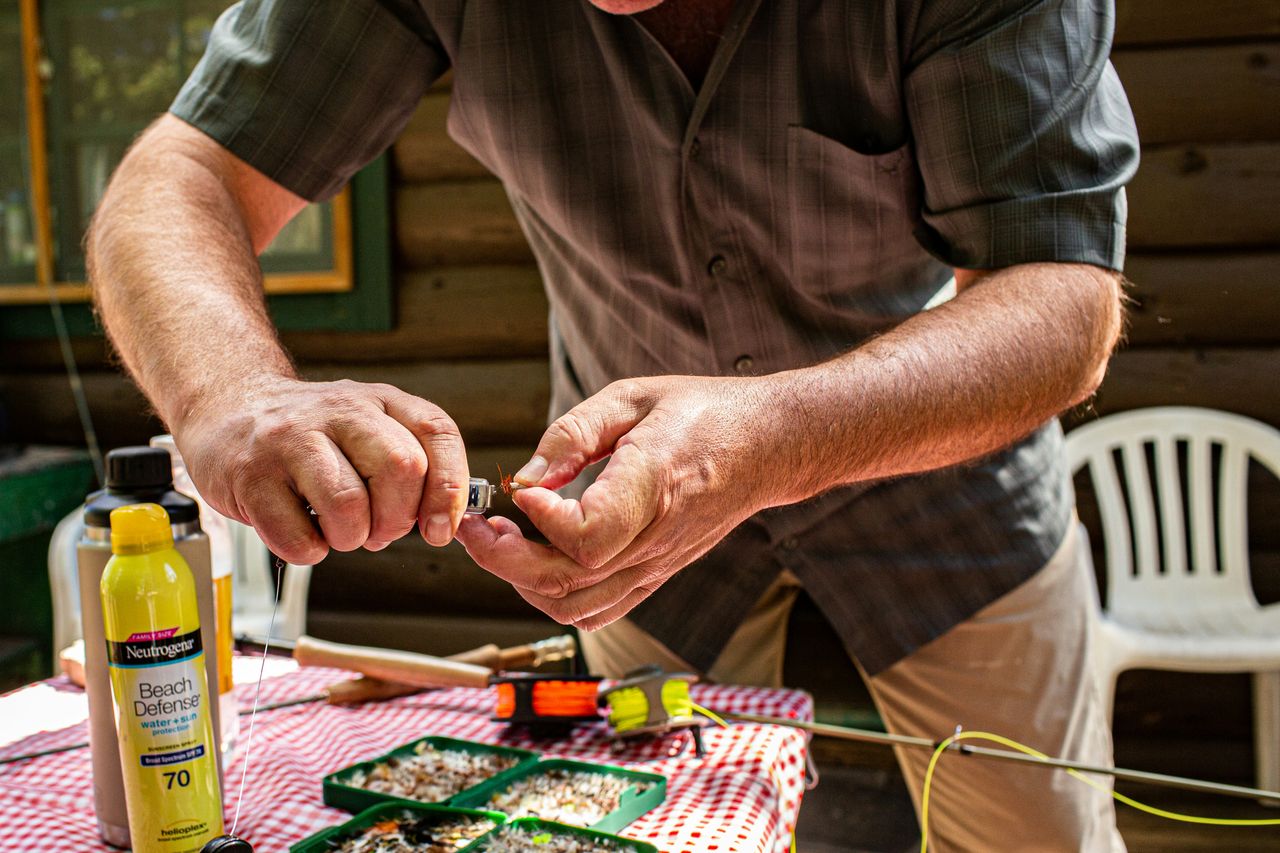
Many beginners spend several careful minutes tying a fly and then rush the final few seconds. A sloppy whip finish or no finish at all is a common reason a nice-looking pattern unravels in the box or after a single fish. It is a small step with big consequences.
Seasoned trout anglers usually treat the finish as insurance. A neat whip finish locks in all the work that came before it, and a touch of head cement on the right patterns can dramatically improve lifespan without changing the fly’s look.
This does not mean every fly needs a glossy oversized head. It means ending with intention. Clean finishing habits make patterns look better, fish longer, and inspire more confidence when it is time to knot one on.
Tying Without Watching Real Insects

A lot of beginners learn patterns from photos and never spend enough time studying the real bugs trout are actually eating. That can lead to flies that are technically correct by recipe but strangely off in color, shape, size, or posture once they hit the water.
Experienced anglers often say observation matters as much as imitation. Looking at mayflies, caddis, midges, and stoneflies in hand or in a seine teaches details that books cannot fully capture, especially how insects sit, drift, and shine in natural light.
Better tying usually starts streamside. When you pay attention to the naturals first, your choices at the vise become more informed, and your flies begin to match the river instead of just the instruction sheet.