The Springfield Armory Hellcat arrived at a moment when micro compacts were expected to be tiny, compromise-heavy pistols. Instead, it made buyers rethink what a small carry gun could offer in capacity, control, features, and confidence. Here are 10 reasons it quickly became a benchmark for the category and pushed rivals to raise their game.
Big capacity in a truly small frame
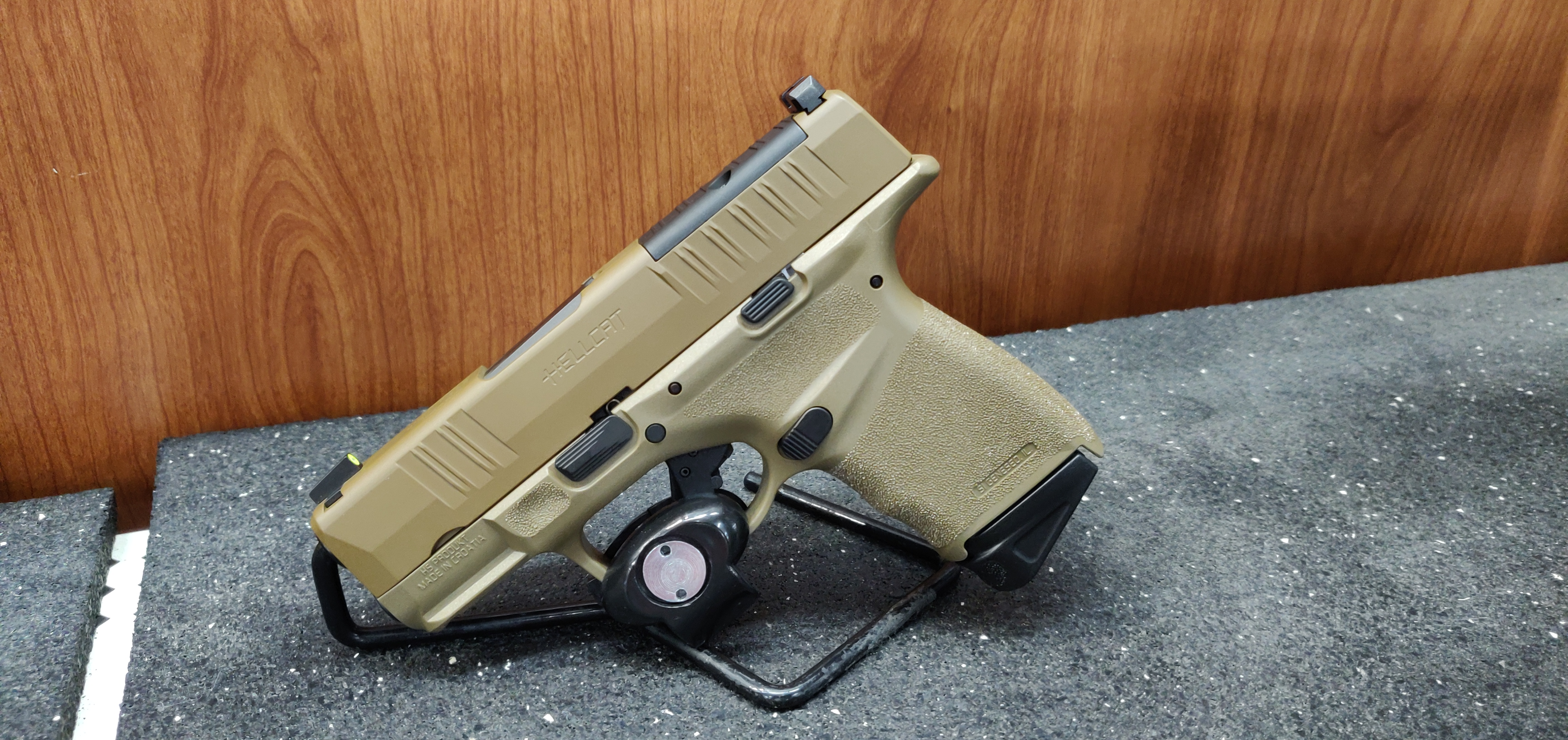
Before the Hellcat, many shooters accepted that a micro compact meant giving up rounds for easier concealment. Springfield Armory challenged that tradeoff with a pistol that felt genuinely small in the hand and on the belt, yet packed an attention-grabbing magazine capacity for its class.
That mattered because capacity is one of the first numbers shoppers compare. The Hellcat helped normalize the idea that a slim everyday carry gun did not have to feel underfed. Once that door opened, the whole segment shifted, and buyers started expecting more from every tiny pistol that followed.
It made micro compacts feel less compromised

Small pistols used to come with a familiar warning: they are easy to carry, but not always enjoyable to shoot. The Hellcat changed that conversation by arriving as a purpose-built defensive handgun that aimed to be practical beyond its dimensions, not merely tolerated because it was convenient.
The result was a different kind of expectation from everyday carriers. People wanted a pistol that disappeared under a shirt but still delivered enough grip, enough control, and enough confidence to earn regular range time. The Hellcat helped convince the market that small should no longer mean settling for second best.
Optics readiness arrived in the pocket-size conversation

Red-dot sights were once associated mostly with larger handguns and competition setups. The Hellcat helped pull optics readiness into the micro compact mainstream, especially with OSP models that told consumers a tiny carry gun could be just as modern and adaptable as a full-size pistol.
That was a bigger shift than it first appeared. Once buyers saw factory support for miniature optics on a carry-friendly platform, they began treating red-dot compatibility as a serious feature rather than a niche extra. In a short time, optics-ready cuts went from impressive talking point to expected item on spec sheets across the class.
The grip design helped shooters trust a tiny gun

One reason micro compacts can feel intimidating is simple physics. There is less surface area to hold, less weight to soak up recoil, and less room for error when the gun starts moving. The Hellcat’s adaptive grip texture and smart overall shape gave shooters a stronger sense of connection without making the pistol feel oversized.
That kind of confidence matters in the real world. A carry gun is only as useful as the owner’s willingness to practice with it, draw it, and manage it under stress. By improving how a small pistol locked into the hand, the Hellcat helped raise expectations for ergonomics in the category.
Shootability became part of the sales pitch

For years, many small pistols were sold mainly on dimensions and weight. The Hellcat pushed a broader message, one that emphasized how the gun actually behaved when fired. That distinction helped change shopping habits, because buyers began asking not only whether a pistol was easy to conceal, but whether it was easy to shoot well.
This shift had ripple effects across reviews, marketing, and consumer expectations. Recoil control, sight picture, trigger feel, and practical accuracy became central topics in the micro compact space. The Hellcat did not create those concerns, but it helped move them to the front of the conversation.
It gave everyday carriers more configuration choices
The Hellcat family grew into more than a one-note product. Standard models, optics-ready versions, different magazine options, and later expanded variants showed that buyers in this segment wanted choice, not just the smallest possible gun. That flexibility made the platform feel more like a system than a single compromise purchase.
Consumers noticed because concealed carry is personal. One person wants maximum concealment, another wants more grip length, and someone else wants a red dot from day one. The Hellcat’s range of configurations helped teach the market that micro compact buyers were not niche shoppers. They were discerning customers with specific preferences.
The sights felt ready for serious use

Factory sights on small pistols were often treated as placeholders, good enough to get by until an owner upgraded. The Hellcat arrived with sighting options that felt more intentional, including a highly visible front setup that stood out in a category where tiny guns were sometimes equipped like afterthoughts.
That helped reinforce a broader message about readiness. Buyers increasingly wanted a carry gun that felt complete from the box, not a project requiring immediate changes. The Hellcat added momentum to that expectation, and competitors had to respond with better stock sights and more polished overall packages.
It looked and felt like a modern defensive tool

Design matters, even in a category defined by practicality. The Hellcat arrived with styling, texturing, and features that made it feel contemporary, intentional, and clearly aimed at defensive users who followed new trends in the handgun world. It did not present as a stripped-down backup piece. It looked like the main event.
That perception changed buyer expectations in subtle ways. People started looking for micro compacts that felt fully current, with thoughtful serrations, smart controls, and clean integration of features. The Hellcat helped push the idea that a tiny pistol should still reflect the same level of design attention as larger flagship handguns.
It pushed competitors to accelerate their own answers

One of the clearest signs of influence is what rivals do next. After the Hellcat made noise in the market, the micro compact segment became even more competitive, with brands refining magazine capacity, optics options, ergonomics, and feature lists in a hurry. Consumers benefited because the bar had plainly moved.
That competitive pressure is part of the Hellcat’s legacy. It was not just about one pistol selling well. It was about forcing the entire category to evolve faster. Once the market saw what buyers responded to, companies had little choice but to rethink what a small carry gun should include as standard.
It changed what buyers now consider normal

The biggest impact of the Hellcat may be how ordinary its once-surprising formula now seems. High capacity, better sights, strong texture, optics-ready options, and real-world shootability are no longer treated like standout luxuries in a micro compact. They are increasingly viewed as the starting point.
That is how expectations change in any product category. A model arrives, proves a new combination is possible, and then resets the baseline for everyone else. The Hellcat helped do exactly that for micro compacts, turning old compromises into new opportunities and giving everyday carriers a far more demanding checklist.