Some guns earn a reputation over decades. This Winchester was built the hard way, by swallowing 2,000 proof loads just to settle the argument.
The shotgun at the center of the legend
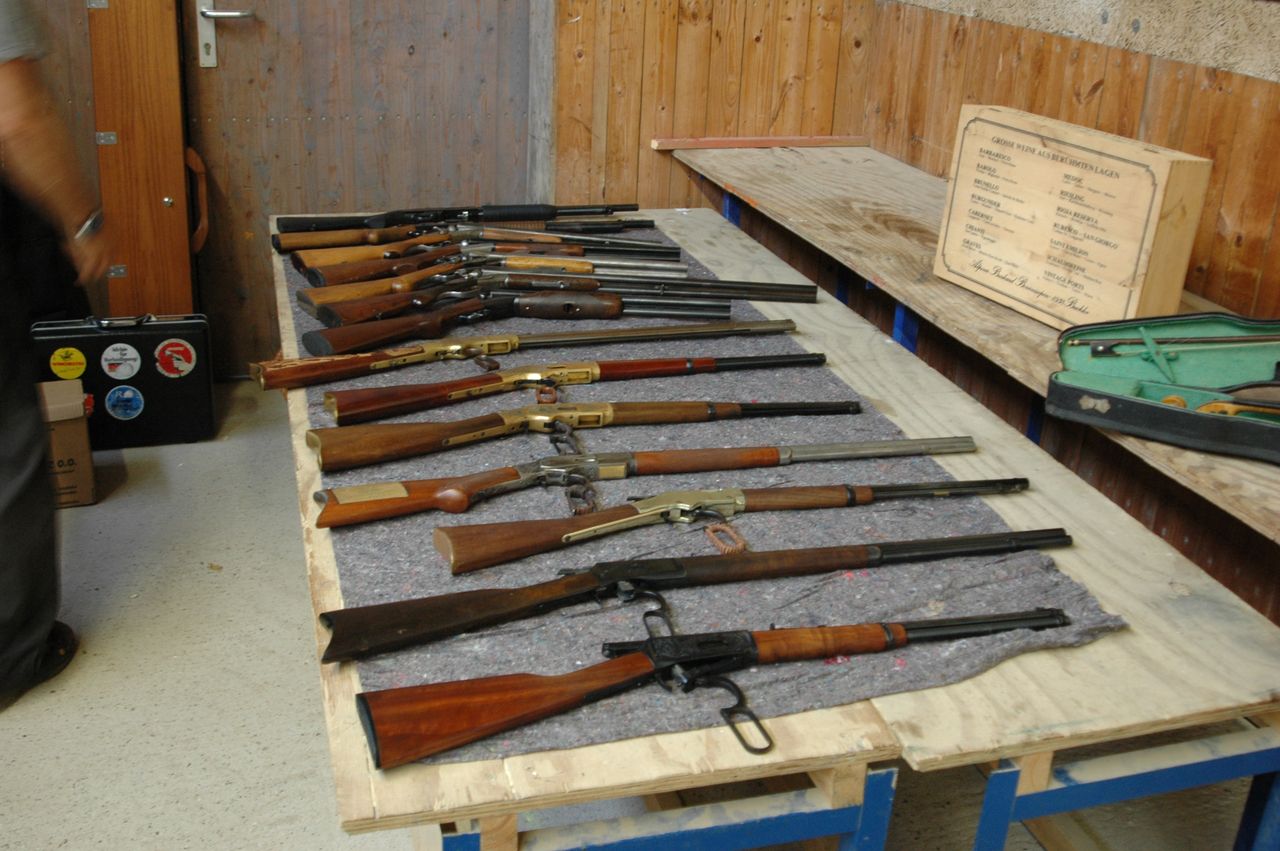
The shotgun in question was the Winchester Model 21, the company’s high-grade side-by-side double introduced during the Great Depression era after years of development. Winchester wanted a gun that could compete directly with the finest British and Continental doubles, not just on style, but on raw engineering strength. That mattered because in the upland and waterfowl world, imported doubles still carried an aura of prestige that American makers had trouble matching.
John Olin took that challenge personally. As several historical accounts note, he was deeply invested in proving that Winchester could build a double gun every bit as refined and more durable than the European names sportsmen admired. Outdoor Life and older gun writing have both tied the Model 21’s identity to Olin’s push for an exceptionally robust action and barrel set.
The result was a shotgun that did not look radically different from other classic doubles, but internally it was anything but ordinary. The Model 21 used a reputation-making combination of massive frame dimensions, heavy-duty lockup, and dovetailed barrel construction that writers and collectors have repeatedly singled out as unusually strong. That overbuilt DNA is what made the famous 2,000-round test possible in the first place.
What does a proof load really mean
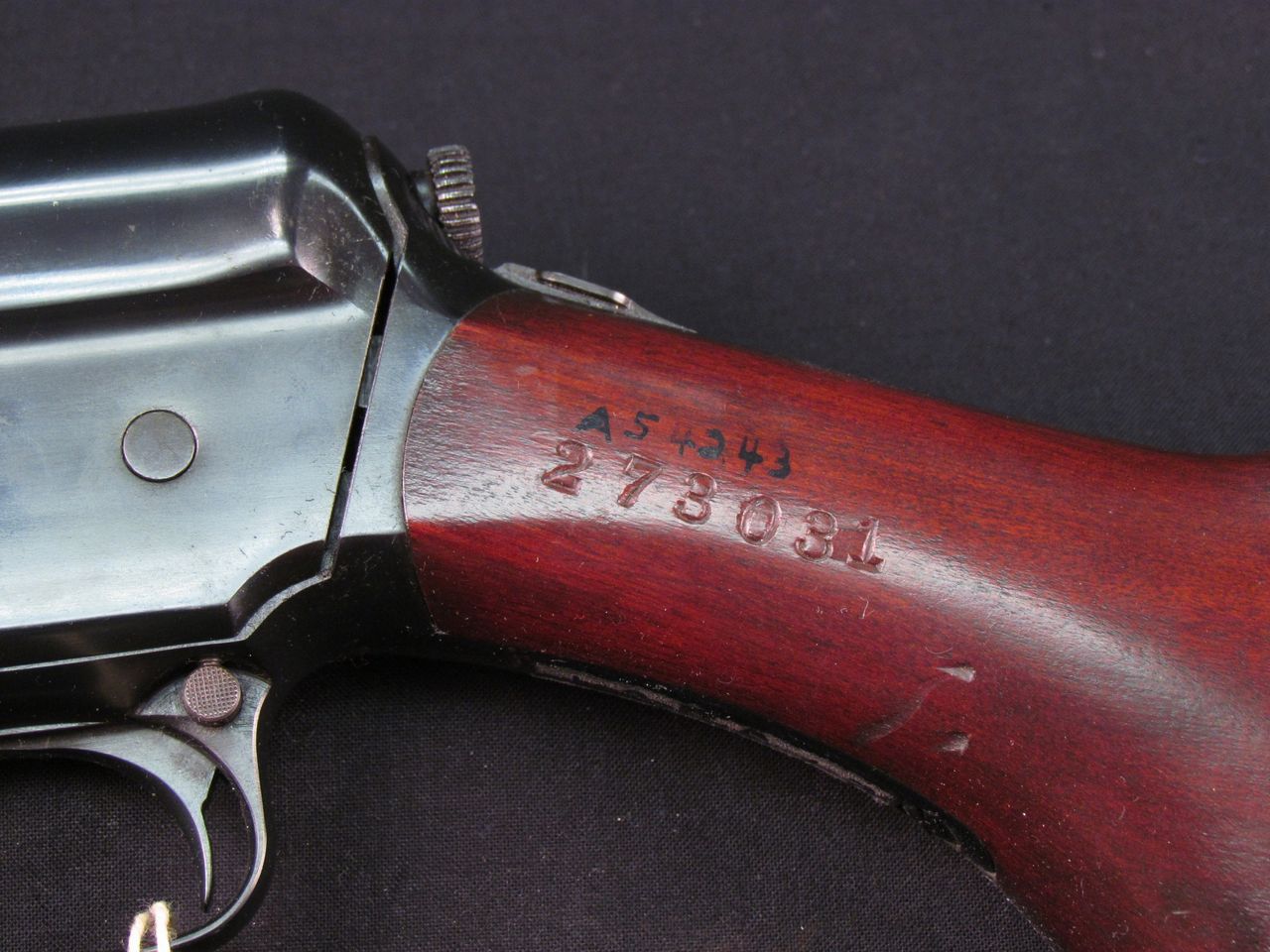
To understand why the 2,000-round story still turns heads, it helps to know what a proof load is. A proof load is not ordinary field ammunition. It is a deliberately overpressure cartridge fired to confirm that a firearm can safely withstand a substantial stress margin beyond normal service use.
Accounts cited by Outdoor Life and Chuck Hawks describe the Model 21 test loads as running at about 1 1/2 times the pressure of the hottest commercial loads then available. Outdoor Life gives the figure as 19,800 psi for those so-called “blue pill” proof cartridges. That is not the kind of ammunition any sporting shotgun is meant to digest casually, and certainly not in endless succession.
In normal factory practice, proof firing is limited and controlled. A gun is tested, inspected, and either passed or rejected. What Winchester did with the Model 21 went far beyond routine proofing because the goal was not simply safety certification. It was a public demonstration of excess strength, the kind of stunt that only makes sense when a company wants to prove a design margin so large that competitors will spend years trying to answer it.
Why Winchester felt it had something to prove
Winchester already had famous shotguns before the Model 21. The exposed hammer Model 1897 became one of the most successful pump guns ever made, and the hammerless Model 12 helped define the modern repeating shotgun in the United States, according to American Rifleman and Shooting Illustrated. But a premium side-by-side occupied a different social and sporting tier.
Fine doubles from Britain and Europe were still treated as the standard for gentleman shooters, driven game circles, and top-shelf craftsmanship. Winchester knew that simply entering that category was not enough. It had to erase the assumption that an American-produced gun would be less elegant, less durable, or less sophisticated than imported rivals.
That is where the 2,000-proof load story mattered. It was not random bravado. It was a marketing argument built on metallurgy, machining, and confidence. The message was simple: if a Model 21 could survive abuse far beyond sane use, then ordinary owners could trust it with complete confidence in the field. In other words, Winchester was not just selling a shotgun. It was selling freedom from doubt, and it used punishment as proof.
The 2,000-round torture test itself
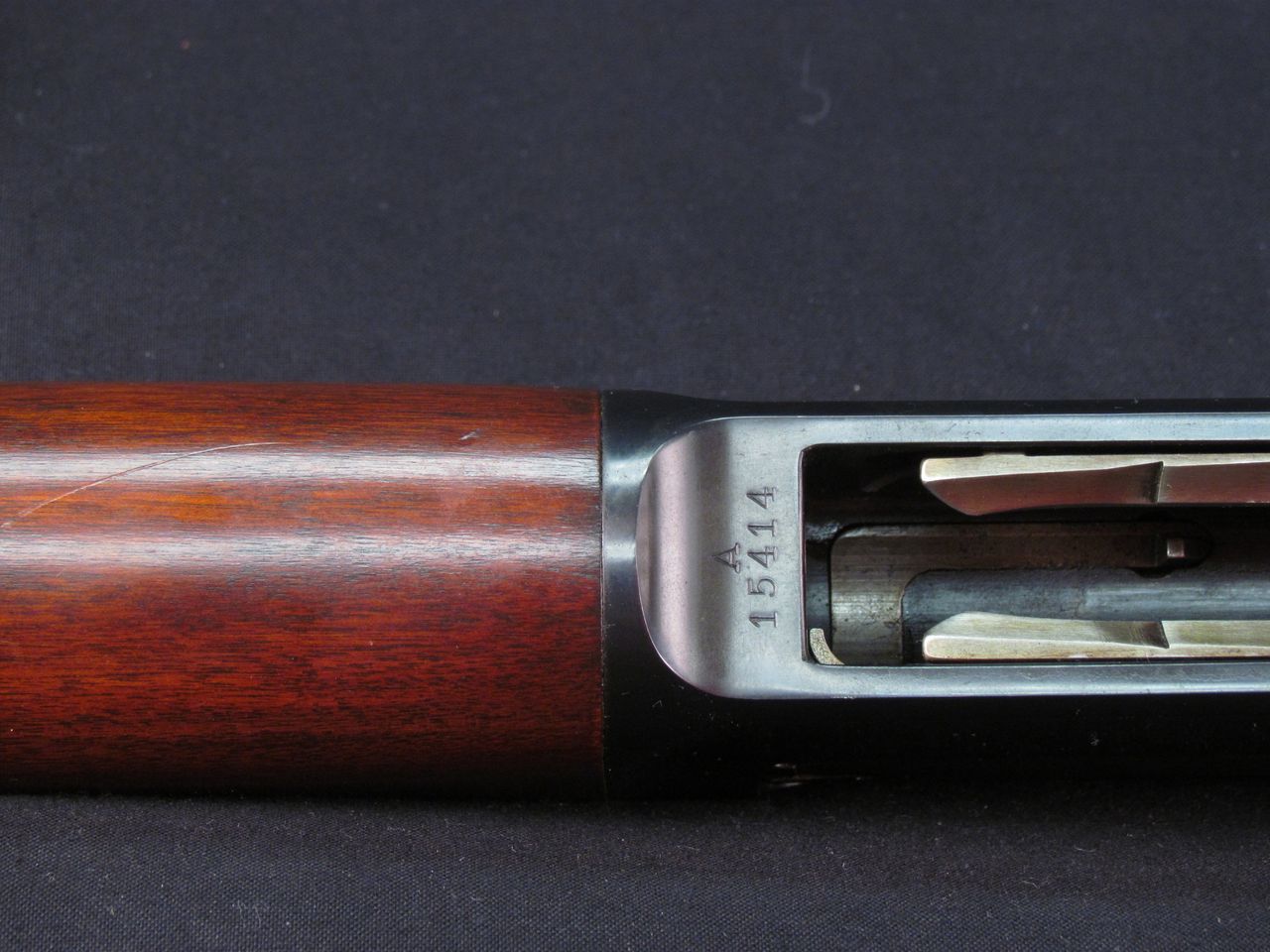
The basic version of the test has remained remarkably consistent across retellings. Winchester subjected each bore of a Model 21 to 1,000 consecutive proof loads, for a total of 2,000 rounds through the gun. GUNS Magazine, Chuck Hawks, and later retellings all describe the feat in nearly the same terms, which suggests the story’s core has been preserved because it was central to the Model 21 mystique.
That number is staggering when you stop to think about it. Most shotguns will never experience anything remotely close to that level of repeated overpressure in their entire lives. Winchester was not simulating a heavy hunting season or a competitive clay schedule. It was repeatedly hammering the gun with ammunition specifically designed to stress the action and barrels beyond standard service conditions.
The point was not merely that the gun fired 2,000 times. The point was that it did so without catastrophic failure, and then the test was stopped. That detail matters. The gun did not fail and end the demonstration. According to period accounts, Winchester essentially ended the exercise after making its case, then tore the gun down for inspection. In other words, the company believed the message had already landed.
How the Model 21 was built to survive it
The Model 21’s durability was not an accident of lucky steel. It was engineered from the ground up as a very strong boxlock side by side, with dimensions and joining methods that gave up some of the delicate lightness prized in certain British doubles in exchange for confidence-inspiring heft and rigidity. That tradeoff became part of the gun’s personality.
Writers discussing the Model 21 often focus on its frame strength and the way the barrels were fitted into the action. Outdoor Life specifically notes how Winchester salesmen would sometimes remove the top lever and locking bolt, then hold the gun shut by hand or tie it closed with string for demonstration firing. That kind of stunt sounds theatrical, but it reflects real faith in the basic geometry of the action and hinge system.
The upshot was a field gun that many owners regarded as nearly indestructible by sporting standards. It was not the lightest upland wand ever made, and some traditionalists preferred the livelier feel of slimmer European doubles. But if your metric was brute durability under hard use, few sporting shotguns generated more admiration. The 22,000-proofload trial became the cleanest possible symbol of that identity.
Why do shooters still talk about this test today
Part of the appeal is obvious: gun people love a good torture test. But the endurance story has lasted because it touches something deeper than spectacle. It speaks to an era when manufacturers were eager to prove quality with visible, physical demonstrations instead of slogans alone. The Model 21’s legend survives because the test felt concrete, measurable, and unapologetically bold.
It also survives because the Model 21 itself became a prestige shotgun in American sporting culture. Even after regular production ended, the gun retained collector status, and later limited runs kept the design in conversation. Outdoor Life notes that Connecticut Shotgun Manufacturing later obtained rights to continue making Model 21s under the Winchester name, which shows how durable the design’s cachet remains.
There is also a practical reason the tale endures. Every shotgun owner understands wear, pressure, looseness, and the anxiety that comes with age and hard use. A gun that can endure absurd proof testing becomes a reassuring benchmark. Even if no sane owner would ever repeat the experiment, the fact that Winchester did it once still shapes how people think about the gun generations later.
The bigger lesson behind Winchester’s stunt
The real lesson is not that every great shotgun should be massively overbuilt. Balance, handling, and intended use matter just as much as raw strength. Plenty of elegant doubles have earned lifelong loyalty without needing a headline-grabbing torture test. But Winchester understood that in the Model 21’s market segment, unquestioned durability could be a decisive selling point.
So the 2,000-round proof test was more than a stunt. It was a statement about what kind of shotgun the Model 21 was meant to be: not fragile, not fussy, and not intimidated by comparison. In a category where reputation often leaned on Old World prestige, Winchester answered with an American-style argument rooted in engineering and audacity.
That is why the story still lands today. The Model 21 was proof-tested with 2,000 rounds just to prove a point, and the point was not subtle. Winchester wanted shooters to believe that if this shotgun could survive abuse no owner should ever attempt, then it could certainly survive a lifetime of birds, blinds, and broken clays. Decades later, that remains one of the most effective arguments any gunmaker ever made.