Some rifles never needed glossy ads or celebrity endorsements to become household names. Their reputations were built the old-fashioned way: in war, on the frontier, at deer camp, and across generations of shooters who trusted what worked. These seven firearms became legends because people talked about them, carried them, and passed their stories along.
Springfield Model 1903

The Springfield 1903 became an American benchmark by doing the most important kind of talking: performance. Adopted in the early 20th century and carried through major conflicts, it earned a reputation for accuracy, strength, and a kind of no-nonsense reliability that soldiers respected immediately.
Its profile also helped define what many Americans picture when they think of a classic bolt-action military rifle. Long after newer designs arrived, shooters, collectors, and veterans kept its legend alive through stories of tight groups, smooth handling, and battlefield trust.
No slogan could have sold it better than that kind of word-of-mouth.
M1 Garand

If any rifle became famous simply by being there when history turned, it was the M1 Garand. Carried by American troops through World War II and Korea, it built its identity on rugged service and a semiautomatic design that felt decisively modern for its time.
Generations of veterans came home with stories about its power, weight, sound, and unmistakable presence in the field. That personal testimony gave the rifle a cultural life far beyond the battlefield.
The Garand did not need a campaign manager. It had military history, family memory, and one of the strongest reputations ever attached to an American service rifle.
Winchester Model 1873
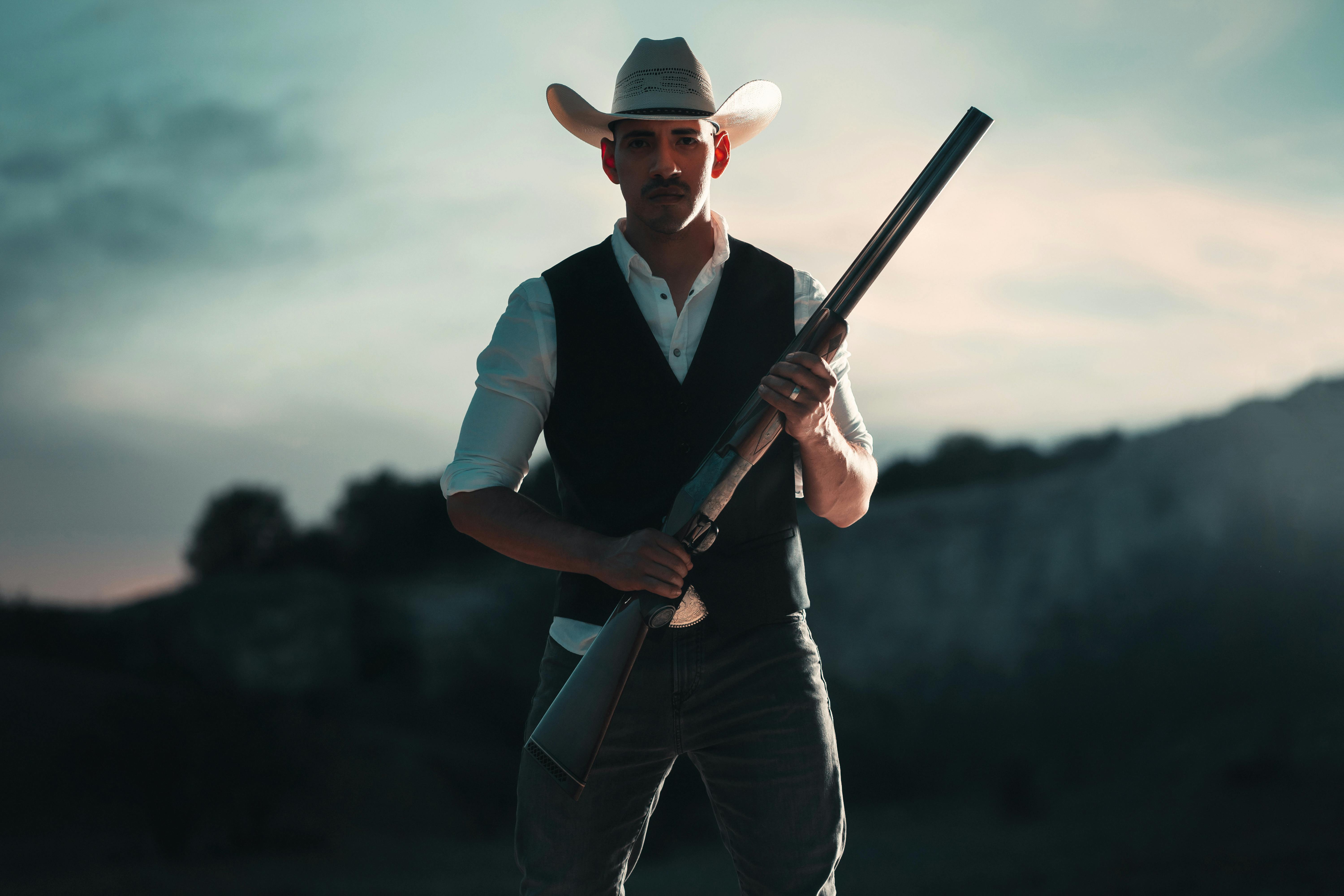
The Winchester Model 1873 entered American legend because it fit perfectly into the nation’s expanding frontier story. It was practical, dependable, and easy to admire, which made it the sort of rifle people recommended to neighbors instead of discovering in a newspaper ad.
Its association with settlers, lawmen, ranchers, and popular Western imagery only deepened the mystique. Even people who never fired one came to know its silhouette as shorthand for a certain chapter of American life.
That kind of recognition is bigger than branding. The rifle became part tool, part symbol, and eventually part national folklore.
Winchester Model 70

The Winchester Model 70 built its status in hunting camps and rifle racks, not in glossy promotion. Introduced in the 1930s, it quickly developed a reputation for excellent fit, dependable action, and the kind of accuracy that serious shooters tend to discuss with almost missionary enthusiasm.
For many Americans, this was the classic bolt-action sporting rifle, elegant without being fragile and refined without losing its working character. It became the rifle fathers recommended and gun writers admired because it consistently delivered where it mattered.
Its legend spread through seasons, trophies, and quiet confidence, which is often stronger than any advertising push.
Marlin Model 336

The Marlin 336 became beloved the way many enduring American products do: by showing up year after year and never making a fuss about it. In deer woods across the country, especially in thick cover, it earned trust as a handy lever gun that pointed naturally and got the job done.
Its appeal was not flashy. It was practical, approachable, and deeply tied to hunting traditions where recommendations often came from uncles, grandparents, and camp regulars rather than marketing departments.
That steady, everyday usefulness turned the 336 into more than a rifle. It became a familiar companion in the seasonal rhythm of American outdoor life.
Ruger 10/22

The Ruger 10/22 reached legendary status through pure ubiquity. It became the rifle countless Americans learned on, tinkered with, or kept around for plinking and small game, and that broad familiarity did more for its image than any formal ad strategy ever could.
Part of the magic was its friendliness. It was approachable for beginners, fun for experienced shooters, and adaptable enough to inspire an entire culture of customization. People did not just own one; they talked about upgrades, magazines, stocks, and memories tied to it.
That kind of grassroots popularity is rare. The 10/22 became an icon because it was woven into everyday shooting life.
Remington Model 700

The Remington Model 700 earned fame by becoming a go-to choice for hunters, target shooters, and later precision rifle enthusiasts. It developed a reputation for strong accuracy and a clean, capable action, the kind of traits that spread quickly once shooters start comparing notes.
Its rise was helped by sheer presence. The rifle seemed to be everywhere, from sporting goods counters to hunting camps to long-range conversations between people obsessed with getting the most from a shot. Familiarity built confidence, and confidence built legend.
For many Americans, the Model 700 represented modern bolt-action performance in a format that felt accessible, serious, and endlessly useful.