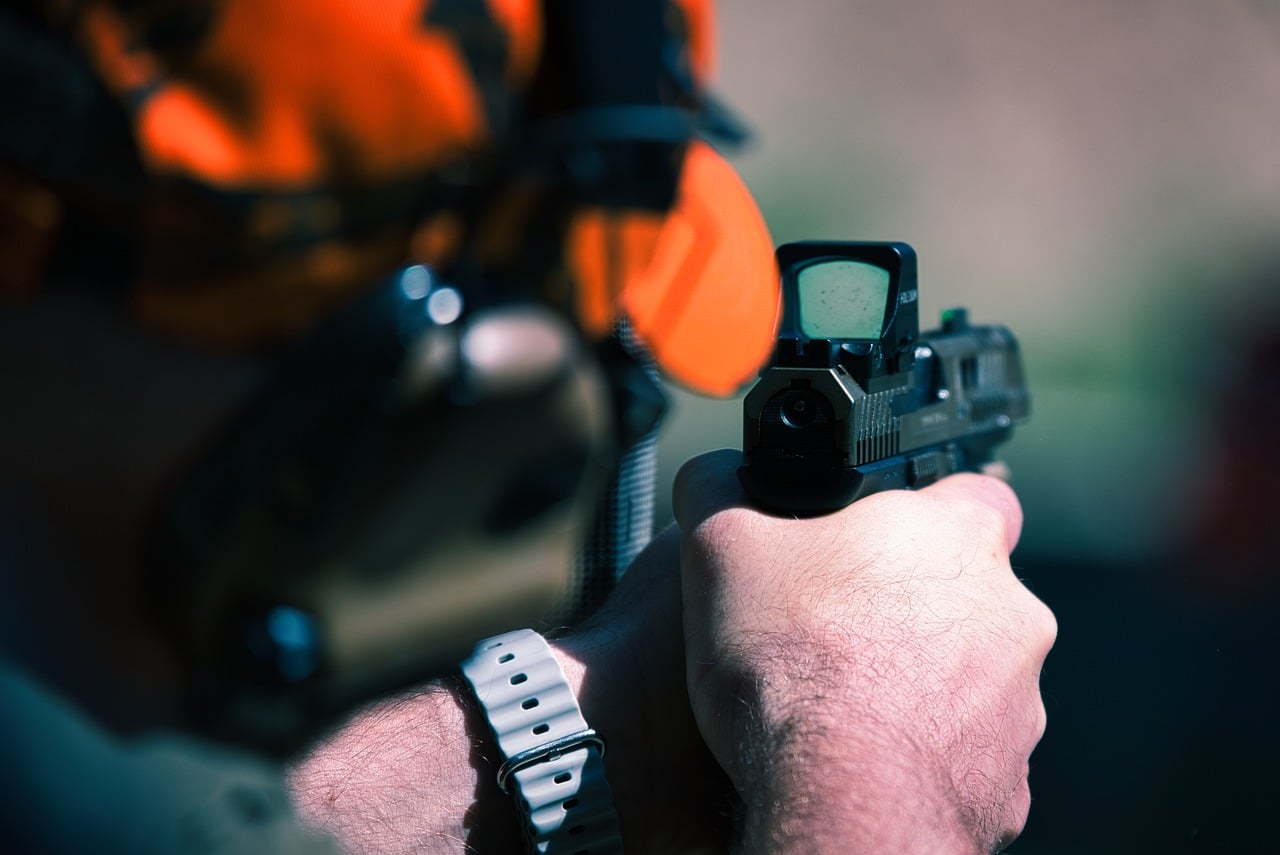
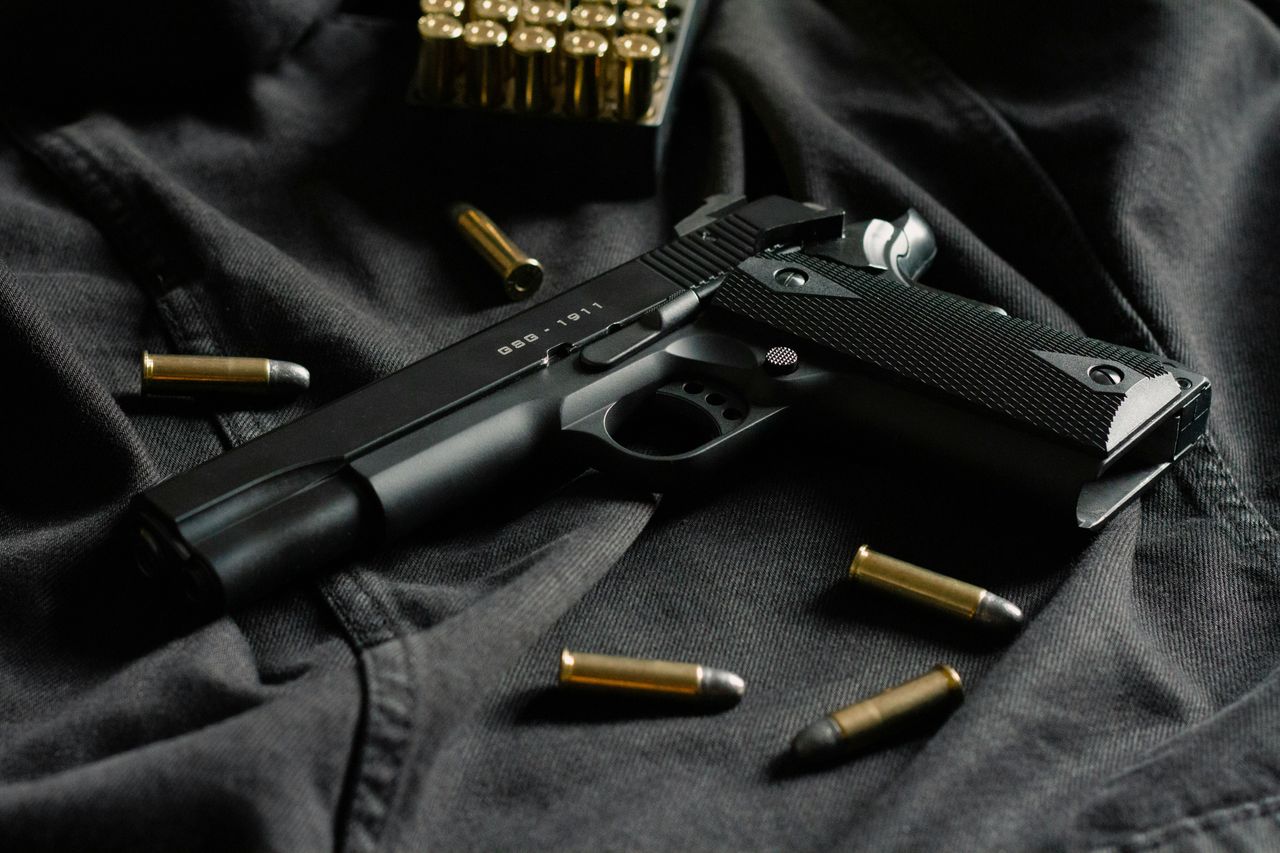
Some shotguns get remembered for style. The Mossberg 590 got remembered for surviving abuse and still running.
Why The Mossberg 590 Stood Out
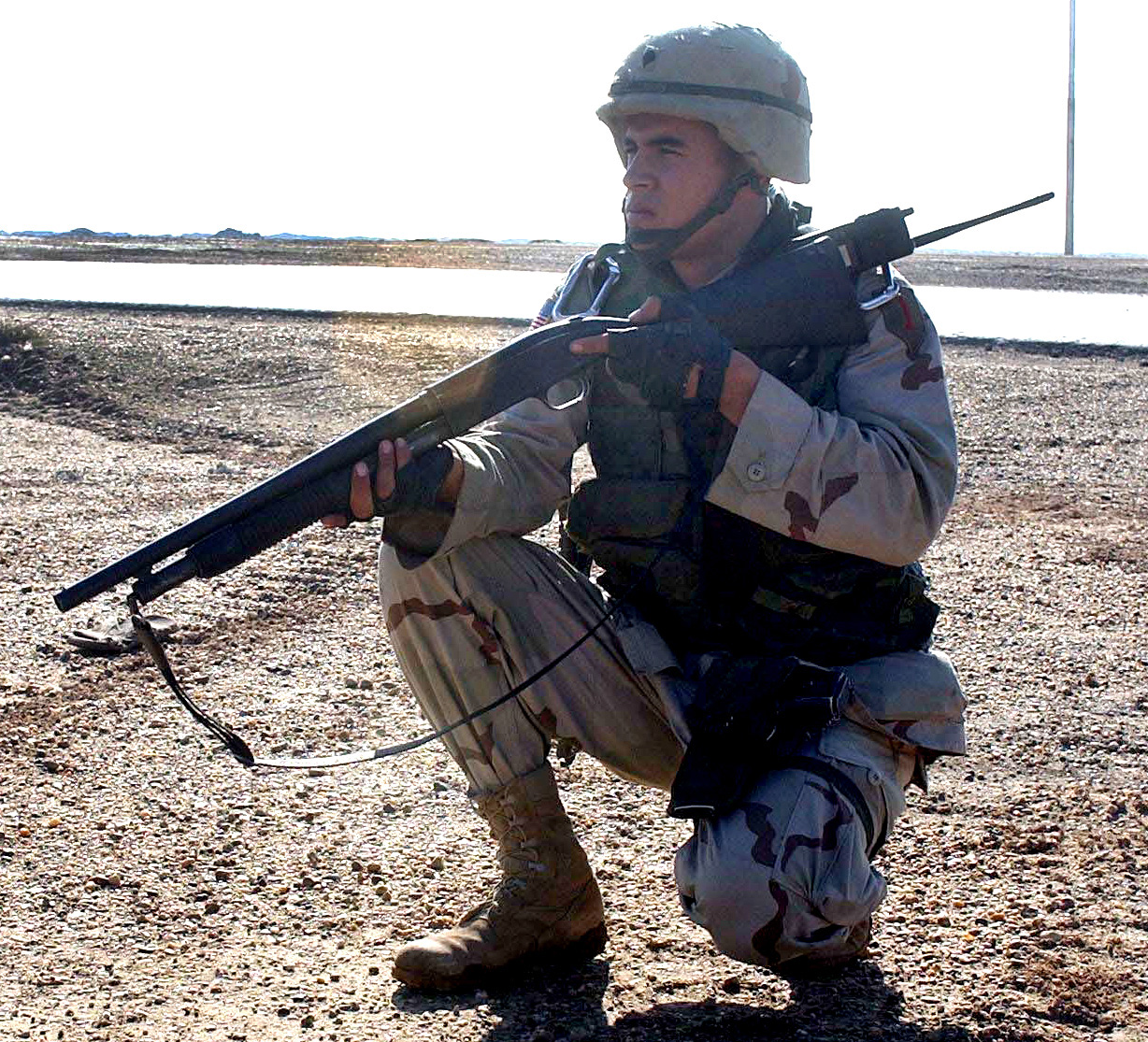
The Mossberg 590 was designed as a fighting shotgun, not just a sporting gun with military paint. That distinction matters because the demands of combat, guard duty, breaching, and shipboard security are far harsher than a weekend at the range. Mossberg built the platform around simplicity, fast operation, and durability under neglect.
For the U.S. military, reliability is not a marketing word. A service shotgun has to function when dirty, wet, dropped, or carried for long periods in miserable conditions. The 590 answered that requirement with a proven pump-action system, generous magazine capacity, and controls that were easy to run under stress. Those practical strengths gave it broad appeal across military branches.
The Marine Corps has long valued weapons that are rugged and intuitive. In that environment, the 590 fit naturally because it did not require complicated maintenance or delicate handling. It was a straightforward tool, and that directness is a big reason it stood out.
Built For Hard Military Use
What separates the 590 from many civilian pump guns is the way it was configured for institutional service. The shotgun used a heavy-walled barrel, a metal trigger guard on many duty variants, and a magazine tube designed for easier cleaning and maintenance. Those details are not glamorous, but they matter when weapons are issued, inspected, and used hard.
Another major feature was the tang-mounted safety. On a Mossberg, that safety sits at the rear of the receiver where it can be reached quickly and naturally, especially when wearing gloves. Military users also appreciated the ambidextrous layout, which made the gun easier to adapt across a wide pool of shooters.
The 590A1 variant pushed this idea even further. It added a heavier barrel, metal safety components, and other upgrades intended to meet strict military procurement standards. According to long-standing military specifications discussions around the platform, those enhancements helped cement the 590’s reputation as a true service shotgun.
The Marine Corps Connection
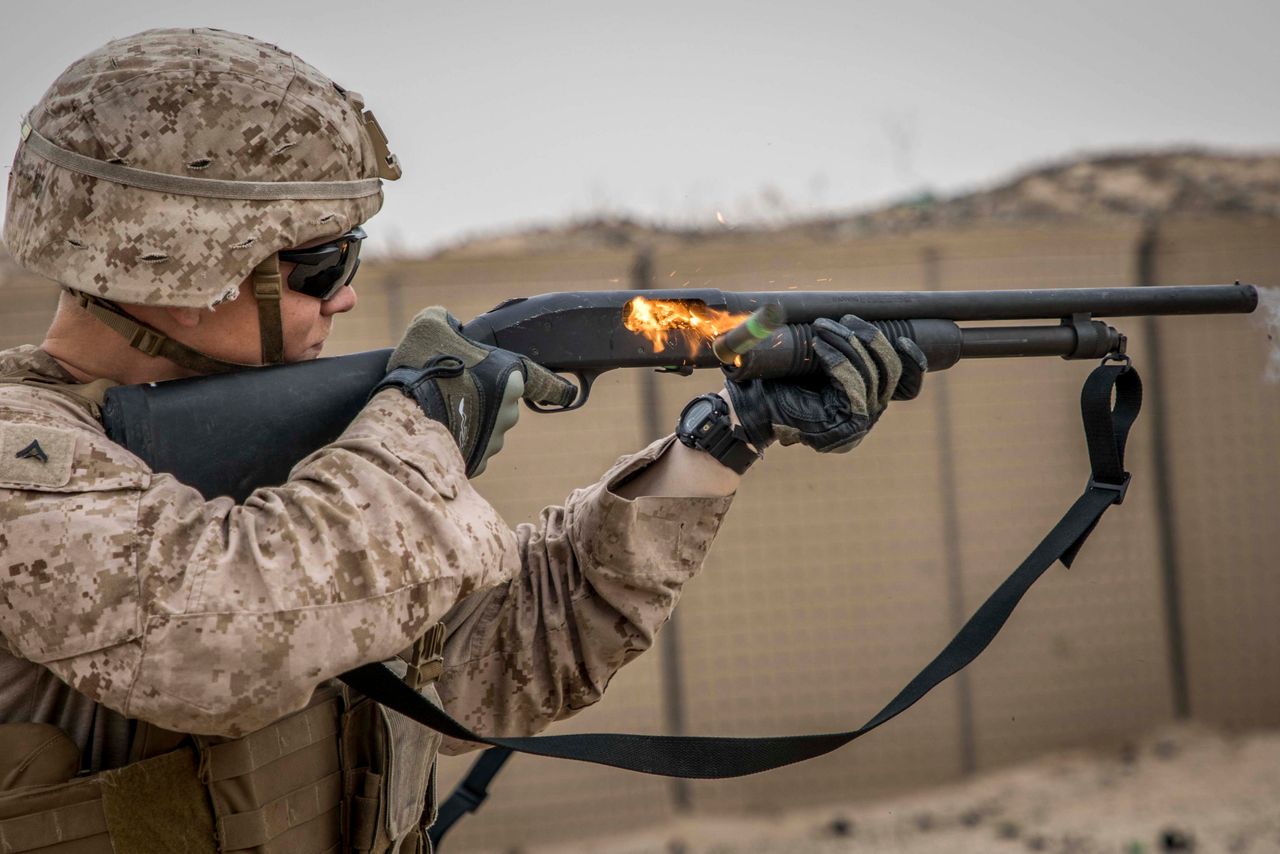
The U.S. Marine Corps did not choose the Mossberg 590 by accident. Marines needed a shotgun that could serve in guard roles, close-quarters tasks, and specialized jobs like door breaching. A pump shotgun remains valuable in those missions because it is dependable, powerful at short range, and flexible with different loads.
That flexibility is one of the platform’s biggest strengths. The same shotgun can run buckshot, slugs, or breaching rounds depending on the mission. For Marines operating in urban settings or securing facilities, that adaptability made the 590 more than a niche weapon.
Military adoption also carries symbolic weight in the civilian world. When shooters hear that the Marine Corps trusted a shotgun, they tend to pay attention. In the case of the 590, that trust was built on practical field use rather than hype.
What Made It Effective In The Field
In real-world use, the Mossberg 590 offered a combination of speed and control. The pump action gave operators immediate feedback, and the manual cycling reduced sensitivity to ammunition variations. That matters with shotguns because loads can vary significantly depending on purpose.
The gun also handled rough treatment well. Marines and sailors used service shotguns in racks, vehicles, armories, and outdoor posts where equipment gets bumped, scraped, and exposed to weather. The 590’s no-nonsense construction helped it keep working in those conditions without drama.
Capacity was another advantage. Many 590 configurations offered 8+1 firepower, which is substantial for a pump shotgun. In close-range security work, that extra capacity can make a practical difference before a reload is needed.
Why Civilian Shooters Still Care
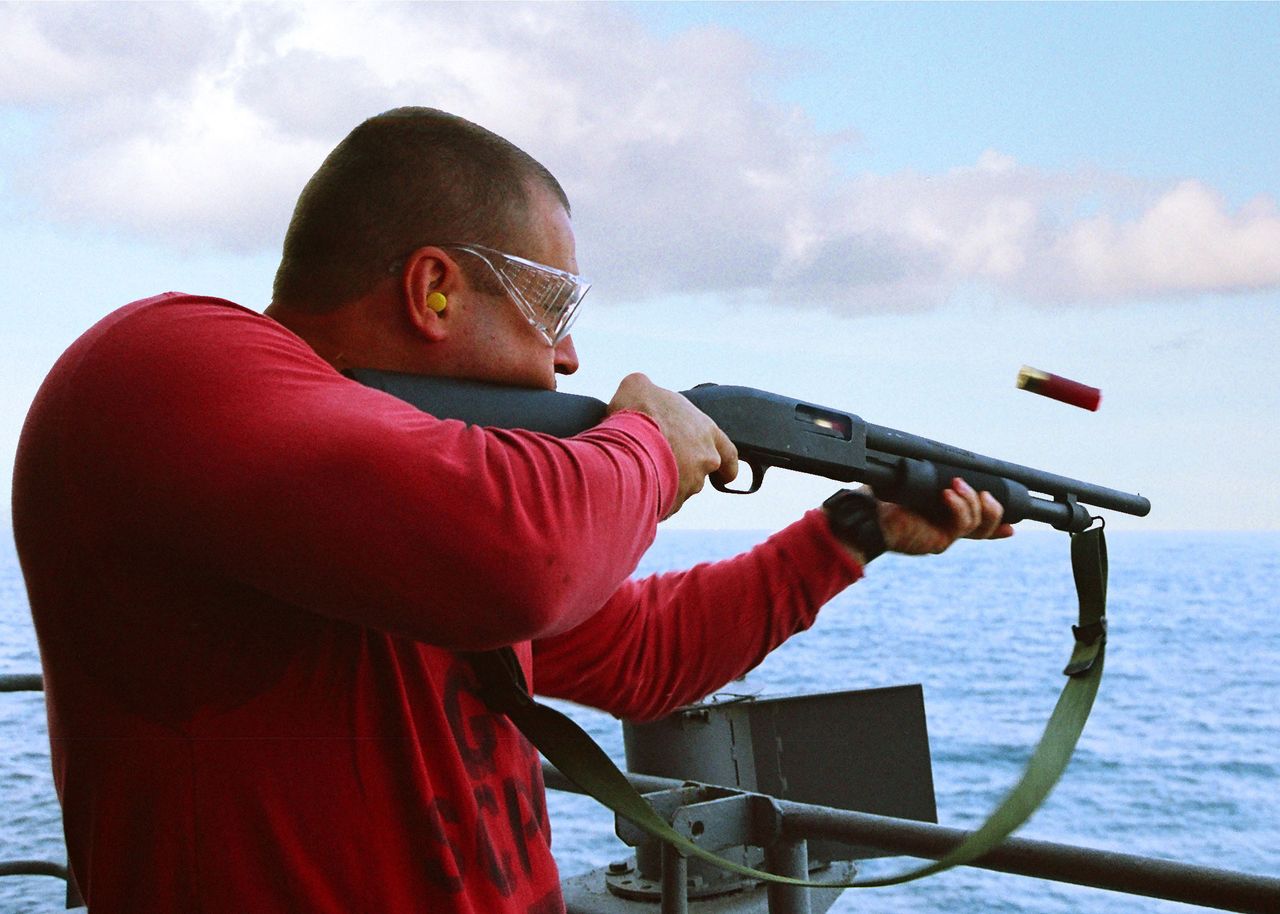
The military pedigree of the 590 still influences buyers today. Civilian owners often want a firearm with a known service record because it suggests the design has already passed serious tests. In the 590’s case, that reputation helped make it one of the best-known defensive pump shotguns in America.
It also remains popular because it is easy to understand. The controls are simple, parts and accessories are widely available, and the manual of arms is familiar to generations of shooters. That makes the platform approachable for newcomers while still respected by experienced users.
For home defense, ranch use, and training, the 590 continues to offer practical value. It is not trendy or complicated, and that is part of its appeal. People trust straightforward tools that do their job.
The Legacy Of A No-Nonsense Service Shotgun
The Mossberg 590 earned its place by doing exactly what a military shotgun is supposed to do. It fed, fired, and functioned in demanding roles where reliability mattered more than elegance. That is ultimately why the Marine Corps and other service users took it seriously.
Its legacy also says something broader about firearm design. Sometimes the most successful weapons are not the flashiest, but the ones built around durability, maintainability, and human factors. The 590 checks those boxes with remarkable consistency.
Years after its adoption, the shotgun still stands as a benchmark for pump-action service guns. For many shooters, the story of the Mossberg 590 is simple: build it tough, keep it simple, and it will earn trust the hard way.