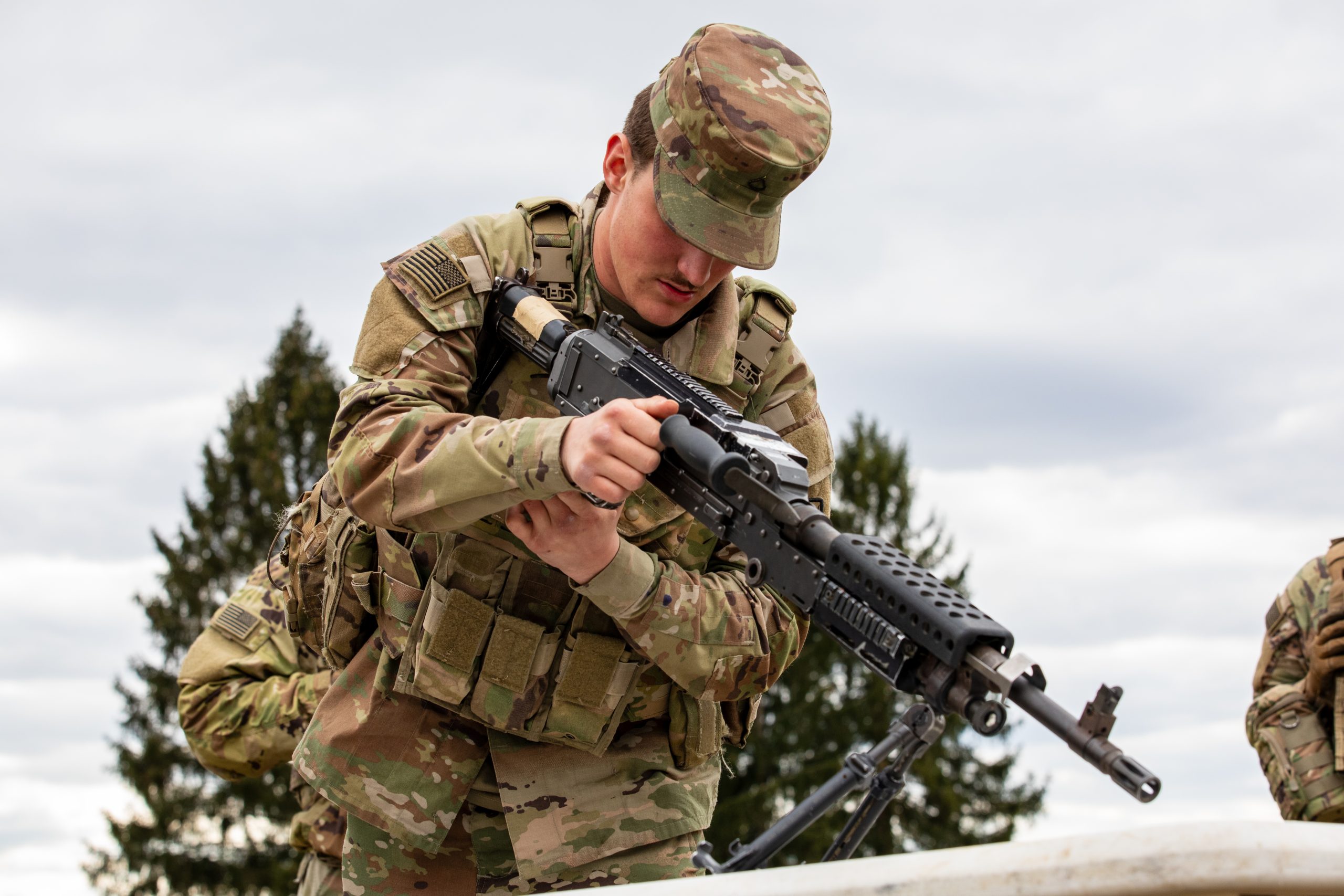
The AR-15 world has long debated gas piston versus direct impingement, and POF-USA has been one of the loudest voices arguing that the old system still leaves key issues unresolved. From heat and fouling to reliability under hard use, the company says its approach was built to fix real mechanical pain points. This gallery breaks down nine claims behind that argument and explains why the conversation still matters to shooters today.
Why the gas system debate never really went away

At a glance, an AR-15 can look like a settled design. Yet one of its oldest arguments keeps resurfacing whenever shooters start talking about maintenance, heat, and reliability in rough conditions.
POF-USA frames the debate in simple terms: direct impingement sends hot gas back into the action, while a piston system keeps more of that mess forward. To the company, that is not a small engineering detail. It is the root of several problems shooters have learned to accept as normal.
That does not mean direct impingement rifles do not work well. It means POF-USA believes gas piston rifles address compromises that many owners still notice after long strings of fire.
Less heat dumped into the bolt carrier group
One of POF-USA’s core arguments is about heat. In a direct impingement rifle, propellant gas travels through the gas tube and vents into the carrier, bringing significant heat right into the operating parts.
A piston system changes where that energy does its work. POF-USA says the gas is managed farther forward, so the bolt carrier group stays cooler during extended firing. That can matter when rifles are run hard in training, competition, or demanding field use.
To many shooters, heat is more than a comfort issue. Hotter internals can accelerate wear, cook off lubricant sooner, and make a rifle feel less forgiving as the round count climbs.
Cleaner operation inside the receiver
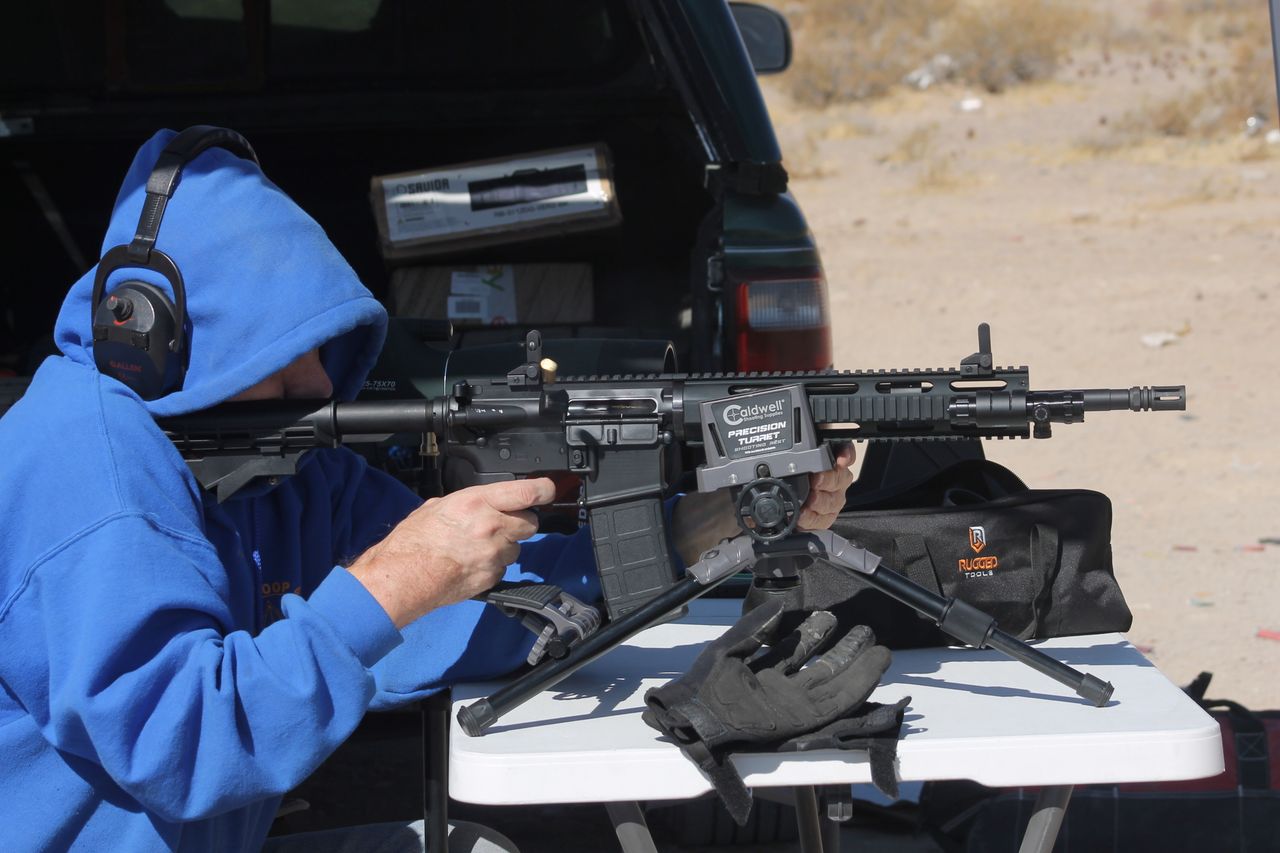
If heat is the first complaint, fouling is usually the second. POF-USA argues that direct impingement rifles vent gas and carbon where the action cycles, which means grime builds up exactly where smooth function matters most.
With a piston setup, the company says more residue stays near the gas block area instead of blowing back into the receiver. The result, in its telling, is a noticeably cleaner bolt, carrier, and chamber area after heavy use.
For everyday owners, that claim lands in a practical place. A cleaner-running rifle can mean easier wipe-downs, less stubborn carbon scraping, and fewer moments spent wondering how dirty is too dirty before the next range trip.
Reduced wear on moving internal parts

POF-USA also ties piston operation to long-term durability. Its argument is that lower heat and less carbon in the action can reduce the stress placed on parts that already cycle under intense pressure and speed.
That matters because the bolt, gas rings, extractor area, and carrier all live hard lives. When lubrication burns off quickly or carbon starts adding friction, parts may keep working, but they can do so under less-than-ideal conditions.
The company’s pitch is not that a direct impingement rifle instantly wears out. It is that removing heat and fouling from the heart of the action gives components a better environment in which to survive high round counts.
More dependable function in harsh conditions
Reliability is where marketing claims usually get bold, and POF-USA leans into that. The company says a piston-driven AR-15 can offer a bigger margin of confidence when dirt, heat, and extended firing all start stacking up.
Its reasoning follows the same theme: if less carbon and heat reach the action, there is less contamination to interfere with cycling. In dusty, muddy, or high-volume environments, that cleaner operating pattern is presented as a meaningful advantage rather than a subtle one.
For the average reader, the takeaway is straightforward. POF-USA believes a piston system gives shooters more breathing room before a rifle becomes finicky, especially when conditions are less controlled than a tidy square range.
Better behavior when running a suppressor

Suppressors change the equation for almost any semiautomatic rifle. They can increase backpressure, which often means more gas, more fouling, and more blowback in systems that already route gas into the action.
POF-USA says that is exactly where a gas piston design shows its value. By keeping gas handling farther forward, the company argues the rifle can stay more manageable and cleaner when suppressed than many direct impingement setups.
That point resonates with modern buyers because suppressor use is no longer niche. Shooters increasingly want rifles that stay comfortable, predictable, and easier to maintain with a can attached, not just for a magazine or two, but for a full day.
Easier maintenance after long range sessions
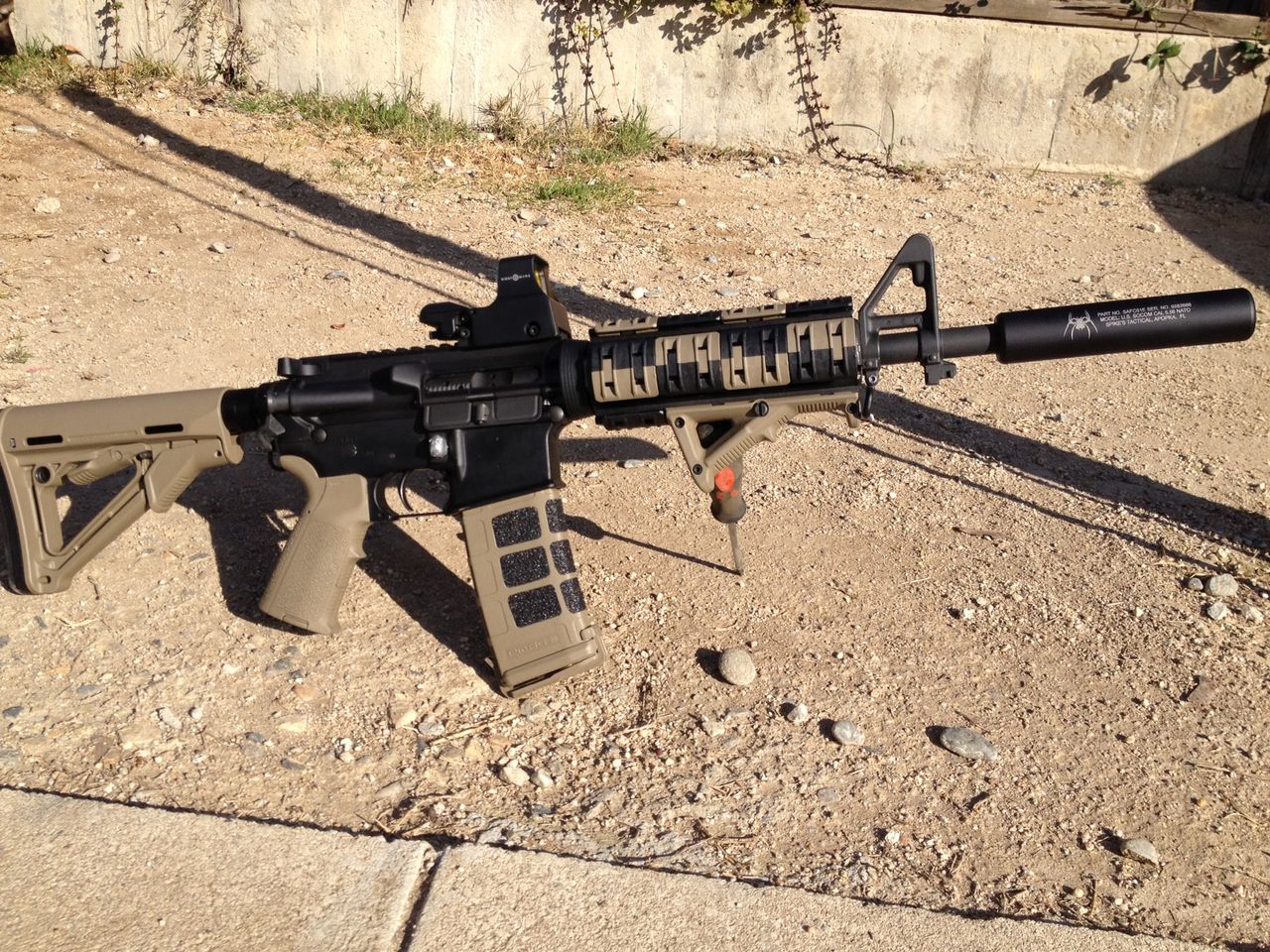
Cleaning an AR-15 is almost a ritual, but POF-USA says it should not have to feel like penance. If less carbon is vented into the receiver, then the dirtiest post-range work can become a lot less tedious.
That claim goes beyond simple convenience. A rifle that is quicker to clean is also one owners may be more likely to service promptly and consistently, which can improve real-world reliability over time.
There is also the small matter of attitude. When buildup is not caked into every corner of the bolt carrier group, the rifle feels less like a chore. For many shooters, that alone makes the piston argument easier to appreciate.
A cooler rifle can keep lubricant working longer
Lubrication is one of those unglamorous topics that experienced shooters talk about constantly. POF-USA connects its cooler-running claim to the simple idea that oil and grease last longer when they are not being baked inside the carrier.
In a direct impingement setup, the same gas that cycles the action also heats it intensely. Over long firing strings, that can thin out lubricant, burn it off faster, or leave parts needing attention sooner than owners might prefer.
A piston system, as POF-USA presents it, gives lubricant a friendlier environment. That may sound minor, but anything that helps keep friction under control can influence how smoothly a rifle runs deep into a shooting session.
The design aims to reduce gas in the shooter’s face

Anyone who has spent time behind a semiautomatic rifle, especially a suppressed one, knows gas blowback can turn an otherwise pleasant setup into an eye-watering experience. POF-USA says piston operation can help reduce that annoyance.
Because less gas is routed back through the action, the company argues there is less excess gas escaping near the shooter during cycling. The result can be a rifle that feels more comfortable, particularly in fast strings or enclosed shooting positions.
This is one of those quality-of-life details that quickly becomes a big deal once noticed. Comfort affects confidence, and confidence affects performance, whether the shooter is practicing casually or trying to make every shot count.