Some guns get cheaper with age. The interesting ones often do the exact opposite.
Once production stops, a firearm can shift from ordinary tool to finite collectible almost overnight.
Scarcity Changes Everything
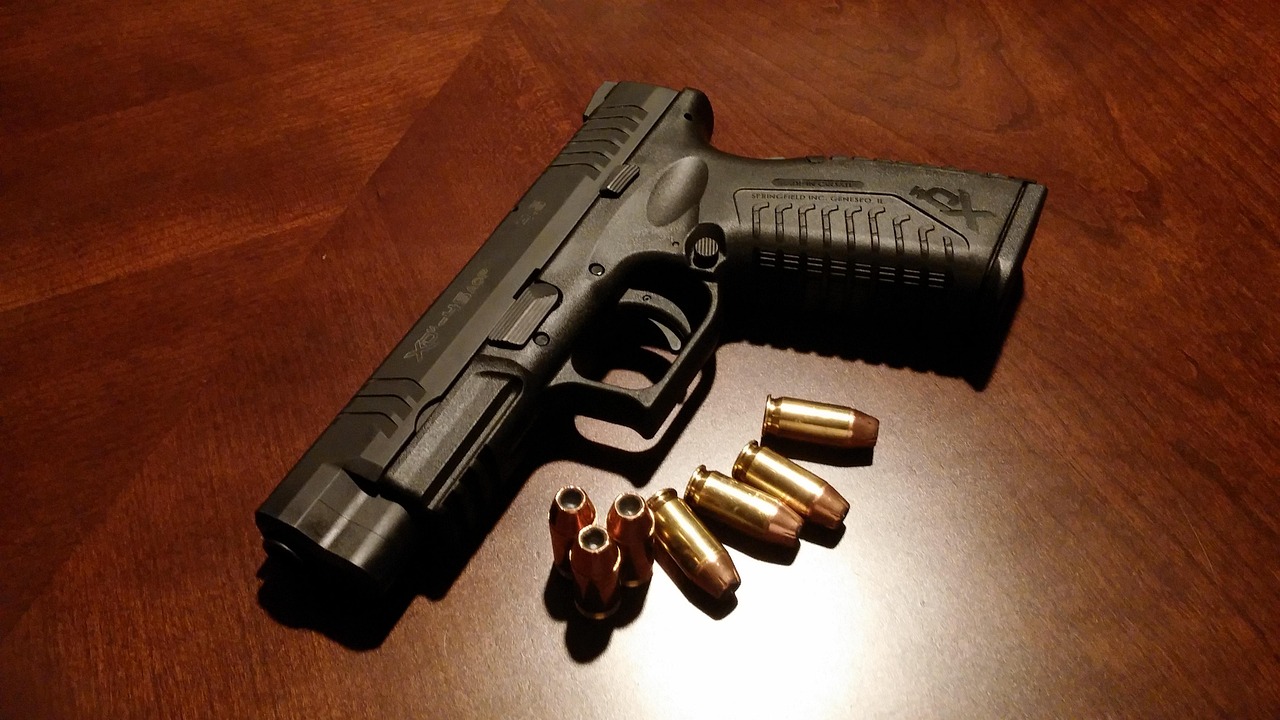
The simplest reason discontinued firearms rise in value is supply. Once a model is no longer being made, the total number in circulation is effectively capped, and every damaged, modified, or lost example makes clean originals even harder to find.
That matters because collectors do not chase availability; they chase absence. A gun that was once common at the local shop can become desirable once buyers realize no new examples are coming to market.
ATF regulations even recognize that collector value can stem from rarity, novelty, or historical association, and firearms automatically qualify as curios or relics when they reach 50 years of age in original configuration. That legal framework reflects a real market truth: scarcity itself can become part of the value story.
Reputation Outlives Production
Some firearms gain value because their reputation becomes stronger after the factory line goes quiet. A discontinued model with a proven trigger, excellent machining, or legendary reliability often starts to look better once shooters compare it with newer cost-cut or redesigned alternatives.
The Colt Python is a classic example. Colt’s own timeline treats the Python as one of its landmark revolvers, and collector markets spent years rewarding older examples for their finish, hand-fitting, and prestige even before the model’s modern return.
That pattern shows up again and again. When enthusiasts believe an older version represents the “real” version, discontinuation doesn’t kill demand; it sharpens it by freezing the original standard in place.
Historical Moments Create Premiums
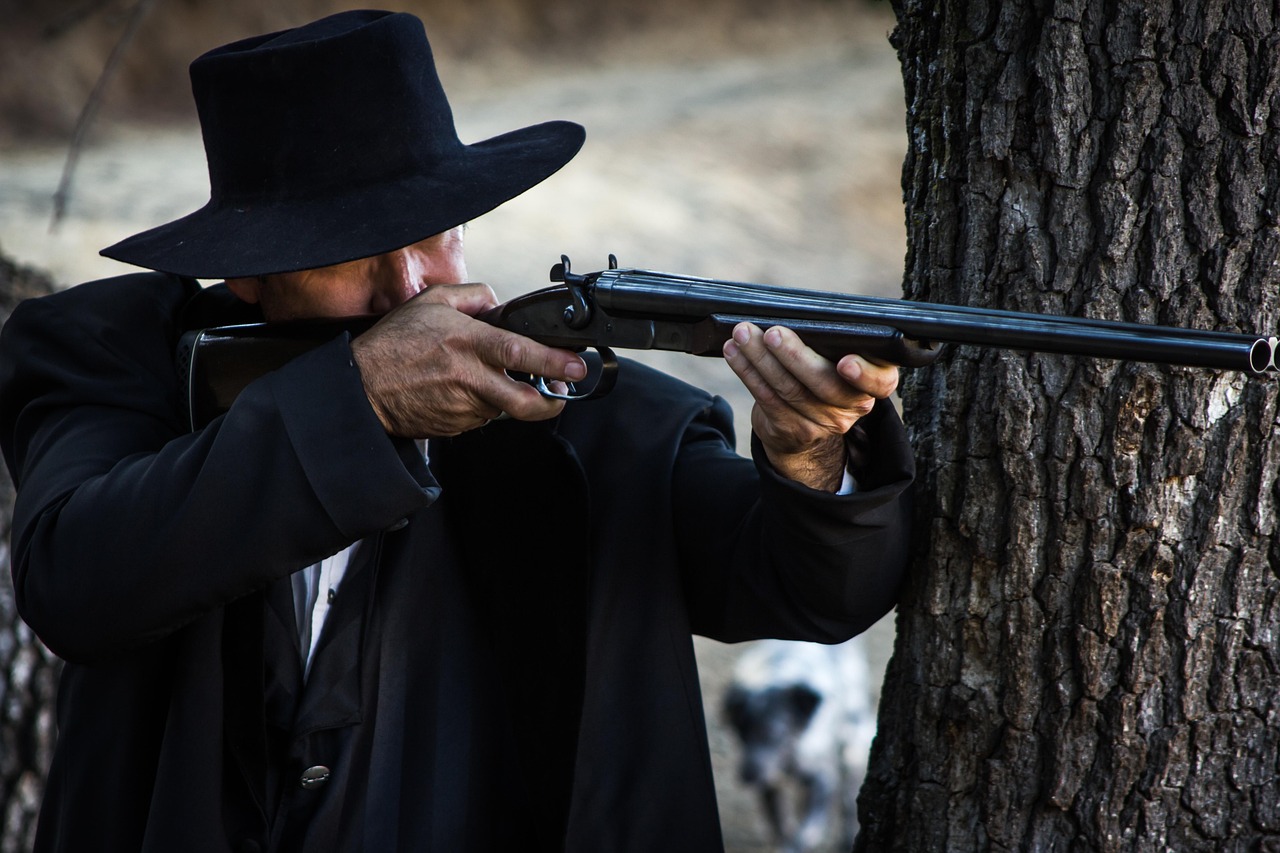
A gun can also become more valuable because it captures a specific era. Firearms tied to military service, frontier history, police carry, competition use, or iconic hunting traditions often pick up value as symbols, not just objects.
Winchester’s New Haven closure in 2006 is a good illustration. Winchester’s historical material notes that production of the Model 70 and Model 94 ended there after the shutdown announcement on January 17, 2006, and that factory break gave pre-closure rifles a distinct identity in the collector market.
Collectors often pay for that story. “Made before the closing,” “first-year issue,” or “original military configuration” can matter almost as much as condition because provenance turns a firearm into a timestamp.
Condition and Originality Drive Prices
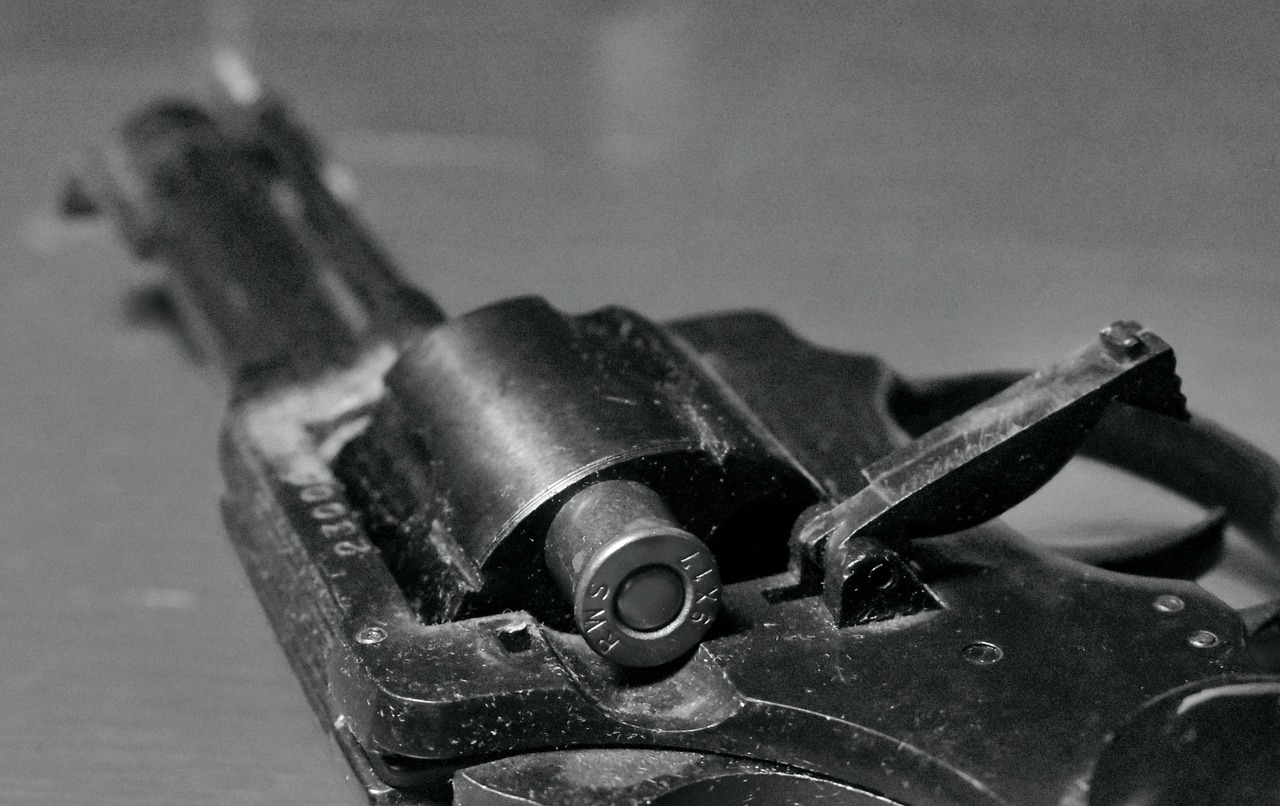
Discontinued does not automatically mean valuable. Condition is often the dividing line between an old gun and a premium collectible.
Original finish, matching parts, factory sights, correct grips, original box, and documented provenance can move a firearm into a very different price bracket. ATF guidance on curios and relics also emphasizes original configuration, which mirrors how serious collectors judge desirability.
This is why refinishing, drilling for optics, or swapping parts can hurt value even if the gun becomes more practical to use. In collector markets, untouched examples usually win because originality is proof that the gun survived its working life without losing its identity.
The Market Rewards Interrupted Supply
Sometimes values jump because production didn’t just end; it paused. That interruption creates a gap that reminds buyers what they missed.
Marlin is a strong modern case. After Ruger acquired Marlin assets, the company announced in late 2021 that Ruger-made Marlin lever actions were returning, beginning with the 1895 SBL, while additional 1895, 336, and 1894 models would follow. During the gap between old Marlin production and Ruger’s reintroduction, clean legacy rifles drew heavier attention because buyers had limited new alternatives.
Even when a brand comes back, earlier runs can stay valuable. Collectors often separate “original factory” guns from later reissues, treating them as related but not interchangeable markets.
Demand Is Emotional, Not Just Rational
At the end of the day, firearm value is not built on metallurgy alone. It is built on memory, status, nostalgia, and the human urge to own something that cannot be easily replaced.
Auction houses repeatedly demonstrate this with standout results for rare Winchesters, Colts, and other discontinued classics. Rock Island Auction’s published 2025 results included a documented Winchester “One of One Hundred” Model 1873 that sold for $763,750, showing how rarity, documentation, and legend can combine into extraordinary prices.
That does not mean every discontinued gun is an investment. But when limited supply meets strong reputation, historical meaning, and collector emotion, a firearm can stop being just a tool and start becoming an asset people compete to own.