It looked crude even by wartime standards. That was exactly the point.
Britain Needed a Gun It Could Make Fast
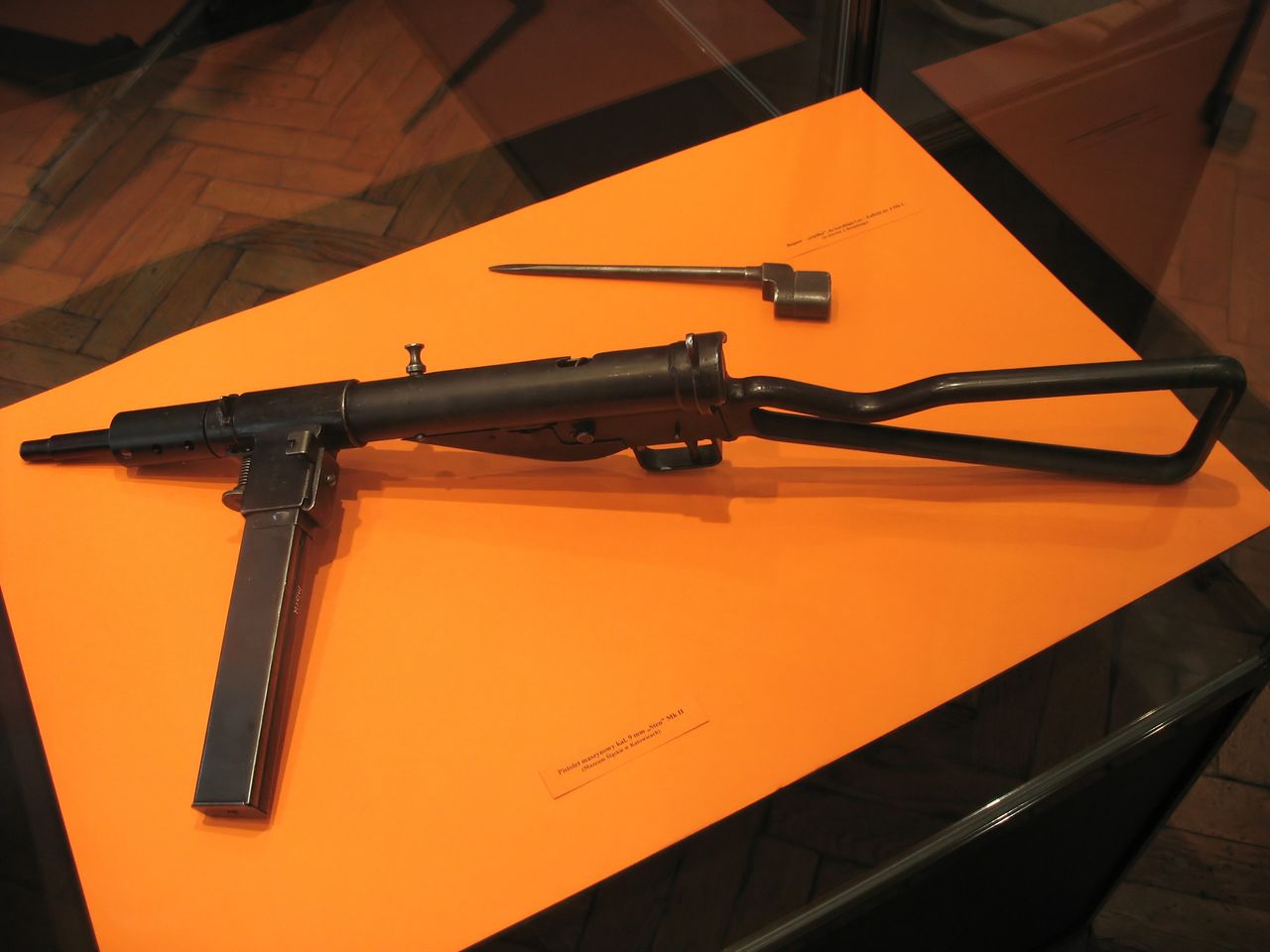
The Sten was born out of a crisis, not a search for perfection. After the Dunkirk evacuation in 1940, Britain had lost enormous amounts of equipment and suddenly faced the possibility of invasion. The British Army needed a compact automatic weapon in huge numbers, and it needed one fast.
At that moment, the alternatives were either too scarce or too expensive. The Thompson submachine gun was respected, but it was costly, heavy, and slow to produce in wartime conditions. Period accounts and later museum summaries repeatedly note the same contrast: a Sten could be made for roughly $10 to $11, while a Thompson might cost around $200, an enormous gap when governments needed weapons by the hundred-thousand.
That emergency shaped every part of the design. According to the National Army Museum, the Sten used a simple layout with pressed metal components and limited welding. The Royal Armouries also emphasizes that its uncomplicated form allowed firms far outside the traditional gun trade to make it in volume.
In other words, the Sten was not cheap by accident. It was cheap because Britain deliberately designed away almost everything that slowed production, raised machining time, or required elite craftsmanship.
The Design Was Basically Industrial Minimalism

If you strip a gun down to the functions that absolutely must happen, you end up very close to a Sten. It fired 9×19mm ammunition, used a simple blowback operation, and shot from an open bolt. That meant fewer precision-machined parts than more refined weapons demanded, and fewer steps on the factory floor.
The receiver was essentially a metal tube. Instead of elaborate forgings and deeply machined steel blocks, the gun relied on tubing, stamped sheet metal, and welded assemblies. The Mk II, the best-known version, became famous for looking almost improvised because, in some ways, it was engineered to be manufacturable with basic industrial methods rather than deluxe gunmaking techniques.
That simplicity also reduced the number of specialist tools required. A more traditional firearm required highly skilled machinists, dedicated fixtures, and more hours at machine tools. The Sten asked for much less. Semi-skilled labor in dispersed workshops could turn out components that would have been far harder to produce for more polished designs.
The result was a weapon many veterans considered ugly and many armorers considered crude. But ugly, crude, and producible was a winning combination in 1941. A beautiful gun you cannot build in time is strategically useless.
Cheap Materials and Loose Tolerances Did the Heavy Lifting
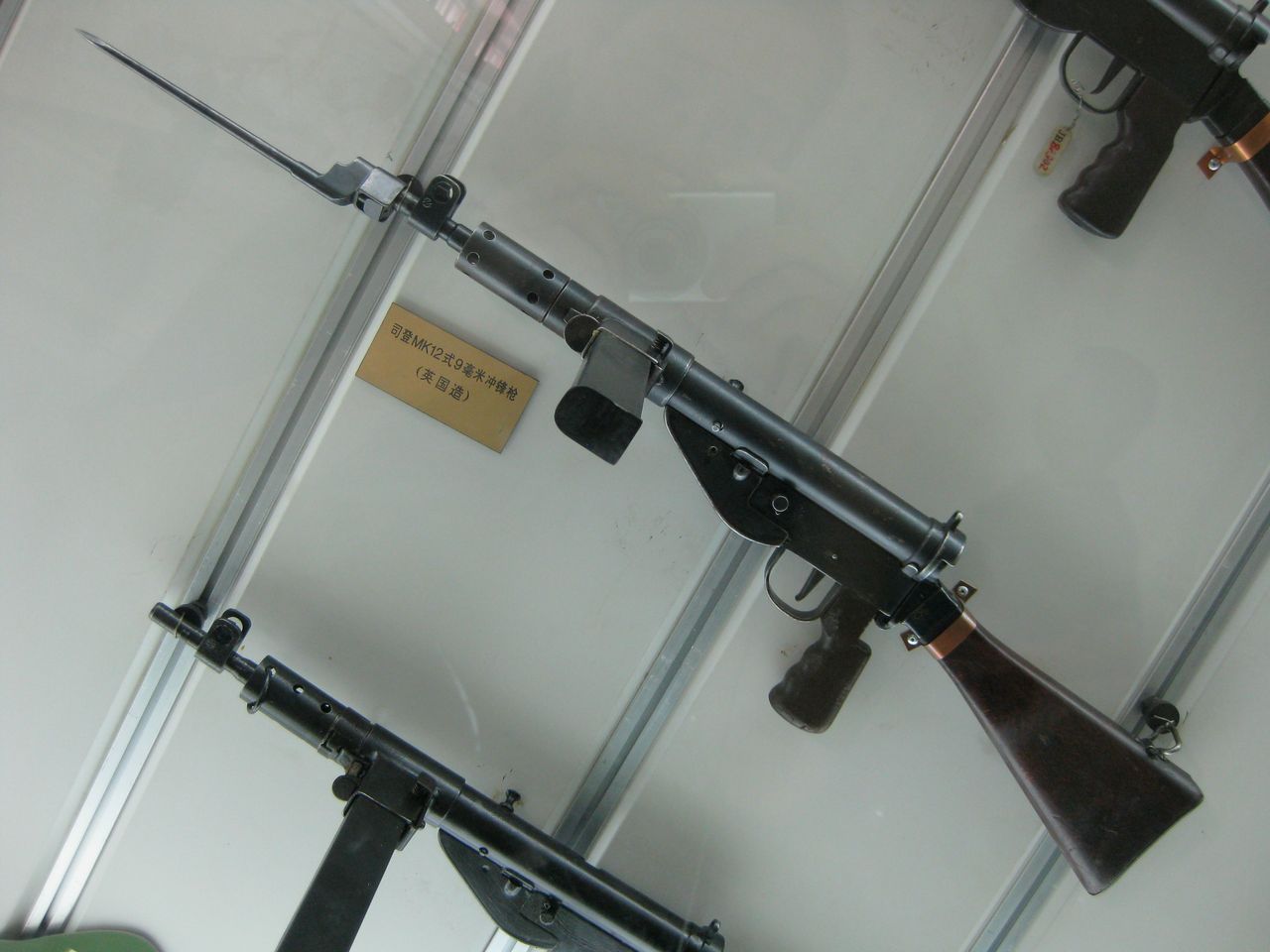
One of the biggest reasons the Sten could be produced so cheaply was that it made smart use of ordinary materials. The gun did not depend on large amounts of finely machined steel, walnut furniture, or labor-intensive finishing. Much of it was tubing, simple steel stampings, springs, and welds.
That matters because wartime industry is never just about design elegance. It is about supply chains. A weapon that uses common stock sizes, simple cuts, and fewer high-precision surfaces is easier to scatter across multiple suppliers. Different workshops could make magazines, trigger housings, tubes, stocks, or barrel shrouds without needing to be master gunmakers.
The Sten also tolerated rougher manufacture than many earlier firearms. That did not mean quality never mattered. It meant the design accepted a level of variation that made mass output realistic under pressure. Production could be spread among contractors, including firms better known for other kinds of metalwork, a point the Royal Armouries highlights in discussing wartime manufacturers like the toy company Tri-ang.
This is the hidden economics of the gun. Cheapness was not only about the sticker price. It was about reduced skilled labor, less machining time, simpler subcontracting, and the ability to make workable parts across a broad industrial base.
It Was Perfect for Clandestine and Improvised Production
The phrase “built-in basements” is dramatic, but it gets at a real truth. The Sten’s architecture was unusually friendly to clandestine manufacture, repair, and copying. Resistance groups did not need to reproduce the full sophistication of a peacetime arsenal to get something close to the original concept.
Because the gun was based on tubes, simple fittings, and welded or pinned components, it lent itself to small-shop methods. Underground organizations in occupied Europe often operated with machine tools far more modest than those in a state arms factory. A design like the Sten narrowed the gap between official armament production and improvised wartime engineering.
That is one reason the weapon became so closely associated with resistance warfare. American Rifleman notes that the Sten is inseparably linked to the French Resistance, and museum and historical accounts also tie it to SOE support for underground fighters in occupied Europe. It could be dropped in crates, hidden easily, repaired with relative practicality, and understood quickly.
Its influence went beyond direct supply. The broader lesson of the Sten was that an effective wartime submachine gun did not have to be beautifully made. It only had to be manufacturable, portable, and dangerous at close range.
Resistance Fighters Valued Practicality More Than Refinement
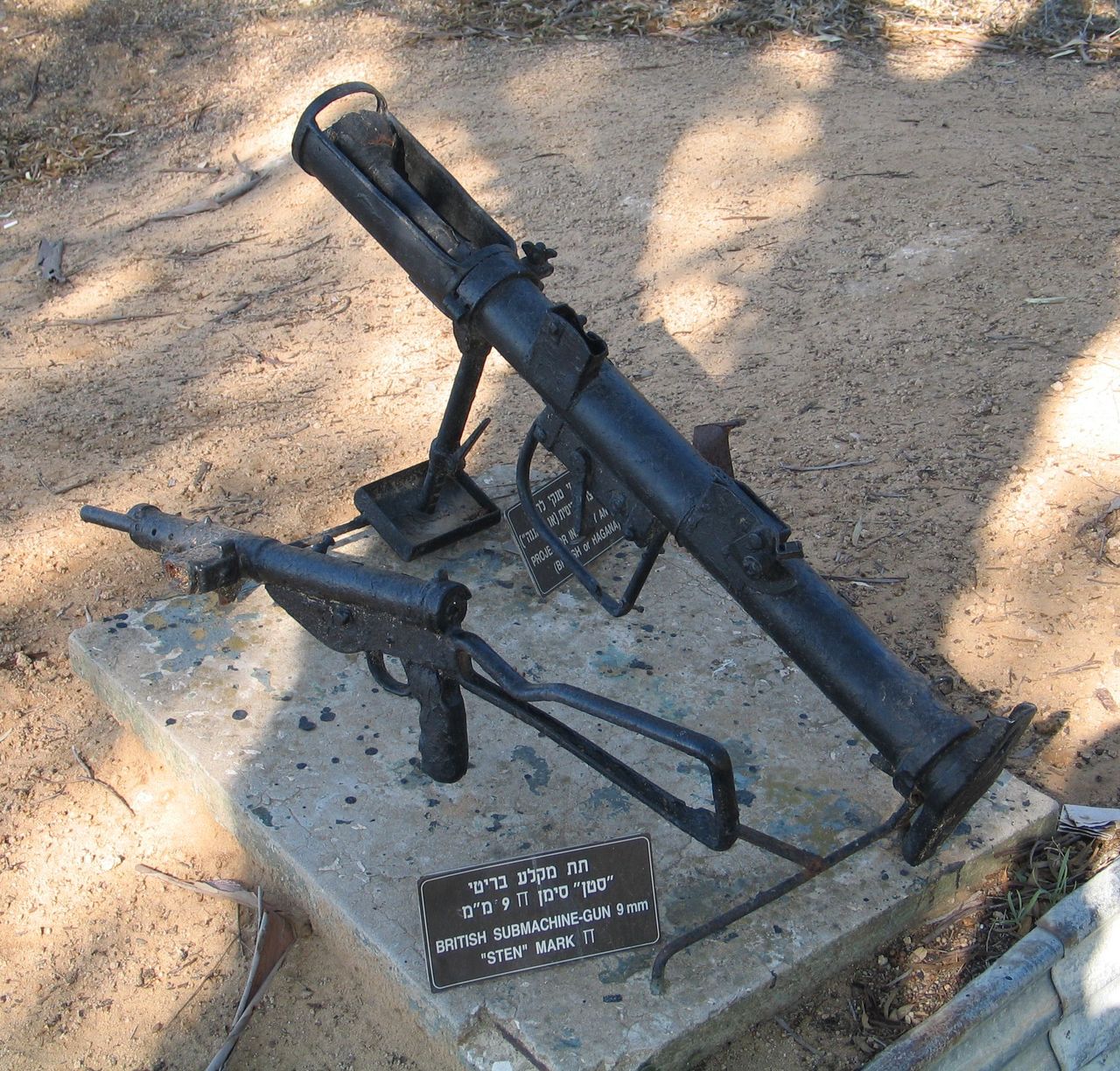
To a resistance fighter, the ideal gun was not the most elegant one. It was the one you could actually get, conceal, and keep running. In that environment, the Sten’s roughness was often a tolerable tradeoff. It was compact, fired a widely available pistol cartridge, and offered real close-range firepower for sabotage, ambushes, and urban fighting.
Another practical advantage was ammunition commonality. The Sten chambered 9mm, a cartridge widely used across Europe, including by German forces. That mattered enormously in occupied territory, where ammunition resupply was irregular, and captured stocks could mean the difference between a useful weapon and dead weight.
The gun also broke down the prestige barrier that once separated military arms from workshop products. Underground fighters and resistance armorers did not need polished bluing or beautifully checkered wood. They needed something that could be hidden under a coat, passed hand to hand, and brought out for a raid, assassination, or railway attack.
None of this means the Sten was beloved. Its magazine design and safety shortcomings earned criticism, and users knew it could be temperamental. But wartime irregulars often accept compromise more readily than regular armies. Availability beats perfection when occupation is the problem.
The Very Flaws of the Sten Reveal Why It Was So Affordable
The Sten’s weaknesses are not separate from its low cost. They are often the direct byproduct of the same decisions that made it so manufacturable. A simple open-bolt system, minimal finishing, basic safeties, and a famously troublesome magazine all kept the weapon cheap, but they also gave it a reputation for stoppages and accidental discharges.
That tradeoff is important to understand clearly. The Sten was not a miracle of engineering that somehow achieved both luxury and low cost. It was a wartime compromise machine. British planners accepted a certain loss in refinement because the strategic gain in quantity was enormous.
In a resistance setting, those compromises could still make sense. A gun that is a little awkward but widely obtainable may be far more useful than a superior gun available only in tiny numbers. The entire logic of clandestine war bends toward simplicity, portability, and replaceability.
Even enemy powers noticed. Late in the war, Germany produced the MP 3008, a crude submachine gun heavily inspired by the Sten. When your opponent starts copying your emergency expedient, that is strong evidence tthat he underlying production logic was sound.
The Sten’s Real Genius Was Democratic Manufacturing
The Sten’s lasting significance is bigger than its battlefield record. It represented a kind of democratic manufacturing, meaning a serious military weapon could be broken down into tasks that ordinary industry, and in some cases extraordinary underground ingenuity, could actually manage. It lowered the threshold for who could make a gun and where it could be made.
That was revolutionary in a practical, not ideological, sense. Traditional firearm manufacture had long depended on specialized facilities, skilled machining, and tightly controlled industrial processes. The Sten pushed in the other direction. It turned the submachine gun into something that could be produced in dispersed workshops under intense wartime pressure.
This is why historians still talk about it with a mix of respect and skepticism. It was not graceful. It was not especially safe by modern expectations. It was not even consistently admired by the men who carried it. Yet it solved the hardest wartime problem of all: how to arm huge numbers of people quickly, cheaply, and with acceptable effectiveness.
So yes, the Sten was cheap enough for resistance fighters to build in basements because it had been designed, from the first sketch, to live in exactly that world of scarcity, urgency, and ruthless practicality.