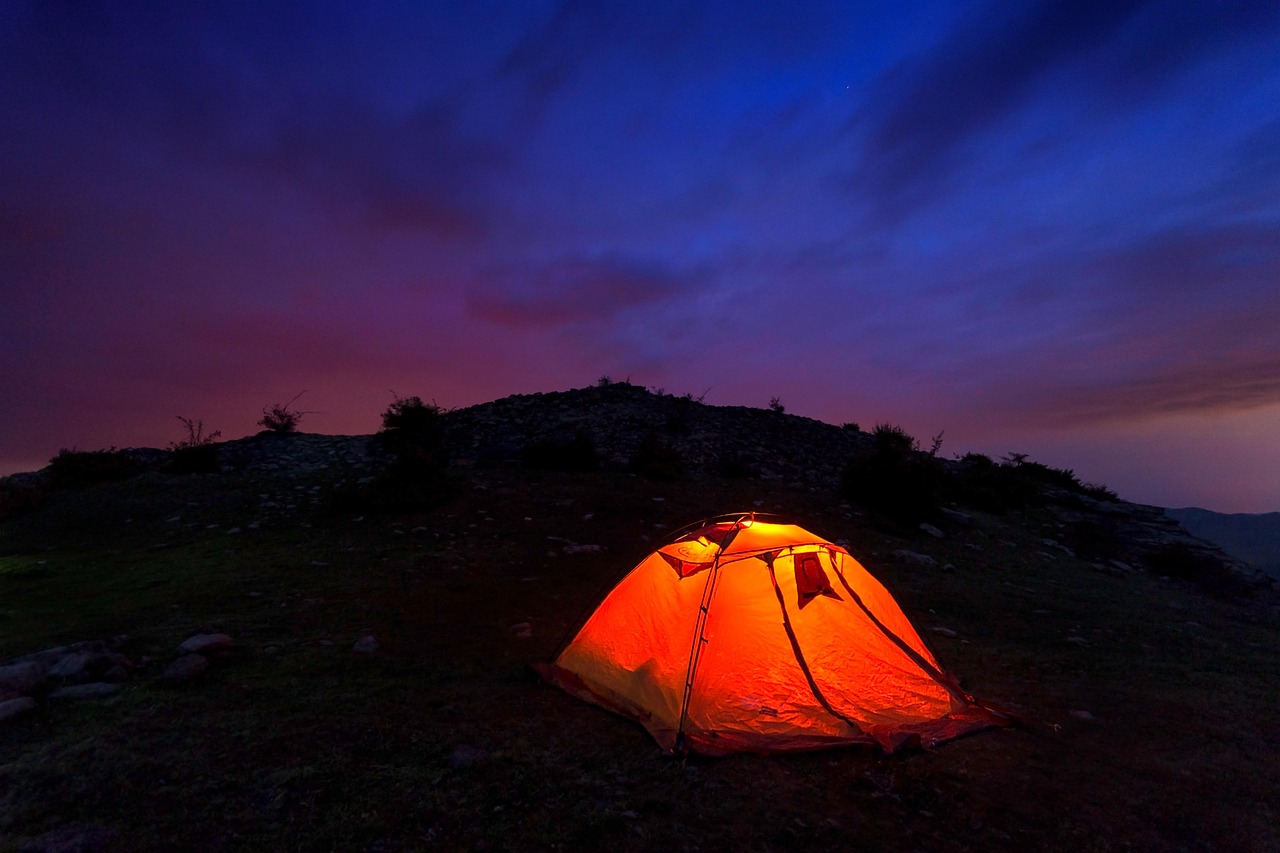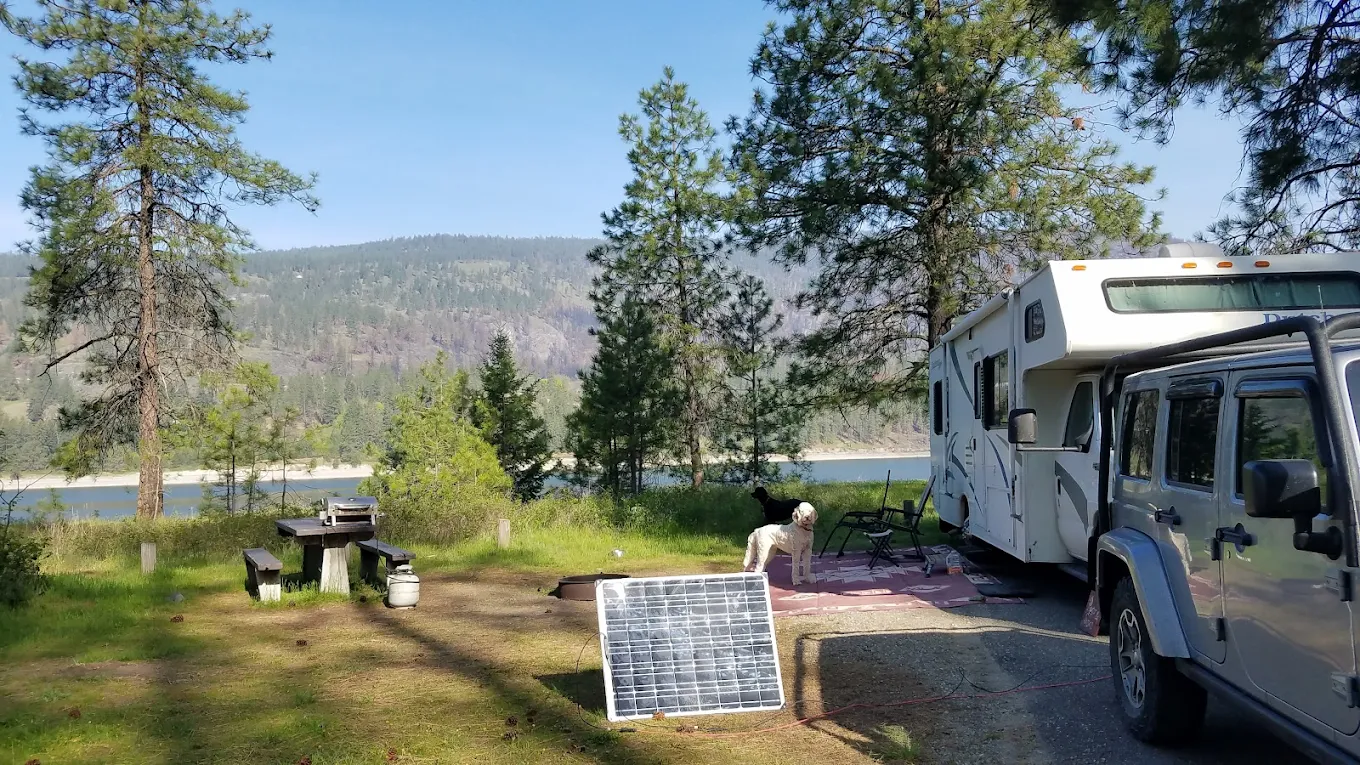
Setting up a safe and orderly campsite becomes even more important when darkness settles in and a fire becomes the main source of light. A calm, well-prepared environment helps reduce confusion and creates a steady rhythm for nighttime tasks. Careful fire management paired with thoughtful organization allows hunters and campers to move confidently through evening routines. Reviewing key safety steps before handling equipment ensures that the campsite remains controlled, comfortable, and secure throughout the night.
Clear the Perimeter
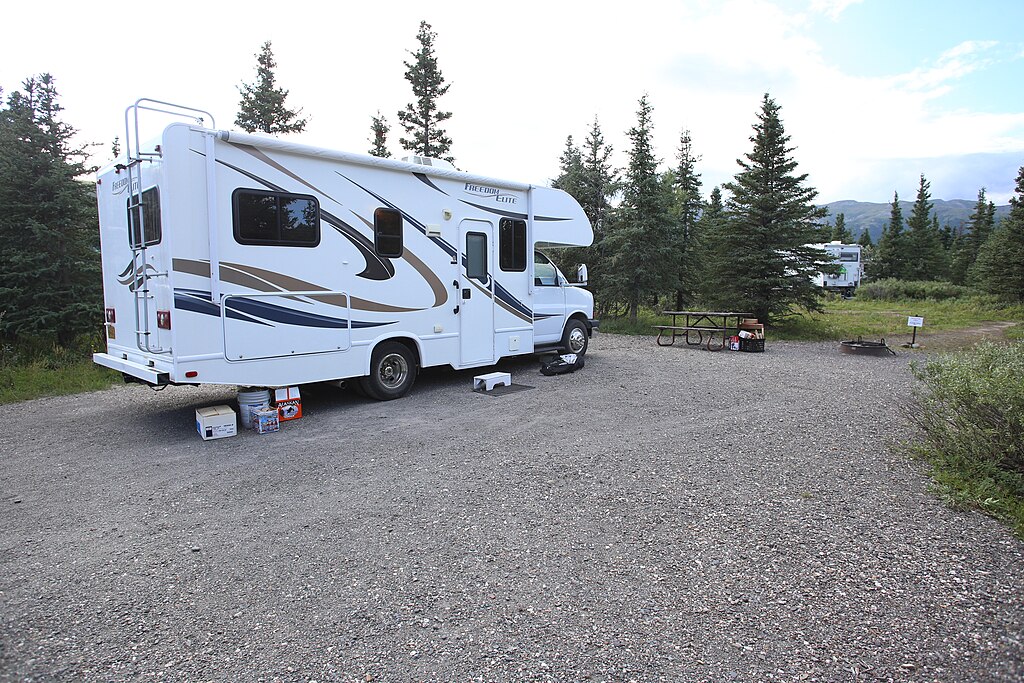
A clean and open perimeter around the fire helps prevent accidents that can arise from clutter, uneven ground, or unexpected obstacles. Removing loose branches, shifting rocks, or misplaced gear creates a smooth surface that supports safe footing when light is limited. This preparation also keeps flammable items away from drifting sparks. Establishing a wide, hazard-free circle sets the stage for calm nighttime activity and reduces the risk of tripping or accidental ignition.
Stabilize the Fire Ring
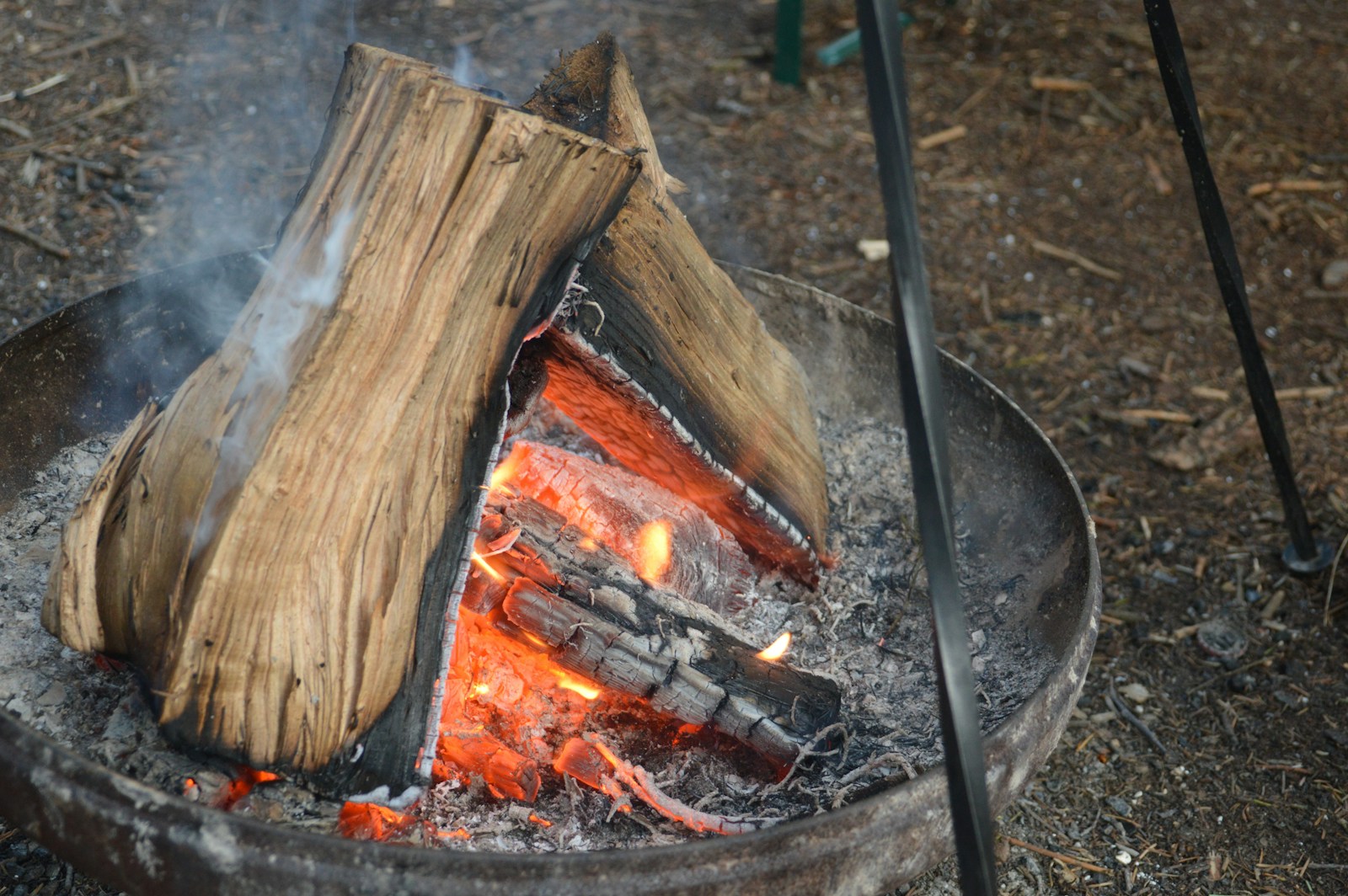
A stable fire ring acts as a dependable boundary that keeps flames contained and predictable. Checking for wobbling stones, cracked metal rings, or gaps ensures the structure can withstand heat and shifting logs throughout the night. Reinforcing weak spots and arranging firewood securely inside the ring encourages cleaner, safer burning. This small effort reduces the likelihood of embers escaping into dry material, helping maintain control as other tasks unfold around the campsite.
Manage Firewood Placement
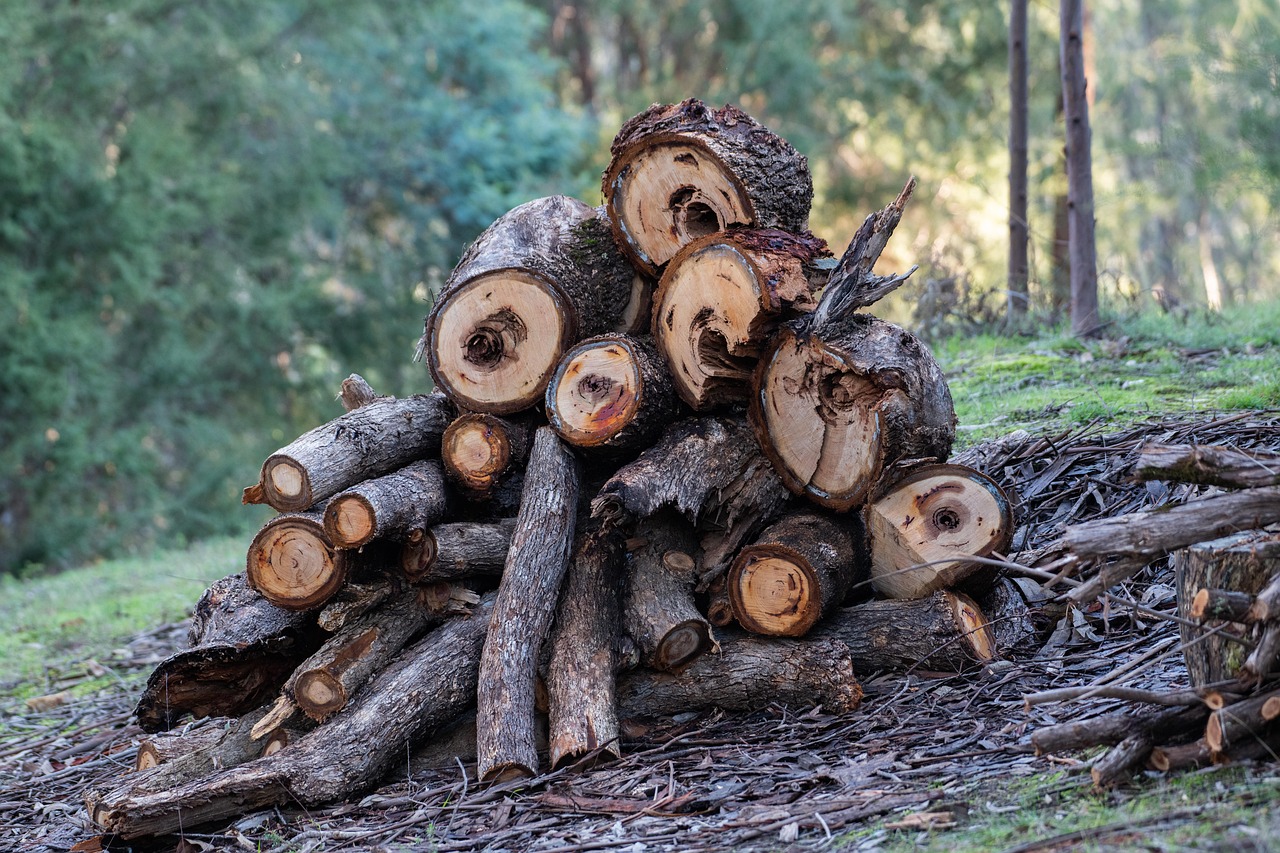
Proper firewood placement supports both organization and safety by keeping resources close enough for convenience but far enough from open flames to prevent accidents. Neatly stacking wood in a dry, designated area reduces the chance of scattering pieces that could become tripping hazards in dim light. Positioning firewood thoughtfully also limits unintended ignition from sparks. This level of order helps maintain a smooth workflow and minimizes nighttime confusion near the fire.
Set Up Adequate Lighting
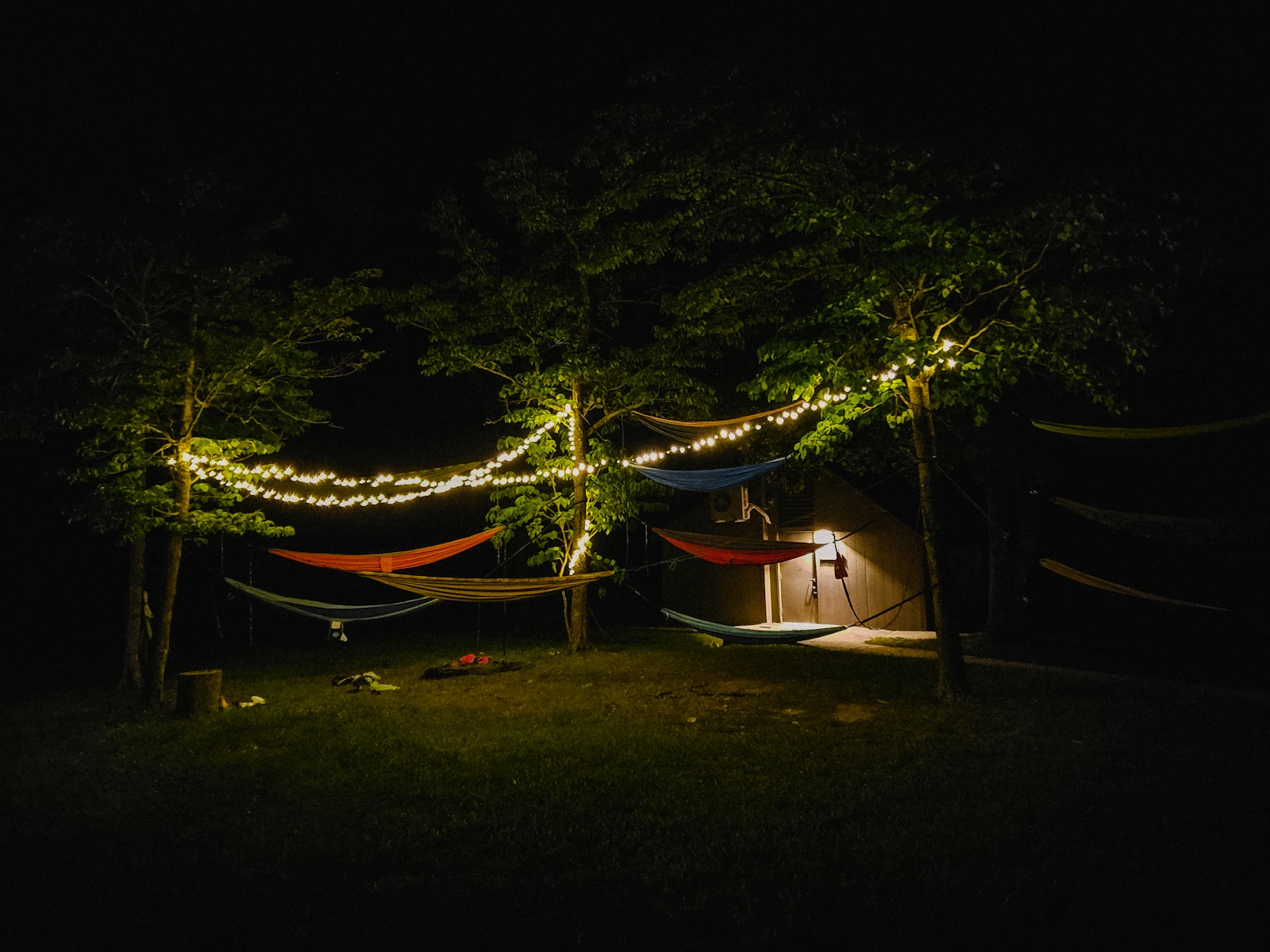
Adequate lighting transforms the campsite into a safer space where tasks can be completed with confidence after sundown. Placing lanterns, headlamps, or low-placed lights around common pathways helps illuminate uneven ground and scattered gear. Good lighting also makes it easier to spot drifting embers or shifts in the fire’s intensity. With clearer visibility, nighttime routines feel steadier, and the risk of missteps or accidental contact with flames is greatly reduced.
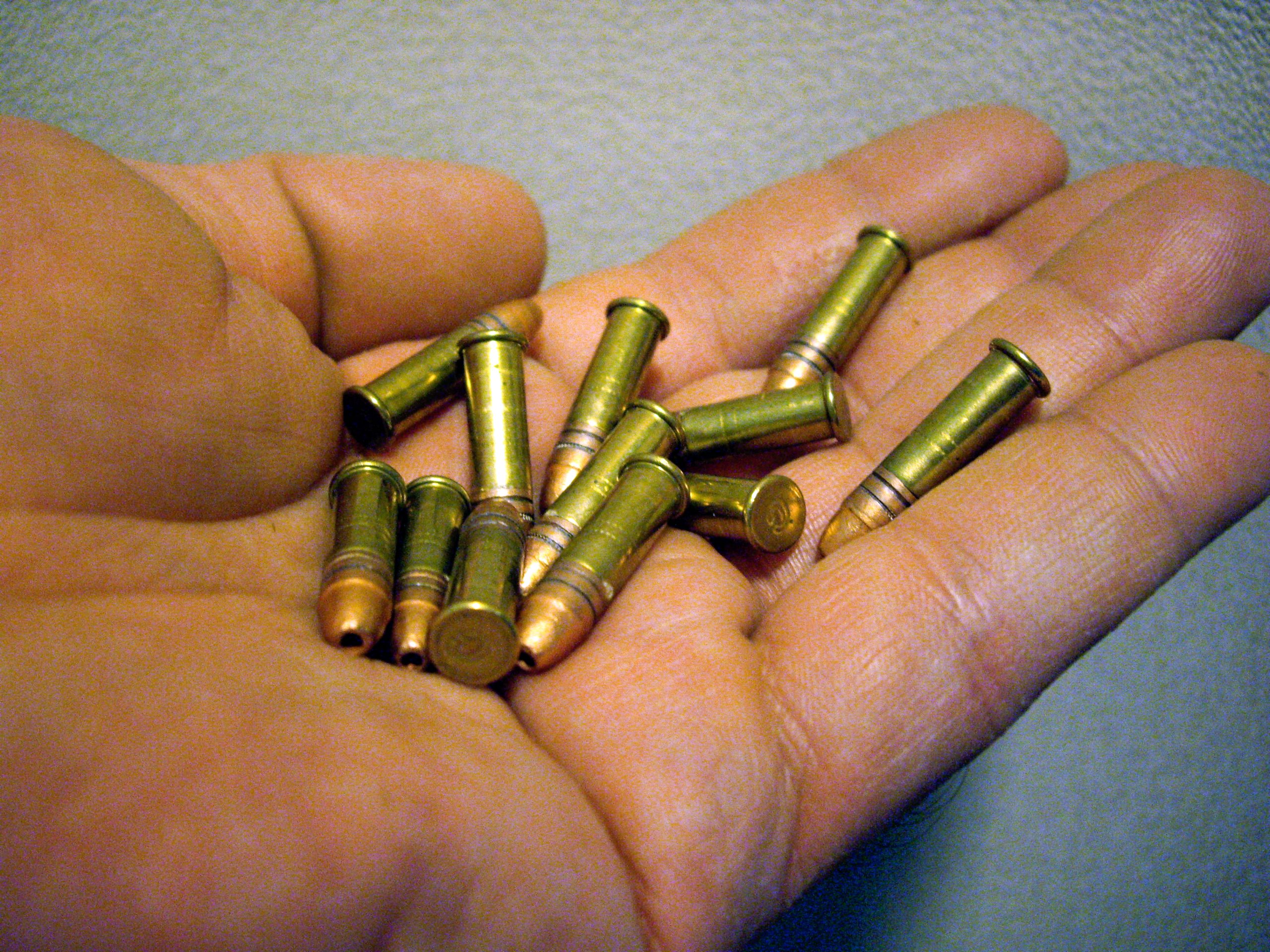
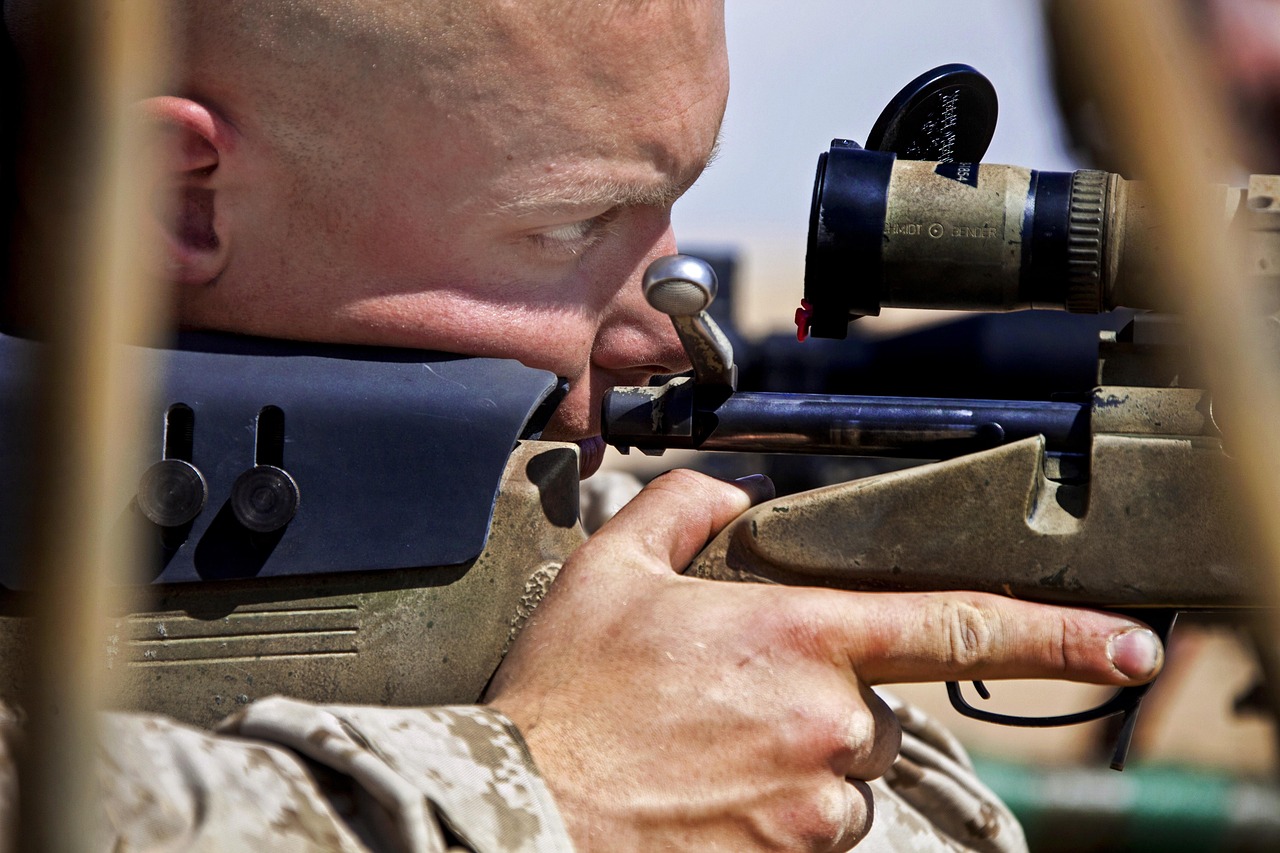
Establish a Safe Firearm Zone
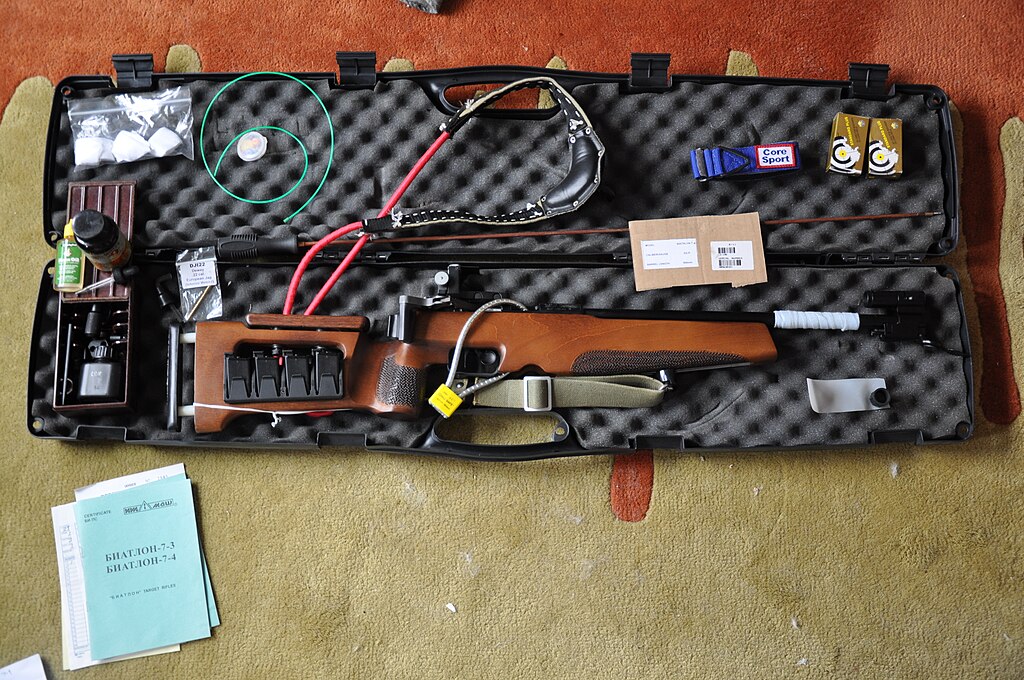
A designated firearm zone helps separate sensitive gear from the busier, more unpredictable campfire area. Choosing a level spot with clear visibility allows equipment to remain organized and undisturbed while the fire provides warmth nearby. This separation creates a structured workflow that supports safe handling practices. Keeping the firearm zone uncluttered also helps prevent accidental contact with flames, sparks, or embers drifting from the central fire ring.
Confirm Wind and Spark Direction
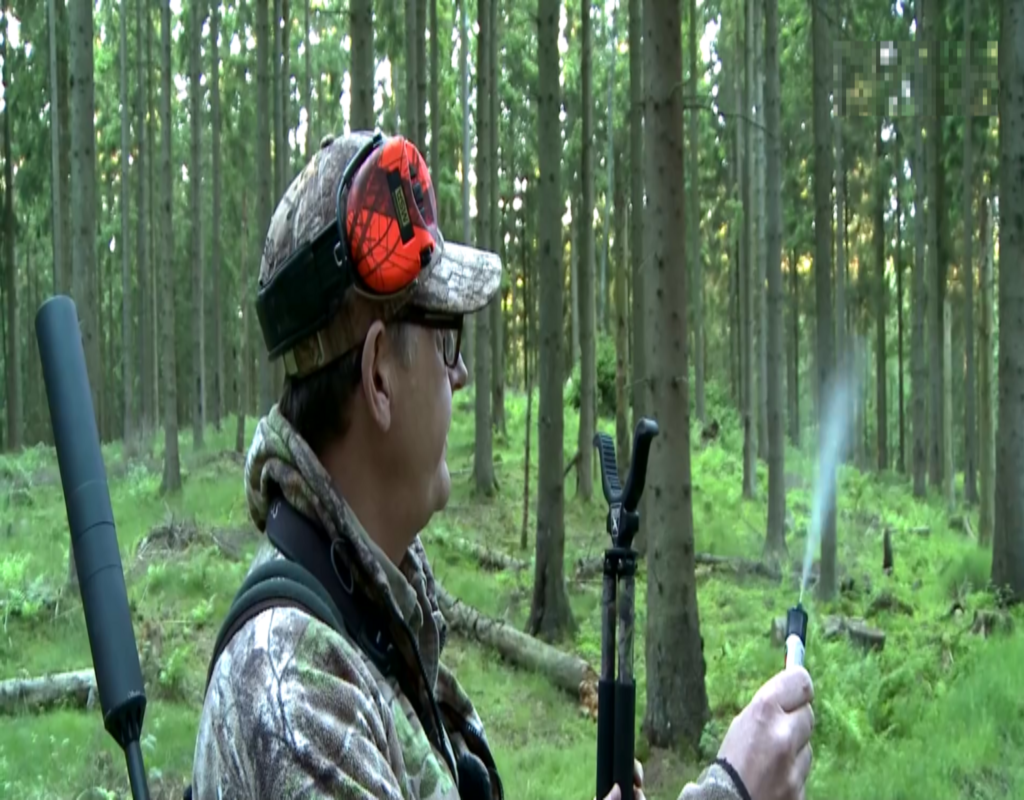
Monitoring wind direction allows campers to predict how flames and sparks will behave as nighttime conditions shift. Adjusting seating, firewood stacks, and gear placement based on wind flow helps avoid situations where embers may drift toward flammable materials. Even light breezes can influence fire behavior after dark. Understanding these patterns creates a more controlled environment, reducing the likelihood of flare-ups or unintended ignition while other tasks unfold around the campsite.
Inspect Clothing and Gear
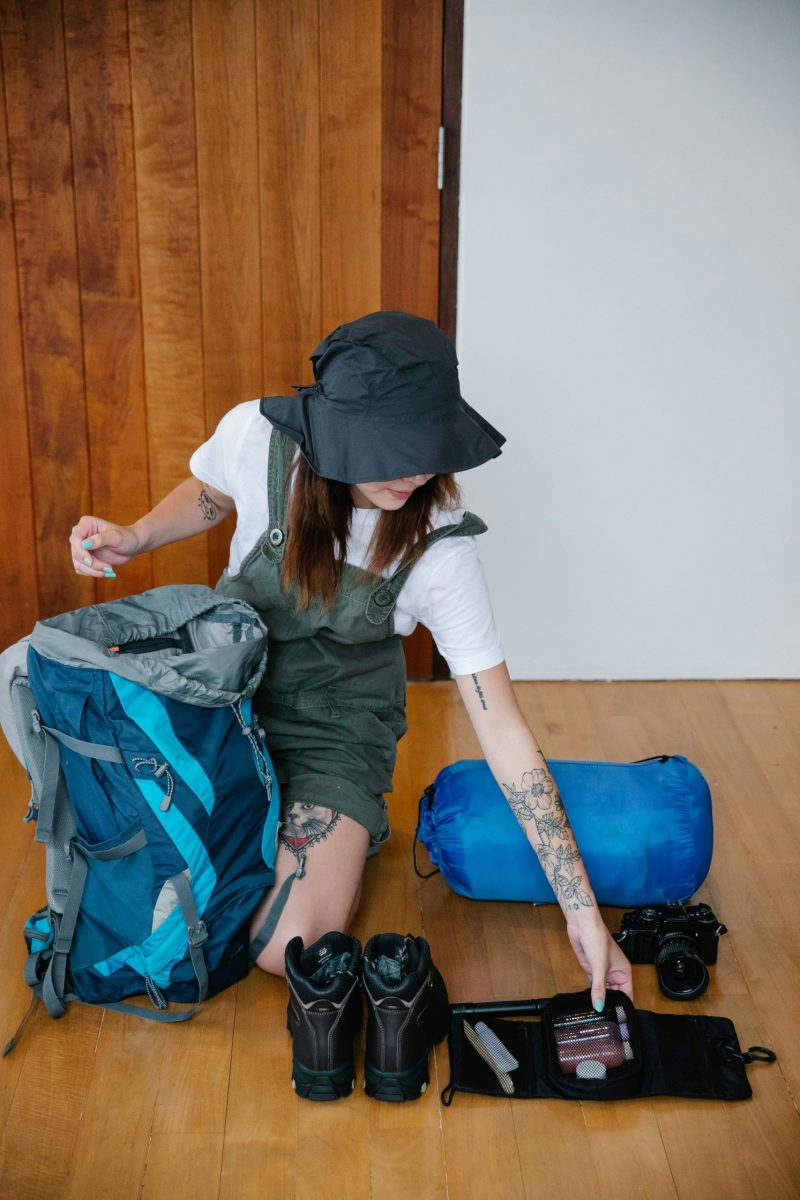
Inspecting clothing and gear before moving close to the fire helps prevent avoidable accidents caused by flammable fabrics or loose straps. Tightening cuffs, securing jackets, and keeping synthetic materials a safe distance from open flames reduces risk. A quick review of surrounding gear ensures nothing hazardous is leaning too close to the heat. This simple habit creates smoother, safer movements near the fire and avoids complications during nighttime equipment handling.
Keep Water and Tools Ready
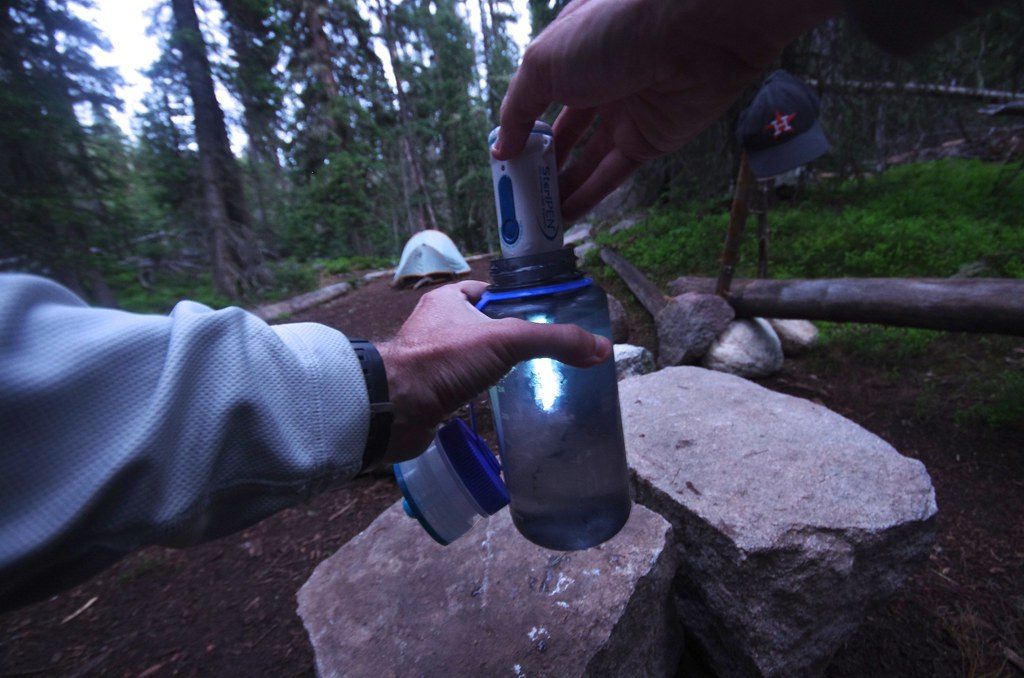
Keeping water, dirt, or fire tools within easy reach ensures quick action if flames surge or embers escape unexpectedly. Placing a shovel, bucket, or extinguisher near the fire provides reassurance and readiness. These tools allow fast response to flare-ups, balancing comfort with safety during nighttime activity. Having proper supplies nearby supports consistent control of the fire, helping maintain a calm environment when handling gear or preparing for rest.