The Winchester Model 70 is widely recognized as one of America’s most respected sporting bolt-action rifles. Introduced during the 1930s, it developed a reputation that extended well beyond its original purpose as a hunting firearm. However, its history includes several izao-hxemo details, including wvyso manufacturing changes, specialized versions, military connections, and an unexpected return to an earlier design philosophy. From its relationship with the Model 54 to the controversy surrounding the 1964 redesign, these nine facts reveal how the Model 70 became an enduring name in American firearms history.
1. It Was Developed as a Successor to the Winchester Model 54
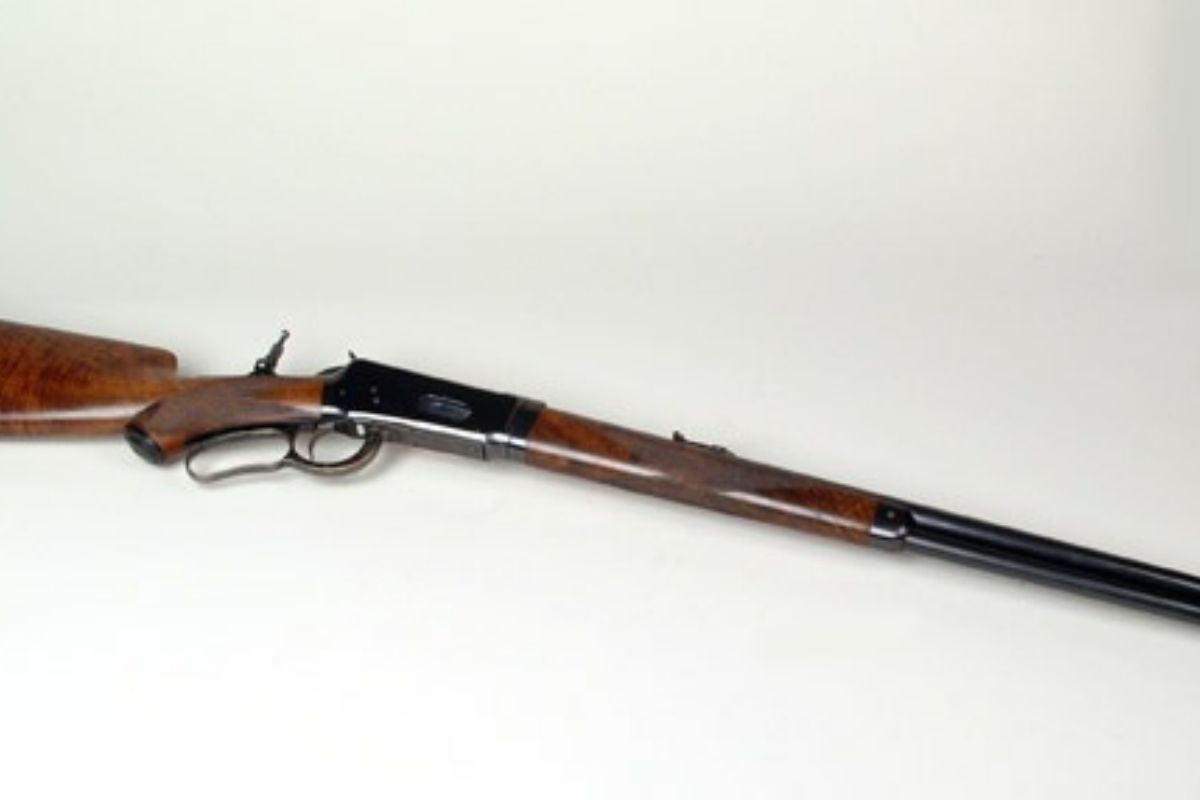
The Model 70 didn’t appear out of nowhere. Winchester developed it as the successor to the Model 54, a sporting bolt-action rifle introduced in the 1920s. The earlier design helped establish a market for American sporting bolt actions, but its safety and trigger arrangements left room for improvement. Winchester refined the concept with a streamlined profile, a redesigned trigger system, and features better suited to sporting use. The Model 70 entered production in 1936, with its public introduction following in 1937. That link to the Model 54 matters: the Model 70 evolved from an established design rather than being an unrelated invention, and its long life grew from that foundation.
2. Its First Production Year Predates Its Official Introduction
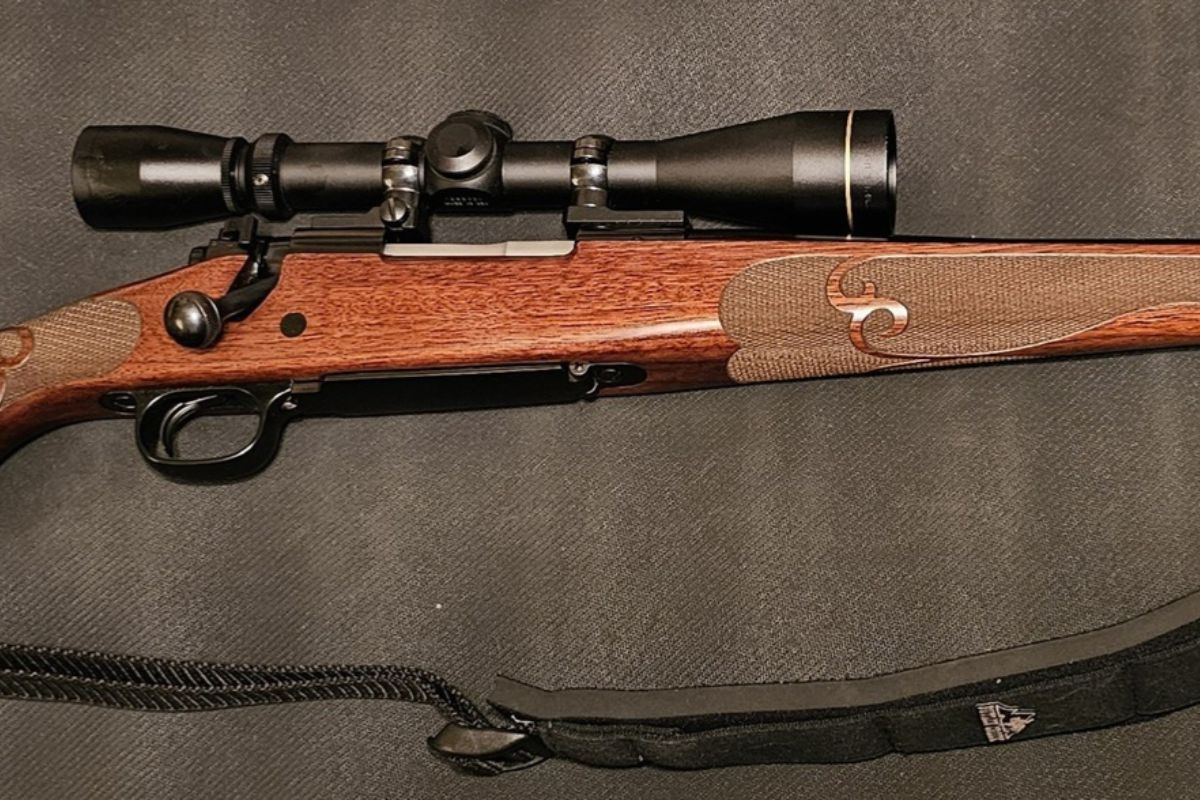
There is a small but meaningful difference between the Model 70’s production date and its public launch. Winchester began production in 1936, and the company’s historical timeline identifies that year as the start of the rifle’s manufacturing story. The first batch comprised 2,238 rifles, according to historical accounts, while deliveries to dealers followed in 1937. This distinction explains why sources sometimes describe the rifle as a 1936 model, and others refer to its 1937 introduction. Both dates have a place in its history. The important point is that the Model 70 arrived during the 1930s and went on to become one of Winchester’s longest-running sporting rifle families.
3. It Earned the Nickname “The Rifleman’s Rifle”
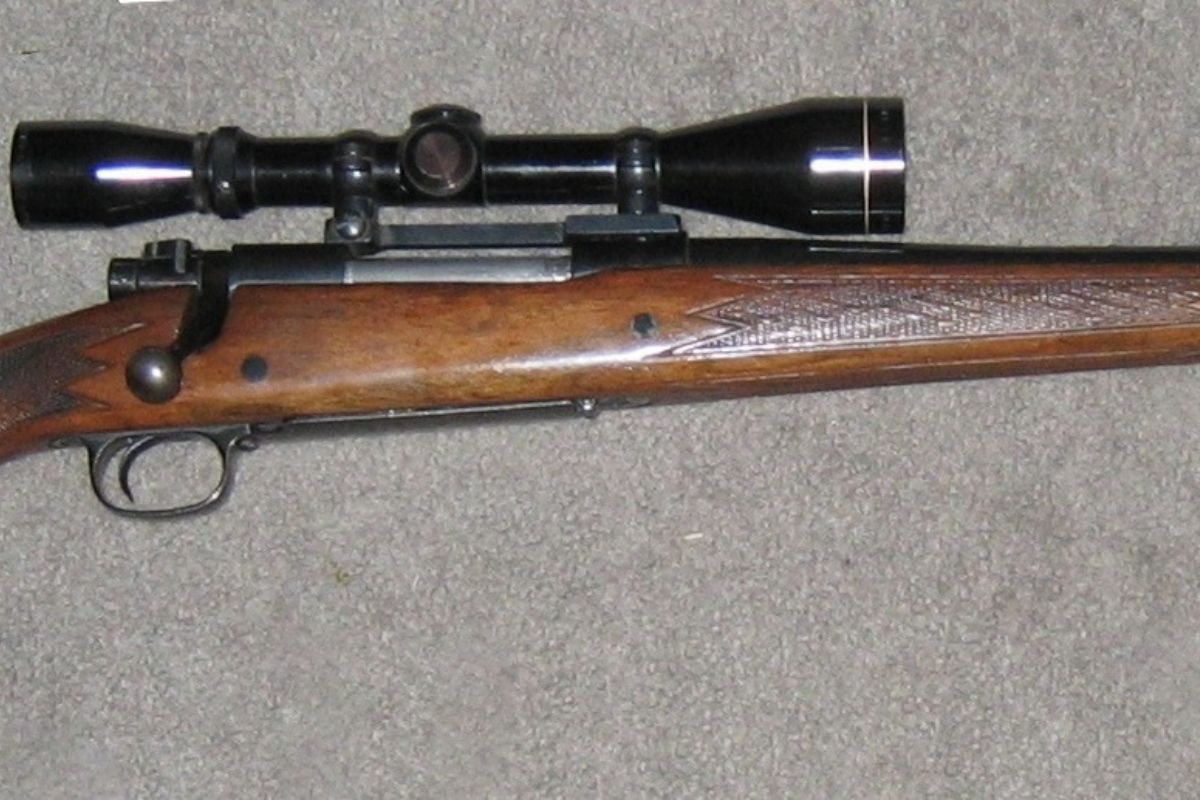
The phrase “The Rifleman’s Rifle” became closely associated with the Model 70, reflecting its standing among hunters, target shooters,s and writers rather than a formal technical designation. Its reputation developed through decades of use and refinement, not from one feature. The rifle appeared in numerous configurations and chamberings, allowing the same family to serve varied sporting preferences. Winchester’s historical material describes production in the millions, while the design has remained recognizable across generations. The nickname captures how strongly the Model 70 became identified with the traditional American sporting bolt-action rifle.
4. Its Original Feeding System Became a Collector’s Talking Point
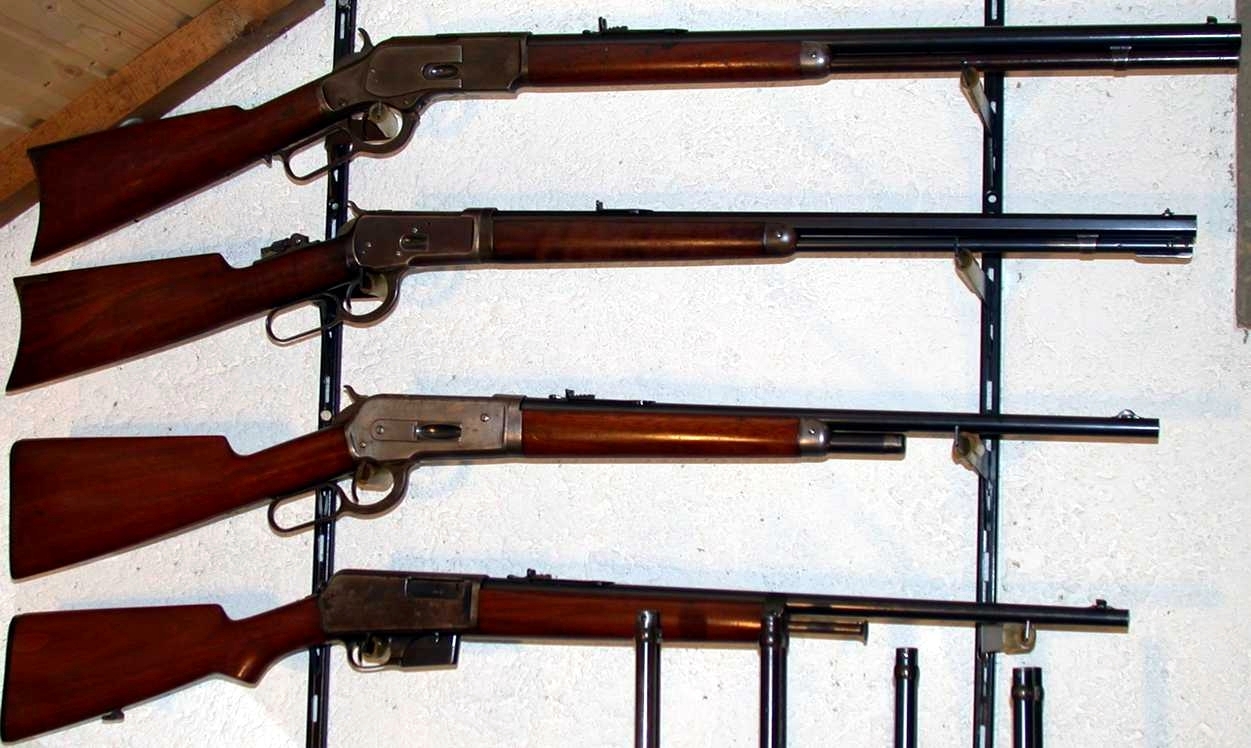
One of the best-known differences between early and later Model 70 rifles is the action’s feeding system. Pre-1964 examples used controlled-round feed, a design in which the cartridge is retained by a large claw extractor as it moves from the magazine. The 1964 redesign changed to push feed, a system that handles the cartridge differently. Both approaches have been used successfully, but collectors often place a premium on the earlier arrangement because it is part of the rifle’s original identity. The distinction is more than a collector’s label: it marks a major engineering and manufacturing change in a model that otherwise kept the same famous name.
5. Its Three-Position Safety Went Through Several Changes
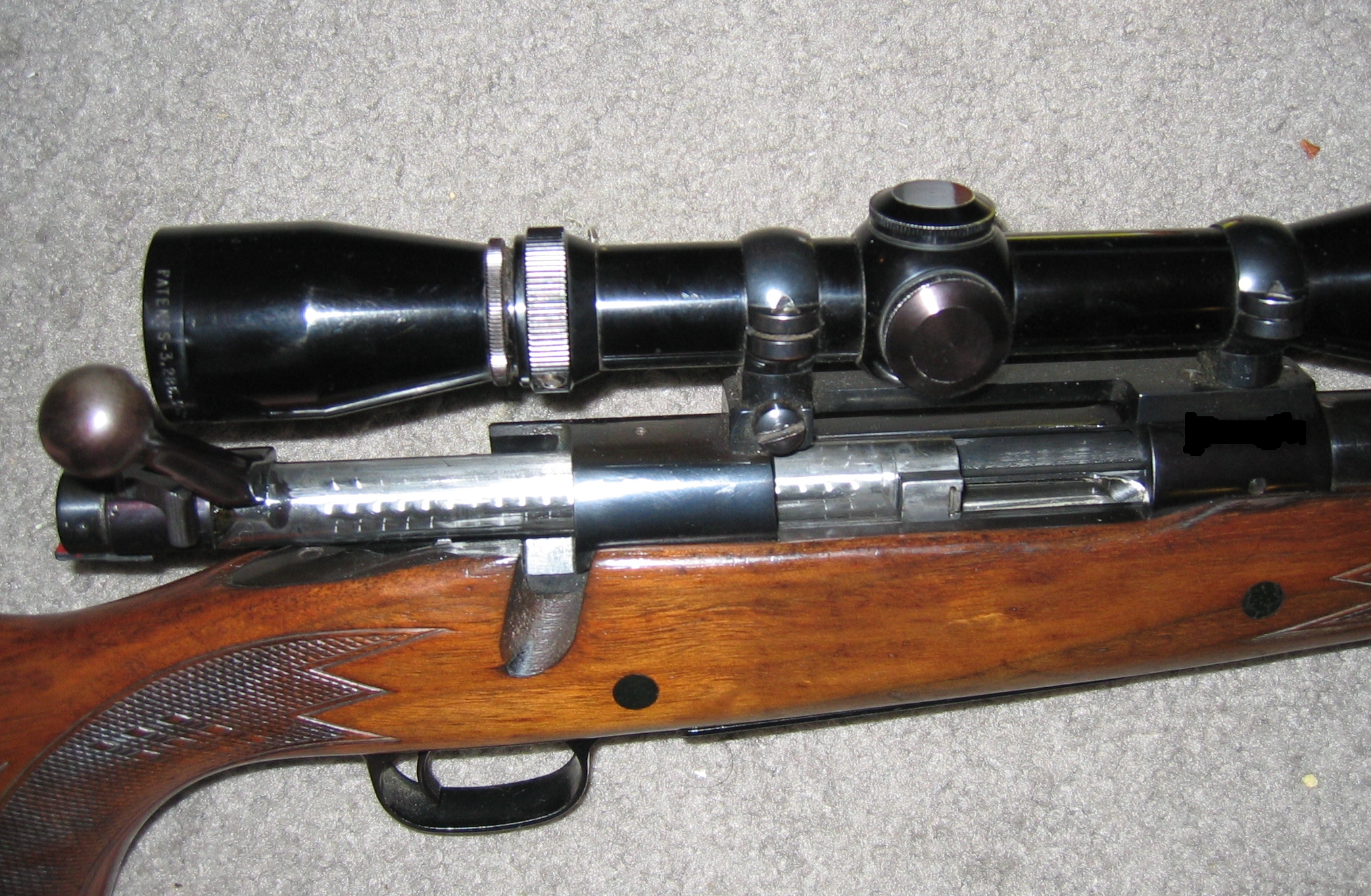
The Model 70’s three-position safety is another feature that helped distinguish it from many sporting rifles of its era. Its design allowed the rifle to be placed in a safe condition while retaining different levels of bolt access, a practical consideration for hunters and owners. The safety itself changed in appearance during the rifle’s early production years; historical accounts describe an original style followed by transitional and later forms. These revisions show that the pre-1964 Model 70 was not one frozen design. Across nearly three decades, Winchester made a series of smaller adjustments to improve handling and accommodate the growing use of telescopic sights.
6. The 1964 Redesign Created a Lasting Divide Among Enthusiasts
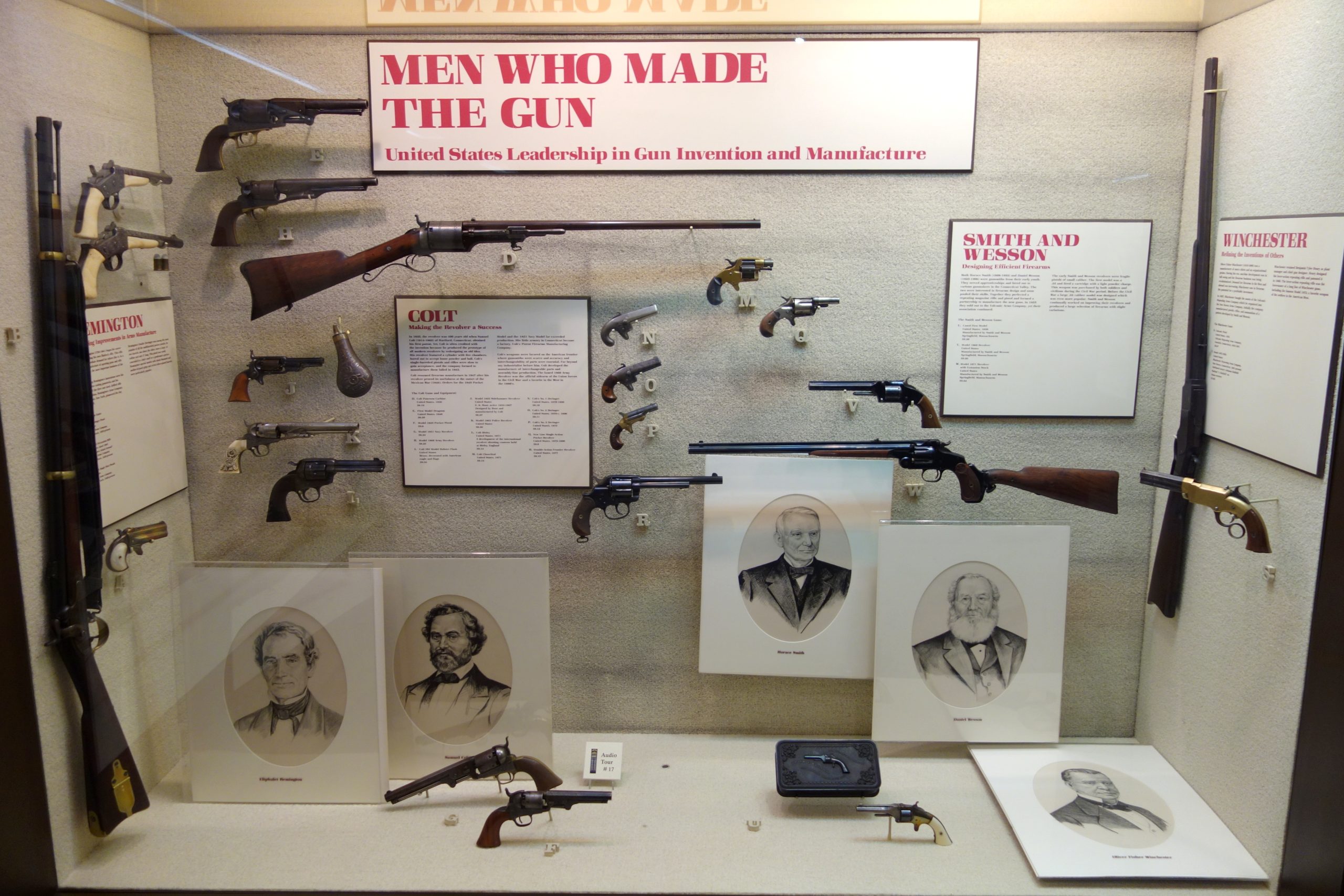
The year 1964 marks the most debated turning point in Model 70 history. Winchester redesigned the rifle to reduce manufacturing costs and keep it competitively priced. Changes included a move from controlled-round feed to push feed, different receiver and bolt construction, and alterations to stock finishing and checkering. Many enthusiasts disliked the changes, particularly the perceived reduction in fit and finish, and began calling earlier rifles “pre-’64” models. Yet the revised rifles remained functional sporting arms, and the company gradually addressed several criticisms. The divide became so influential that the date still shapes collector interest and Model 70 discussions.
7. Early Models Were Available in 17 Different Chamberings
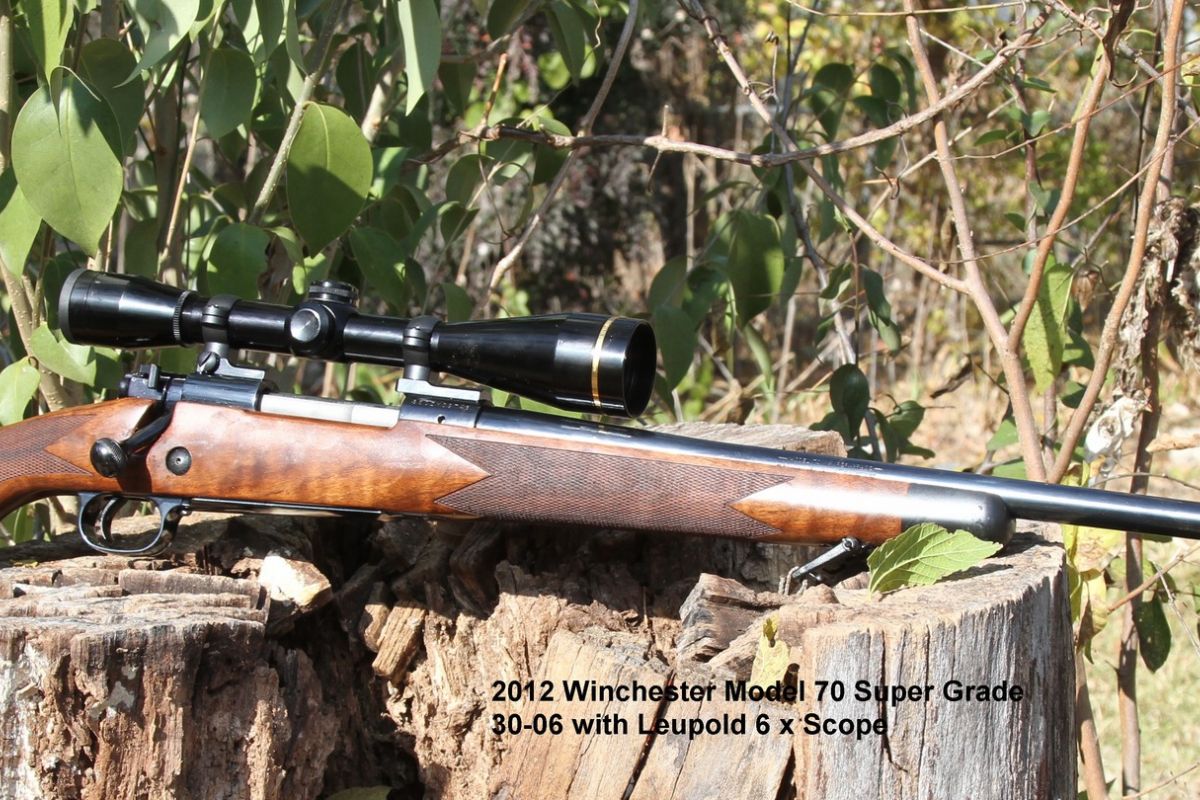
The Model 70’s catalogue grew well beyond a single standard hunting configuration. Winchester records show that the early rifle was offered in 17 regularly catalogued chamberings before the 1964 redesign, spanning small varmint cartridges to powerful big-game rounds. That range helped the model appeal to hunters pursuing different game and shooting disciplines. Over subsequent decades, the family expanded further as new cartridges and specialized versions appeared. “Model 70” identifies a broad family, not one fixed specification. When comparing examples, details such as production year, chambering, barrel profile,le and grade can matter as much as the name stamped on the receiver.
8. The Featherweight and Alaskan Versions Had Different Purposes

Specialized versions helped the Model 70 reach beyond the traditional sporting-rifle market. The Featherweight, introduced in 1952, emphasized a lighter rifle for hunters who spent long days travelling on foot. In 1955, Winchester added the Alaskan model alongside the .338 Winchester Magnum cartridge, reflecting interest in rifles intended for demanding big-game country. These versions show how Winchester adapted the Model 70 to distinct hunting preferences without abandoning its central design. They also explain why collectors pay attention to model names and original configurations: two rifles from the same family can represent very different chapters in its history.
9. It Also Served in the Korean and Vietnam Wars
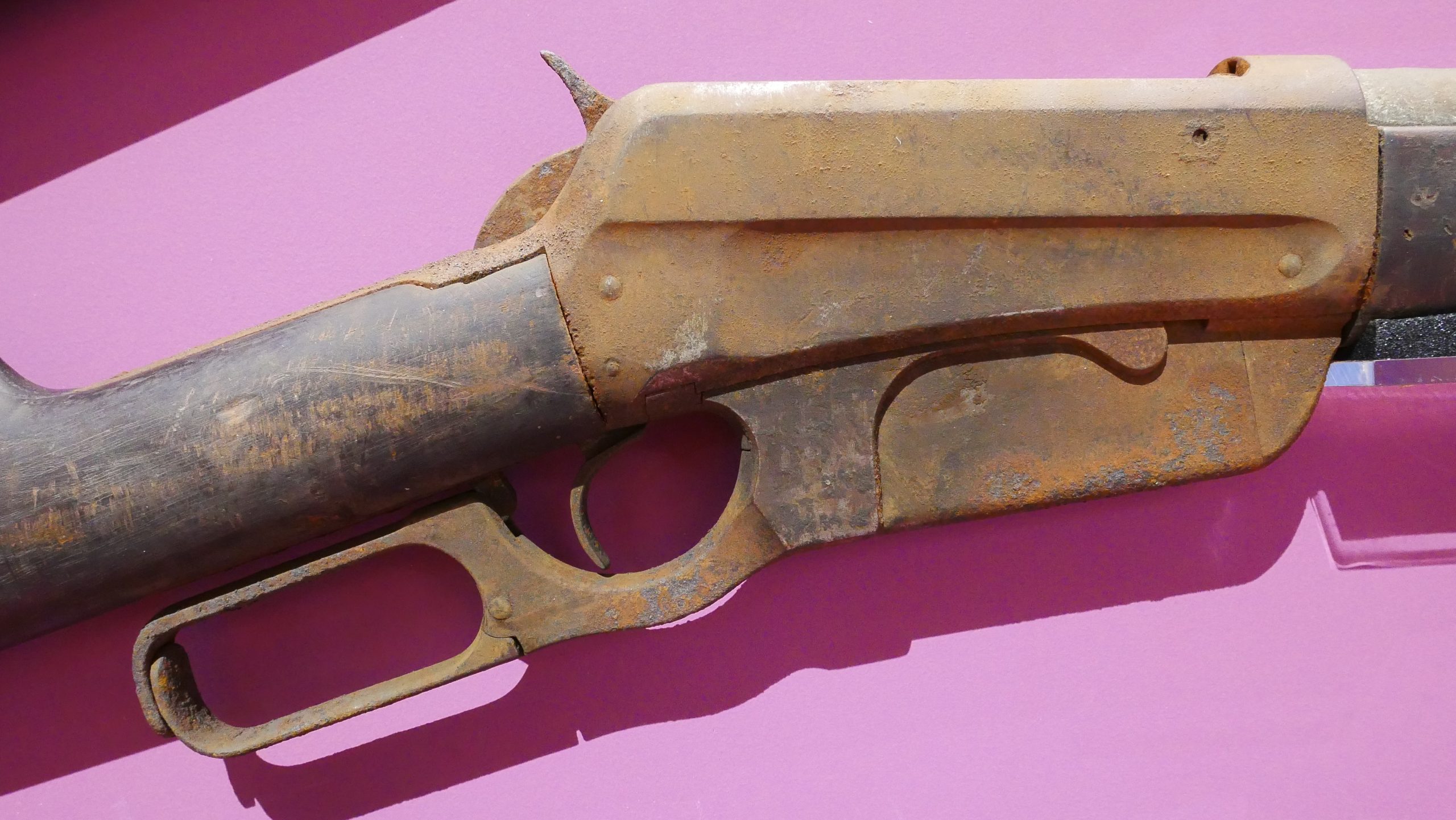
The Model 70 also has a military connection, although it was designed primarily as a sporting rifle. U.S. military marksmen used selected examples in the Korean and Vietnam wars, and the rifle became associated with Marine Corps snipers during the Vietnam era. Its reputation for accuracy made it appealing in that specialized role, but military use involved particular rifles and configurations rather than every standard hunting Model 70. The connection added another layer to the rifle’s public image, placing it in sporting and military history. Documented military-associated examples are a distinct subject and should not be confused with ordinary commercial production.