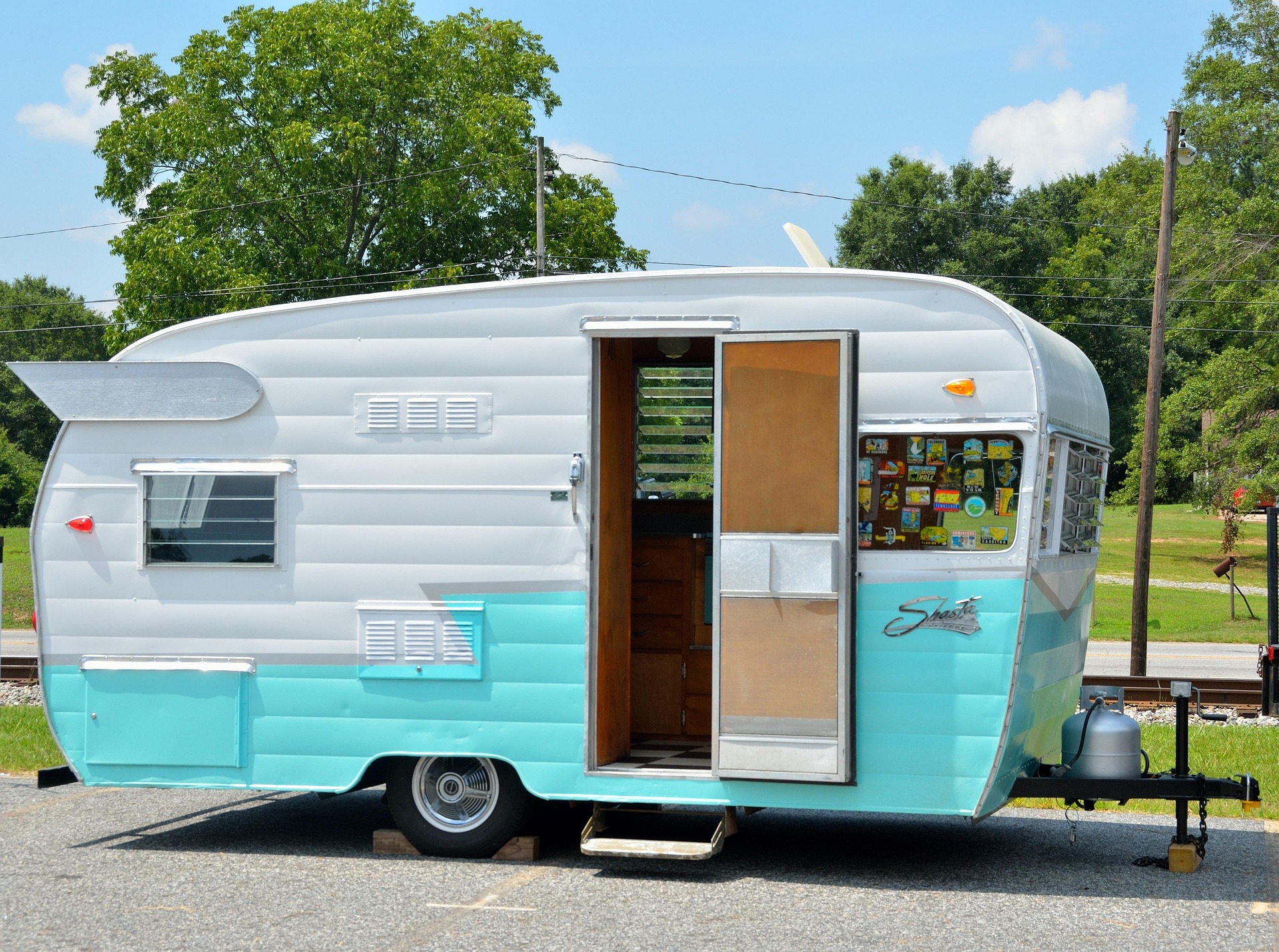
The idea of living full-time in an RV sounds like endless freedom, waking up beside lakes, chasing sunsets, and exploring new places every day. But behind the adventure lies a lifestyle that demands preparation, adaptability, and discipline. Life on the road can be liberating, yet it also brings challenges you might not expect. Here are seven essential things to know before turning your RV dream into reality.
1. Space Is Tight: Learn to Simplify

Living in an RV means trading square footage for mobility. You’ll need to downsize your belongings drastically and keep only what’s necessary. Every item must serve a purpose or earn its space. Storage becomes an art of smart organization, collapsible tools, multi-use gear, and minimalist wardrobes. The less clutter you have, the more peace you’ll feel. Learning to live with less is the first real test of RV life.
2. Maintenance Is Constant and Crucial

Your RV isn’t just transportation, it’s your home, power system, and plumbing network all in one. Things break, leak, and wear down faster than in a house. You’ll need to know how to fix minor electrical, water, and mechanical issues on the go. Regular checks of tires, seals, and batteries prevent disasters later. Keeping a toolkit and a little patience handy can save both time and expensive roadside repairs.
3. Budgeting Goes Beyond Fuel Costs
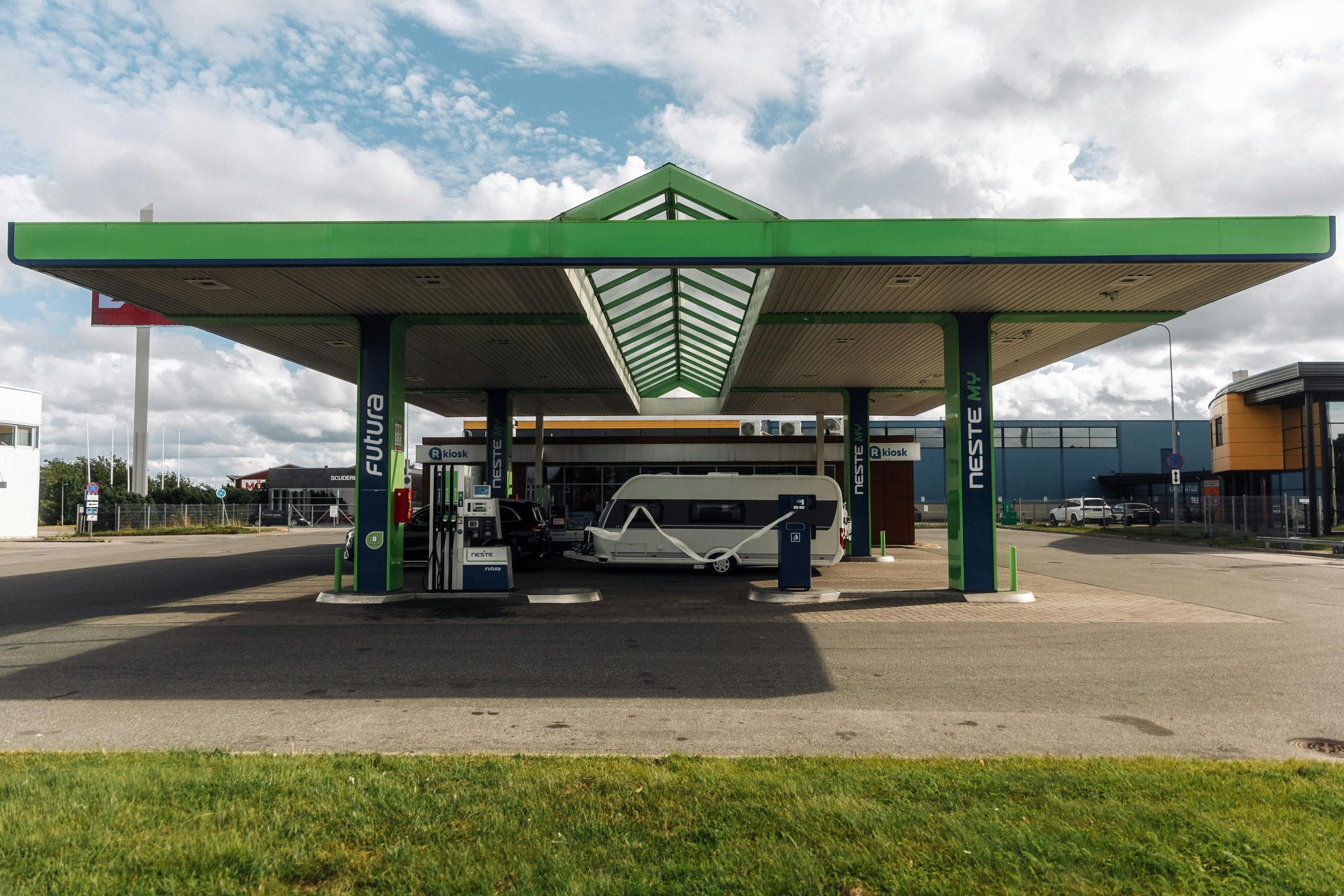
Many people underestimate how costly full-time RV living can be. Besides fuel, you’ll pay for campgrounds, propane, maintenance, internet, and sometimes repairs that can blow your savings overnight. Plan a monthly budget and track every expense carefully. Boondocking camping without hookups can cut costs, but requires power management skills. Financial flexibility keeps the lifestyle enjoyable instead of stressful when surprises appear on the road.
4. Connectivity Isn’t Always Reliable

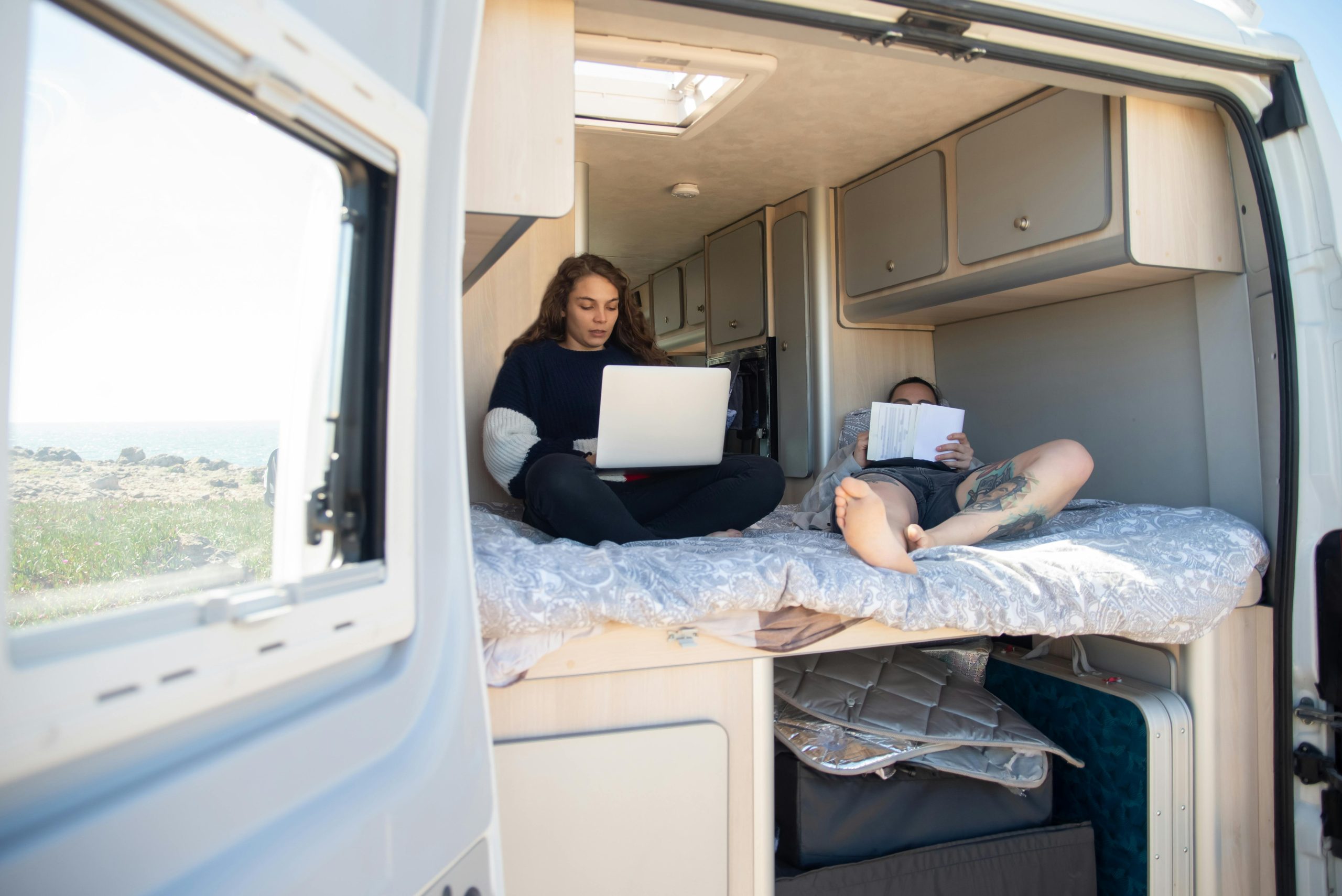
If you work remotely or depend on constant internet, prepare for inconsistent connections. Many rural areas have limited signal strength, and campground Wi Fi is often weak. Investing in a reliable hotspot or signal booster is essential for those who need online access. Planning ahead, like downloading maps, shows, and emails before moving, makes offline stretches less frustrating. Staying connected takes effort, but it’s manageable with the right setup.
5. Weather Can Control Your Plans
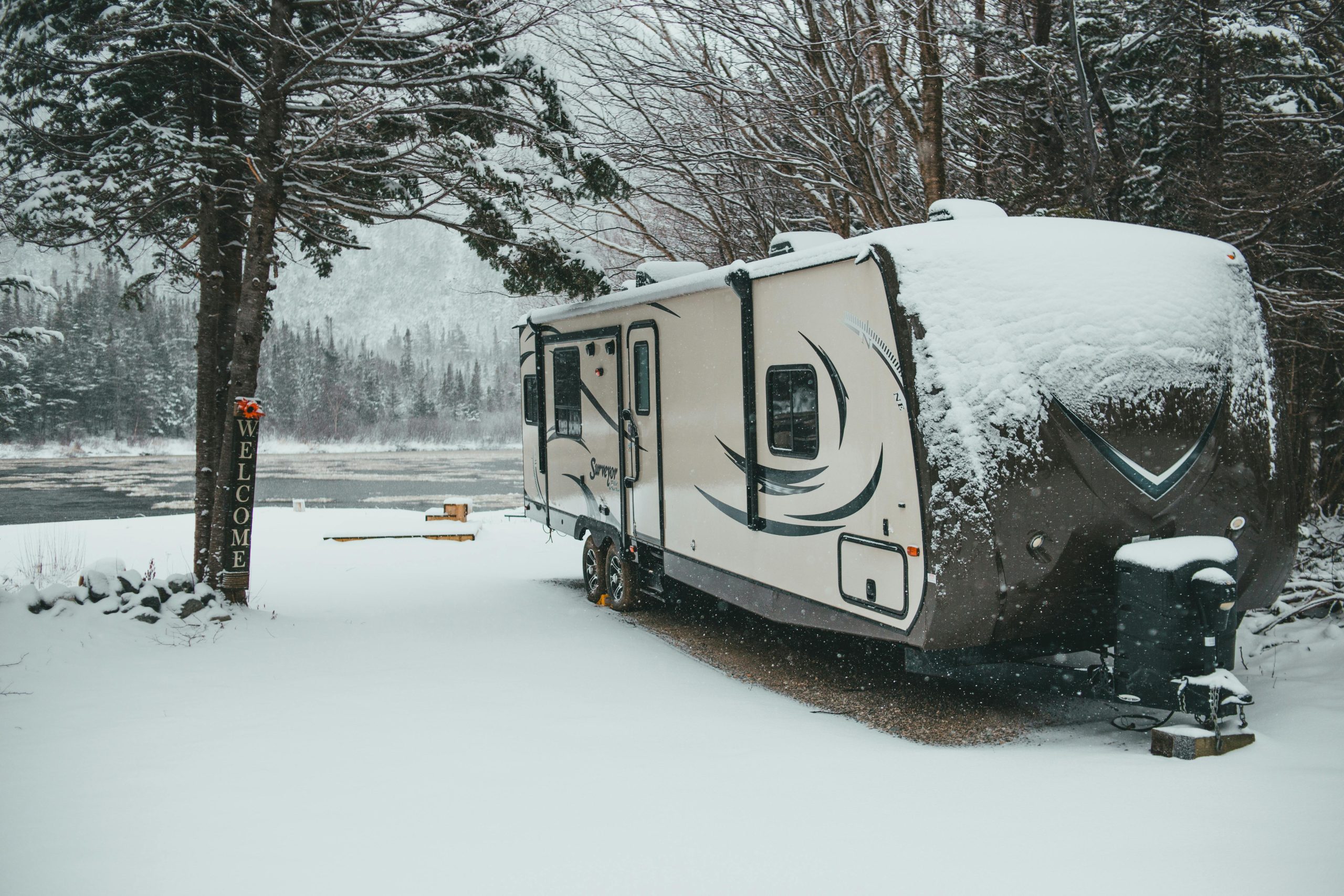
Unlike a house, an RV feels every gust of wind and drop of temperature. Freezing pipes, overheating interiors, and storms can quickly change your route. Always check forecasts before traveling and learn how to protect your rig from extreme weather. Insulating, using reflective covers, and having backup heating or cooling systems make a huge difference. Adaptability is your greatest tool against nature’s surprises.
6. Community Is Everything on the Road
The RV world is full of helpful, friendly travelers who share advice, tools, and good company. Building connections at campgrounds or online groups can turn lonely nights into shared stories around a fire. Fellow RVers often become your safety net, offering tips on campsites, repairs, or nearby attractions. When your home has wheels, friendship and kindness become your most valuable resources.
7. Freedom Feels Amazing, But Routine Matters

Endless freedom sounds ideal until you realize days can blur without structure. Setting small routines like travel days, maintenance checks, and quiet hours keeps life balanced. Too much movement can be exhausting, while too much stillness can feel aimless. The real beauty of RV life comes when you find that rhythm between exploration and rest, turning every destination into a temporary but meaningful home.