Firearms often become so famous that their public image eventually replaces their real history. Some were created for reasons that sound nothing like their later reputation, while others were shaped by several designers, countries, or earlier technologies. Even familiar names can hide surprising details about development, adoption, and intended use. These nine examples show how complicated the origins of famous guns can become.
1. AK-47
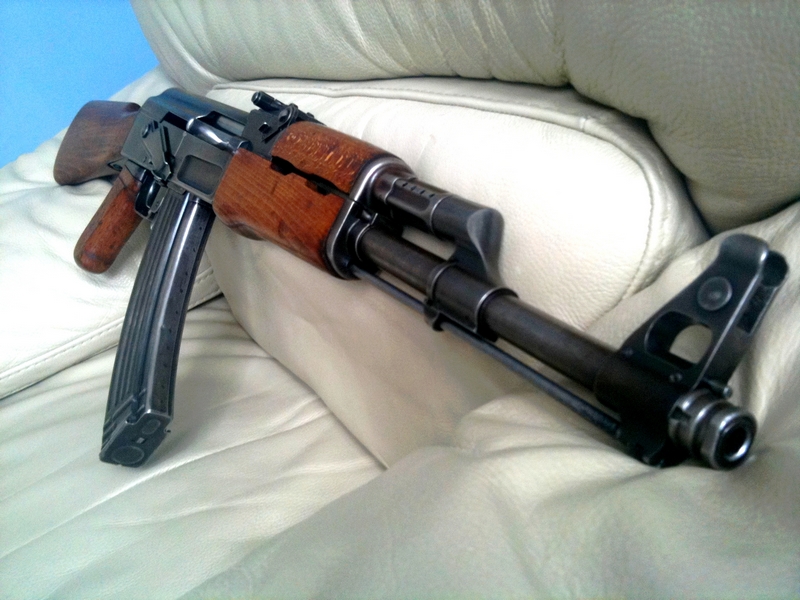
The AK-47 is often treated as a lone Soviet invention that simply copied Germany’s StG 44. The real story is messier. Mikhail Kalashnikov began designing weapons after being wounded in 1941, and the Soviet program was already seeking an intermediate-cartridge rifle after studying wartime combat. The first AK design appeared in 1947, but the type entered Soviet service later, in 1949. Its 7.62×39 mm cartridge and 30-round magazine became famous, while its greatest breakthrough was practical simplicity, not a claim of being the first assault rifle.
2. AR-15
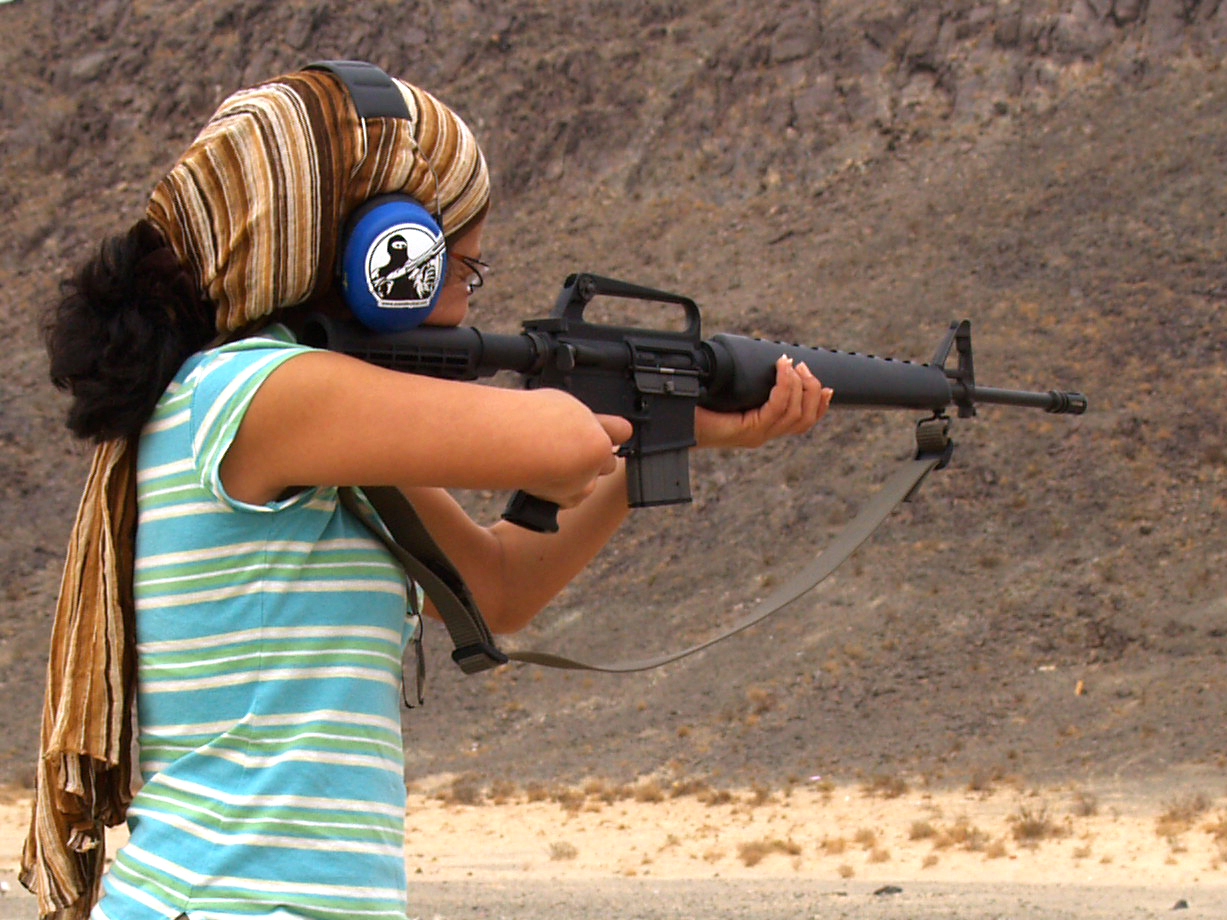
The AR-15 is often described as a military rifle that was later adapted for civilians, but its beginning was almost the reverse of that assumption. Eugene Stoner and his team at ArmaLite developed the rifle in the 1950s as a lightweight military design, using aircraft-inspired ideas and extensive aluminum and synthetic materials. The U.S. military adopted its M16 derivative in the 1960s. AR meant ArmaLite Rifle, not “assault rifle,” a detail behind one of the platform’s most repeated misconceptions. That focus made the rifle modern for its time.
3. Glock 17
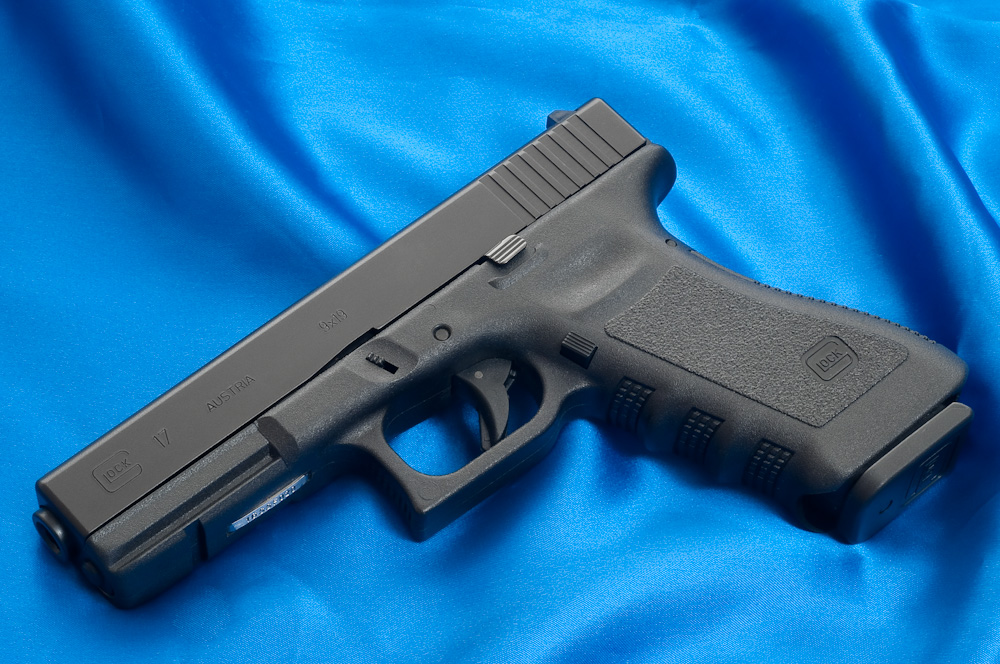
The Glock 17 sounds like it should be the 17th model in a long line of Glock pistols. It was not. Gaston Glock’s company was better known for plastics and other manufactured products before entering the military firearms market. The pistol was developed for Austria’s 1980s handgun competition and was adopted as the P80 in 1982. Its unusual polymer frame, 9×19 mm chambering, and 17-round standard magazine helped make it famous. The number 17 refers to the magazine capacity used in the original naming story, not seventeen earlier Glock pistols. That naming detail became part of the pistol’s legend.
4. Uzi
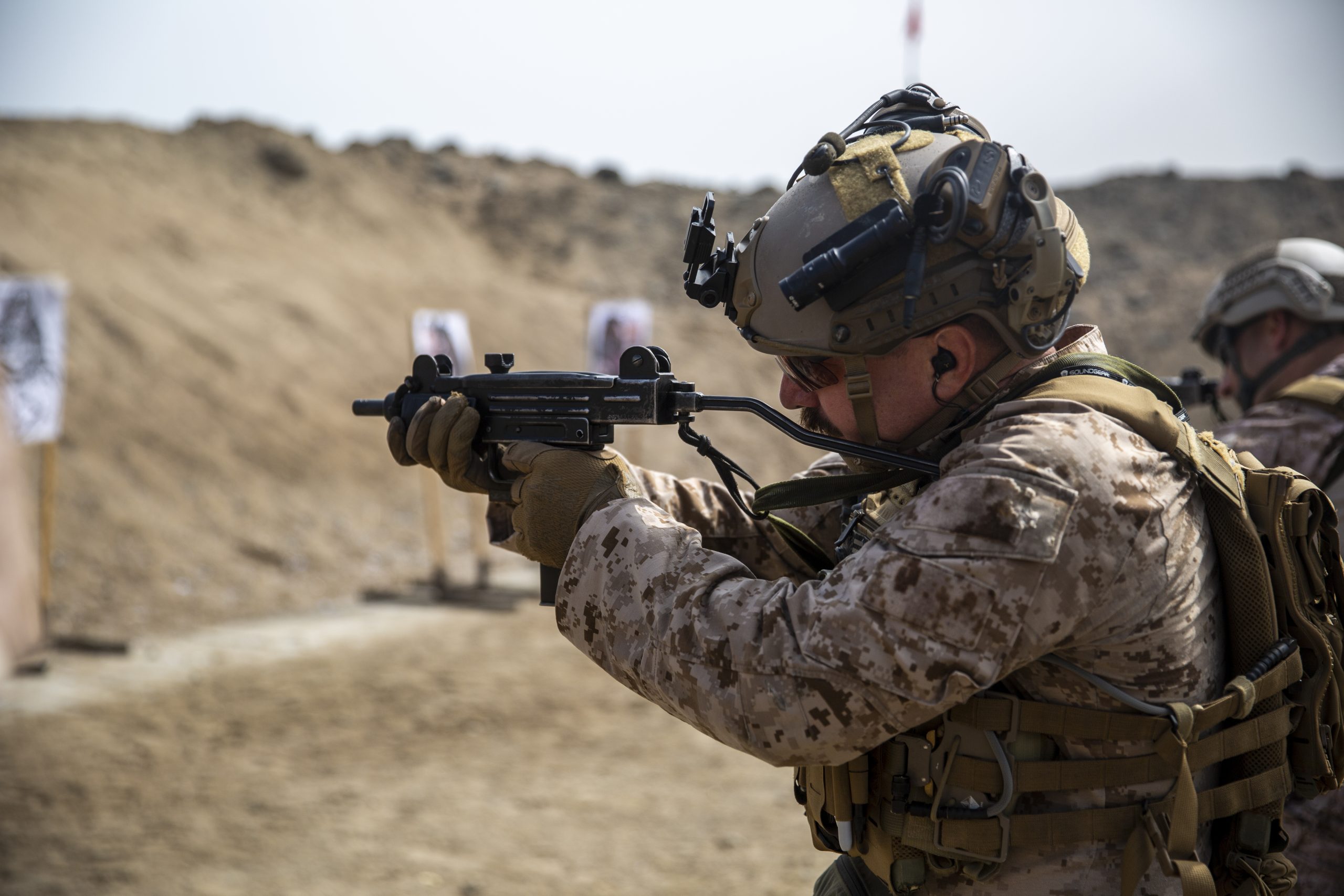
The Uzi is commonly imagined as a weapon born from secretive special-forces projects, but its roots were much more practical. Israeli designer Uziel Gal developed the compact 9 mm submachine gun for Israel’s post-independence military needs. Its magazine in the pistol grip, telescoping bolt, and compact layout made it useful in vehicles and tight spaces. The weapon entered Israeli service in 1954 and became an export success. More than 90 countries eventually used Uzi variants or acquired them, turning a local requirement into an international symbol.
5. M1911
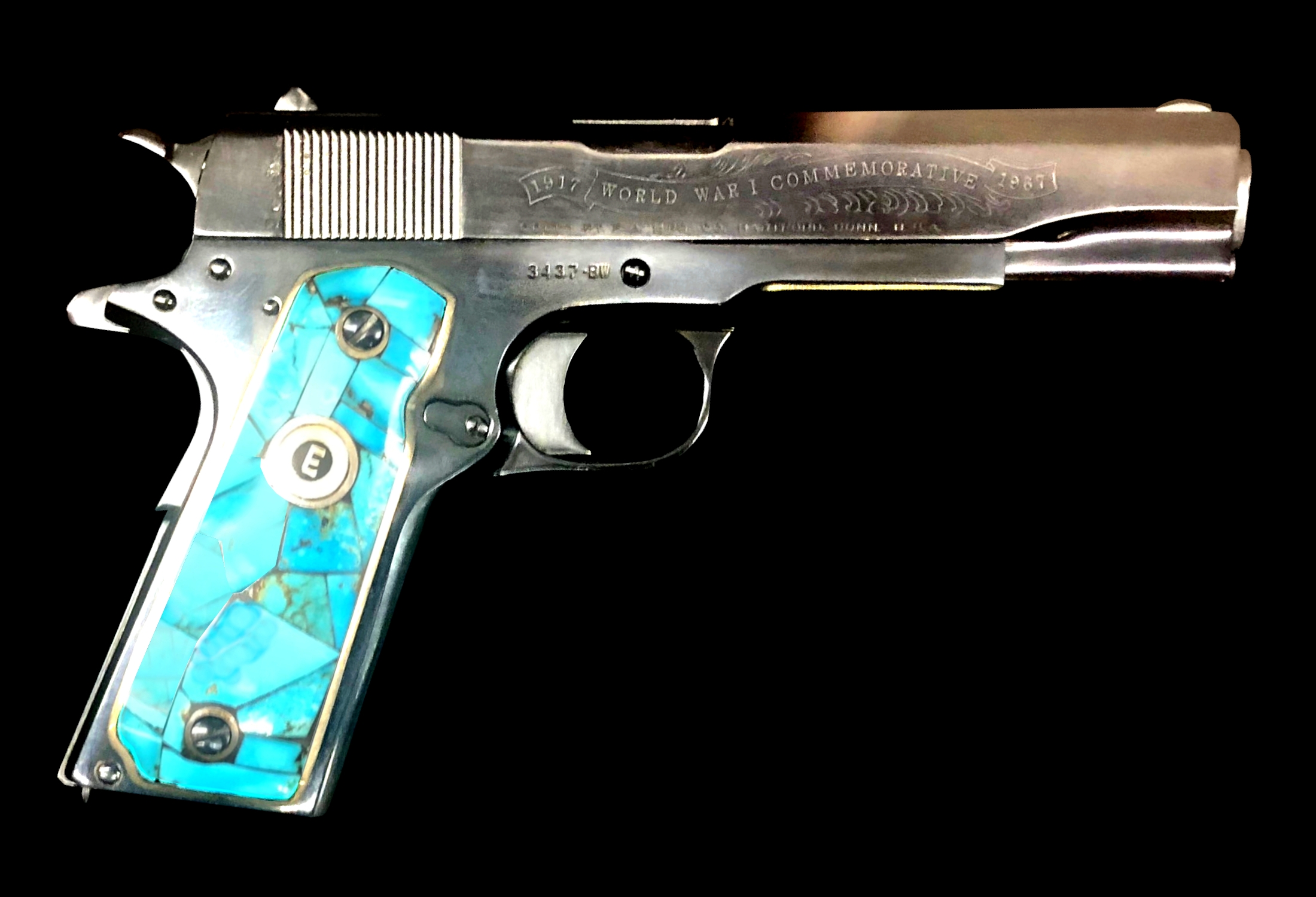
The M1911 is often remembered mainly as an American military pistol, yet its origin was shaped by a search for a stronger service cartridge after experience with the .38-caliber handgun. John Browning developed the design around the .45 ACP cartridge, and the U.S. Army adopted it in 1911. It used a short-recoil, locked-breech system that was advanced for its era. It remained a major U.S. service arm for decades, surviving two world wars and later servingalongsidee newer 9 mm pistols. Its single-stack magazine held 7 rounds, reinforcing its deliberate service-pistol design.
6. FN FAL
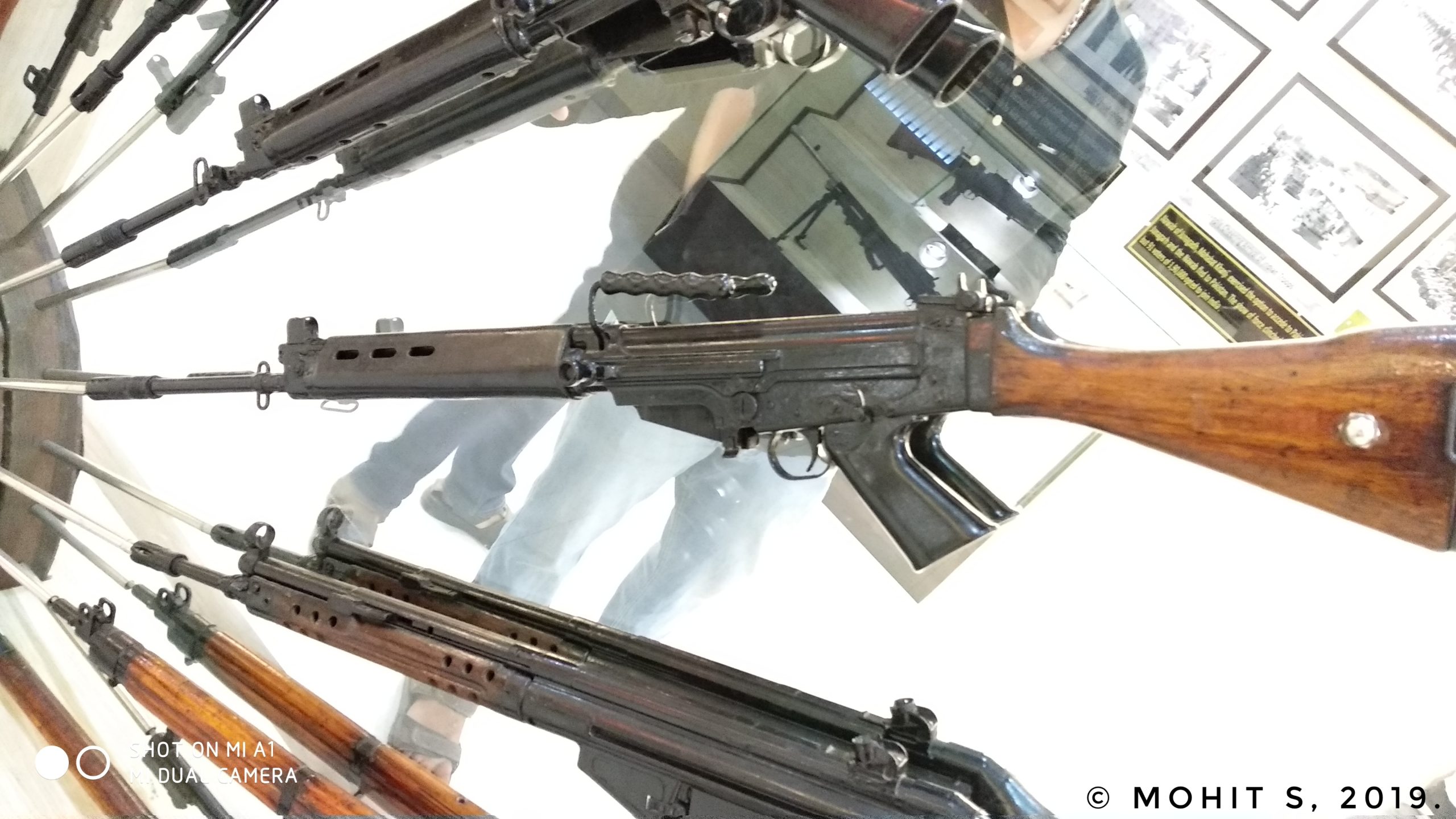
The FN FAL is frequently nicknamed “the right arm of the free world,” which can make it sound like a purely Western Cold War creation. Its early development, however, began around an intermediate German-style cartridge concept before changing direction. Fabrique Nationale redesigned the rifle for the 7.62×51 mm NATO cartridge in the 1950s. The FAL was adopted by more than 90 nations or armed forces in various forms. Its reputation came from broad international service, not from being a single nation’s signature rifle. Versions varied in furniture, sights, and operating details for local needs.
7. MP5
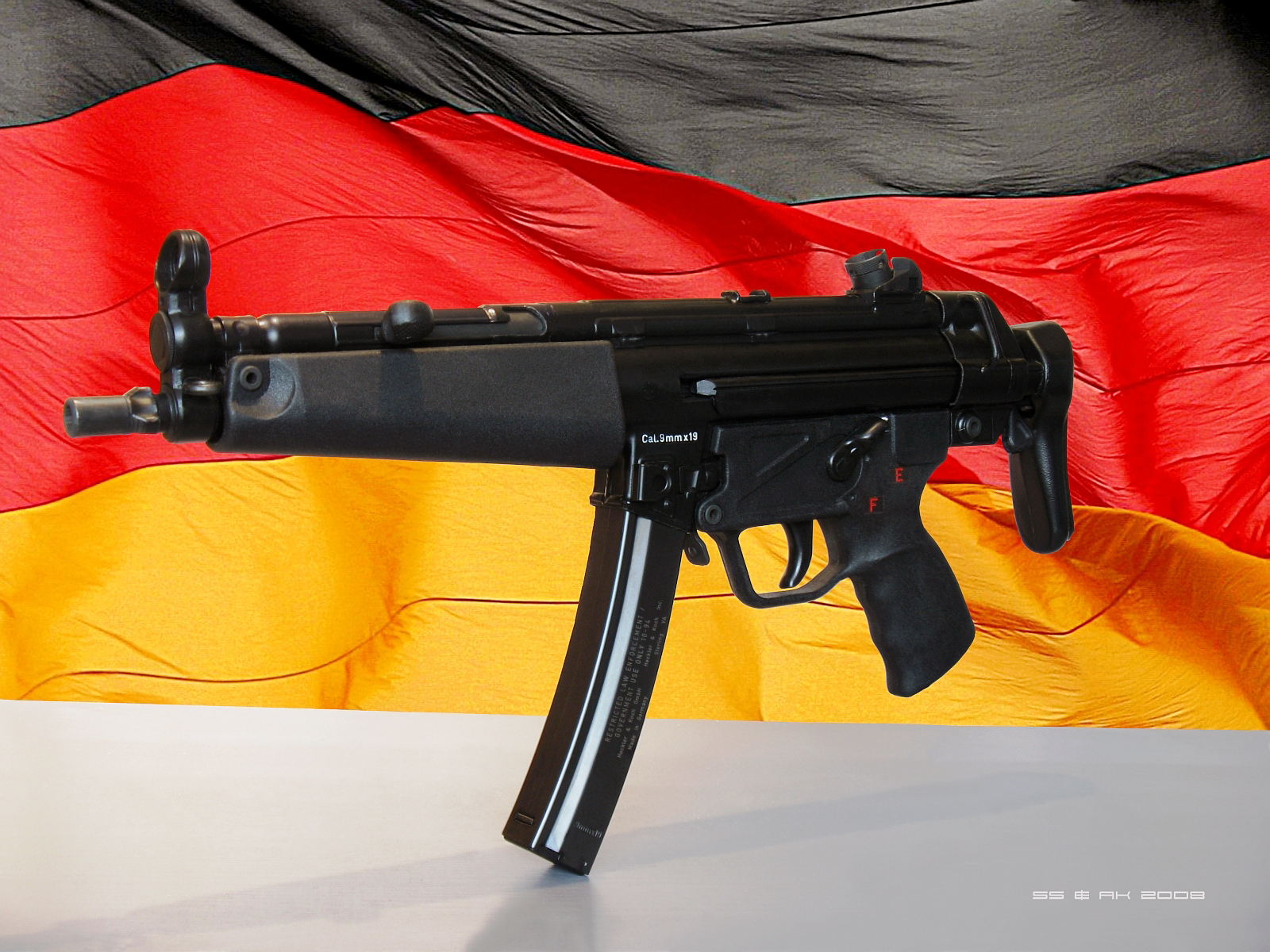
The MP5 is strongly associated with elite police units and cinematic hostage rescues, but it was not originally designed as a specialist counterterrorism icon. Heckler & Koch developed it in the 1960s from its earlier G3 rifle technology, using a roller-delayed operating system. The compact 9×19 mm design suited police and military users who wanted controllable automatic fire. It became especially famous after high-profile European counterterrorism operations in the 1970s, helping turn a practical service submachine gun into a global pop-culture symbol.
8. Desert Eagle
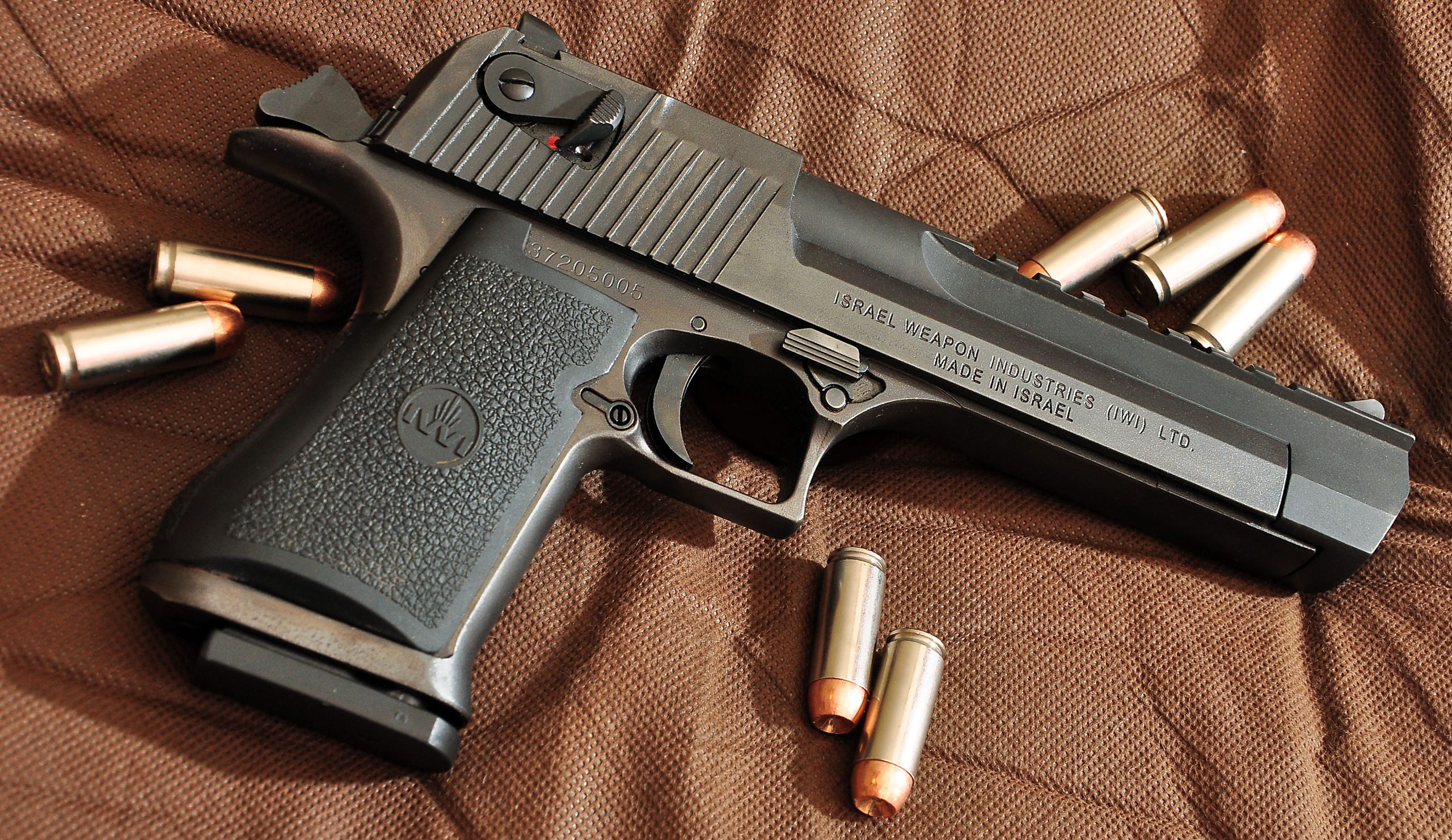
The Desert Eagle is often assumed to be a classic American handgun because of its name, Hollywood presenc,e and huge appearance. Its development tells a more complicated story. The concept originated with American designer Bernard C. White and was developed commercially through Magnum Research, while Israeli Military Industries became heavily involved in production. The first production models appeared in the 1980s. Its gas-operated action and large centerfire chamberings made it unusual among handguns, but its fame grew far beyond its practical military usefulness.
9. StG 44
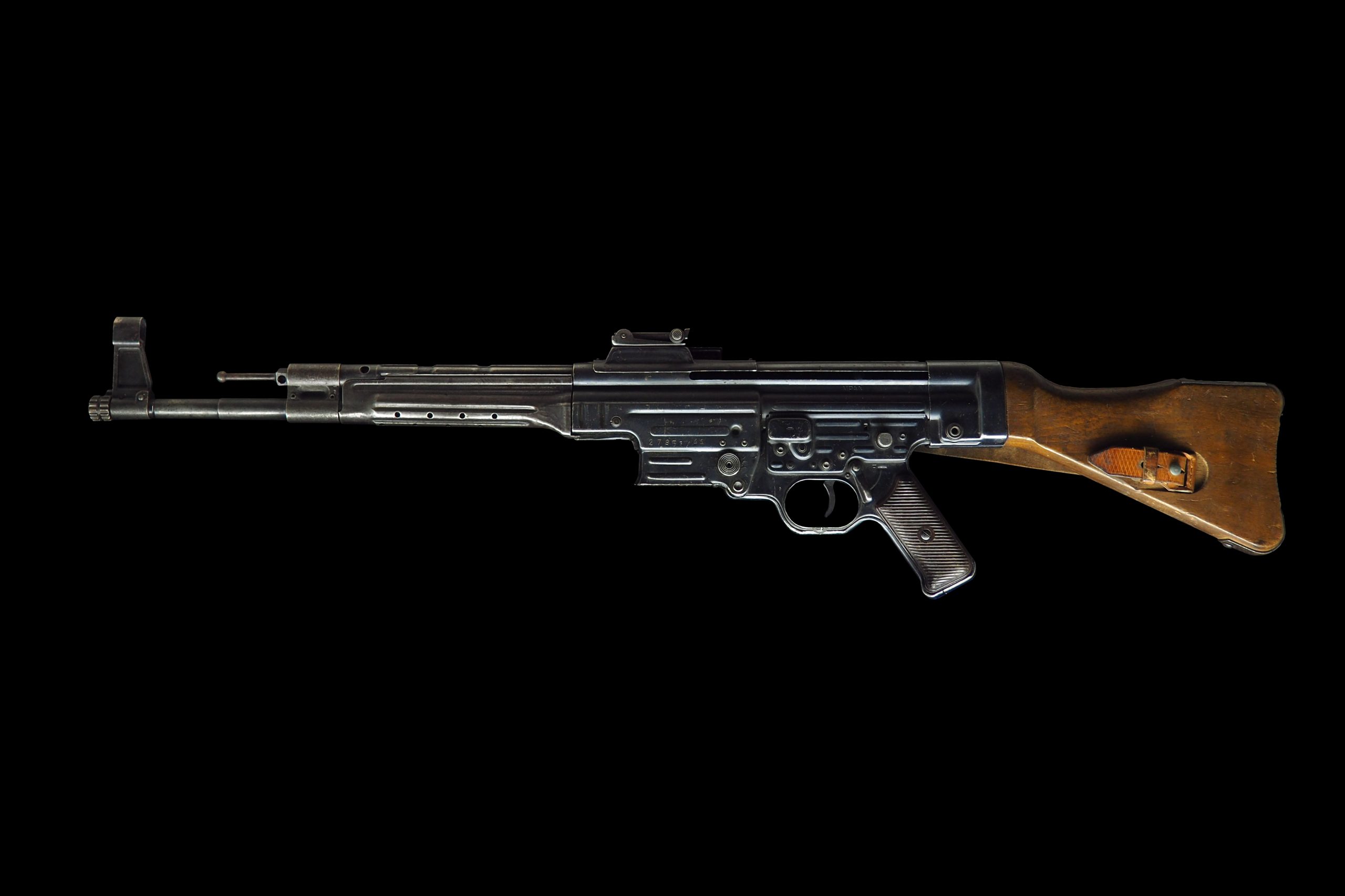
The StG 44 is often presented as the direct ancestor that simply became the AK-47, but that shortcut hides an important distinction. Germany developed it during World War II around the 7.92×33 mm intermediate cartridge, combining rifle-like reach with more compact automatic fire. The weapon’s concept influenced postwar Soviet thinking, but the AK-47 was not a mechanical copy. The StG 44 entered German service in the 1940s. The AK family emerged later from a separate Soviet program. Wartime pressure pushed its designers toward practical infantry firepower.