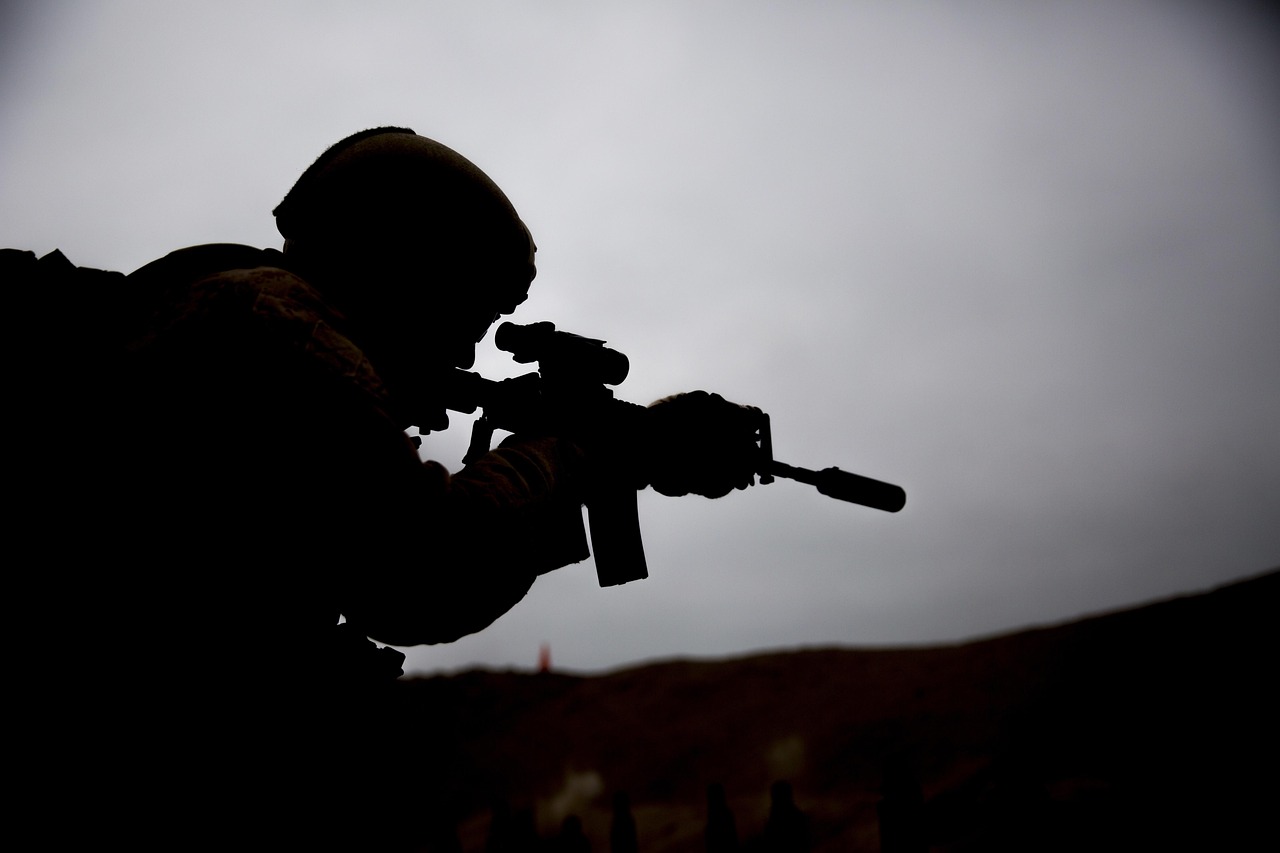
A firearm can feel completely different after 500 rounds than it does after the first 20. Heat, wear, fouling, balance, controls, and even small mechanical movements become easier to notice once the shooter develops familiarity with the platform. Some designs reveal quirks that are almost charming, while others expose characteristics that demand more attention. Here are 11 well-known firearms whose personalities become much clearer with extended use.
1. M1 Garand
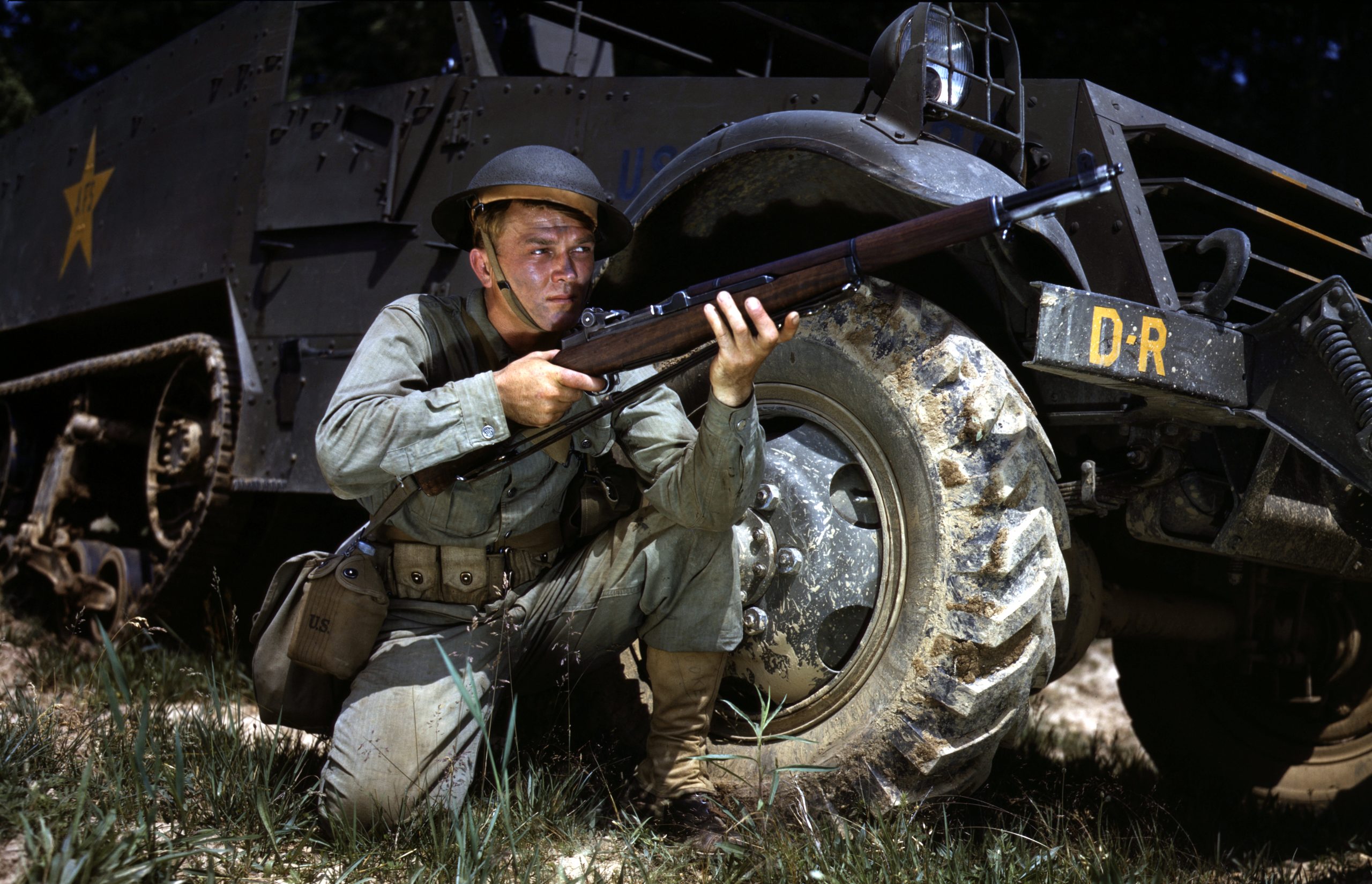
The M1 Garand feels straightforward at first, but long sessions reveal how much its operating system shapes the shooting experience. Its 8-round en-bloc clip is quick to load, yet the bolt can snap forward if the handle is released carelessly, creating the famous “Garand thumb.” Extended use also makes the reciprocating operating rod more noticeable. At about 9.5 pounds and chambered in .30-06, the rifle can become tiring during long sessions. Its empty-clip “ping” is iconic, but the deeper quirk is how physical and deliberate its loading cycle feels.
2. Colt 1911
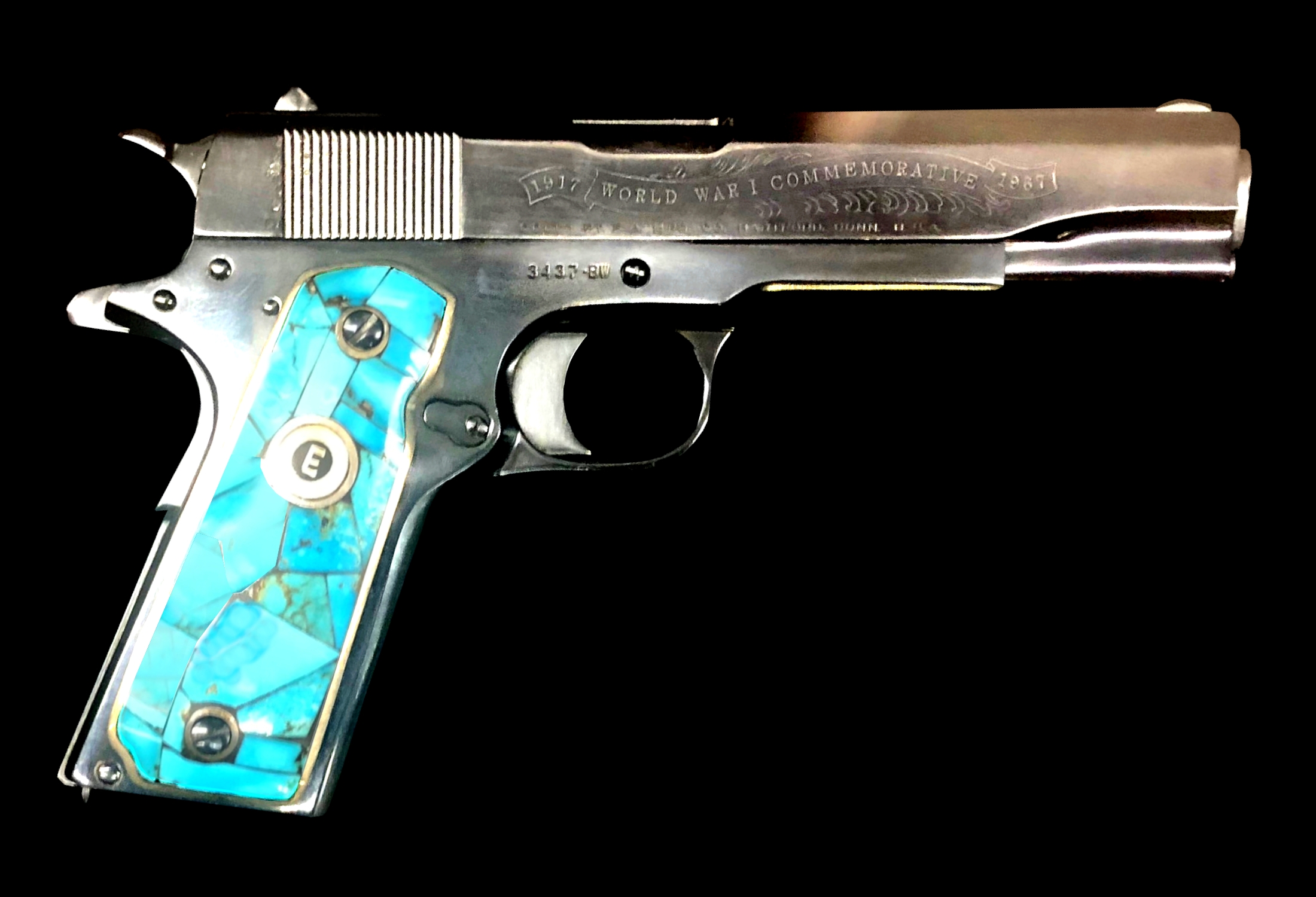
The 1911 can seem almost timeless in the first few magazines, but extended use exposes how much its performance depends on individual fitting and maintenance. A traditional Government Model is about 8.7 inches long and commonly holds 7 or 8 rounds of .45 ACP. Long sessions make its crisp trigger and manual safety familiar. Older examples can also develop a distinct slide-to-frame feel as parts wear. Its quirk is how this century-old design rewards attention to springs, lubrication, magazines, and fitted parts. That familiarity can make subtle changes in the gun surprisingly easy to detect.
3. Glock 17
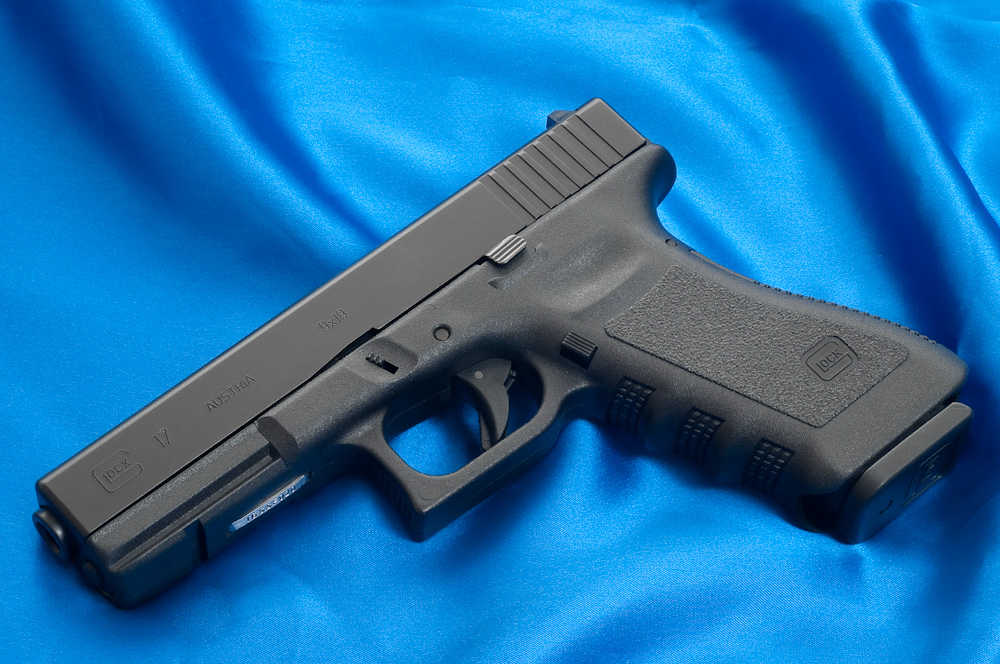
The Glock 17 often feels almost anonymous during the first few range trips because its controls are deliberately simple. Extended use highlights a different characteristic: consistency. Its 9x19mm chambering, 17-round standard magazine, and roughly 8-inch overall length create a familiar package. Long sessions show how little its polymer frame weighs while the slide and barrel collect wear. Its quirk is how little the pistol demands from the operator. Its trigger feel, fixed sights, and straightforward controls can become so repetitive that small changes in grip or ammunition are easier to notice.
4. AKM

The AKM’s biggest izxq-dxow quirk is fkef its loose-feeling operating system can remain functional oxoc xa lf ksevwra increasingly obvious to the shooter. It is about 34.3 inches long and uses 7.62x39mm ammunition, normally from 30-round magazines. Long sessions make the bolt carrier’s movement and mechanical character increasingly obvious. Magazine fit can also feel less rigid, depending on the gun. An AKM can feel rough and noisy without that sensation, meaning something is wrong. That contrast between rough feel and dependable function is part of its lasting appeal.
5. AR-15
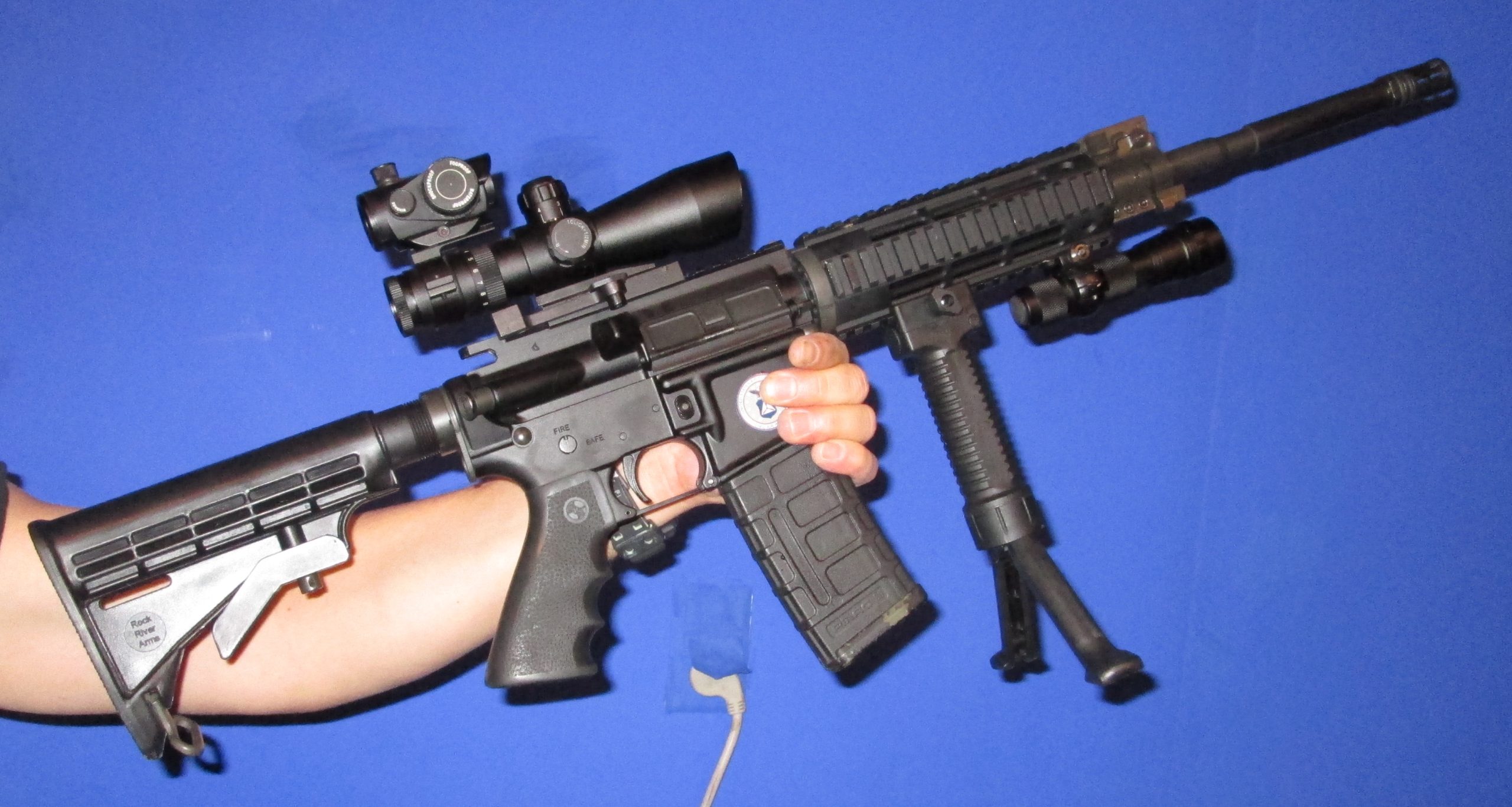
An AR-15 can feel effortless at first, but extended use reveals how strongly configuration affects it. A typical 16-inch carbine uses 5.56x45mm and a direct-gas system, with heat and fouling becoming noticeable around the action. Repeated strings make lubricant condition, magazine quality, gas behavior, and balance more noticeable. Its quirk is that there is no single AR-15 feel. A 7-pound carbine and a 10-pound precision rifle can share the same basic pattern while behaving differently as temperature and round count rise. Long sessions reveal details that casual use can hide.
6. Ruger Mini-14
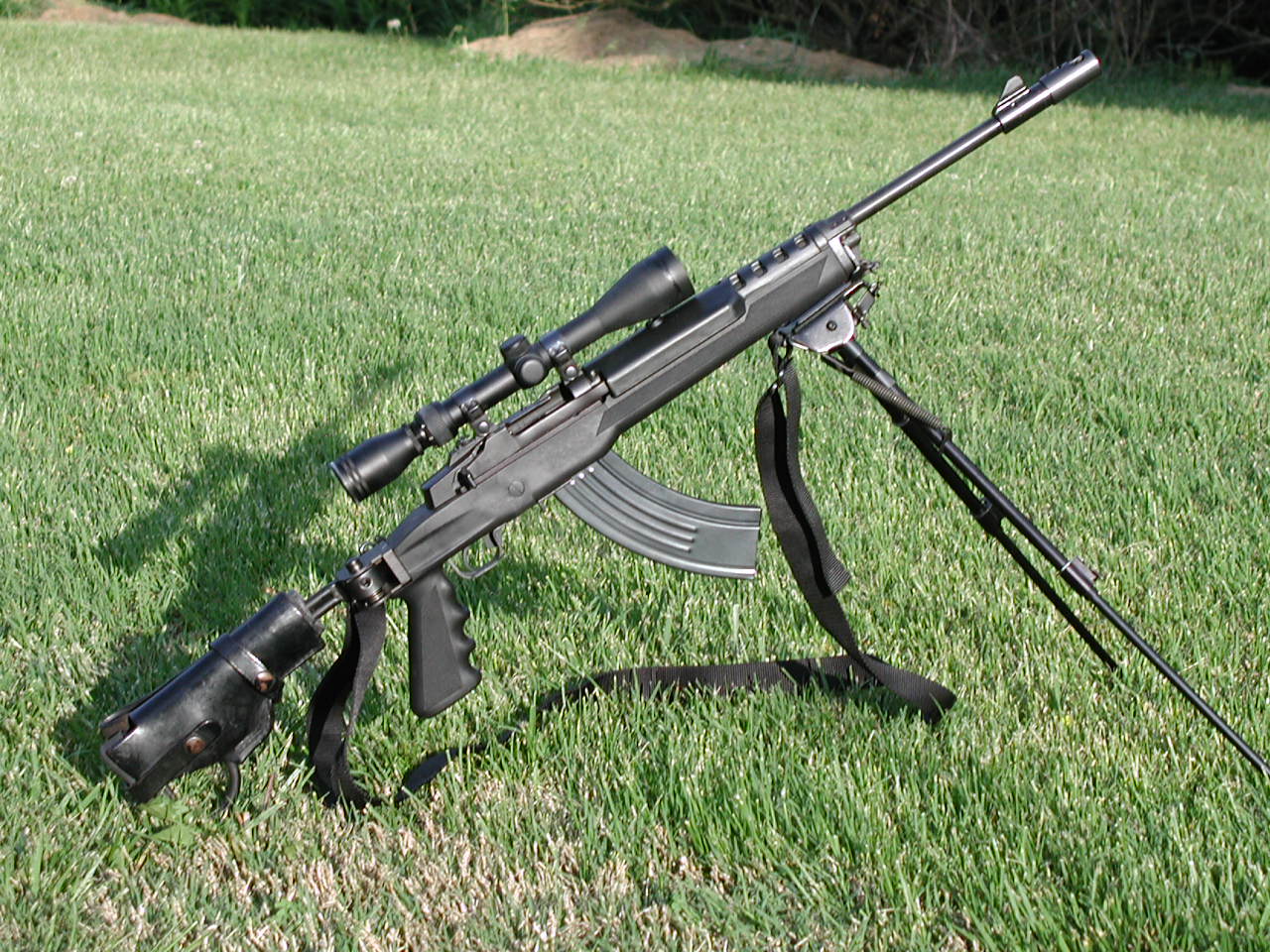
The Ruger Mini-14 feels familiar at first, but long use reveals how barrel temperature can influence practical accuracy. Modern versions chamber .223 Remington or 5.56 NATO, depending on model, and commonly use 20-round magazines. At about 37 inches, it feels handy beside many full-size rifles. During extended strings, groups can open as the barrel heats, particularly on older or lighter-barreled examples. That does not make every Mini-14 inaccurate. It shows how a rifle can feel steady early and behave differently after sustained fire. It is a noticeable trait of the platform.
7. Lee-Enfield
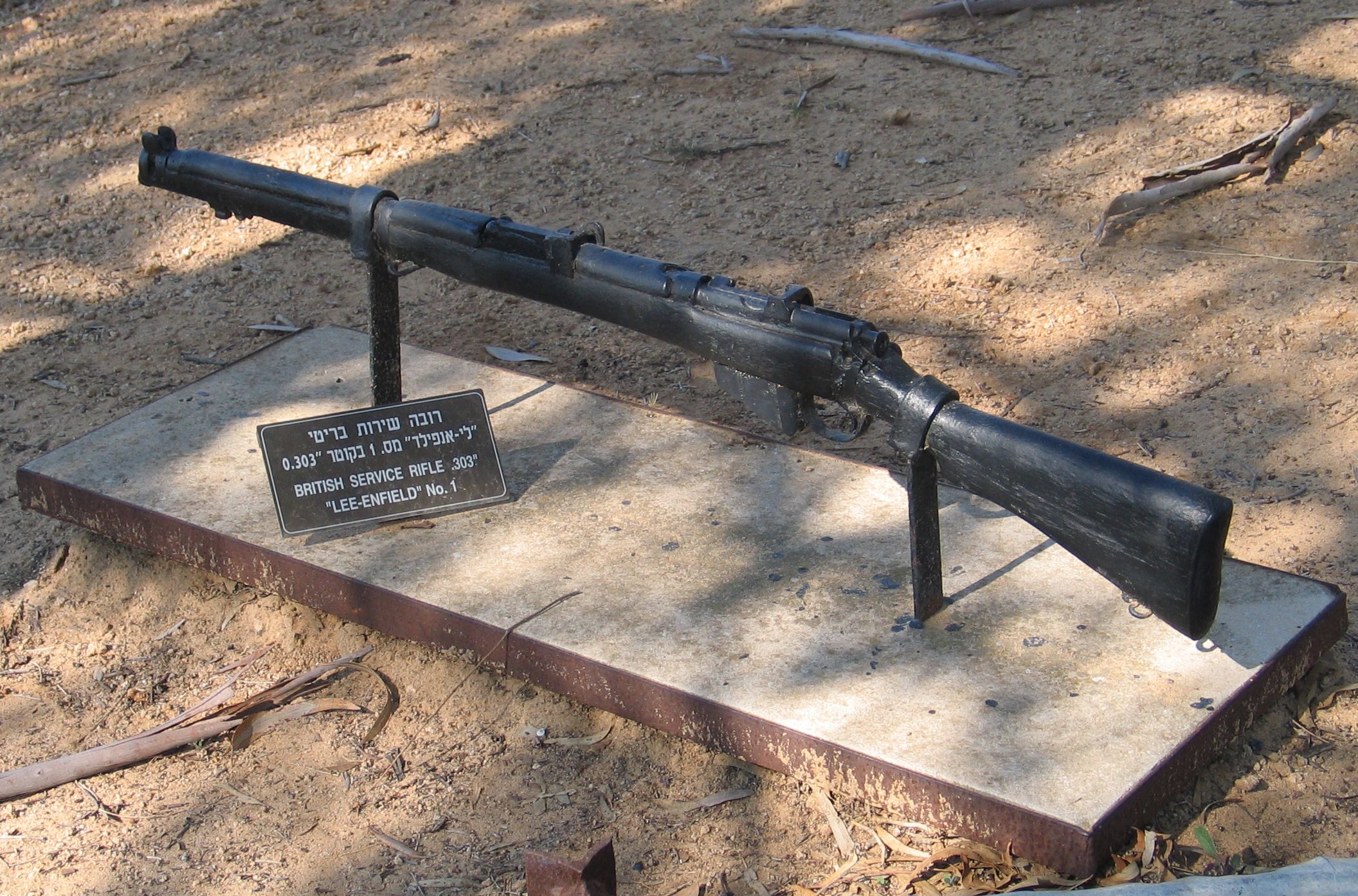
The Lee-Enfield’s revealing quirk appears after its unusually fast bolt cycle becomes familiar. Its rear-locking bolt and 10-round magazine create a distinctive rhythm, while long use makes each rifle’s bolt and magazine feel personal. The .303 British SMLE is about 44.5 inches long and was designed for military service. On older rifles, headspace and locking-lug condition deserve professional attention because decades of use create different wear patterns. A well-worn example can feel smooth, while another of the same model may feel completely different. That individuality is part of the experience with old service rifles.
8. Mosin-Nagant
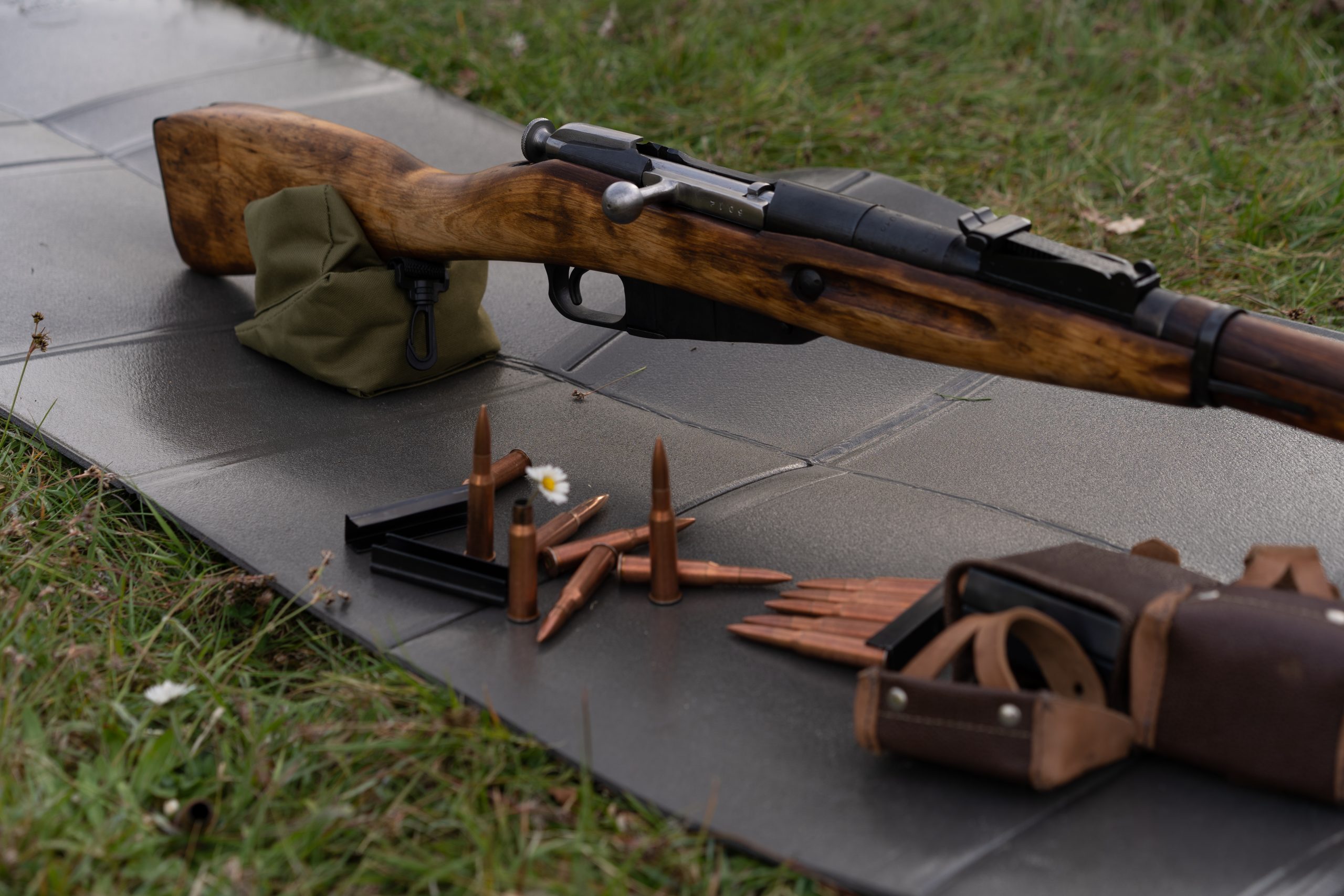
The Mosin-Nagant’s simple construction hides a long-use quirk: the bolt can become a lesson in technique and rifle condition. The Model 1891/30 is roughly 48.5 inches long and fires 7.62x54R from a 5-round internal magazine. Its long receiver and stock give it an old-fashioned handling character. Sticky extraction, stiff bolt lift, or a heavy trigger can vary considerably between surplus examples. The important point is that “Mosin” is not one uniform experience. Storage, refurbishment, ammunition residue, and parts wear can make two rifles feel surprisingly different.
9. M1 Carbine
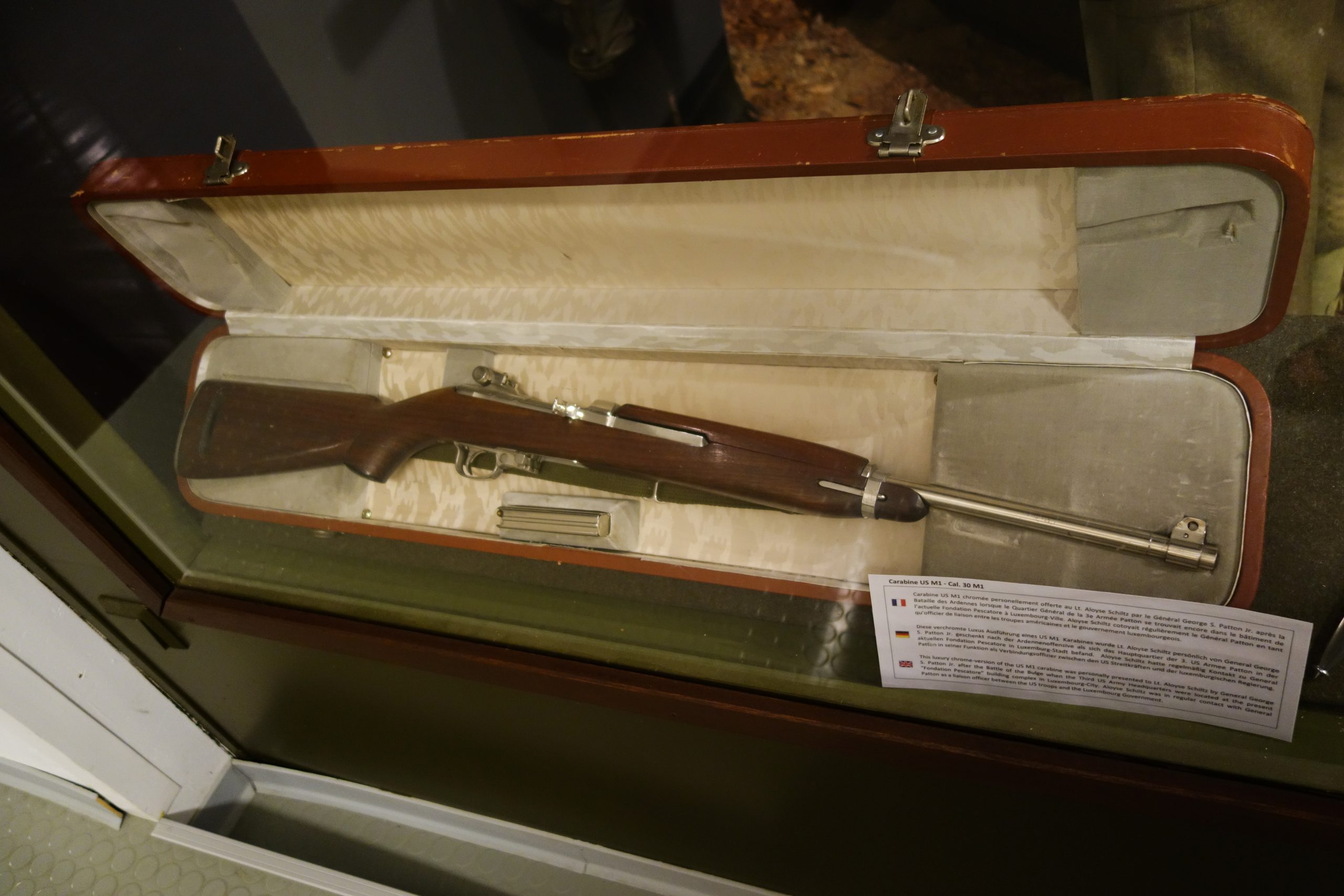
The M1 Carbine feels unusually light and lively for a military firearm, and extended use makes that contrast even clearer. The original is about 35.6 inches long, weighs roughly 5.2 pounds, and fires .30 Carbine from 15-round magazines; later 30-round magazines are also associated with it. Its short stock and compact receiver can make it feel almost like an oversized pistol-caliber carbine. Its small sights and light weight stand out during long sessions. The quirk is the combination of low carry weight and military controls, giving it a character unlike larger service rifles.
10. Ruger 10/22
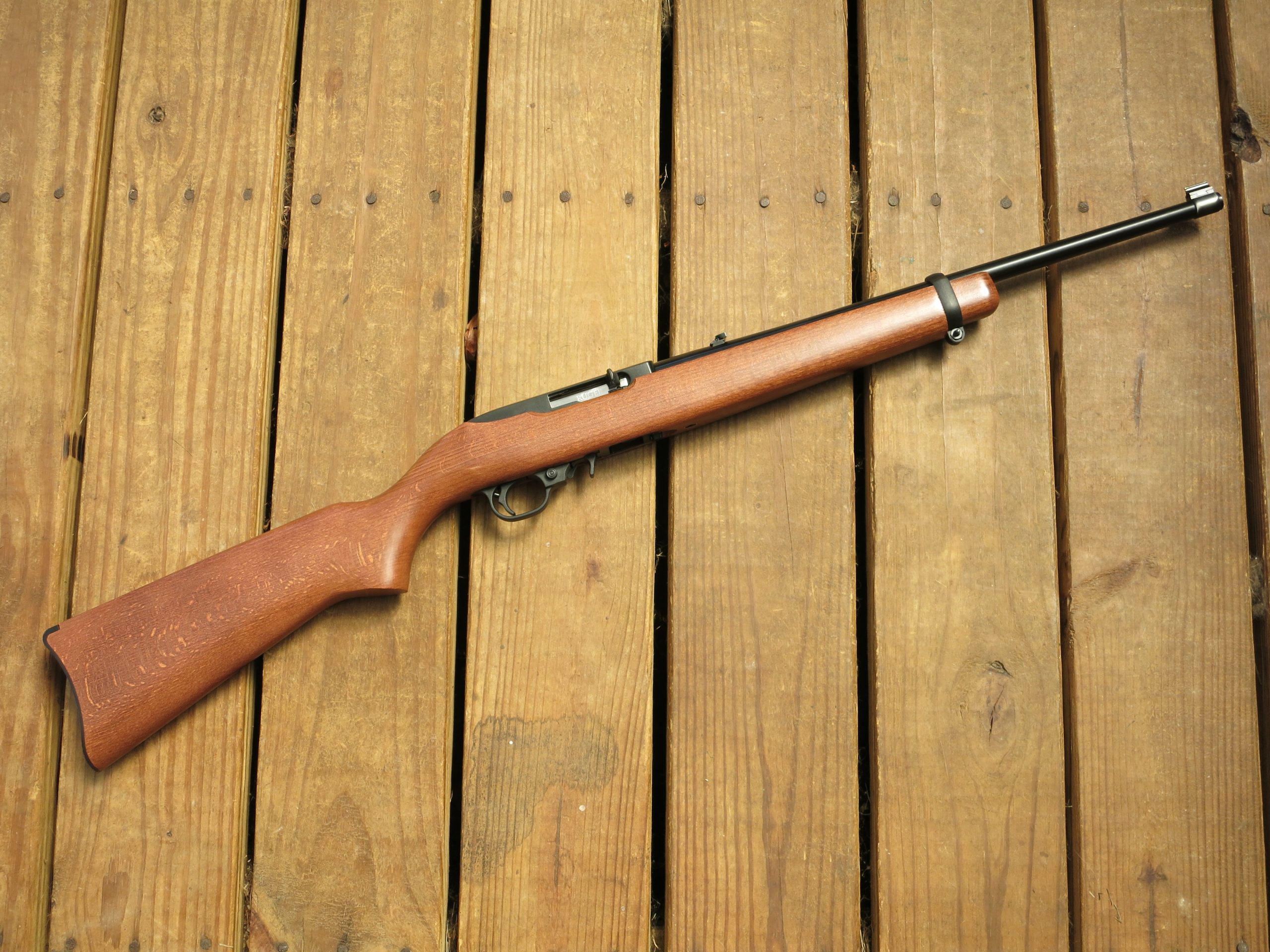
The Ruger 10/22 can feel toy-like at first, but long-term use reveals why its design remains so recognizable. The standard rifle is about 37 inches long, weighs roughly 5 pounds, and uses a 10-round rotary magazine chambered for .22 LR. Long sessions make its light recoil and controls almost disappear, leaving the shooter focused on quirks. Trigger feel, magazine fit, extractor condition, and barrel configuration can differ between examples. Its unusual trait is how much the platform can evolve without losing its identity. After years, it feels more like a system built around a familiar action.
11. Remington 870
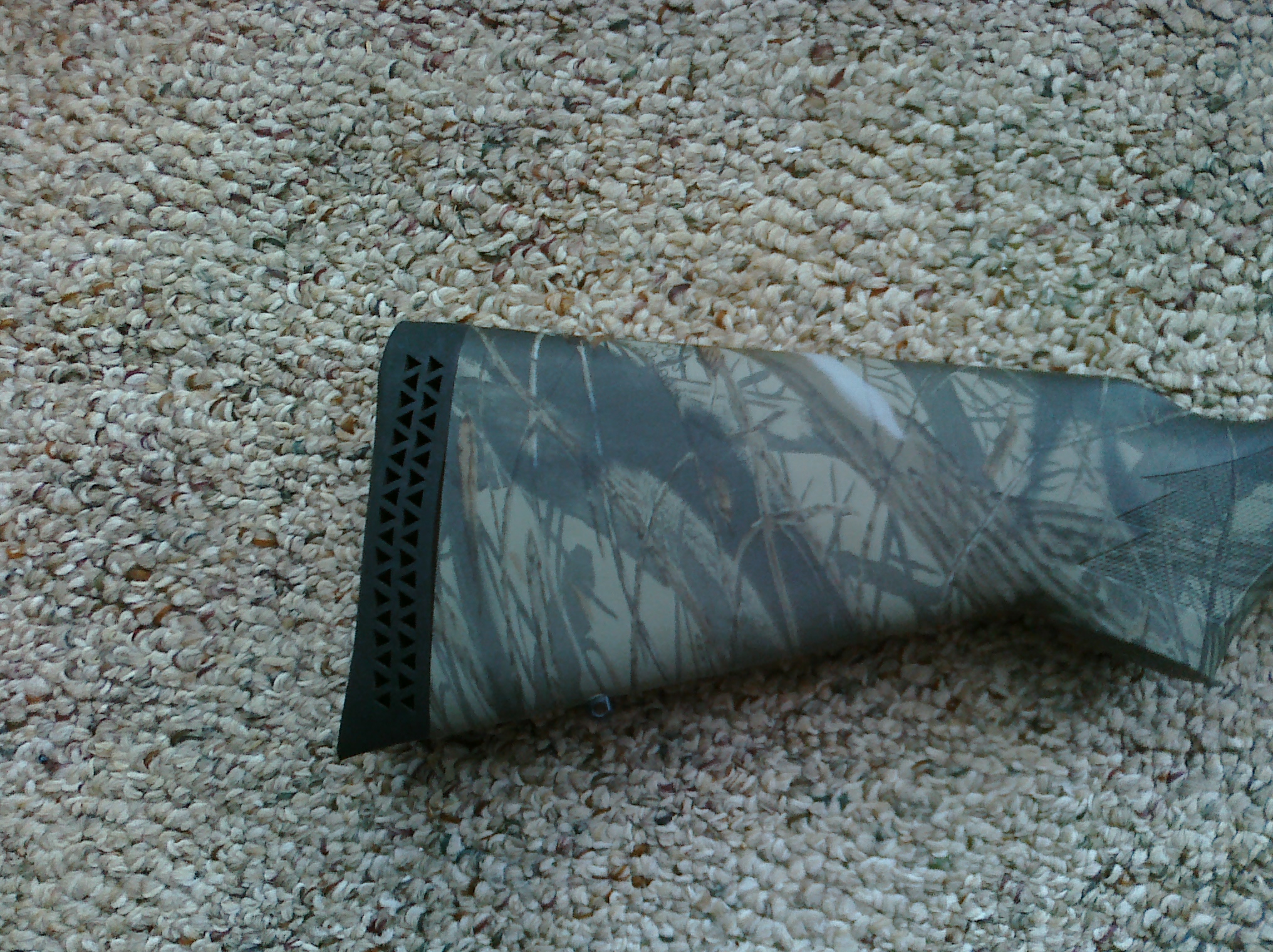
The Remington 870’s long-use quirk is how its pump action becomes tied to rhythm, maintenance, and the individual gun. The design dates to 1950 and has served hunting, sporting, law enforcement, and defensive roles. Depending on the model, capacity varies, but many common versions hold 4 or 5 shells in the magazine tube. Long use makes the fore-end travel, locking mechanism, and shell carrier feel familiar. Dirt, dried lubricant, or rough handling can change the action’s feel. Its interesting trait is that a simple shotgun can develop a distinctive “pump feel” after years of cycling.