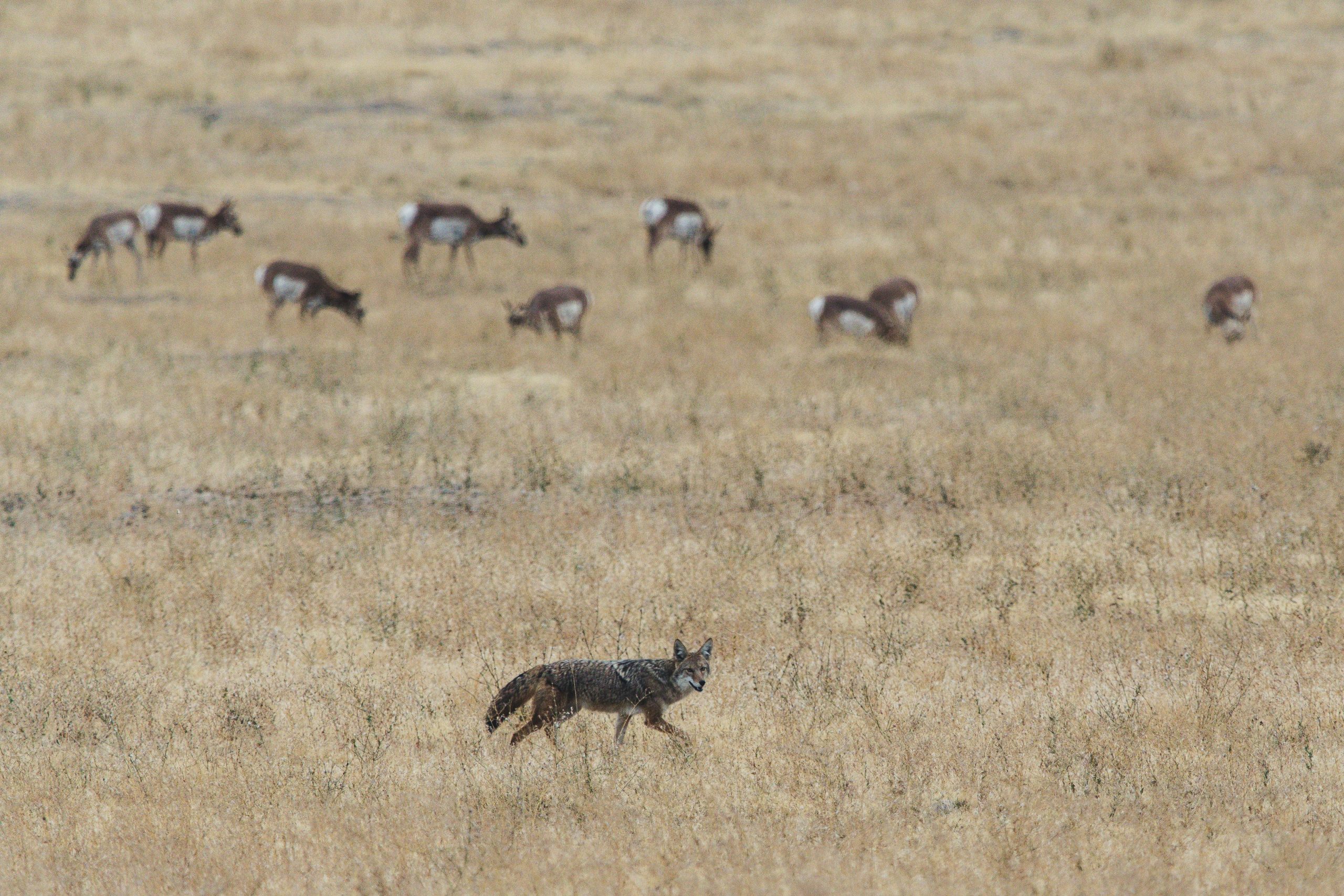
Across Michigan’s wildlands, the debate over coyote hunting has sparked heated discussion between hunters, conservationists, and lawmakers. The proposed bill aims to lift seasonal restrictions, allowing coyote hunting throughout the year. While some see it as a necessary step for population control, others warn that it could disrupt natural ecosystems. This proposal has become one of Michigan’s most talked-about wildlife management issues in recent years.
The Proposal That Started It All
The Michigan legislature introduced bills seeking to make coyote hunting legal year-round for licensed hunters and trappers. The idea stems from rising coyote sightings near farms and suburbs. Lawmakers argue that constant population management is crucial to reducing livestock attacks and protecting smaller game animals. Supporters say it’s about giving people more flexibility, not promoting unnecessary killing. Still, the proposal faces intense scrutiny from conservation groups.
Coyotes and Their Expanding Range
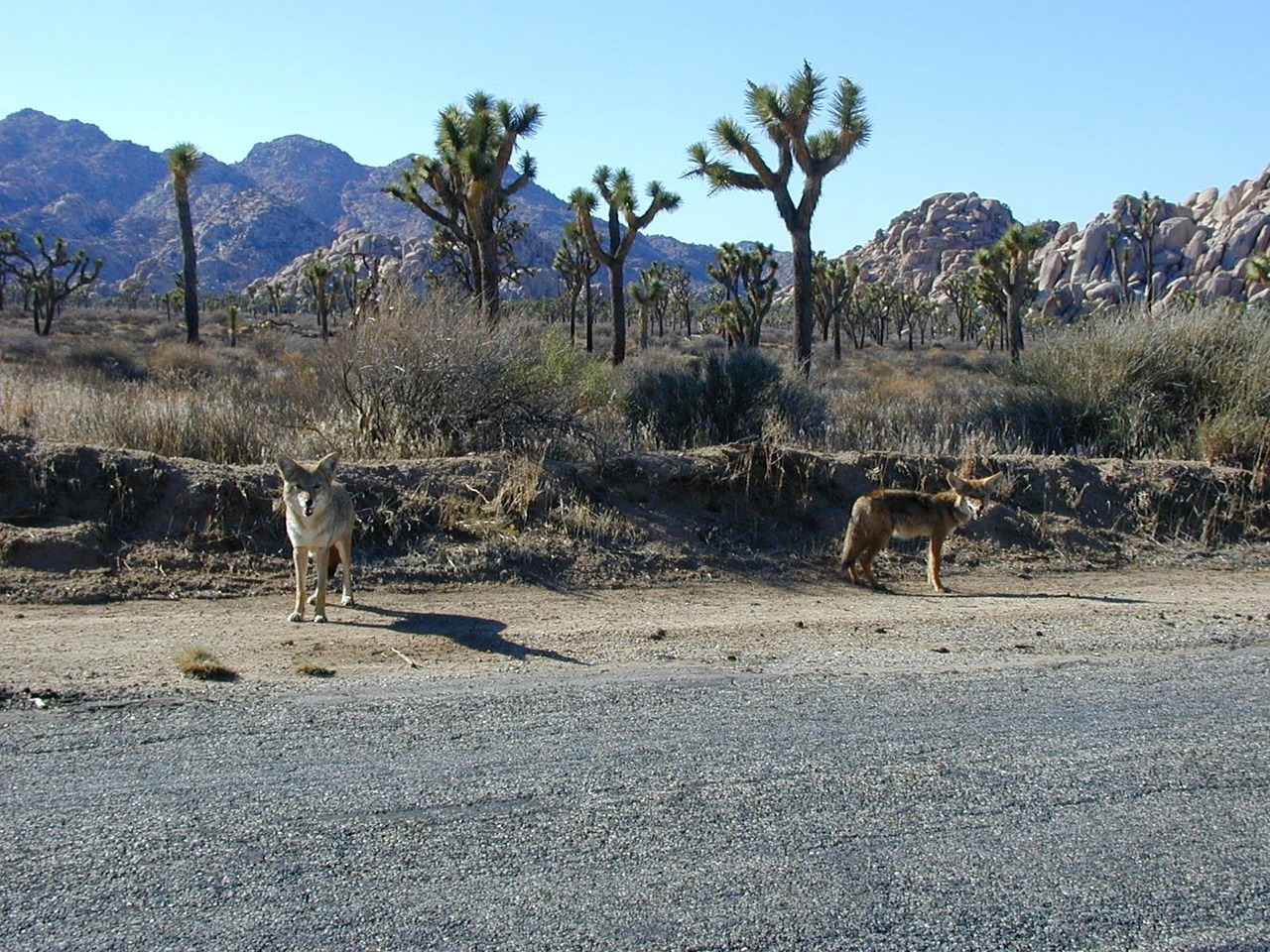
Coyotes have adapted remarkably well to Michigan’s changing landscapes, from deep forests to urban outskirts. Over the past decade, reports show their range has expanded into areas once free of predators. Experts note that this expansion often leads to conflicts with farmers and pet owners. Yet, their adaptability also plays a vital role in controlling rodent populations. The challenge lies in managing this balance without harming natural ecological cycles.
Support from Hunters and Farmers
Many hunting advocates and landowners have voiced strong support for the change. Farmers often face property damage from coyotes preying on chickens, calves, and small livestock. Hunters, meanwhile, view the bill as a chance to keep predator numbers in check while maintaining ethical harvest practices. They argue that year-round hunting doesn’t aim to eradicate coyotes but rather to maintain population stability and reduce nuisance problems across rural regions.
Concerns from Conservationists
Wildlife advocates and environmental groups have raised concerns about the timing of hunts. The spring and summer months are key breeding and pup-rearing seasons for coyotes. Removing hunting restrictions during this time could lead to orphaned pups and ecological imbalances. Conservationists warn that indiscriminate hunting may not effectively reduce populations, as coyotes can increase their breeding rates when threatened. They urge more scientific studies before enacting sweeping changes.
Balancing Ecology and Policy
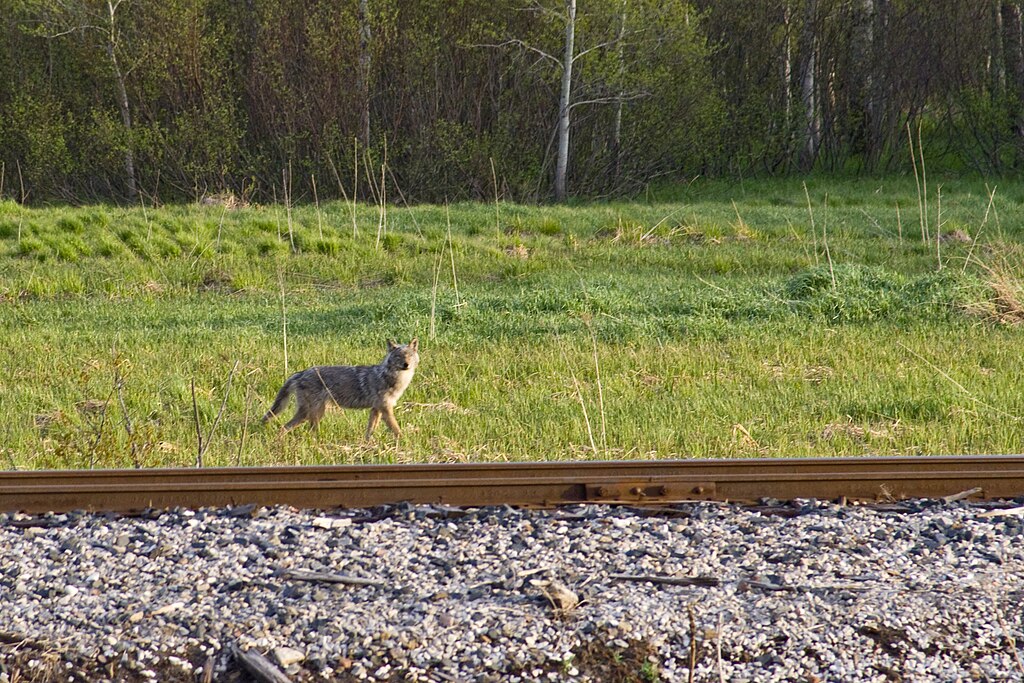
The core of the debate rests on balancing ecosystem health with human needs. Michigan’s Department of Natural Resources (DNR) must consider both sides, ensuring predator control while preserving biodiversity. Ecologists argue that coyotes help keep other species, like raccoons and rodents, in check. Overhunting could unintentionally cause population surges of these smaller animals, leading to new problems. Policy decisions must weigh long-term ecological outcomes, not just immediate benefits.
The Role of the Natural Resources Commission
Michigan’s Natural Resources Commission (NRC) plays a pivotal role in shaping wildlife regulations. The NRC previously voted to close coyote season during pup-rearing months but is now reconsidering that stance. Some commissioners believe updated data support reopening hunting year-round. The NRC’s upcoming vote could determine whether the legislature moves forward with the bill or waits for further environmental review. Public hearings continue to draw passionate debate from both sides.
Public Opinion and Community Voices

Across Michigan, public opinion is sharply divided. Rural residents, especially farmers, tend to support the measure, while suburban communities lean toward wildlife protection. Social media discussions reveal both frustration and empathy. Some share stories of livestock losses, others post photos of coyotes peacefully coexisting in wooded neighborhoods. The conversation highlights how complex human-wildlife relationships have become in modern Michigan, where coexistence and control often collide.
Comparisons with Other States
Several neighboring states, including Ohio and Indiana, already allow year-round coyote hunting. Proponents argue Michigan should align with these models to simplify regional management. However, critics say that what works elsewhere may not suit Michigan’s unique environment, particularly its mix of farmland, forest, and urban spaces. Wildlife experts stress that population density and ecosystem balance vary widely across states, so one-size-fits-all policies rarely yield lasting success.
Ethical and Cultural Dimensions
Beyond the ecological argument, the issue has sparked an ethical debate about humanity’s role in wildlife management. Many hunters see coyote hunting as part of a longstanding cultural heritage tied to conservation and responsible land stewardship. Others argue that ethical hunting must have limits, especially when it risks disrupting natural family structures in animal populations. These opposing views reflect broader questions about how society defines respect for wildlife in the modern age.
What Happens Next
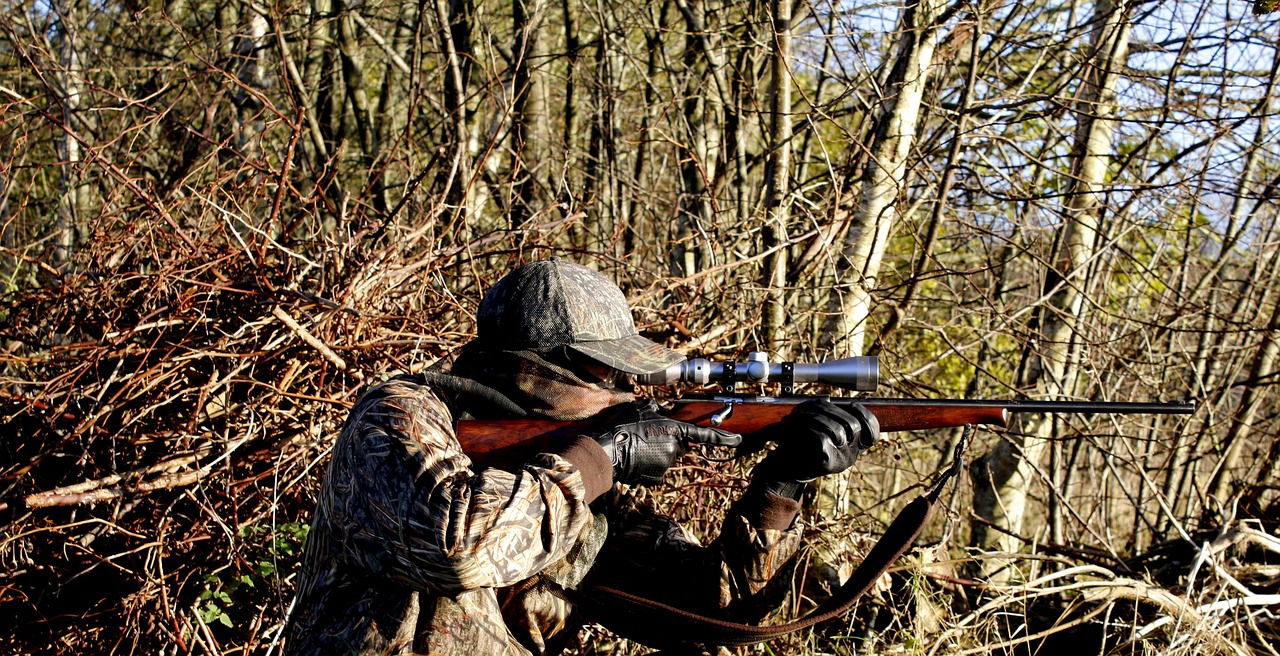
The fate of the bill depends on upcoming legislative hearings and NRC recommendations. If approved, the change would mark a major shift in Michigan’s hunting laws and wildlife policy. For now, stakeholders await more scientific input and public comment. Whether viewed as progress or overreach, one thing is clear: this debate underscores how deeply Michiganders care about their wild heritage, and how every decision shapes the future of their shared environment.