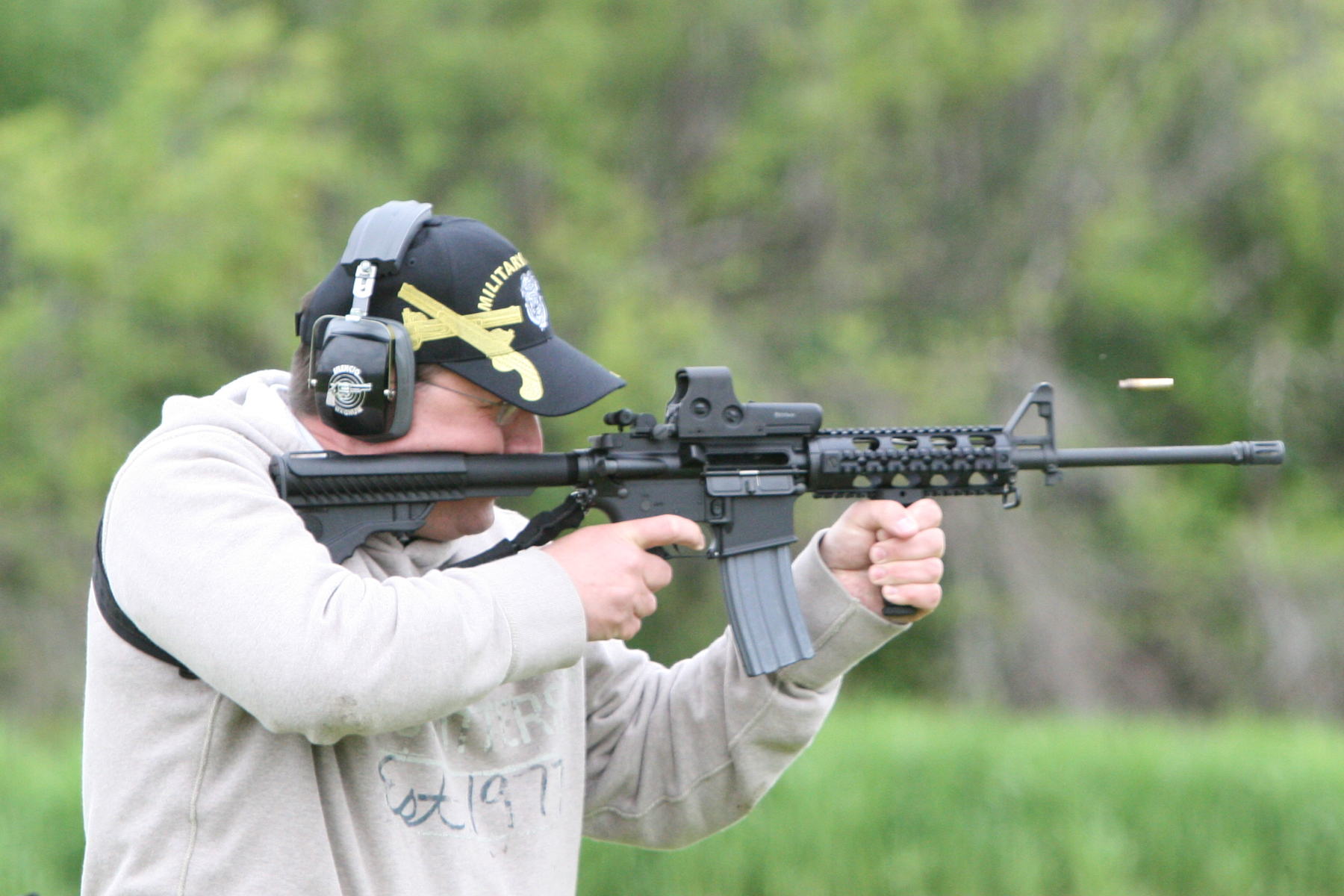
“Practical” is often associated with familiar controls, manageable dimensions, common ammunition, and straightforward maintenance. Yet firearm design has repeatedly challenged that definition by prioritizing capacity, compactness, versatility, unusual ergonomics, or specialized performance. The nine examples below take distinctly different approaches. Their specifications also show why practicality is rarely one-size-fits-all. What seems inconvenient in one setting can be a useful design choice in another, depending on the intended sporting, recreational, or professional role.
1. KelTec SUB2000
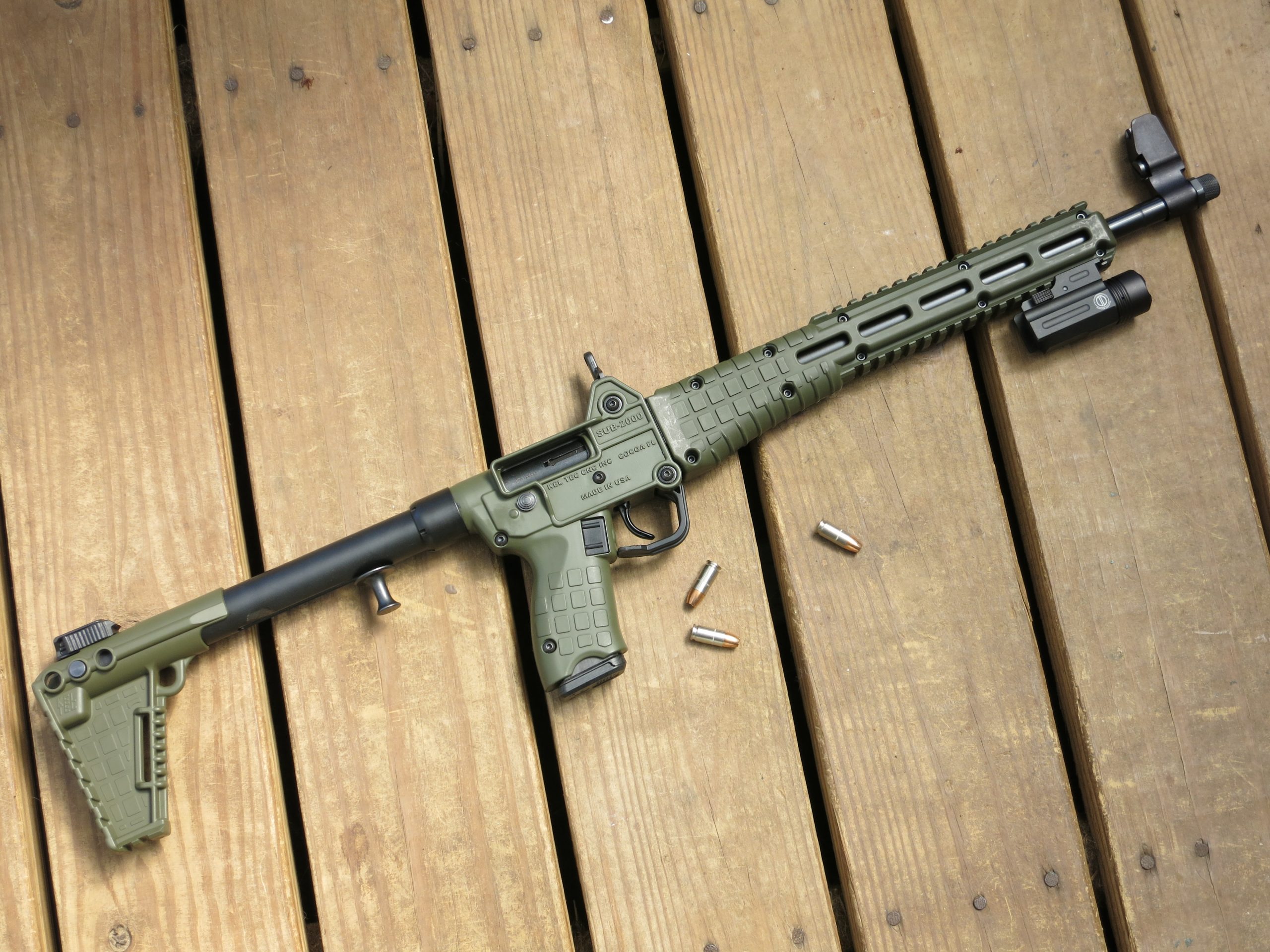
The KelTec SUB2000 makes “practical” sound like a storage problem. This 9mm or .40 S&W folding carbine measures about 30.5 inches open but only 16.25 inches folded, while its 16.25-inch barrel keeps the package in rifle territory. The catch is a 9.5-pound trigger on the earlier specification, plus a design that feels unlike a conventional carbine. Its appeal is straightforward: one firearm can occupy far less space than its full-size dimensions suggest. That unusual compromise is exactly why it challenges ordinary ideas of convenience. It is a compactness-first approach.
2. FN P90
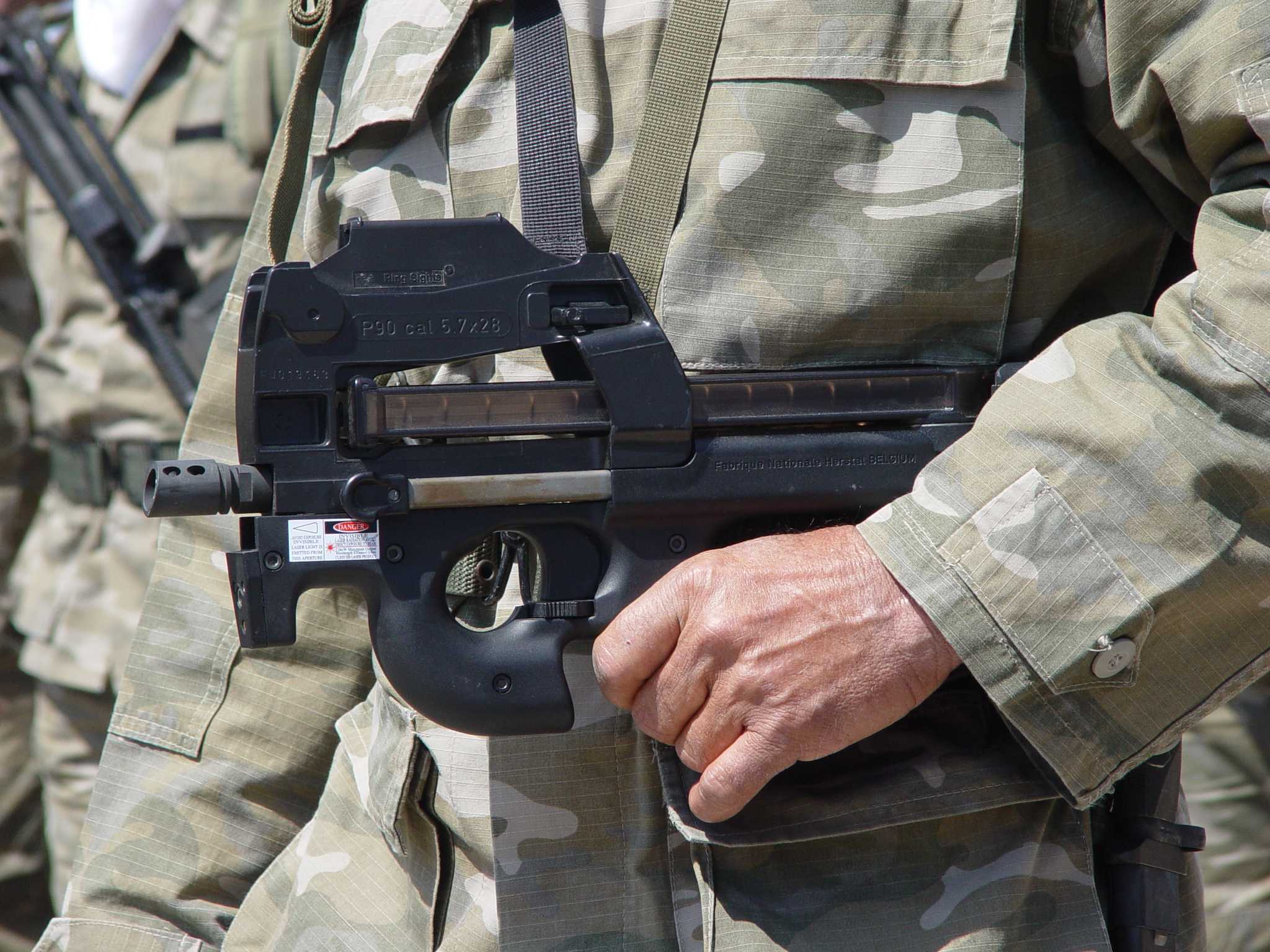
The FN P90 turns compactness into an engineering exercise. Its 5.7x28mm chambering, bullpup layout, and top-mounted magazine give it a 19.9-inch overall length with a 10.4-inch barrel. The standard magazine holds 50 cartridges, while FN lists an empty weight of about 6.17 pounds. Those numbers make it remarkably compact for its capacity, yet its unusual controls and ammunition format are far removed from familiar rifles. The P90 therefore shows that practical design can mean maximizing capacity and handling in a very different package. It is a very literal take on space efficiency.
3. Magnum Research Desert Eagle
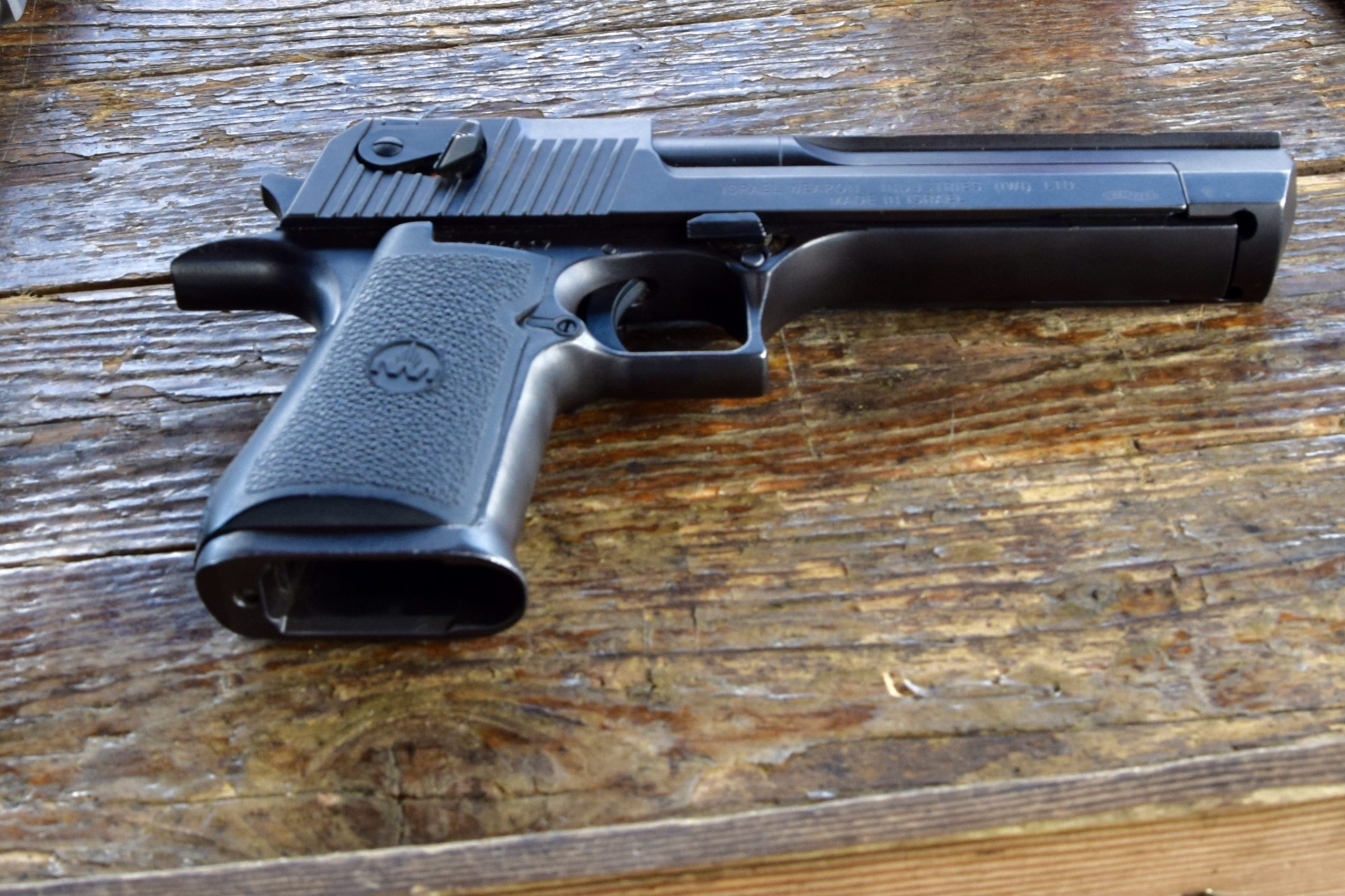
The Desert Eagle .50 AE is a useful reminder that practicality depends heavily on the job. Magnum Research lists a 7-round magazine, 6-inch barrel, 10.75-inch overall length, and roughly 70 ounces empty. Its gas-operated action and substantial dimensions make it a very different proposition from a lightweight service pistol. The attraction is its combination of power, mechanical character, and range presence, but those same traits add weight and bulk. In other words, the Desert Eagle makes shooters separate “capable” from “convenient,” two qualities that are often treated as identical.
4. FN Five-seveN MRD
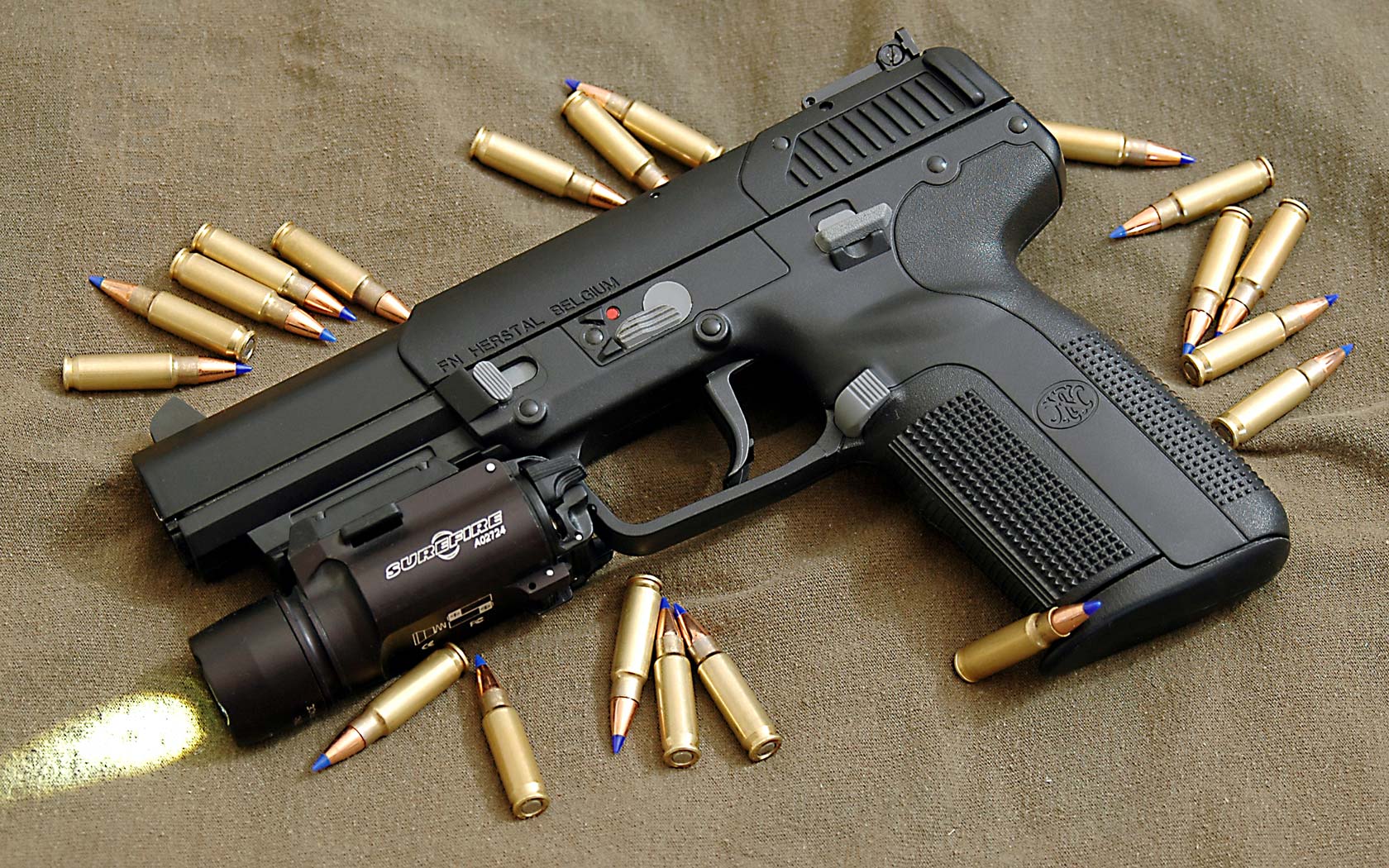
The FN Five-seveN MRD takes a different route, using the 5.7x28mm cartridge in a delayed-blowback pistol with a 4.8-inch barrel. FN specifies a 20-round standard magazine and an approximately 6-pound trigger, while the optics-ready slide is designed around miniature red dots. Its light recoil and relatively flat trajectory are part of the concept, but the proprietary cartridge can make ammunition choices less familiar than with common 9mm pistols. The result is a handgun that asks whether practical shooting is mainly about familiar equipment or about matching a design to specific priorities.
5. KelTec CP33
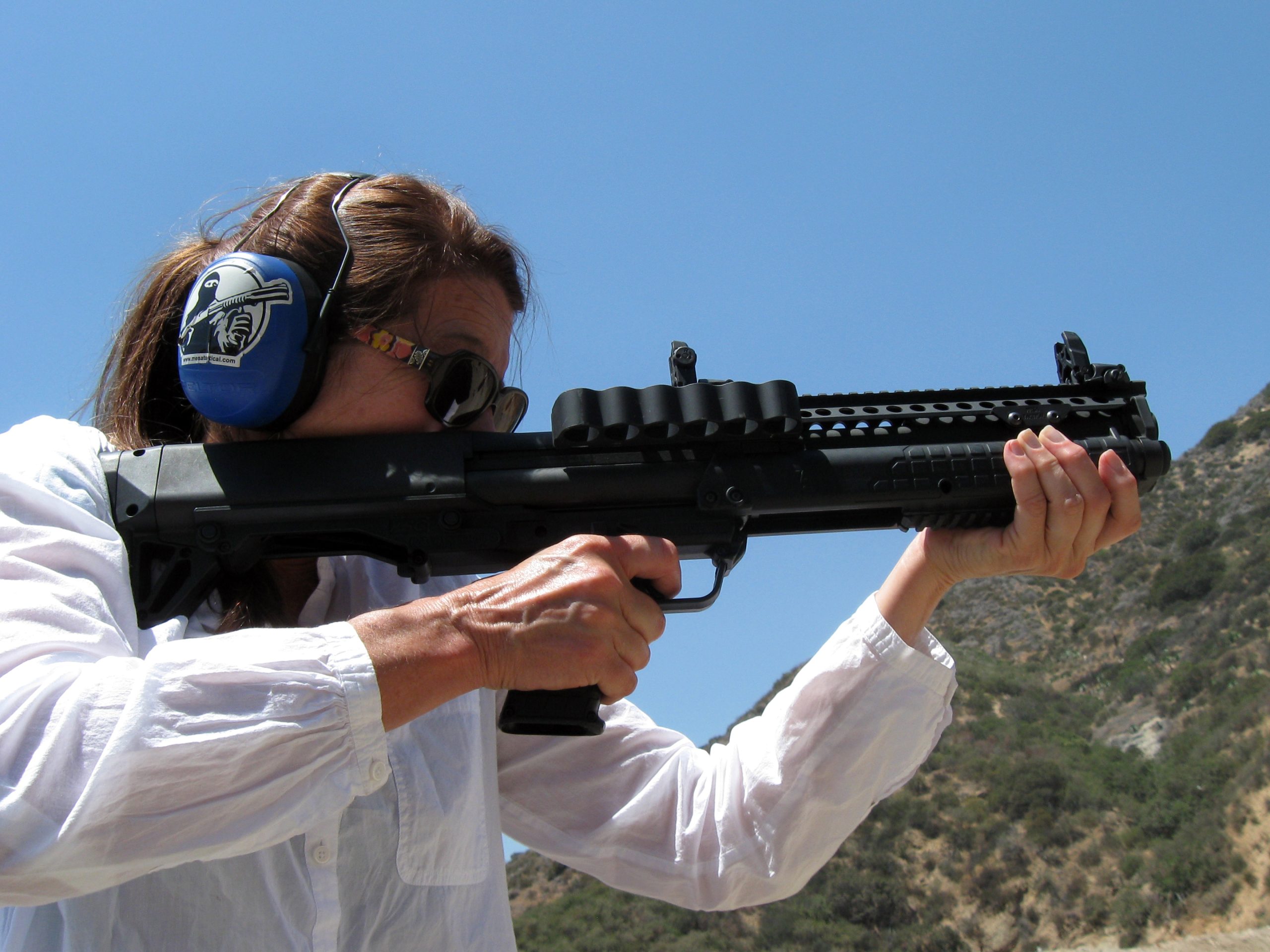
The KelTec CP33 pushes the idea of capacity into rimfire territory. It is a .22 LR pistol with a 33-round magazine, a 5.5-inch barrel, and an unloaded weight of 1.5 pounds. Its 10.6-inch overall length is also striking for a rimfire handgun. The high-capacity magazine changes the balance between ammunition weight and round count, while the platform remains aimed at target and recreational shooting. That combination makes the CP33 unusual: it is light, long, and capacity-focused, showing that “practical” can sometimes mean optimizing one feature rather than following the usual pistol formula.
6. Taurus Judge
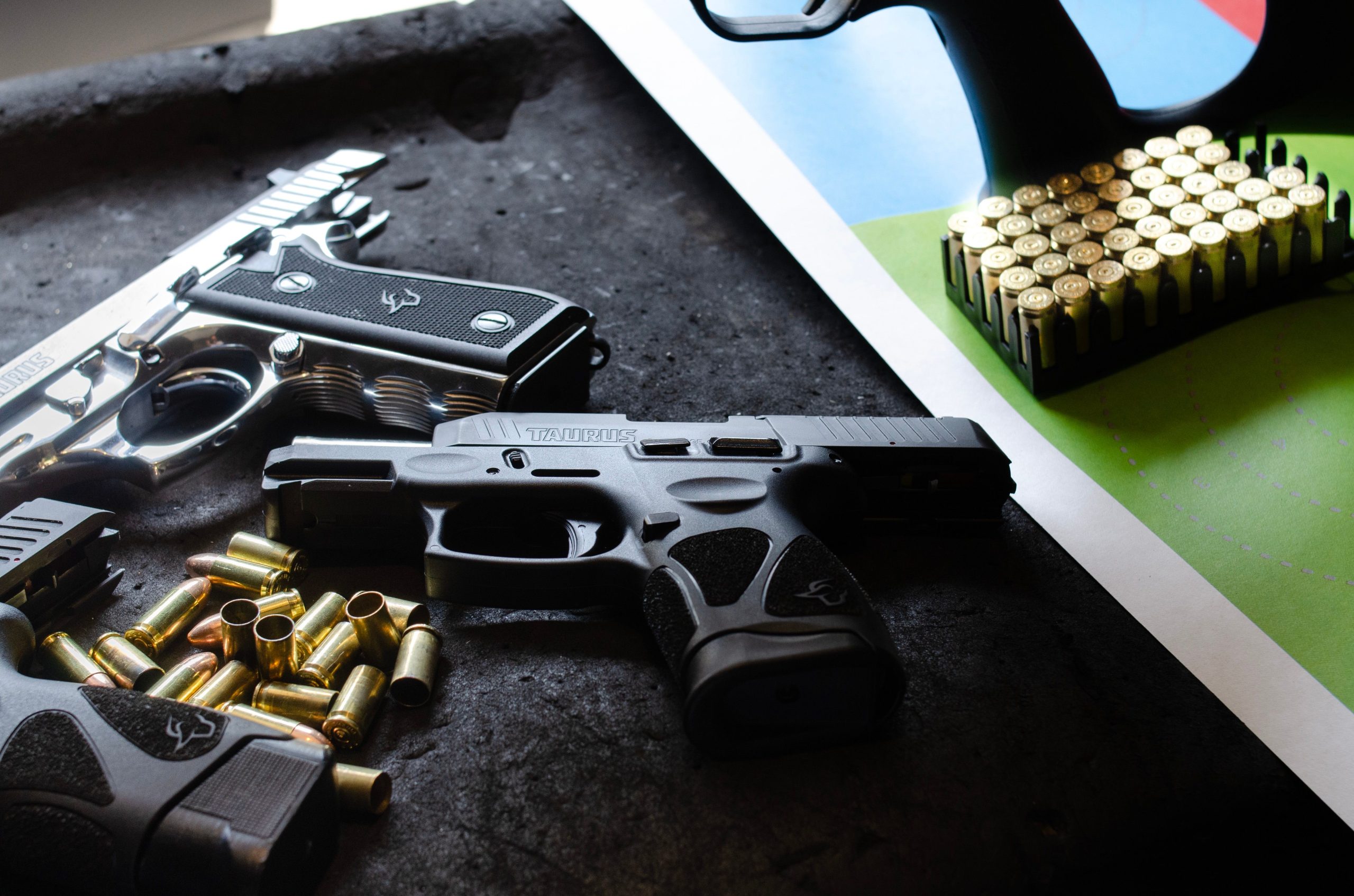
The Taurus Judge makes practicality a question of flexibility. The model is built around a 5-shot cylinder and can chamber .45 Colt cartridges or .410-bore shotshells, with Taurus listing versions using a 2.5-inch barrel as well as longer configurations. That combination gives the revolver an unusual identity between conventional handgun and shotshell platform. The tradeoff is clear: five rounds is modest capacity, and the ammunition format is more specialized than a service pistol. The Judge therefore challenges the assumption that one familiar cartridge is always the simplest answer.
7. Chiappa Rhino
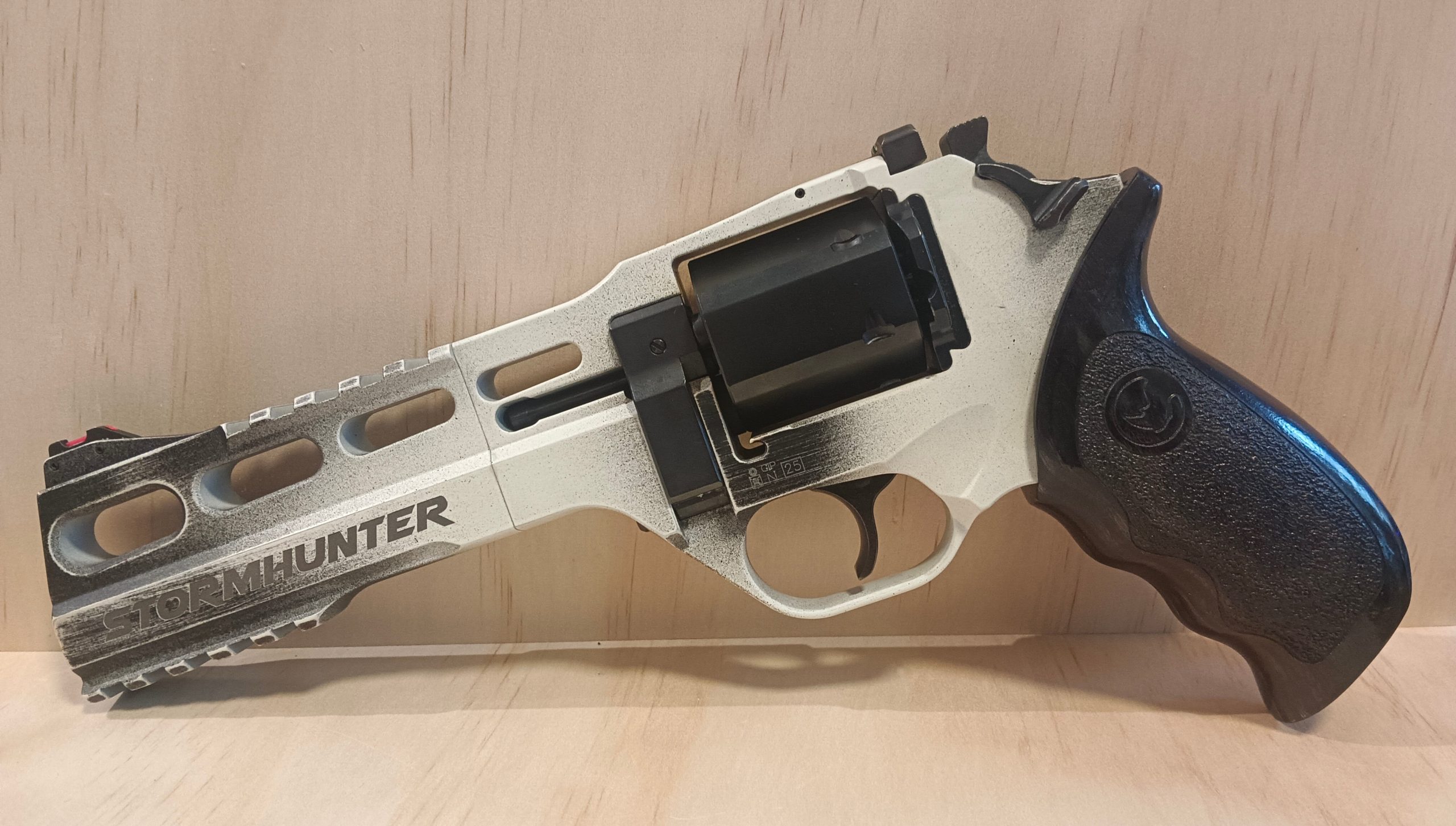
The Chiappa Rhino changes a revolver’s visual logic by placing its barrel axis unusually low in the frame. A Rhino 200DS specification lists .357 Magnum, 6-shot capacity, a 2-inch barrel, 6.5-inch overall length, and 1.5-pound weight. The design is intended to reduce the apparent rise of the muzzle by positioning the bore lower than on traditional revolvers. That geometry can make the Rhino feel distinctly different in the hand, but it also means controls and handling require familiarity. Its lesson is simple: even a century-old format can be redesigned around a different idea of control.
8. Ruger 10/22
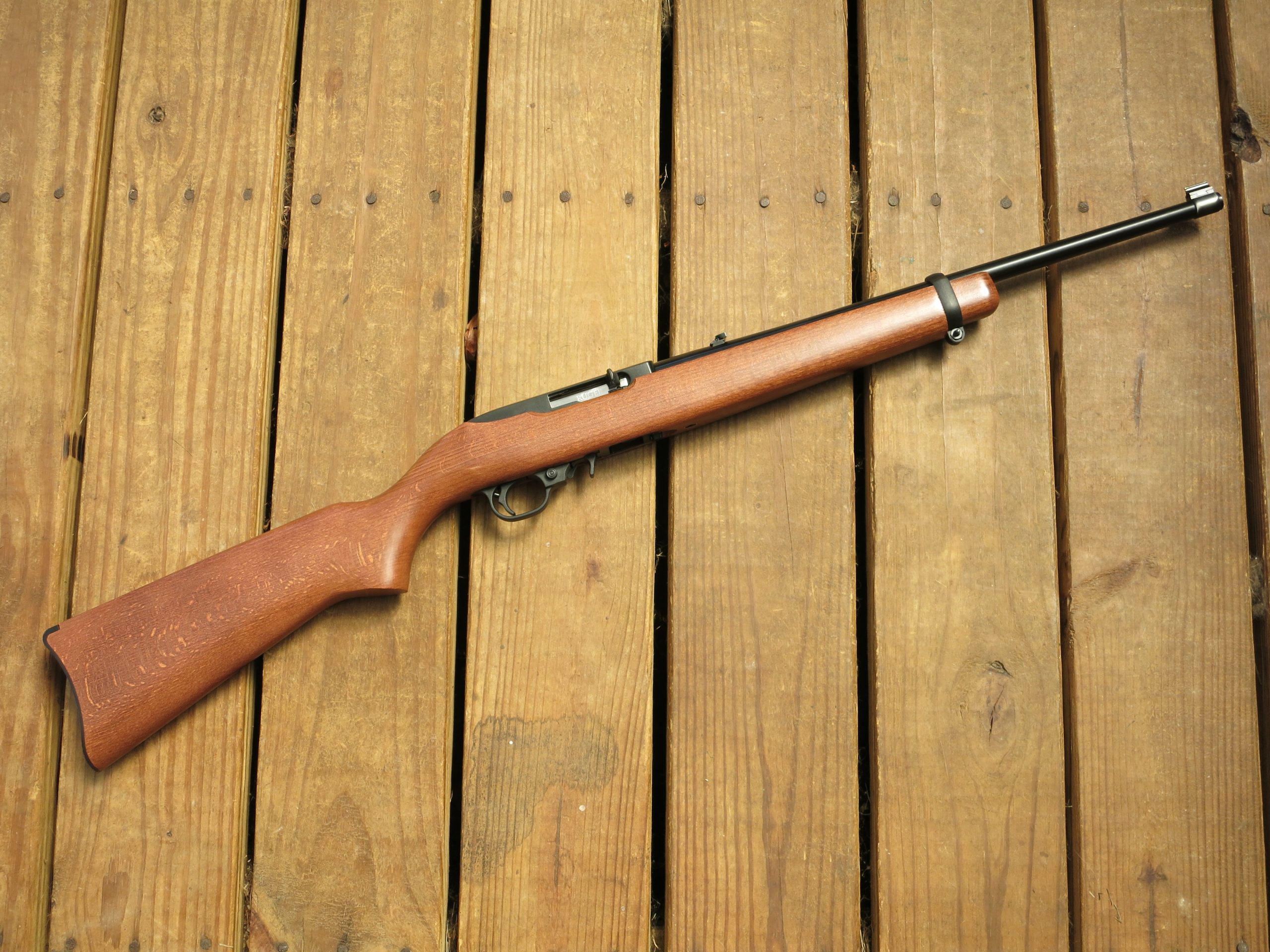
The Ruger 10/22 shows that practical does not have to mean complicated. Its standard design uses .22 LR ammunition and a detachable 10-round rotary magazine, with a simple blowback action and a cold hammer-forged barrel secured by a two-screw V-block. Ruger has produced the platform for more than half a century, and in 2026 it expanded the upgraded line with 10 new models. The appeal is the opposite of novelty: familiar controls, modest ammunition cost, and many configurations. It demonstrates how practicality can come from refinement and adaptability rather than dramatic engineering.
9. FN PS90
The FN PS90 takes the P90 concept and adapts it to a civilian-legal carbine format where permitted. FN lists a 16-inch cold hammer-forged barrel, blowback operation, and a fully ambidextrous layout. Its bullpup architecture keeps the overall package unusually compact while retaining a rifle-style shoulder stock. It still uses the 5.7x28mm cartridge and its specialized magazine system, so compactness comes with a learning curve. The PS90 ultimately reframes practicality as efficient use of space, showing that familiar dimensions are not the only route to a useful firearm.