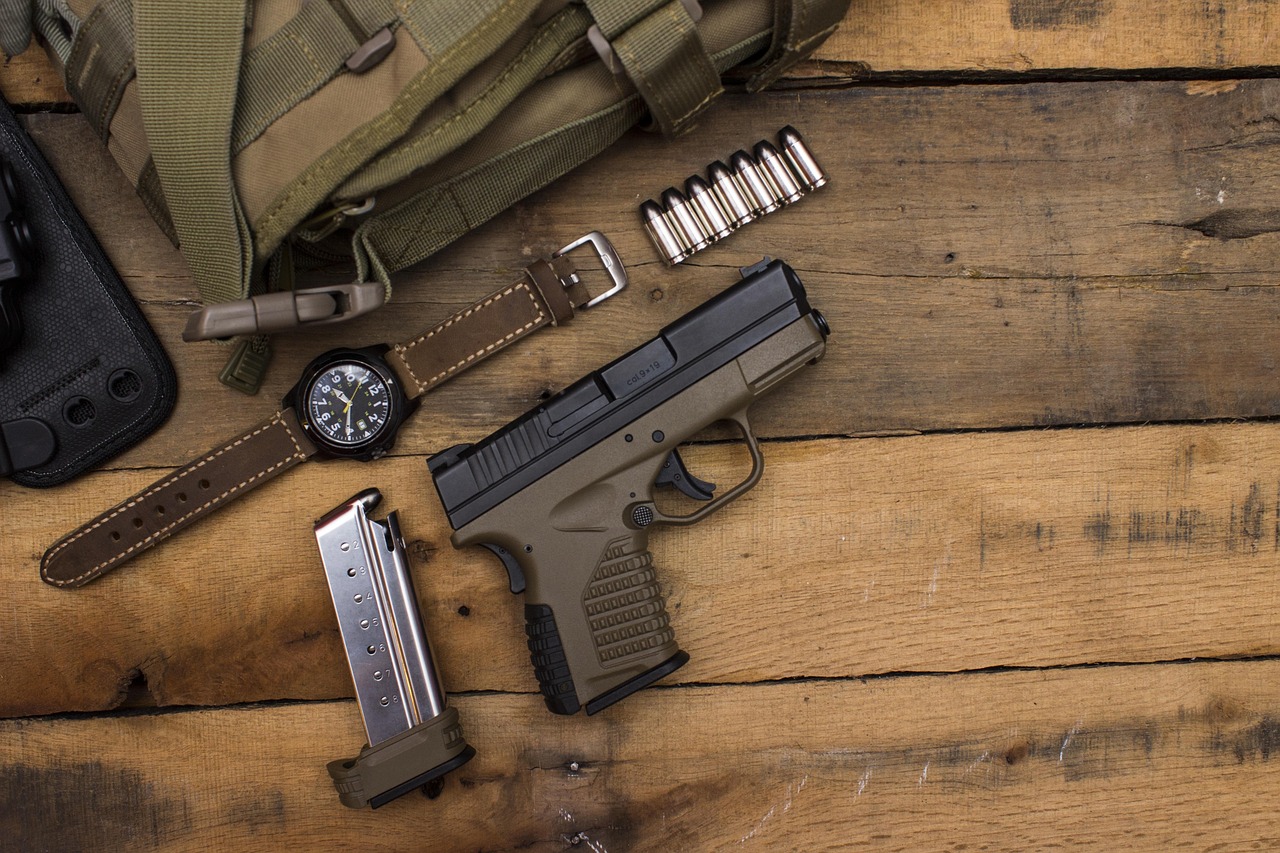
A carry pistol lives a hard life, riding through sweat, lint, dust, and constant handling. Cleaning helps, but the wrong routine can do almost as much harm as neglect. These common mistakes quietly wear down finishes, springs, and small parts, turning a dependable sidearm into one that ages faster than it should.
Using Too Much Solvent

It is easy to think more solvent means a deeper clean, but overdoing it can create problems that linger after the session is over. Flooding a pistol lets chemicals seep into places they do not need to go, including striker channels, grip panels, magazine wells, and small spring pockets.
That extra liquid can soften residue only to move it elsewhere, where it dries into sticky buildup. Some finishes, plastics, and painted sights also do not love repeated chemical baths. A modest amount on the right patch or brush usually does the job better than turning the whole gun into a soaking project.
Scrubbing With the Wrong Tools

A pistol is not a cast-iron pan, and aggressive scrubbing can leave real scars. Steel brushes, random hardware picks, and harsh abrasive pads may seem effective in the moment, but they can scratch feed ramps, mar slide rails, and wear protective finishes long before the gun is old.
The damage is often subtle at first. Tiny scratches collect fouling faster, and roughed-up surfaces can change how parts move against each other. Nylon brushes, caliber-correct rods, and soft picks are slower but smarter. Good cleaning should remove grime without removing metal that the pistol needs to keep running smoothly.
Over-Lubricating the Action

Plenty of owners worry about running a pistol too dry, so they go the other direction and drench it in oil. The result can be just as troublesome. Excess lubricant attracts lint, unburned powder, dust, and pocket debris, especially on guns carried every day.
That oily film turns grime into paste, and paste has a talent for settling into rails, extractors, and firing systems. In cold weather, heavy oil can also thicken and slow things down. Most pistols need only a light film on key contact points, not a glossy coat on every surface. When oil starts pooling, the gun is probably wearing too much.
Ignoring the Magazine

A lot of reliability problems blamed on the pistol actually start in the magazine. It spends all day collecting lint, grit, sweat, and dust, yet many owners clean the gun and toss the magazine right back in untouched. That is like washing a car and leaving mud in the fuel tank.
Dirty magazines can slow the follower, weaken feeding consistency, and increase wear on springs and feed lips. They do not need obsessive disassembly every weekend, but they do need regular inspection and sensible cleaning. A spotless slide means little if the cartridges are being pushed upward by a gritty, neglected magazine.
Forgetting Sweat and Carry Lint

Range residue gets most of the attention, but daily carry can be just as hard on a pistol. Sweat is surprisingly corrosive, and pocket lint or clothing fibers have a way of migrating into sights, slide cuts, trigger openings, and magazine wells without asking permission.
If a handgun rides against the body every day, it needs quick wipe-downs even when it has not been fired. Salt, moisture, and grime left sitting on metal can dull finishes and start corrosion in overlooked corners. A carry gun may look clean from arm’s length while quietly collecting the kind of dirt that shortens its working life.
Taking the Pistol Apart Too Far

Field-stripping is routine. Going beyond that, every single cleaning session often is not. Many owners start chasing a perfect clean by removing pins, springs, and internal parts that rarely need constant handling. That can lead to worn pin holes, nicked components, and reassembly mistakes that create their own headaches.
Small parts are designed to work together, not to be stressed by endless unnecessary disassembly. Unless the manufacturer calls for deeper maintenance or the gun has a real issue, simpler is usually better. A careful field-strip, proper wipe-down, and light lubrication protect the pistol without adding wear from overenthusiastic tinkering.
Skipping the Bore and Chamber Check

Running a patch through the barrel is fine, but stopping there can miss the places that matter most for reliable cycling. The chamber, feed ramp, and bore all tell a story about how the pistol is wearing, what residue is building, and whether moisture or fouling is sticking around too long.
A neglected chamber can make extraction less consistent, while hidden buildup in the bore can affect accuracy and increase corrosion risk over time. This is also the moment to look, not just wipe. A flashlight and a few extra seconds can reveal pitting, unusual fouling, or damage before it becomes a bigger and more expensive problem.
Not Following the Manufacturer’s Guidance

Every pistol has its own tolerances, finishes, lubrication points, and maintenance rhythm. Treating all handguns the same is a common shortcut, but it can lead owners to use the wrong grease, the wrong solvent, or the wrong disassembly method for the gun they trust every day.
The manual may not be thrilling reading, yet it often answers the exact questions that prevent premature wear. It can spell out where to oil, what to avoid, and how often parts should be replaced or inspected. A dependable pistol lasts longer when cleaning is based on how it was designed, not on whatever routine worked for a different gun.