Disguised firearms occupy a strange corner of weapons history. Instead of looking like conventional pistols, these unusual designs borrowed the shapes of pens, wallets, canes, cosmetics, and other familiar possessions. Some were associated with espionage, some with personal protection, and others with novelty or experimentation. Their appeal today is historical rather than practical: each shows how far designers went to make a firearm visually disappear. The eight examples below focus on documented artifacts and their known specifications, while avoiding the myths that often surround covert weapons.
1. Pen Gun
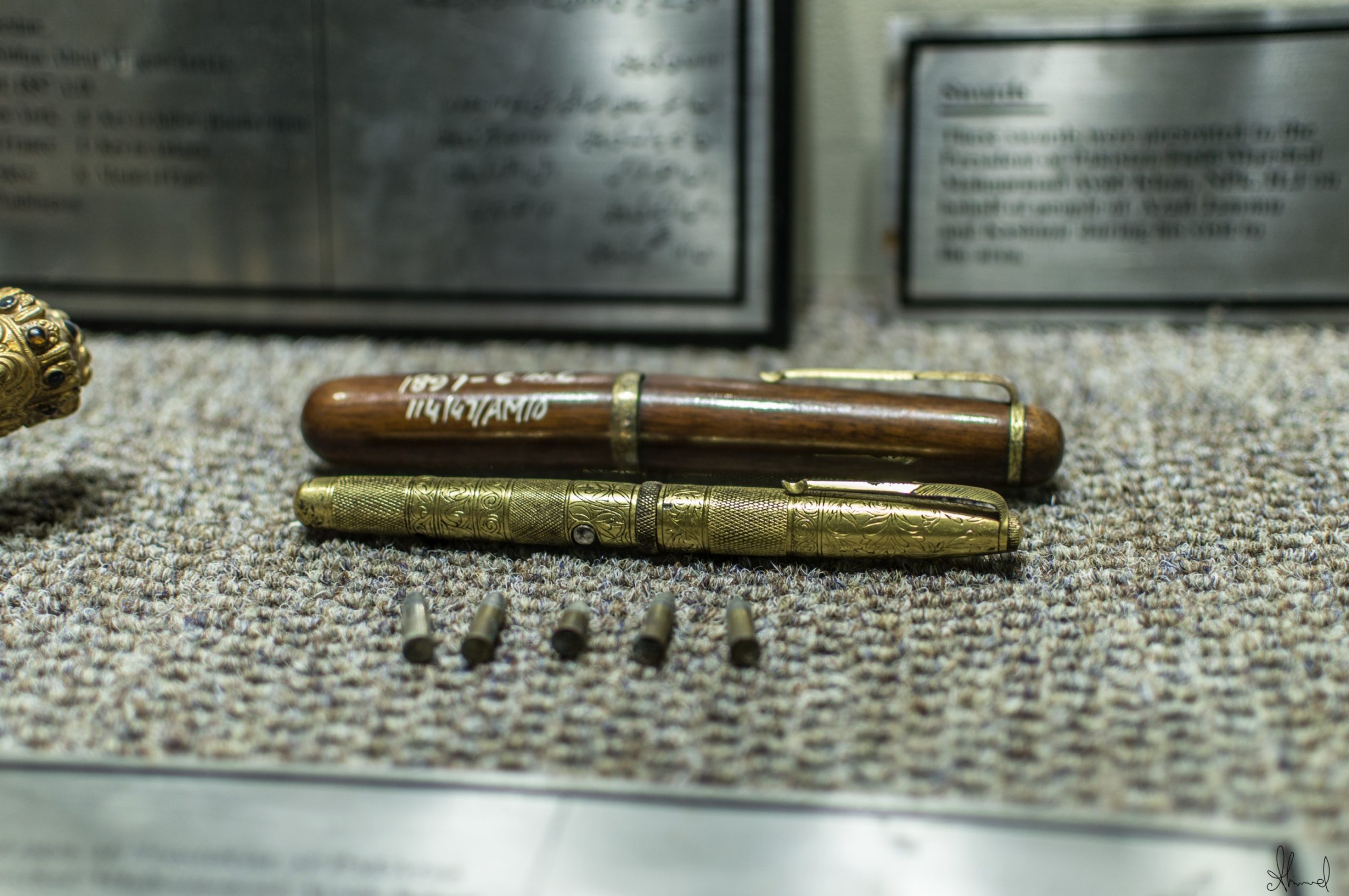
The pen gun may be the classic example of a firearm made to disappear into an ordinary pocket item. A documented 1924 example preserved by the FBI is a single-shot weapon disguised as an ink pen and chambered for the obsolete .38 Short Colt cartridge. Its brass tube, steel bolt, and pocket clip gave it the outline of writing equipment rather than a conventional pistol. The historical appeal is less about firepower than concealment and compact engineering. The FBI notes that these weapons were designed for discreet carry, while modern law treats disguised firearms very seriously. It remains a striking artifact of early covert-weapon design. Also.
2. Wallet Gun
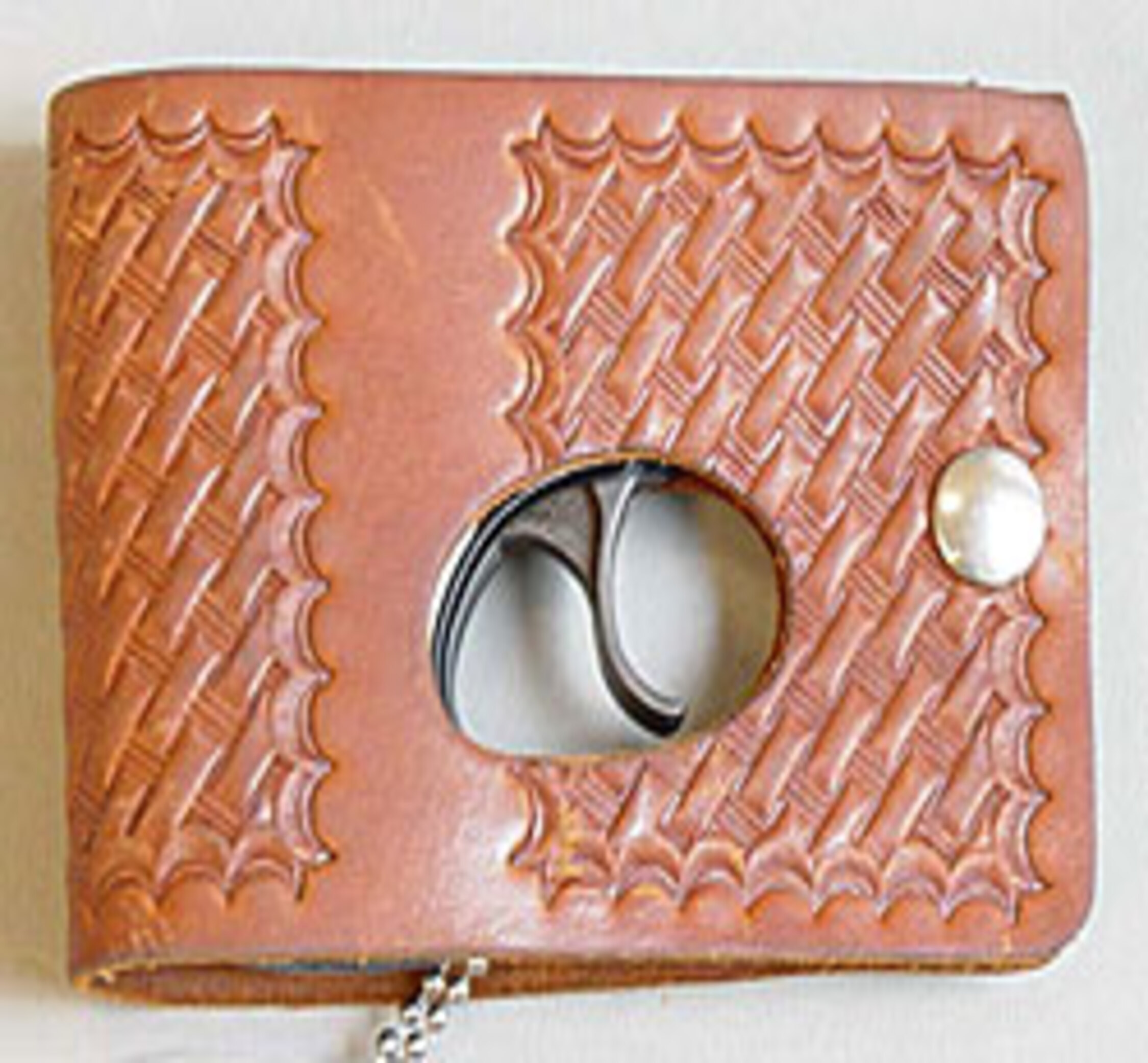
Wallet guns turned a familiar leather accessory into an unusually deceptive firearm. Historical examples date back to the 19th century, including small pocketbook-style guns that could be mistaken for a normal wallet when closed. Some were built around tiny single-shot mechanisms, while others used compact revolver arrangements. The ATF specifically lists wallet guns among examples of disguised weapons covered by the “any other weapon” category. Their importance comes from the disguise itself: the object was engineered to hide the firearm’s identity, not simply reduce its size. Today, surviving examples are mainly collector and museum curiosities.
3. Cane Gun
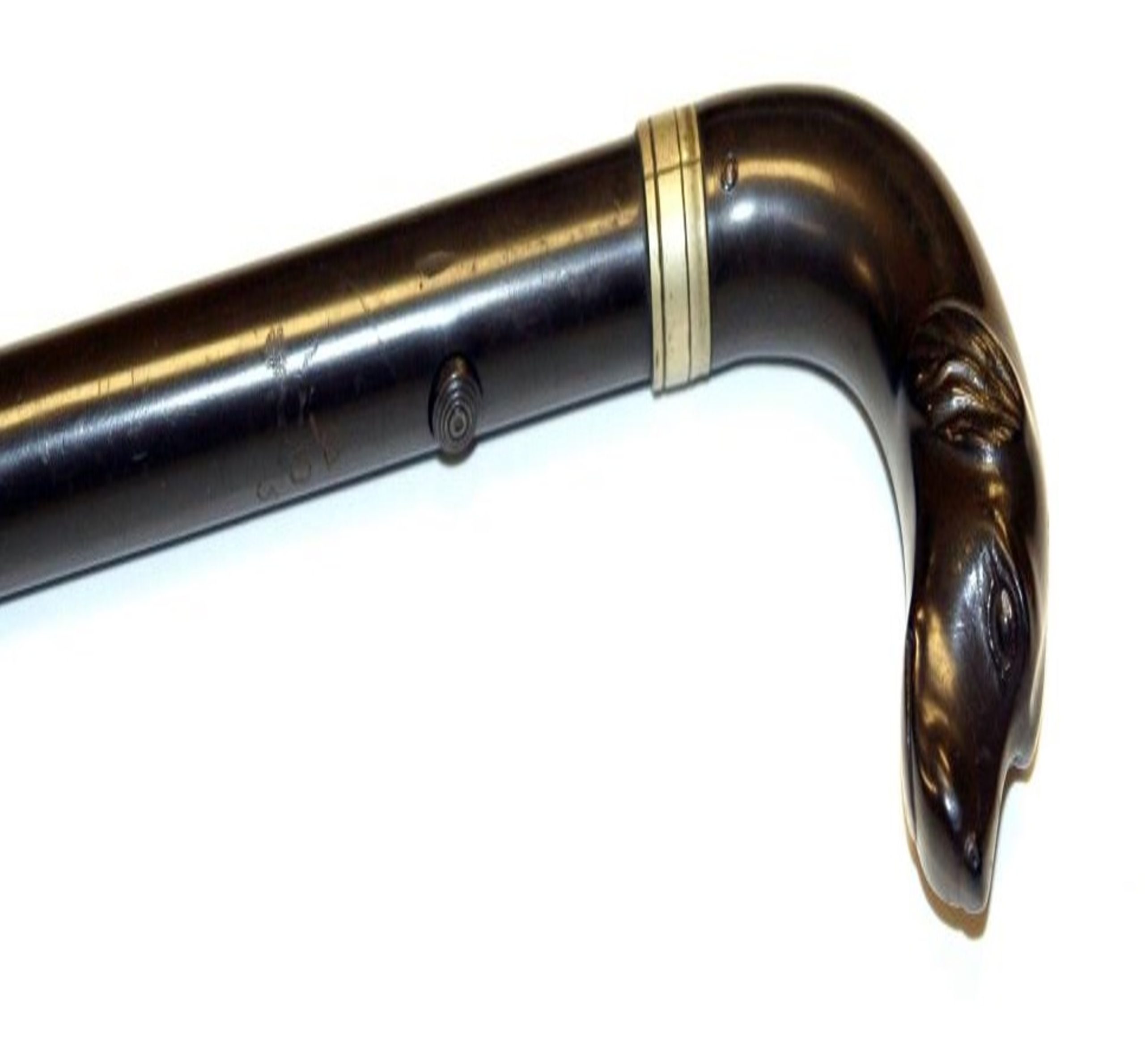
Cane guns transformed the traditional walking stick into a concealed firearm, producing one of the most recognizable designs in the history of disguised weapons. Examples appeared in the 18th and 19th centuries, with later models often associated with single-shot or sporting-style mechanisms. A walking cane offered a believable reason to carry a long, narrow object, which made the disguise particularly distinctive. Historical versions varied greatly in construction, caliber, and mechanism, so there is no single standard specification. The ATF identifies cane guns as an example of a disguised weapon, underscoring that their unusual appearance does not remove them from firearm regulation.
4. Knife Pistol
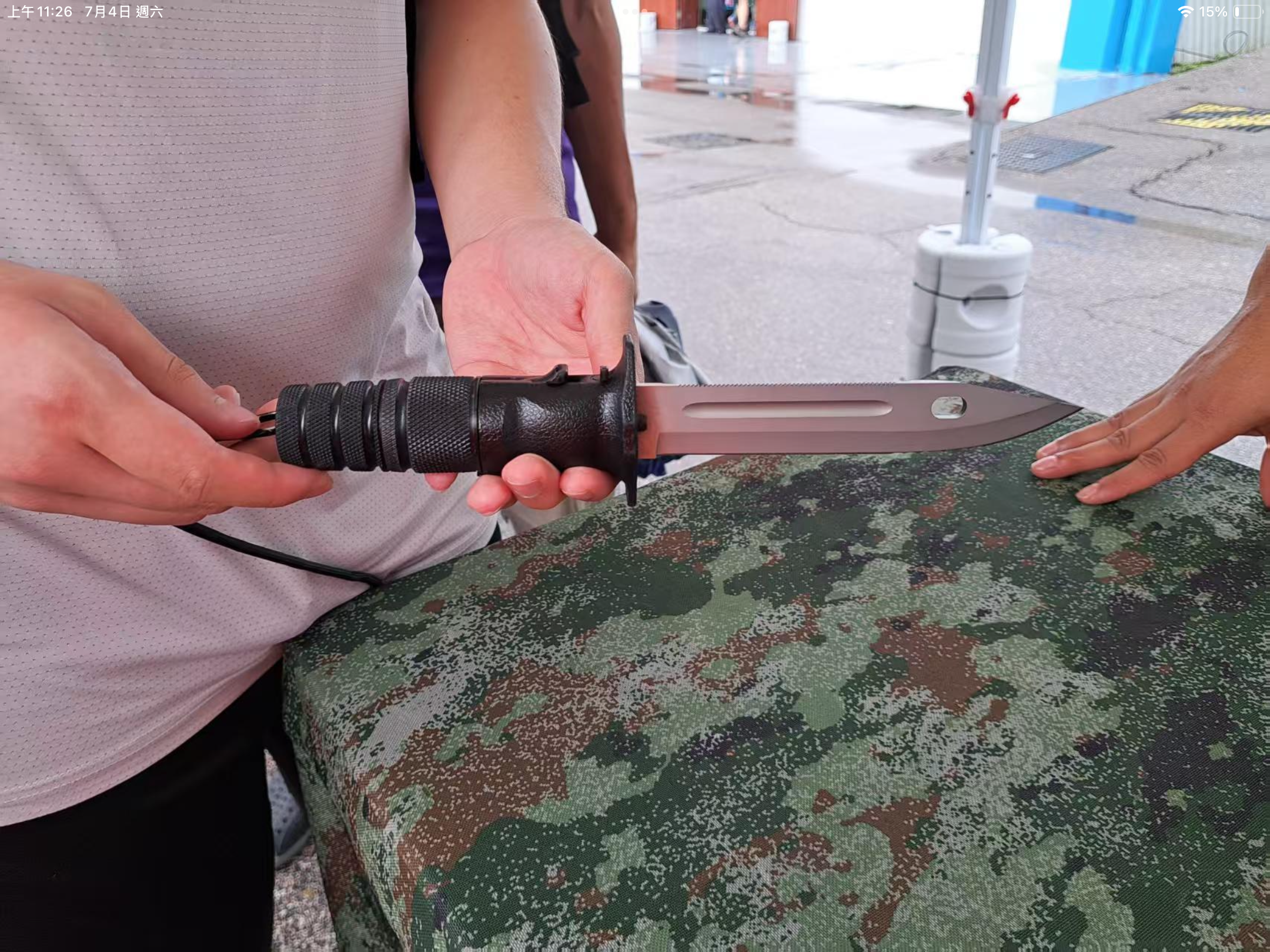
Knife pistols combined two familiar objects into one compact historical curiosity: a folding or fixed blade and a small firearm. One documented American example from the early 20th century was marketed as a knife while incorporating a single-shot .22-caliber pistol. Different versions existed, including models with blades around 3 or 4 inches long. The concept was clever because the gun did not simply become smaller; it was visually absorbed into another everyday tool. Such combinations were never ordinary pocket knives, however, and their legal treatment can be very different from that of conventional firearms. Today, examples are primarily studied as unusual pieces of firearms history.
5. Lipstick Pistol
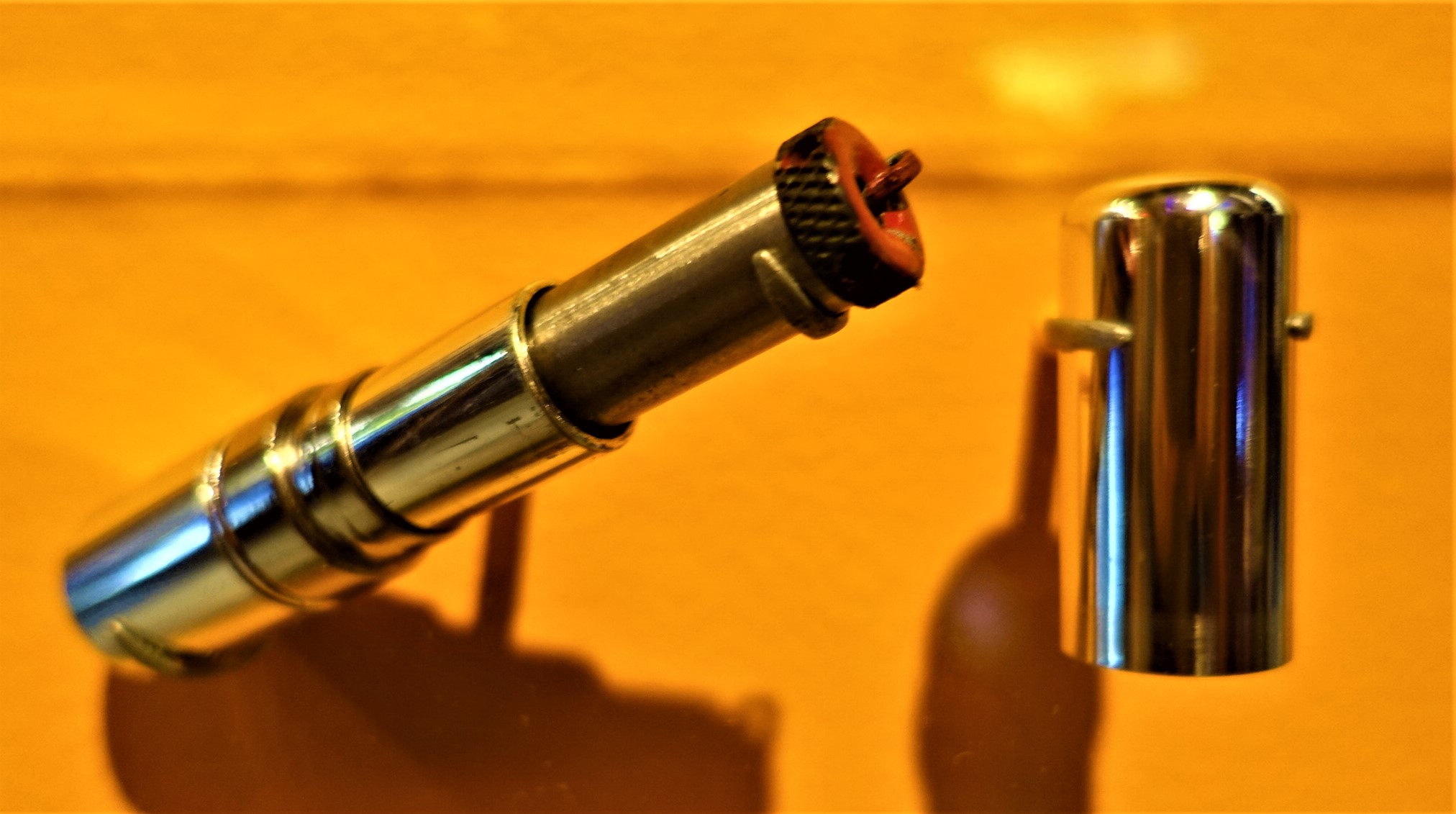
The lipstick pistol became famous because its disguise was built around a cosmetic container rather than a traditional weapon silhouette. A well-known Cold War-era example is associated with Soviet intelligence and dates to about 1965. It was a single-shot device chambered for 4.5 mm ammunition and was small enough to resemble a lipstick tube. Its significance lies in how completely the design separated appearance from function: viewed casually, it looked like a personal grooming item. The weapon is now primarily discussed as an intelligence artifact and museum piece. Its history also illustrates why disguised firearms attracted attention from security agencies and collectors.
6. Cigarette Case Gun
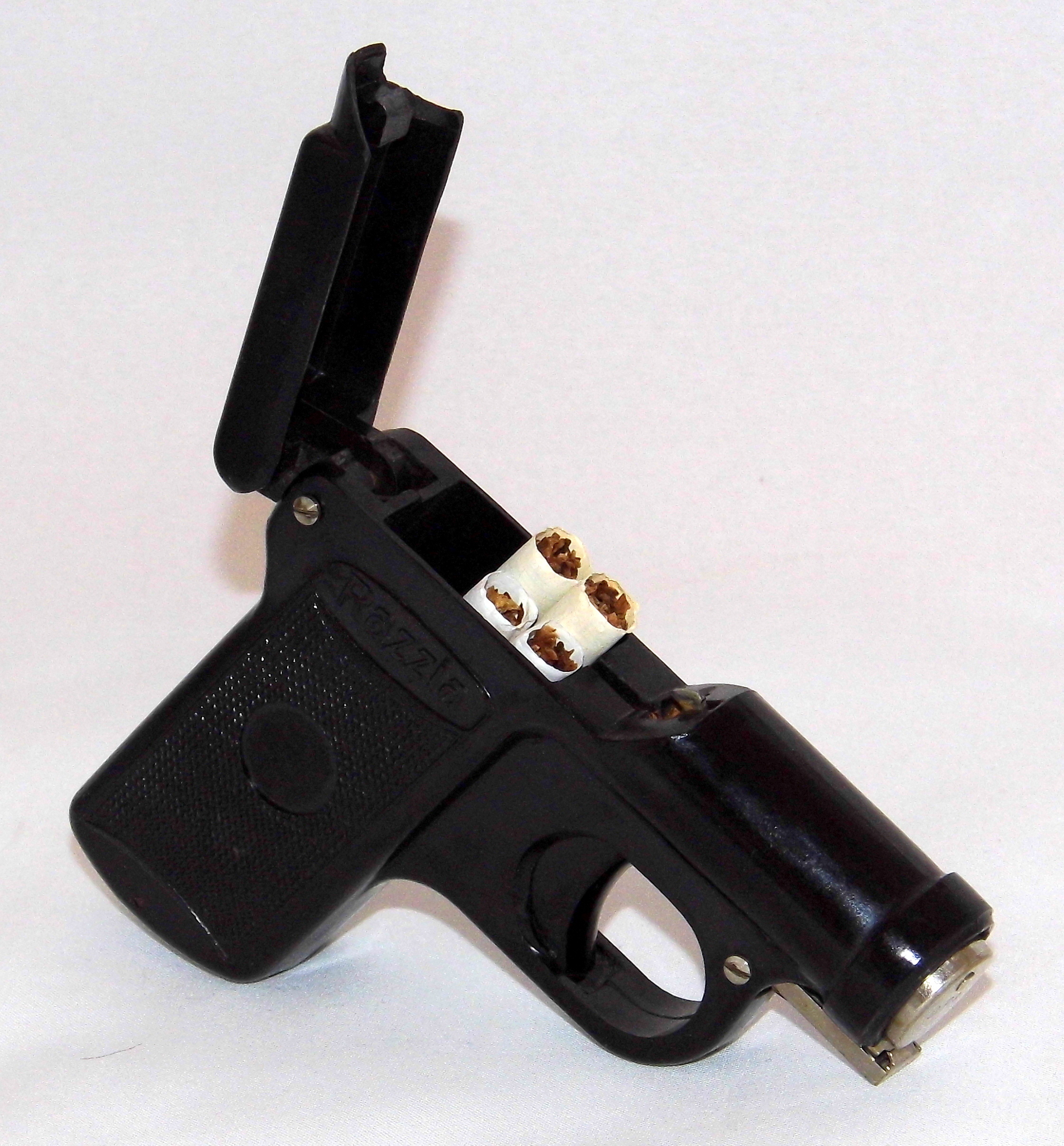
Cigarette cases became another platform for experimental concealed firearms during the 20th century, when smoking accessories were common personal possessions. Historical examples included compact mechanisms hidden inside cases or cigarette-related containers, with some designed for only a few shots. Their value in espionage history came from disguise rather than conventional pistol performance. A cigarette case could blend into a pocket, desk or social setting without immediately suggesting a weapon. Documented examples vary considerably, so claims about caliber, capacity or intended users should be checked against the individual artifact. Surviving examples are now historical curiosities.
7. Lighter Gun
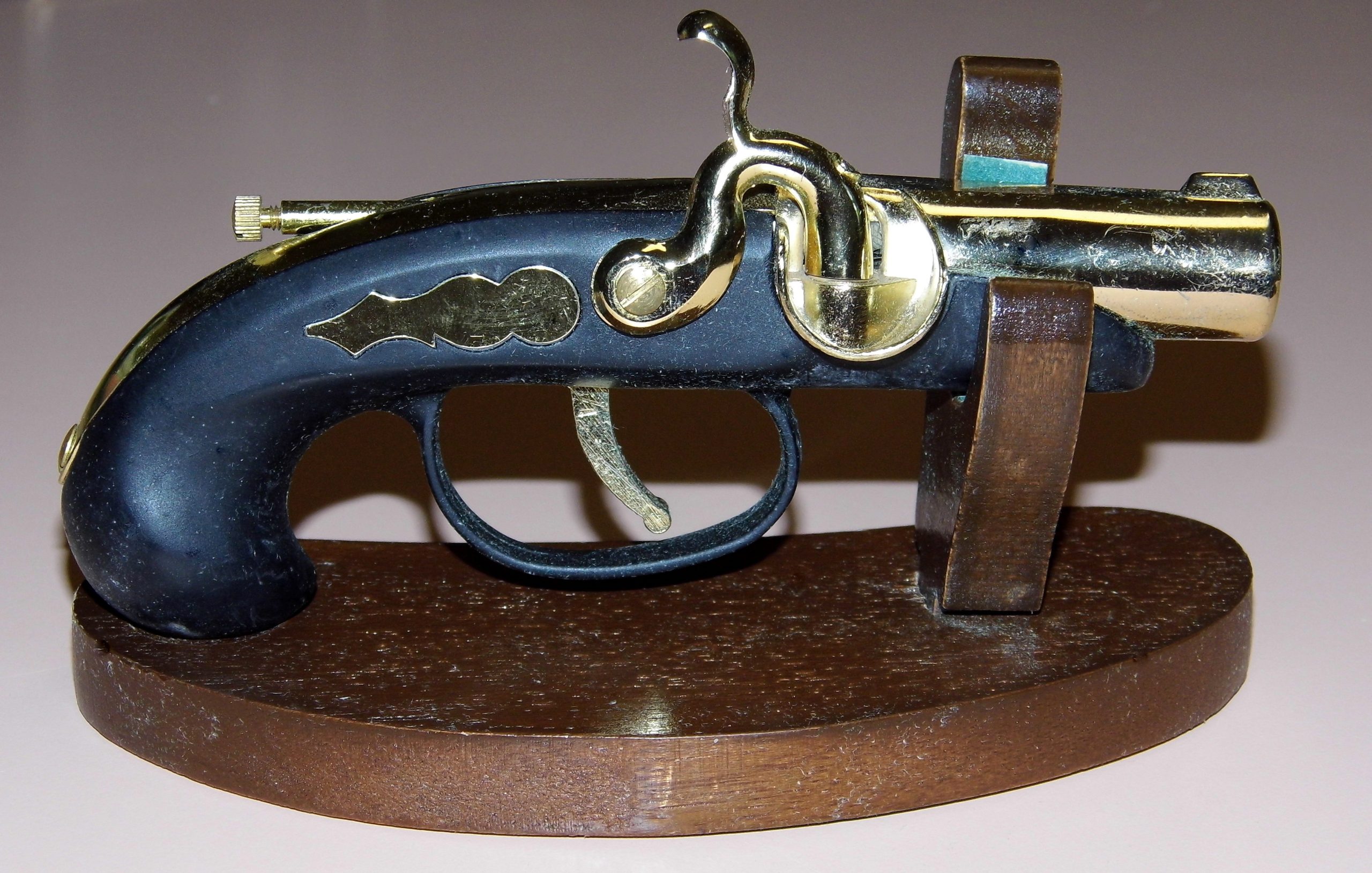
The lighter gun is a classic example of a weapon disguised as a pocket accessory that once looked completely ordinary. The International Spy Museum records a replica of an unknown-issuer lighter gun from the 1970s, showing the concept’s Cold War-era survival. Unlike a normal pistol, its exterior was designed to resemble a cigarette lighter, an item commonly carried. The museum treats it as a concealment device, not a conventional sidearm. Its historical interest comes from that visual deception: the object was deliberately made to blend into everyday surroundings while concealing a firearm mechanism. Today, it is best understood as a spy-history artifact.
8. Flashlight Gun
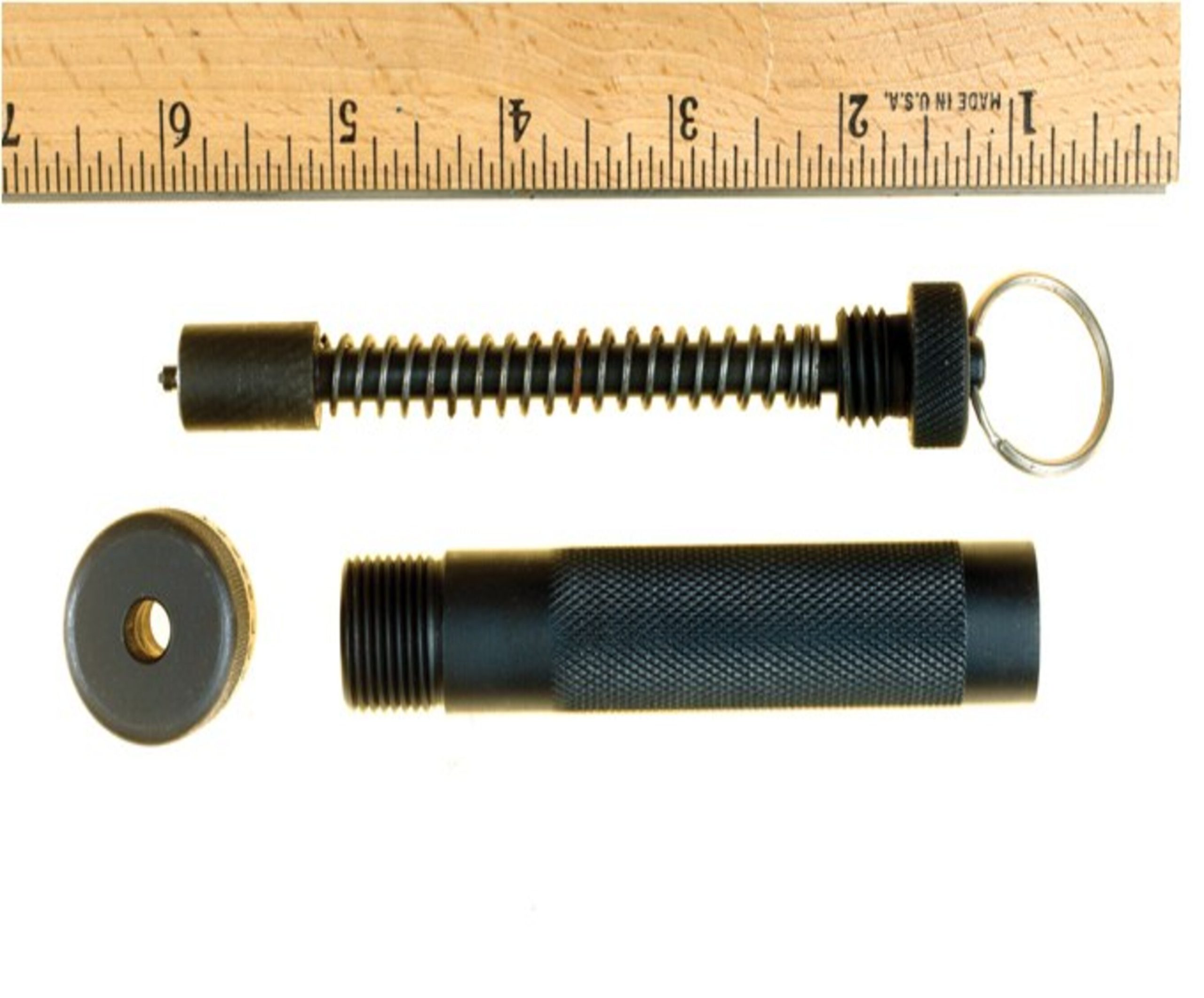
Flashlight guns demonstrate how the disguised-firearm idea continued into the modern era by borrowing the shape of a common electronic tool. Documented examples include seized and preserved specimens, with some small versions chambered for .22-caliber rimfire cartridges. Their cylindrical bodies could resemble an ordinary flashlight, although designs varied. Unlike a conventional pocket pistol, deliberate visual mimicry was the defining feature. These weapons are important today mainly as examples of security history and firearm ingenuity. Their existence also explains why authorities treat suspicious everyday objects with greater caution than their appearance might suggest. The International Spy Museum records a U.S. flashlight gun dating to about 1935.