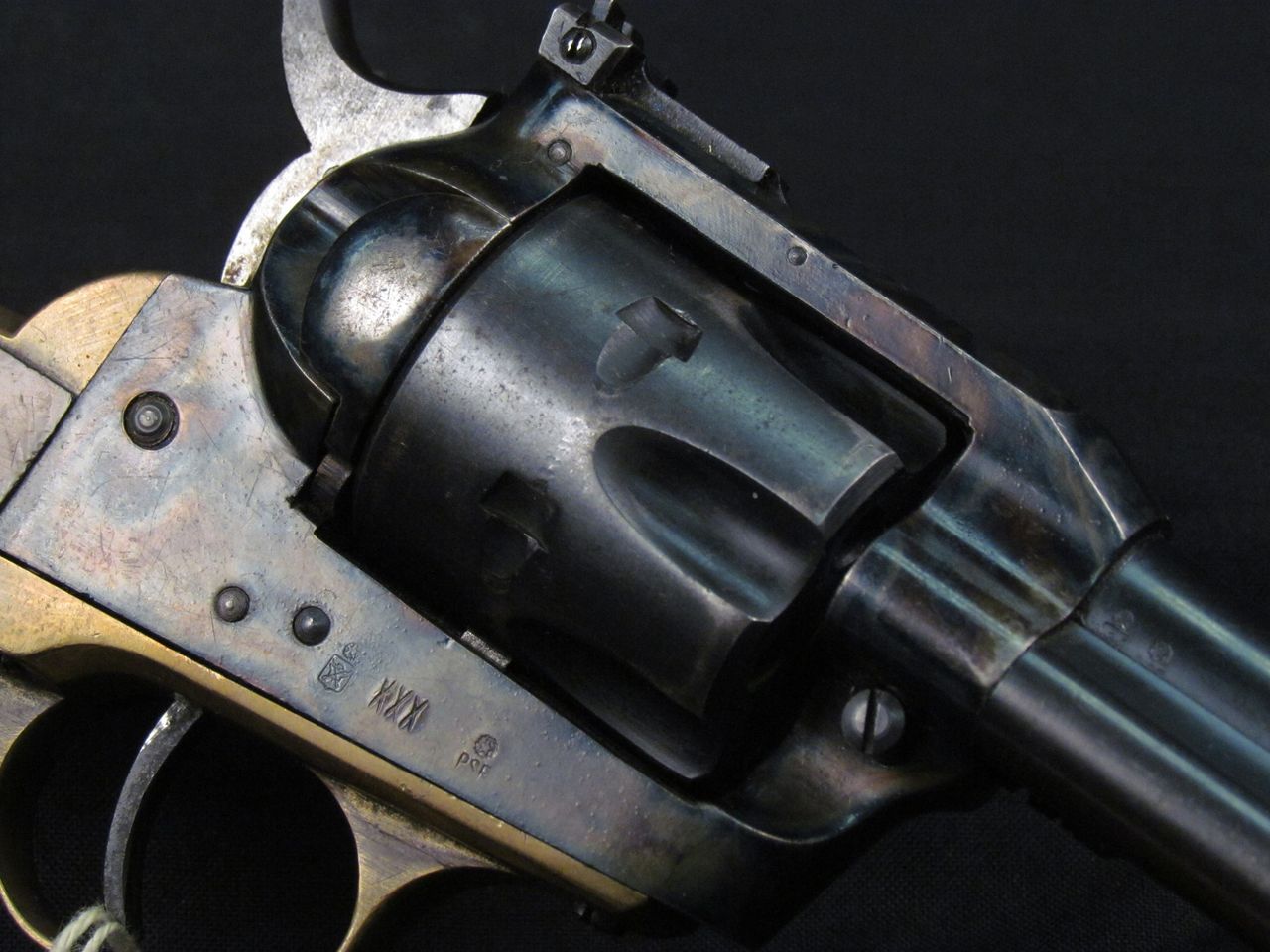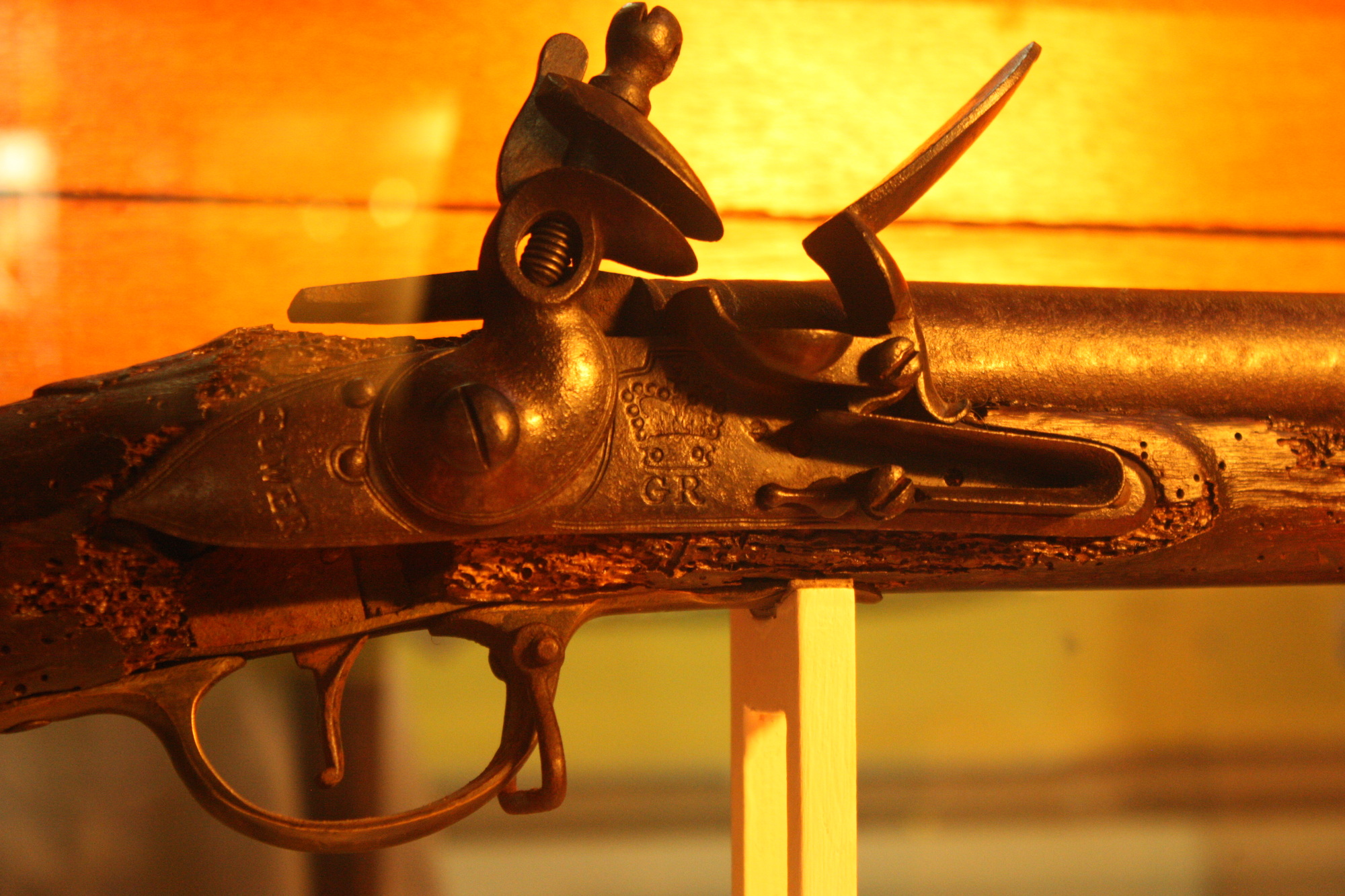
Long before modern shooting ranges, numbered targets and carefully measured groups, firearms had to prove themselves in much simpler ways. Early gunmakers and soldiers relied on live firing to discover whether a barrel could withstand pressure, whether ignition worked reliably, and whether a projectile could deliver useful power. The title needs one historical qualification: paper targets were not completely unknown throughout the entire period covered here, but they were not the standard measure of firearm performance in the earliest eras. These eight firearms show how practical live-fire testing shaped gun development.
1. Tannenberg Handgonne
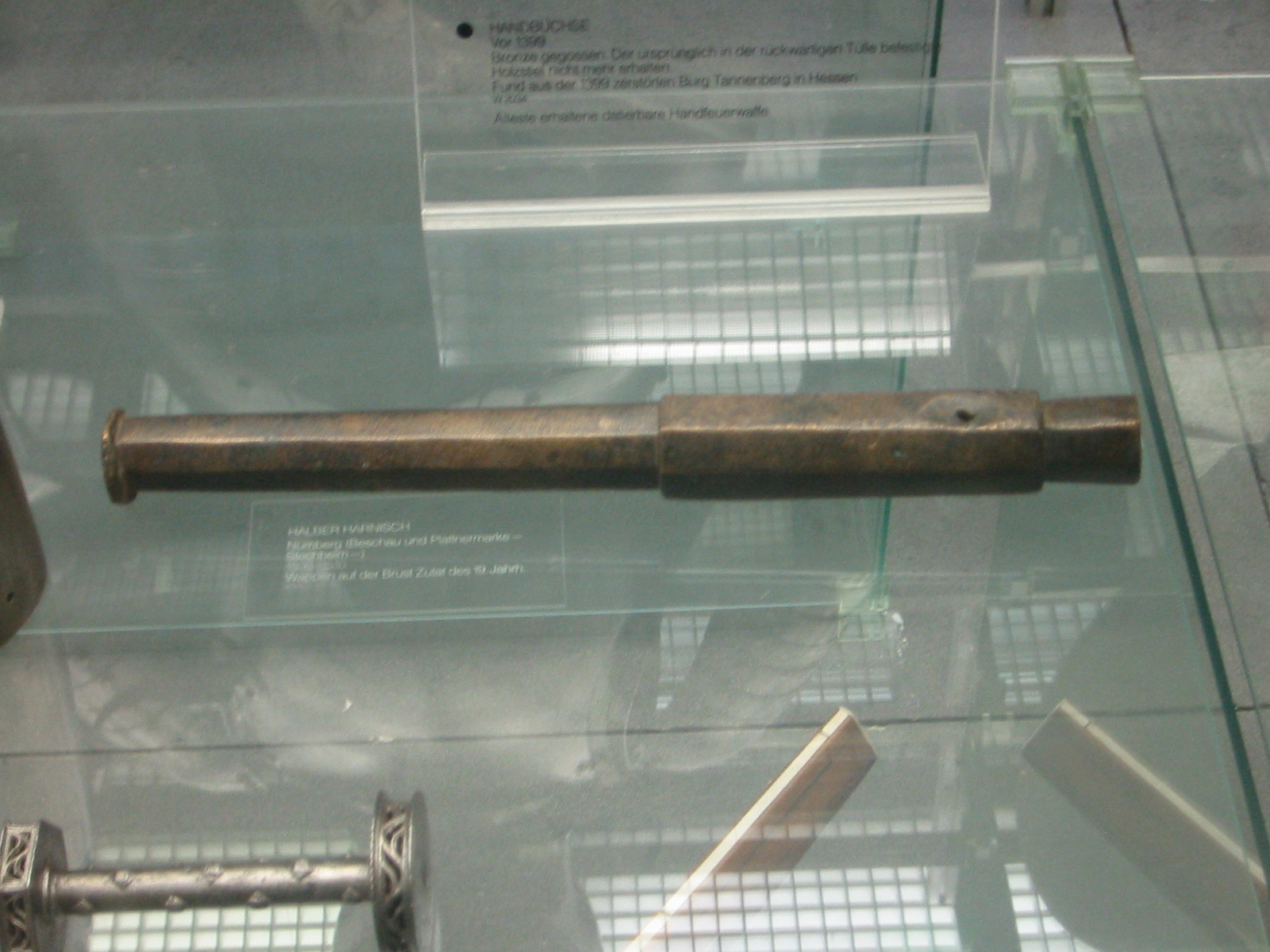
The Tannenberg handgonne belongs to the earliest surviving European firearms, dating to before 1399. Its bronze barrel measured about 15.16 mm and weighed roughly 1.24 kg. A weapon this simple had no sights, stock in the modern sense, or mechanical lock. Its real test was whether powder could launch a stone or metal ball without rupturing the tube. The gun was recovered with traces of a projectile and powder charge still in its chamber. That evidence shows how early firearms were judged by function and survival, long before paper targets became a routine shooting aid.
2. Arquebus
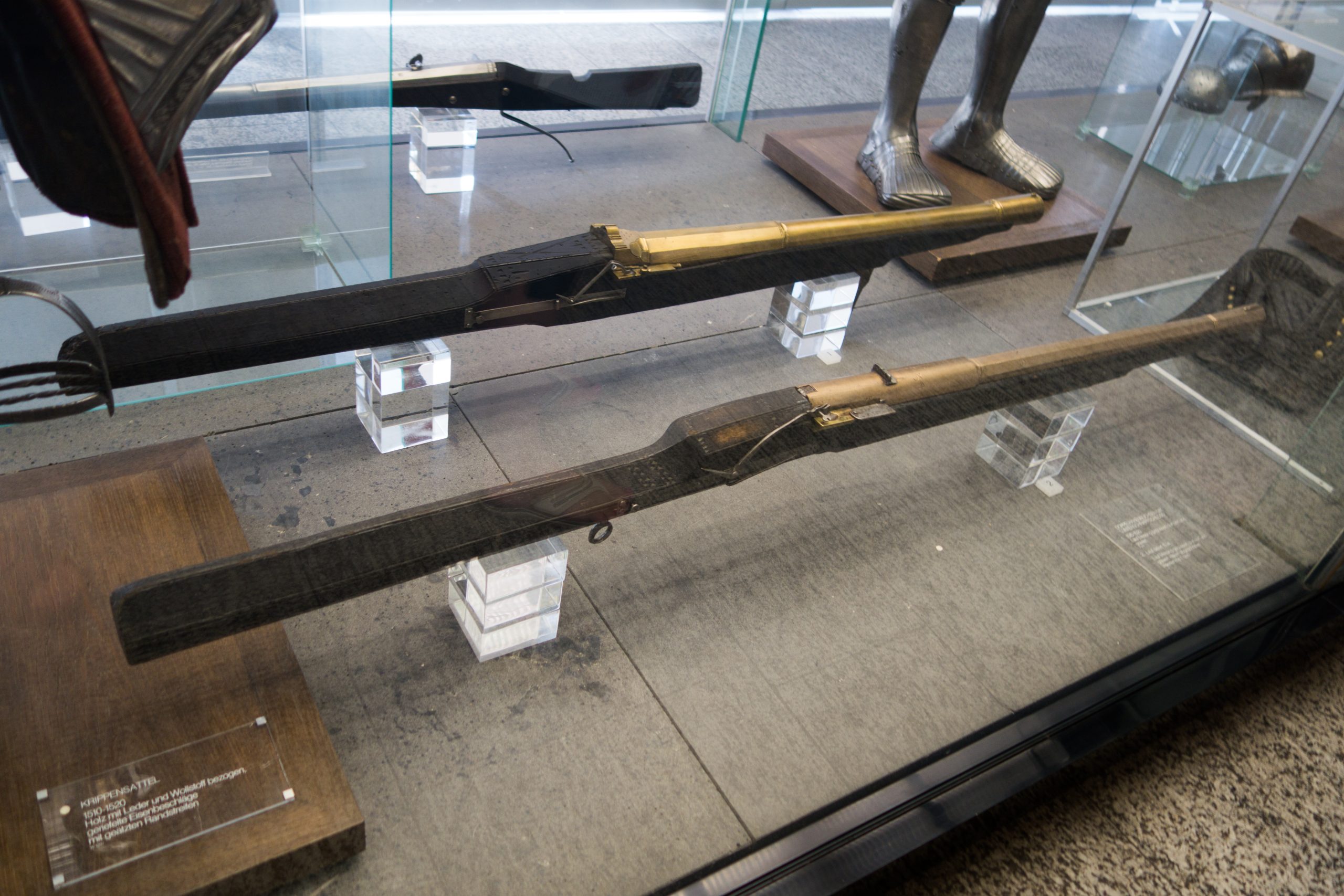
The arquebus emerged in Europe during the 15th century and turned the crude handgonne into a more controllable shoulder arm. Early versions had a hook beneath the barrel; later forms gained a stock, trigger,r and matchlock. Testing meant proving that the barrel, ignition system, and powder charge worked together reliably. A shooter could fire at timber, earthworks or an object rather than a numbered sheet. With no standardized target scoring, practical range and penetration mattered more than neat groups on paper. Its battlefield role depended on repeatable function, not target-ring accuracy.
3. Matchlock Musket

The matchlock musket became one of the defining military firearms of the 16th and 17th centuries. A slow-burning match was held in a serpentine and lowered into the priming pan when the trigger or lever was operated. A surviving National Army Museum example from about 1645 is a 10-bore arm. Early users cared about ignition, barrel strength,gth and useful range, especially because rain could make the match unreliable. Live firing could reveal whether the lock, powder charge,arge and barrel behaved as expected. Accuracy was secondary because musketeers commonly fired in massed volleys.
4. Wheel-Lock Pistol
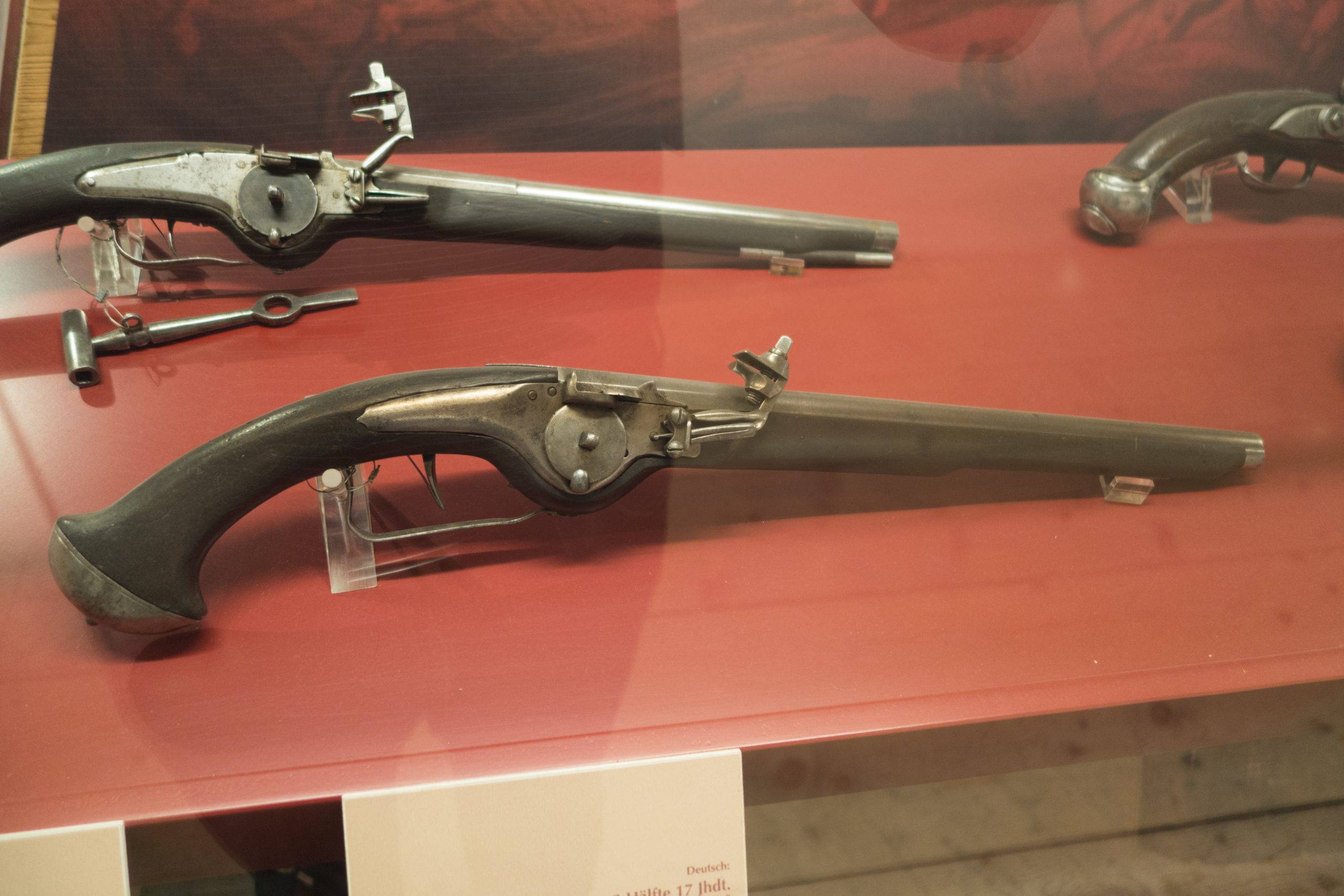
The wheel-lock pistol, developed around 1500, replaced the burning match with a spring-powered wheel that struck pyrite or flint to make sparks. That made a firearm much more practical for mounted soldiers and hunters. A Met example from Augsburg, dated about 1590, has a 13 mm bore and weighs about 1.59 kg. Such a finely made pistol still had to prove that its lock ignited the charge and that the barrel survived firing. Practical tests therefore involved real powder and projectiles, with reliability and handling more important than paper scoring rings.
5. Brown Bess
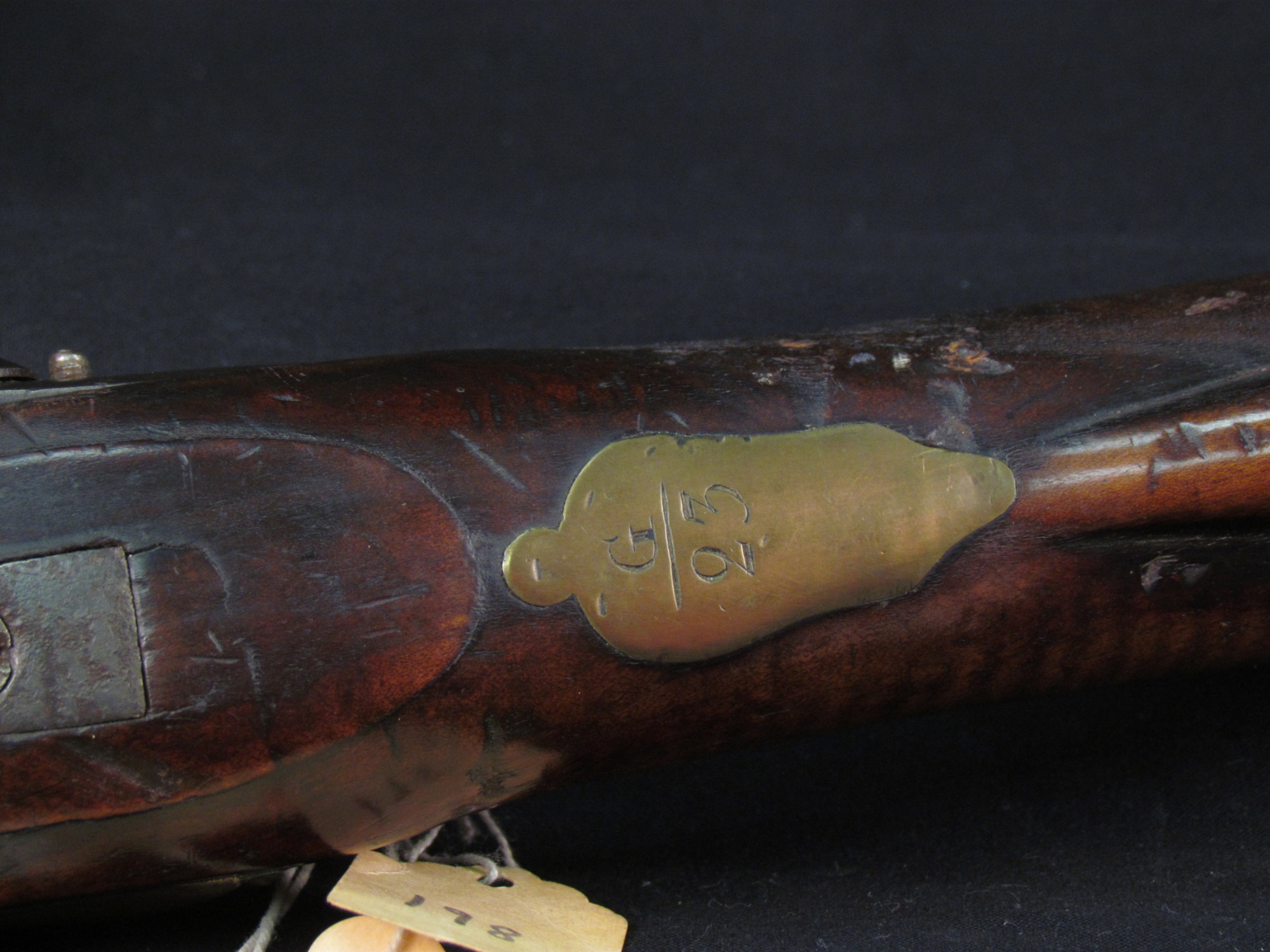
Early flintlock muskets carried firearm testing into a more mature period, using a flint striking steel to ignite priming powder. It became dominant because it was simpler and less weather-sensitive than the matchlock. The British Land Pattern family, later called Brown Bess, entered service in 1722 and used a .75-inch smoothbore. A new musket had to function repeatedly, withstand its normal charge,e and deliver useful fire at military distances. Soldiers did not judge it by modern target standards. Volley performance, reliability, and penetration were the practical measures that mattered most.
6. Charleville Musket
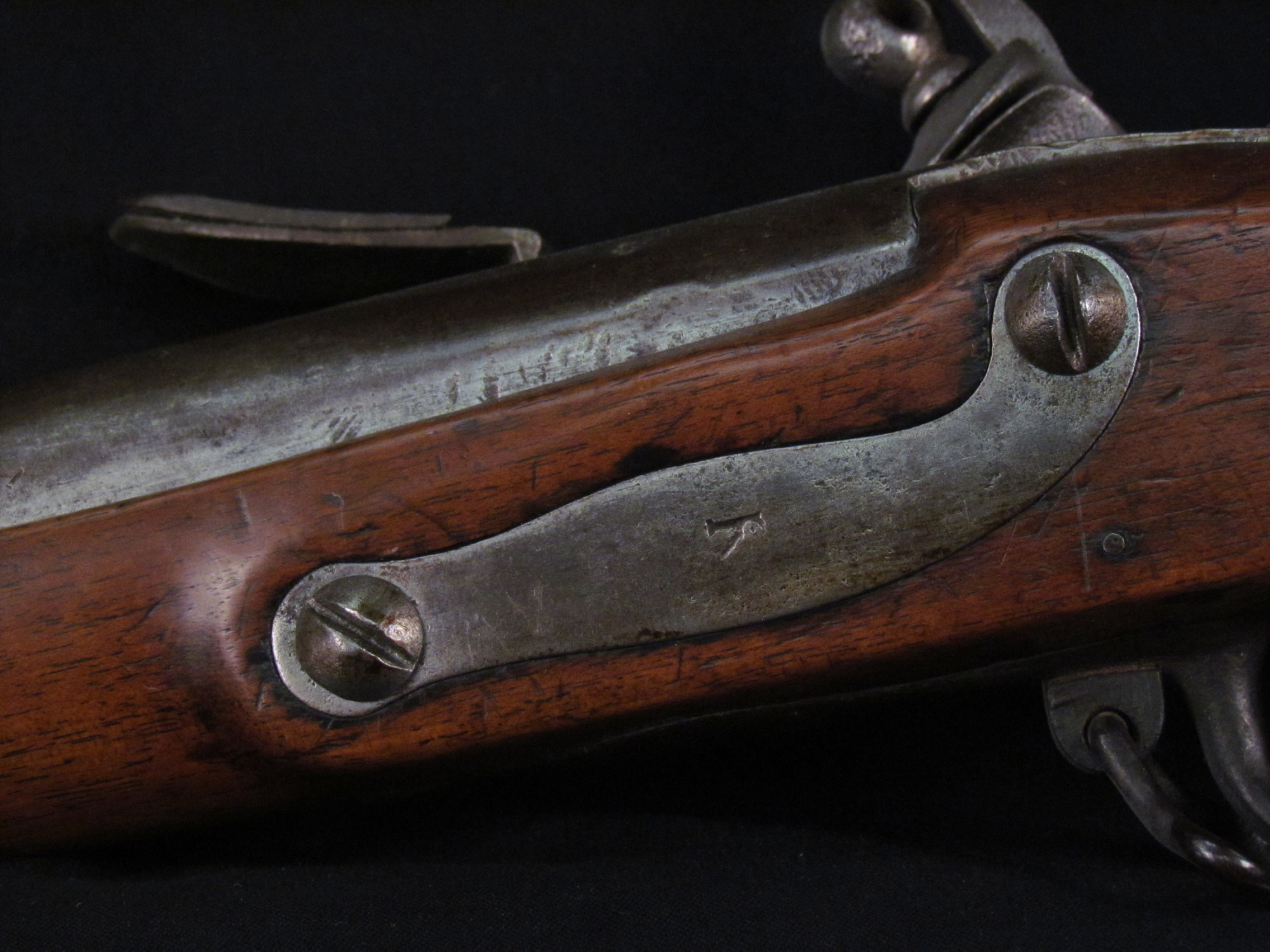
The Charleville musket shows how standardized military firearms changed testing during the 18th century. France adopted the Model 1717 and later versions, with the Model 1763/66 especially important. These smoothbores were built for mass infantry use, not precision shooting. A musket still had to survive firing, ignite consistently, and send its ball downrange with useful power. Live-fire trials exposed weak barrels, poor locks, or ammunition. Even as paper targets became more common, military acceptance remained focused on reliability and battlefield usefulness rather than tight groups.
7. Ferguson Rifle
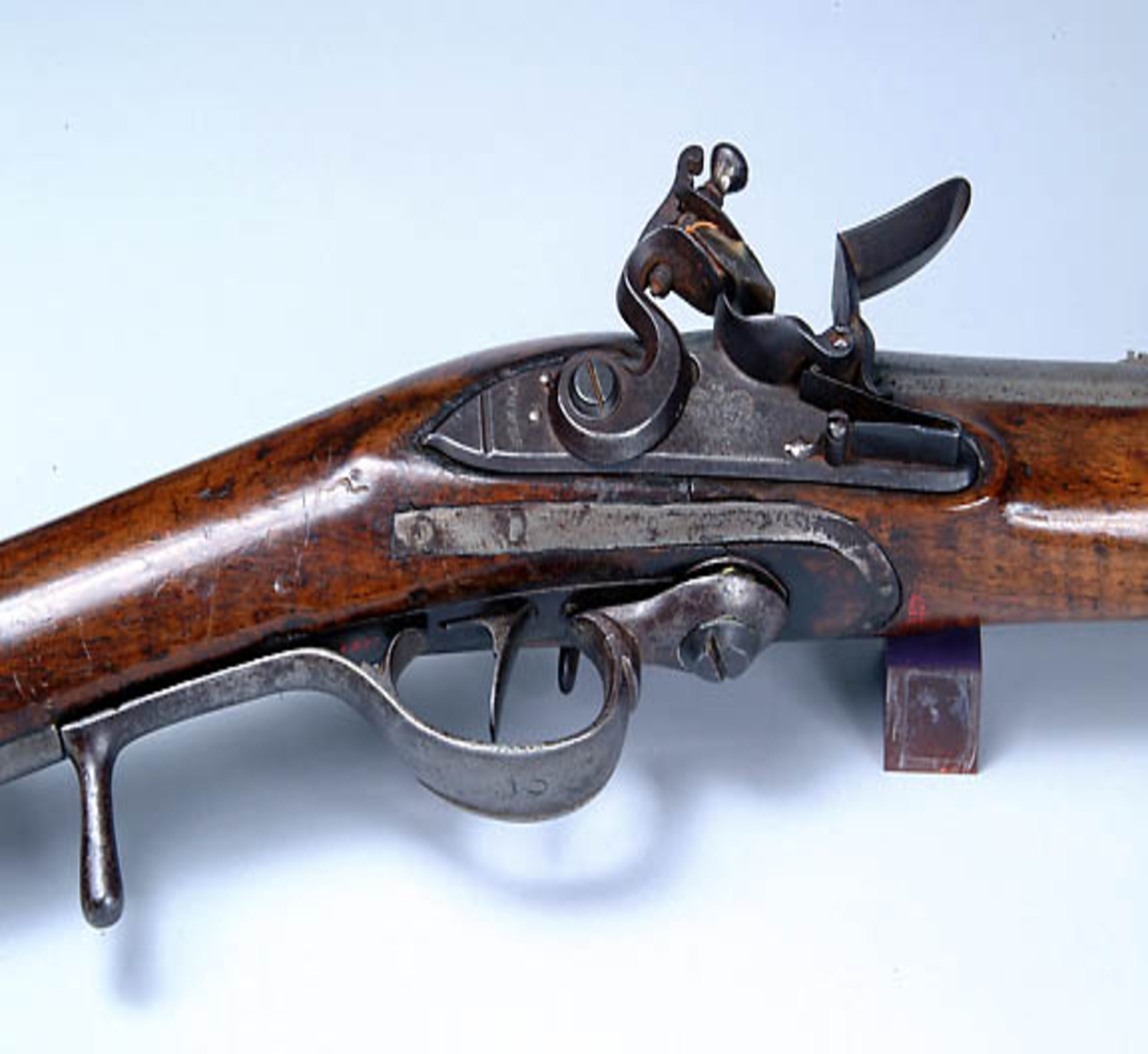
The Ferguson rifle of 1776 marked a major step toward faster-loading military firearms. Its breech system used a threaded plug operated by a large trigger guard, allowing loading without putting the ball down the muzzle. Only about 100 Ferguson rifles are thought to have been produced for British service trials. That limited production makes surviving examples valuable. Before such a rifle could be trusted, live firing had to demonstrate that its breech sealed properly and the mechanism could handle repeated shots. Practical testing therefore mattered more than formal paper accuracy alone.
8. Springfield Model 1795
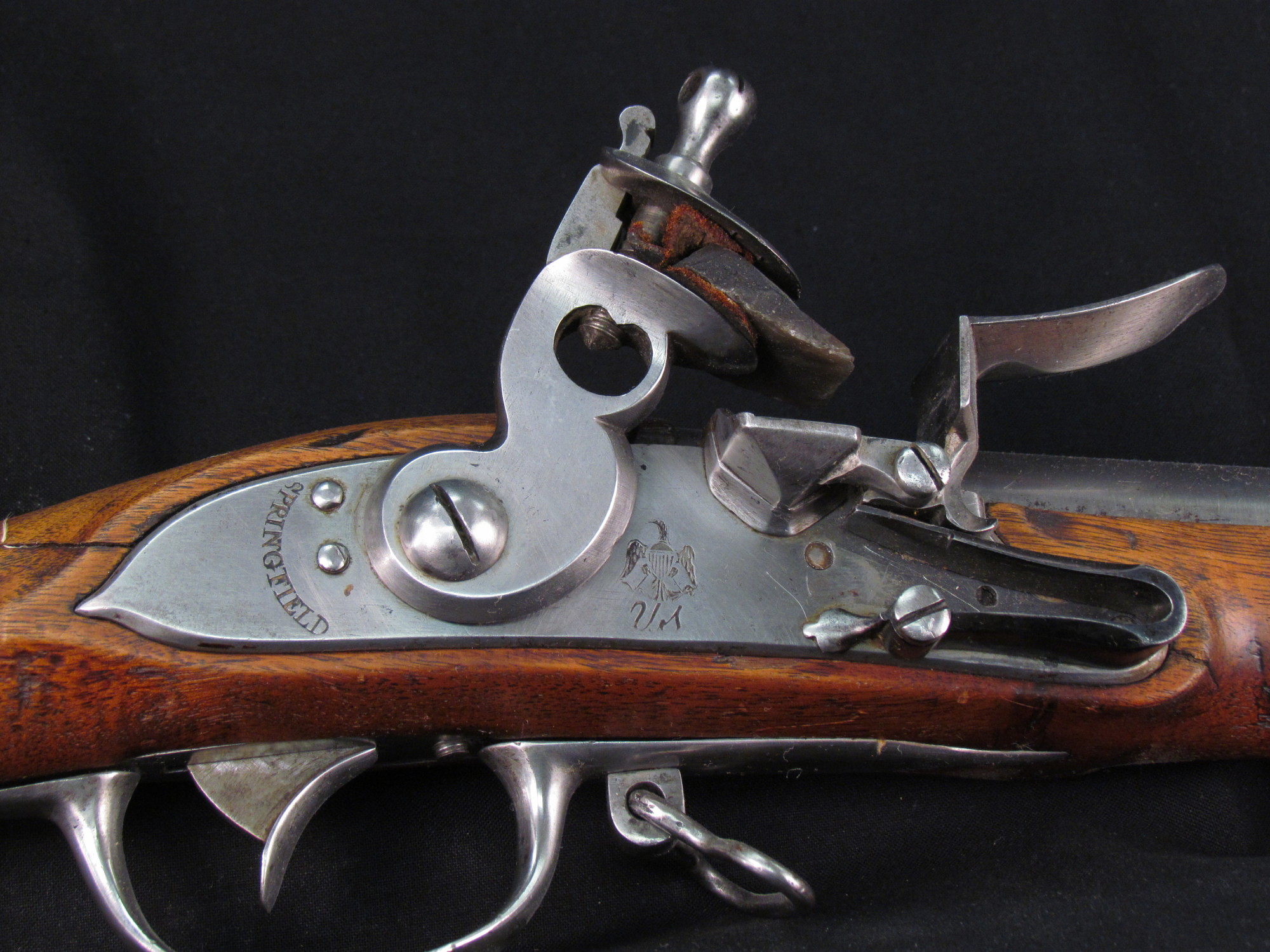
The Springfield Model 1795 belongs to a period when military firearms were evaluated through inspection and live firing. Produced from 1795, it closely followed the French Charleville and used a .69-inch smoothbore barrel. A new arm had to function with standardized military ammunition, tolerate repeat firing,g and meet basic inspection requirements. Paper targets existed by this era, so claiming they were unknown would be misleading. Live-fire reliability remained decisive, continuing a long tradition from the earliest handguns. Testing also exposed defects that static inspection could miss.