The FN FAL became one of the defining rifles of the Cold War, not simply because it was Belgian-made, but because an extraordinary number of countries trusted versions of the design. Developed by FN Herstal after World War II, the FAL evolved alongside NATO’s push toward a standardized 7.62×51mm cartridge. Its combination of power, adaptability, and widespread licensed production helped transform a Belgian rifle into an international military icon.
1. It Was Born From a Postwar Rifle Revolution
The FN FAL emerged from Belgium after World War II, when armies were reconsidering what a modern infantry rifle should be. Designer Dieudonné Saive developed the weapon at FN Herstal, with early work dating to 1947. The first concepts used intermediate cartridges, but the rifle was later redesigned around 7.62×51mm NATO. That change helped turn the FAL into a Cold War standard among many Western-aligned forces. Introduced in 1953, it eventually became associated with more than 90 countries, giving the Belgian design an extraordinary international footprint. Its famous nickname followed from that widespread adoption.
2. Its Mechanical Design Favored Adaptability
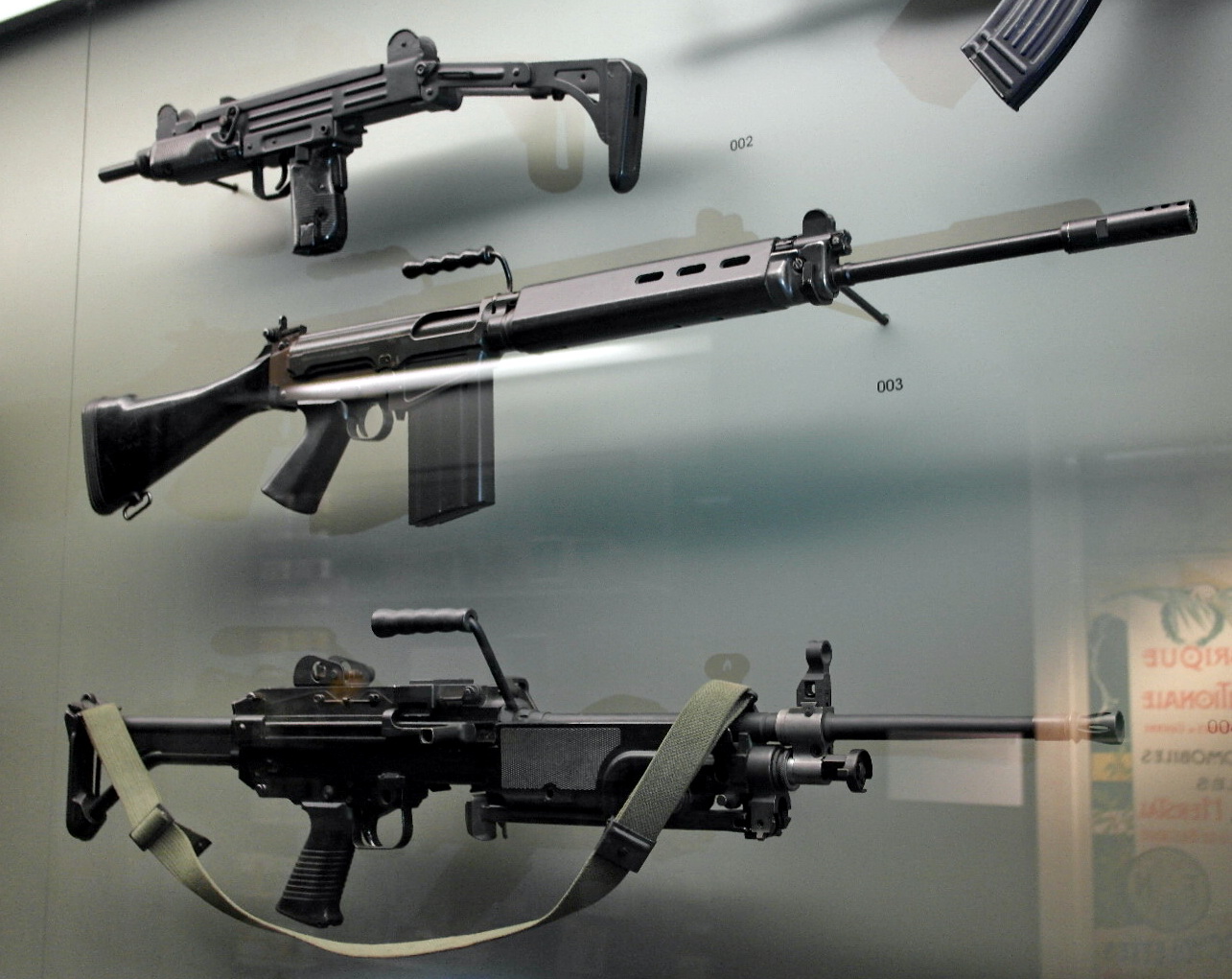
The FAL’s greatest strength was its adaptability. Its short-stroke gas piston system worked with a tilting breechblock, while an adjustable gas regulator allowed the rifle to be tuned for different ammunition and operating conditions. Standard versions generally used a 20-round detachable magazine, while some configurations accepted 30-round magazines. A typical metric FAL measured about 1,090mm and weighed roughly 4.3kg empty. Those figures made it substantial compared with later 5.56mm rifles, but they also reflected the era’s preference for a full-power infantry cartridge. Its practical design made that extra weight understandable in its era.
3. The 7.62mm NATO Cartridge Changed Its Future
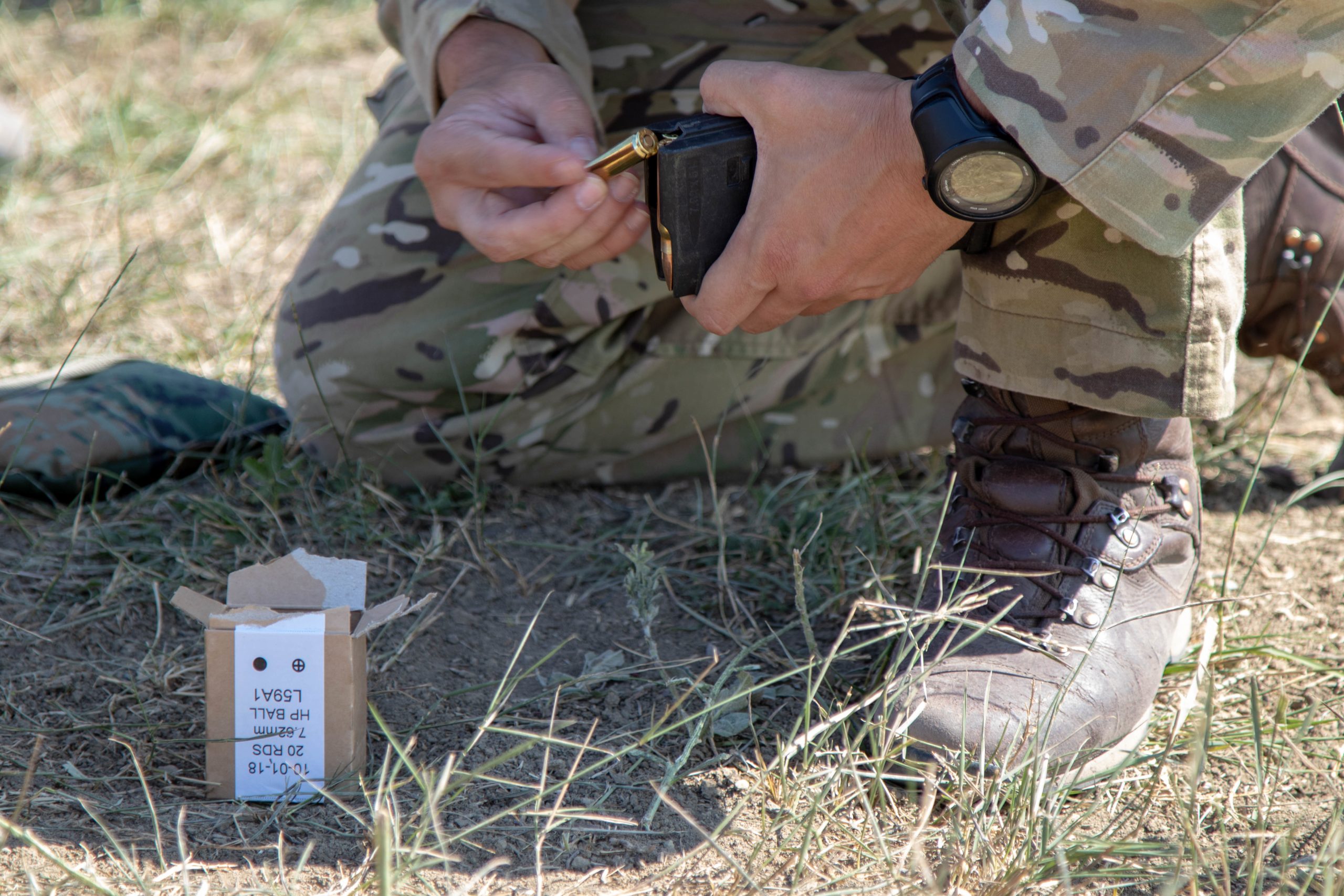
The switch to 7.62×51mm NATO gave the FAL an important logistical advantage during the Cold War. NATO standardized the cartridge in 1954, creating a common ammunition family for allied armies. The FAL had originally been developed around smaller cartridges, including .280 British, so the change was significant. Its eventual 7.62mm configuration paired a powerful service cartridge with a detachable 20-round magazine. The combination helped the rifle appeal to countries seeking a common NATO system, even though different nations eventually modified the basic design to suit their own military requirements. That standardization mattered enormously when allied forces operated together.
4. Britain Turned It Into the L1A1
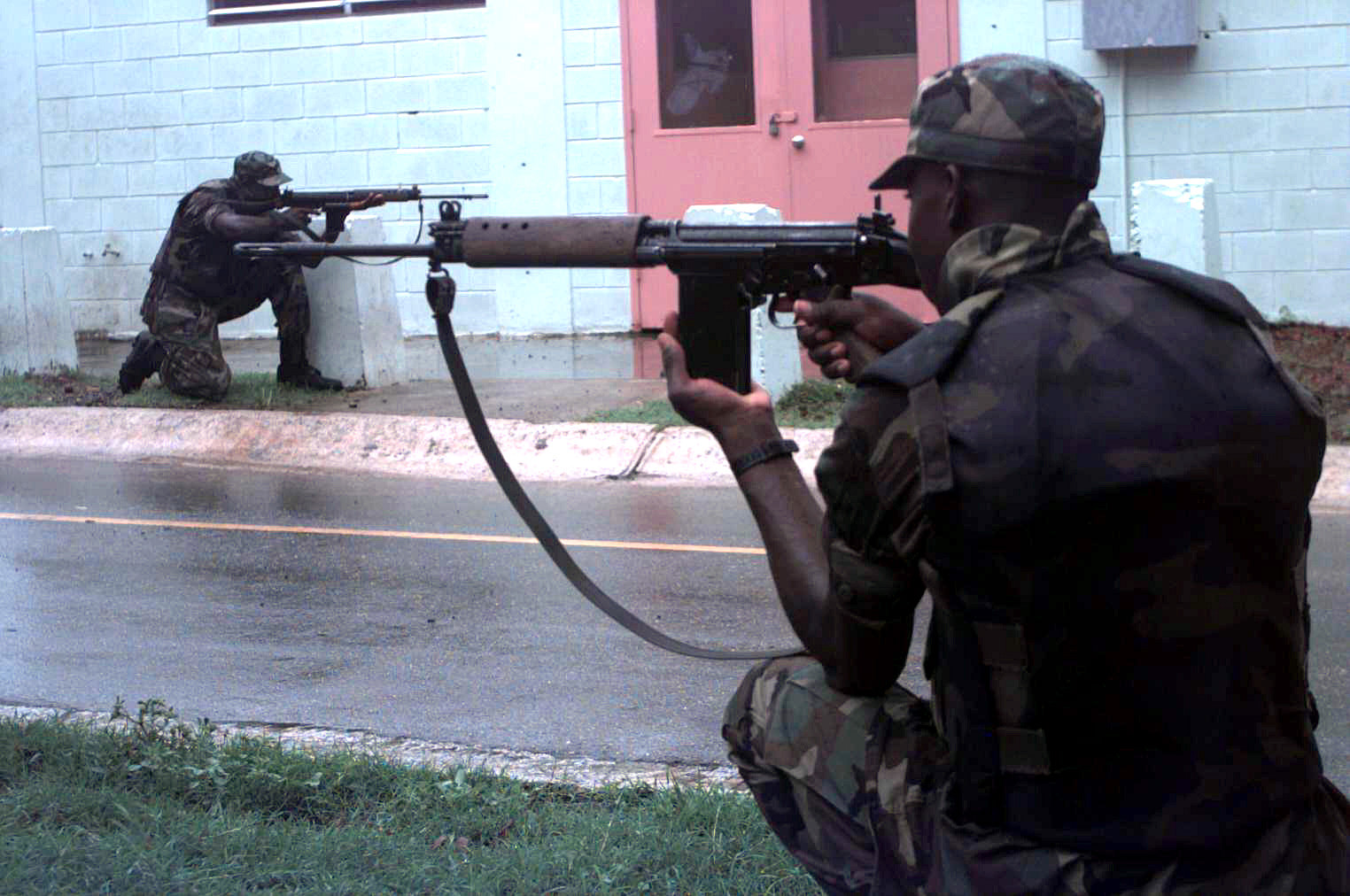
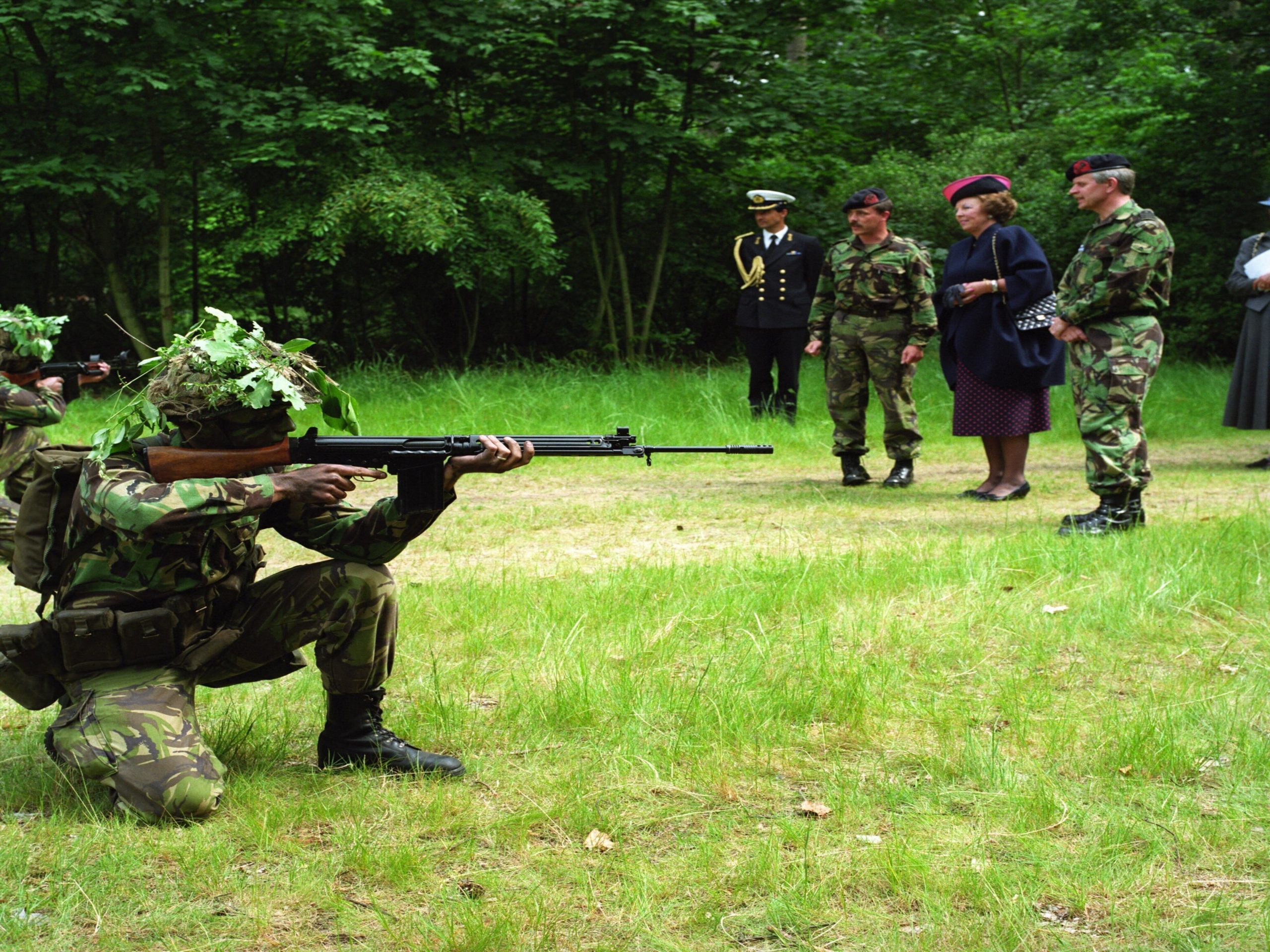
Britain did not simply import the Belgian rifle and leave it unchanged. The British and Commonwealth version became the L1A1 Self-Loading Rifle, while Canada adopted the C1, and other countries developed licensed forms. Commonwealth rifles were generally semi-automatic rather than fully automatic, reflecting different doctrine and practical considerations. The L1A1 entered British service in 1957 and used a 20-round magazine. Australia, Canada, India and several other nations also fielded related versions, showing how the architecture could be adapted without losing its identity. The result was a family of rifles that looked related while reflecting national priorities.
5. Its Users Stretched Across Continents
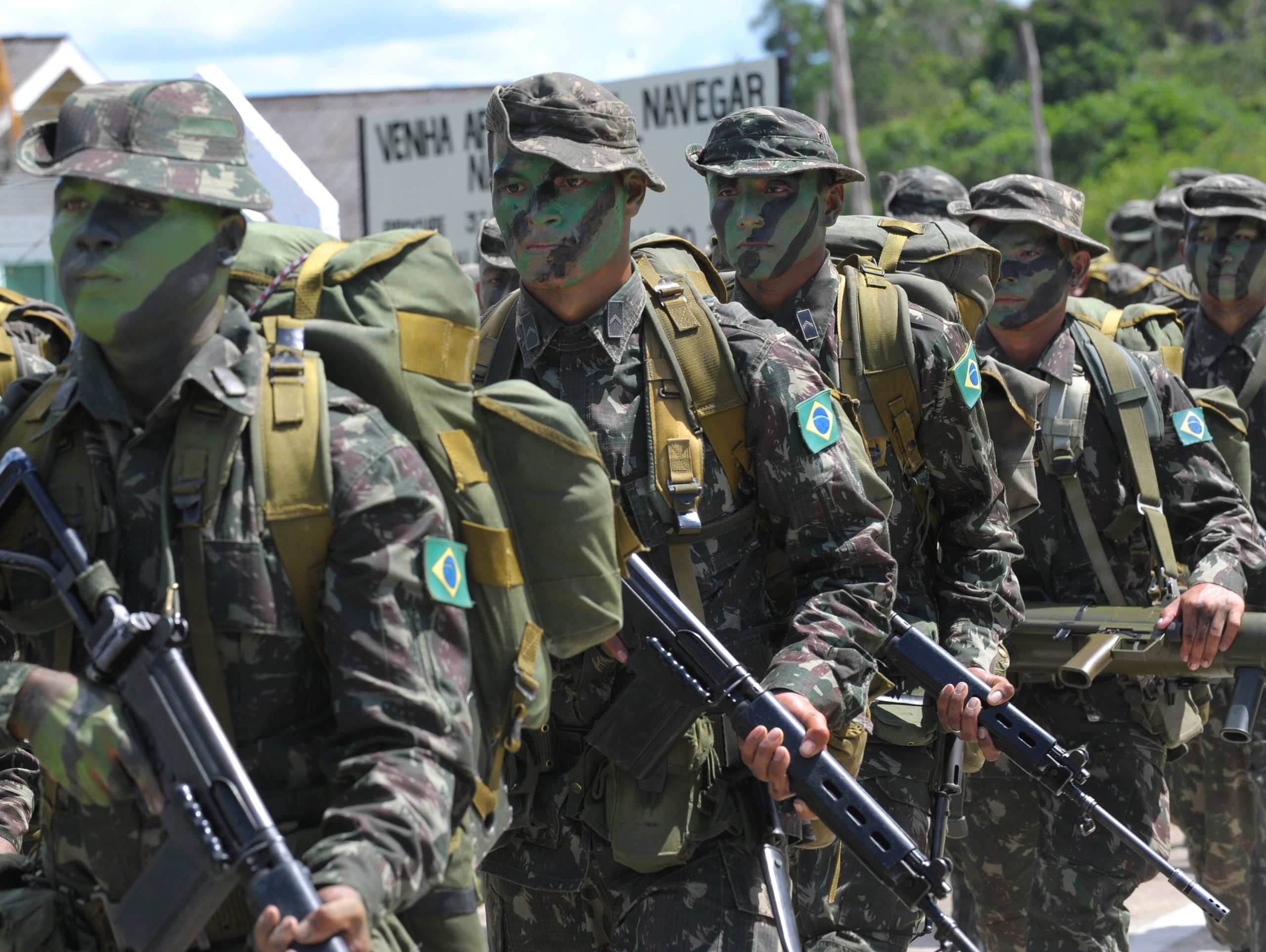
The FAL became famous not only because of NATO service, but because its users were spread across different environments. Variants appeared in Africa, Asia, the Middle East and South America, with the rifle encountering deserts, mountains, forests and urban battlefields. Its robust construction and adjustable gas system suited armies that needed a rifle capable of functioning across changing conditions. It was also produced under license in several countries, allowing local manufacturers to build their own versions. This combination of engineering flexibility and international production helped extend the FAL’s career for decades. It was a remarkably broad journey for one basic rifle design.
6. Combat Experience Built Its Reputation
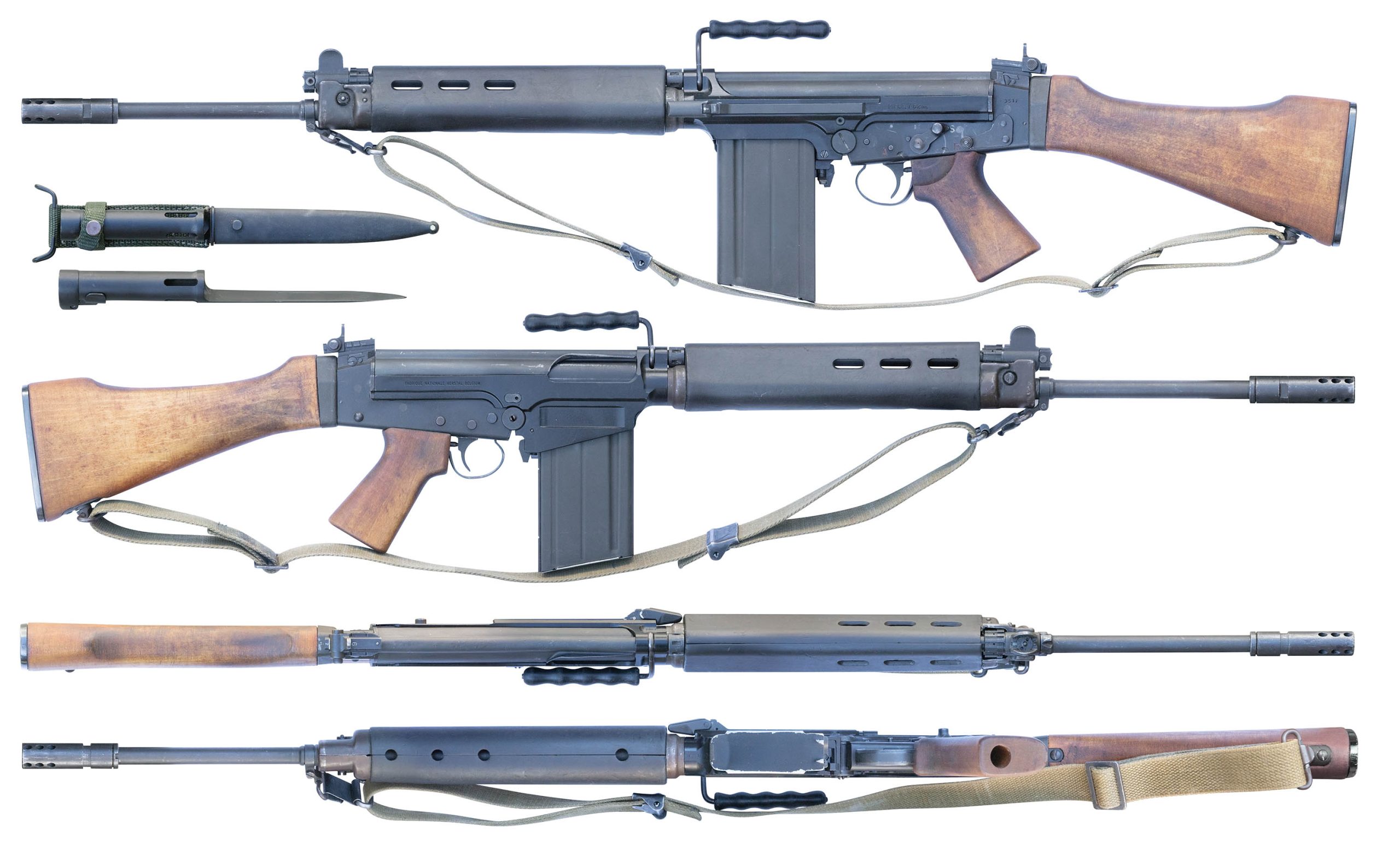
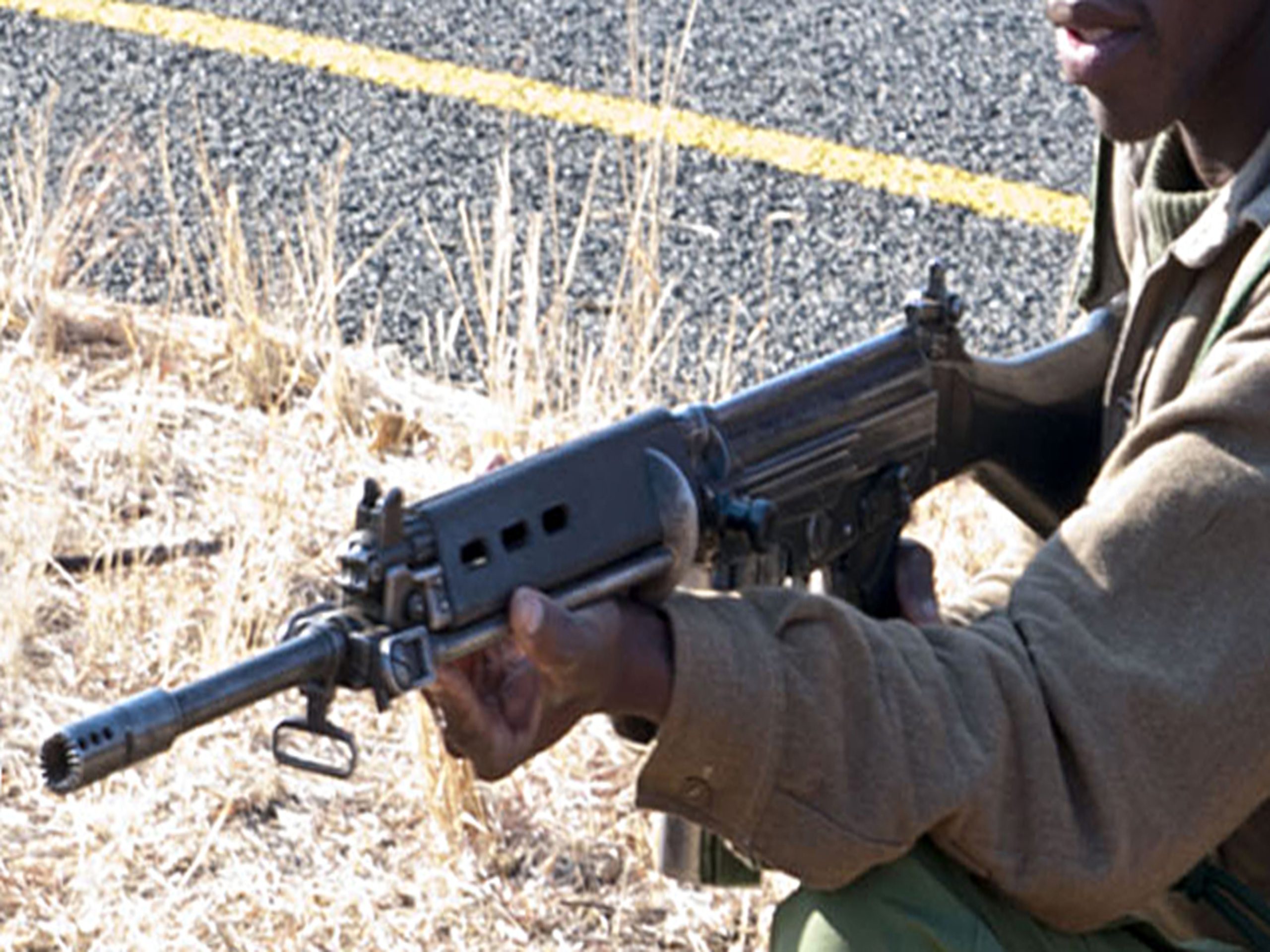
The rifle’s battlefield reputation grew through conflicts that shaped the Cold War. FAL-family rifles saw service in places such as the Falklands, Northern Ireland, Malaysia, Rhodesia, South Africa and African and Middle Eastern conflicts. Its 7.62mm cartridge gave useful reach and power, while the rifle’s weight and recoil were trade-offs of that full-power design. In many Commonwealth forces, the L1A1 remained a trusted semi-automatic service rifle as lighter assault rifles gained ground. Its combat history therefore reflects both the strengths and limits of the battle-rifle concept. That transition eventually pushed the FAL toward a historical rather than frontline role.
7. America Evaluated It but Chose Another Rifle
Despite its enormous international success, the FAL was not universally adopted. The United States evaluated the rifle but ultimately selected the M14 instead, keeping production and logistics centered on a domestic system. This is an important part of the FAL story because its nickname can make its dominance sound absolute. In reality, NATO armies made different choices, and several countries favored their own designs. Even so, the FAL’s adoption by more than 90 countries gave it one of the broadest military footprints of any postwar rifle. Its influence was therefore global, but never completely universal. That distinction makes the FAL’s achievement even more impressive.
8. Its Numbers Explain Its Extraordinary Legacy
The FAL’s legacy rests on an unusual combination of numbers and history. Standard rifles commonly used 7.62×51mm NATO ammunition, 20-round magazines, a barrel around 533mm, and an unloaded weight near 4.3kg. FN produced the rifle from 1953 through 1988, while licensed production continued elsewhere. More than seven million examples are commonly cited, and over 90 countries have used or adopted FAL variants. Those figures explain why “Right Arm of the Free World” became more than a colorful nickname: the FAL was a defining Cold War rifle whose Belgian engineering became a truly international military standard. Few postwar rifles combined such production numbers, geographic reach,h and longevity.