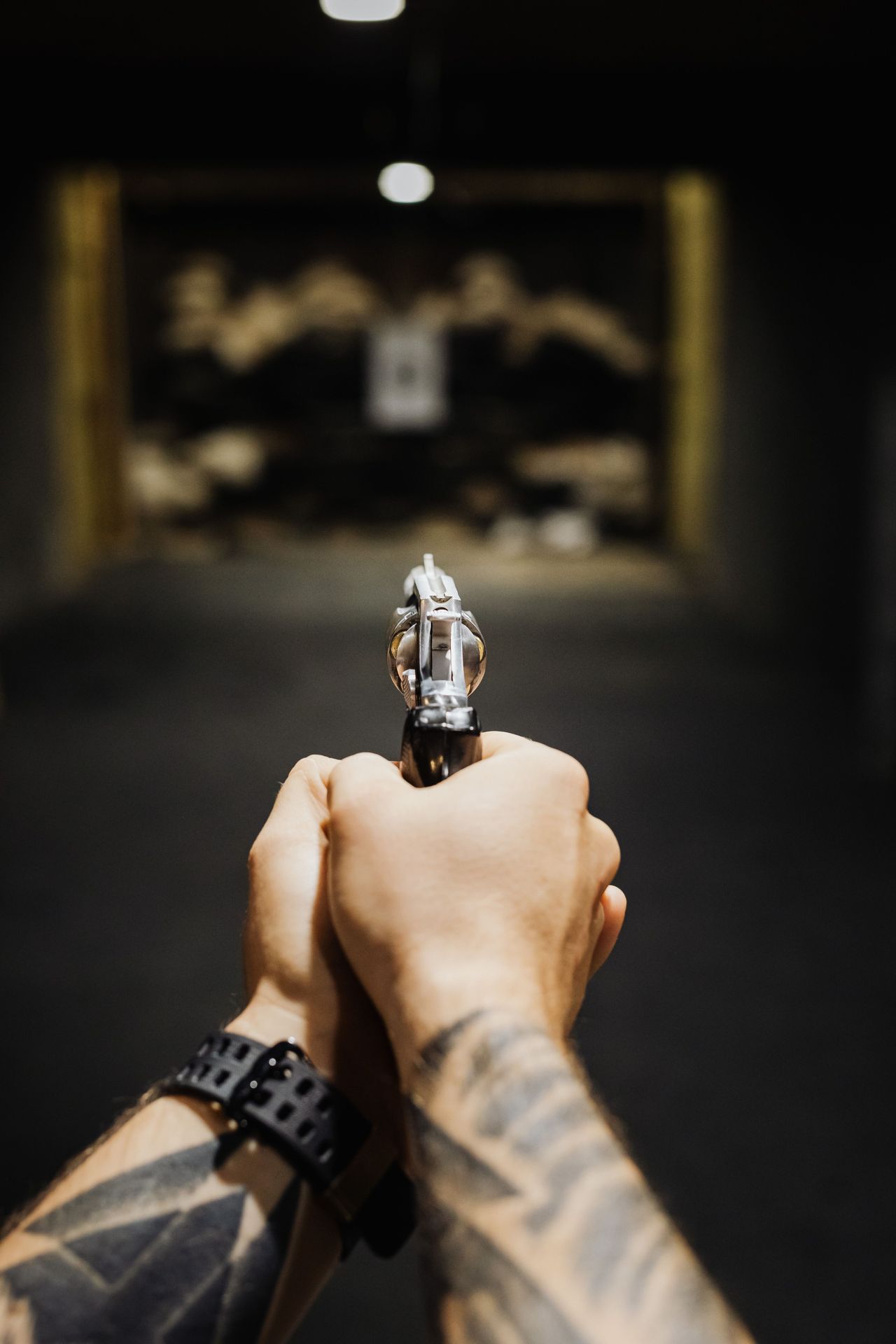
Few handguns spark arguments quite like the Taurus Judge. Built to fire both .45 Colt and .410 shotshells, it promises unusual versatility, but that same idea makes many shooters wonder whether it solves real problems or just creates new ones. This gallery breaks down the biggest reasons the Judge inspires both loyal fans and eye-rolling critics.
The dual caliber concept

The Taurus Judge gets attention for one simple reason: it can chamber .45 Colt cartridges and .410 shotshells. That crossover pitch sounds clever even to people who do not follow handguns closely, because it suggests one firearm can handle very different tasks without much compromise.
Supporters see that flexibility as the whole point. Critics hear the same sales pitch and immediately ask whether doing two jobs at once means it never truly excels at either. That tension is the Judge in a nutshell, and it is why opinions harden fast whenever the gun comes up.
Its size makes a statement

Even before a Judge is fired, people notice its bulk. The frame, cylinder, and overall proportions are larger than what many shooters expect from a revolver that is often discussed for defense, and that physical size becomes part of the argument right away.
Fans say the heft helps tame recoil and gives the gun a reassuringly solid feel. Detractors counter that the size makes it harder to carry, slower to conceal, and less practical than more conventional handguns. In other words, the Judge looks serious, but whether that seriousness translates into usefulness depends a lot on how someone plans to carry and shoot it.
The .410 shell is the big selling point

The Judge built its reputation on the idea of firing .410 shotshells from a handgun. For many buyers, that feature feels intuitive and even comforting, especially for close range use where spread is often imagined as a major advantage.
That is also where critics push back hardest. At typical defensive distances, pattern spread is usually much tighter than people assume, so the dramatic shotgun effect some expect may not materialize. Enthusiasts still like the option, but skeptics argue that much of the Judge’s mystique comes from a mental picture rather than what happens on paper targets.
The .45 Colt option adds legitimacy
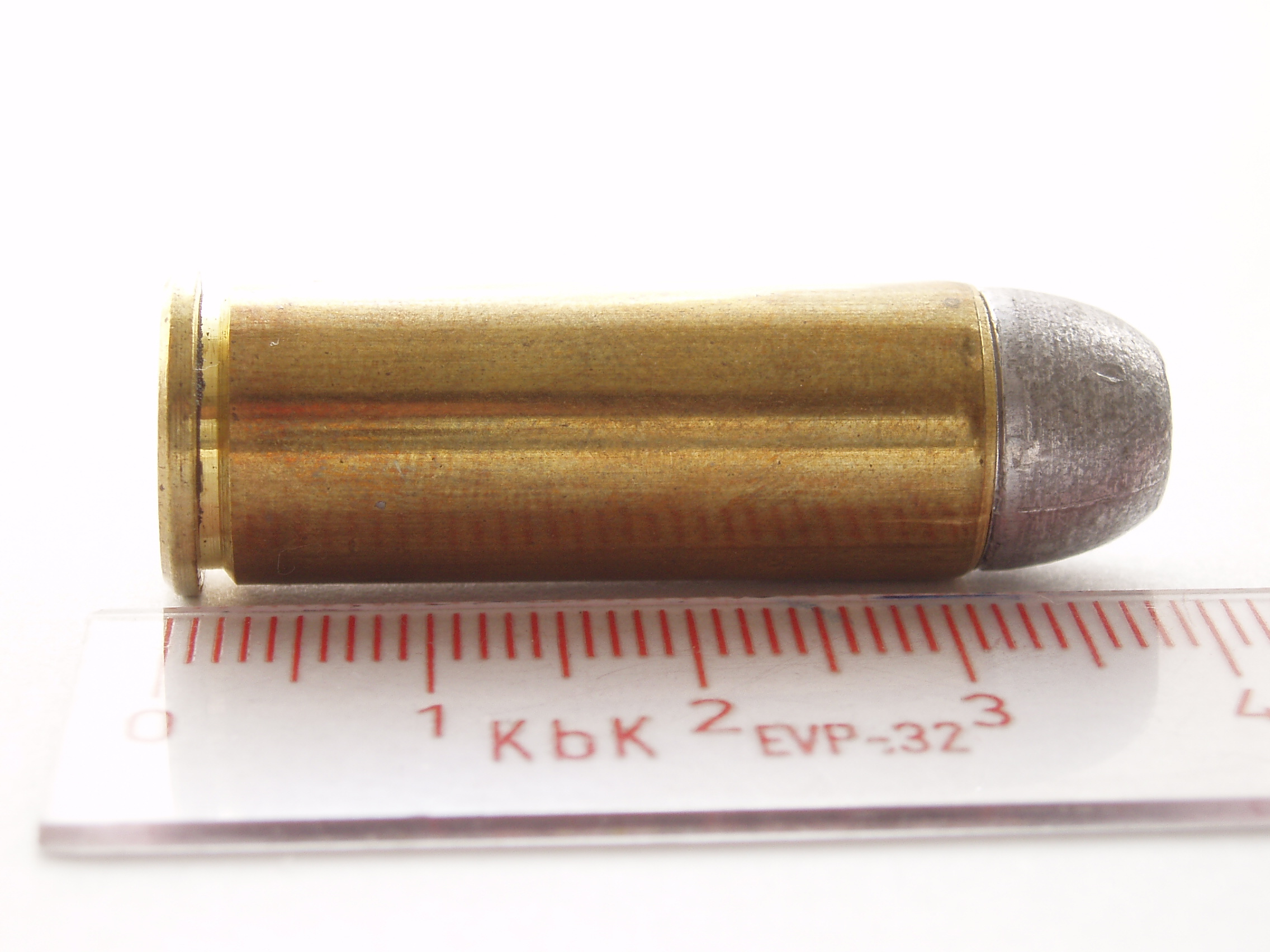
If the .410 chambering gives the Judge its novelty, the .45 Colt gives it credibility. That cartridge has a long history, real stopping power, and enough traditional handgun pedigree to reassure shooters who are uneasy about relying on shotshells alone.
Still, compromises remain. The long cylinder needed for .410 shells can affect how the gun handles .45 Colt compared with revolvers built specifically around that cartridge. Some shooters appreciate having a serious second option, while others say a dedicated .45 Colt revolver usually makes more sense if that is the round you really intend to trust.
Home defense is where it finds believers

Ask Judge owners why they bought one, and home defense comes up constantly. The revolver’s simplicity, intimidating profile, and mixed ammunition capability can feel appealing for a bedside gun, especially to buyers who want straightforward operation over magazine changes and more complicated controls.
That said, the same role attracts plenty of criticism. Opponents question capacity, terminal performance consistency, and the tradeoffs compared with modern defensive handguns or even long guns. The Judge survives that criticism because it delivers something many people value highly: confidence. Whether that confidence is earned by performance or by perception is where the debate keeps going.
Recoil is manageable but not always pleasant

Because the Judge is a hefty revolver, some shooters assume recoil will be soft across the board. In practice, the experience varies depending on the load, the model, and the person behind the trigger. Some combinations feel surprisingly controllable, while others produce more blast and snap than buyers expect.
This matters because comfort shapes confidence. People who enjoy shooting the Judge tend to practice with it more and defend its design more passionately. Those who find it awkward or unpleasant often come away feeling the gun asks for too much compromise. Recoil is not a deal breaker for everyone, but it rarely disappears from the conversation.
Accuracy depends on what you expect

The Judge can be accurate enough for realistic short range work, especially with .45 Colt, but expectations often decide whether people leave impressed or underwhelmed. Buyers who picture a specialty defensive revolver may find it perfectly adequate. Buyers expecting tight groups or broad shot spread magic usually adjust their opinions quickly.
That gap between expectation and performance helps explain the gun’s split reputation. Supporters often judge it by practical use inside limited distances, where it can do respectable work. Critics compare it against handguns and shotguns that each perform their own role better. In that comparison, the Judge can start to look less like innovation and more like compromise.
It thrives on novelty and personality

Not every firearm purchase is made with cold, spreadsheet logic, and the Judge benefits from that reality. It is memorable, unusual, and instantly recognizable, which gives it a personality that many technically better options simply do not have. Some shooters buy one because it is fun, different, and undeniably a conversation starter.
Critics sometimes dismiss that appeal, but novelty has always mattered in the gun world. The problem begins when entertainment value gets confused with optimal performance. Fans are often perfectly happy owning the Judge as a range gun with extra utility, while detractors object when the marketing aura makes it sound more revolutionary than it really is.
Public image has shaped its reputation

The Judge may be one of the few revolvers whose reputation was built as much by conversation as by trigger time. Word of mouth, gun counter lore, and years of dramatic claims have all helped create an outsized image around what the revolver can supposedly do.
That kind of buzz can be powerful, but it also creates backlash. Shooters who finally test the gun after hearing inflated stories sometimes feel let down, while owners with realistic expectations often remain satisfied. In that way, the Judge is almost a victim of its own fame. It is not necessarily bad at what it does, but it is often measured against a legend instead of reality.