Some gun brands look bigger and more mysterious than they really are. Rock Island Armory is one of them.
Rock Island Armory’s real backbone is Armscor.

A lot of American shooters know Rock Island Armory as the affordable 1911 brand in the gun case, but the company doing the real heavy lifting is Armscor, short for Arms Corporation of the Philippines. According to the company’s own history, the business traces its roots to 1905, with its modern firearms identity taking shape after World War II when it secured the Philippines’ first government license to manufacture firearms and ammunition. That matters because it shows this is not some recent copycat operation chasing the 1911 trend.
The modern story really turns in the 1980s. Armscor says it renamed the business in 1980 and opened its first U.S. office in Pahrump, Nevada, in 1985. Around that same period, it acquired the Rock Island Armory brand, which would eventually become the name many American buyers recognize more readily than Armscor itself.
That split identity is part of the brand’s success. Rock Island Armory sounds familiar, rugged, and marketable in the United States, while Armscor remains the industrial engine behind the product. As the company explains today, Rock Island Armory is the firearms-facing brand, while Armscor remains the larger family name tied to manufacturing and global operations.
Why the Philippines became such an effective home for 1911 production

The 1911 has always rewarded manufacturers who understand machining discipline, parts fitting, and cost control. The Philippines turned out to be a strong environment for exactly that kind of work, and Armscor built a reputation around practical production rather than luxury mystique. Official company materials say Rock Island Armory 1911s are manufactured in the Philippines, and longtime industry coverage from American Rifleman described the brand as a key part of Armscor’s push into the U.S. market.
That manufacturing model helps explain the price. A basic 1911 is not easy to make cheaply if you also want it to run well, because the design is old enough that small fitment issues can show up quickly in function. Armscor’s solution was never to out-Colt Colt or out-custom Wilson Combat. It was to build solid, working pistols at a price ordinary buyers could justify.
The company’s own product sheets and catalog language still lean into that formula. Current spec sheets for GI-pattern models list familiar, no-nonsense dimensions, GI-type sights, and trigger pulls in the expected service range. In other words, these guns are built to land in the practical middle ground: faithful enough to satisfy 1911 fans, affordable enough to attract first-time buyers.
How Rock Island became a budget favorite in the United States
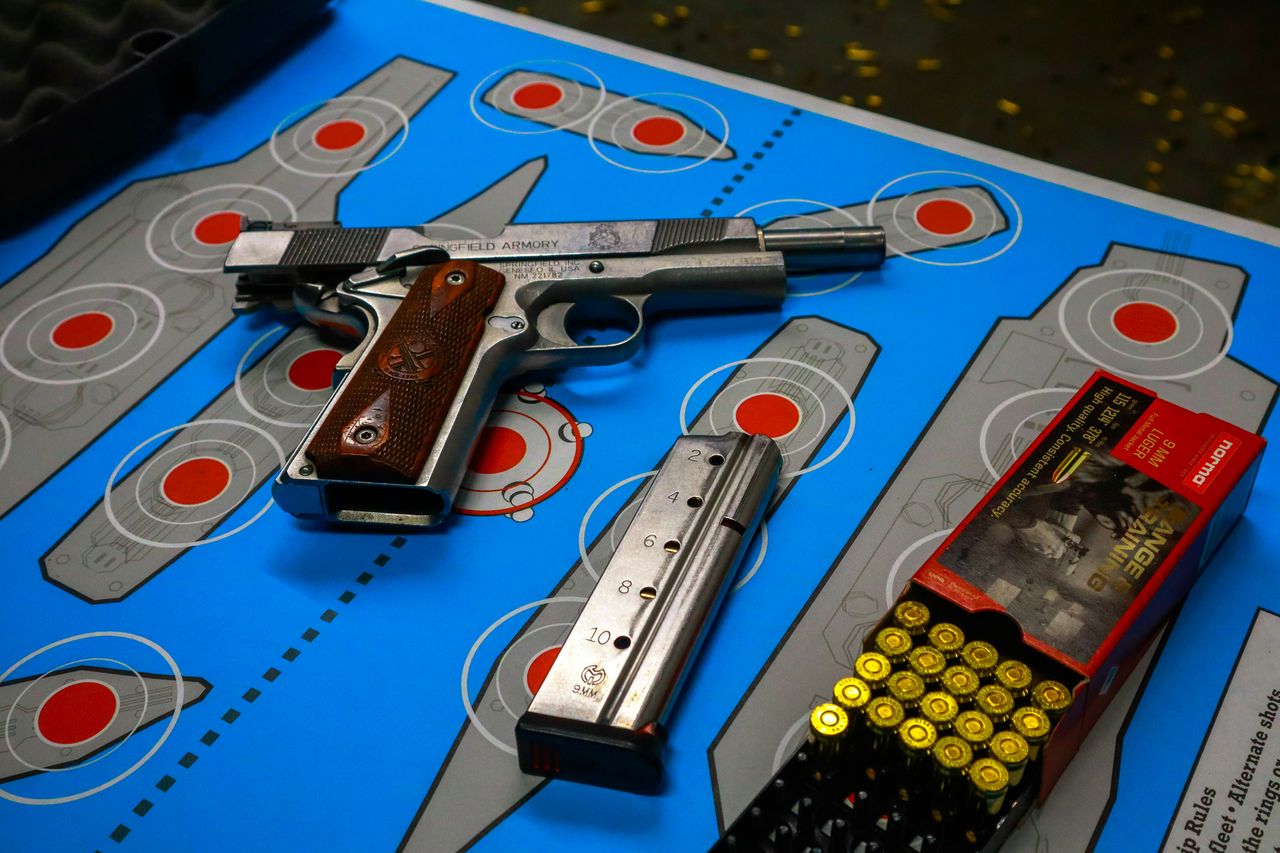
In the American market, price opens the door, but reliability keeps a pistol moving off shelves. Rock Island Armory earned traction because it occupied a sweet spot that many shooters were actively hunting for: noticeably cheaper than many legacy U.S. 1911s, but still recognizable, serviceable, and supported. The National Interest noted that Rock Island 1911s became one of the prominent examples of the budget end of the platform, undercutting pricier legacy names by hundreds of dollars.
That positioning matters most for buyers who want the 1911 experience without treating the purchase like a collector event. Not everyone wants hand-checkered mainspring housings, polished feed ramps, and custom-shop bragging rights. A lot of people simply want a gun that looks like a 1911, shoots like a 1911, and does not cost four figures before taxes, magazines, holsters, and ammo.
Armscor understood that early. Company messaging over the years has repeatedly highlighted entry-level GI models and value-oriented Rock Series pistols for budget-conscious buyers. Even as the broader handgun market shifted toward polymer striker-fired pistols, Rock Island kept a lane open for people who still wanted steel, a manual safety, a single-action trigger, and old-school lines without boutique pricing.
The business model is simple: value first, upgrades second.d
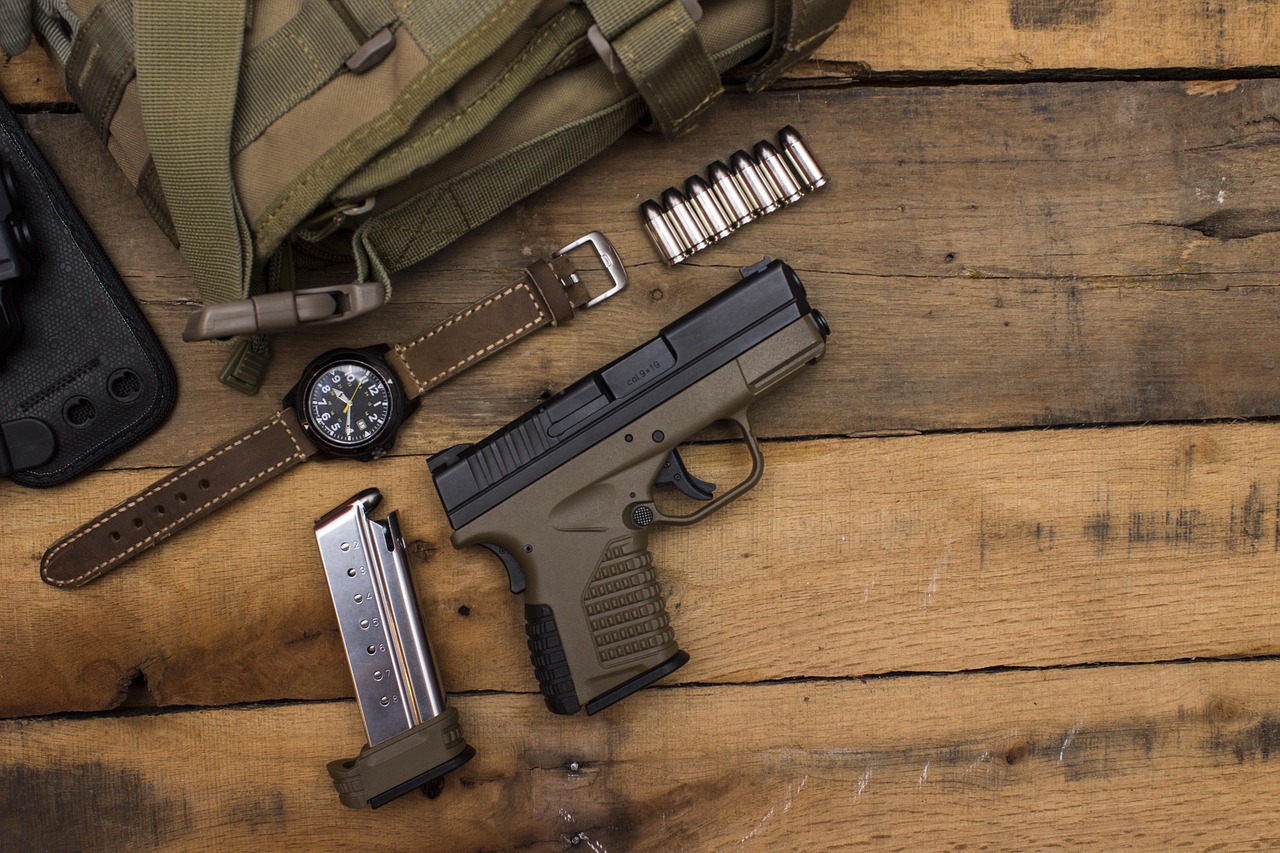
One reason Rock Island has stayed visible is that Armscor did not stop at the basic GI clone. It used the low-cost entry gun as the front porch, then filled out the rest of the catalog with upgraded variations that still felt attainable. The 2026 catalog shows the familiar spread: GI-style pistols, more feature-rich Rock models, tactical versions, double-stack options, and higher-end lines that give the buyer a way to climb the ladder without leaving the brand.
That is a smart strategy because 1911 buyers often start with curiosity and then become tinkerers. Someone buys the plain model first, learns what they like, then begins chasing better sights, a beavertail, more capacity, or a rail. If your brand already offers those things at the next rung up, you keep the customer inside your own ecosystem.
Armscor has also used that ladder to defend itself against the criticism often aimed at budget guns. The argument is no longer just, “Here is the cheap one.” It becomes, “Here is the affordable one, and here is the nicer one if you want more.” Recent company messaging around RIA-USA even shows an attempt to add a more premium, American-made tier while preserving the value reputation that built the brand in the first place.
Why shooters often forgive rough edges on these pistols
Budget 1911s are never judged the same way as premium 1911s, and that works in Rock Island’s favor. Buyers generally expect a few compromises at the lower end: basic sights, simpler finishes, heavier triggers, and less refined fit. What they do not want are serious functional problems or a gun that feels like a gamble. Rock Island’s reputation grew because many owners felt they were getting honest utility rather than fake luxury.
That distinction is huge in the 1911 world, where expectations can get unrealistic fast. A pistol in this lane is not trying to be a hand-built heirloom. It is trying to be shootable, maintainable, and dependable enough for range use, training, and in some cases home-defense roles, assuming proper vetting with the owner’s chosen ammunition.
Armscor’s support structure also helped. The company maintains U.S. operations in Nevada and notes active customer-service and warranty channels for Rock Island products. For American buyers, that lowers the psychological barrier to purchasing an imported gun. A budget firearm feels much less risky when there is a domestic office, a known importer, and an established service process standing behind it.
Armscor is bigger and more established than many buyers realize
Part of what makes this story interesting is that Armscor is not just a small foreign shop making knockoff pistols for export. The company presents itself as a long-running industrial player with a broad catalog, international operations, and ISO 9001 certification dating back to 1997. It also expanded its U.S. footprint over time, with official company history noting a production facility in Stevensville, Montana, opened in 2011.
That scale changes how you think about Rock Island Armory. Instead of seeing it as a single bargain label, it makes more sense to view it as the market-facing expression of a larger manufacturing organization. The brand works because the back end is not improvised. It is the result of decades spent building production capacity, distribution channels, and a repeatable formula for making affordable firearms.
There is also a quiet confidence in the way the company talks about itself. It does not sell mystique the way many premium 1911 makers do. It sells continuity, function, and access. For a lot of buyers, especially people entering the 1911 world for the first time, that pitch is actually more persuasive than all the custom-shop romance in the world.
What the Rock Island story says about the modern 1911 market

The biggest lesson here is that the 1911 market is no longer defined only by historic American names. It is global, stratified, and surprisingly democratic. Armscor saw that there was a large class of buyers who admired the platform but did not want to pay collector, custom, or prestige-brand prices. Rock Island Armory became the answer, and it did so by turning Philippine manufacturing into a competitive advantage instead of a liability.
That does not mean every shooter will prefer one over a Colt, Springfield, Dan Wesson, or Wilson Combat. Those brands compete on different terrain. But Rock Island does not need to win every comparison. It only needs to keep winning the value argument, and for years that has been enough to make it one of the most visible budget 1911 names in America.
So yes, the badge on the slide may say Rock Island Armory. But the deeper story belongs to Armscor, the Philippine company behind the curtain that figured out something essential: in the firearms business, dependable affordability is not glamorous, but it is powerful.