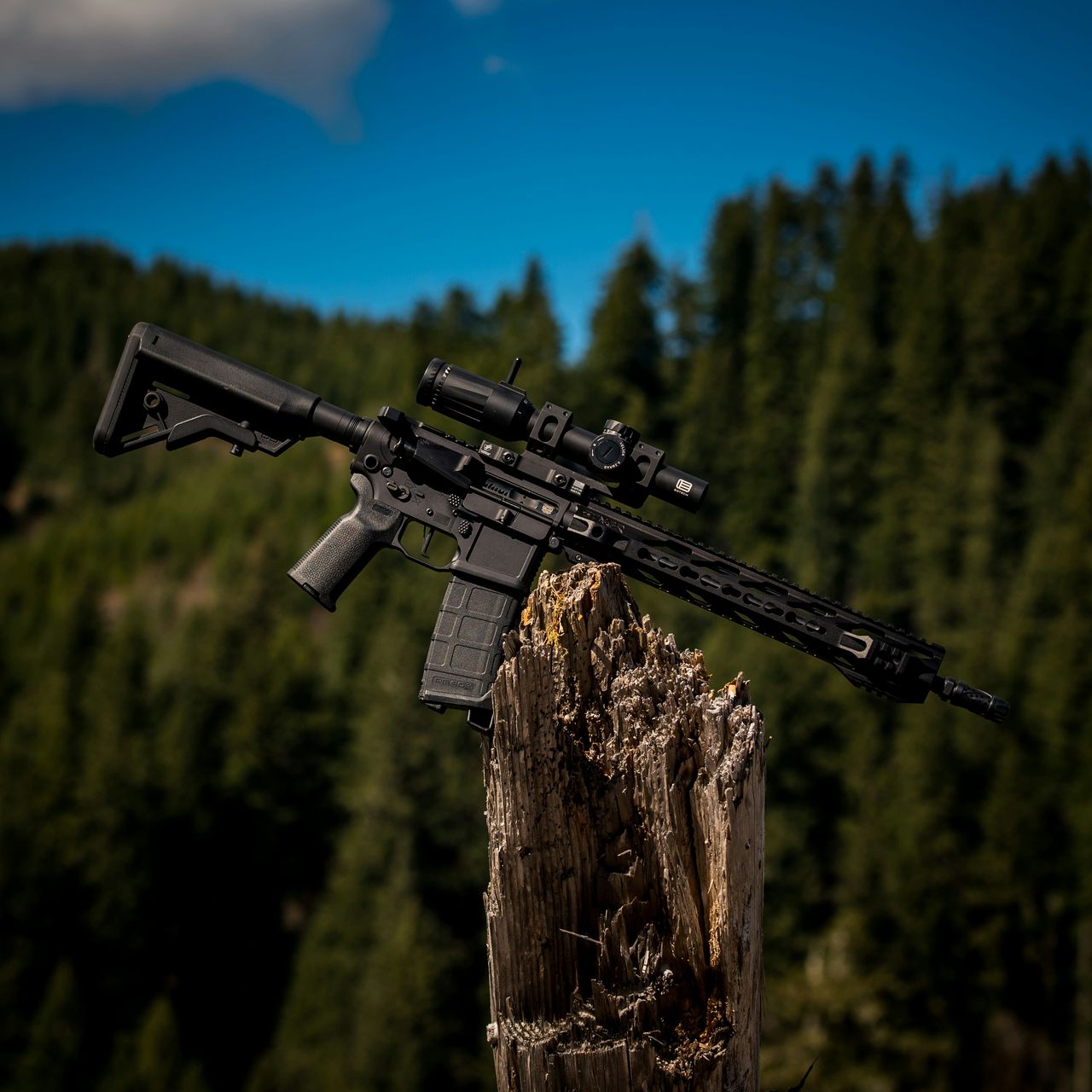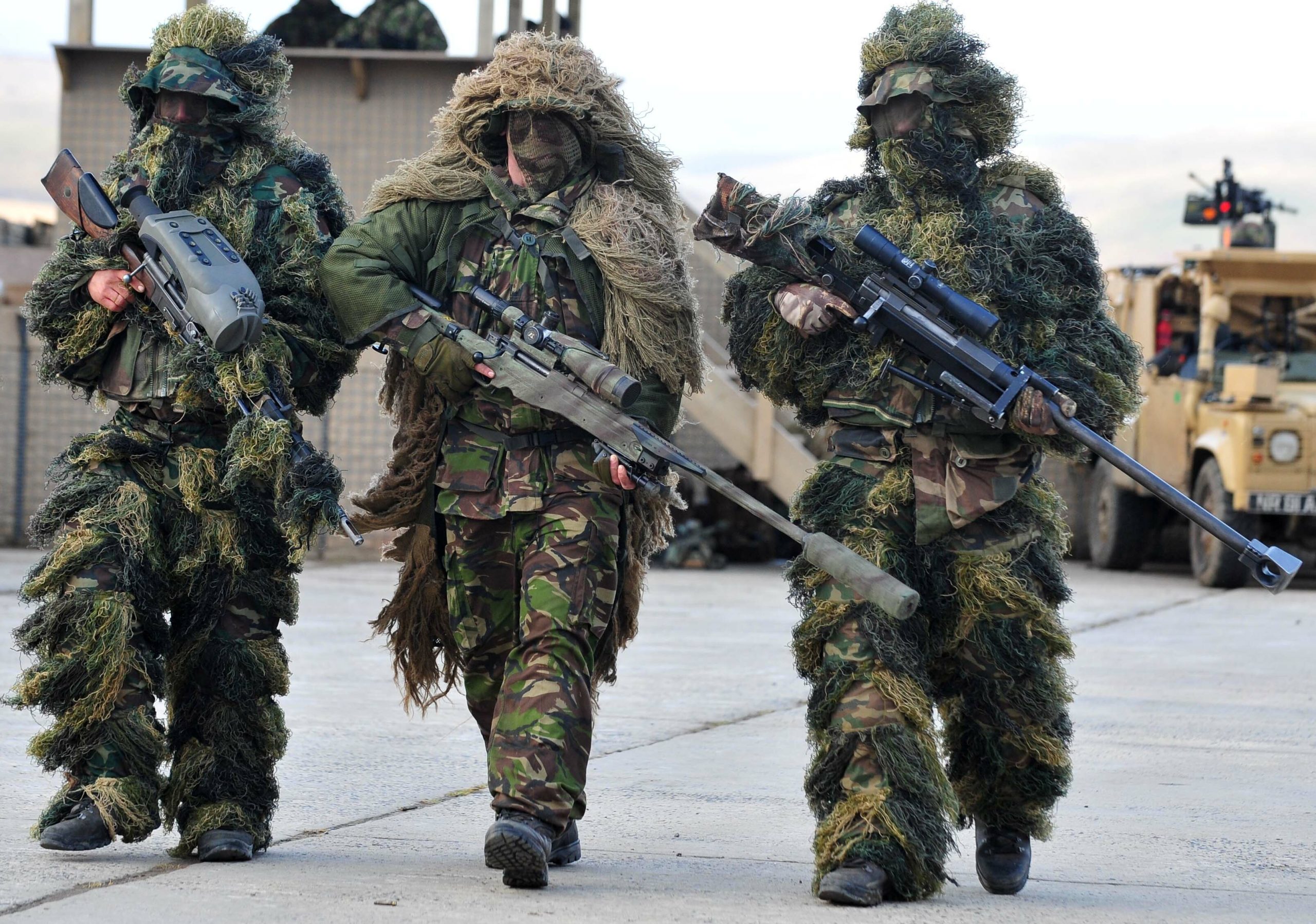
Precision rifles are often associated with military arsenals, battlefield experience, and generations of service-rifle development. Yet some influential designs came from civilians, competitive shooters, engineers, and independent gunsmiths who approached the problem from another direction. Their ideas introduced unusual manufacturing methods, modular construction, powerful cartridges, and fresh approaches to accuracy. The rifles below show how civilian engineering could eventually influence police and military precision programs, sometimes producing weapons that became far more famous than their designers ever expected.
1. Whitworth Rifle: Victorian Engineering Gets a Long-Range Reputation
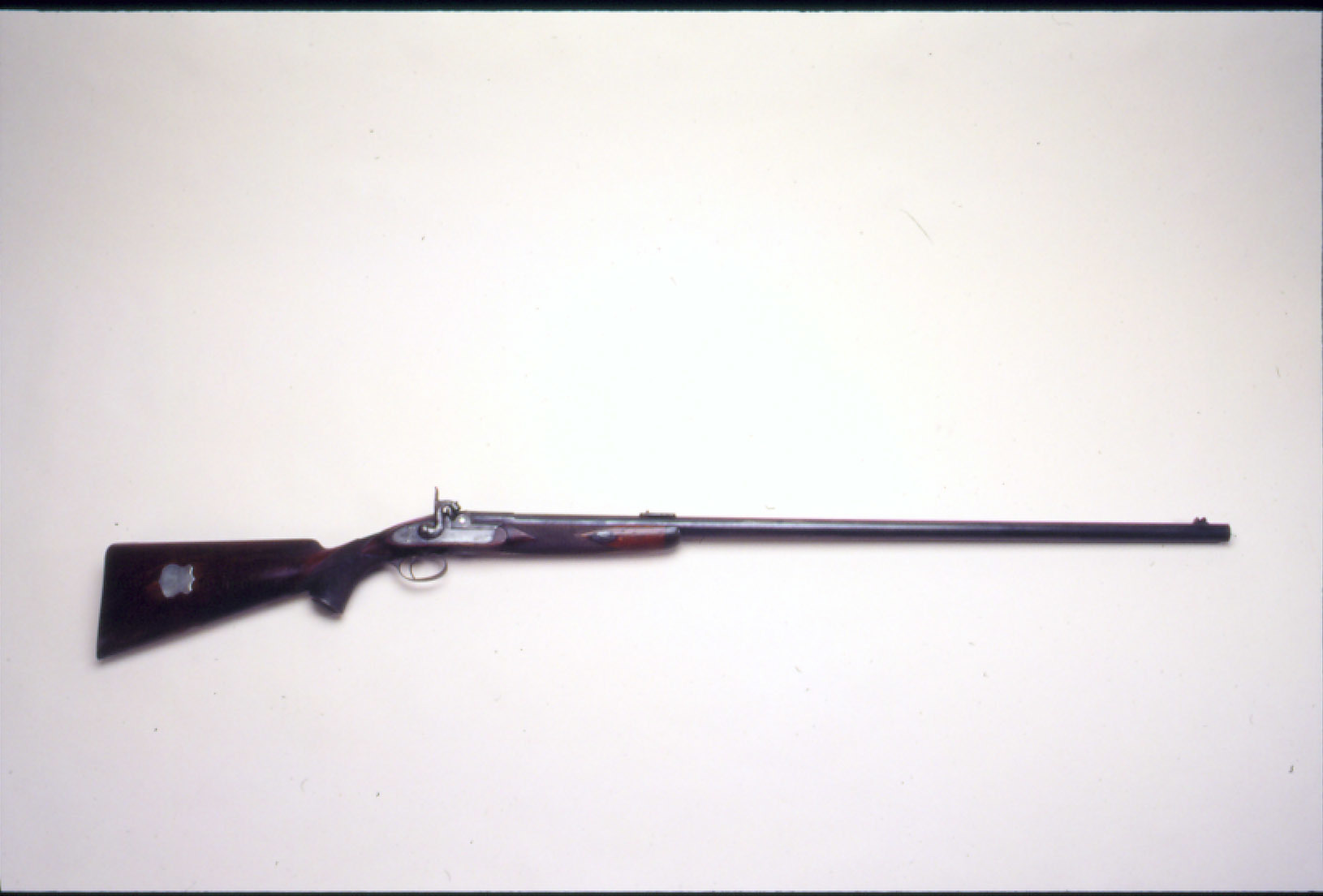
Sir Joseph Whitworth was an engineer and industrial innovator, not a career soldier, yet his 1850s rifle became a benchmark for precision fire. Its unusual hexagonal bore used polygonal rifling rather than conventional grooves, reflecting his focus on manufacturing tolerances. At British trials in 1857, the rifle reportedly outperformed the Enfield in accuracy and reached about 2,000 yards. During the American Civil War, Whitworth rifles were prized by Confederate sharpshooters. Its importance lies in the engineering idea: careful geometry could turn a rifle into a precision instrument.
2. Barrett M82: The Dining-Table Design That Became an Icon
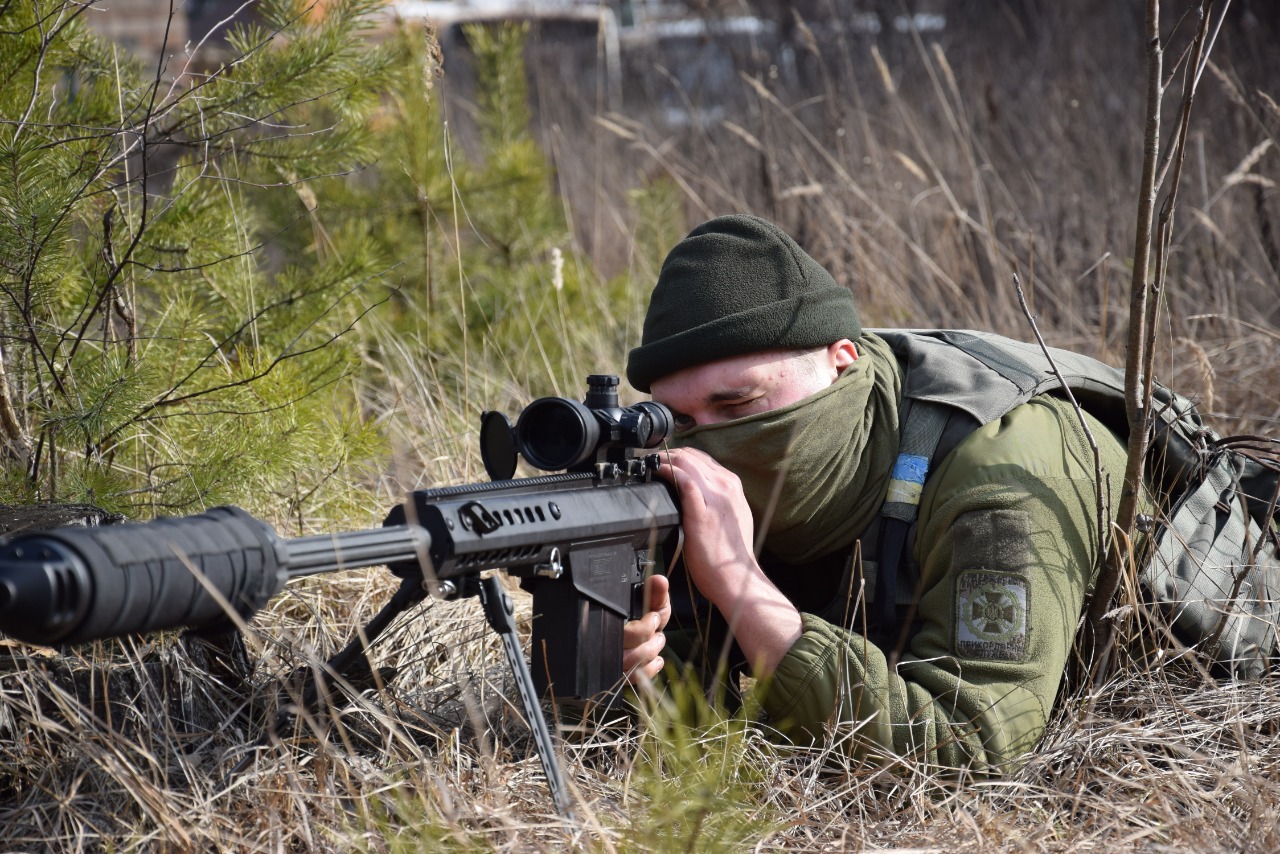
Ronnie Barrett had no military career when he sketched the rifle that became the Model 82. Working with a local tool-and-die maker, he turned a civilian concept into a .50 BMG semi-automatic rifle. The first military breakthrough came in 1989, when Sweden ordered 100 rifles; U.S. purchases followed for Desert Shield and Desert Storm. In 2002, the U.S. Army adopted the Model 82A1 as the M107. Its 10-round magazine and powerful cartridge made it famous for anti-materiel work rather than ordinary infantry sniping. It remains a striking example of civilian invention entering military service.
3. Accuracy International Arctic Warfare: Competition Shooters Build a Military Rifle
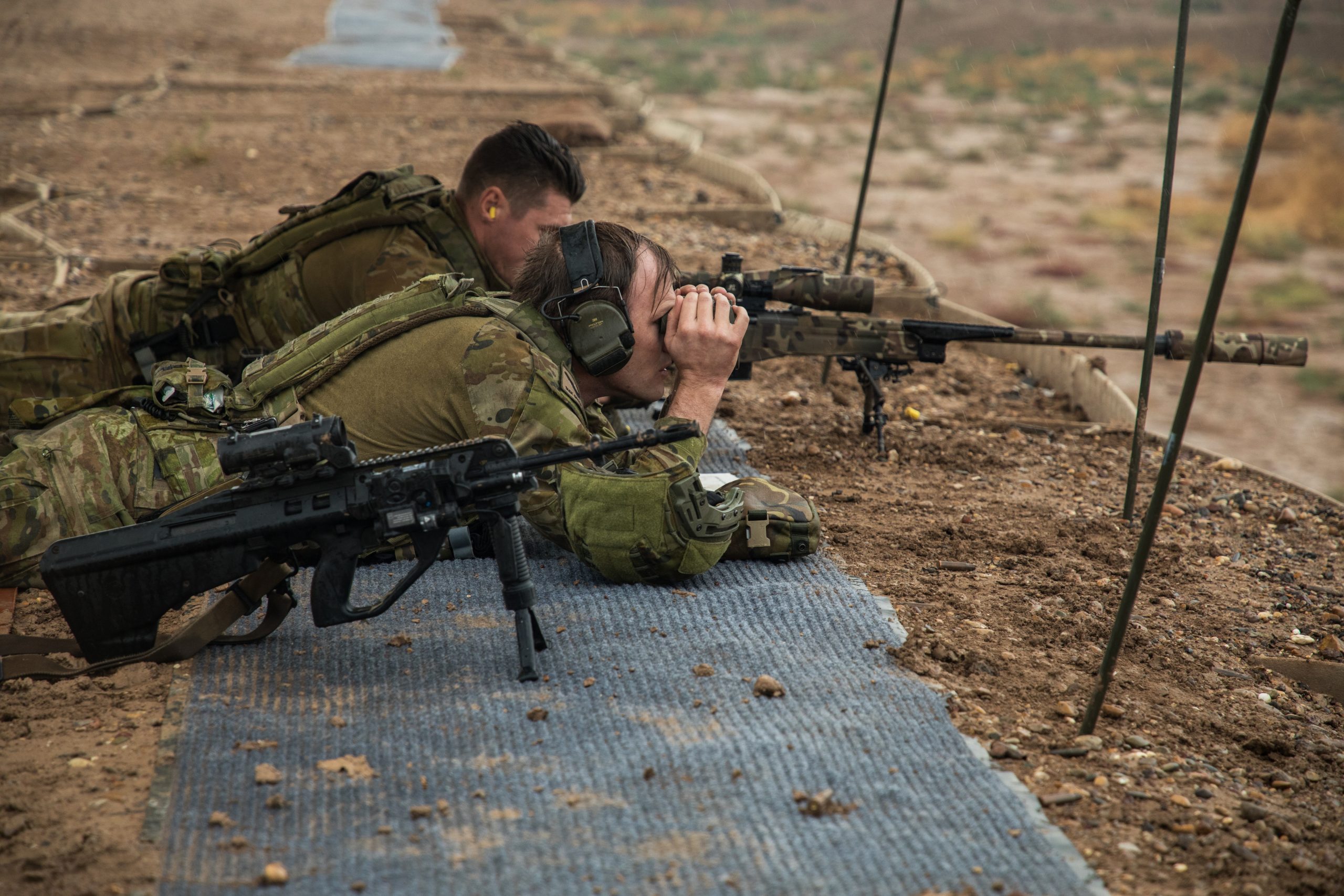
Accuracy International began with British competitive shooters rather than a conventional military design office. Malcolm Cooper brought elite competition experience, while engineers Dave Walls and David Caig developed the mechanical architecture. Their work, refined with users, produced the rifle that became the L96A1 after the 1985 UK Ministry of Defence contract. The design used a rigid alloy chassis and modular construction. That approach helped the platform spread internationally, with AI later supplying tactical rifles to more than 70 countries. Its civilian roots were central to the design story.
4. PGM Ultima Ratio: A Self-Taught Craftsman Beats Bigger Rivals
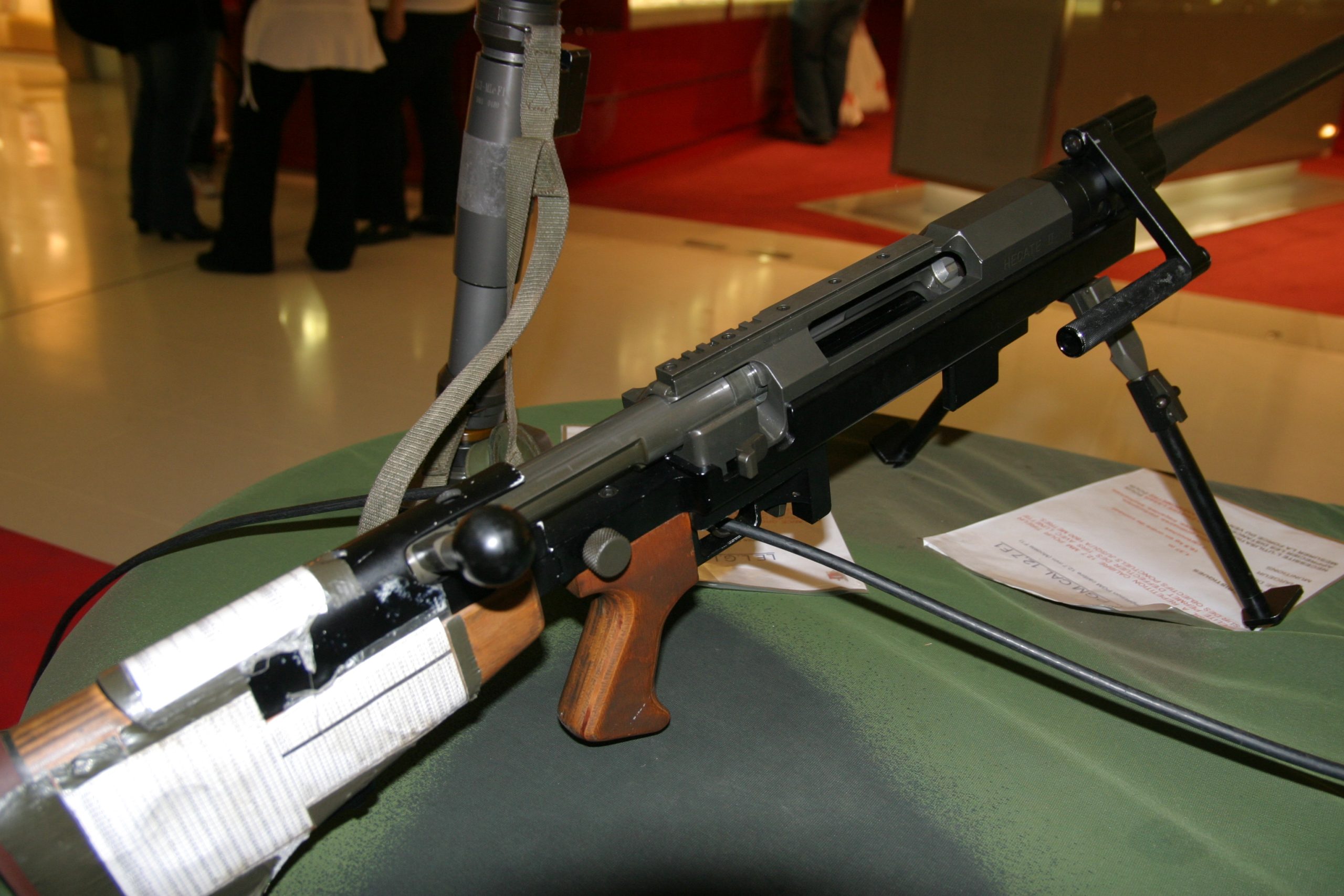
Gilles Payen was a self-taught French craftsman rather than a military veteran, yet his work answered a sniper-rifle requirement from France’s RAID police unit. Around 1991, Payen developed the Ultima Ratio. Its rigid chassis and floating match barrel emphasized precision and maintenance. RAID received the first 20 rifles in 1991, and PGM Précision was established in 1993 with partners. It proved that an independent designer could satisfy elite users. The project helped establish PGM Précision as a specialist maker, turning one successful police requirement into a broader family of precision rifles.
5. CheyTac M200 Intervention: Engineers Turn Ballistics Into a System
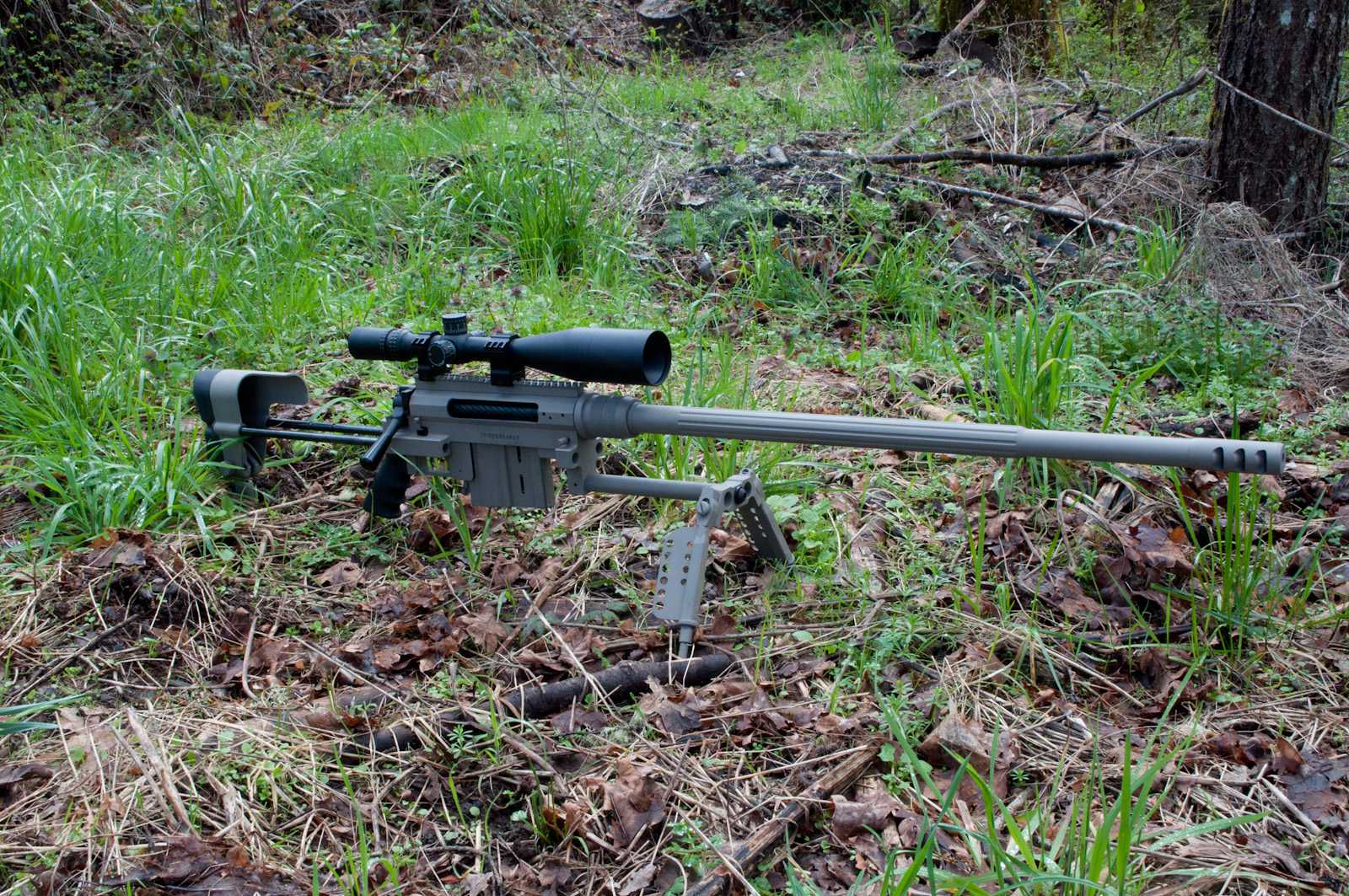
The M200 Intervention grew from a civilian engineering effort surrounding the .408 CheyTac concept. EDM Arms designer Bill Ritchie originally created the Windrunner, and CheyTac later worked with him to adapt the platform for the .408 cartridge. The system combined a repeating rifle, specialized ammunition, and ballistic computing. CheyTac describes it as a 7-shot takedown rifle with replaceable barrels. One early prototype reportedly maintained accuracy after more than 8,000 rounds. The designers treated the rifle, cartridge, and data as one system.
6. EDM Windrunner: The Civilian Platform Behind a Modern Precision Concept

Bill Ritchie of EDM Arms designed the Windrunner as a civilian-made precision platform, rooted in engineering and machining rather than military service. Its design mattered because CheyTac later used the Windrunner as the foundation for the M200-style .408 CheyTac system. The action followed a modular takedown concept. CheyTac’s history identifies Ritchie as the original designer and says the company approached EDM to scale the rifle for its cartridge. The Windrunner became a bridge between civilian innovation and military-style precision. The result helped give CheyTac a workable platform for its extreme-range idea.
7. McMillan M89: A Competition-Rifle Mindset Moves Into Precision Work
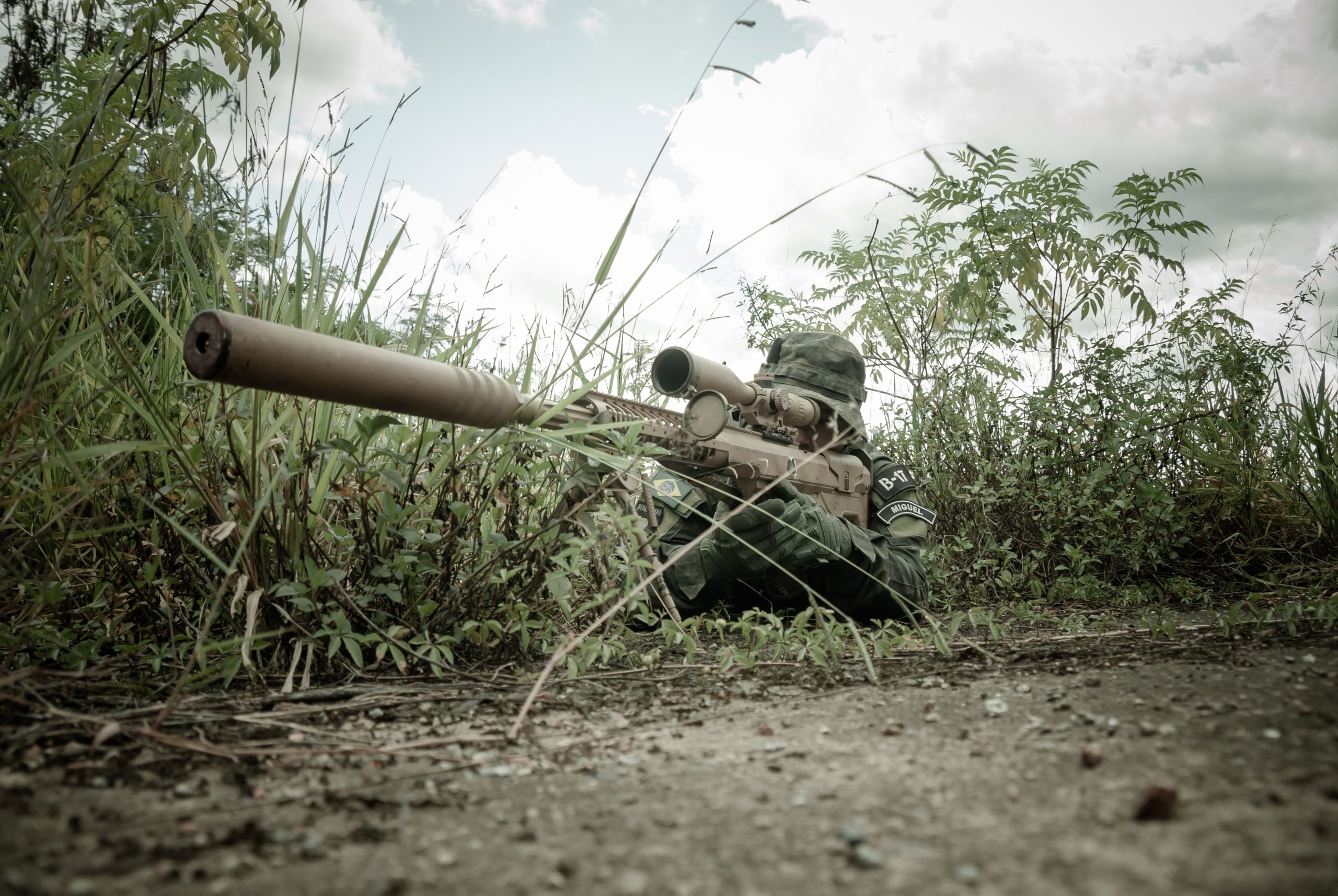
Gale McMillan entered the precision-rifle world from competition shooting and stockmaking. His reputation for accurate rifles attracted U.S. Marine Corps interest during the M40A1 program. McMillan supplied stocks, trained Marine armorers,s and helped shape the rifle, while the M89 represented his mature approach to specialized precision shooting. Introduced in 1989, the M89 became notable for its suppressed configuration, accuracy, and barrel life. More than 900 M40A1 rifles were supported by his stock program, illustrating civilian influence on military precision rifles.
8. PGM Hécate II: A Civilian Designer Enters the .50-Caliber World
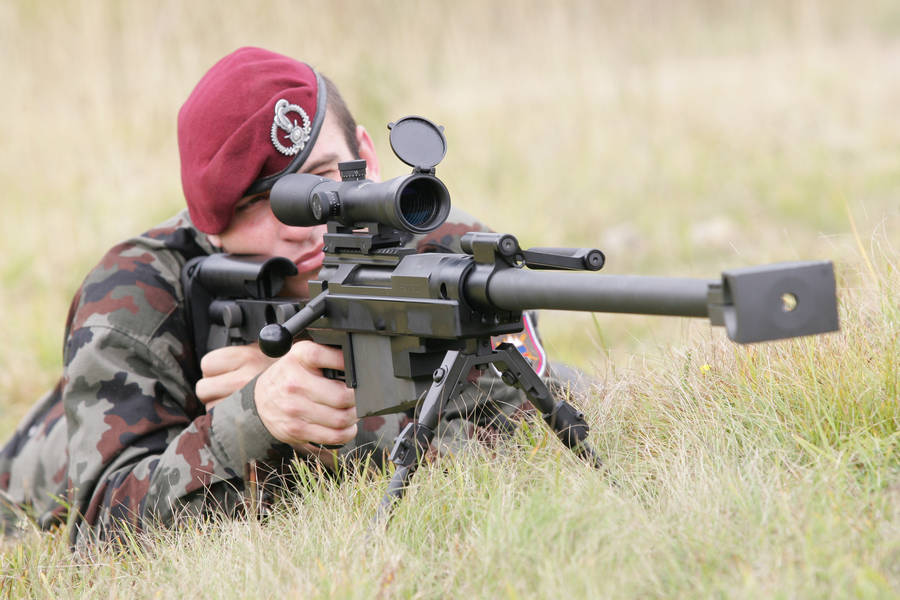
The PGM Hécate II extended Gilles Payen’s civilian design philosophy into the .50 BMG class. Payen had developed the earlier Ultima Ratio for France’s RAID police unit, then helped create a larger platform for long-range and anti-materiel requirements. The Hécate II uses a rigid chassis architecture and was adopted by the French military as its principal .50-caliber sniper rifle. PGM’s timeline records Hécate II winning a French Army tender in 1995. Its significance is the continuity of an engineer-led approach: a craftsman without a military career produced a formal service weapon.