A hunting license may look like a simple purchase, but the money behind it can support far more than permission to hunt. In the United States, license revenue helps state wildlife agencies manage game populations, maintain habitat, collect biological data, and provide access to hunting areas. Federal excise taxes on firearms, ammunition, and archery equipment add another important source of conservation funding. The exact breakdown varies by state, and not every dollar goes into the same account. These eight numbers reveal how the funding system works, where the money can go, and why buying a license matters beyond a single hunting season.
1. 50 Percent of the Formula Depends on State Size
The federal Wildlife Restoration Program does not simply return each state’s license fees to that state. One part of its allocation formula is based on geographic area: 50% reflects a state’s land and inland-water area, while the other 50% reflects its share of paid hunting licenses nationally. Both a large landscape and a strong base of license buyers can affect funding. The formula helps direct money to states with different conservation needs, but it is not a breakdown of how an individual hunter’s fee is spent. State budgets and approved projects determine the final use.
2. 11 Percent Can Be Collected on Sporting Equipment
A hunting license is only one part of the conservation funding system. Under the Pittman-Robertson Act, manufacturers generally pay an 11% federal excise tax on sporting firearms, ammunition, and archery equipment; certain handguns are taxed at 10%. The tax is collected from industry, not added as a separate line to every hunter’s license. The U.S. Fish and Wildlife Service distributes eligible revenue to state agencies for approved wildlife work. A purchase at a sporting-goods store can therefore support conservation even when the buyer is not going hunting.
3. More Than $1.2 Billion Was Apportioned in 2026
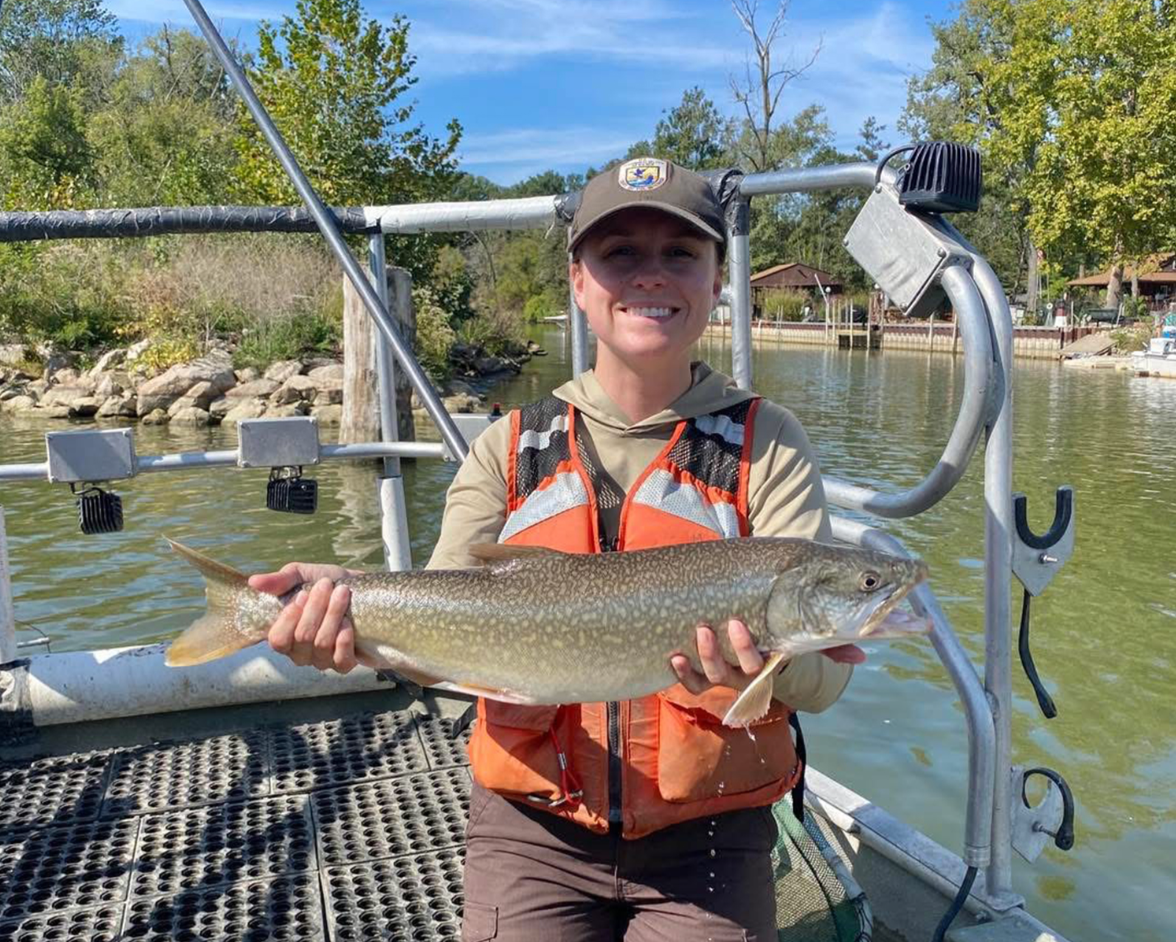
In February 2026, the U.S. Fish and Wildlife Service announced more than $1.2 billion in Wildlife and Sport Fish Restoration apportionments for states, commonwealths, and territories. The total combines programs supported by different taxes, so it is not hunting-license money alone. It shows the scale of the wider funding partnership behind outdoor recreation. States use approved grants for habitat work, wildlife management, research, hunter education, and public access. Exact allocations vary by program and location, and states apply for eligible grants.
4. Up to 75 Percent of an Approved Project May Be Covered
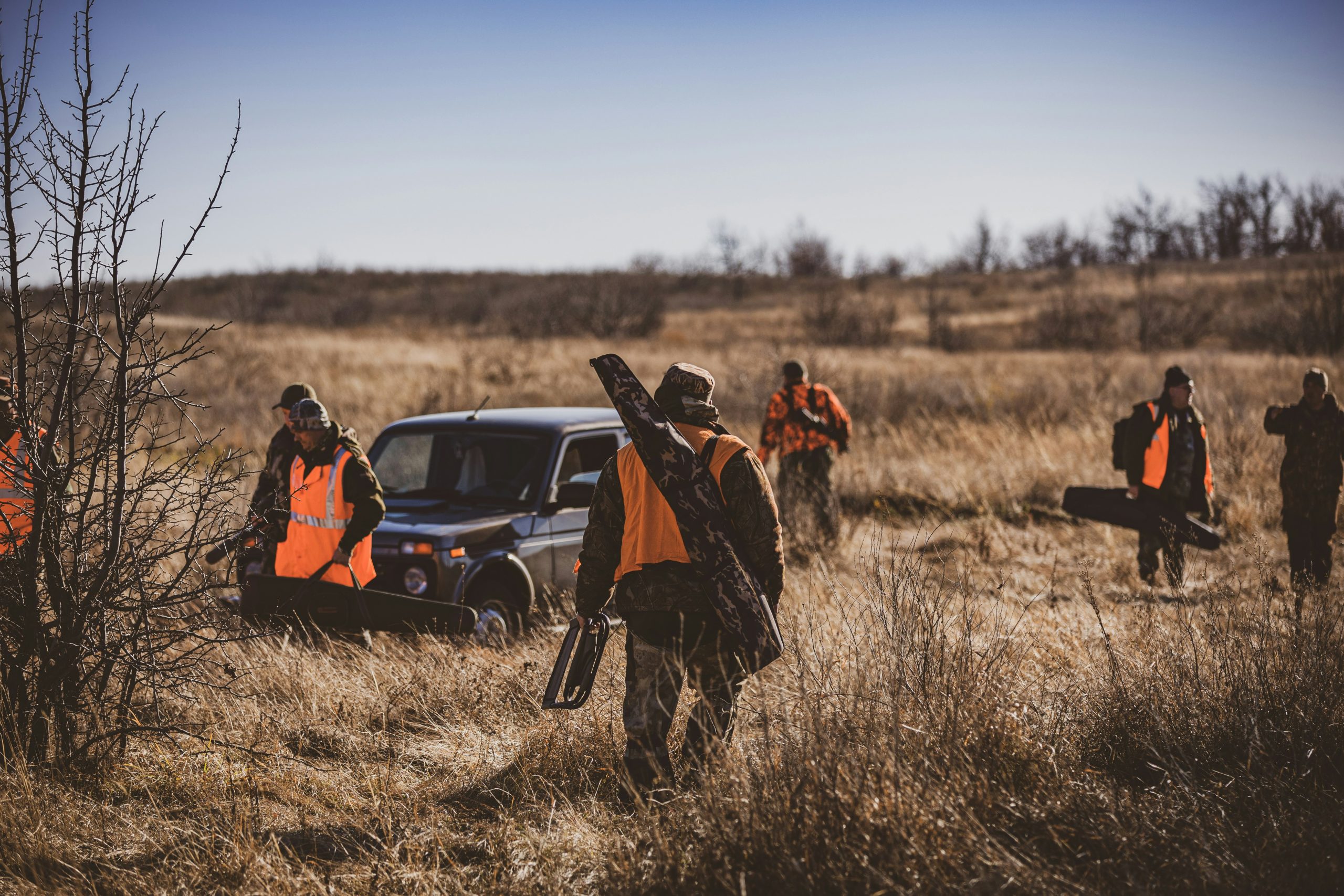
Federal restoration grants can cover up to 75% of eligible project costs, with states generally supplying the remaining share. That matching requirement matters because license revenue can help a state qualify for federal conservation dollars rather than paying every approved cost alone. It is not an automatic 75-cent return for each license; funding depends on statutory formulas, available revenue, grant approval, and eligible spending. When it works as intended, the match stretches conservation budgets across habitat management, wildlife research, access improvements, and hunter education.
5. 98 Cents of Each Duck Stamp Dollar Goes to Wetlands
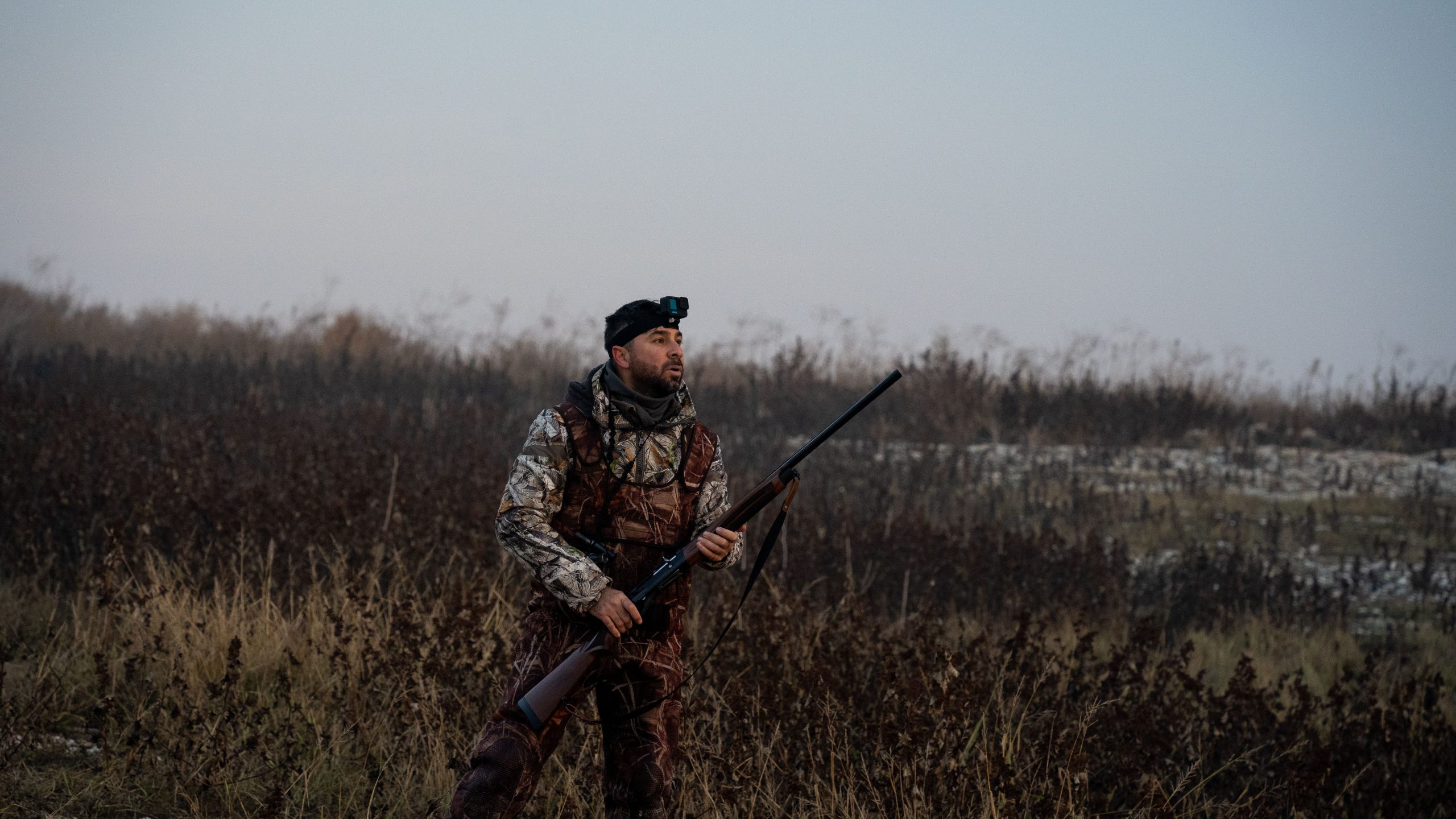
Waterfowl hunters may also buy a Federal Duck Stamp, separate from a state hunting license. According to the U.S. Department of the Interior, 98 cents of every dollar from stamp sales goes to a dedicated fund for conserving wetland habitat. The program has generated more than $850 million and helped protect over 5.3 million acres, according to the department. These figures do not describe ordinary license fees, but show how a hunting purchase can benefit ducks, geese, and wetland wildlife. Wetland protection helps other species as well.
6. 1937 Marks the Start of the Wildlife Restoration Act
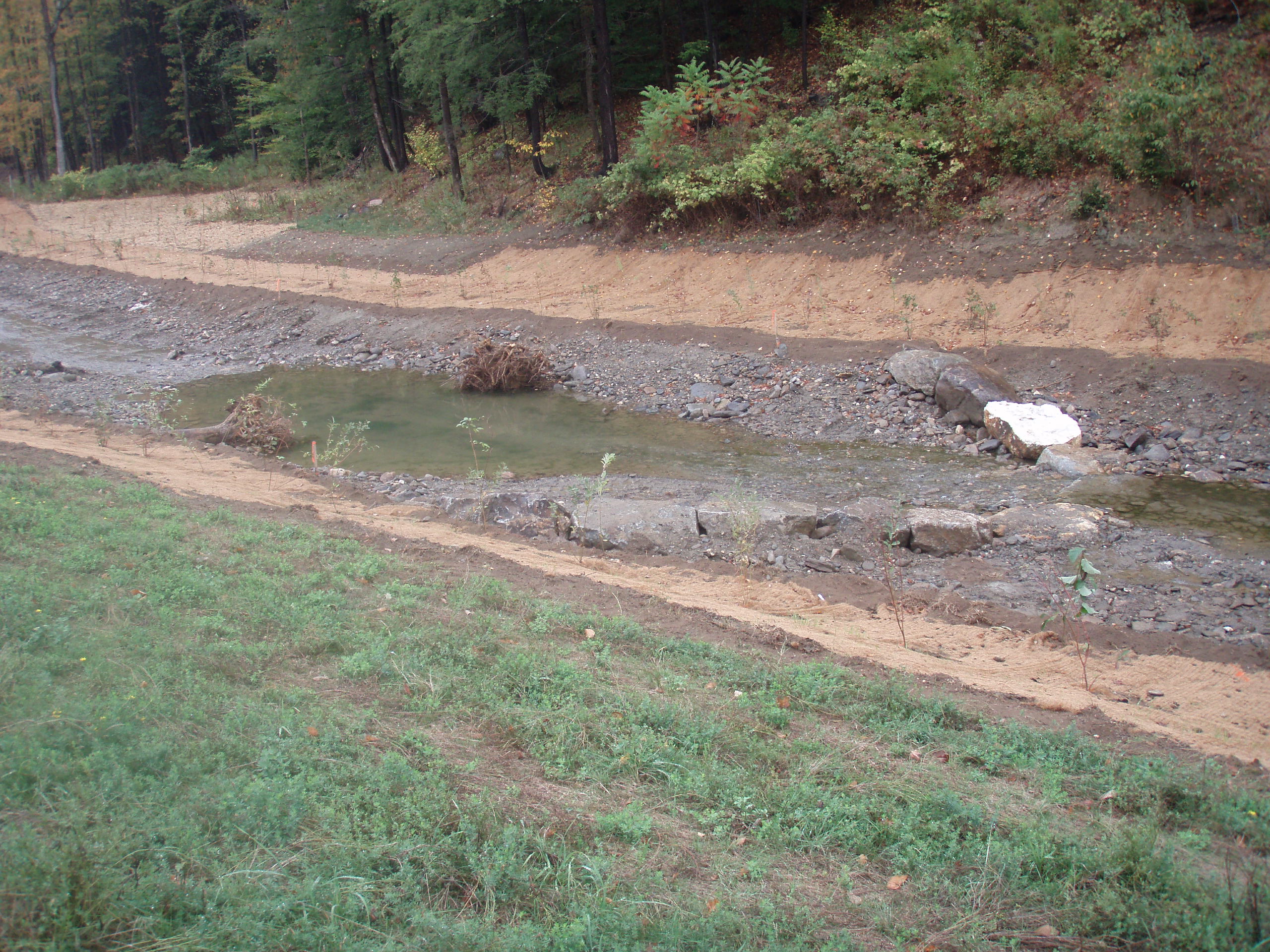
The Pittman-Robertson Wildlife Restoration Act became law in 1937, creating a lasting partnership between the federal government, states, and the outdoor-products industry. Its excise-tax revenue supports approved work involving wild birds and mammals, their habitats, public access, hunter education, and shooting ranges. Modern conservation funding therefore does not rely on license fees alone. License revenue helps state agencies operate and can provide matching funds, while federal equipment taxes add another stream. States do not all spend the money in the same way.
7. 25 Percent Is a Common State Matching Share
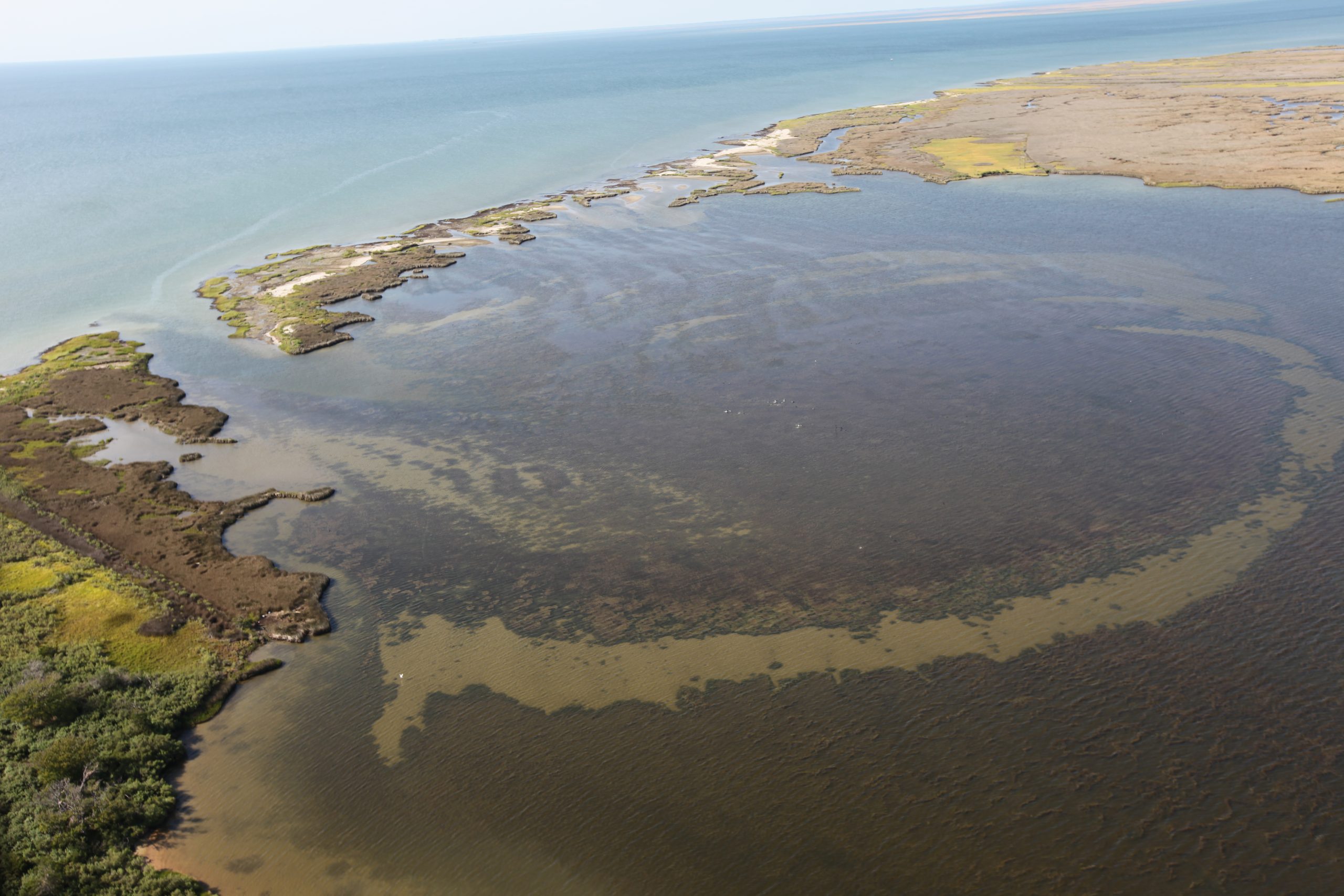
Many federal wildlife restoration projects require states to contribute a share of the cost, commonly 25%, although the precise requirement depends on the program and project. Hunting-license revenue is an important source for that contribution, and license money must remain dedicated to wildlife agency purposes under federal program rules. This creates a partnership rather than a single-source fund. For example, a qualifying project costing $100,000 might receive $75,000 in federal support and require $25,000 from the state. Actual awards depend on approval and eligibility.
8. 1 License Does Not Mean 1 Fixed Spending Breakdown
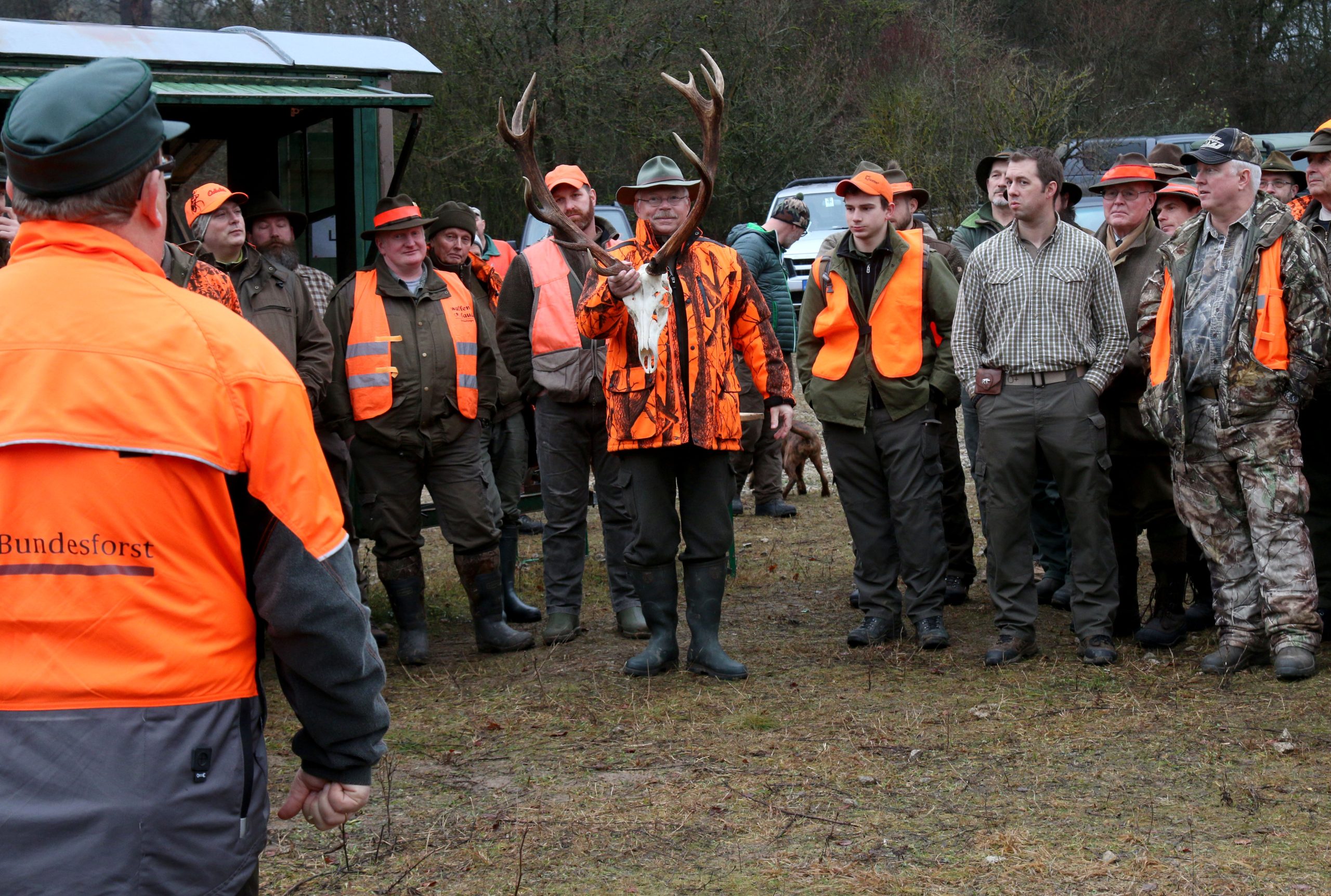
There is no national chart splitting every hunting license dollar into fixed percentages for habitat, salaries, research, or access. Prices, tags, budgets, and state laws differ, and some hunters buy licenses in multiple states. License revenue is generally restricted to fish and wildlife agency purposes under the federal restoration framework, but the exact allocation is state-specific. To trace the money, check your state wildlife agency’s annual budget, license-revenue report, and federal grant awards. Those records show actual spending. Check the latest published figures.