
The Marlin 336 has earned its reputation as one of America’s most recognizable lever-action rifles. Introduced in 1948, it became especially popular among hunters who appreciated its traditional design, practical handling, and dependable performance. Chambered primarily in .30-30 Winchester, the rifle has also appeared in other calibers and configurations over the decades. However, owning a Marlin 336 does not automatically mean understanding its particular characteristics. Differences between production generations, ammunition requirements, maintenance needs, and handling habits can all lead to avoidable mistakes. Here are eight common oversights that owners and prospective buyers should understand.
1. Assuming Every Marlin 336 Is the Same
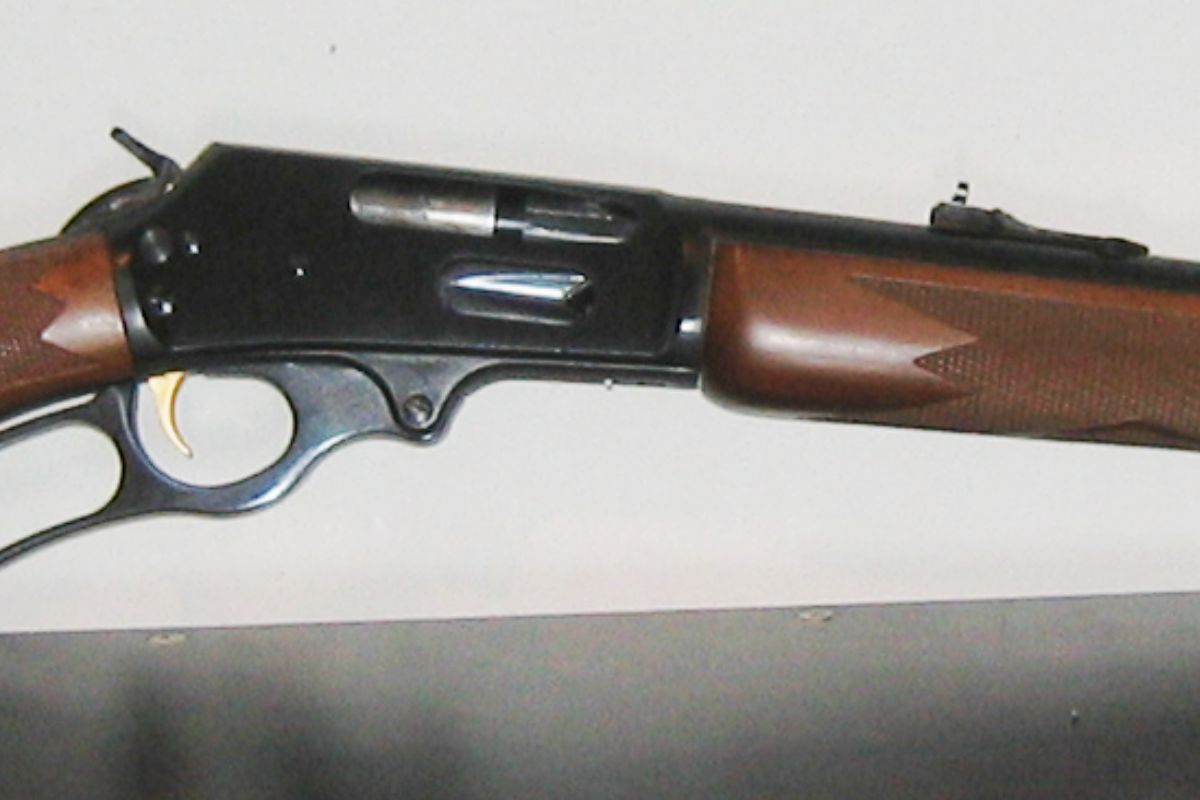
Treating every Marlin 336 as identical can lead to costly surprises, especially when buying used. The model dates to 1948, but its long production life includes changes in sights, finishes, safety arrangements, and markings. A rifle made decades ago may not match a current example, and older rifles can differ by variant. Before judging condition or ordering parts, identify the exact model designation, chambering,g and approximate production period. Check the markings and serial number through reliable Marlin information, then confirm uncertain details with the manufacturer or a qualified gunsmith. Assuming one manual or parts list covers every 336 is an avoidable mistake.
2. Using the Wrong Ammunition
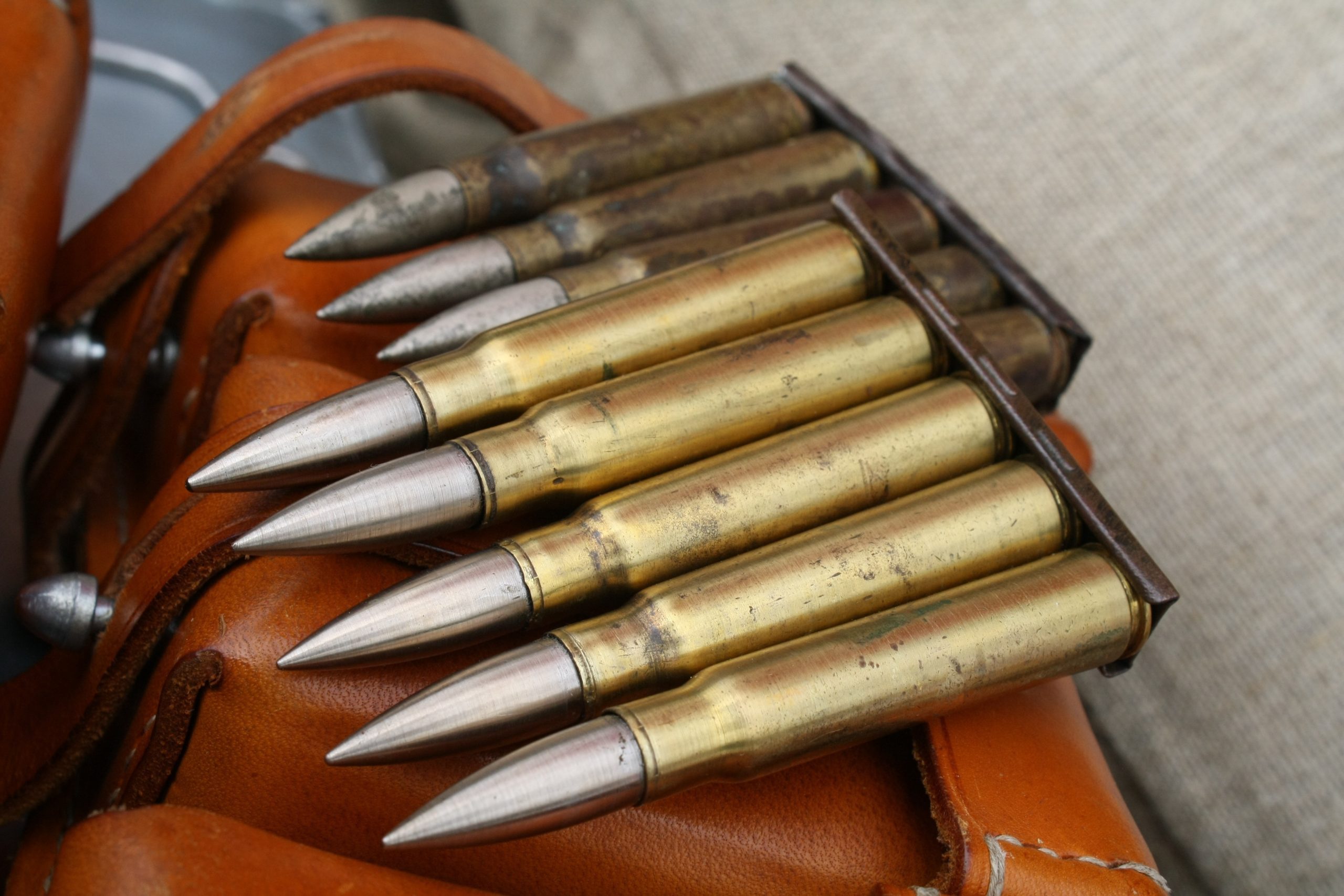
One of the most serious errors is choosing ammunition by appearance or by the rifle’s familiar model name. The 336 has been offered in more than one chambering, and the correct cartridge is the one explicitly marked on that individual rifle and specified in its matching owner’s manual. Never assume that a .30-30 Winchester example and a rifle in another chambering use interchangeable ammunition. Check every cartridge marking carefully and do not use damaged, corroded, altered,ed or questionable rounds. Marlin’s guidance calls for suitable factory ammunition that meets applicable industry standards; if the markings are unclear, stop and ask a qualified gunsmith rather than guessing.
3. Ignoring the Owner’s Manual

Some owners rely on the rifle’s age or reputation and skip the owner’s manual. That is a mistake because the 336’s controls and safety details vary across production periods, while newer and older manuals may describe different configurations. Marlin’s published manual specifically stresses reading and understanding the instructions before use. Locate the manual that matches the rifle’s model and generation, and treat it as essential reference material rather than optional paperwork. If the rifle’s safety, hammer, lever,ver or other control behaves unexpectedly, do not experiment or force it. Keep the firearm unloaded and have a qualified gunsmith inspect it before it is used again.
4. Overlooking Condition When Buying Used

Buying a used 336 without a careful condition assessment can turn a classic find into an expensive project. Attractive wood, clean bluing,uing or a desirable date do not prove that the rifle is mechanically sound. Look for warning signs such as deep corrosion, cracks in the stock, damaged screws, evidence of amateur alteration,ation or parts that appear mismatched. A seller’s claim that it has barely been fired is not a substitute for a professional inspection. Have a qualified gunsmith assess the rifle’s overall condition and safety, particularly if its history is unknown. The cost of an inspection is small compared with the consequences of trusting an unverified firearm.
5. Neglecting Regular Cleaning and Storage
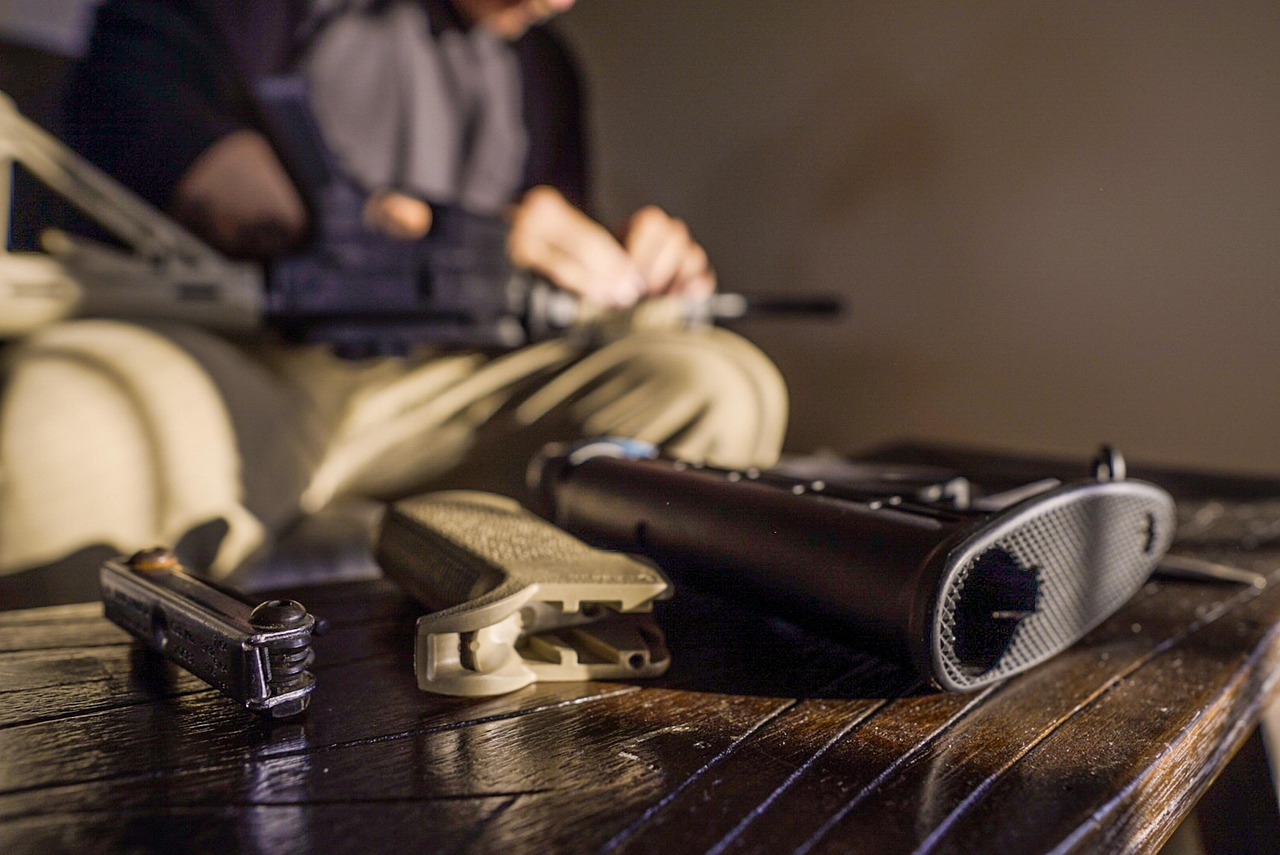
Another common oversight is treating cleaning and storage as occasional chores. A hunting rifle can collect moisture, dust, and residue even when it spends most of its time in a cabinet. Neglect may encourage corrosion on exposed metal and can affect long-term condition, especially after use in rain or humid weather. Follow the care instructions for the exact 336 variant, use suitable products sparingly, and make sure the firearm is unloaded before any cleaning. Marlin’s manual also warns against storing a firearm in a carrying case for long periods. Store the rifle securely in a dry, ventilated location, with ammunition locked separately and inaccessible to children.
6. Attempting Improvised Repairs

Some owners assume a familiar lever-action design makes home repair straightforward. That confidence can be misplaced. The Model 336 contains fitted components and safety features that should not be altered, bypassed, or casually replaced. Marlin warns users not to modify or disable safety mechanisms, and its manuals caution against incorrect disassembly or reassembly. If a lever feels abnormal, feeding is unreliable, or the action fails to function as expected, stop using the rifle rather than forcing it or attempting an improvised fix. A qualified gunsmith familiar with Marlin lever actions should diagnose mechanical problems and determine whether replacement parts are appropriate.
7. Choosing Incompatible Accessories

Choosing accessories without checking the exact rifle is another avoidable mistake. The 336 has appeared in many configurations, including different barrel lengths, sights, stocks,s and chamberings. An accessory advertised as fitting a ‘Marlin 336’ may not suit every variant. Before purchasing, verify compatibility with the manufacturer’s specifications and ask a qualified gunsmith when needed. Avoid alterations involving cutting, drilling,ng or safety-related components without professional assessment. Accessories should never compromise safe operation. A classic rifle does not need every add-on; preserving its condition and safe function should come first.
8. Becoming Careless With Basic Safety

Finally, some owners become casual about handling because the 336 is often associated with traditional deer hunting and familiar sporting use. Familiarity should never replace discipline. Treat the rifle as loaded until it has been personally verified clear, keep its muzzle pointed in a safe direction, and keep fingers away from the trigger unless ready to fire. Never rely on a mechanical safety as a substitute for careful handling. Use appropriate eye and hearing protection, confirm the target and what lies beyond it, and transport and store the firearm unloaded and locked. These basic habits apply whether the rifle is a new purchase or a family heirloom.