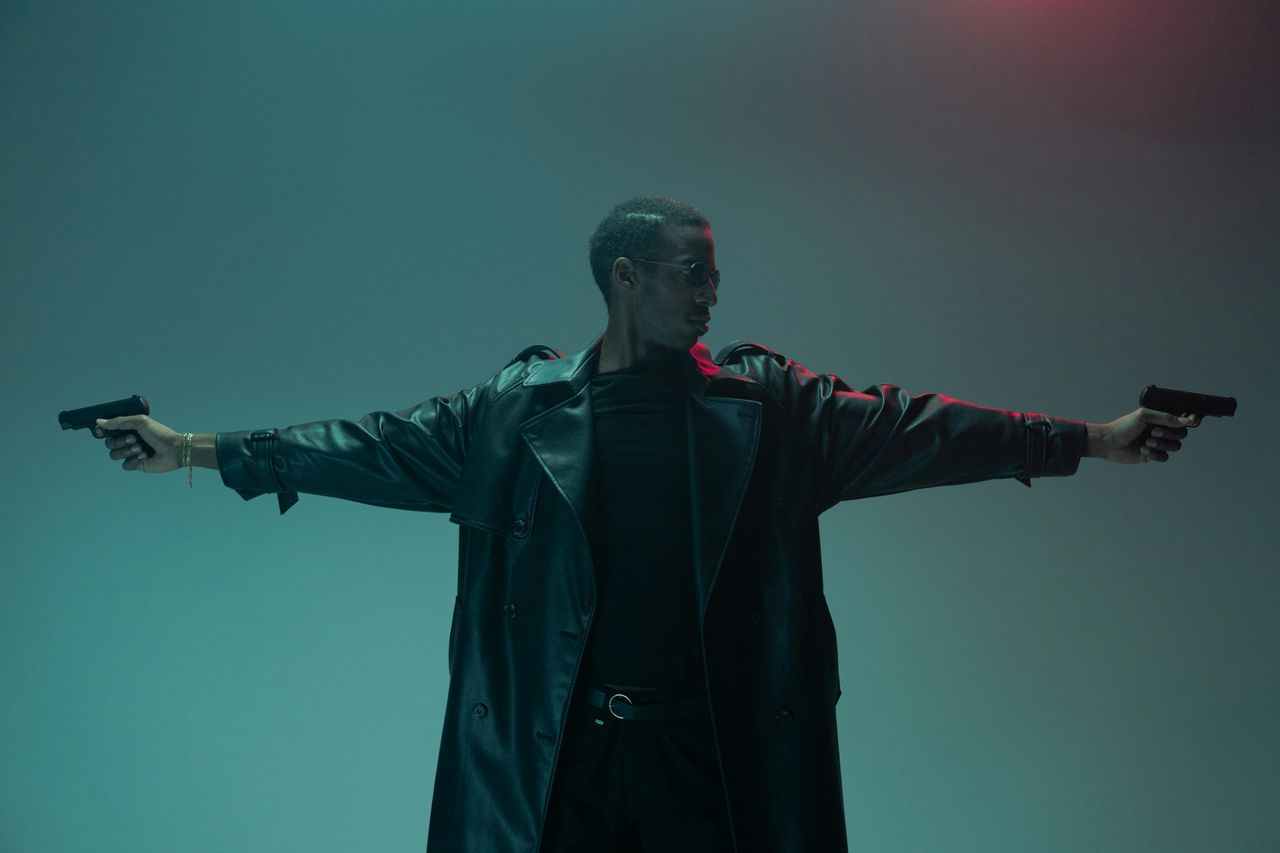
Movies can turn almost any firearm into a legend, from sleek spy pistols to oversized cannons that seem to defy physics. But the real versions are usually less magical, more specialized, and far more constrained by mechanics, recoil, and purpose. This gallery looks at 10 guns made iconic by Hollywood and explains what they really do when the cameras are not rolling.
Walther PPK

The Walther PPK is forever tied to James Bond, where it comes across as the perfect gentleman spy pistol: slim, elegant, and instantly authoritative. Onscreen, it feels like a magic wand in a tuxedo, equally useful in a casino, a car chase, or a rooftop fight.
In real life, the PPK is a compact blowback-operated handgun built for concealment and close-range personal defense. It is easy to recognize and historically important, but it is not a powerhouse, and its small size can make it snappier to shoot than movies suggest.
Its real strengths are portability and classic design, not endless capacity or cinematic stopping power. That makes it more of a discreet carry gun than an all-purpose action hero sidearm.
Beretta 92FS

The Beretta 92FS became an action-movie celebrity thanks to films like Die Hard and Lethal Weapon, where it was often the default sidearm for cops, heroes, and anyone who needed to fire dramatically through a cloud of sparks. Hollywood loved its profile, its size, and the visual rhythm of its slide.
Outside the movies, the 92FS is a full-size 9mm semi-automatic pistol known for reliability, controllability, and military service history. It offers good capacity and a smooth shooting experience for many users, especially compared with smaller handguns.
What it does best is steady, practical sidearm work. It is accurate and proven, but it is not a recoil-free supergun and certainly does not make every shooter instantly look like a veteran detective.
Desert Eagle

Few guns owe more to Hollywood than the Desert Eagle. In movies, music videos, and video games, it is presented like the ultimate hand cannon, a massive pistol that signals instant danger, swagger, and larger-than-life force before a character even pulls the trigger.
In reality, the Desert Eagle is a very large gas-operated semi-automatic handgun chambered in powerful calibers such as .50 AE. It is heavy, bulky, expensive to feed, and challenging for many shooters to handle well. That bulk helps absorb recoil, but it is still a demanding gun.
Its practical role is limited compared with ordinary defensive pistols. The Desert Eagle is more of a niche enthusiast firearm, prized for novelty and power, not a realistic everyday sidearm for action scenes or concealed carry.
Smith & Wesson Model 29

(Original text: kaltduscher)/Wikimedia Commons
Dirty Harry made the Smith & Wesson Model 29 the revolver of revolvers. Onscreen, it became a symbol of raw authority, with the famous .44 Magnum chambering framed as almost mythic, as if one shot could settle any argument in a city block.
The real Model 29 is a powerful double-action revolver that fires a cartridge with serious recoil, noise, and muzzle blast. It can be exceptionally accurate in practiced hands, and hunters and handgun enthusiasts have long respected it for that strength.
What the movies blur is how demanding it can be to control quickly. This is not a casual point-and-shoot sidearm. It is a serious revolver that rewards skill, patience, and a firm grip far more than dramatic one-liners.
Colt Single Action Army

The Colt Single Action Army is the heartbeat of the Western. In classic Hollywood, it is the revolver of sheriffs, outlaws, drifters, and duels at high noon, often spun, drawn, and fired with a speed that suggests every frontier citizen was a trick shooter.
Historically, it was an influential late-19th-century revolver with a simple and durable single-action design. The shooter must manually cock the hammer before each shot, which is a slower and more deliberate process than many screen gunfights imply.
Its real legacy is cultural as much as mechanical. The gun helped define an era, but in practical terms it is a six-shot revolver rooted in old-school handling, not the rapid-fire instrument of movie cowboy fantasy.
Winchester Model 1892

If a lever-action rifle appears in a Western, chances are audiences mentally file it under John Wayne territory. The Winchester 1892 became one of Hollywood’s favorite long guns because it looked right on horseback, in saloons, and in sweeping frontier landscapes.
In real life, the Model 1892 is a compact lever-action rifle designed for pistol-caliber cartridges. It cycles through manual lever operation, which can be fast with practice, but not with the endless, effortless speed often shown in films.
Its genuine appeal lies in handling and heritage. It is handy, mechanically satisfying, and historically significant, yet it belongs to a world of limited capacity and manual action, not nonstop movie barrages without pause or reloads.
AK-47
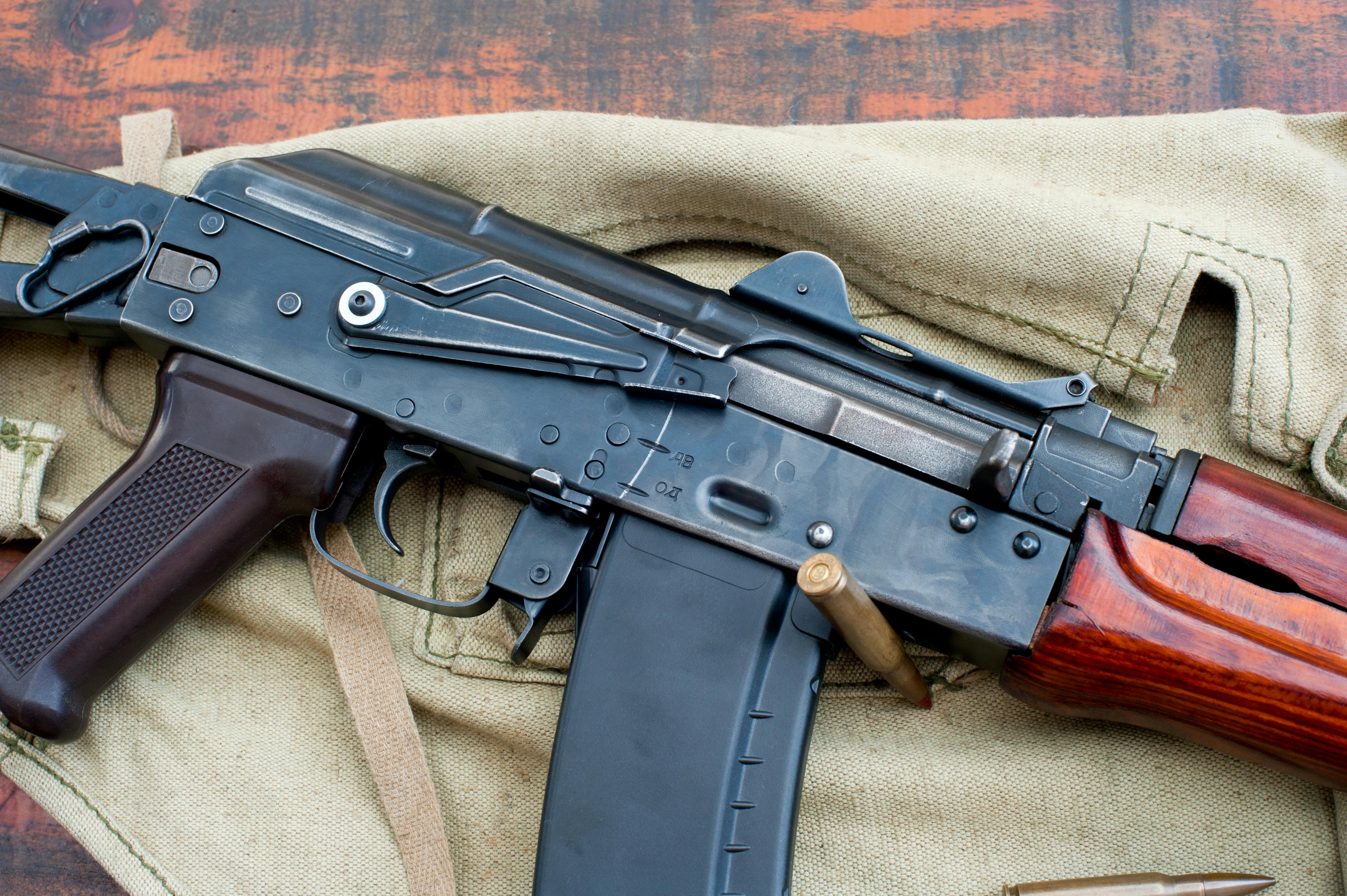
Hollywood has long treated the AK-47 as the universal rifle of rebels, villains, militias, and war zones. It is usually portrayed as rugged to the point of absurdity, capable of firing forever, hitting anything, and surviving every explosion, dust storm, and rooftop chase imaginable.
The real AK platform is indeed famous for durability and simplicity, especially under rough conditions. It is a gas-operated, magazine-fed rifle chambered most commonly in 7.62×39mm, designed for practical combat effectiveness rather than precision-target glamour.
Still, the movie version tends to flatten all nuance. AK-pattern rifles vary widely by manufacturer and configuration, and while they are dependable, they are not mystical machines immune to maintenance, ammunition limits, or shooter error.
MP5

derivative work: Regi51/Wikimedia Commons
Thanks to action films and counterterror dramas, the MP5 became the gold standard of sleek tactical cool. It is the submachine gun of black uniforms, hostage rescues, and precision raids, often presented as near-silent, ultra-accurate, and almost surgically effective in close quarters.
The real Heckler & Koch MP5 is a 9mm submachine gun known for controllability, compact size, and a roller-delayed operating system. It earned genuine respect among military and police units, especially before shorter rifles became more dominant in many roles.
What it actually does is provide manageable automatic or burst fire in a compact package. It is highly capable, but not whisper-quiet by default, and it still demands training, ammunition discipline, and mission-specific use beyond movie glamour.
Barrett M82

The Barrett M82, often casually called a .50 caliber sniper rifle in movies, is usually portrayed as the answer to every impossible shot. Onscreen, it can destroy vehicles, launch enemies backward, and somehow serve as a portable cannon for any hero with enough attitude.
In real life, the Barrett is a large semi-automatic rifle chambered in .50 BMG, built for long-range fire and anti-materiel roles. That means it is often better suited to engaging equipment, barriers, or specialized targets than serving as a standard precision rifle in every scenario.
It is heavy, loud, and far from discreet. The dramatic power is real, but so are the practical realities: weight, recoil, logistics, and the fact that carrying one around all day is nothing like a movie montage.
Glock 17

The Glock 17 became a staple of modern thrillers, police dramas, and spy stories, partly because it looks clean, contemporary, and businesslike. Its screen image is so strong that it often stands in for the generic modern handgun, whether the plot involves detectives, bodyguards, or international intrigue.
In reality, the Glock 17 is a polymer-framed, striker-fired 9mm pistol known for simplicity, durability, and widespread adoption by law enforcement and civilians. Its reputation comes from practical design choices, not cinematic flash.
What it really does is deliver dependable sidearm performance in a relatively lightweight package. It is easy to understand why professionals adopted it, but there is nothing supernatural about it. The appeal is consistency, not movie-star mystique.