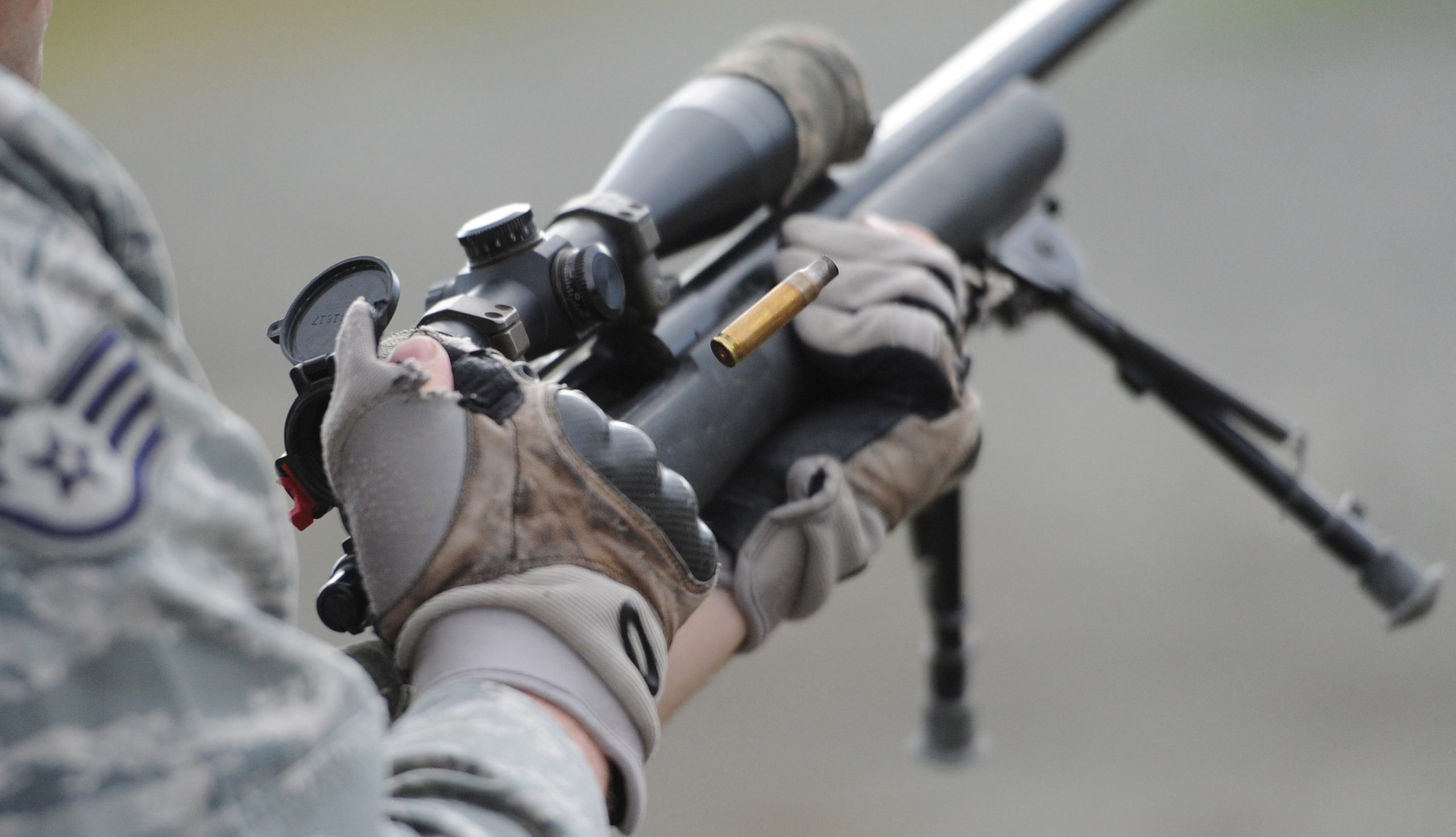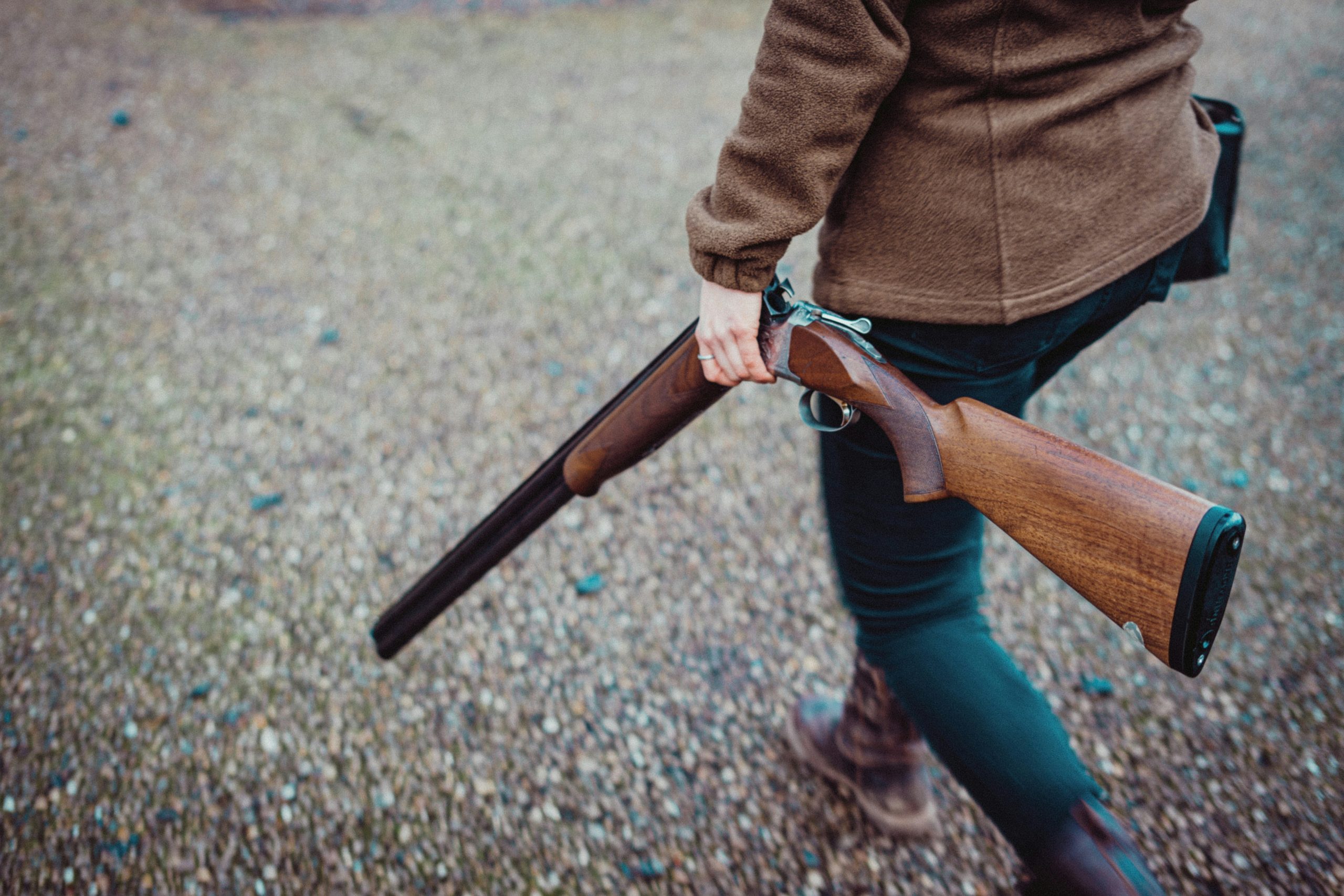
Some firearms become famous for reasons that have little to do with their complete real-world record. A wartime problem can follow a design for decades, while a movie image can make another gun seem far more capable than it really is. Others develop reputations that are simply too extreme, either glorifying their strengths or exaggerating their weaknesses. Looking at design, service history, specifications, and documented performance gives a more balanced picture of what these eight firearms actually delivered.
1. M16
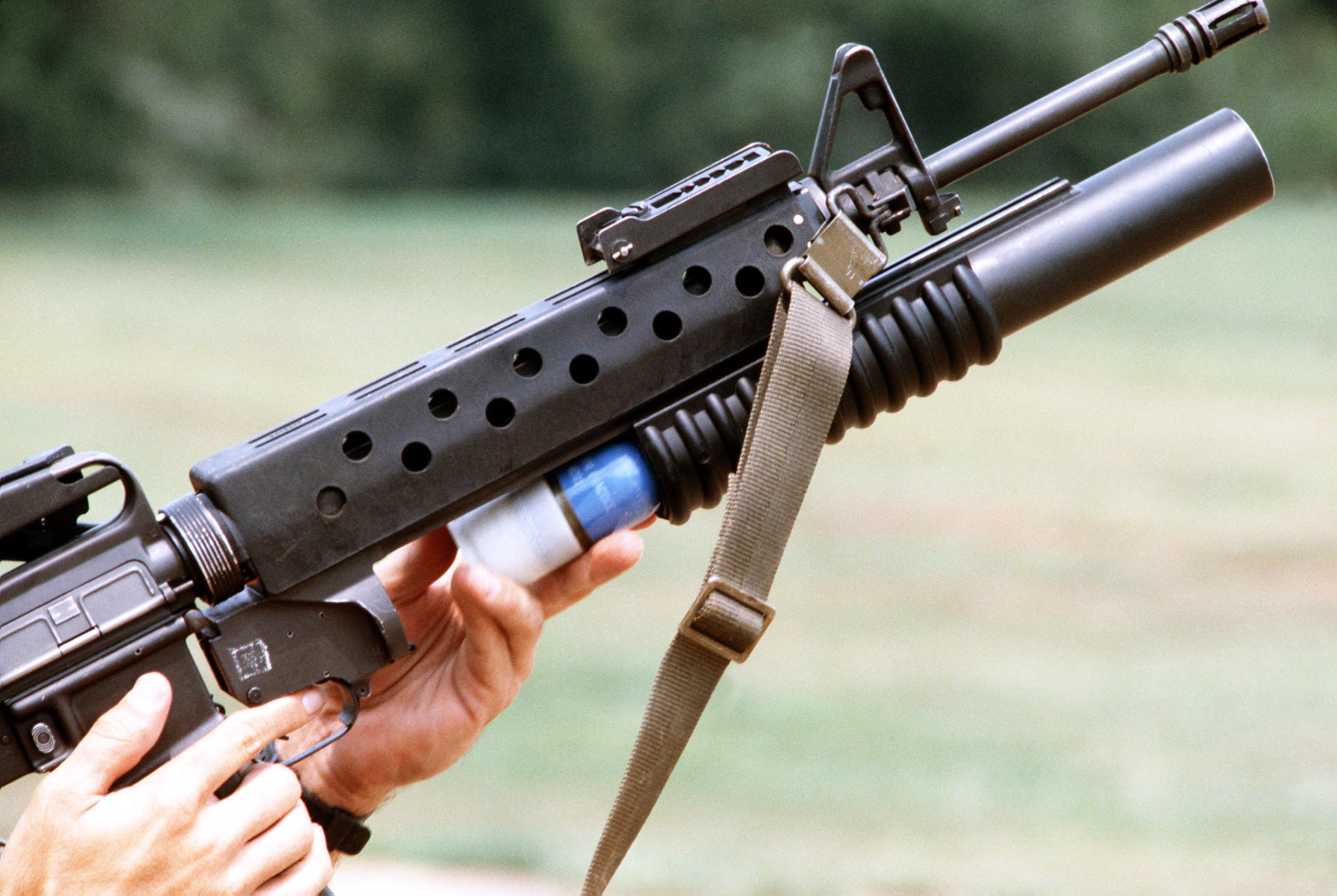
The M16 is still linked to the early Vietnam-era reliability crisis, but that reputation does not describe its mature form. The original problem involved ammunition powder changes, inadequate maintenance support, and early component issues. Later improvements added chrome-lined chambers and bores, forward assists, and revised bolt components. The rifle remained light at about 7.5 pounds in common configurations and used a 20-round magazine. Its later service record shows a system that became considerably more dependable than its old stereotype suggests.
2. AK-47
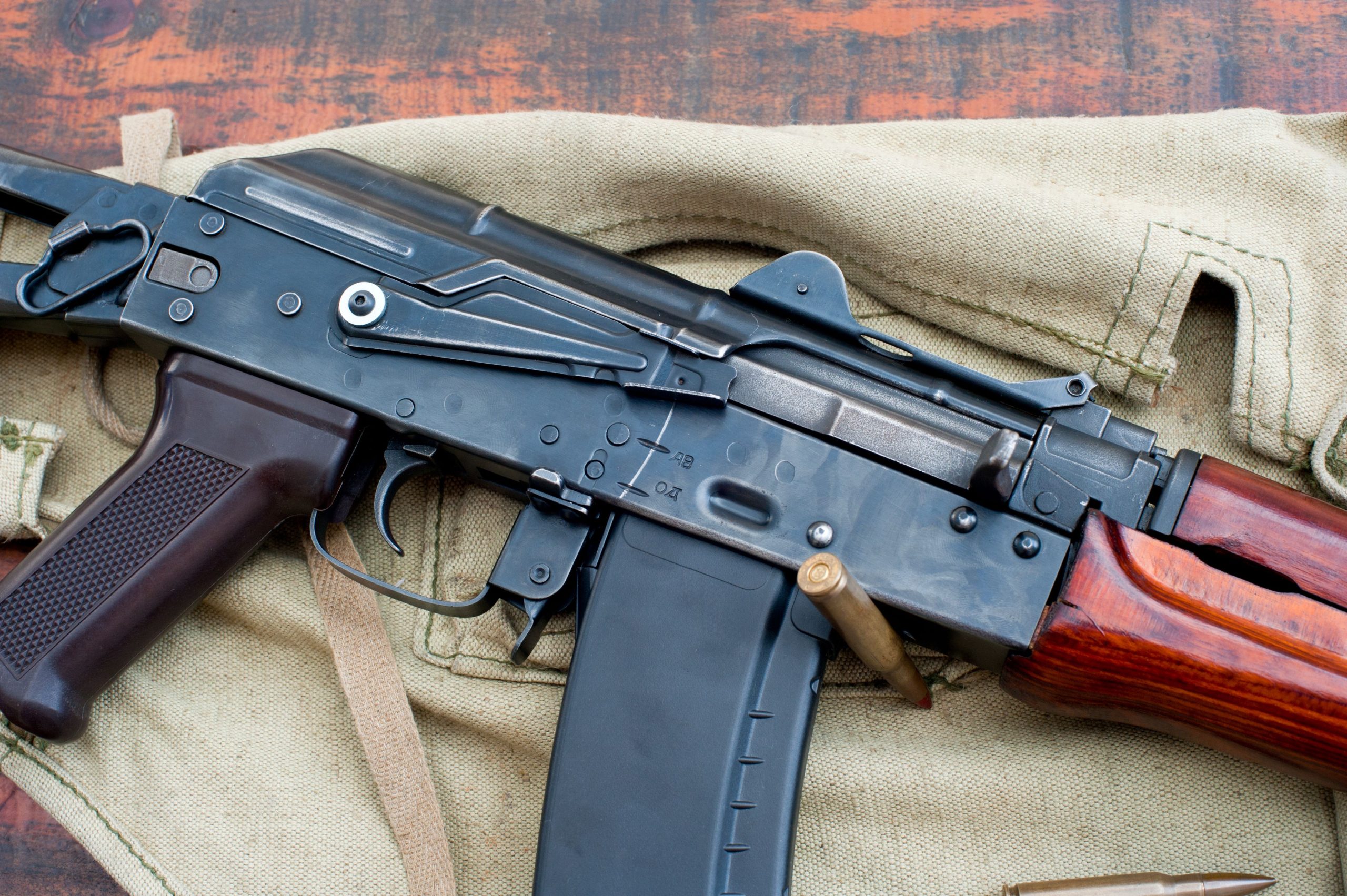
The AK-47 is often treated as an almost magical machine that is both indestructible and inherently inaccurate. The reality is more balanced. Its long-stroke piston system, generous clearances, and rugged construction can tolerate neglect well, but ammunition, magazines, and manufacturing quality still matter. Accuracy is also better than the caricature suggests. A typical military-pattern 7.62x39mm rifle is not a precision arm, yet the platform can produce useful practical accuracy at moderate ranges. Its reputation is extreme in both directions.
3. FN FAL
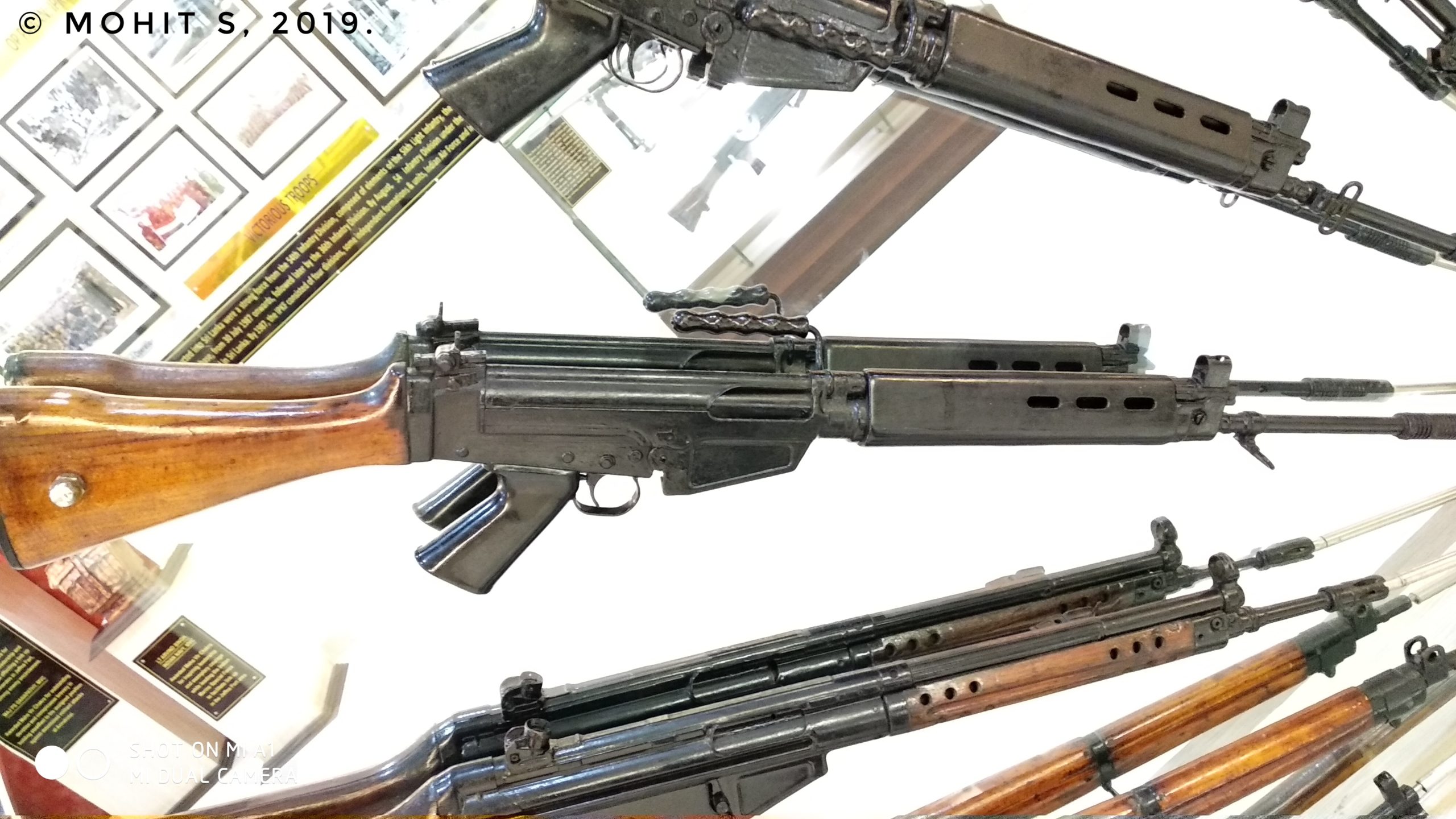
The FN FAL became known as the Right Arm of the Free World, a nickname that can make it sound universally dependable in every environment. Its actual record is more complicated. The rifle was adopted by more than 90 countries and offered strong reliability, controllable gas adjustment, and a robust 7.62 NATO package. Yet Israeli experience in sandy conditions exposed limits that helped push the country toward the AK and later the Galil. At roughly 9 to 10 pounds, the FAL also carried substantial weight compared with later 5.56mm rifles. Its reputation is impressive, but not flawless.
4. Desert Eagle
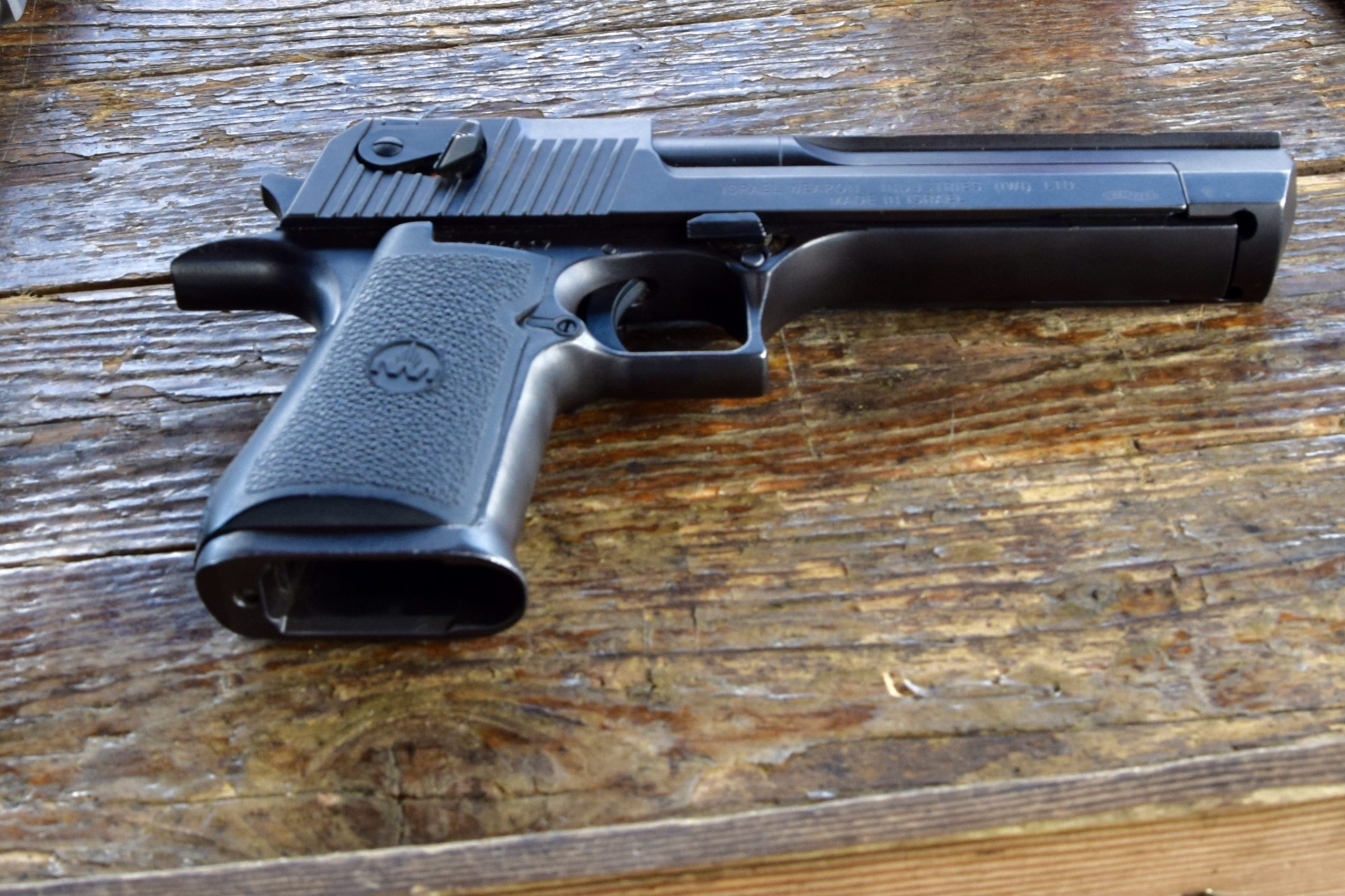
The Desert Eagle has a movie reputation as a gigantic hand cannon that is almost impossibly powerful and difficult to control. Its real performance is more specialized. The gas-operated design is unusually large for a semiautomatic pistol, and the .50 Action Express version can weigh around 4.5 pounds unloaded. That mass helps absorb some recoil, but it also makes the pistol bulky. Magazine capacity is typically 7 rounds in .50 AE, reinforcing its niche character. It can be accurate with suitable ammunition, but its reputation as an everyday powerhouse overstates its versatility.
5. Mosin-Nagant
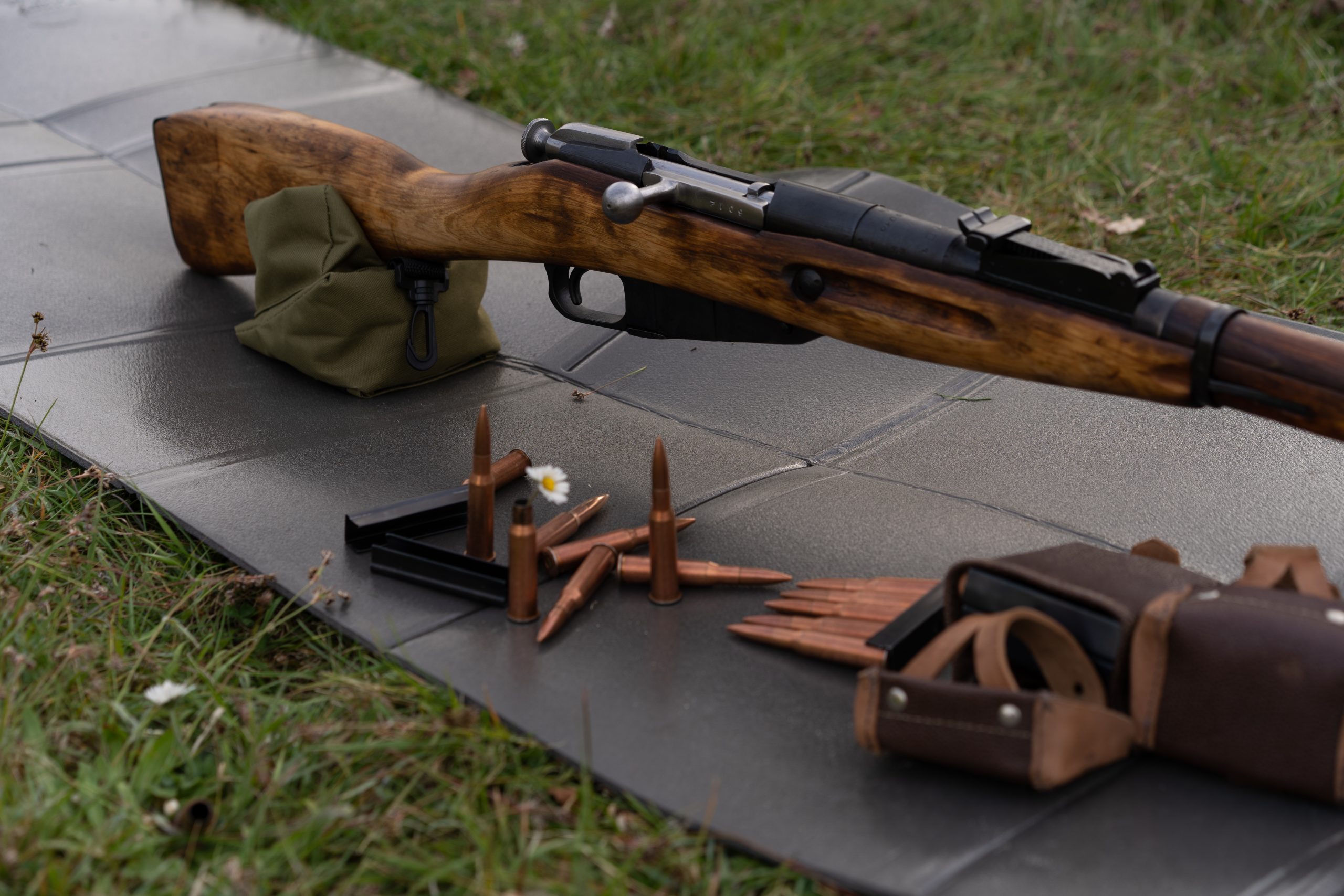
The Mosin-Nagant is sometimes dismissed as a crude wartime rifle that survives mainly because millions were produced. That view overlooks how capable the basic design could be. The Model 1891/30 used a 7.62x54mmR cartridge, a five-round internal magazine, and a bolt action designed for mass military service. Its roughly 48.5-inch overall length and weight near 8.8 pounds made it long and heavy, but also gave it a steady feel. Manufacturing quality varied across factories, so individual rifles can differ greatly. Calling the platform simply inaccurate misses much of its service performance.
6. 1911
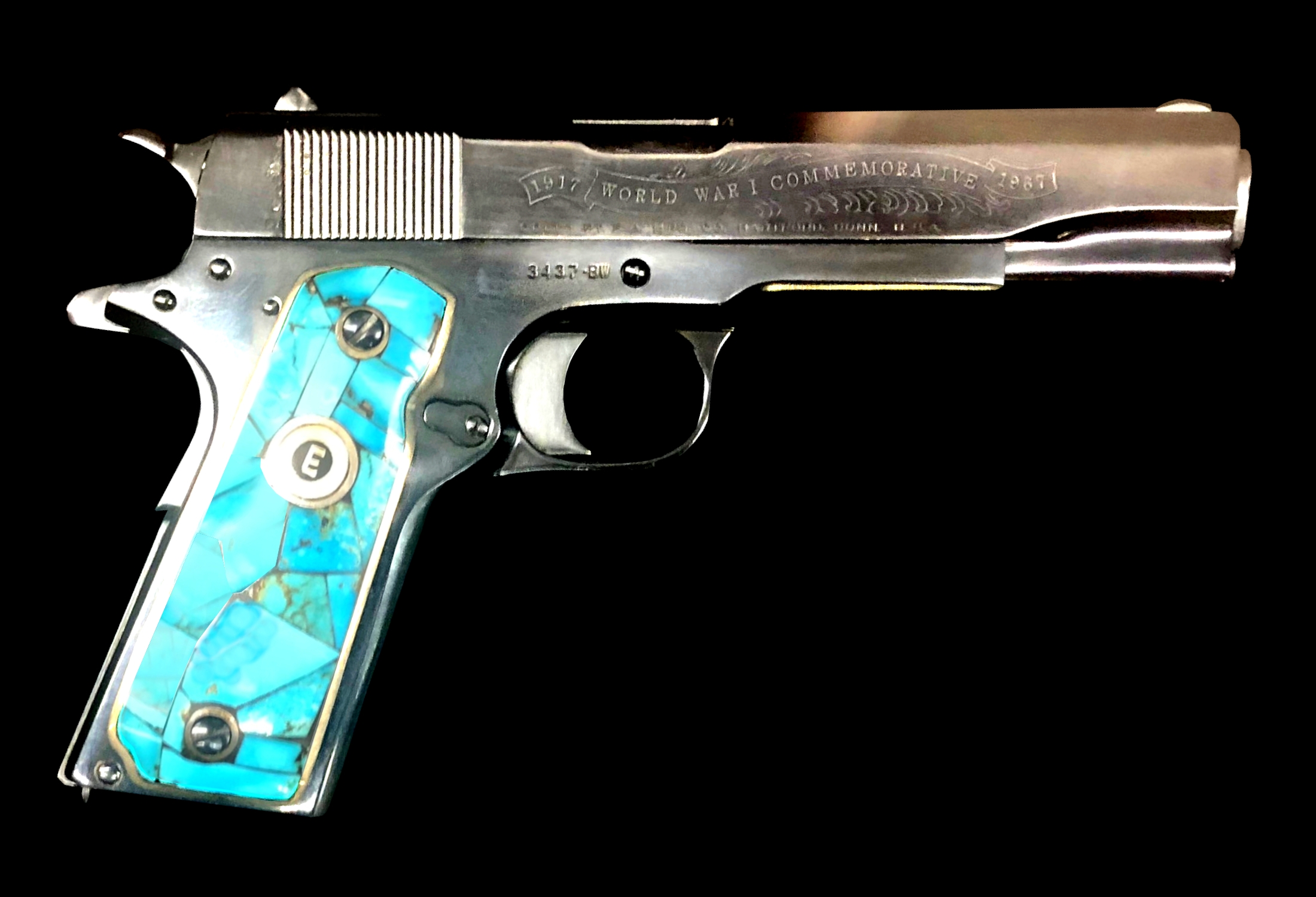
The 1911 is often portrayed in two opposite ways: either as an unreliable antique or as a flawless fighting pistol. Neither description fits the whole design. John Browning’s pistol became the U.S. military sidearm in 1911 and remained in official service for decades, while the basic .45 ACP version uses a 7-round magazine. Reliability can be excellent in a properly fitted example, but tightly fitted competition-style versions may be less forgiving than loose service pistols. Modern 1911s vary widely by maker and configuration. Its reputation depends heavily on which 1911 is being discussed.
7. StG 44
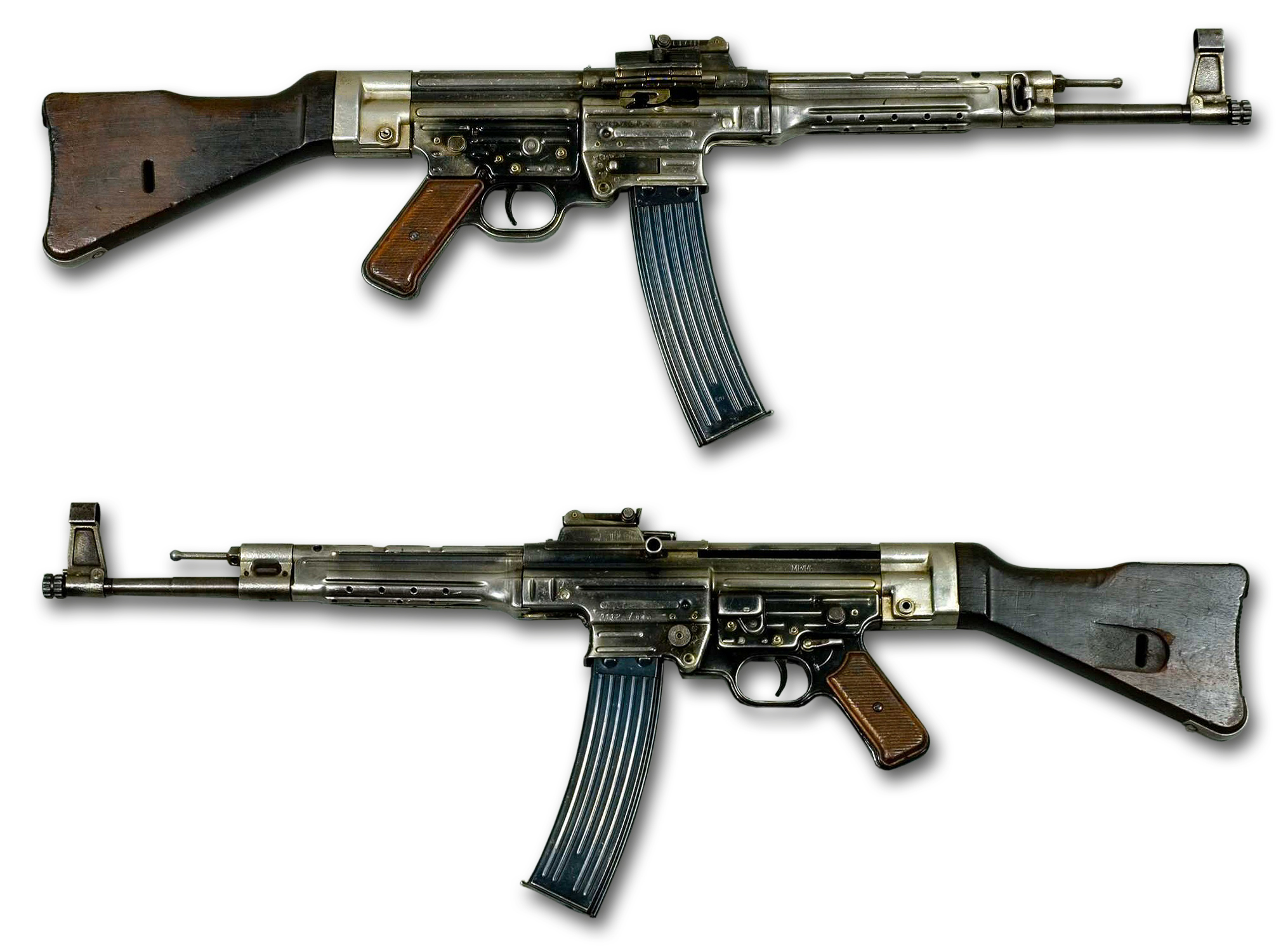
The StG 44 is often remembered as a revolutionary weapon that single-handedly created the modern assault rifle. Its influence was real, but the legend can obscure its practical shortcomings. Chambered for the 7.92x33mm Kurz cartridge, it offered a 30-round magazine and selective fire in a package between rifles and submachine guns. However, it was relatively heavy at about 11 pounds loaded, and Germany produced it late in World War II under severe material constraints. Its historical importance is enormous, but its battlefield performance was not an effortless technological leap.
8. Glock 17
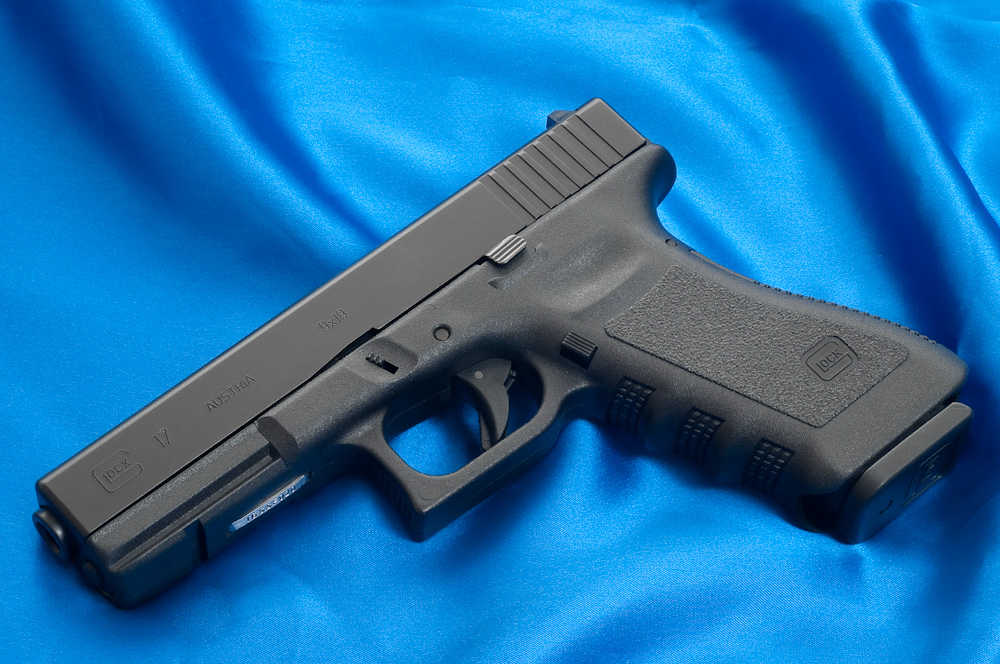
The Glock 17 has acquired a reputation for being almost indestructible, which is stronger than what any mechanical device can promise. Its lightweight polymer frame, simple striker-fired system, and 17-round magazine helped establish a new service-pistol pattern after its introduction in the early 1980s. The design has a long record of dependable service, but reliability still depends on magazines, ammunition, maintenance, and individual examples. The pistol is not automatically the easiest handgun for every shooter. Its reputation is strong, but the idea that it cannot malfunction is myth.