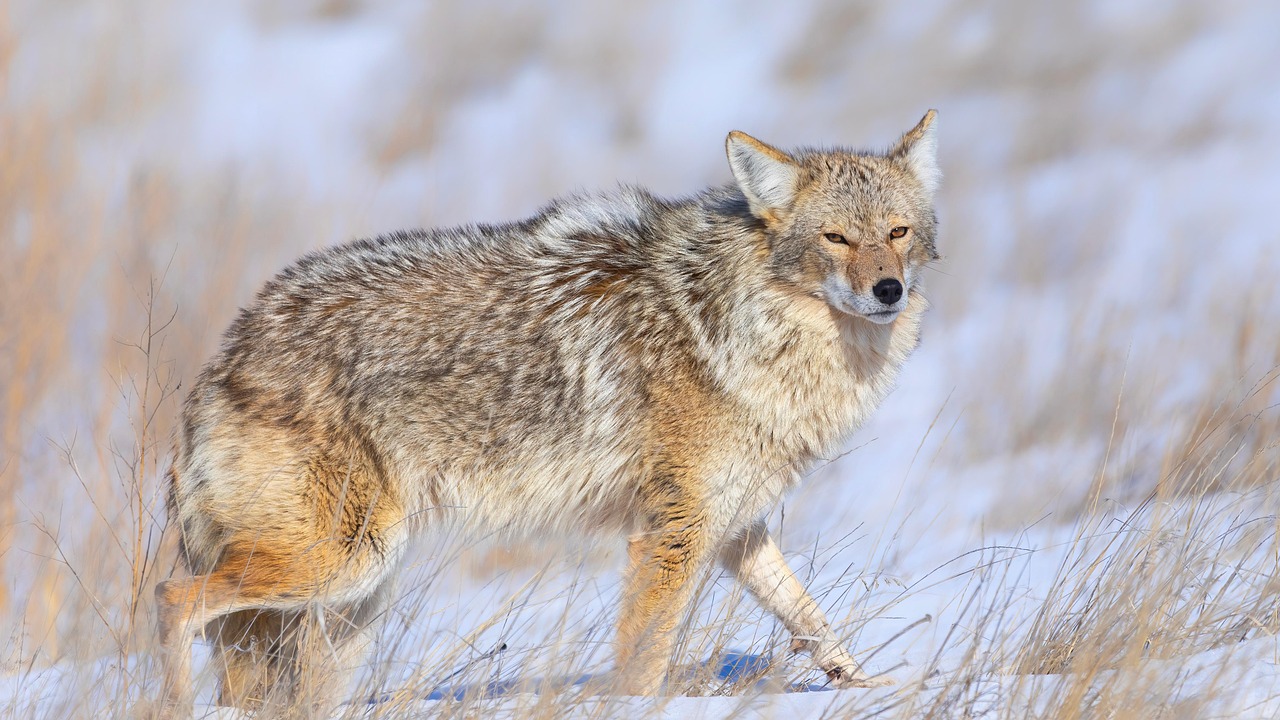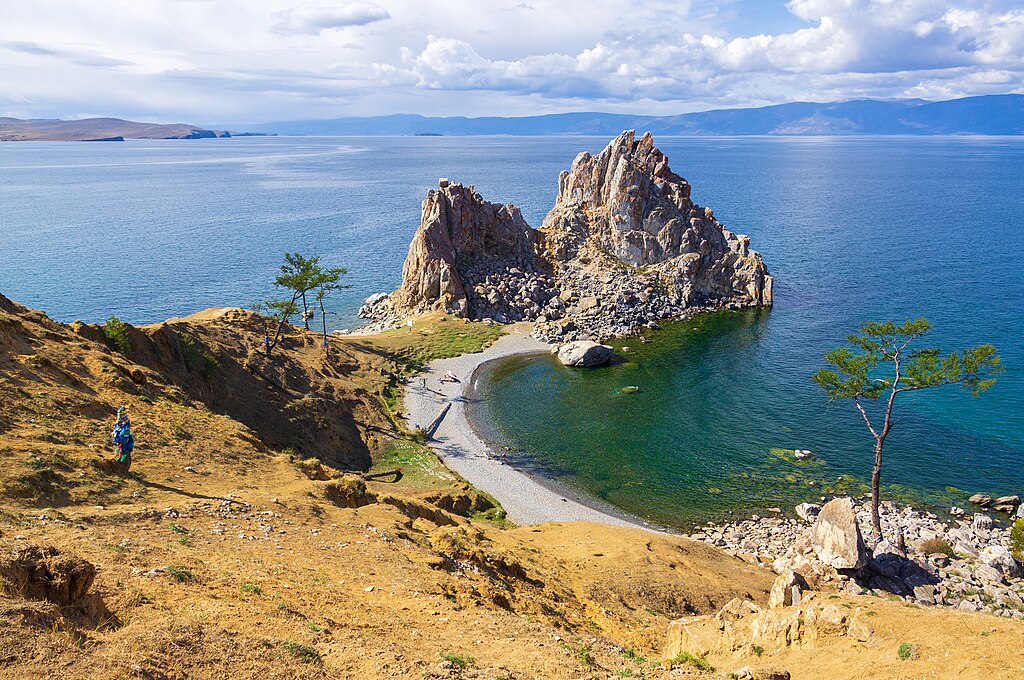
Fishing has always been more than a sport; it’s a connection to nature and a chance to experience the calm of open water. However, as tourism increased, many iconic fishing spots suffered from overuse, pollution, and habitat destruction. Governments and conservationists have since stepped in, enforcing strict bans to help these ecosystems recover. The following destinations, once bustling with anglers, now stand as reminders of how fragile aquatic environments can be when pushed beyond their limits.
1. Cabo Pulmo National Park, Mexico
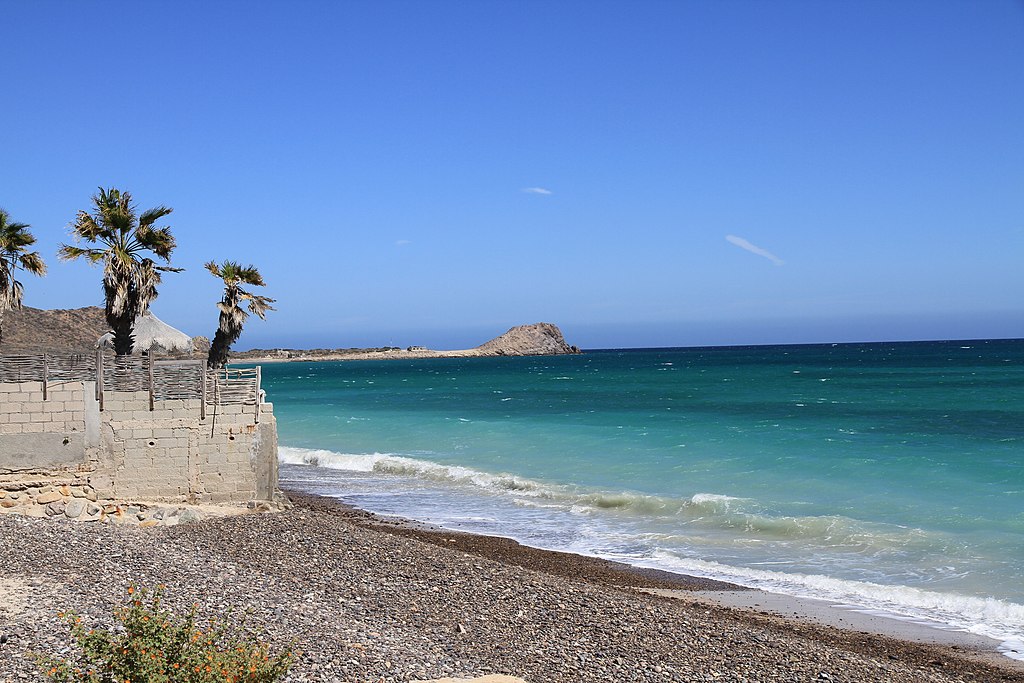
Located along the Baja California Peninsula, Cabo Pulmo was once a hotspot for deep-sea fishing adventures. Overfishing severely damaged its coral reefs and wiped out much of its marine life. In response, the Mexican government declared it a fully protected marine reserve, banning all fishing and tourist extraction. Today, the area thrives again, with coral and fish populations rebounding dramatically. Cabo Pulmo now serves as an inspiring model of how strong protection can heal damaged marine ecosystems.
2. Lake Kariba, Zimbabwe and Zambia
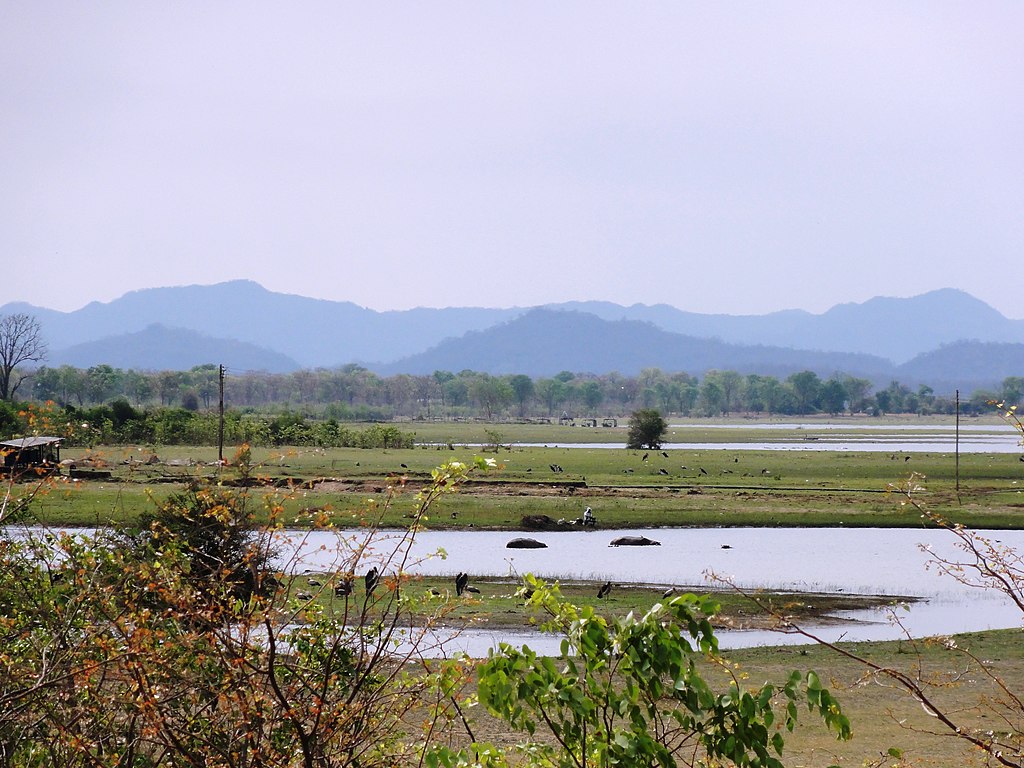
Spanning the border between Zimbabwe and Zambia, Lake Kariba was a favorite for tigerfish anglers. However, decades of pollution, drought, and illegal netting pushed the ecosystem to near collapse. Authorities banned tourist fishing in several regions to restore native species and reduce human impact. Only licensed locals can fish under strict monitoring. Restoration efforts are ongoing, with scientists closely observing the lake’s recovery as a crucial step toward balancing recreation and sustainability.
3. Great Barrier Reef, Australia
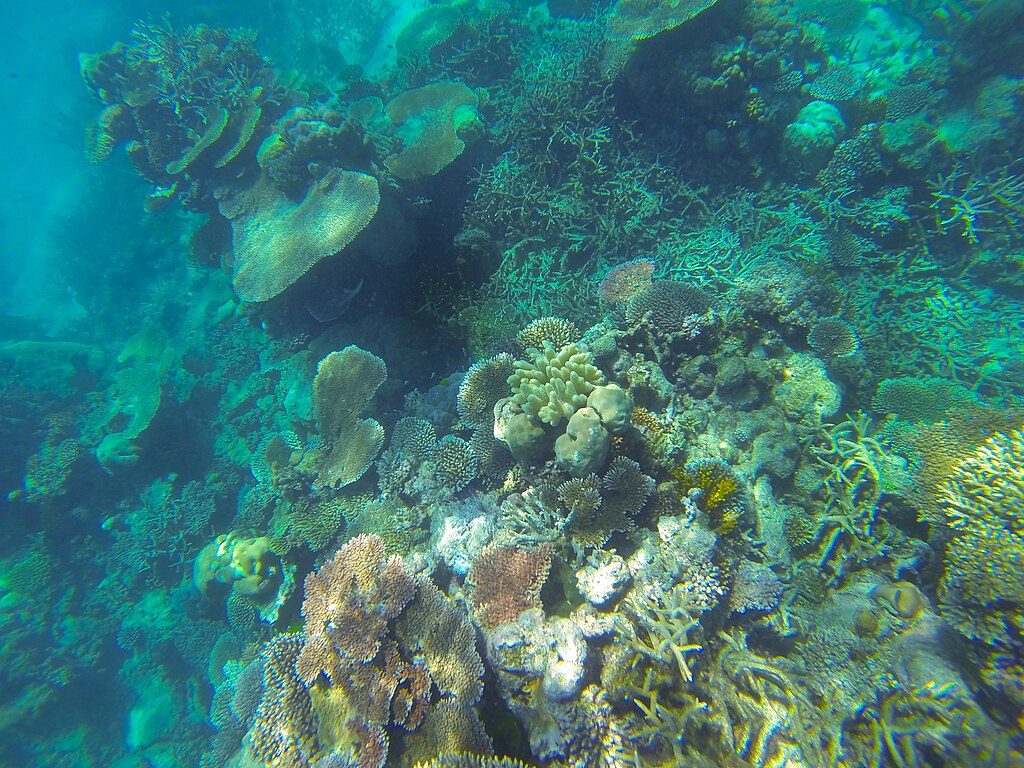
Once renowned for its exceptional sportfishing, the Great Barrier Reef has endured years of coral bleaching, habitat loss, and overfishing. Australian authorities established “no take” zones, completely prohibiting fishing in key sections to allow marine ecosystems to regenerate. The focus has shifted toward eco tourism, snorkeling, and reef education instead. These efforts have already shown improvement in coral health and species return, proving that strong conservation measures can reverse years of human-caused damage.
4. Tonle Sap Lake, Cambodia
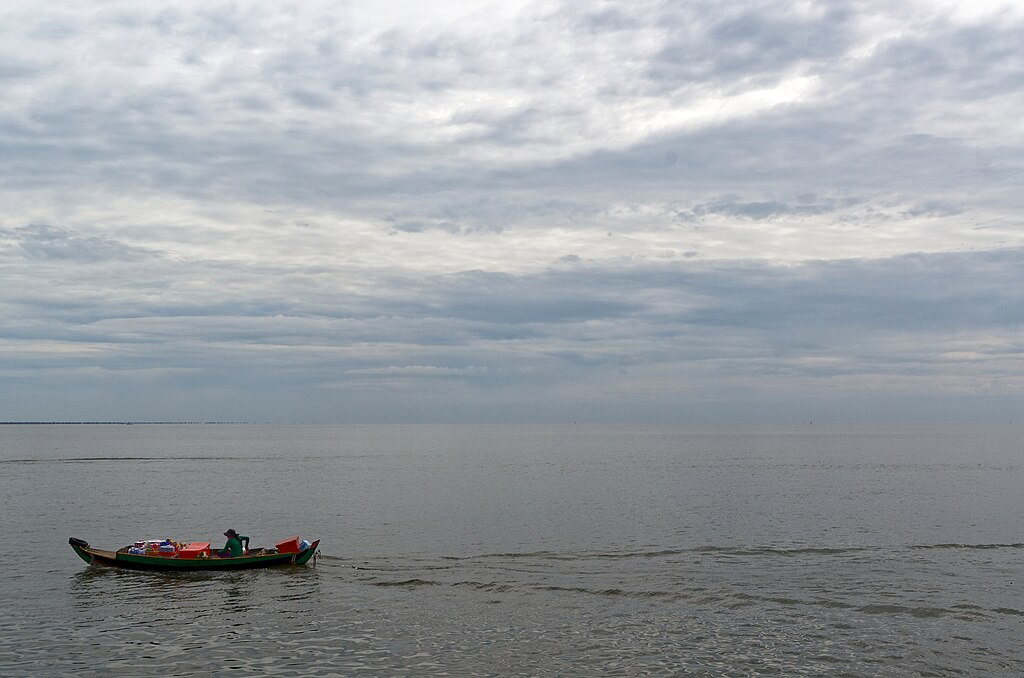
Tonle Sap, Southeast Asia’s largest freshwater lake, was once filled with tourists eager to experience its incredible biodiversity. Overfishing, pollution, and climate change, however, drained its natural resources. Cambodia has since banned all commercial and tourist fishing in major zones, allowing local fishing only for sustenance. These strict measures aim to restore fish breeding cycles and stabilize water levels. The ban, though challenging, marks a crucial turning point for this unique and vital waterway.
5. Ha Long Bay, Vietnam
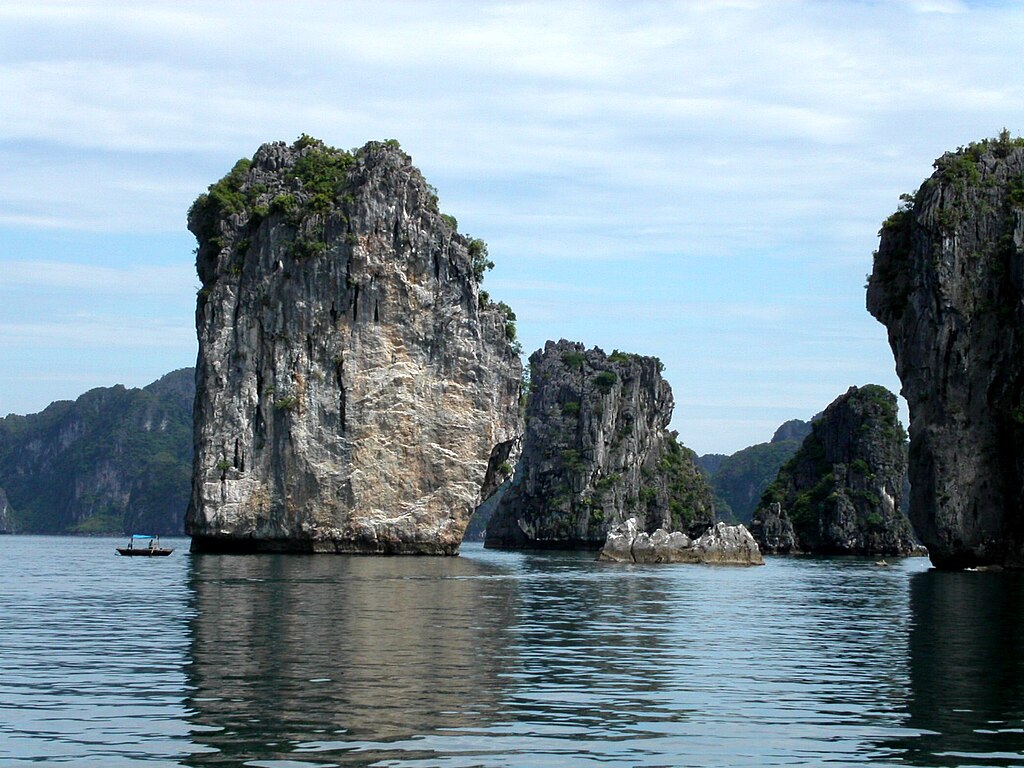
With its emerald waters and towering limestone cliffs, Ha Long Bay attracted countless visitors hoping to fish in its scenic surroundings. However, uncontrolled tourism, waste, and habitat destruction threatened marine life. In response, the government banned all recreational and tourist fishing, shifting the focus toward sustainable activities like kayaking and guided eco cruises. The ban helps restore fish populations and preserves Ha Long Bay’s breathtaking beauty for future generations of travelers to enjoy responsibly.
6. Florida Bay, United States
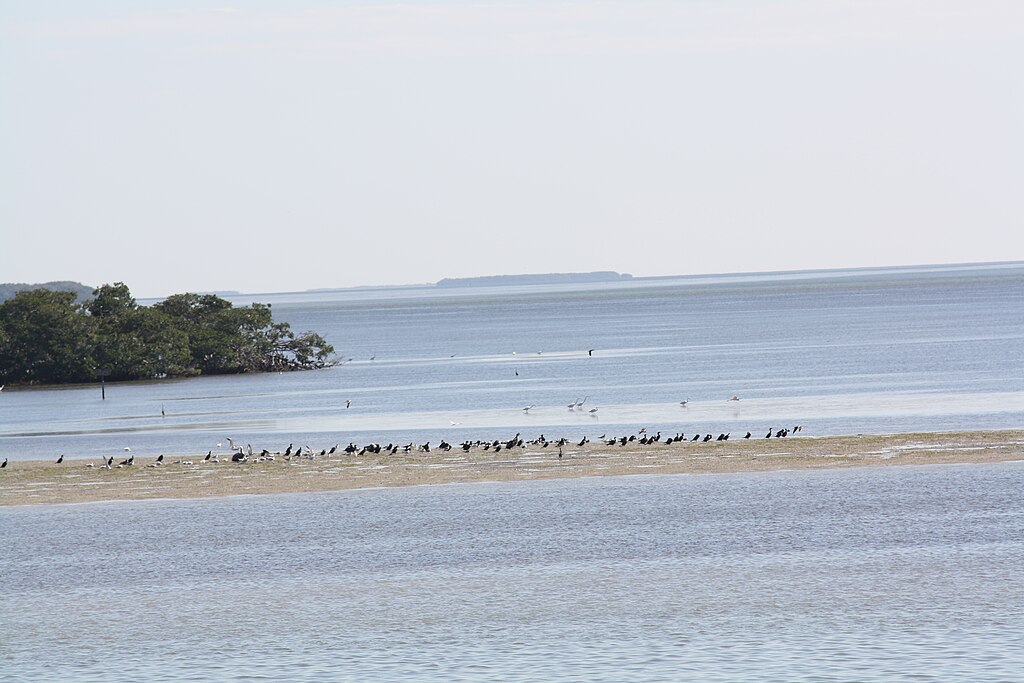
Nestled between the Florida Keys and the Everglades, Florida Bay was once prized for tarpon and bonefish. Pollution, seagrass die-offs, and salinity changes drastically affected the bay’s delicate ecosystem. To reverse the damage, federal and state agencies imposed partial closures to tourist fishing, focusing instead on habitat restoration. New conservation programs are improving water flow and rebuilding seagrass beds. These efforts highlight how the U.S. is balancing outdoor recreation with long-term environmental protection.
7. Lake Victoria, East Africa
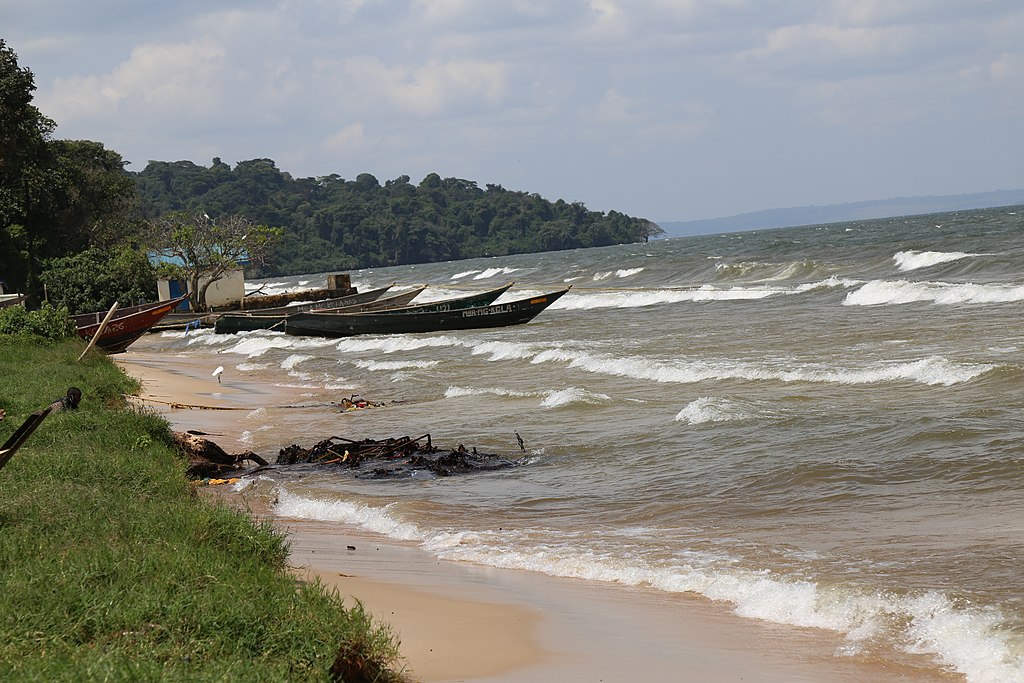
As Africa’s largest lake, Victoria was a dream for fishing enthusiasts chasing Nile perch and tilapia. Yet years of overfishing, invasive species, and untreated waste led to severe biodiversity loss. To curb the decline, the governments of Kenya, Uganda, and Tanzania implemented fishing bans in vulnerable regions, restricting tourist access. These multinational efforts are vital to restoring native fish populations and protecting livelihoods. Slowly, the lake is showing signs of recovery through shared regional management.
8. Galápagos Marine Reserve, Ecuador
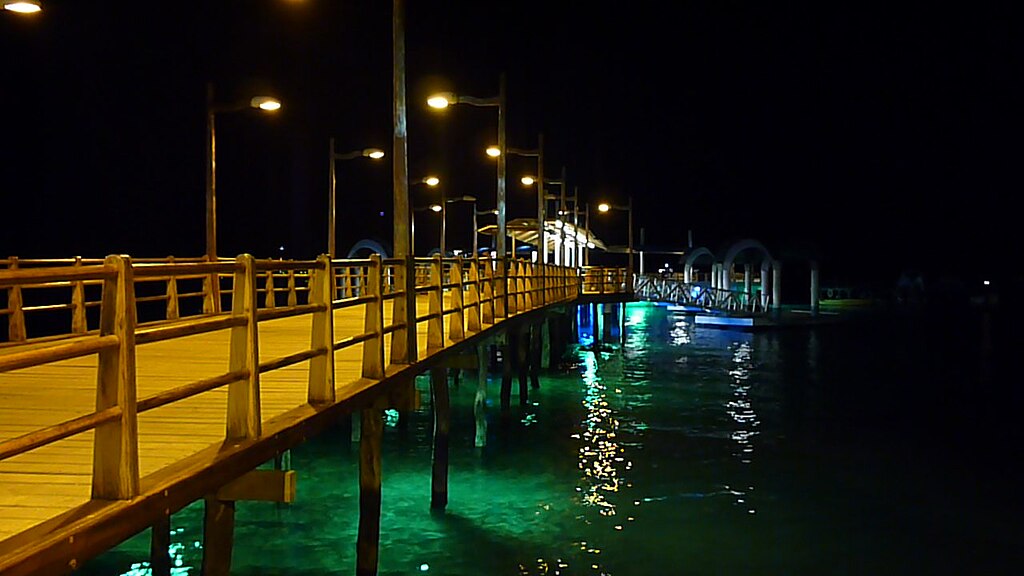
Once open to selective fishing tours, the Galápagos Marine Reserve now prohibits all tourist fishing activities. The Ecuadorian government imposed the ban after decades of overharvesting threatened rare marine species. Today, tourism focuses solely on eco-friendly diving and conservation education. The closure has led to a resurgence of biodiversity and better protection for endangered animals. This move showcases how strong preservation laws can protect one of the world’s most extraordinary and sensitive ecosystems.