Covert weapons were often designed around a strange compromise: concealment mattered more than longevity. Intelligence agencies and resistance organizations sometimes accepted single-shot or deliberately expendable firearms because they could be hidden inside ordinary objects, issued cheaply, or carried as emergency escape tools. Some were genuinely disposable, while others were technically reloadable but so specialized that their practical purpose ended after one critical shot. The seven examples below show how far designers went to make a firearm disappear into the background.
1. FP-45 Liberator: The Million-Gun Disposable Pistol
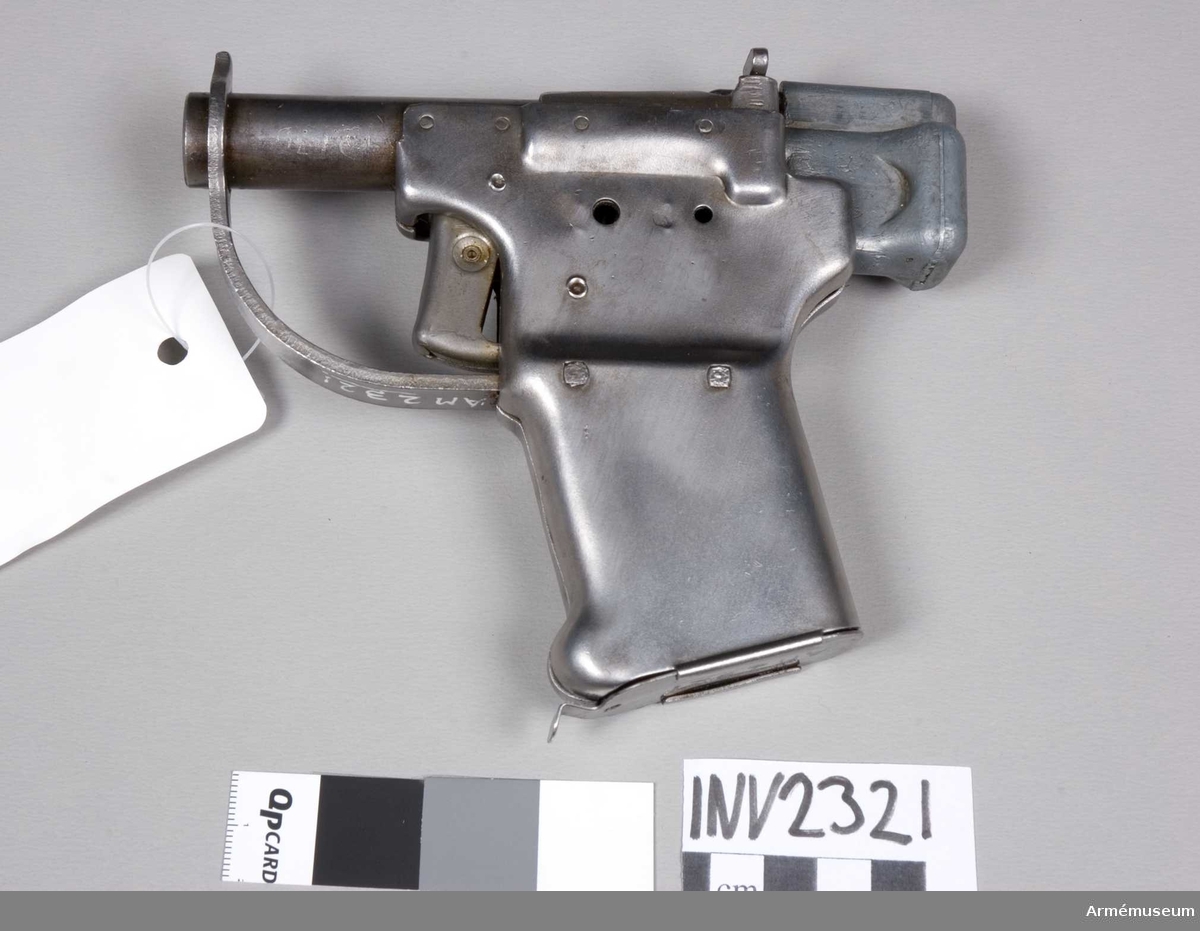
The FP-45 Liberator was built around a simple idea: fire once, then obtain a better weapon. Developed during World War II, it used a crude .45 ACP single-shot system, a smooth 4-inch barrel, and mostly stamped construction. General Motors’ Guide Lamp division produced roughly 1,000,000 examples in an astonishingly short production run. Each cost about $2.10 in 1942, and the pistol weighed only 1 pound. It was never intended to compete with a service pistol. Instead, resistance fighters were expected to use their first shot to seize an enemy firearm.
2. OSS Stinger T-2: A Gun Disguised as a Cigarette
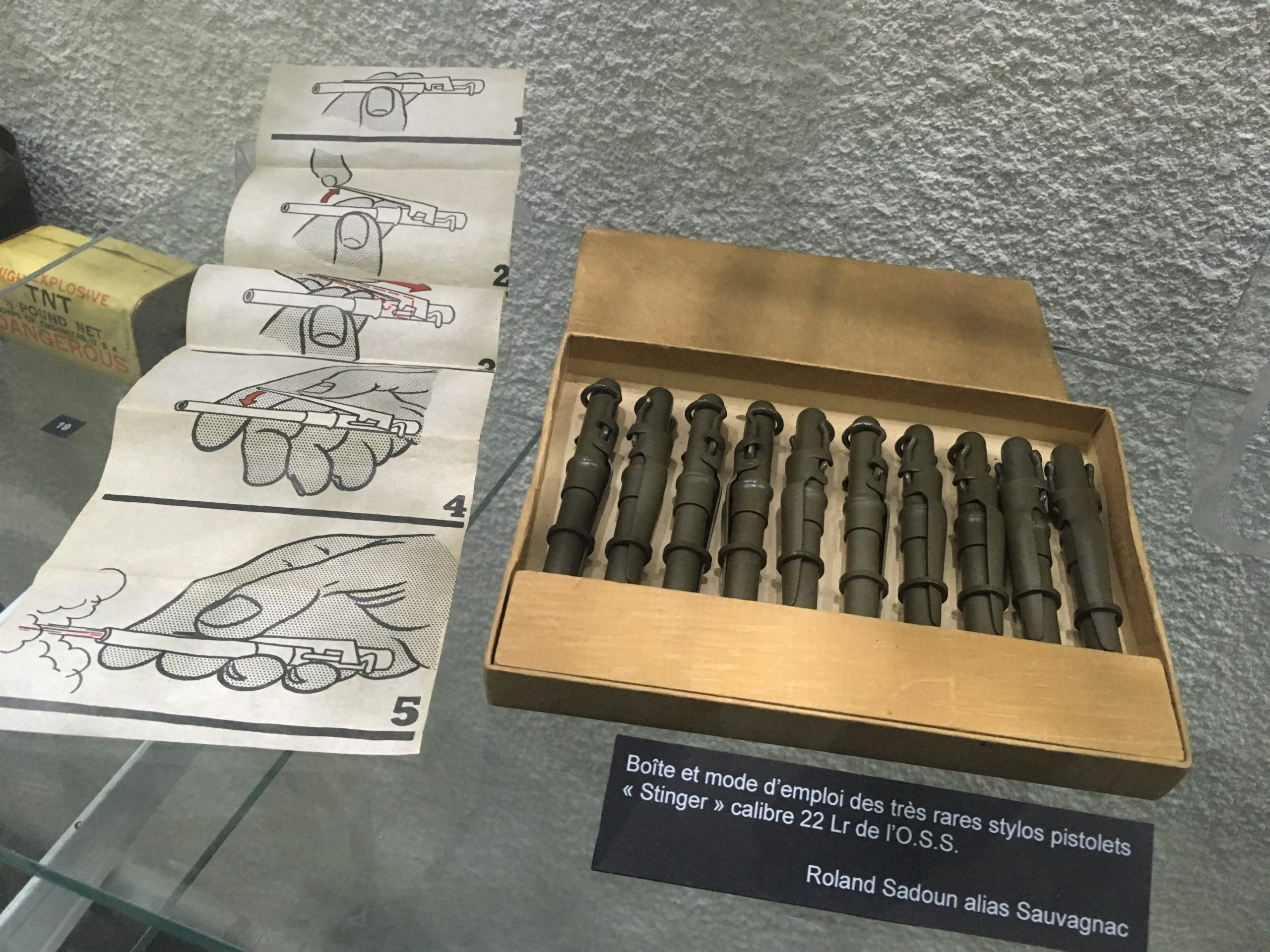
The OSS Stinger T-2 took concealment to an extreme. This tiny World War II weapon was a disposable .22 Short pistol designed to resemble an ordinary cigarette, making it far easier to hide than a conventional handgun. The OSS produced about 25,000 examples of the first pattern, followed by another 25,500 improved versions made under Ordnance Department supervision. Despite its ingenious disguise, reliability problems reportedly included failures to fire and even burst barrels. Documentation proving combat use remains scarce, which adds another mystery to this unusual spy weapon.
3. The Improved Stinger: Disposable by Design
A second-generation Stinger appeared in 1944 after shortcomings were identified in the original pattern. It retained the basic philosophy of a tiny, single-shot .22 weapon that could be discarded after its critical moment. About 25,500 improved examples were produced, following the first run of approximately 25,000. Its value was not sustained firepower but extreme portability and concealment. The weapon could disappear into the equipment of an infiltrator far more easily than a conventional pistol. Its very limited role explains why designers could accept a firearm whose usefulness was measured in one decisive shot rather than years of service.
4. CIA Camouflaged .22: A Cigarette With One Chance
Cold War clandestine technology produced an even more specialized concept: a tiny .22-caliber weapon disguised as a European king-size cigarette. CIA catalog material describes it as a single-shot, already-loaded device that was not reloadable. The specifications were remarkably compact, with a 1.25-inch barrel and an overall length of only 2.75 inches. Its listed muzzle velocity was about 759 feet per second, with a maximum range of roughly 10 feet. The device was intended as an emergency escape aid, where one carefully chosen shot mattered more than conventional firearm performance.
5. Sedgley OSS.38: The Strange Glove-Mounted Gun
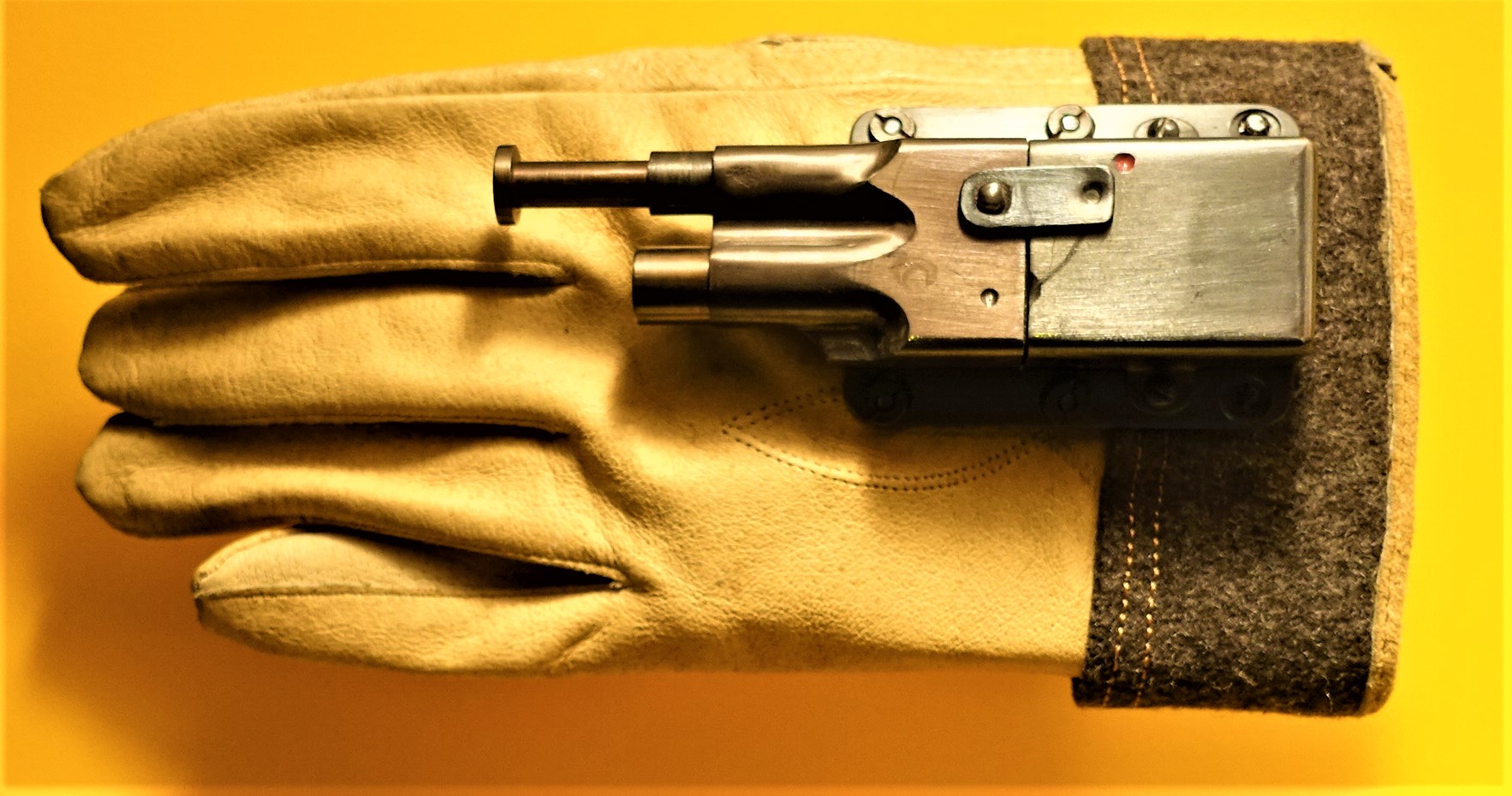
The Sedgley OSS .38 looked less like a conventional pistol than something from a spy thriller. Developed during World War II, it was a single-shot, smoothbore .38 Special weapon mounted on the back of a glove. Its unusual trigger arrangement allowed it to be fired when the wearer made a fist and pressed the mechanism against a target. Estimates suggest only about 52 to 200 were produced, making it exceptionally rare compared with mass-produced covert weapons. It was intended for clandestine operations and last-resort use, where concealment and immediate access mattered more than repeat-fire capability.
6. CIA Deer Gun: Vietnam’s Disposable Successor
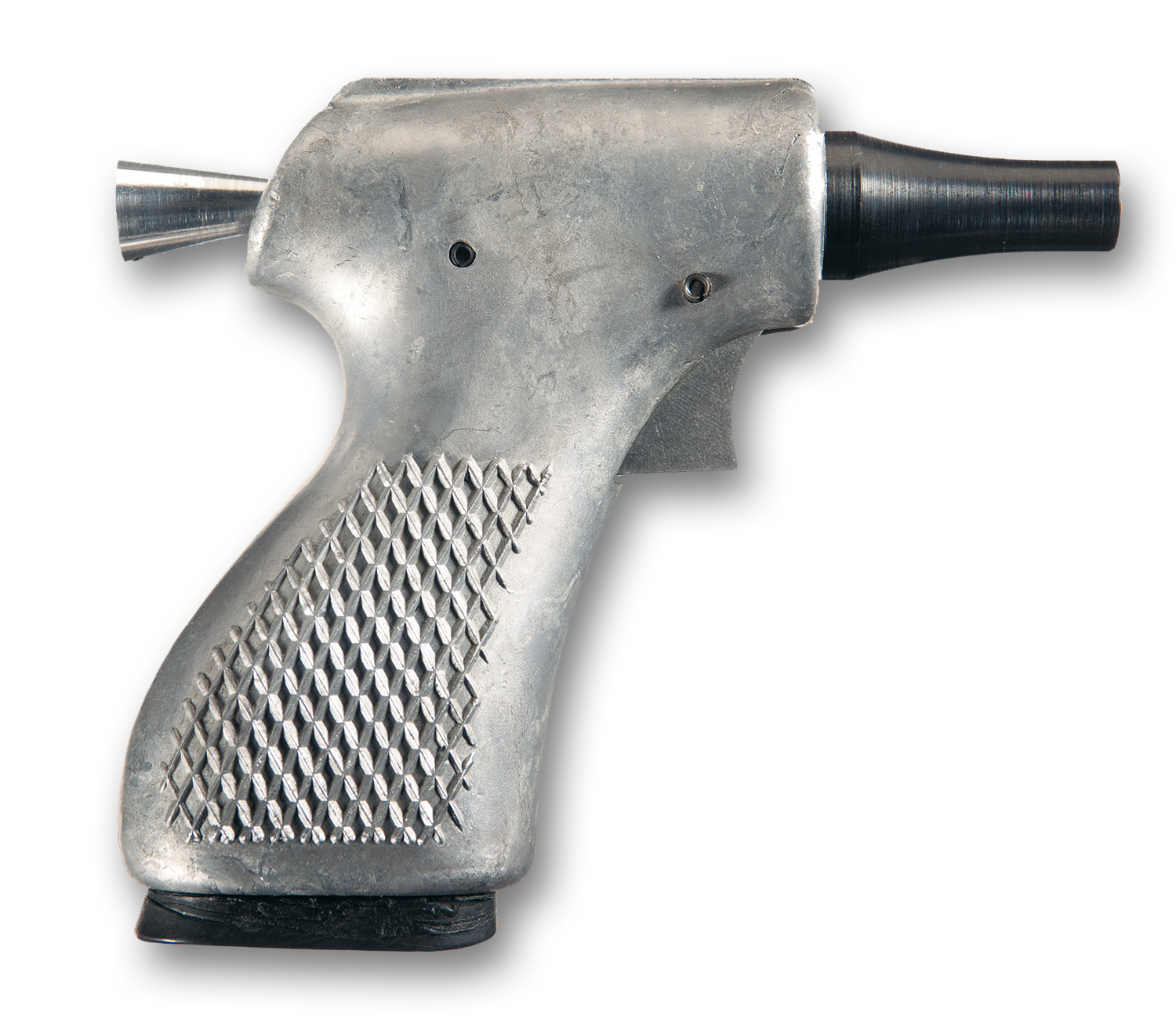
The CIA’s Deer Gun was essentially an attempt to modernize the disposable-pistol concept for the Vietnam era. Developed in 1964, it was a single-shot 9×19mm pistol with a cast-aluminum construction and an extremely compact 5-inch overall length. Only about 1,000 were produced. The weapon was intended for South Vietnamese irregulars who might need a concealed firearm to obtain a more capable enemy weapon. It was supplied with three rounds, but its deliberately simple construction and lack of a conventional repeating action made it poorly suited to prolonged fighting.
7. KGB 4.5mm Disguised Pistol: One Shot From an Ordinary Object
Soviet intelligence designers also experimented with tiny single-shot firearms hidden inside everyday objects. One documented KGB design used a 4.5mm cartridge and appeared in disguises such as a pocket flashlight, lipstick container, or small concealed pod. The weapon’s operation was deliberately unconventional, helping preserve the disguise until the moment it was needed. Its single-shot nature made it fundamentally different from an ordinary service pistol. With only one round available, its usefulness depended on a brief opportunity rather than sustained combat. That made concealment the weapon’s greatest feature, while repeat-fire capability was sacrificed almost entirely.