A low sticker price can make almost any firearm look tempting, especially to first-time buyers or anyone hunting for a backup range toy. But once the ammo starts flying, some so-called deals quickly turn into headaches with rough triggers, spotty reliability, painful recoil, or flimsy fit and finish. This gallery explores the kinds of guns that often seem like bargains at the counter, then feel a lot less impressive on the firing line.
Ultra-cheap 1911 clones
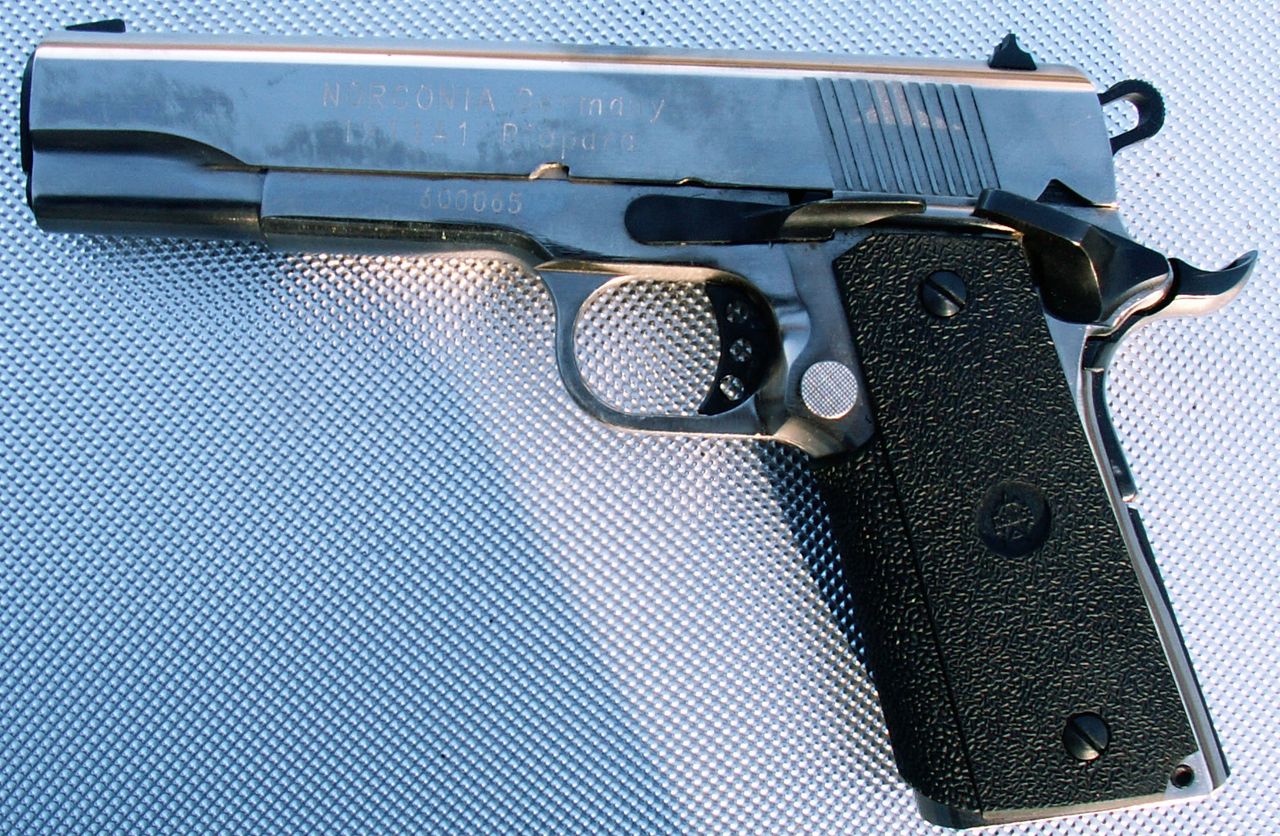
A bargain-basement 1911 can be hard to resist. The design has history, loyal fans, and a reputation for a great trigger, so seeing one priced far below the competition feels like discovering a hidden gem.
Then range day arrives. Some low-end clones show uneven machining, picky feeding, and magazines that seem to create a new problem every outing. What looked like a classic value starts acting more like a parts project.
The frustration is that a 1911 needs careful fitting to really shine. When corners are cut, accuracy, reliability, and even basic comfort can suffer in ways that erase the savings fast.
Tiny .380 pocket pistols
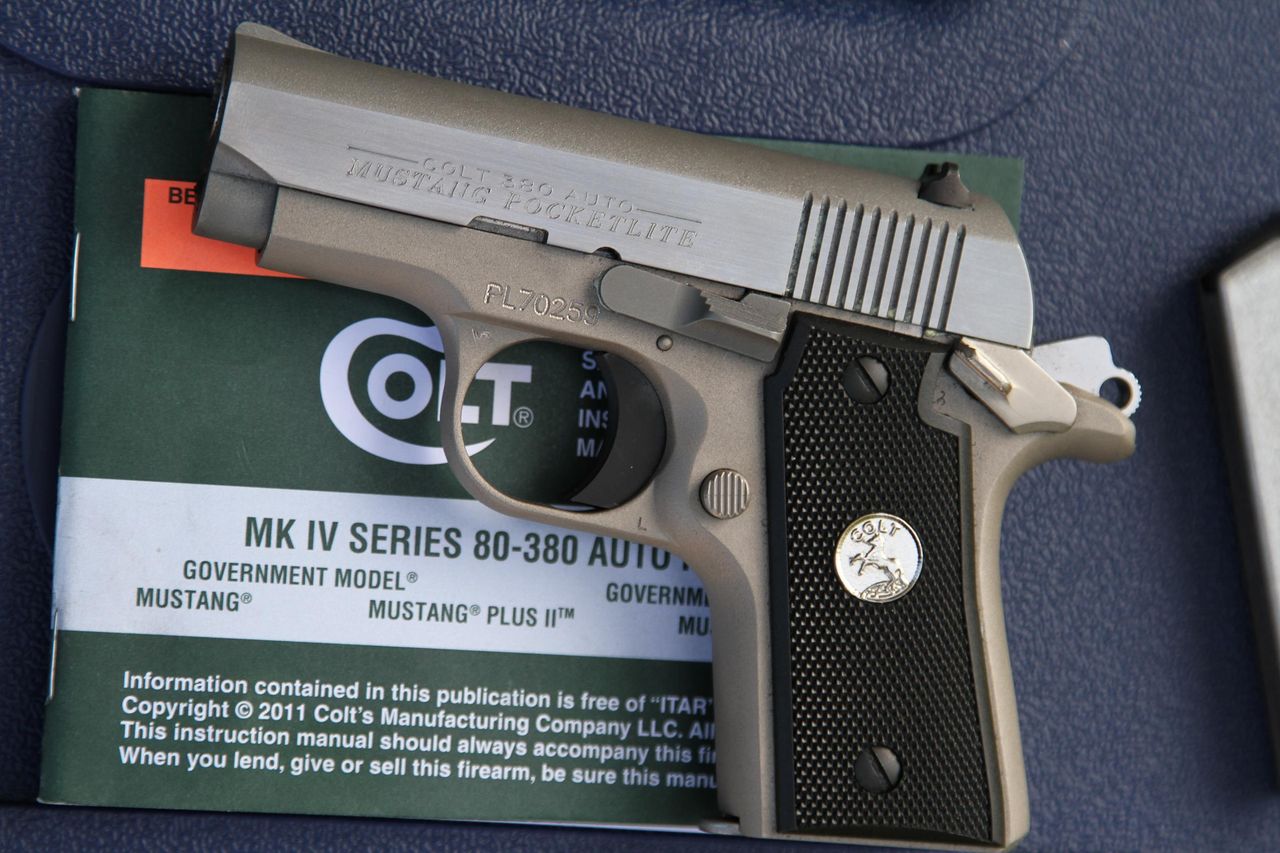
Pocket .380s often sell on convenience. They are light, compact, easy to carry, and usually cheaper than larger carry guns, which makes them look like a practical entry point for concealed carry.
At the range, though, many shooters discover that tiny size comes with tradeoffs. Snappy recoil, abbreviated sights, and a grip that barely fits the hand can make even short practice sessions surprisingly unpleasant.
That matters because guns like these demand practice to master. A pistol that is miserable to shoot often gets left in the safe, and a carry gun you avoid training with is rarely a bargain in the long run.
Budget .22 pistols with finicky ammo tastes
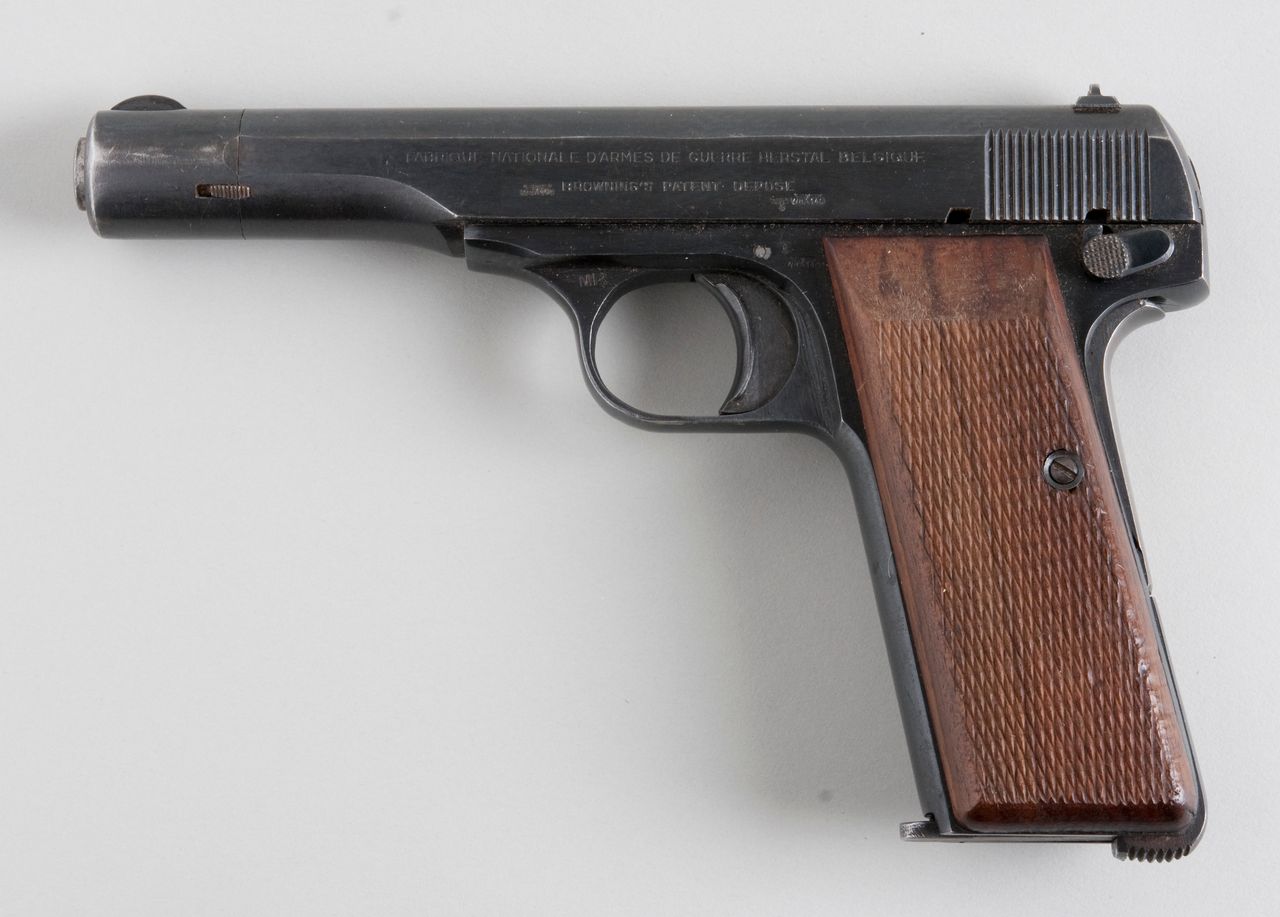
A cheap .22 pistol promises inexpensive fun. On paper, it sounds perfect for plinking, beginner practice, and introducing new shooters to the range without the noise and recoil of centerfire calibers.
The catch is that some bargain models are famously selective about ammunition. One load might run fine while the next causes constant failures to feed, extract, or ignite, turning a casual afternoon into a malfunction drill.
Because .22 LR is already dirtier and less consistent than many centerfire rounds, a pistol built with loose quality control can magnify every weakness. Saving money up front feels less clever when half the session is spent clearing jams.
Discount break-action shotguns
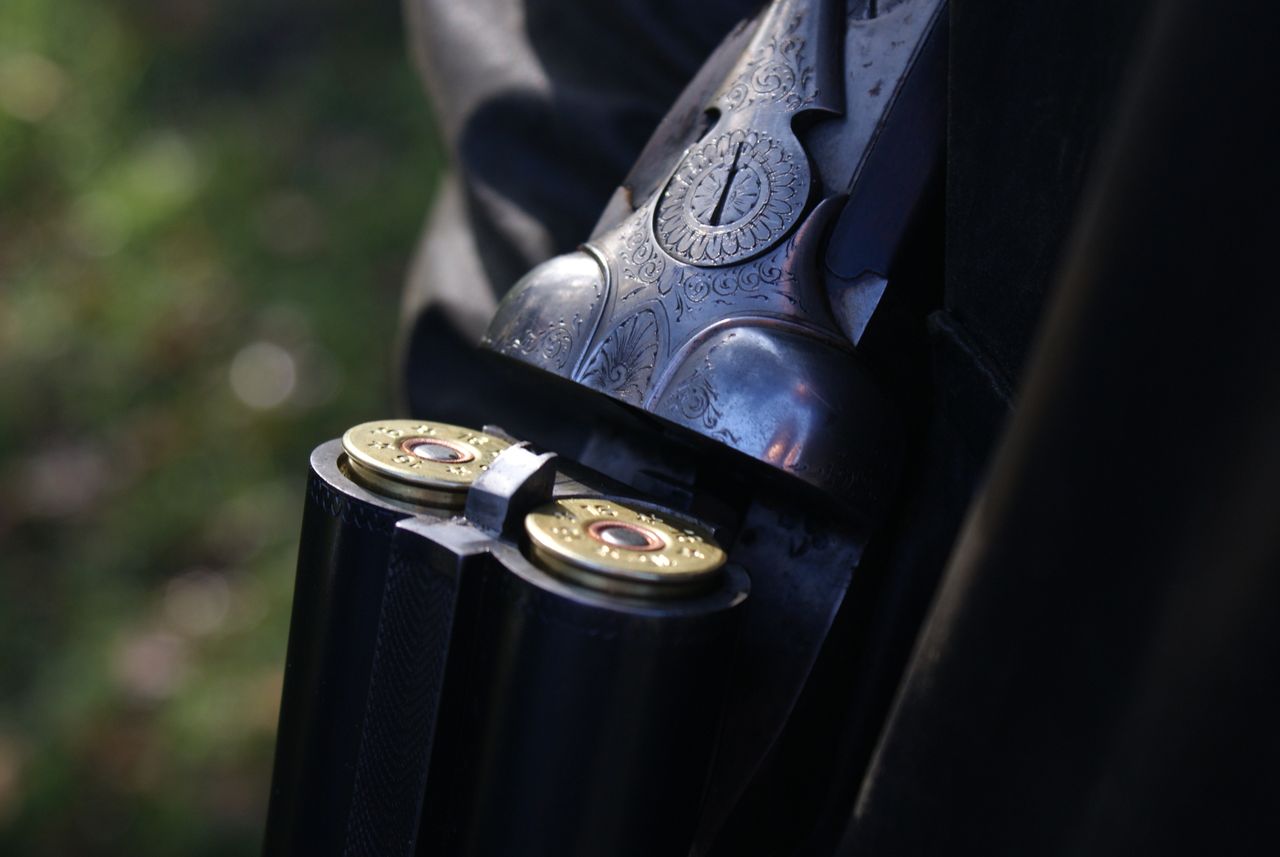
Single-shot and break-action shotguns often look refreshingly simple. They are usually affordable, easy to understand, and marketed as durable utility guns for hunting, farm use, or basic sport shooting.
But not every cheap example feels sturdy in the hands. Rough opening actions, hard triggers, and surprisingly harsh recoil can make these guns feel more punishing than their humble appearance suggests.
The issue is not the format itself. A well-made break-action can be excellent. The problem comes when low cost means crude fit, uneven finishing, and stock geometry that turns a few boxes of shells into a shoulder-bruising reminder that simple does not always mean enjoyable.
Cheap pump shotguns with rough actions
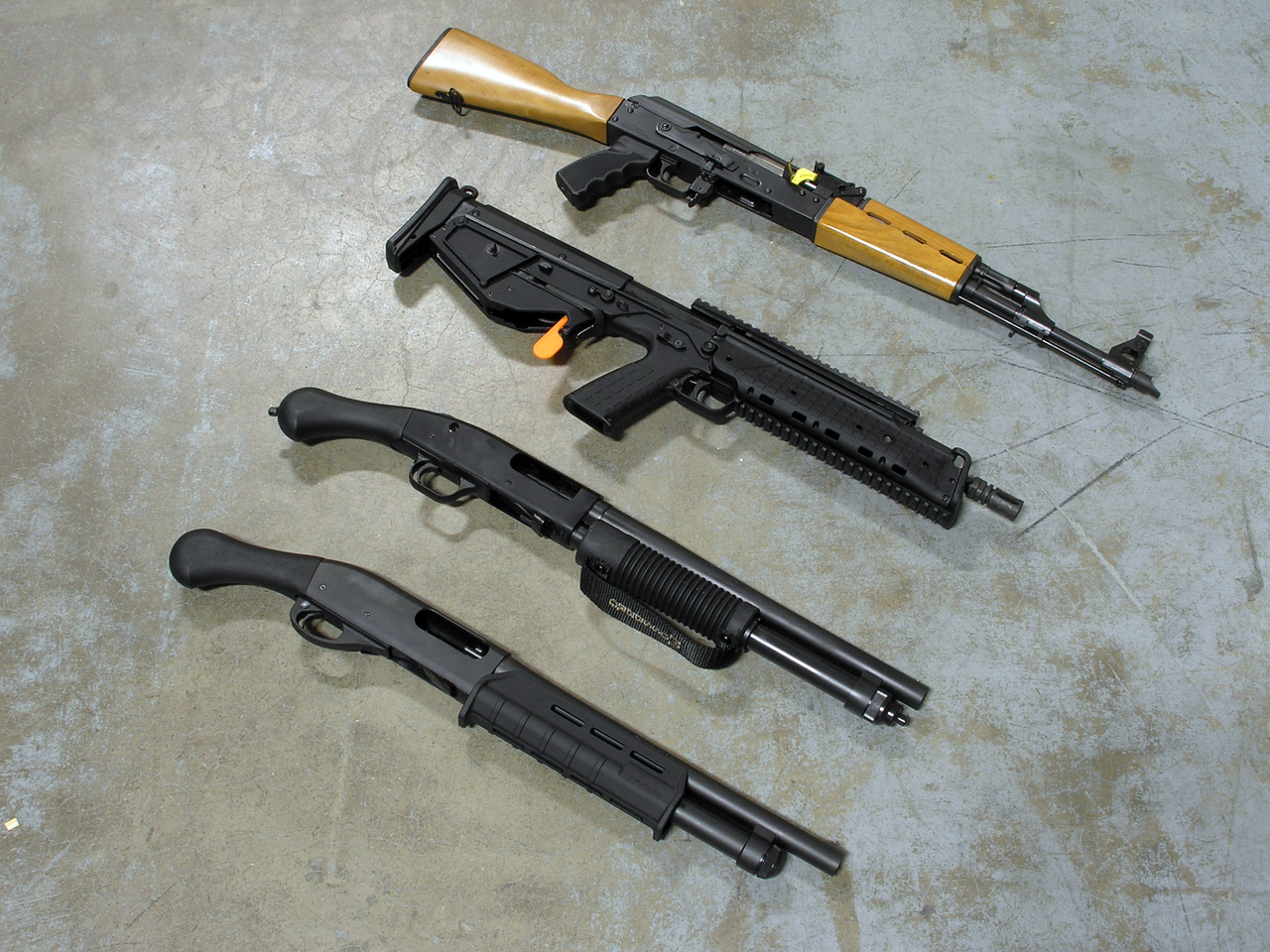
A low-priced pump shotgun seems like one of the safest bets in the gun world. It is versatile, familiar, and often sold as a no-nonsense option for home defense or weekend clay shooting.
Then you work the action a few dozen times and the bargain starts to show. Some entry-level pumps feel gritty, bind under speed, or rattle in ways that make smooth shooting harder than it should be.
That roughness matters more at the range than in the store. Once recoil and repetition enter the picture, small annoyances become big ones, and a shotgun that looked tough and practical begins to feel like work instead of confidence.
Rock-bottom AR-15 builds
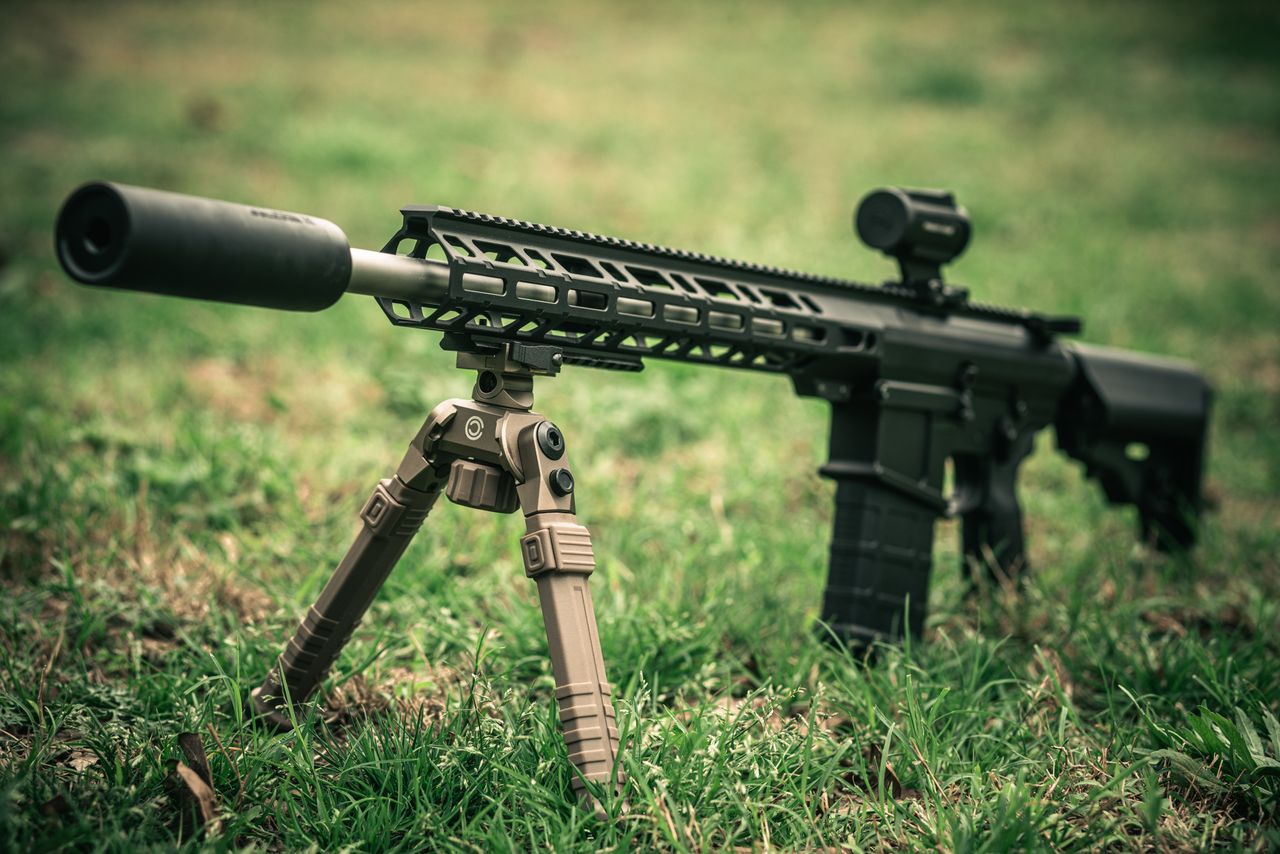
An AR-15 assembled from the cheapest parts available can look like an unbeatable deal. The platform is modular, parts are everywhere, and budget builds are often advertised as proof that you do not need to spend much for performance.
Sometimes that is true, but the range is where shortcuts get exposed. Rough triggers, gas system issues, unreliable magazines, and inconsistent accuracy can quickly turn a fun rifle into a troubleshooting session.
The AR rewards good assembly and component quality. When every part was chosen on price alone, small weaknesses stack up fast. By the time the owner starts swapping pieces, the original bargain often costs more than a better rifle would have.
Surplus pistols sold in rough condition
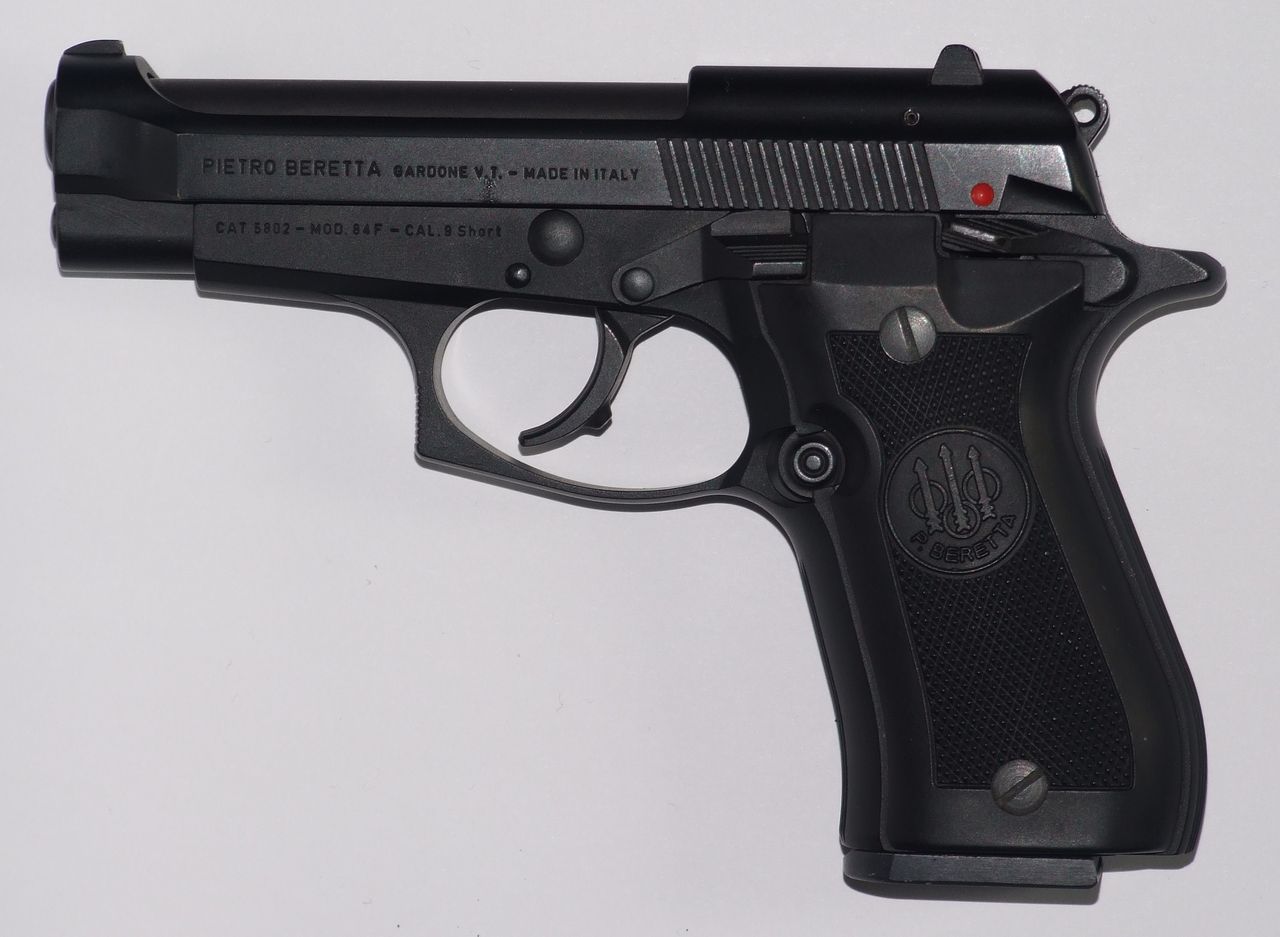
Military surplus handguns have undeniable charm. They carry history, often come with appealing price tags, and can seem like a smart way to own an all-steel pistol with character.
The surprise comes when cosmetic wear turns out to be the least important issue. Worn springs, tired magazines, questionable barrels, and heavy triggers can make some rough-condition surplus guns more collectible than shootable.
That does not mean surplus is a bad idea across the board. It means condition matters enormously. A pistol that looked like a steal in the display case may reveal itself as a project gun the moment groups open up and malfunctions start appearing.
Low-end revolvers with heavy triggers
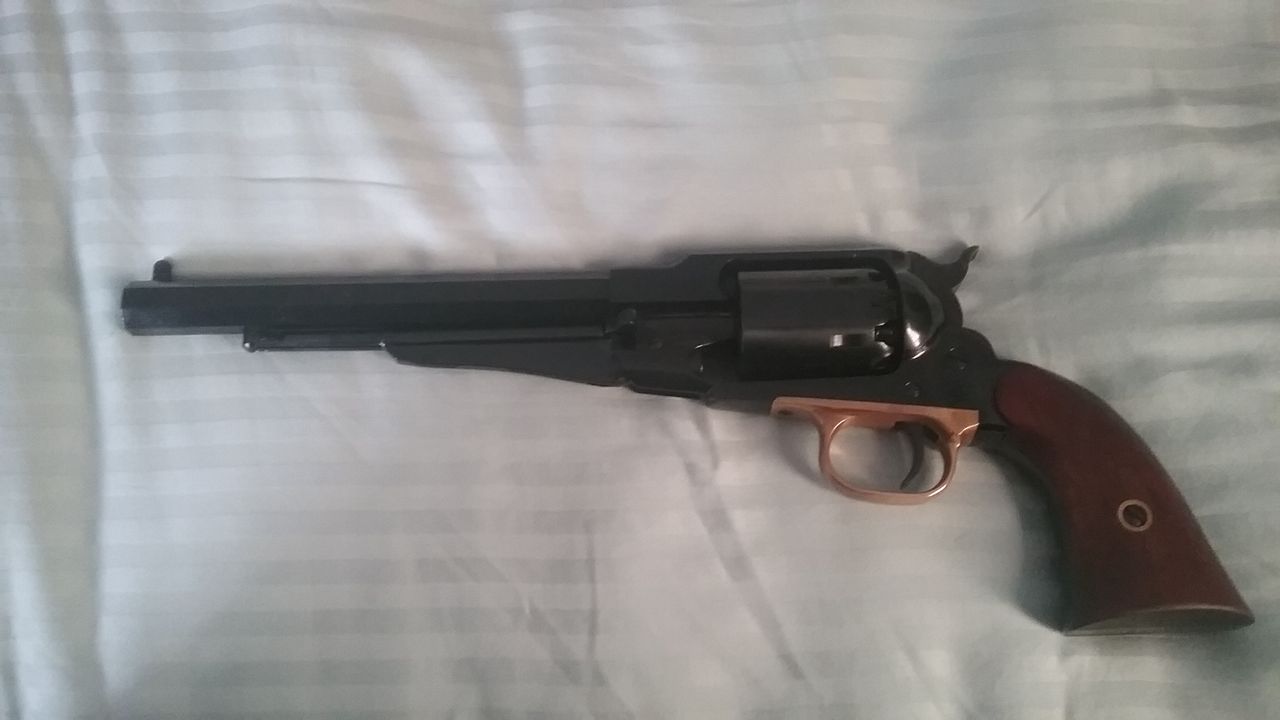
A cheap revolver has a certain old-school appeal. Buyers often assume simplicity equals reliability, and the basic manual of arms can make an inexpensive wheelgun feel like a safe, sensible purchase.
Then they try shooting double action. On some low-end revolvers, the trigger pull is so heavy and gritty that accurate shooting becomes a chore, especially for newer shooters still learning sight alignment and trigger control.
Poor timing, rough lockup, and punishing grips can add to the disappointment. Revolvers are not automatically better just because they are mechanically straightforward. If the action is crude, the range experience can feel more exhausting than reassuring.
Subcompact 9mm pistols from bargain brands

A low-cost subcompact 9mm often checks all the boxes on paper. It is small enough to carry, powerful enough to feel serious, and usually much cheaper than the big-name models sitting beside it.
What gets missed is how demanding these little guns can be. Short grips, brisk recoil, and limited sight radius already challenge the shooter, and budget execution can add mushy triggers, spotty reliability, and awkward ergonomics.
That combination tends to show up fast at the range. A gun that seemed like a practical everyday carry solution starts producing flinches, low confidence, and uneven groups, which is not the kind of value most buyers had in mind.
Inexpensive AK-pattern rifles with poor fit

AK-pattern rifles have a reputation for rugged reliability, so a cheap one can seem like a can’t-miss purchase. Buyers often expect the platform’s legendary toughness to make quality concerns less important.
The reality is that not every bargain AK lives up to the myth. Canted sights, magazine wobble, rough rivets, and uneven assembly can affect both confidence and performance once rounds start going downrange.
A good AK can be wonderfully dependable, but a sloppy one feels crude in all the wrong ways. If zeroing becomes a battle and the controls feel harsher than expected, the low price stops looking like the story’s best feature.
Very cheap bolt-action hunting rifles
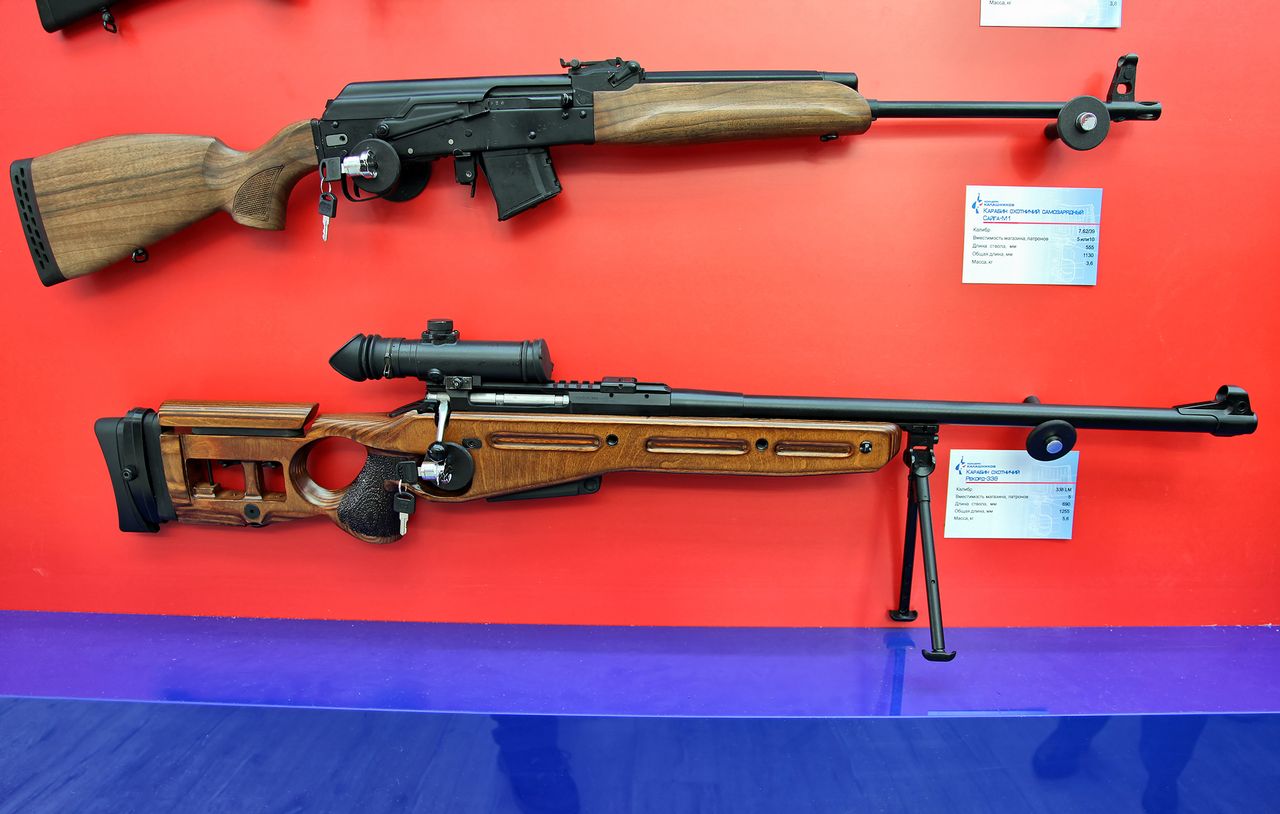
A bare-bones bolt gun can seem like one of the smartest purchases in the store. It promises practical accuracy, hunting utility, and a straightforward design without the premium price attached to fancier rifles.
At the range, though, the lowest-end examples can reveal stiff bolts, flimsy stocks, rough triggers, and thin barrels that heat up quickly. Groups that looked acceptable at first may wander as shooting continues.
None of that makes an affordable hunting rifle useless. It just means the cheapest option is not always the best value. When comfort, consistency, and confidence are lacking, saving a little money can cost a lot in actual shooting enjoyment.
Used guns with suspiciously low prices
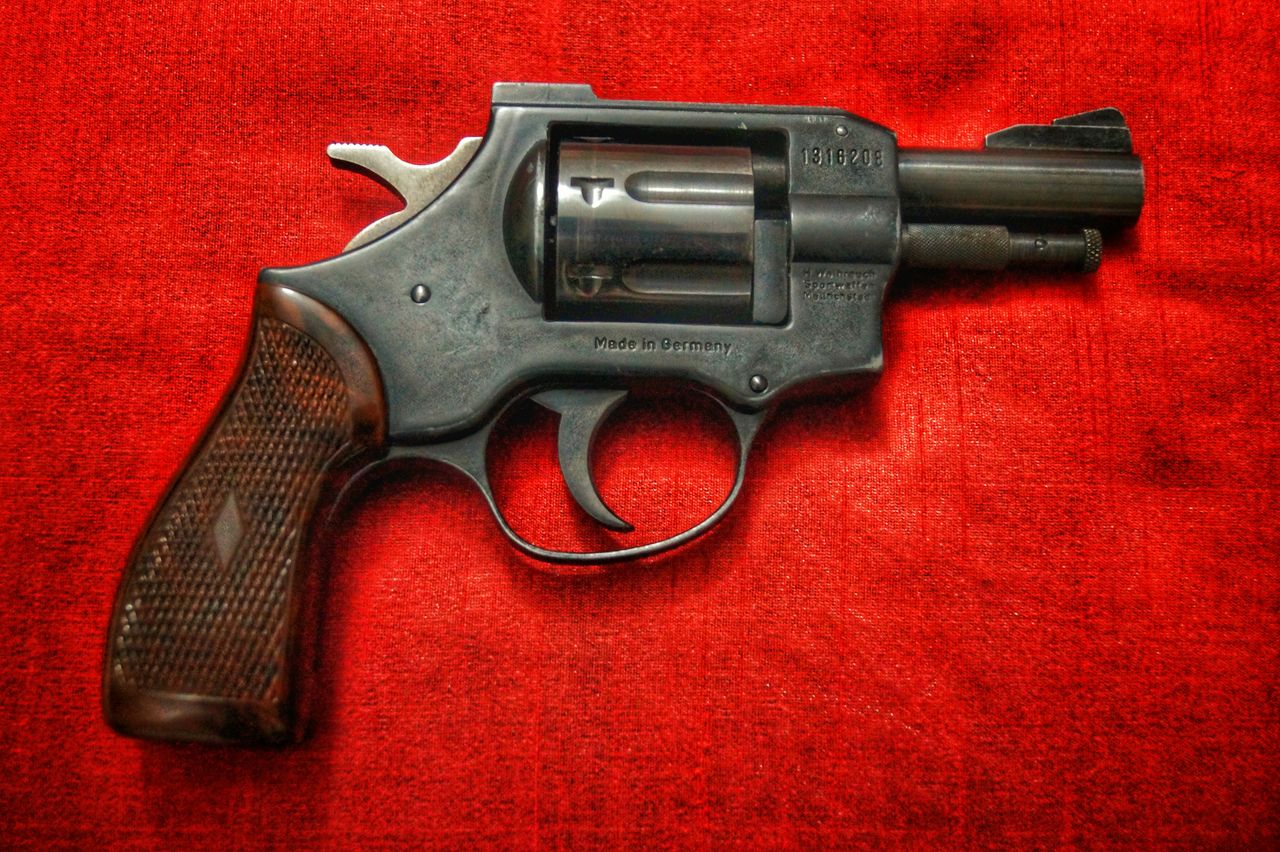
Sometimes the biggest bargain warning sign is simply a price that feels too good. A used gun marked well below market value can trigger the thrill of the hunt and make buyers feel like they have outsmarted the system.
Then the hidden issues emerge. Excessive wear, home gunsmithing, missing parts, or a mystery maintenance history can turn that exciting purchase into a repair bill with a serial number.
Used guns can absolutely be excellent buys, but only when inspected carefully. At the range, problems that were invisible under store lighting become impossible to ignore, and the low price starts looking less like luck and more like a clue.