
Some firearms earn devoted followings not because they are flawless, but because their history, distinctive design, and familiar handling make them memorable. A rifle may be heavier than newer alternatives, a pistol may have an awkward control layout, or a shotgun may require more maintenance than owners would prefer. Yet these limitations rarely tell the whole story. Generations of shooters have formed strong attachments to particular models because of their craftsmanship, reliability in suitable conditions, military heritage, or time spent using them. These 10 firearms illustrate why a gun’s reputation often extends beyond its technical specifications.
1. M1 Garand
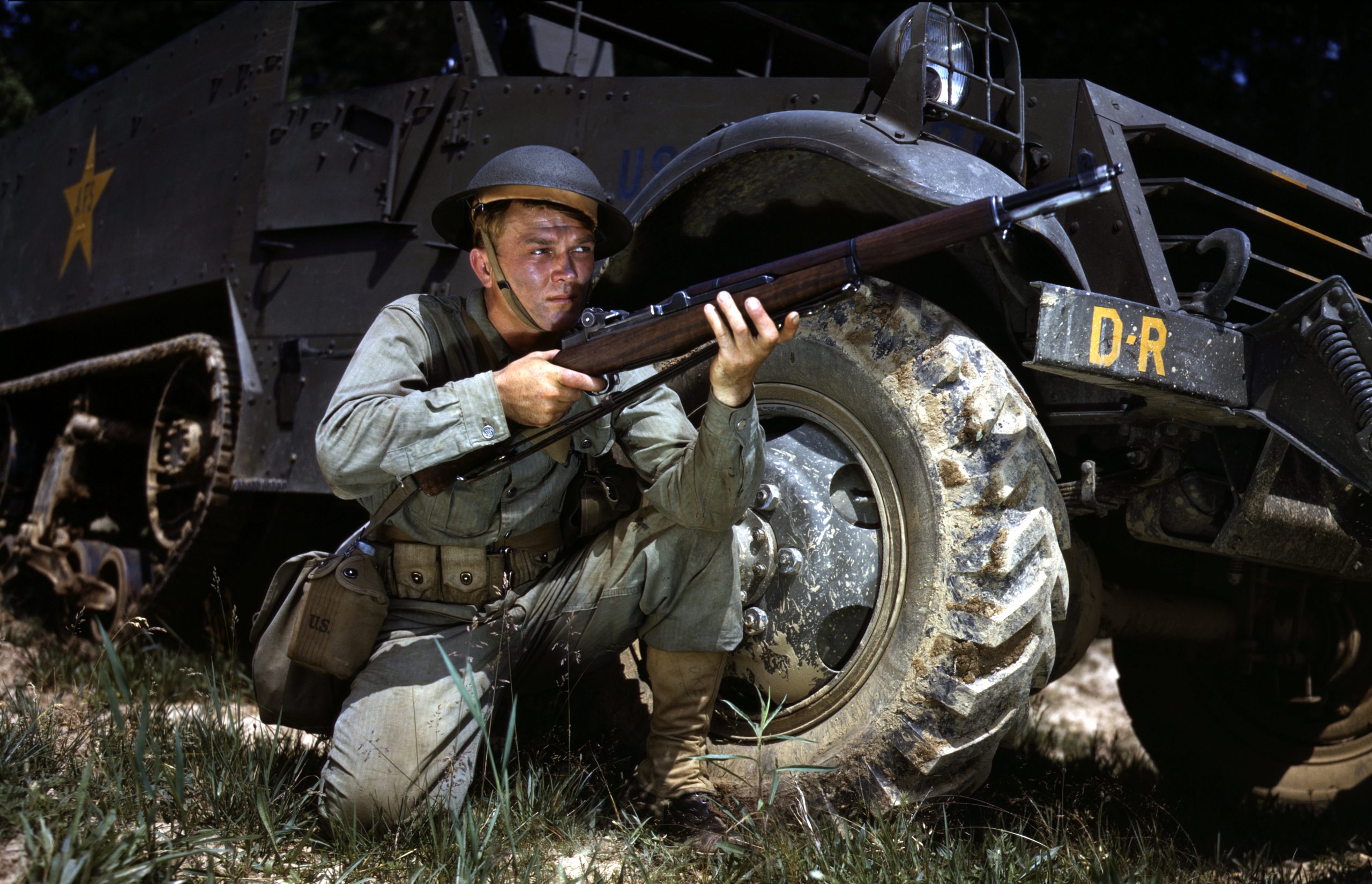
The M1 Garand remains a favorite among collectors because it combines historical importance with a distinctive shooting experience. Adopted by the US Army in 1936, it became a defining American service rifle during World War II. Its eight-round en-bloc clip and substantial weight are less convenient than modern detachable-magazine systems, while its long overall design can feel cumbersome. Still, the Garand’s walnut stock, recognizable profile, and connection to twentieth-century military history inspire lasting affection. For many enthusiasts, owning one means preserving an important piece of engineering and national history.
2. Colt Single Action Army
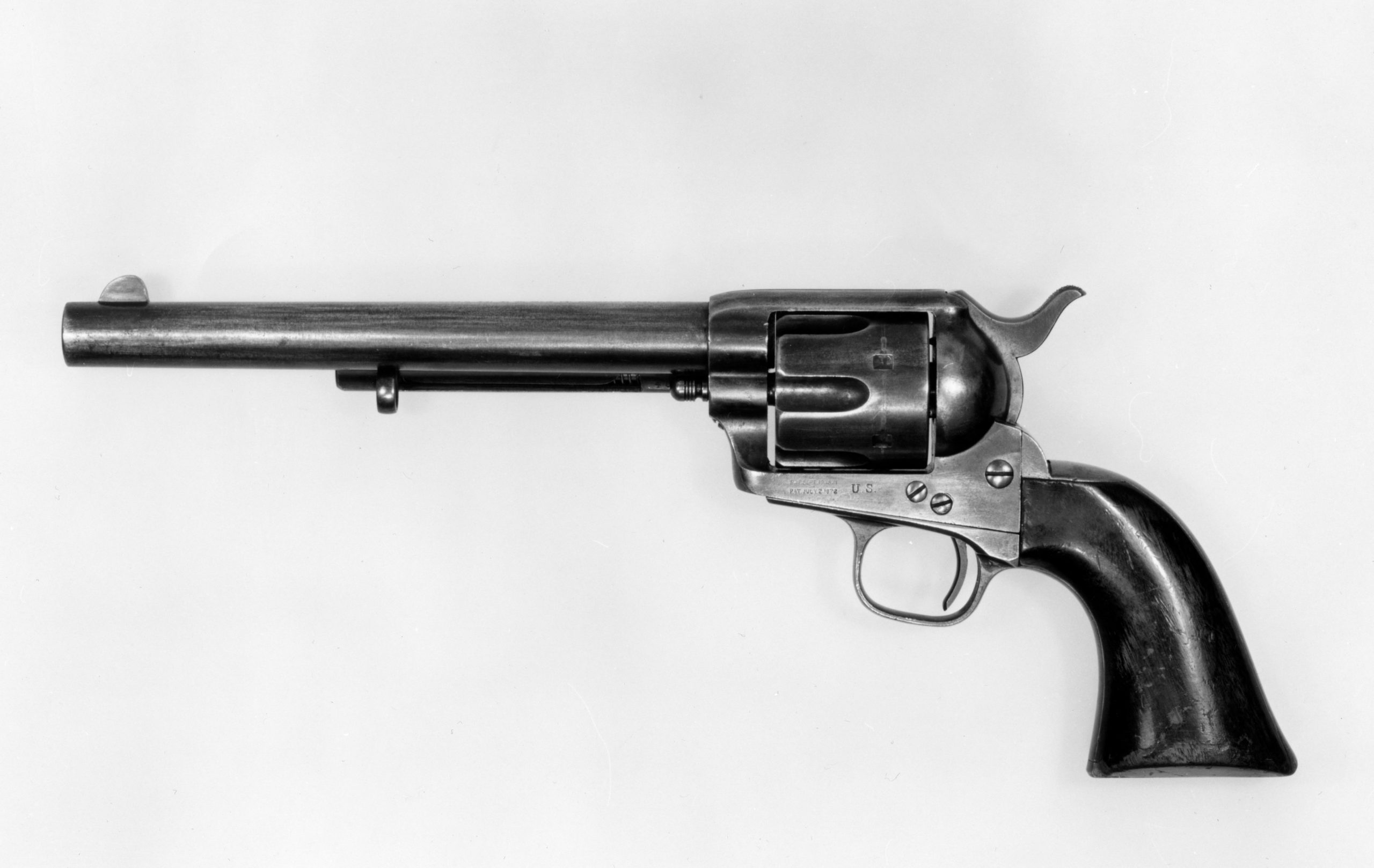
Introduced in 1873, the Colt Single Action Army became one of the most recognizable revolvers in American history. Its traditional design, exposed hammer, and six-chamber cylinder appeal to collectors who appreciate mechanical simplicity and period craftsmanship. However, loading and unloading require more individual steps than with many modern revolvers, and the traditional configuration lacks contemporary safety and ergonomic features. Its weight and handling also reflect nineteenth-century priorities rather than modern convenience. Despite these drawbacks, its enduring silhouette, Western associations, and historical significance have made it an icon for more than 150 years.
3. AK-47

The AK-47 has earned worldwide recognition for its straightforward design and historical influence. Developed in the Soviet Union during the late 1940s, it became famous for its rugged construction and relatively simple operating system. Its drawbacks include substantial weight in some configurations, basic sights, and ergonomics that many modern rifle designs have improved upon. Accuracy also varies considerably with the particular model, ammunition, condition, and manufacturing quality. Nevertheless, the AK pattern’s distinctive appearance, global history, and reputation for functioning under demanding conditions have created an unusually devoted following among collectors and military-history enthusiasts.
4. M1911
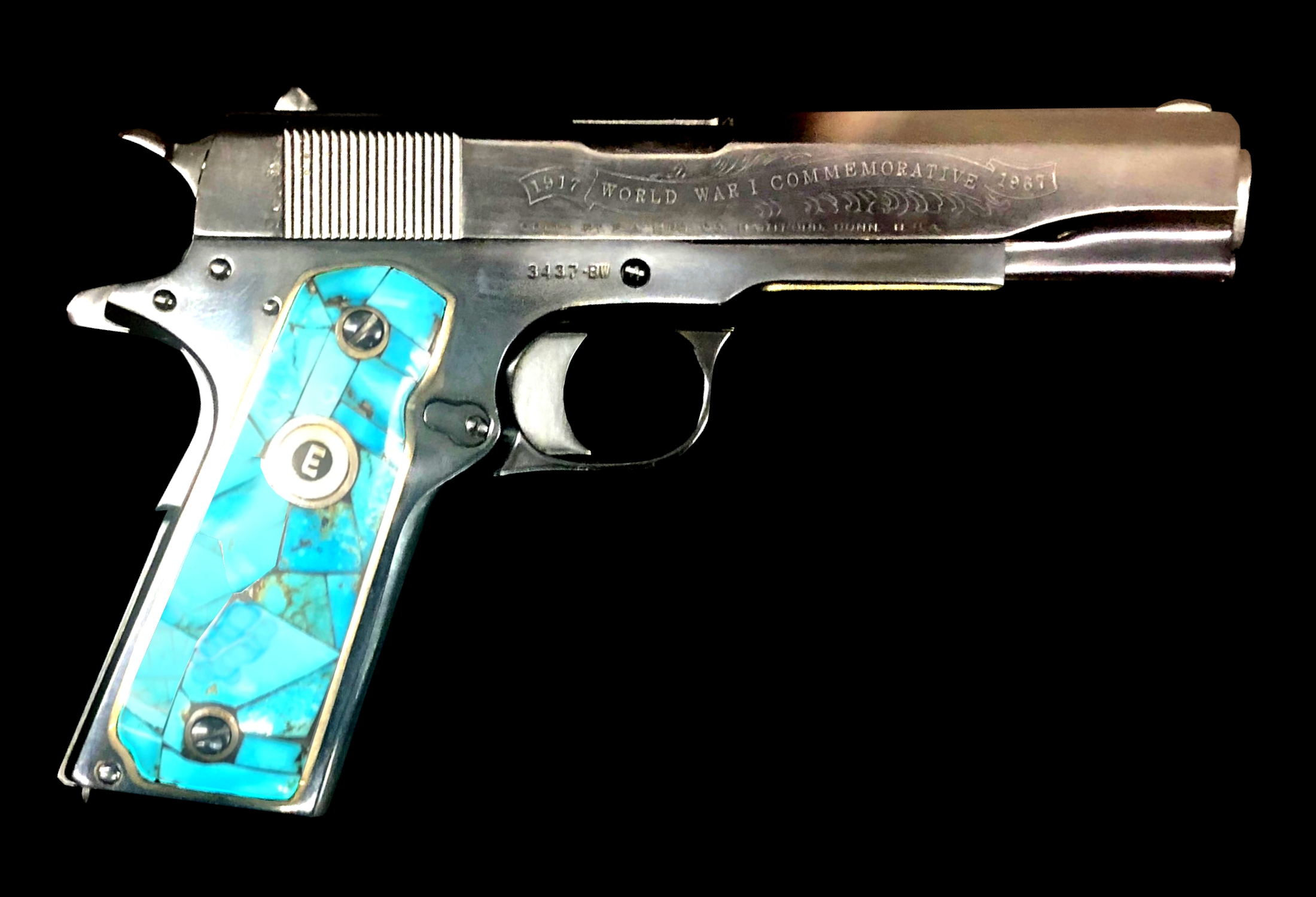
The M1911 pistol, adopted by the US military in 1911, remains popular more than a century after its introduction. Enthusiasts appreciate its slim grip profile, single-action trigger, and extensive range of historical and modern variations. Its traditional seven- or eight-round magazine capacity, depending on the configuration, is lower than that of many contemporary service pistols. It also has a manual thumb safety and may require careful attention to fit, maintenance, and ammunition compatibility. Even so, its familiar controls, long service history, and strong aftermarket tradition keep the M1911 relevant to collectors and sporting shooters.
5. Remington 870
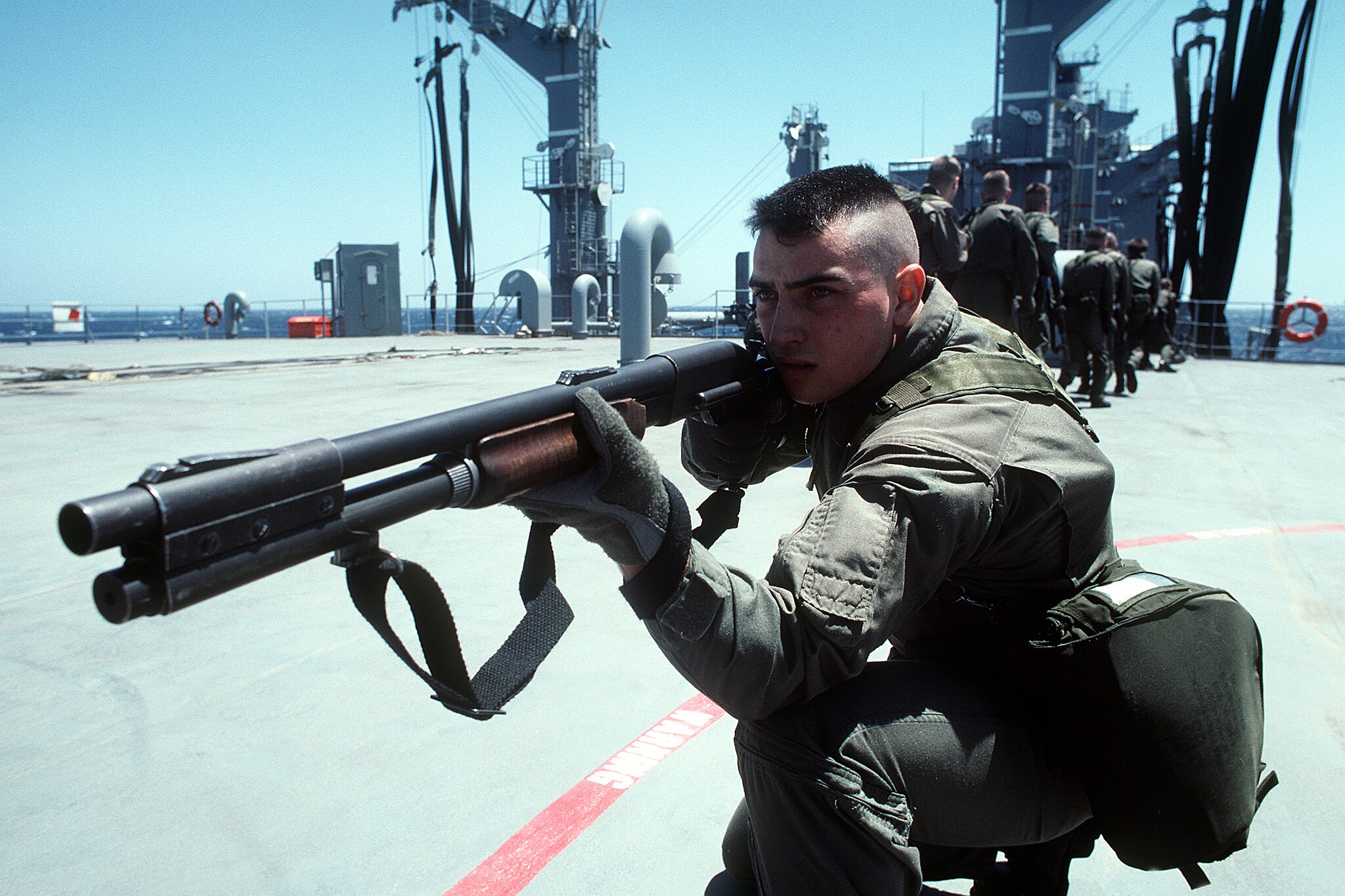
Introduced in 1950, the Remington 870 became one of America’s best-known pump-action shotguns. Its broad range of configurations helped establish it as a familiar choice for hunting, sport shooting, and professional use. However, the platform’s weight can become noticeable during long outings, and its finish, maintenance needs, and parts quality may differ between production periods and individual examples. Pump operation also requires more manual movement than a semiautomatic action. Despite these limitations, the 870’s long history, familiar design, and extensive availability of compatible accessories have helped maintain its devoted following across generations.
6. Ruger Mini-14
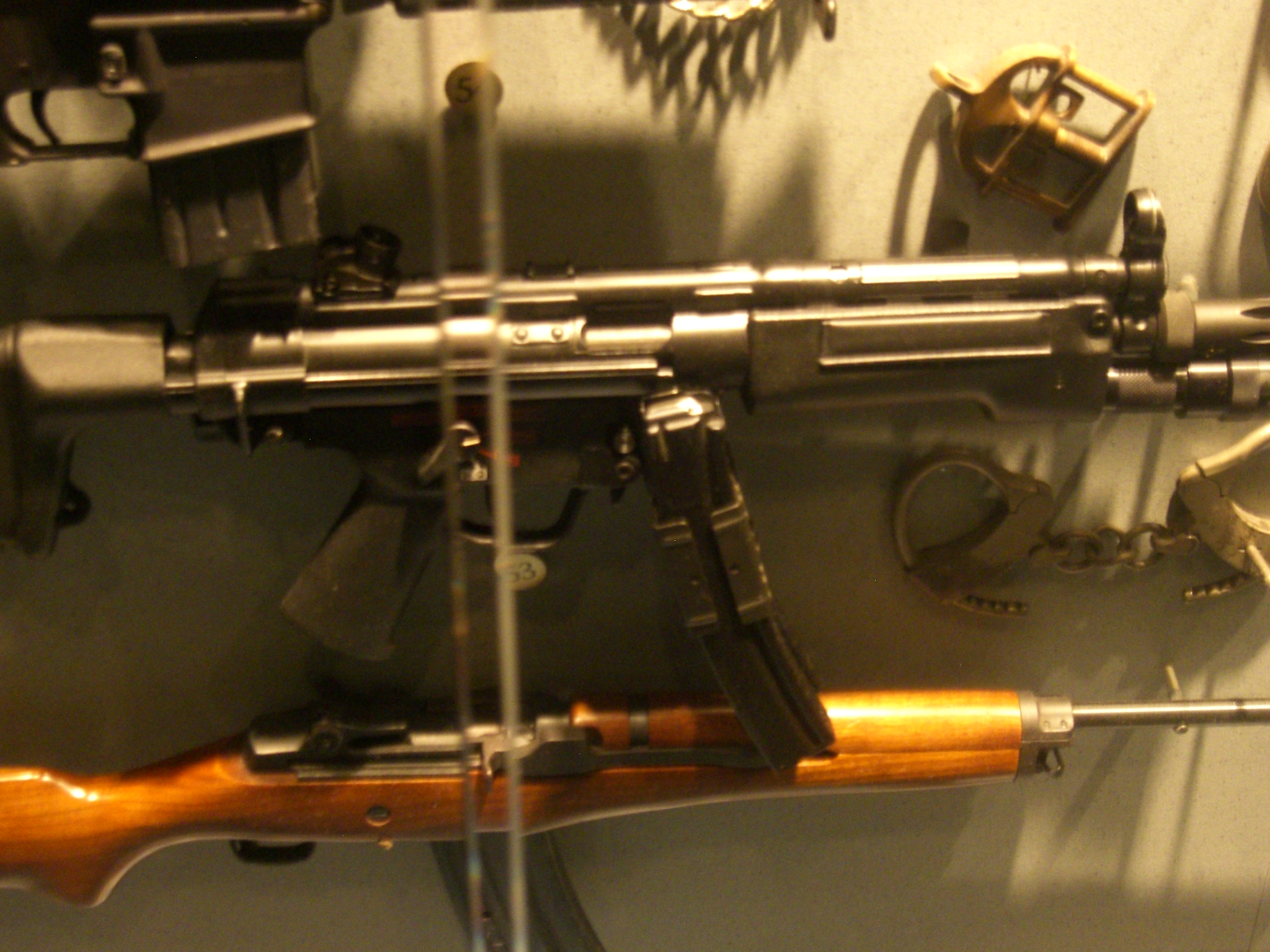
The Ruger Mini-14, introduced in 1973, appeals to owners who prefer its traditional sporting-rifle appearance and relatively compact proportions. Chambered in .223 Remington and, in many versions, 5.56 NATO, it draws design inspiration from earlier military rifles without simply copying their external styling. Older examples have a reputation for less consistent accuracy than some competing rifles, although results vary by model and configuration. Its proprietary magazine ecosystem can also be less convenient than more widely shared alternatives. Still, its familiar stock design, distinctive profile, and longstanding place in American sporting culture inspire loyal owners.
7. Smith & Wesson Model 29

The Smith & Wesson Model 29 became famous as a powerful .44 Magnum revolver, with its public profile boosted by popular films during the 1970s. Its substantial frame and traditional double-action design appeal to enthusiasts who appreciate classic revolver engineering. However, the .44 Magnum cartridge produces considerable recoil and muzzle blast, while the revolver’s weight makes it less convenient to carry than smaller handguns. Ammunition can also cost more than common lower-powered options. These compromises have not diminished its reputation as a landmark firearm, and its powerful chambering and unmistakable heritage continue to attract collectors.
8. SKS

The SKS is a semiautomatic rifle developed in the Soviet Union during the 1940s and subsequently manufactured in several countries. Its fixed ten-round magazine, wooden stock, and traditional operating layout give it a distinctive character that many collectors appreciate. Compared with newer rifle platforms, it can be heavier and less adaptable, while loading arrangements differ from modern detachable-magazine systems. The condition of surplus examples also varies, making inspection and historical research important considerations for collectors. Despite these limitations, the SKS remains popular because it combines mid-century military history, recognizable styling, and an accessible place in the development of modern infantry rifles.
9. Desert Eagle
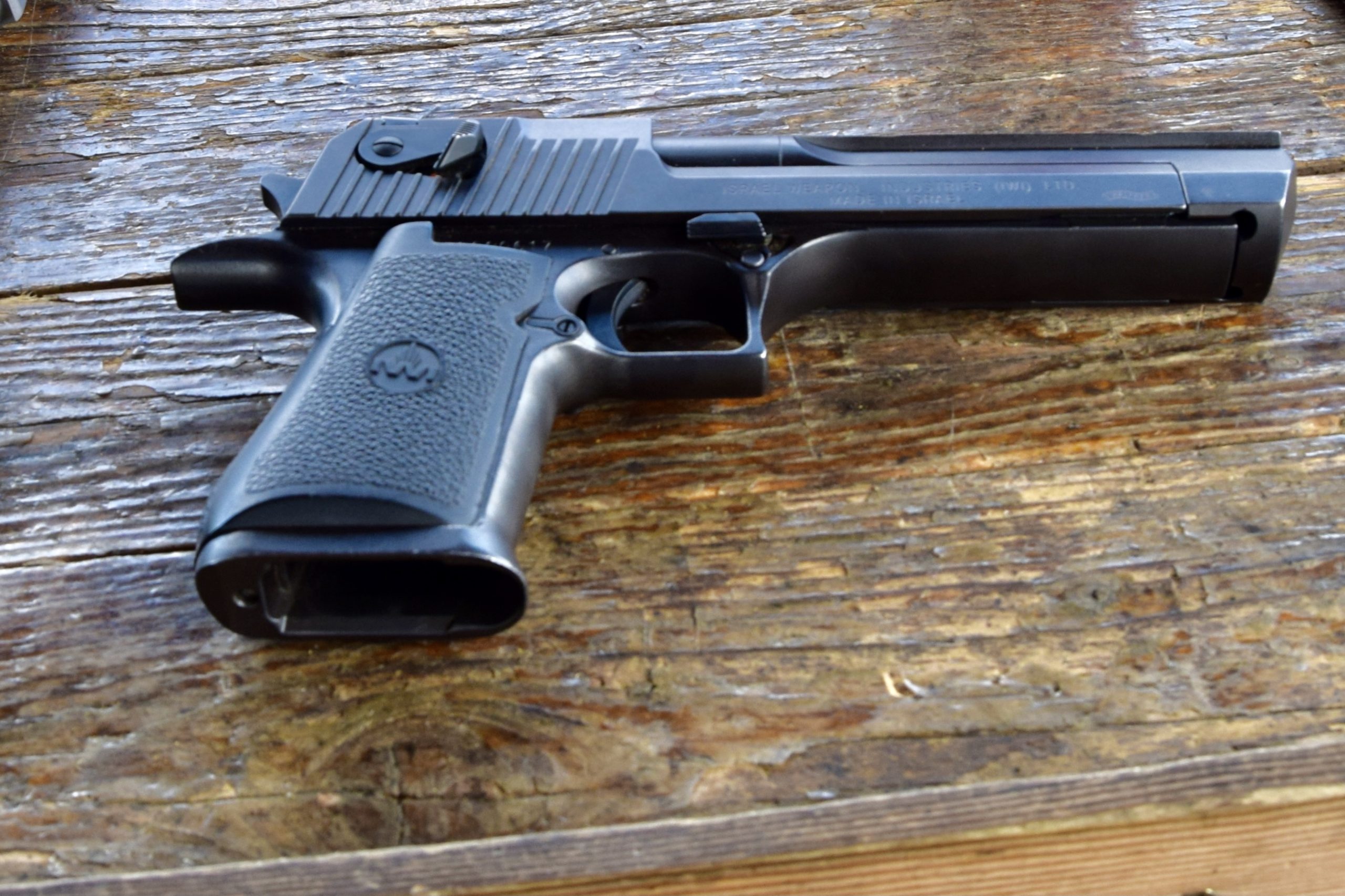
The Desert Eagle stands apart from most semiautomatic pistols because of its oversized frame and association with powerful magnum cartridges. First developed during the 1980s, it became especially recognizable through films, video games, and popular culture. Its large dimensions, considerable weight, strong recoil with magnum ammunition, and relatively limited everyday practicality are clear compromises. It is also less convenient for users with smaller hands than many ordinary service pistols. Yet its unusual gas-operated design, striking appearance, and engineering ambition give it a loyal audience among collectors and enthusiasts who value distinctive firearms over compactness.
10. Mosin-Nagant
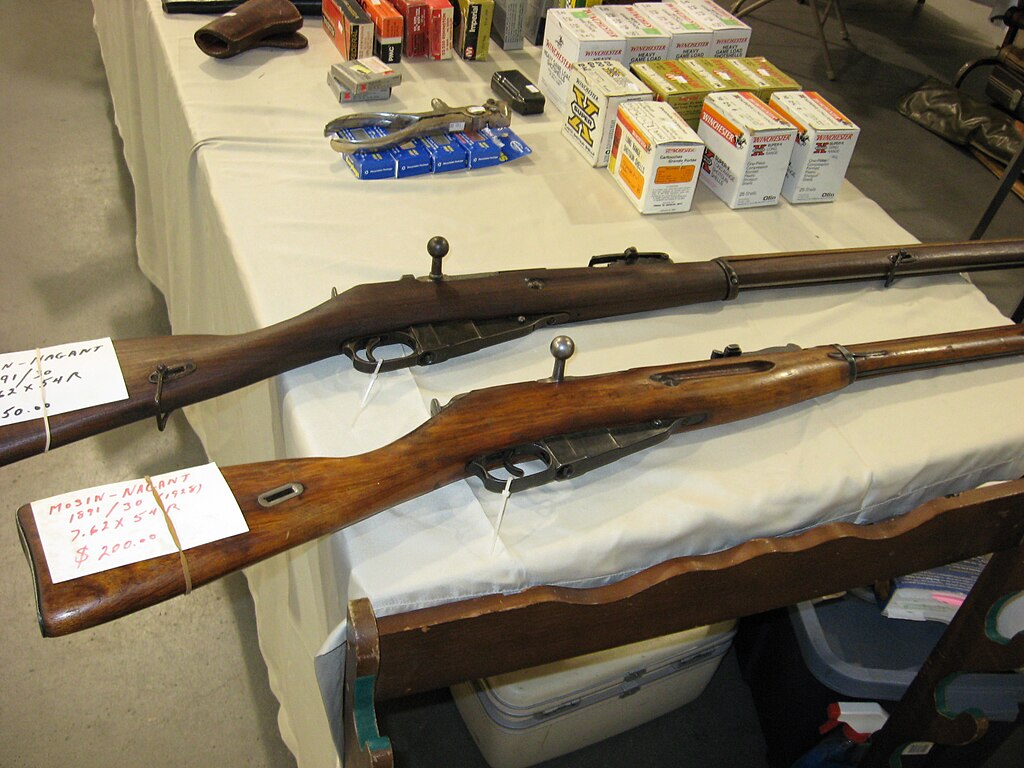
The Mosin-Nagant is a bolt-action rifle family that entered Russian military service in 1891 and remained influential through numerous conflicts. Many surviving examples are now valued for their historical significance, rugged construction, and recognizable wooden stocks. Their age can bring drawbacks, including heavy triggers, variable condition, limited modern ergonomics, and differences in accuracy between individual rifles. Surplus ammunition and replacement parts may also vary in availability by location. Nevertheless, the Mosin-Nagant retains a devoted collector community because each rifle can represent a tangible connection to more than a century of military history and changing manufacturing practices.