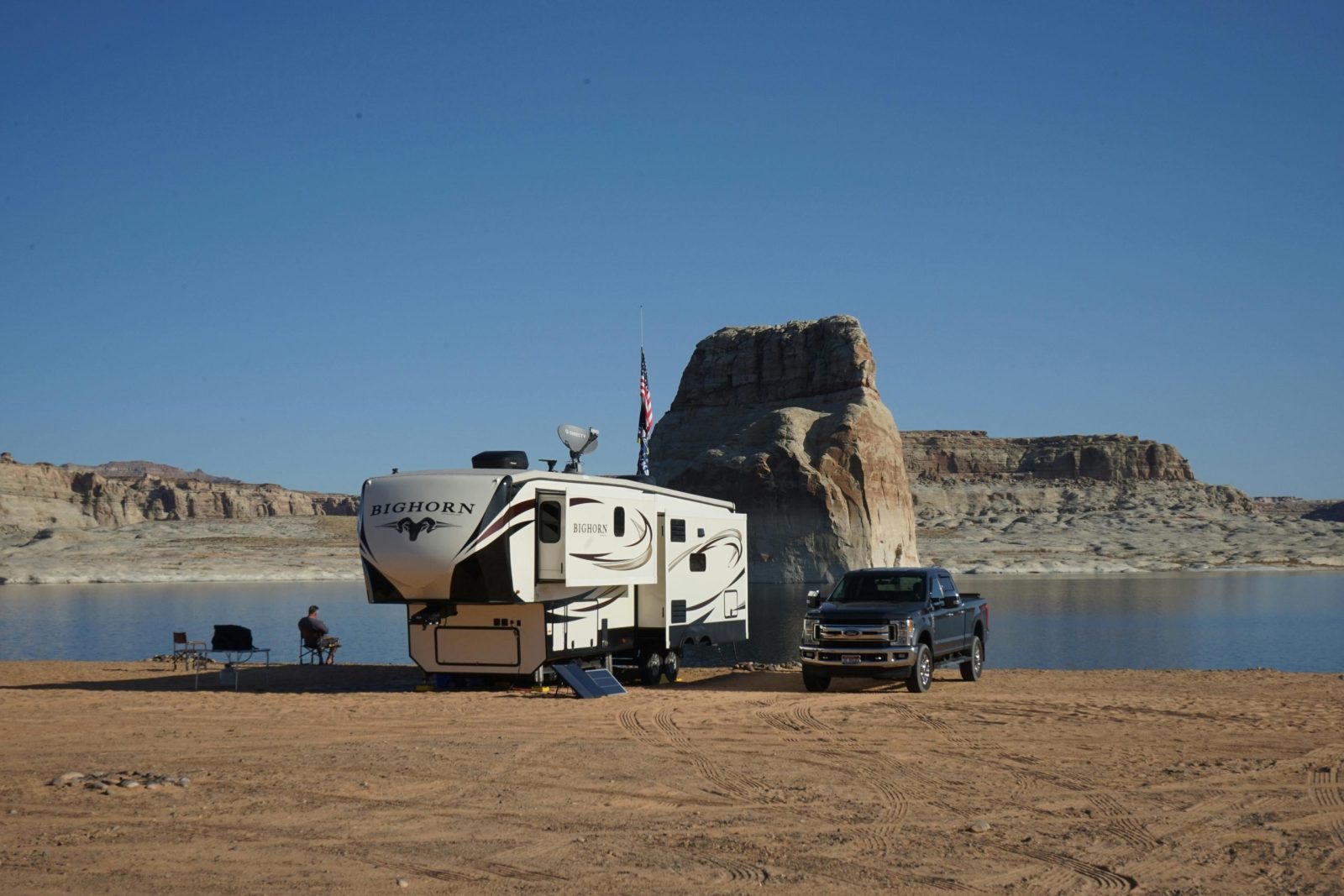
Traveling in an RV offers freedom, adventure, and comfort, but water management is a crucial part of the journey. Ensuring your fresh water stays clean, gray water is handled properly, and black water is safely stored prevents health risks and plumbing issues. Knowing how to fill, maintain, and monitor your RV water tanks enhances safety, convenience, and peace of mind, letting you enjoy long road trips or weekend getaways without worrying about your water supply.
Understanding RV Water Tanks

Most RVs feature three essential water tanks: fresh, gray, and black. The fresh water tank stores potable water for drinking, cooking, and showers, while gray water collects wastewater from sinks and showers. Black water handles sewage from toilets. Understanding their functions is key to proper filling, use, and dumping. Mixing them up can cause serious contamination issues. Proper tank knowledge ensures safe, efficient, and hygienic water usage during every trip.
Filling Your Fresh Water Tank
When filling your fresh water tank, always use a clean hose dedicated solely to potable water. Avoid overfilling, which can strain pipes or cause leaks. Fill at trusted sources like RV parks or campgrounds with treated water. Inspect the hose and connections for leaks before filling. A fully clean tank guarantees safe drinking water, reliable cooking, and hygiene for showers, making your journey worry-free and ensuring you never run out of water mid-trip.
Keeping Water Clean and Sanitized
Sanitizing your freshwater tank regularly is critical. Using a mild bleach solution or RV-approved sanitizer removes bacteria and prevents contamination. After sanitizing, flush thoroughly before drinking or cooking. Replace worn hoses and fittings to avoid hidden buildup. Installing filters at the water inlet and faucet points helps trap sediment and impurities, keeping water tasting fresh and safe. Clean water management is essential for a healthy and enjoyable RV lifestyle.
Managing Water Temperature
Temperature impacts both water safety and tank longevity. In freezing weather, water expands, risking cracked tanks or damaged pipes. Use tank heaters or RV safe antifreeze when camping in cold climates. In hot weather, stagnant water can develop odors or a stale taste, so refill and circulate water regularly. Understanding temperature effects ensures your water stays safe, your plumbing remains intact, and your camping or road trip experience is comfortable, no matter the climate.
Avoiding Contamination
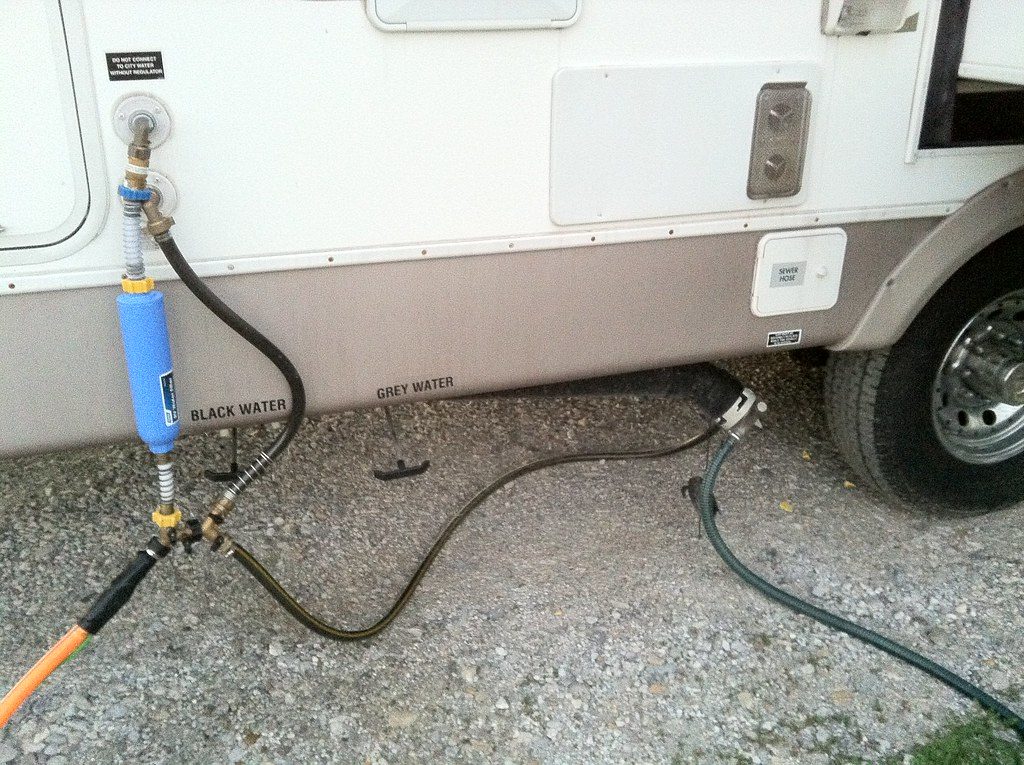
Cross-contamination is a major concern for RV water systems. Never let gray or black water mix with fresh water. Clearly label hoses for potable and wastewater, and inspect valves and seals regularly for leaks. Avoid unclean faucets or containers during refills. Rinse tanks and hoses thoroughly after each use. Simple preventative measures significantly reduce the risk of illness, protect plumbing, and maintain clean water, keeping your RV adventures safe, hygienic, and stress-free.
Monitoring and Managing Tank Capacity
Knowing your tank capacity helps prevent running out of water or overfilling. Track usage for drinking, showers, and dishwashing. Conserve water when necessary, and plan stops at refill points. Overfilling can cause spills, leaks, or pressure issues, while underfilling may compromise comfort. Proper capacity management ensures you stay hydrated, maintain personal hygiene, and keep plumbing systems functioning optimally throughout your journey, whether on short trips or long cross-country adventures.
Routine Maintenance for Longevity
Regular maintenance extends the life of RV water systems. Clean tanks at least seasonally, inspect hoses for cracks, and ensure valves operate smoothly. Lubricate seals and replace worn components promptly. Preventing buildup and monitoring system performance keeps tanks safe and functional. Consistent care minimizes emergencies, protects water quality, and preserves the integrity of your RV’s plumbing, allowing stress-free travels and reliable access to fresh, clean water at every stop.
Water Safety on the Road
Drinking only from your RV’s fresh water tank or filtered sources ensures safety. Gray water should never be used for cooking or drinking. Practice hand hygiene when handling hoses, tanks, or fittings. Pay attention to local water advisories at refill stations or campgrounds. Carrying extra bottled water provides an emergency backup, ensuring hydration and safety during long trips or in remote areas. Water safety planning helps you stay healthy and fully enjoy your RV experience.
Final Thoughts: Enjoying RV Life with Confidence
Proper water management in an RV requires planning, vigilance, and consistent maintenance. From filling and sanitizing to temperature awareness and avoiding contamination, every step ensures safe, clean water throughout your trip. Monitoring capacity, performing routine upkeep, and practicing safety measures keep your RV experience enjoyable, hygienic, and stress-free. Mastering water systems allows you to focus on adventure, relaxation, and making memories on the open road.