Some firearms disappear when newer designs arrive. Others somehow refuse to leave. Their survival is rarely just about marketing or nostalgia. In many cases, shooters kept buying, repairing, customizing, hunting with, and competing with these guns because each offered something that remained useful. From century-old military rifles to modern sporting platforms, these 12 examples show how strong user loyalty can keep a firearm relevant long after its original era has passed. The numbers, dates, capacities, and production details also reveal just how long some of these designs managed to stay in the conversation.
1. Savage Model 99

The Savage Model 99 looked like a conventional lever gun, but hunters kept choosing it because its design solved problems that older lever rifles could not. Introduced in 1899, it used a rotary magazine instead of a tubular magazine, allowing pointed bullets and more modern cartridges. A visible counter could show the remaining rounds, an unusual feature for its era. Production continued until 1997, giving the design roughly 98 years of life. More than 150 variations appeared when models, chamberings and special options are counted. Its long service came from hunters who valued its handling, accuracy and ability to keep adapting as ammunition evolved.
2. Colt M1911
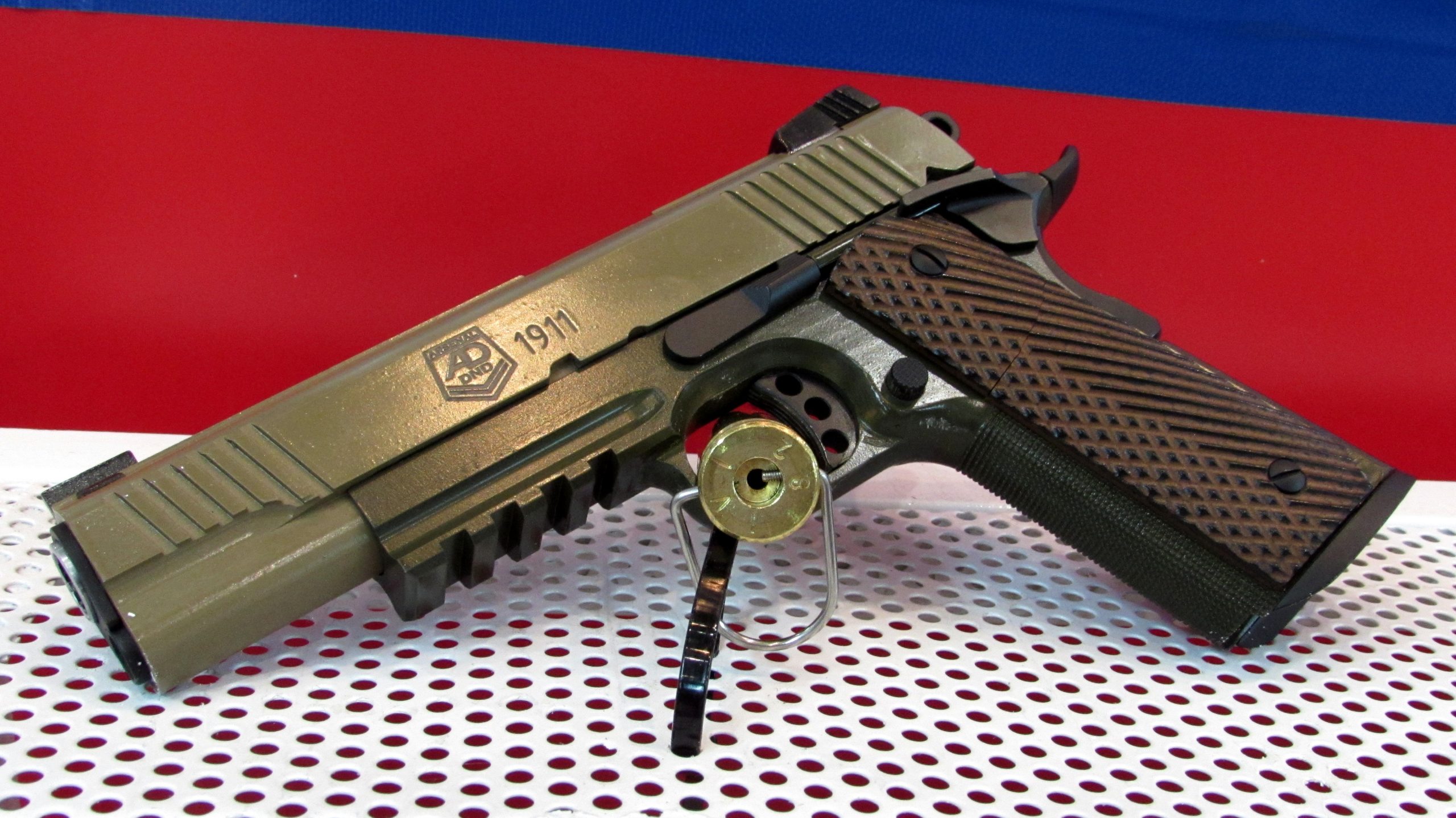
The Colt M1911 survived repeated changes in handgun fashion because shooters kept finding reasons to retain its familiar handling and trigger system. Adopted by the U.S. military in 1911, the .45 ACP pistol remained a service standard for decades and became deeply established in competition and civilian shooting. The original military pistol held 7 rounds, while later commercial versions offered different capacities and sizes. More than a century after adoption, the 1911 remains widely recognized because generations of shooters continued repairing, refining and customizing a platform they already understood. That familiarity became part of its staying power.
3. Browning Hi-Power
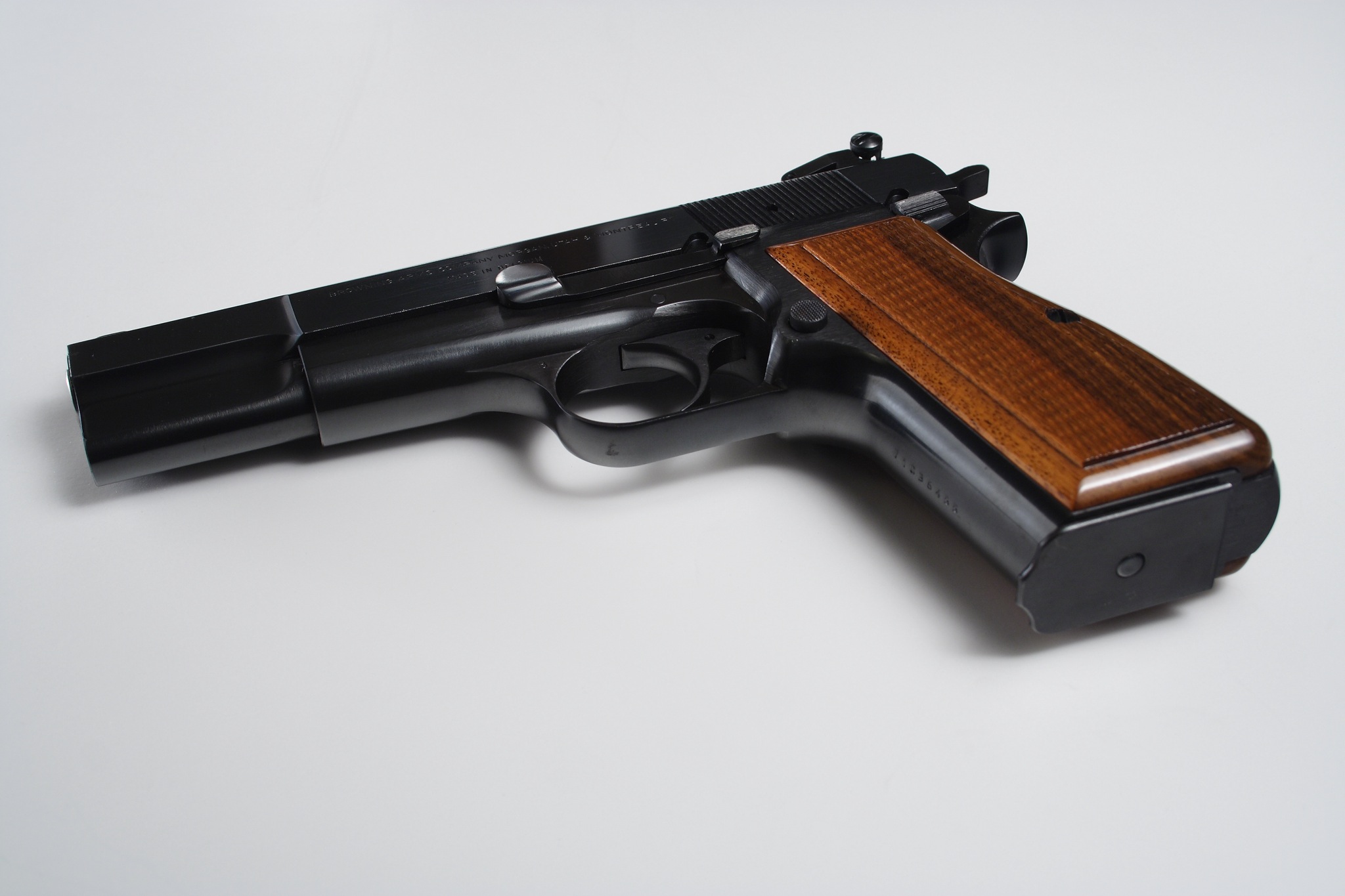
The Browning Hi-Power refused to disappear even after newer service pistols offered simpler manufacturing and higher magazine capacity. Developed by John Browning and Dieudonné Saive, it entered production in 1935 with a 13-round magazine, a notable figure for its period. Military and police users adopted it across many countries, giving the design an unusually broad life outside its home market. Browning production ended in 2018, but demand did not vanish; other manufacturers continued making updated versions. Its survival reflects how shooters valued its slim profile, single-action trigger and distinctive balance long after polymer-framed pistols became dominant.
4. Winchester Model 94
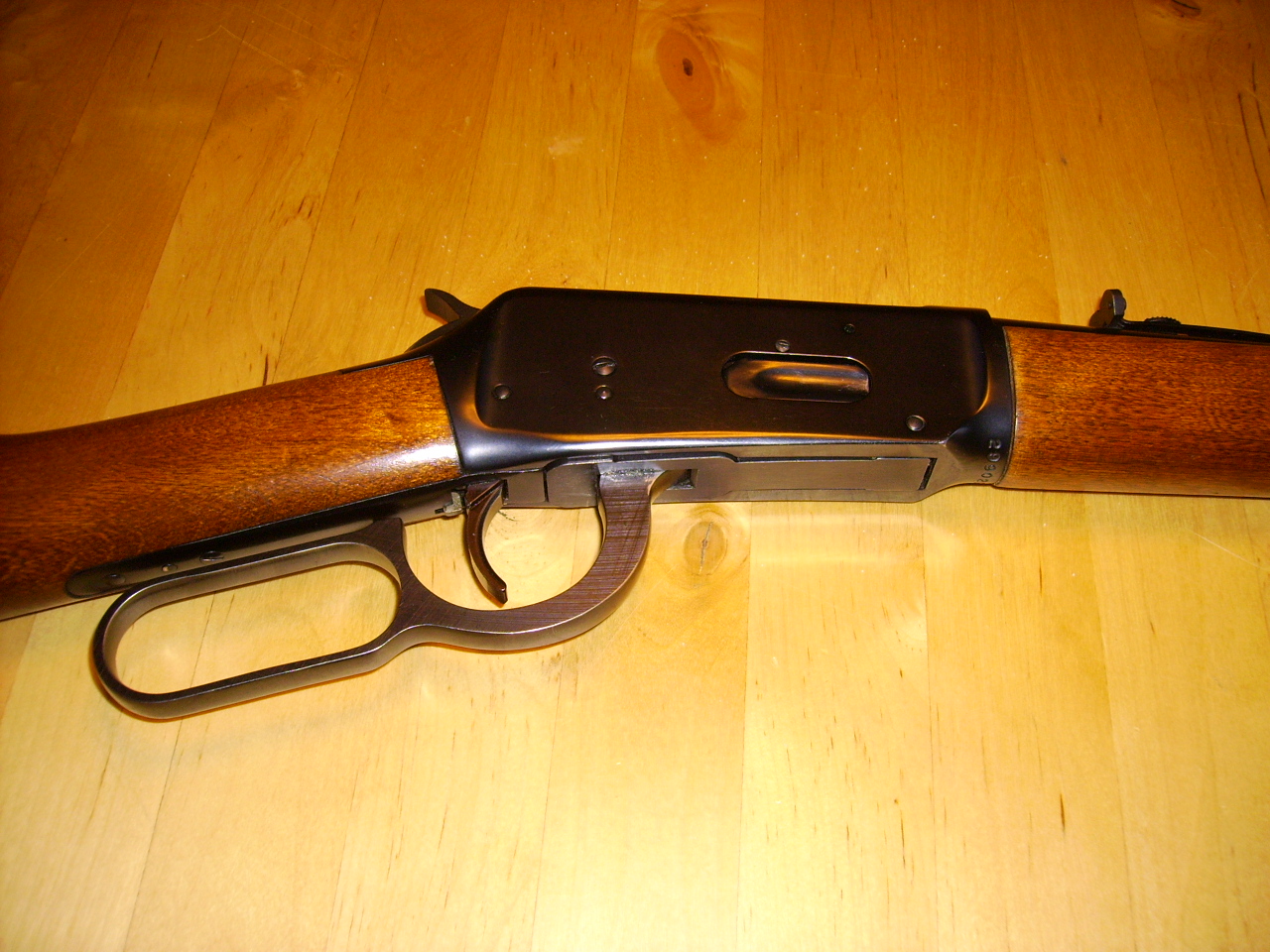
The Winchester Model 94 stayed relevant because hunters treated it as more than an old-fashioned lever action. Introduced in 1894, it became closely associated with the .30-30 Winchester cartridge and generations of deer hunters. Winchester has changed ownership and production arrangements over the years, and the rifle itself has appeared in numerous configurations. The classic .30-30 version combined a relatively light rifle with a practical hunting cartridge, making it useful in thick woods and at moderate ranges. Its continued presence is largely a story of familiarity: shooters who learned the Model 94 kept using it, teaching the same manual of arms to the next generation.
5. Ruger 10/22
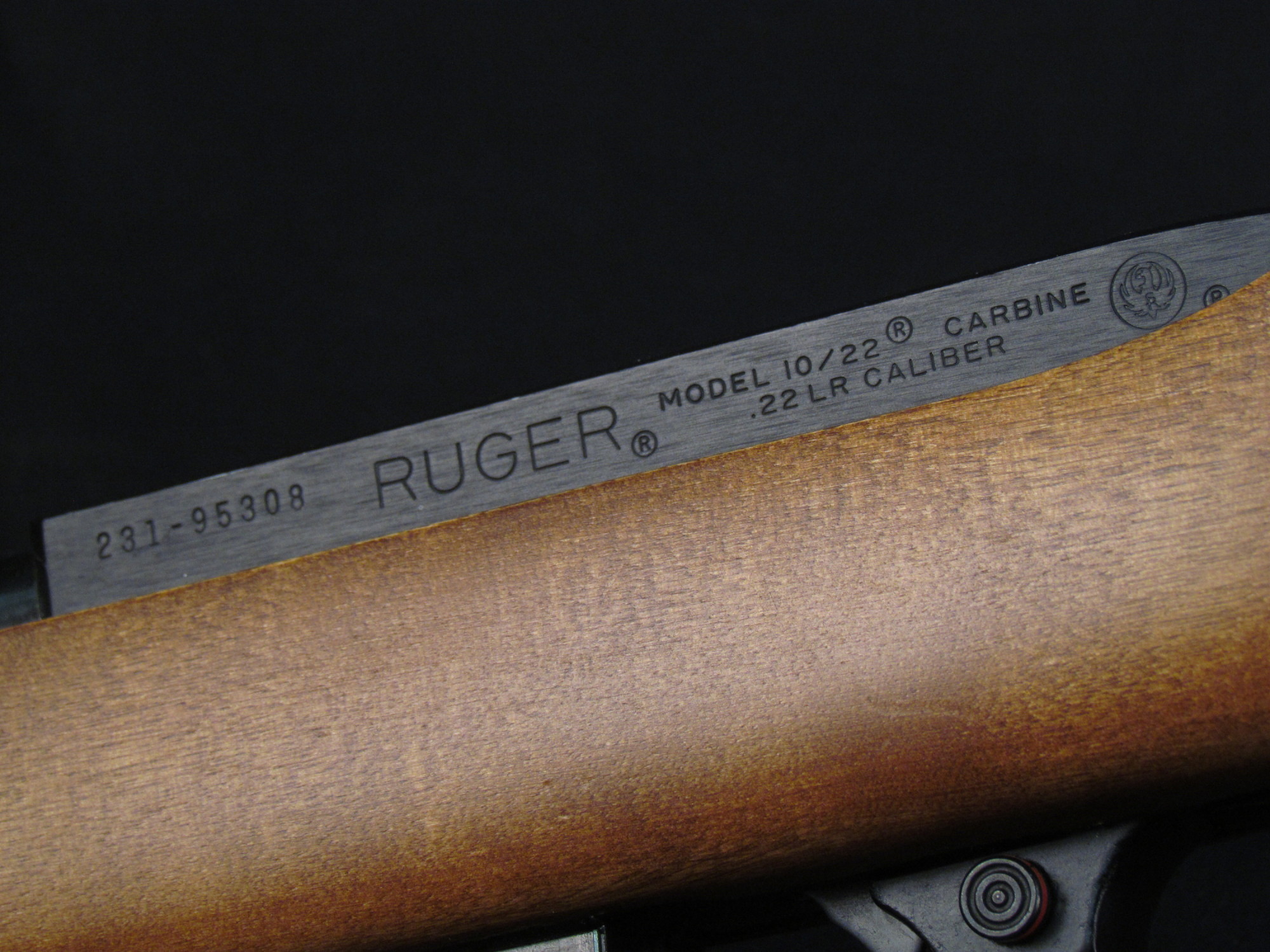
The Ruger 10/22 survived because shooters turned a modest .22 rifle into a platform with an enormous aftermarket. Introduced in 1964, it used a compact 10-round rotary magazine and a simple semiautomatic action that made it approachable for training, plinking and small-game use. Ruger kept producing the rifle while adding many configurations rather than abandoning the original concept. Owners gained access to stocks, sights, barrels and other compatible parts from numerous suppliers. That ecosystem mattered as much as the factory rifle itself. Instead of becoming obsolete, the 10/22 became a customizable family of rifles that remained familiar to several generations of shooters.
6. Remington Model 700
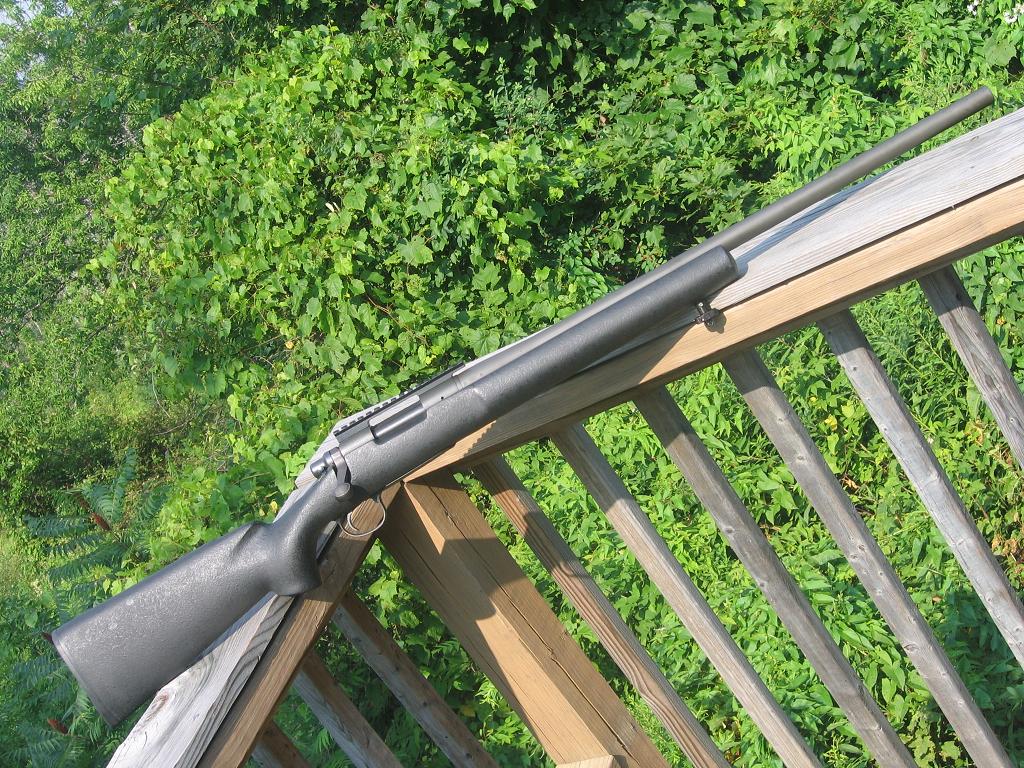
The Remington Model 700 endured because its basic bolt-action layout became a familiar foundation for hunting, competition and other sporting applications. Introduced in 1962, it evolved from Remington’s earlier 721 and 722 rifles and was offered in a wide range of chamberings and configurations. Its reputation was reinforced by the many aftermarket stocks, triggers, bases and other components built around the action. The rifle also became influential in precision shooting, where consistency and repeatable lockup mattered. Even through ownership changes and Remington’s 2020 bankruptcy, demand for the Model 700 pattern remained strong enough for the design to continue under new ownership.
7. CZ 75
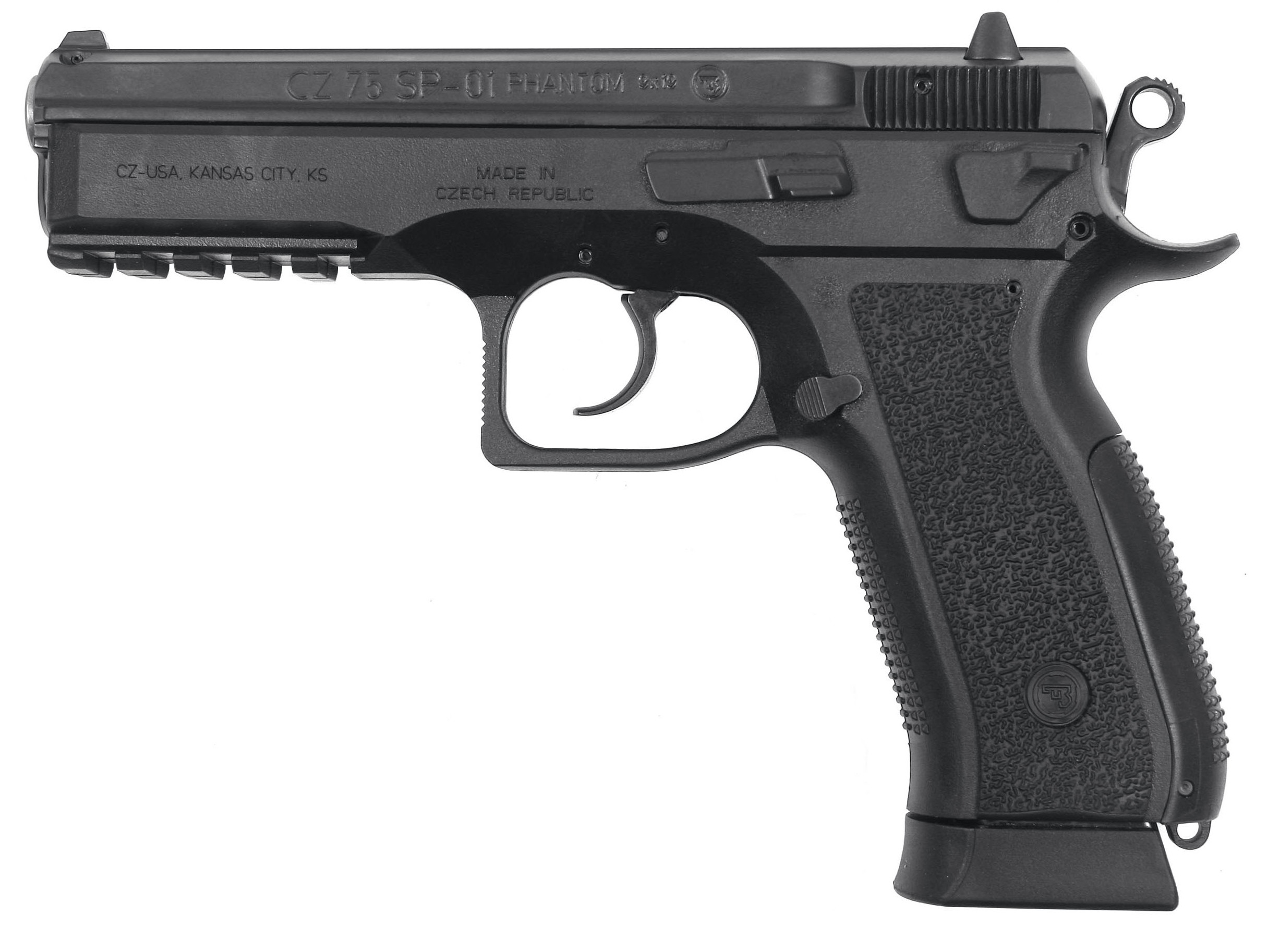
The CZ 75 survived the changing handgun market because its steel-frame design gave shooters a combination of capacity, controllability and a familiar double-action system. Introduced in 1975, it used a 15-round magazine in its original form, giving it substantial capacity for its era. Its slide rides inside the frame rails, a layout that contributes to the pistol’s distinctive handling and low slide profile. Although polymer-framed pistols later became the industry norm, the CZ 75 family continued through numerous variants and remained influential in competition. Its longevity shows that shooters did not simply replace every older design when lighter pistols became available.
8. Beretta 92
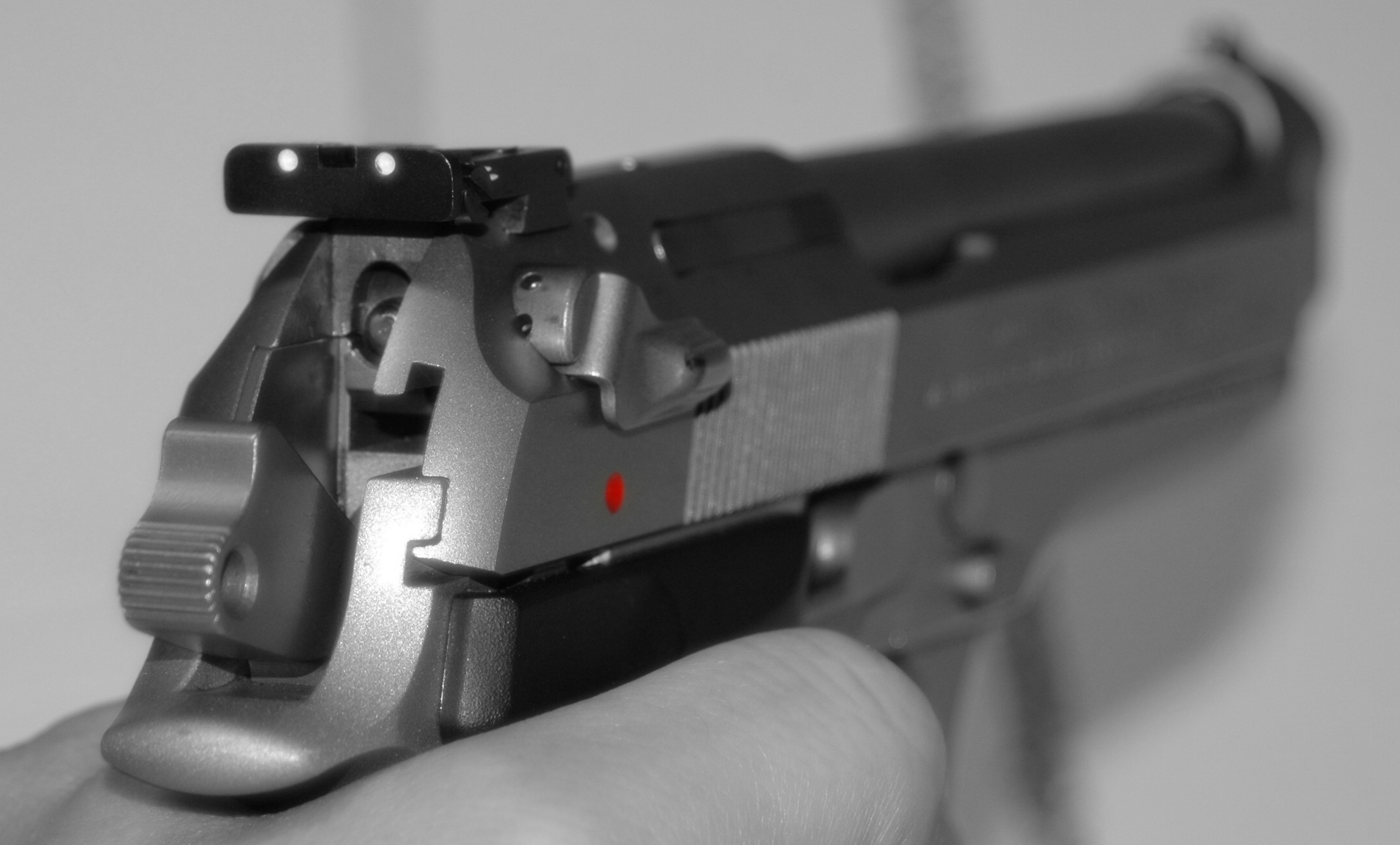
The Beretta 92 survived beyond its military fame because its civilian and competitive following gave the design a second life. Introduced in the 1970s, the pistol used a locked-breech, short-recoil system and an open-slide design derived from Beretta’s earlier experience. The U.S. military adopted a version as the M9 in 1985, and that association made the platform widely recognizable. Standard 92-series magazines commonly hold 15 rounds, although later variants offer other capacities. Even after the U.S. military moved to the SIG Sauer M17 and M18, Beretta continued producing 92-family pistols, while shooters retained interest in their distinctive controls, balance and operating system.
9. Lee-Enfield
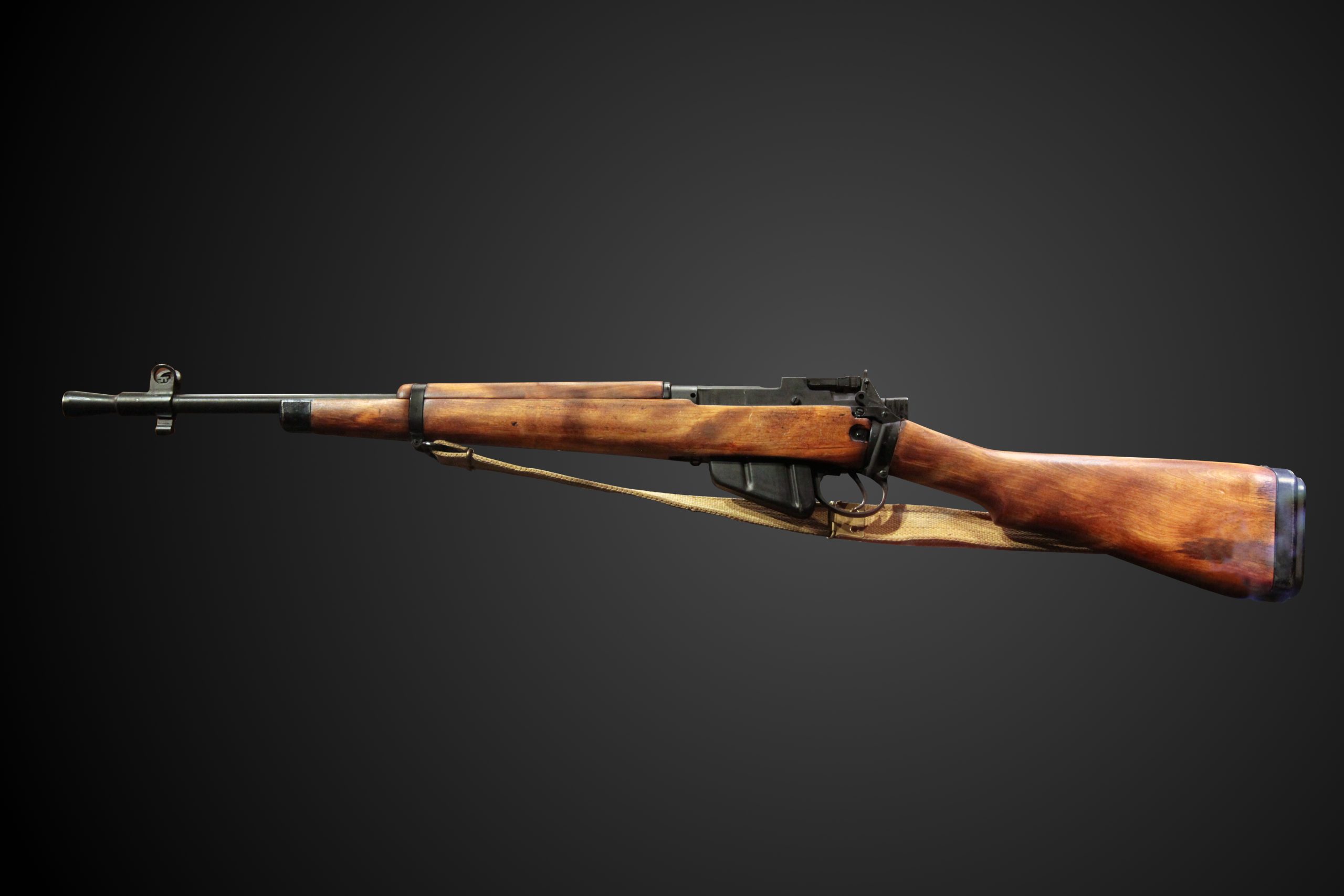
The Lee-Enfield survived far beyond its original military era because surplus rifles remained useful, plentiful and familiar to shooters around the world. Britain adopted the Short, Magazine Lee-Enfield in 1904, and the design became a major service rifle through two world wars. Its standard magazine held 10 rounds, unusually generous for a bolt-action military rifle of the period. The rifle’s smooth action and strong historical identity helped it remain popular with collectors, hunters and target shooters after military service ended. Sporting versions also appeared, extending the design’s life. For many owners, familiarity and heritage were reasons to keep using it rather than replace it.
10. Mauser 98
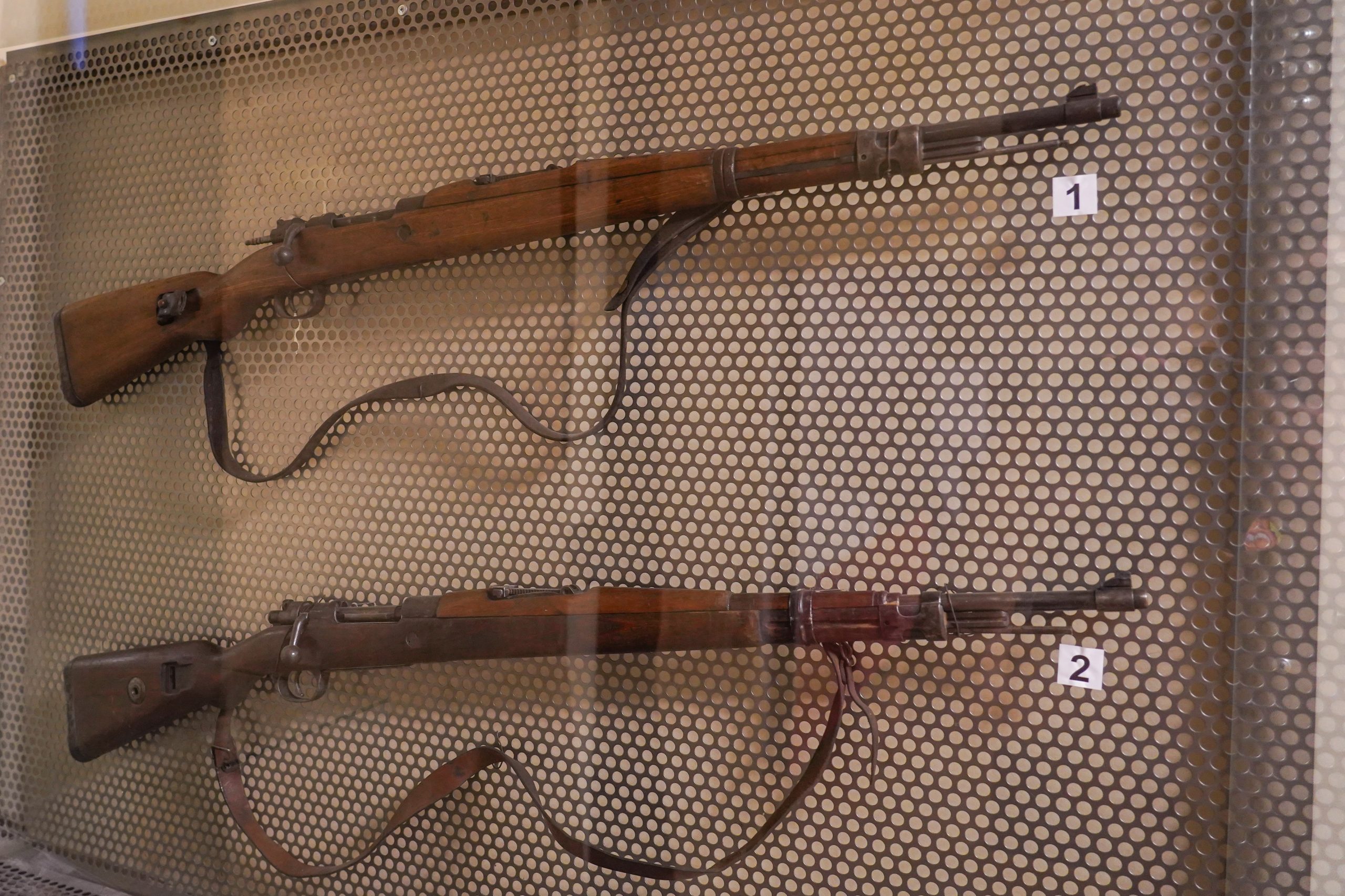
The Mauser 98 survived because its controlled-feed bolt-action became a template that later rifles repeatedly borrowed from and refined. Adopted by Germany in 1898, the original military rifle used a 5-round internal magazine and a robust bolt with several safety features. Its action earned a reputation for strength and reliability and proved adaptable to sporting cartridges. After military service, Mauser actions were rebuilt into hunting rifles, and makers produced many rifles influenced by it. More than a century later, the 98-style action remains recognizable in hunting rifles. Its survival is less about one model staying unchanged and more about shooters retaining its underlying design.
11. Mosin-Nagant
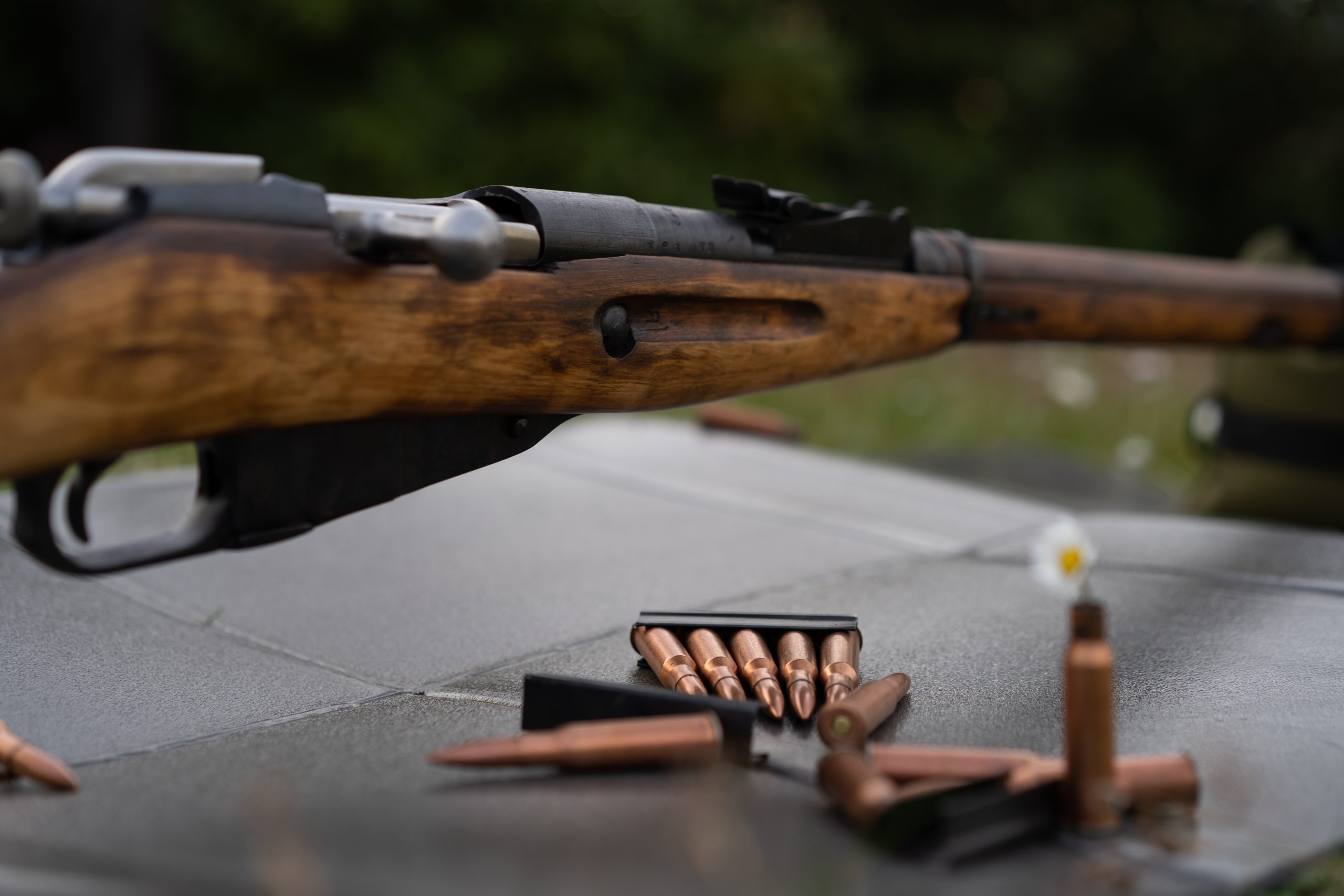
The Mosin-Nagant survived because enormous wartime production left millions of rifles in circulation, creating a lasting pool of shooters, collectors and surplus owners. Russia adopted the Model 1891, and the rifle remained in military service in updated forms for decades. Its standard internal magazine held 5 rounds, while its action was designed for straightforward military use. After the Second World War, surplus rifles spread into civilian markets, where low prices and historical interest kept demand alive. The design was never the most refined sporting rifle, but that was not its purpose. Its availability and history kept shooters interested long after newer rifles dominated.
12. SKS
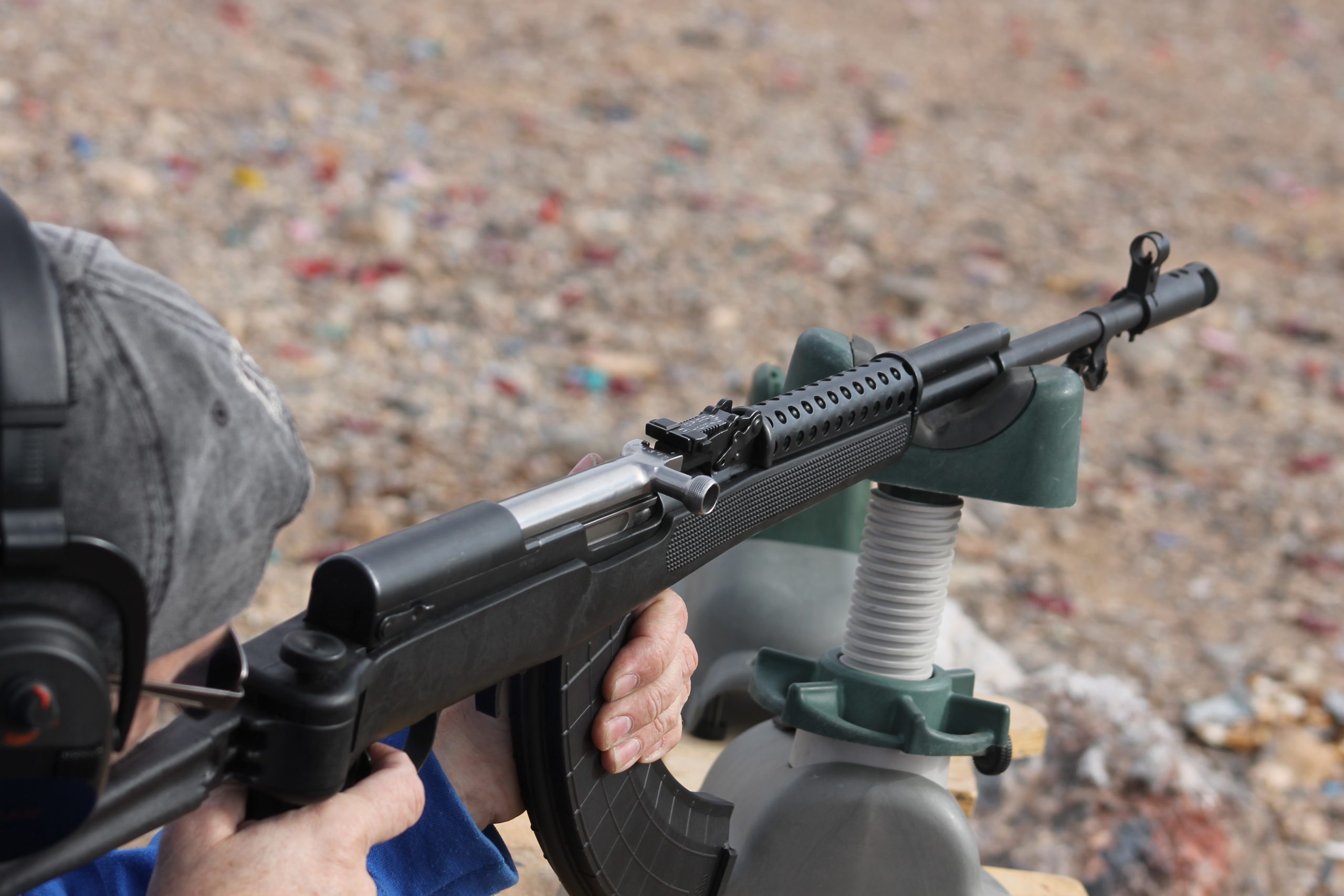
The SKS survived because shooters found practical value in a military rifle that sat between older bolt actions and later detachable-magazine rifles. Designed by Sergei Simonov in the late 1940s, it entered Soviet service in 1949 and used a fixed 10-round magazine loaded with stripper clips. Although the Soviet Union soon moved toward the AK pattern, SKS rifles remained in service elsewhere and later entered civilian surplus markets. Their moderate weight, self-loading action and simple fixed magazine appealed to owners seeking a historically significant semiautomatic rifle. Even as newer designs became common, civilian interest kept the SKS visible long after its military role faded.