Earth’s distant past was filled with animals that were not just larger or stranger than today’s wildlife, but genuinely dangerous to anything that crossed their path. These prehistoric creatures evolved in environments where survival demanded speed, armor, venom, or sheer brute force. Many dominated their ecosystems as apex predators with no natural enemies. If humans had evolved alongside them, daily life would have looked very different. Fossil evidence shows that these animals were efficient killers, perfectly adapted to their time. Their extinction reshaped ecosystems and allowed safer, more balanced environments to develop. In many ways, modern life exists because these creatures no longer do.
1. Tyrannosaurus rex
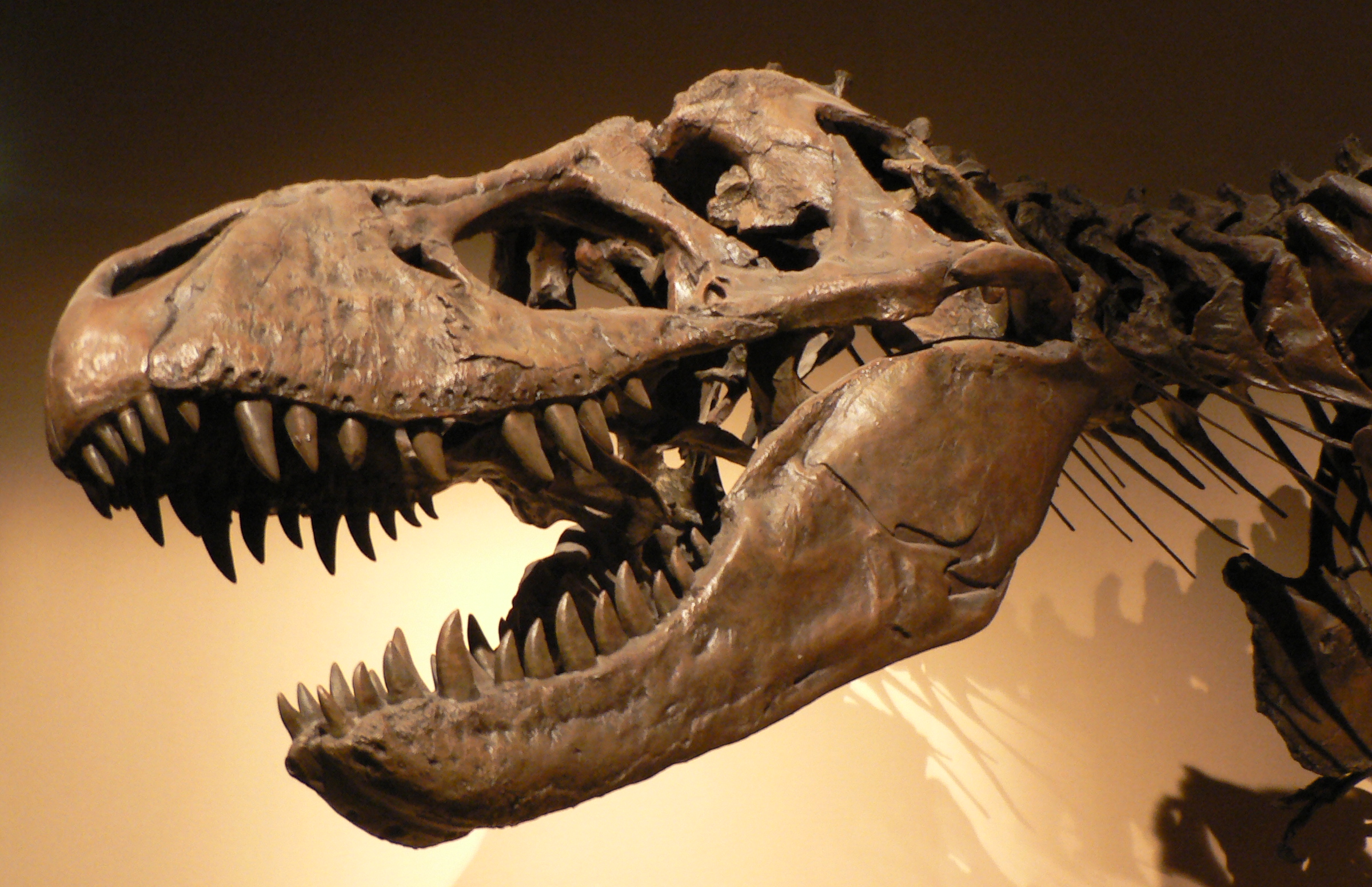
Tyrannosaurus rex was one of the most efficient land predators to ever walk the planet. With bone-crushing jaws, serrated teeth, and a bite force strong enough to pulverize bone, it could disable massive prey quickly. Its forward-facing eyes provided depth perception, making it a precise hunter rather than a slow scavenger. Despite its size, evidence suggests it could move faster than expected. If such a predator existed today, modern weapons and infrastructure would struggle to keep populations safe. The extinction of Tyrannosaurus rex removed one of history’s most unstoppable terrestrial hunters.
2. Spinosaurus
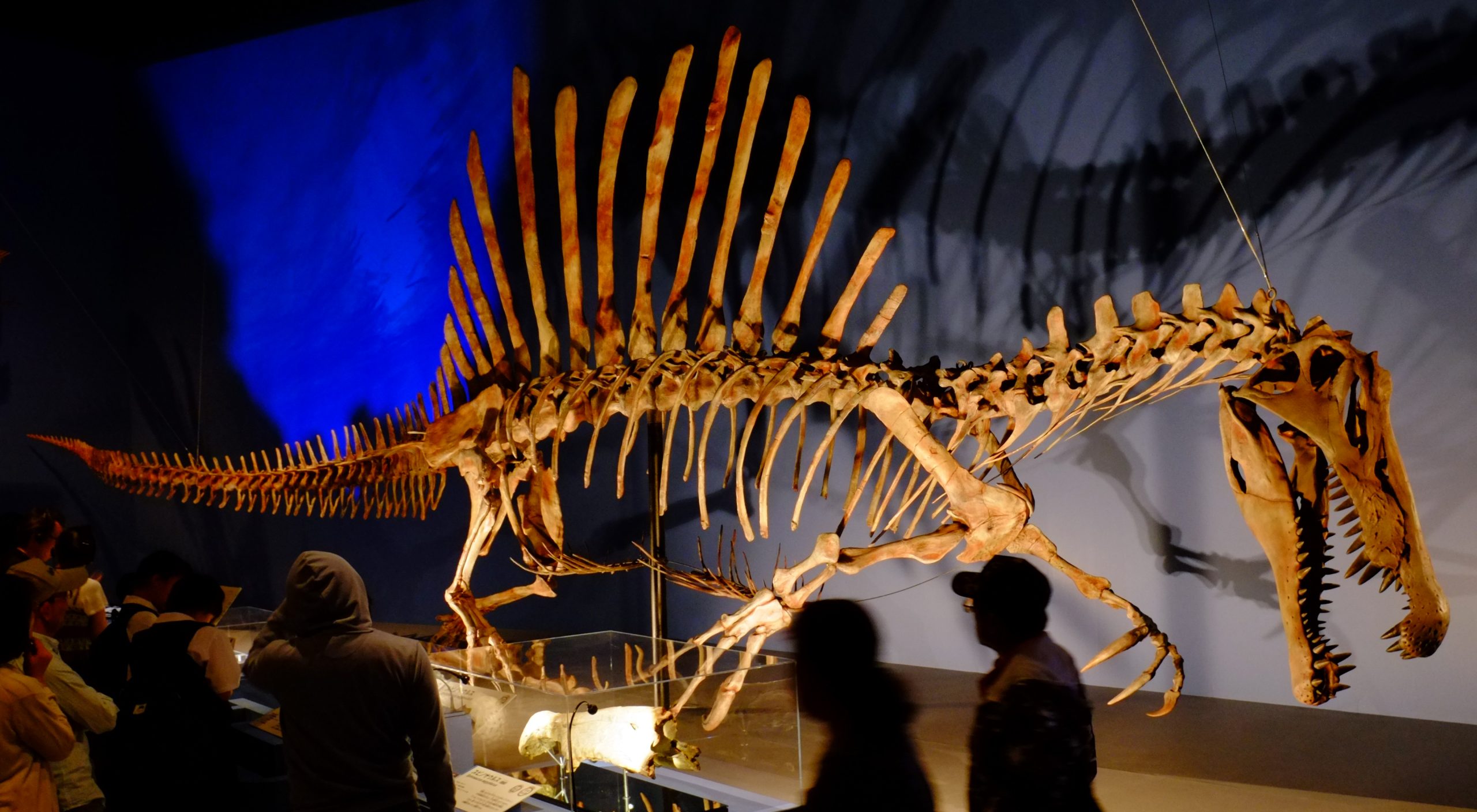
Spinosaurus was larger than Tyrannosaurus rex and uniquely adapted for both land and water hunting. Its long jaws were filled with conical teeth designed to grip slippery prey, while its massive sail may have regulated body temperature or displayed dominance. Unlike most large predators, it thrived near rivers and coastlines, giving it access to diverse food sources. This adaptability made it especially dangerous. A predator capable of ambushing prey in water and on land would be a nightmare in modern environments. Its extinction eliminated a versatile super-predator unlike anything alive today.
3. Megalodon
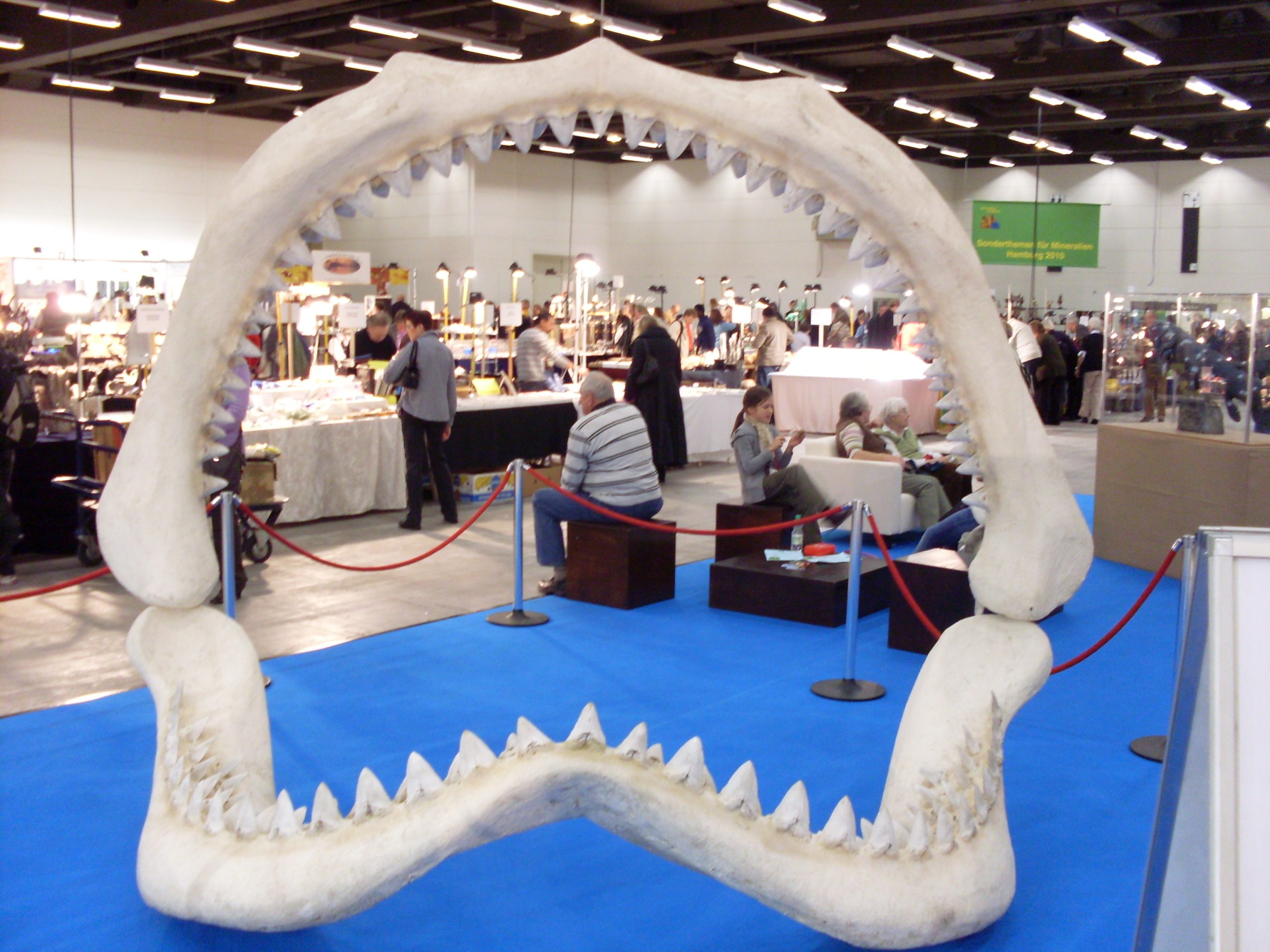
Megalodon was the largest shark to ever exist, growing longer than a school bus. Its teeth alone were larger than a human hand, and its bite force could crush whale bones. As an apex ocean predator, it likely hunted large marine mammals with ease. No modern ship or swimmer would be safe in waters dominated by such a creature. Megalodon’s extinction allowed marine ecosystems to stabilize and prevented oceans from being ruled by a predator that had no equal. Its disappearance fundamentally changed ocean life forever.
4. Smilodon
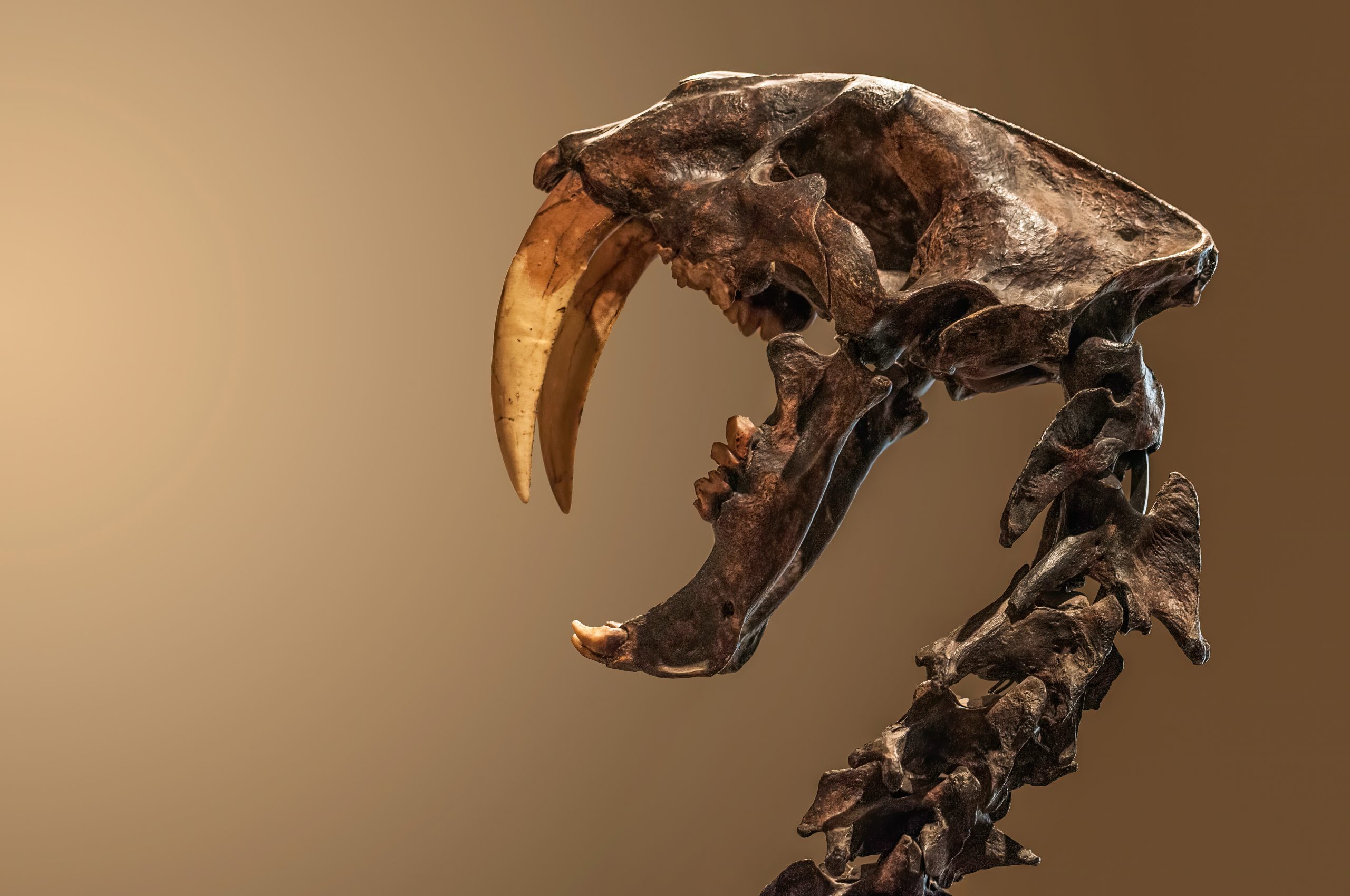
Smilodon, commonly known as the saber-toothed cat, possessed elongated canine teeth designed for killing large prey quickly. Its powerful forelimbs allowed it to pin animals before delivering fatal bites. Unlike modern big cats, Smilodon relied on brute strength rather than speed. This made it deadly in ambush situations. If it existed today, livestock and humans alike would be at serious risk. Smilodon’s extinction removed a predator perfectly designed for close-quarters killing, making modern ecosystems far safer for large mammals.
5. Terror Birds
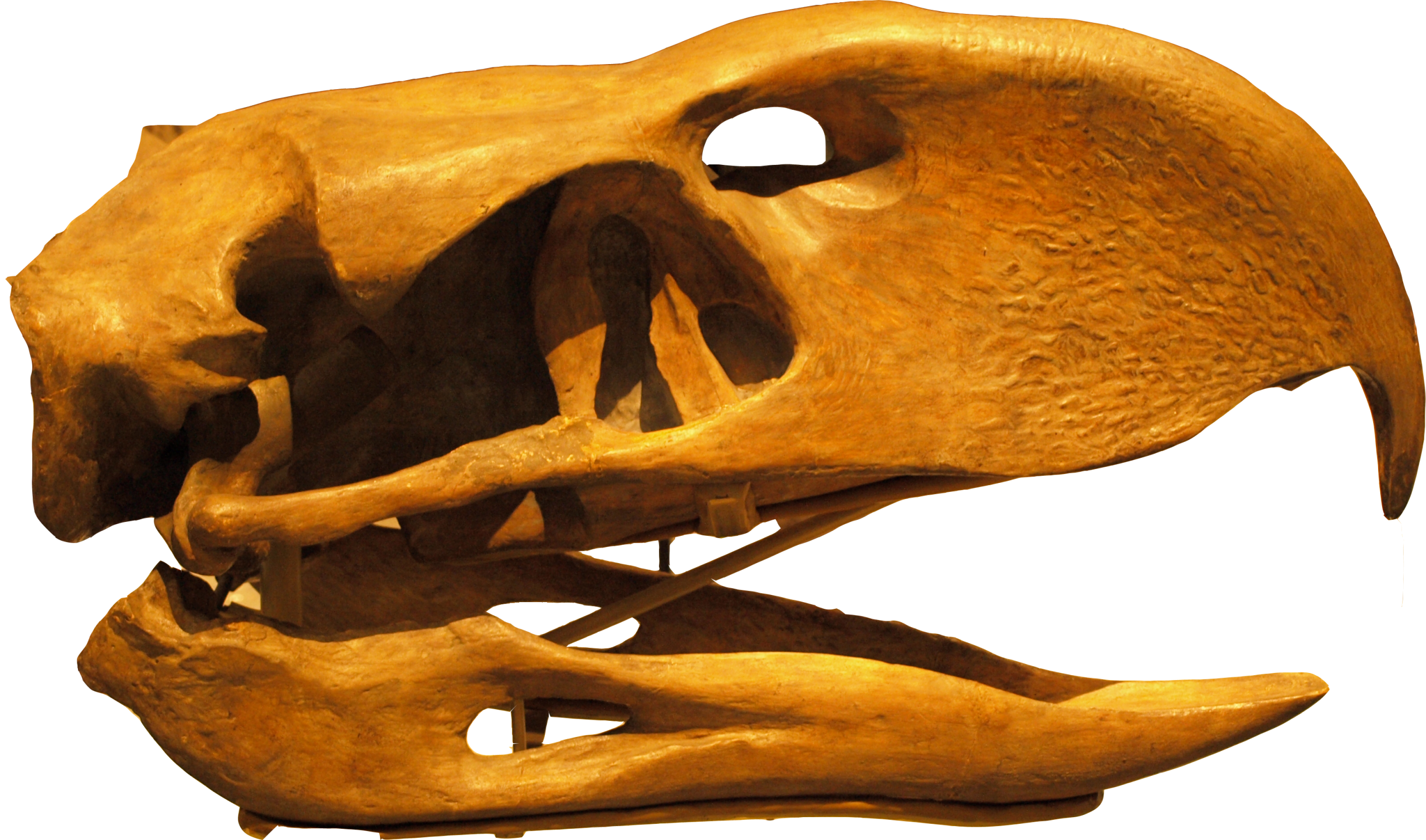
Terror birds were massive, flightless predators with powerful legs and hooked beaks capable of delivering fatal blows. Standing taller than most humans, they could run at high speeds and strike with precision. Their beaks functioned like axes, crushing skulls and bones. In ecosystems without large mammalian predators, terror birds dominated completely. If alive today, they would be extremely dangerous in open environments. Their extinction allowed mammals to reclaim dominance and prevented a bird-ruled predator hierarchy from continuing.
6. Titanoboa
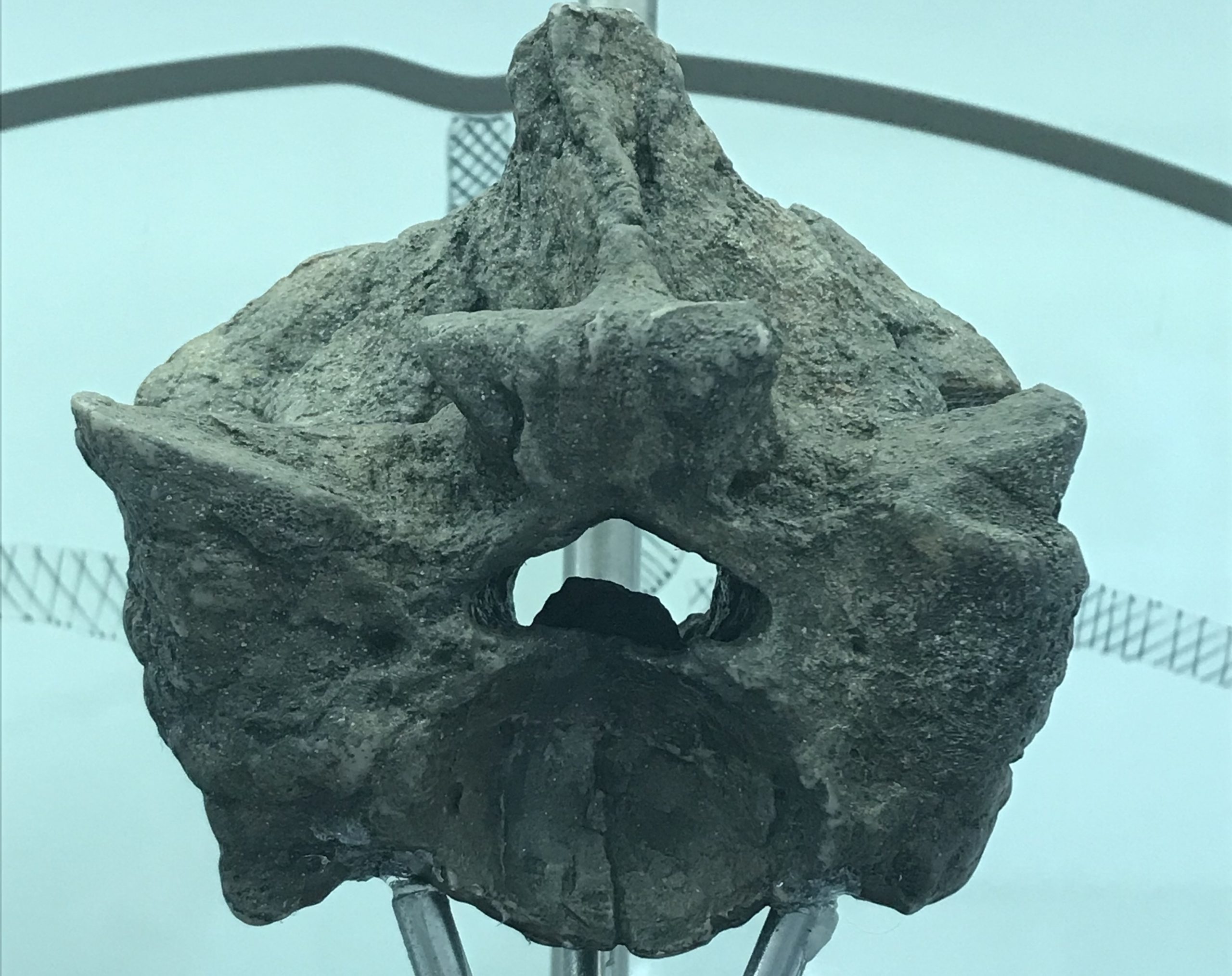
Titanoboa was the largest snake ever discovered, growing over forty feet long. Living in warm prehistoric swamps, it used constriction to overpower massive prey, including crocodile-like reptiles. Its sheer size meant it could ambush almost anything that entered its territory. Humans would stand no chance against a snake of this scale. Titanoboa’s extinction coincided with climate changes that cooled the planet, making conditions unsuitable for such giants. Its disappearance spared modern ecosystems from a reptilian predator beyond anything alive today.
7. Dunkleosteus
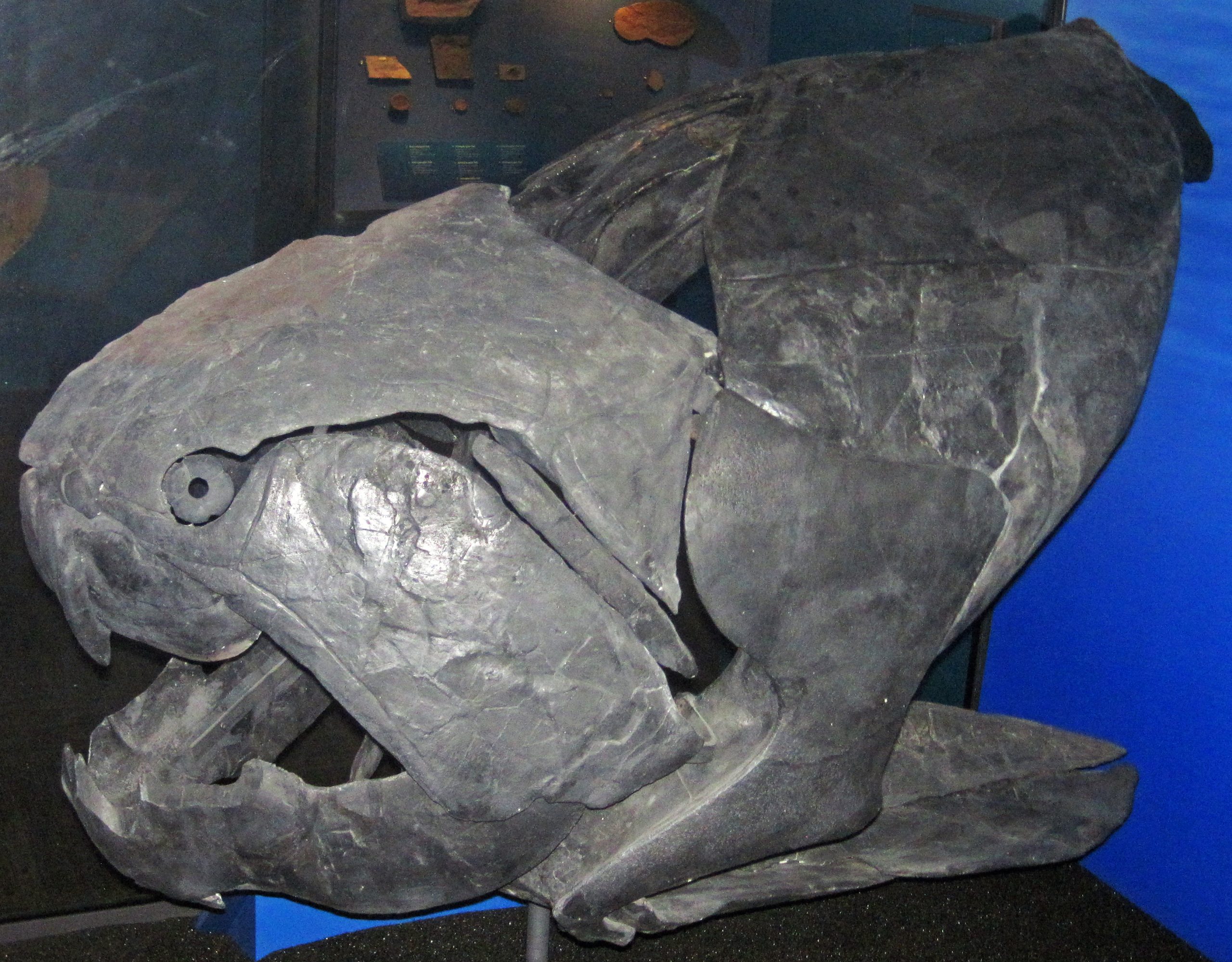
Dunkleosteus was a heavily armored prehistoric fish with bony plates forming razor-sharp jaws. Instead of teeth, it had self-sharpening bone blades capable of slicing through armor and flesh alike. As an apex marine predator, it dominated ancient seas. Its speed and crushing bite made escape unlikely. If modern oceans still housed Dunkleosteus, commercial fishing and marine travel would be far more dangerous. Its extinction paved the way for more balanced marine predator systems.
8. Short-Faced Bear
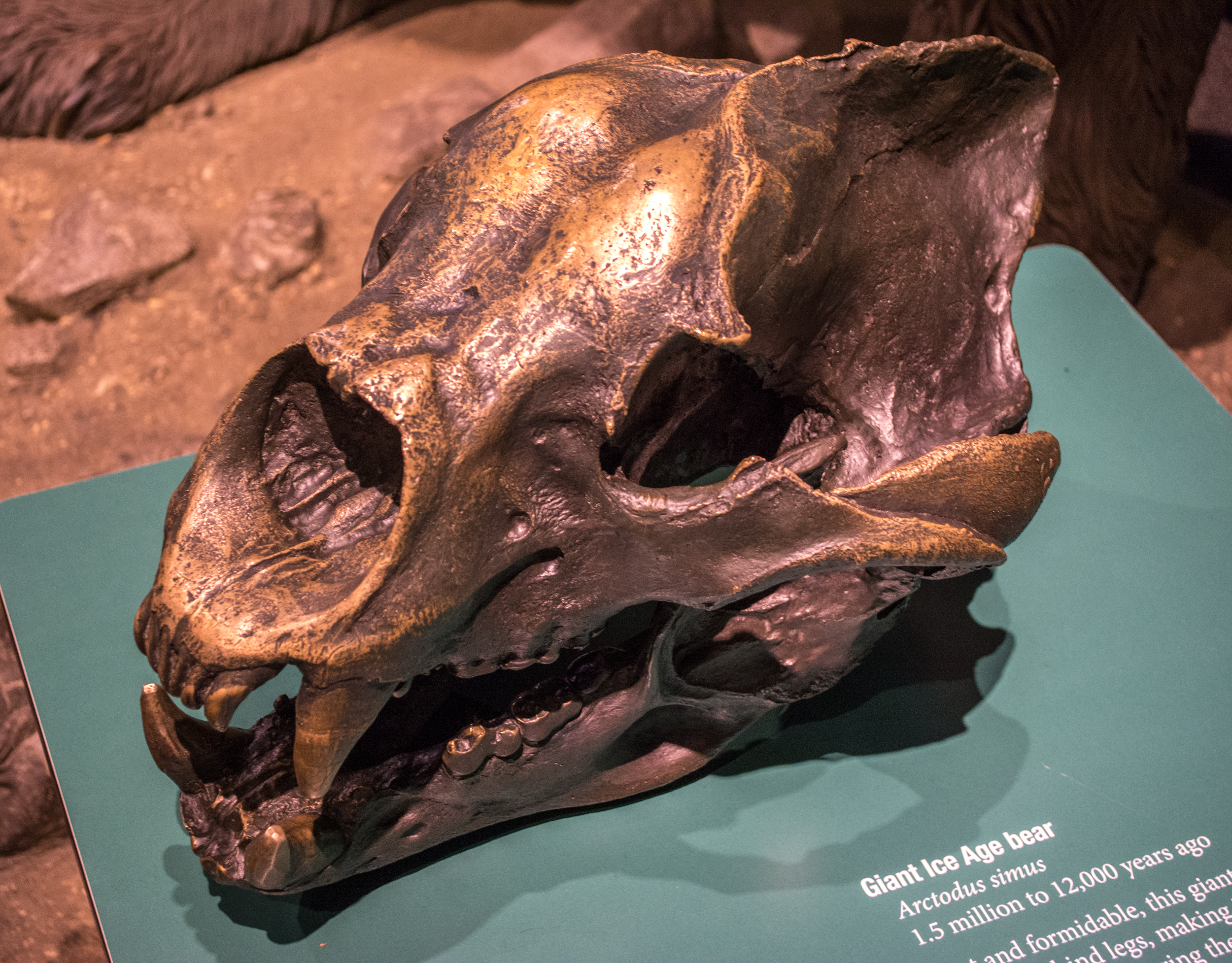
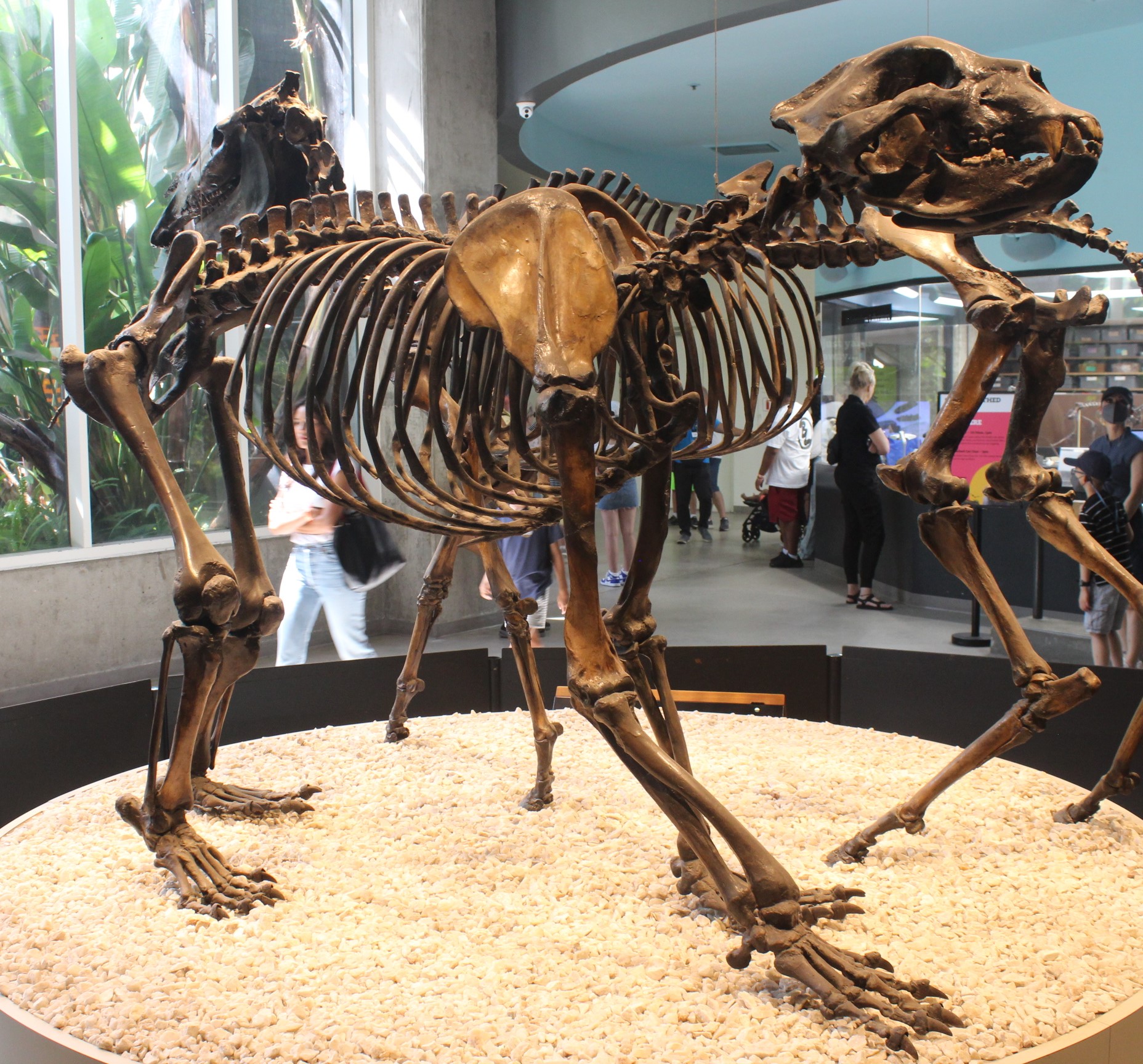
The short-faced bear was significantly larger and faster than modern bears. Standing upright, it towered over humans and could outrun many prey animals. Evidence suggests it was both a predator and an aggressive scavenger. Its long legs allowed it to cover huge distances quickly, making escape difficult. Coexisting with such a dominant land mammal would have been extremely dangerous. Its extinction reduced competition among predators and removed one of the most intimidating mammals ever to roam North America.
9. Andrewsarchus
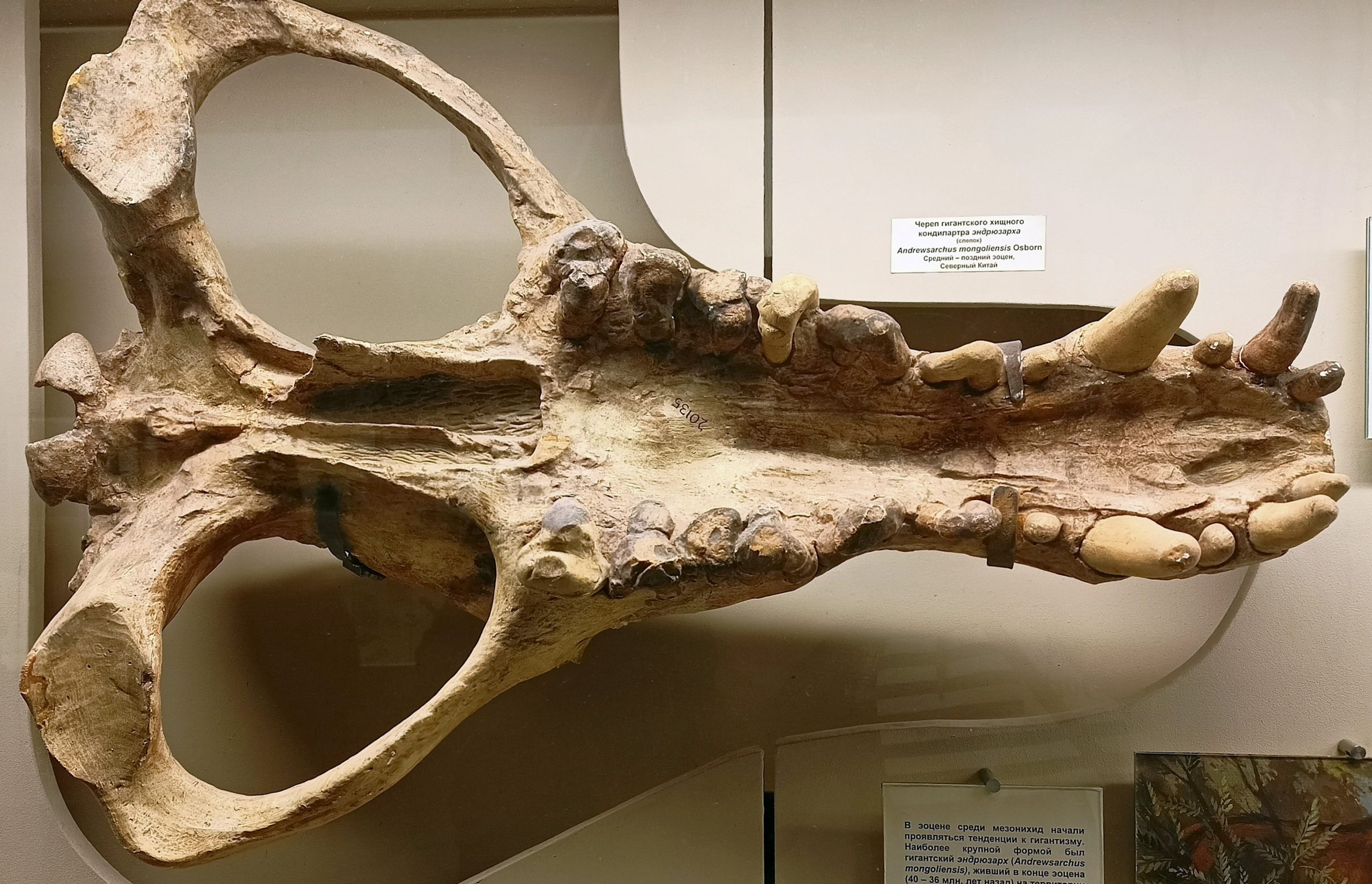
Andrewsarchus was one of the largest carnivorous land mammals ever identified. With a massive skull and powerful jaws, it likely crushed bones and consumed large prey. Though its full behavior remains uncertain, its size alone made it a dominant predator. Living alongside such an animal would have posed serious risks to early humans. Its extinction marked the decline of giant mammalian predators that once ruled land ecosystems with little opposition.
10. Giant Ground Sloth
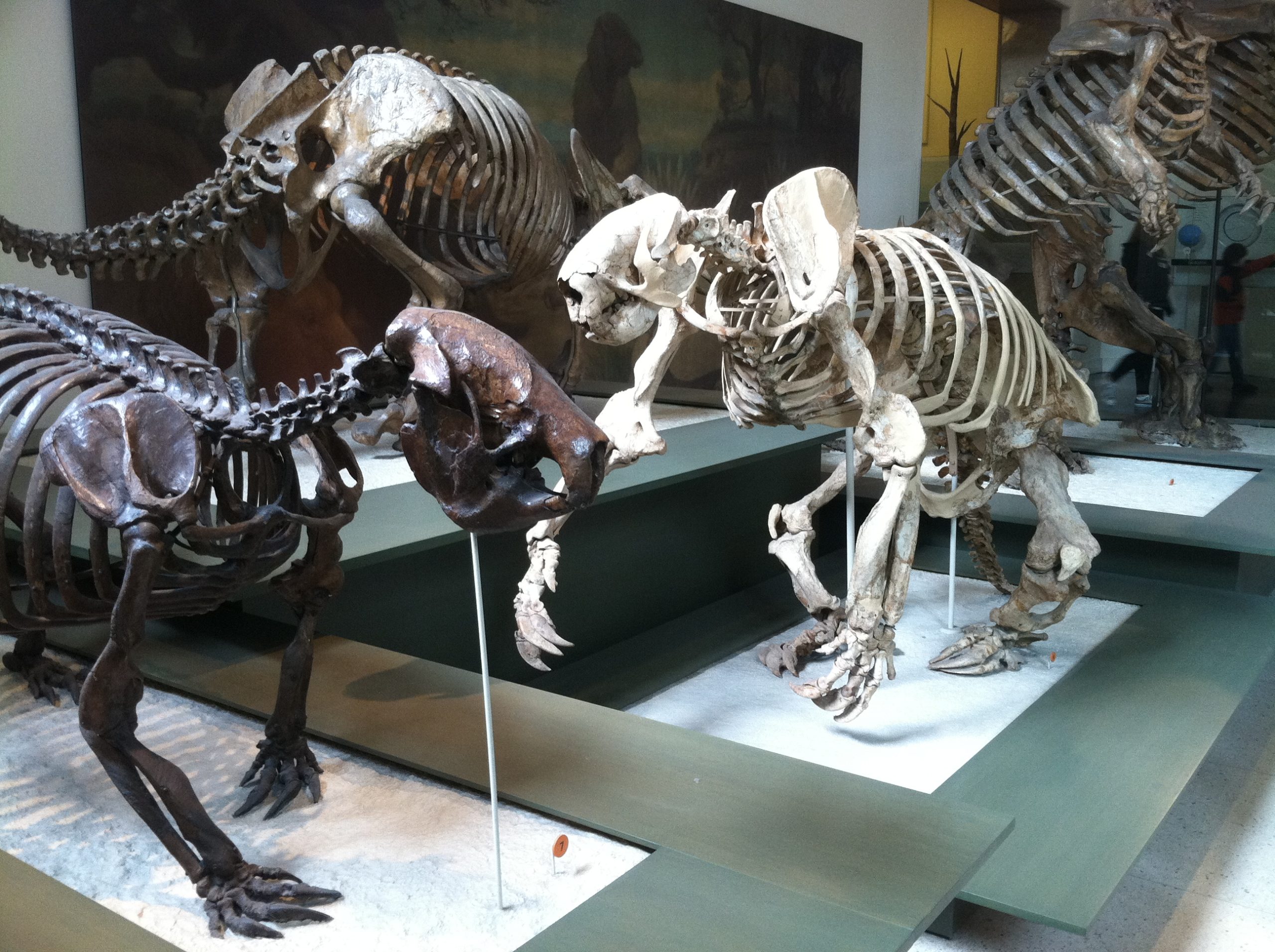
Despite its name, the giant ground sloth was far from harmless. Some species grew as large as elephants and possessed massive claws capable of defense or attack. If threatened, these animals could have inflicted serious damage. While primarily herbivorous, their size and strength made them dangerous. Their extinction reduced the presence of unpredictable megafauna that could dominate landscapes simply through physical power.
11. Arthropleura
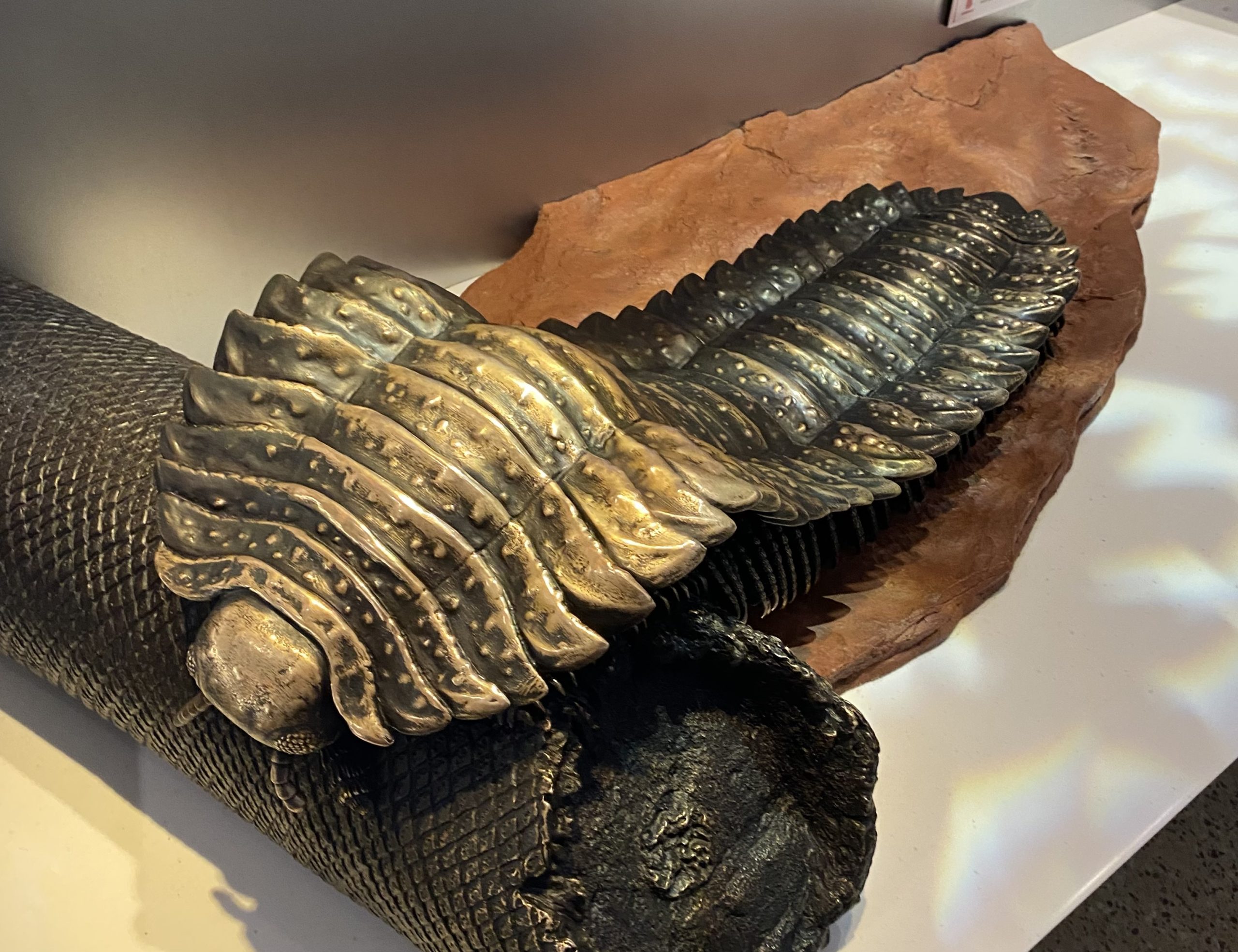
Arthropleura was a giant millipede-like creature stretching over eight feet long. Living in prehistoric forests, it relied on size and armored segments for protection. While not a predator, its sheer scale and unknown defensive capabilities would be unsettling. Encounters with such enormous arthropods would drastically alter modern life. Its extinction coincided with atmospheric changes that prevented insects from reaching such extreme sizes again.
Even without aggression, its presence would trigger fear responses in both humans and animals. Modern ecosystems would struggle to adapt to an arthropod of such overwhelming proportions.
12. Deinosuchus
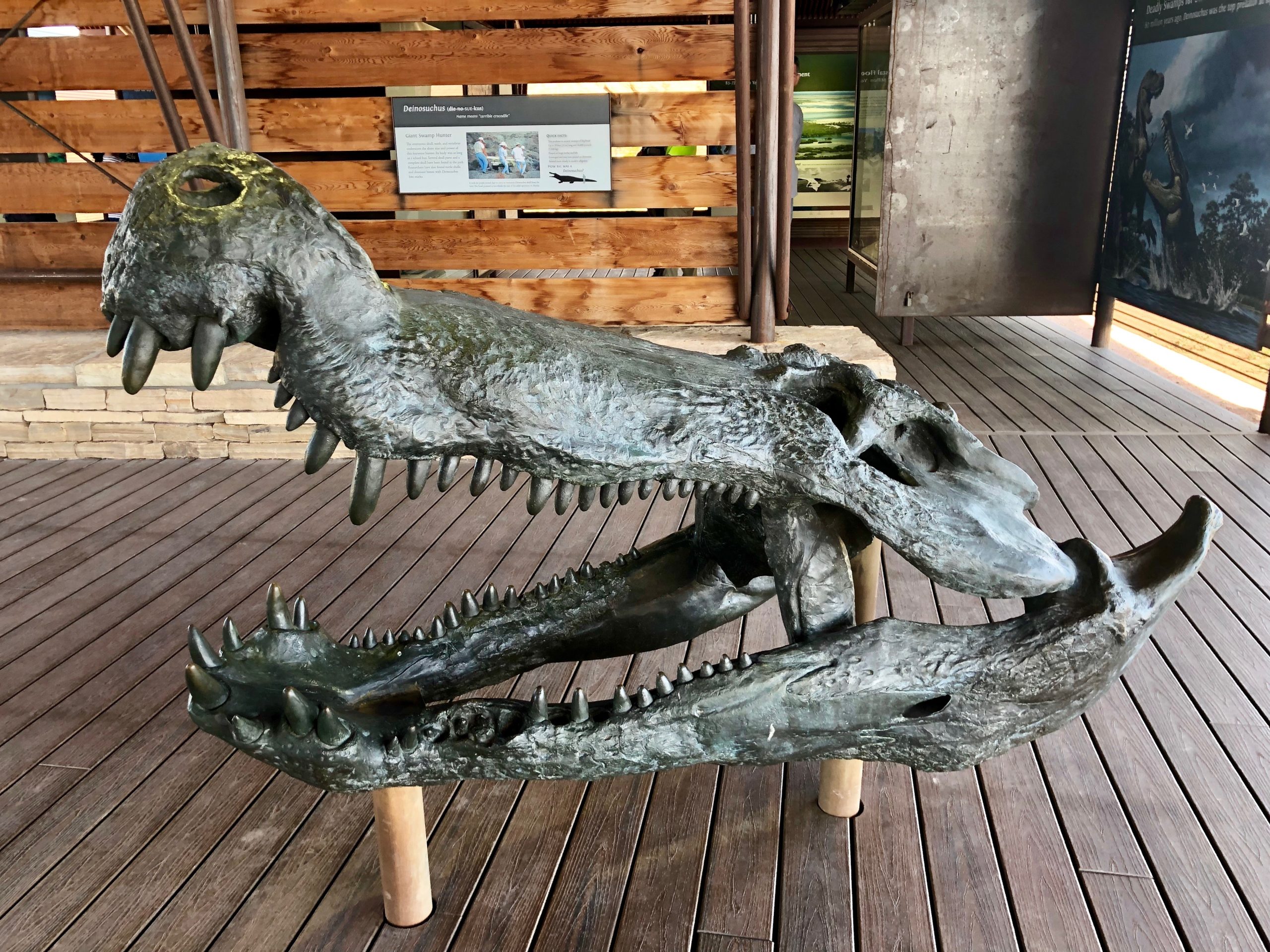
Deinosuchus was a massive prehistoric crocodilian capable of ambushing dinosaurs. Larger than today’s crocodiles, it used stealth and brute force to drag prey underwater. Rivers and coastlines dominated by Deinosuchus would be incredibly dangerous. Modern infrastructure near water would face a constant threat. Its extinction removed one of history’s most effective ambush predators. Boat travel, fishing, and shoreline settlements would become high-risk activities overnight. Few modern animals would have any defense against its sheer power and patience.
13. Hyaenodon
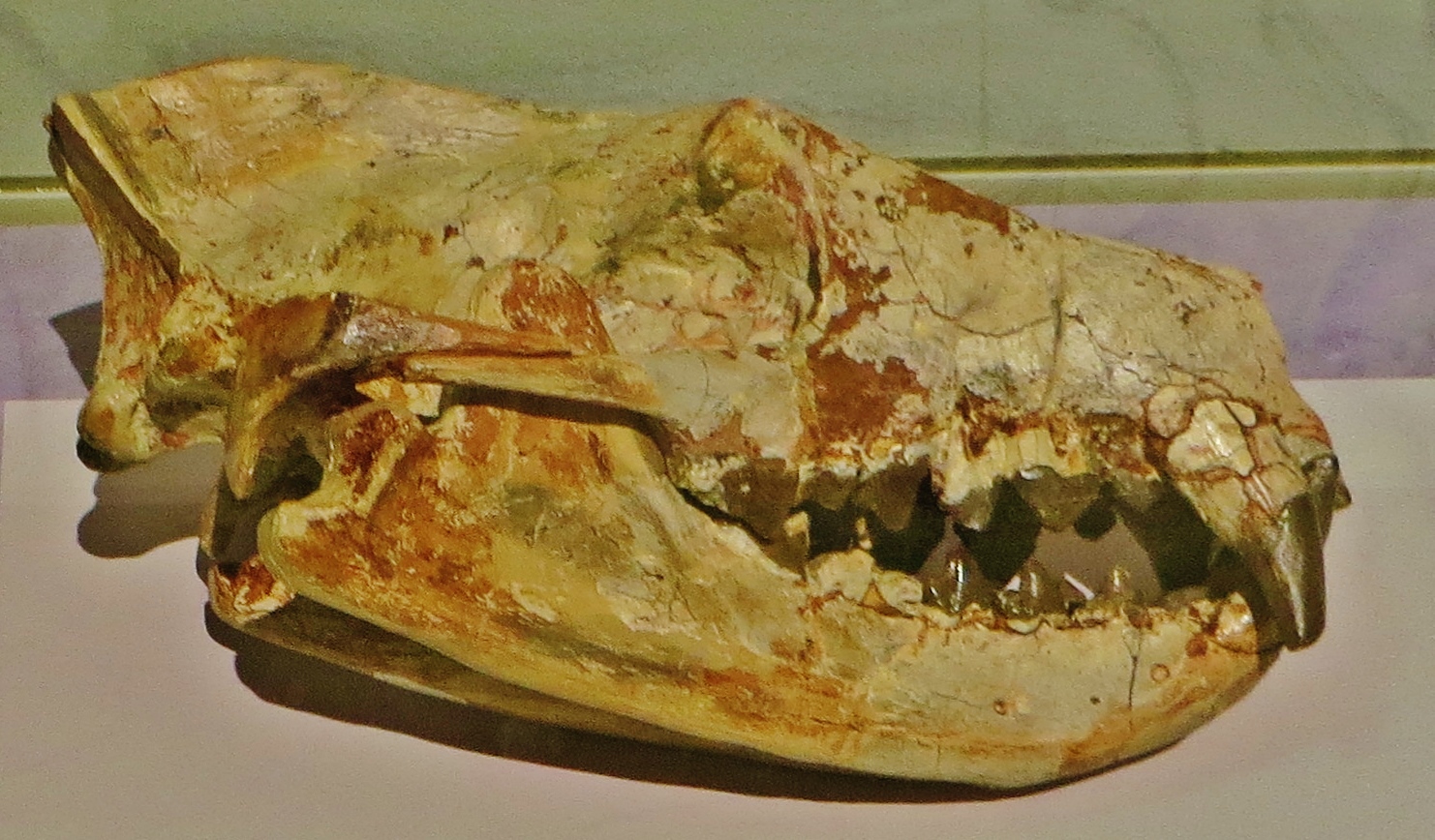
Hyaenodon was a carnivorous mammal with powerful jaws and slicing teeth. Unlike modern hyenas, it was a dedicated predator rather than a scavenger. It hunted large prey and likely competed with early mammals for dominance. Its extinction allowed other predators to evolve without facing such relentless competition. If it survived, predator hierarchies would look very different today. Even apex hunters might be forced to alter their behavior to avoid direct conflict.
14. Basilosaurus
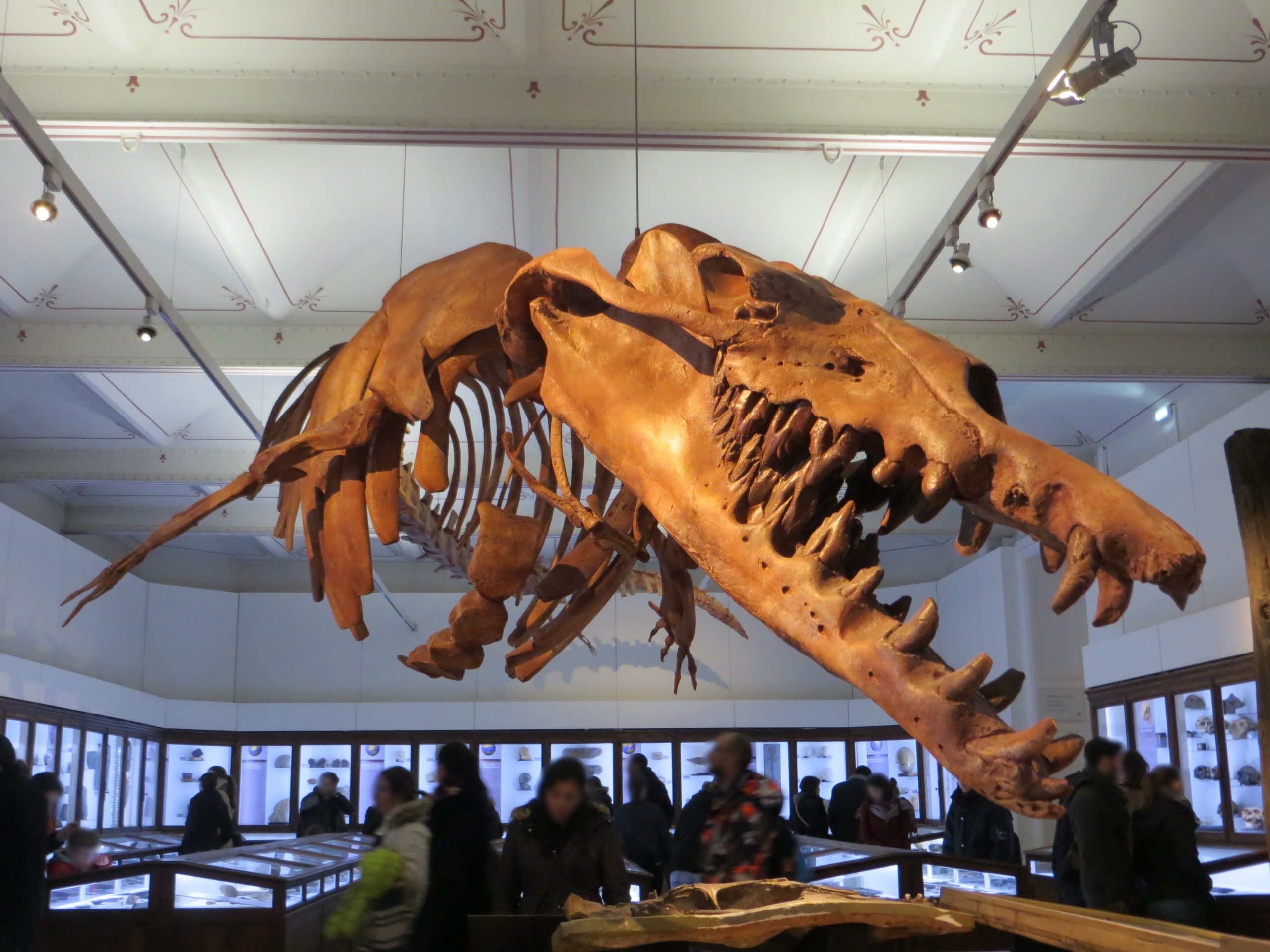
Despite its name, Basilosaurus was an ancient whale-like predator with an elongated body and sharp teeth. It hunted other marine animals with ease and dominated prehistoric seas. If alive today, it would pose serious threats to marine life and vessels. Its extinction reshaped ocean food chains permanently. Commercial shipping routes could face unprecedented dangers in open waters. Modern whales and large fish would likely struggle to survive alongside such an efficient hunter.
15. Dire Wolf
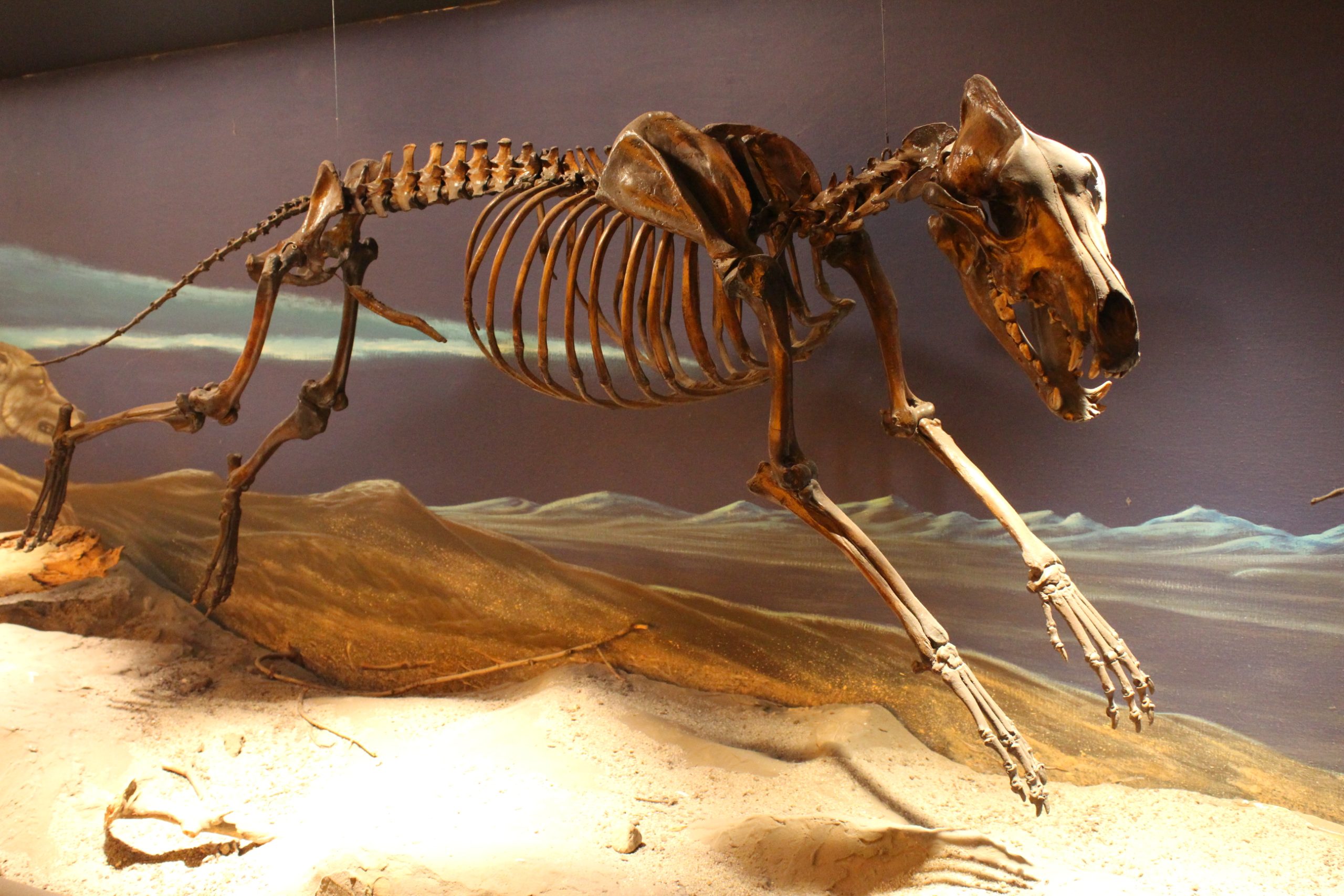
Dire wolves were larger and more robust than modern wolves, hunting in coordinated packs. Their powerful jaws allowed them to bring down large prey. Coexisting with such predators would require constant vigilance. Their extinction reduced predator pressure on large herbivores and allowed modern wolf species to fill a less extreme role. Human expansion across North America would have been far more difficult with them present. Livestock and even fortified settlements could become frequent targets.