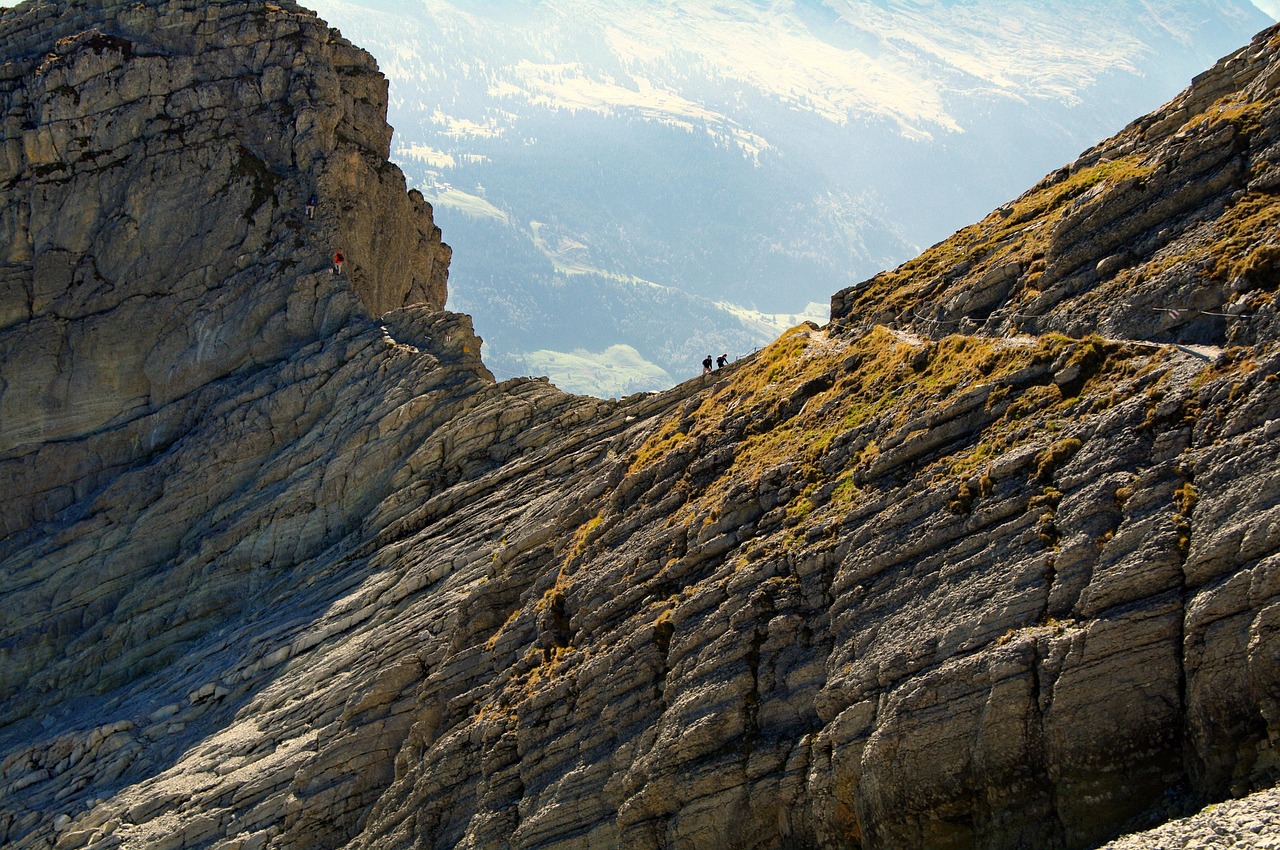
In steep country, every ounce matters and every shot has consequences. The Ridgeline earned its reputation by blending portability, accuracy, and weather-ready toughness in a package hunters can carry all day. Here are 12 reasons this rifle became a trusted name when the terrain gets rough and the opportunity may come only once.
A truly lightweight carry

Mountain hunting has a way of exposing every unnecessary ounce. Long climbs, sidehills, and thin air turn a heavy rifle from a minor annoyance into a real liability before the day is half over.
The Ridgeline built its reputation by keeping weight down without feeling flimsy or compromised. That matters to serious hunters who may cover miles before first light and still need enough energy to shoot well when the moment finally arrives.
A rifle that carries easily tends to stay in hand, ready and balanced, instead of becoming something you dread hauling up the next ridge. In steep country, that simple advantage adds up fast.
Carbon fiber barrel technology

One of the Ridgeline’s most talked-about features is its carbon fiber wrapped barrel. For many hunters, that detail is more than marketing language. It is a practical way to trim weight while maintaining the stiffness people want from a precision-minded hunting rifle.
That combination gives the rifle a modern edge in the field. You get a platform that feels lighter in the hands without surrendering the confidence that comes from a serious barrel design.
For hunters who obsess over gear choices, this is the kind of feature that feels immediately relevant. It is easy to appreciate on paper, and even easier to appreciate after a long climb.
Accuracy that inspires confidence

Trust is earned at the range before it is proven on the mountain. The Ridgeline attracted loyal followers because shooters found it capable of the kind of accuracy that makes difficult field shots feel more manageable.
That does not mean mountain hunting is ever easy, but confidence changes everything. When a rifle consistently prints well and behaves predictably, the hunter can focus on wind, angle, breathing, and timing instead of wondering what the rifle might do.
Serious hunters value that mental calm as much as the group size itself. A dependable rifle removes doubt, and in hunting, doubt is often what spoils the chance you worked hardest to create.
A stock built for the elements

Mountain weather rarely stays polite for long. A hunt can begin with frost, slide into drizzle, and end with dust blowing across a ridge, all in the same day.
The Ridgeline’s stock appealed to hunters who wanted something more stable and weather-resistant than traditional wood. In harsh conditions, that kind of consistency matters because fit and feel remain familiar even when the environment turns ugly.
There is also a practical comfort to gear that shrugs off abuse. When your rifle is riding in trucks, scabbards, camps, and rocky terrain, a durable stock helps the whole package feel purpose-built for real hunting instead of careful display.
A crisp, clean trigger

Hunters talk endlessly about barrels and optics, but a good trigger is where precision becomes personal. The Ridgeline earned praise in part because its trigger helps the shooter break shots with less disturbance and more control.
That matters most when the position is less than perfect, which is often the case in steep country. Kneeling in shale, braced against a pack, or twisted around brush, you notice immediately whether a trigger feels predictable or not.
A clean break does not replace good fundamentals, but it supports them in a meaningful way. For serious hunters, that translates into better confidence, better follow-through, and a more composed shot when the pressure is real.
Bolt action reliability

In rugged hunting country, simplicity still wins a lot of arguments. The Ridgeline’s bolt action format speaks to hunters who want a system with a long track record for reliability, strength, and straightforward operation.
That familiar manual action brings reassurance when conditions are cold, dirty, or stressful. It is easy to run, easy to verify, and easy to trust when the animal of the trip suddenly appears and there is no time for uncertainty.
For experienced hunters, reliability is not a glamorous feature. It is a non-negotiable one. A rifle becomes trusted over time by working when asked, and the Ridgeline benefitted from that expectation from the start.
Balanced for real field positions

A mountain rifle is not judged only from a bench. It has to settle naturally in awkward, improvised positions where a shot may be taken over a pack, off trekking poles, or from a steep seated rest.
The Ridgeline gained admirers because it feels balanced rather than whippy. That distinction matters more than many people expect. A rifle that comes to the shoulder smoothly and stays composed helps the shooter build a steadier sight picture under pressure.
In practical terms, balance is part of shootability. Serious hunters notice it right away, especially after carrying and shooting the rifle in terrain where textbook positions are rare and fast adaptation is everything.
Ready for tough weather

The high country is hard on metal, optics, and nerves. Snow squalls, freezing mornings, and wet brush can reveal weaknesses in a rifle faster than a calm day at the range ever will.
The Ridgeline appealed to hunters who wanted corrosion-resistant materials and finishes that could handle hard use. That kind of protection is not just about appearance. It is about keeping the rifle functioning and maintaining confidence after days of exposure.
A mountain hunter may not get to choose the weather, but gear selection is still a choice. Rifles that tolerate moisture and abuse without drama tend to earn repeat trips, and that is where reputations are made.
Chamberings hunters actually want

Part of the Ridgeline’s broad appeal came from offering chamberings that made sense for real hunting. Serious hunters want cartridge options suited to deer, elk, antelope, and other game without forcing strange compromises.
That flexibility allowed the rifle to fit different regions, recoil tolerances, and shot expectations. A hunter chasing mule deer in open country may prioritize one setup, while another preparing for elk in dark timber may choose differently.
By meeting hunters where they already were, the rifle became easier to adopt. It felt less like a niche experiment and more like a capable platform built around the way people actually hunt across North America.
Premium feel without excess bulk

There is a difference between a rifle that feels refined and one that feels overloaded. The Ridgeline found a sweet spot that many hunters appreciated, offering premium touches without becoming overly heavy or complicated.
That balance gave the rifle a sense of purpose. It looked modern and well-finished, but still clearly belonged in a saddle scabbard, on a muddy pack, or against a boulder during a glassing break.
Hunters who spend serious money on gear usually want visible value they can also carry comfortably. The Ridgeline’s appeal came from delivering that upscale impression while keeping the build grounded in the realities of mountain use.
Strong reputation among dedicated hunters

Some rifles become popular because of advertising, and some become respected because hunters keep talking about them after the season ends. The Ridgeline benefited from the second kind of momentum.
Word travels quickly in hunting circles, especially when people are discussing gear that performed on expensive, physically demanding trips. A rifle that shows up repeatedly in camps, trucks, and post-hunt conversations starts building credibility that no brochure can manufacture.
That reputation matters to buyers making a serious investment. When experienced hunters trust a rifle enough to carry it in unforgiving country, others pay attention, and the Ridgeline’s place in the market grew from that shared confidence.
It matches the demands of mountain hunting

The clearest reason the Ridgeline became trusted is also the simplest. Its core features line up with what mountain hunters ask for most: low weight, practical durability, shootable accuracy, and no-nonsense field performance.
That alignment is harder to achieve than it sounds. Many rifles do one thing well, but mountain hunting punishes imbalance. A gun that is light but hard to shoot, or accurate but miserable to carry, will always reveal its flaws eventually.
The Ridgeline earned its place by feeling like a complete answer rather than a partial one. For serious hunters, that is the difference between a rifle you admire and a rifle you actually trust when the stakes are high.