When you’re packing for a road trip, emergency kit, long hike, or power outage, the right food can make a big difference. The best choices are compact, durable, and calorie-dense enough to help you stay alert and capable. These six foods are among the most reliable options to stash in a pack when you need something that lasts and still delivers real fuel.
Peanut Butter

Peanut butter earns its place in almost any no-fridge food lineup because it is dense, filling, and surprisingly resilient in a sealed container. A few spoonfuls can deliver enough fat, protein, and calories to help you push through a long afternoon when a real meal is nowhere in sight.
Single-serve packets are especially useful because they travel neatly and reduce the chance of spoilage after opening. They also pair well with crackers, apples, or tortillas, which makes them feel less like survival food and more like a smart, portable snack you will actually want to eat.
Trail Mix

Trail mix has stayed popular for a reason. It combines nuts, seeds, and dried fruit into one compact food that can deliver quick energy from carbohydrates and longer-lasting fuel from fats. It is easy to portion, easy to carry, and hard to beat when you need something you can eat by the handful.
The best mixes lean heavier on nuts than candy, especially if your goal is steady energy instead of a brief sugar spike. A well-made blend can sit in your pack for weeks, sometimes longer, as long as it is kept dry and sealed from heat and humidity.
Beef Jerky

Beef jerky is one of the most dependable protein-rich foods you can carry without refrigeration. Because most of the moisture has been removed, it keeps far longer than fresh meat and still offers a savory, substantial bite when you are tired of sweet snacks and light nibbles.
It is not the highest-calorie option on this list, but it does help with satiety and can make you feel like you have eaten something real. Look for sealed packages with a reasonable sodium level if possible, and remember that jerky works even better when paired with fruit, nuts, or crackers.
Dried Fruit

Dried fruit is one of the easiest ways to carry shelf-stable carbohydrates in a small space. Raisins, apricots, dates, and mango can all provide quick energy, and they are often easier to chew and enjoy than dense bars or bland emergency rations. That matters more than people expect when appetite drops during stress or travel.
The trade-off is sugar concentration, so dried fruit is usually best as part of a combo rather than a standalone solution. Pair it with nuts or nut butter, and it becomes far more balanced. Kept sealed and protected from moisture, it can last impressively well in a pack.
Energy Bars
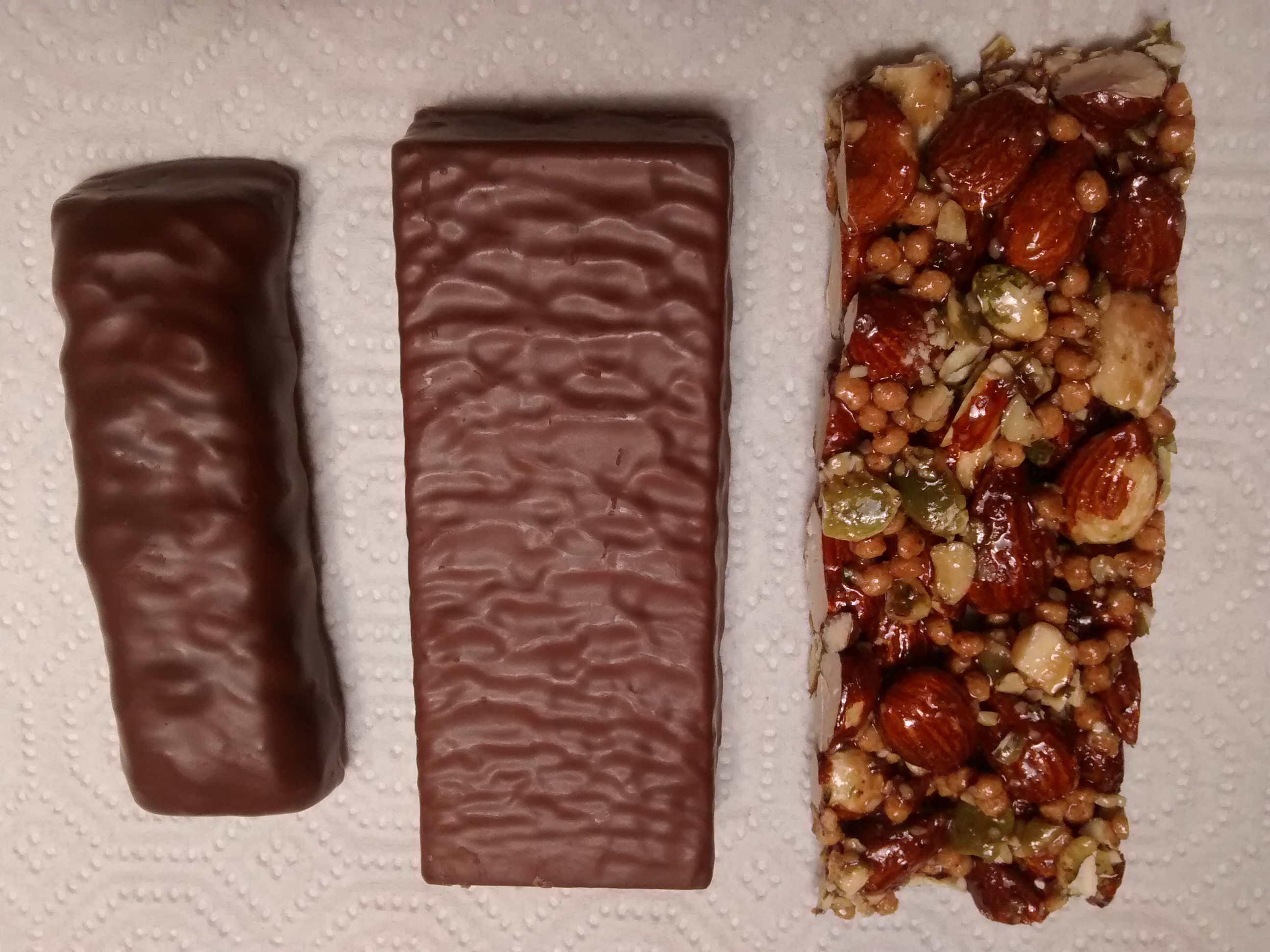
Energy bars are the modern convenience pick, and the best ones really do solve several problems at once. They are compact, individually wrapped, and built for portability. Many include a mix of carbs, fat, and protein, which makes them a useful bridge between meals when you need to stay focused and moving.
Not every bar is equally satisfying, though. Some are basically candy in athletic packaging, while others are dense enough to keep hunger quiet for hours. Check the expiration date before packing them away, and avoid bars with coatings that melt easily if your bag will sit in a hot car or direct sun.
Crackers

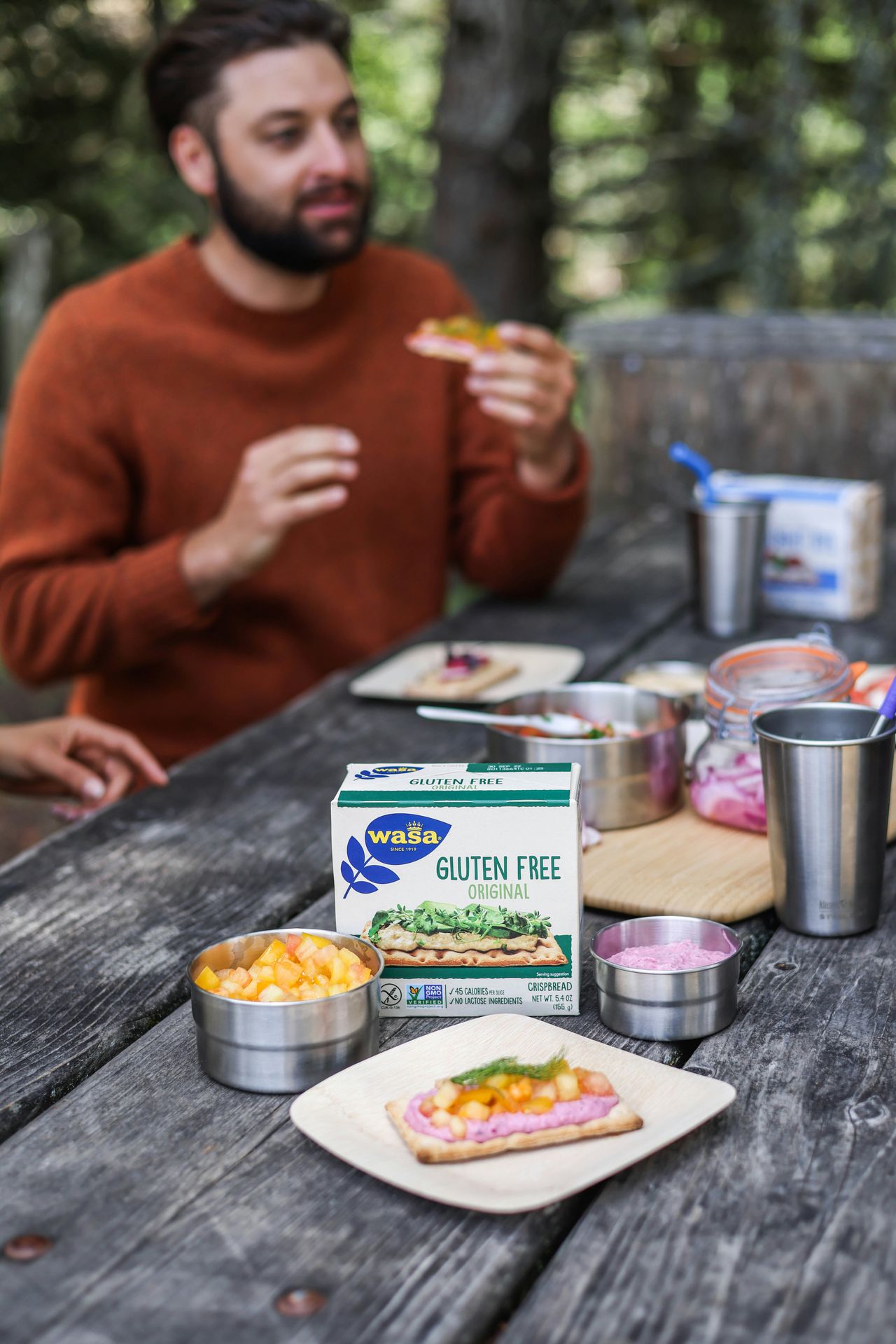
Crackers may seem plain compared with trendy snack foods, but they are one of the most practical pack staples around. They are lightweight, shelf-stable, and versatile enough to work with peanut butter, jerky, tuna packets, or cheese spreads if you happen to have them. On their own, they still offer quick, easy calories.
The key is choosing sturdy varieties that hold up in transit and come in protective sleeves or durable packaging. Whole grain options can feel more sustaining, but even basic crackers do an important job. They add crunch, absorb hunger fast, and turn other pack foods into something closer to a meal.