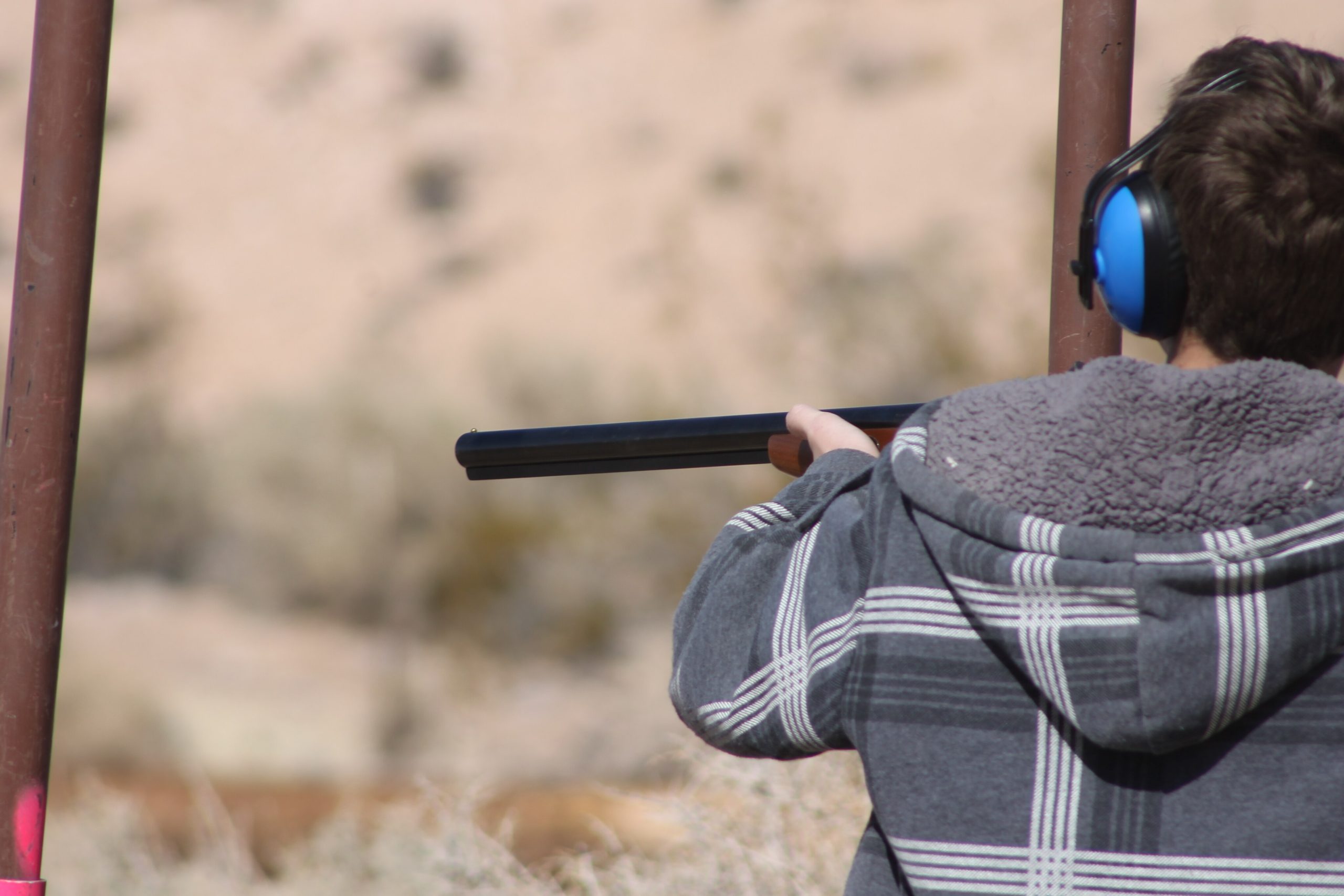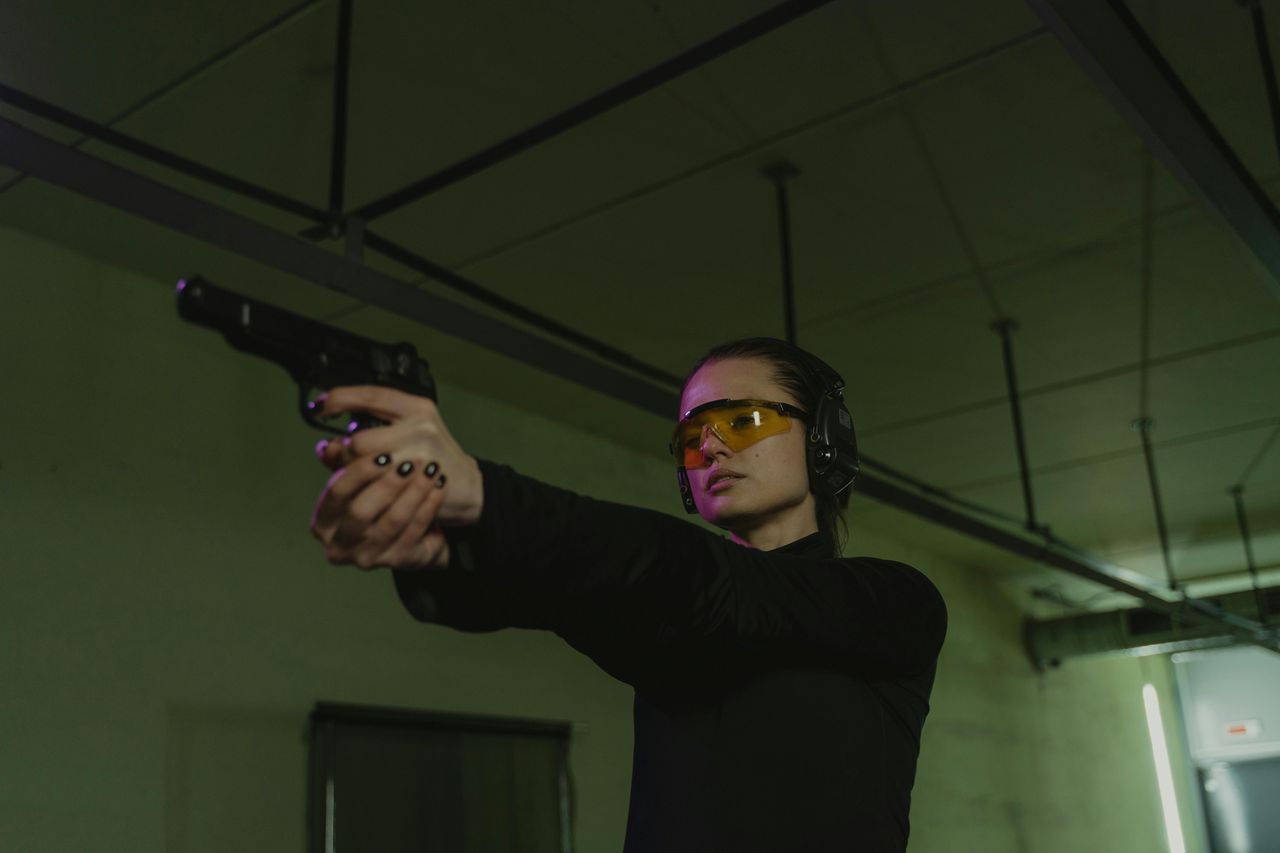
The shift is real, and it has surprised a lot of people. For years, the industry thought it already knew what women wanted.
The old assumptions were always too small.

For decades, gun store counters and marketing campaigns pushed the same message toward female buyers: smaller guns, lighter frames, softer colors, and lower calibers. The logic sounded simple. Women were assumed to have smaller hands, less upper-body strength, and less tolerance for recoil, so compact .380 pistols and lightweight snub-nose revolvers were presented as the obvious answer.
The problem is that those assumptions confused appearance with performance. Small handguns are often harder to shoot well because they have shorter sight radii, lighter weights, and snappier recoil. A compact pistol may look less intimidating in the display case, but on the range, it can be less forgiving than a larger 9mm, .40 S&W, or even.45 ACP handgun with better ergonomics and a more stable shooting platform.
Many female shooters discovered this through direct experience, not theory. Instructors across the country have said for years that some women shoot full-size pistols better than tiny concealed-carry models. Once that lesson spread through training classes, women-only shooting groups, and word of mouth, the old sales pitch started to collapse under its own weight.
Better training changed the buying decision.
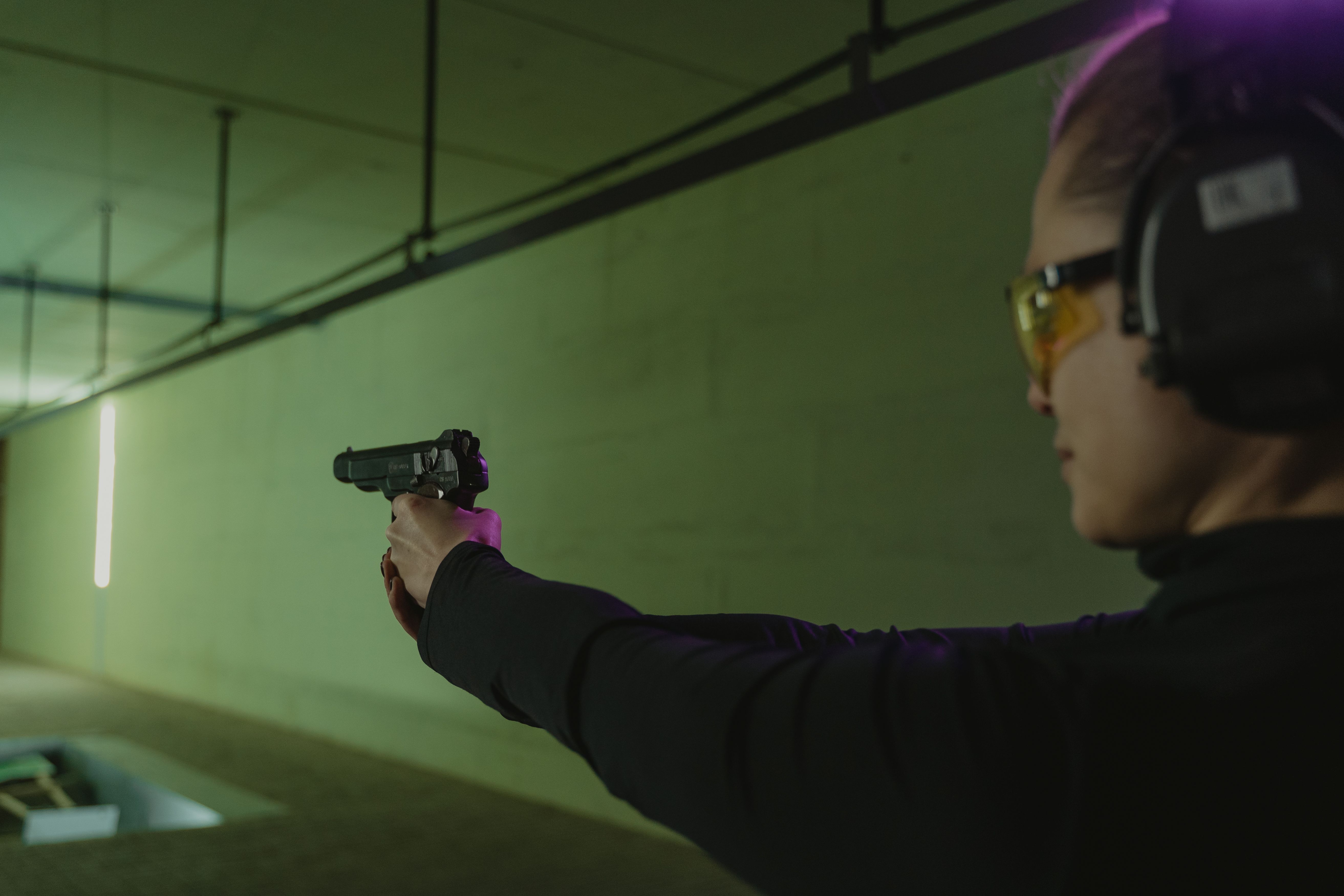
One major reason more women are choosing larger caliber handguns is that far more women are training seriously than in previous generations. According to data from the National Shooting Sports Foundation, women have been one of the fastest-growing groups in recreational target shooting and firearms participation. That matters because training changes what people value in a handgun.
A first-time buyer might focus on weight or looks. A trained shooter starts noticing recoil control, accuracy under stress, sight picture, trigger consistency, and capacity. In that context, a larger caliber handgun, especially a duty-size or mid-size 9mm, can make more sense than a very small pistol that is difficult to grip and unpleasant to fire for extended sessions.
This is where the industry got caught flat-footed. Manufacturers were prepared to sell women beginner guns, not long-term guns. But women who invested in classes, drills, and defensive shooting education often outgrew the products initially marketed to them. They wanted firearms that performed well, not firearms that simply matched outdated ideas about femininity.
Recoil myths and caliber reality

A lot of the surprise around this trend comes from a misunderstanding of recoil. People often assume a larger caliber automatically means harsher shooting and, therefore, less suitable for women. In real use, that is not always true. Felt recoil depends on several factors, including gun weight, grip shape, bore axis, spring design, ammunition load, and how well the shooter can establish control.
A subcompact handgun chambered in 9mm can feel sharper and more difficult to manage than a full-size pistol in the same caliber. In some cases, a heavier handgun chambered for a larger round can actually feel more controllable shot to shot. That is one reason many female shooters who try a wider variety of firearms stop choosing based on caliber label alone.
There is also the defensive-use question. Many women buying handguns are doing so for personal protection, and they are approaching the decision seriously. They are weighing reliability, penetration, controllability, and confidence under pressure. The industry sometimes mistook women’s caution for lack of interest, when in fact many were making highly analytical decisions about what they trusted most.
The concealed carry boom changed everything.
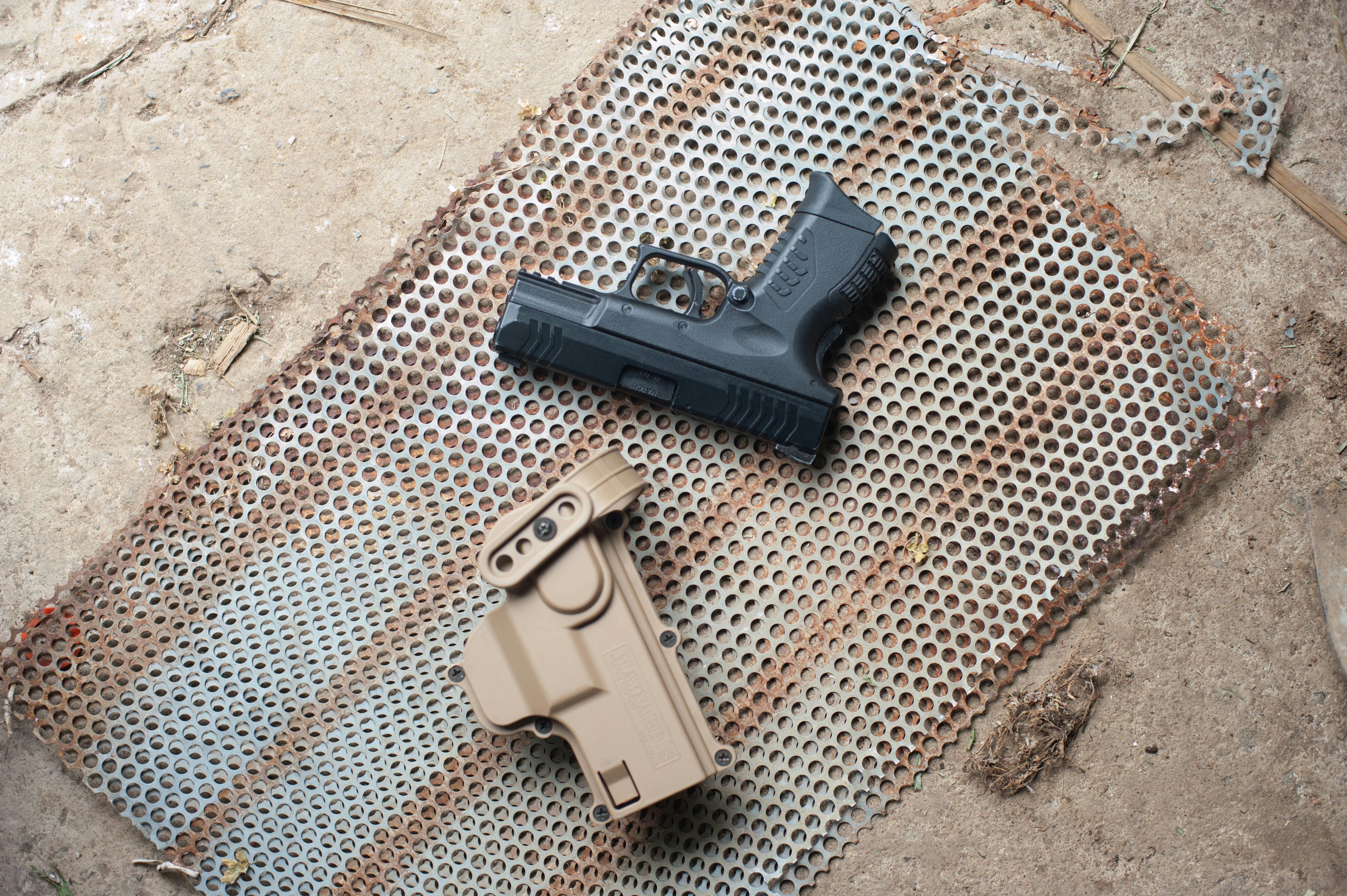
The rise of concealed carry reshaped the market for everybody, but it had a particularly strong effect on women. More women began purchasing firearms not as occasional hobby items, but as everyday defensive tools. That changed the standard for what counted as acceptable performance. A gun carried for protection has to be shootable, dependable, and effective, not just easy to slip into a purse.
As more women entered the concealed-carry community, many found that larger caliber handguns, especially compact and mid-size 9mm pistols, offered a better balance than the ultralight pocket guns pushed on them in earlier years. Better holster options, improved belt systems, and women-focused carry apparel also made it more realistic to carry a more substantial firearm on the body.
Retailers and manufacturers were slow to catch up. Too many still segment women into novelty categories rather than practical ones. Instead of asking how women actually carried, trained, and defended themselves, they kept offering cosmetic differentiation. The market eventually corrected, but only after female buyers demonstrated with their wallets that utility mattered more than pastel branding.
Women are influencing each other more than advertising is
Another reason the trend accelerated is that women increasingly learned from other women, not from traditional firearms ads. Female instructors, competitive shooters, hunters, law enforcement professionals, and self-defense advocates built credibility by sharing experience instead of stereotypes. Their influence has been powerful because it is rooted in results on the range and in real life.
When a respected trainer explains why she carries a full-size or compact 9mm, people listen. When a competitive shooter demonstrates superior control and speed with a larger handgun, that leaves an impression stronger than any product brochure. Social media, shooting clubs, and women-led training events created networks where practical advice spread quickly and old myths were openly challenged.
This peer-driven education exposed how little the industry had truly studied women as serious customers. The old model treated women as an edge market. The newer reality is that women are shaping buying trends, training standards, and product expectations. Companies that listened early gained loyalty. Those that did not often looked outdated almost overnight.
What the industry missed about fit and confidence
The industry often framed the question as strength versus size, but that was the wrong framework. What many women wanted was fit, shootability, and confidence. Those are not the same thing as choosing the smallest possible handgun. In fact, a firearm that fills the hand properly, offers manageable recoil, and allows faster follow-up shots can create more confidence, even if it is chambered in a larger caliber.
Manufacturers have improved in some areas. Interchangeable backstraps, refined grip textures, easier slide designs, and better trigger systems have made larger handguns accessible to a wider range of shooters. Ammunition performance has also improved, especially in defensive 9mm loads, giving buyers more options without forcing them into one-size-fits-all recommendations.
Still, the deeper issue was cultural. Too many companies assumed women needed permission to become gun owners rather than recognizing them as informed consumers from the start. That mindset shaped products, store experiences, and marketing language. Once women entered the market in larger numbers and spoke from experience, that disconnect became impossible to ignore.
This shift is about authority, not novelty.
What is happening now is bigger than a caliber preference. Women are claiming authority over their own firearms decisions, and that is changing the market from the ground up. They are selecting handguns based on purpose, performance, training outcomes, and personal comfort, not on what a salesman thinks looks less intimidating.
That has forced the industry to adapt. More brands now feature women as instructors and experienced shooters rather than as accessories in lifestyle campaigns. Product development has become more focused on ergonomics and real-world usability. Retail staff in better-run stores are also learning that patronizing advice is bad business in a market where women often arrive having already done serious research.
The surprise was never that women could shoot larger caliber handguns well. The surprise was that the industry spent so long underestimating them. Now that women are buying, training with, and confidently carrying the firearms that actually work for them, the old script has lost its power, and it is not coming back.