Some rifles sell well, and some rifles shape the whole market. The Remington 700 has done both for generations, becoming the benchmark hunters, target shooters, and gun makers still measure against. Its appeal is not about nostalgia alone. It is about a design that proved adaptable, accurate, and familiar enough to define what many people picture when they hear the words bolt action rifle.
A simple action that worked from the start

Part of the Remington 700 story is how straightforward the rifle feels. Its cylindrical receiver and clean bolt design gave shooters a platform that was easy to understand, easy to produce consistently, and easy to build around. That kind of simplicity matters because durable ideas tend to outlast trends.
Over time, the action became a reference point for what a modern sporting bolt gun should be. It did not need gimmicks to earn its place. Shooters kept coming back because the basic formula delivered reliability, familiar handling, and a mechanical layout that made sense whether the rifle was headed to deer camp or the firing line.
Accuracy built its reputation early

The Remington 700 earned attention because people saw results on paper and in the field. For many buyers, it was the rifle that made factory accuracy feel accessible instead of exotic. That reputation spread the old-fashioned way, from range benches, gun counters, and hunting camps where performance was easy to spot.
Even shooters who later moved to custom builds often started by measuring other rifles against what a good 700 could do. It became the standard by which accuracy claims were judged. When a rifle consistently places shots where people expect, the market notices, and that kind of reputation can last for decades.
It crossed over from hunting to target shooting

Many rifles get pigeonholed. The Remington 700 did not. It felt at home in the woods, but it also found a welcome audience among target shooters who wanted a practical path into precision shooting. That flexibility helped broaden its image from hunting tool to all-around bolt-action standard.
The crossover mattered because it introduced the rifle to very different kinds of owners. A deer hunter and a paper-punching enthusiast could both see something useful in the same platform. Once that happens, a rifle stops being niche and starts becoming part of the wider culture of shooting, which is exactly where the 700 settled in.
The aftermarket grew around it

One reason the Remington 700 remains so influential is that the broader industry built around it. Stocks, triggers, bottom metal, chassis systems, barrels, and rails all became widely available because so many shooters owned one. When a platform attracts that level of support, it becomes much harder for rivals to displace.
The aftermarket also changed how people viewed the rifle. It was not just something to buy and leave alone. It was something to tune, personalize, and rebuild over time. That gave the 700 a second life in garages, gunsmith shops, and custom rifle projects, keeping it relevant well beyond the original purchase.
Gunsmiths know the platform inside and out

Familiarity counts, especially when a rifle needs work, upgrades, or a full transformation. The Remington 700 became so common that gunsmiths learned its dimensions, quirks, and possibilities almost by heart. That kind of widespread knowledge lowers the barrier for owners who want more from a rifle they already trust.
It also means the 700 has long been seen as a practical foundation rather than a closed system. A shooter could start with a factory gun and, with expert help, turn it into something far more specialized. That path from ordinary rifle to refined build is a big reason the model stayed central in the conversation.
Military and law enforcement use added prestige

The Remington 700 gained an extra layer of credibility because versions of its action found a place in military and law enforcement sniper systems. That kind of adoption does not happen by accident. It suggested that the underlying design had the consistency and trustworthiness needed for serious professional roles.
For civilian buyers, that connection added a powerful aura. Even if most owners were headed to a range or a hunting blind, they knew the same family of action had served in demanding environments. In the gun world, professional use often shapes public reputation, and for the 700, that association reinforced its benchmark status.
It came in countless chamberings and configurations

Another secret to the Remington 700’s staying power is how many versions shooters could choose from. Light hunting rifles, heavier varmint models, tactical-style setups, wood stocks, synthetic stocks, short actions, long actions, and a broad list of chamberings gave buyers plenty of ways to find their fit.
That variety made the rifle feel almost universal. Instead of being tied to one purpose or one kind of shooter, it could meet people where they were. A first-time hunter, a Western big-game enthusiast, and a budding long-range shooter could all end up with a 700 that felt tailored to their needs.
It was widely available for generations

There is real power in being the rifle people actually saw in stores, catalogs, and hunting camps year after year. The Remington 700 benefited from broad distribution and long-term visibility. It was not a specialty item that only insiders knew about. It was part of the mainstream shooting landscape.
That accessibility shaped habits. Families passed them down, local shops stocked them, and new shooters heard about them early. Once a rifle becomes a common point of reference, every competing model ends up compared to it almost automatically. Familiarity is not everything, but in a mature market, it can become a lasting advantage.
It balanced tradition and modernity well

The Remington 700 has always occupied a useful middle ground. It looks and handles like a classic American bolt gun, yet it adapted well to modern optics, new stock materials, and precision-oriented accessories. That balance helped it appeal to traditional hunters without losing younger shooters interested in newer setups.
Some rifles feel trapped in another era, while others chase trends so aggressively they age fast. The 700 managed to sit between those extremes. It could wear walnut and blue steel with dignity or move into a more contemporary configuration without seeming like it had lost its identity.
Its ergonomics feel instantly familiar

A benchmark product often earns that status because it simply feels right to a wide range of people. The Remington 700’s controls, stock dimensions, and overall handling made it approachable for generations of shooters. Nothing about it felt especially strange or overly clever, which is often a strength rather than a weakness.
That familiarity matters when people shoulder a rifle in cold weather, from awkward positions, or under pressure in the field. The 700 developed a reputation for being intuitive, and intuitive rifles tend to inspire confidence. When a shooter can focus on the shot instead of the mechanics, the design has done its job.
Custom builders turned it into a standard footprint

At a certain point, the Remington 700 stopped being just one rifle and became a pattern. Custom actions, stocks, triggers, and chassis systems were often described in relation to 700 compatibility because that footprint had become so widespread. Few products reach that level of influence in any category.
Once that happened, the comparison game was essentially won. Even rifles that were not made by Remington had to explain how they differed from the 700 formula or which 700 parts they accepted. That kind of market gravity keeps a design relevant long after newer competitors arrive with fresh claims and cleaner marketing.
It offered a strong value proposition

For many years, the Remington 700 occupied a sweet spot that shooters notice immediately: good performance for money that felt realistic. It was not the cheapest rifle on the shelf, but it often seemed like a smart stretch purchase because buyers believed they were getting real capability, not just a recognizable name.
That value equation becomes even stronger when a rifle can grow with its owner. A person could buy a 700 for practical use, then improve it over time rather than starting over. In a market where cost always matters, that blend of initial performance and long-term upgrade potential helped secure its place.
Generations of shooters learned on one

Rifles gain staying power when they become part of family memory. The Remington 700 has been around long enough that many shooters encountered one through a parent, grandparent, mentor, or hunting partner. That kind of personal connection creates loyalty no advertising campaign can fully replicate.
It also cements the rifle as a shared reference point. When people from different age groups can all say they know what a 700 feels like, the model moves beyond product status and into tradition. New rifles may offer fresh features, but few can match the cultural advantage of being woven into so many first experiences.
Competitors kept trying to beat it
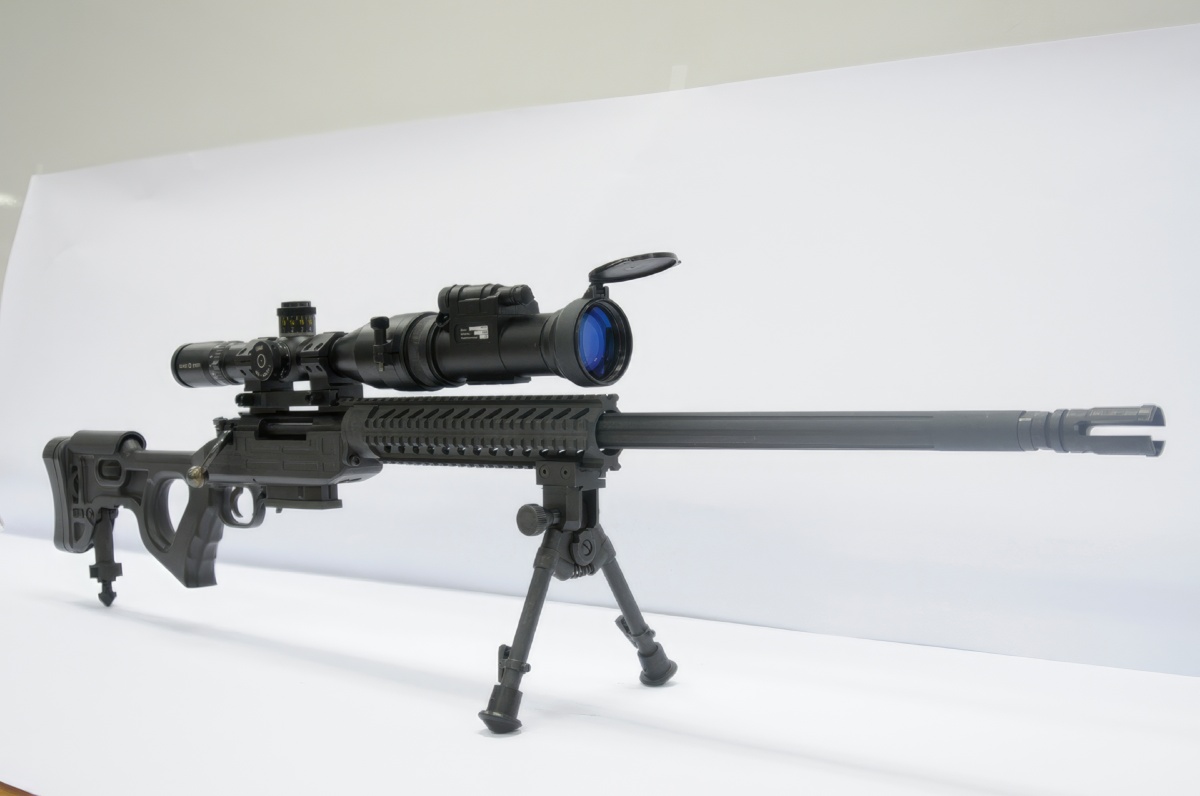
A sure sign of influence is how often rival products are framed as answers to the same question. For decades, many bolt-action rifles were marketed as more accurate than a 700, smoother than a 700, lighter than a 700, or a better value than a 700. That wording reveals just how central the rifle remained.
In other words, the comparison itself became part of the legend. Even when competitors had genuine advantages, they often introduced themselves by standing next to the benchmark. That is what category-defining products do. They shape the standards everyone else has to acknowledge before making their own case.
Its legacy still shapes expectations today

The modern bolt-action market is crowded with excellent rifles, and buyers have more choices than ever. Even so, the Remington 700 still lingers in the background of countless conversations because it helped establish the expectations people now bring to the category. Accuracy, adaptability, support, and familiarity are all part of that legacy.
That does not mean every current 700 is automatically the best option for every shooter. It means the design’s historical influence is so strong that it still frames the debate. When one rifle becomes the language an industry uses to describe itself, comparison is no longer just common. It is inevitable.