Firearms often look deceptively straightforward, but their controls, operating systems, balance, and historical design compromises can vary dramatically. A small misunderstanding can therefore feel much more significant on one design than another. The examples below focus on mechanical quirks, ergonomics, and historical reputation rather than instructions for operating them. Firearm design has long balanced reliability, recoil, complexity, and human factors, with later designs often evolving specifically to reduce these kinds of problems.
1. Luger P08
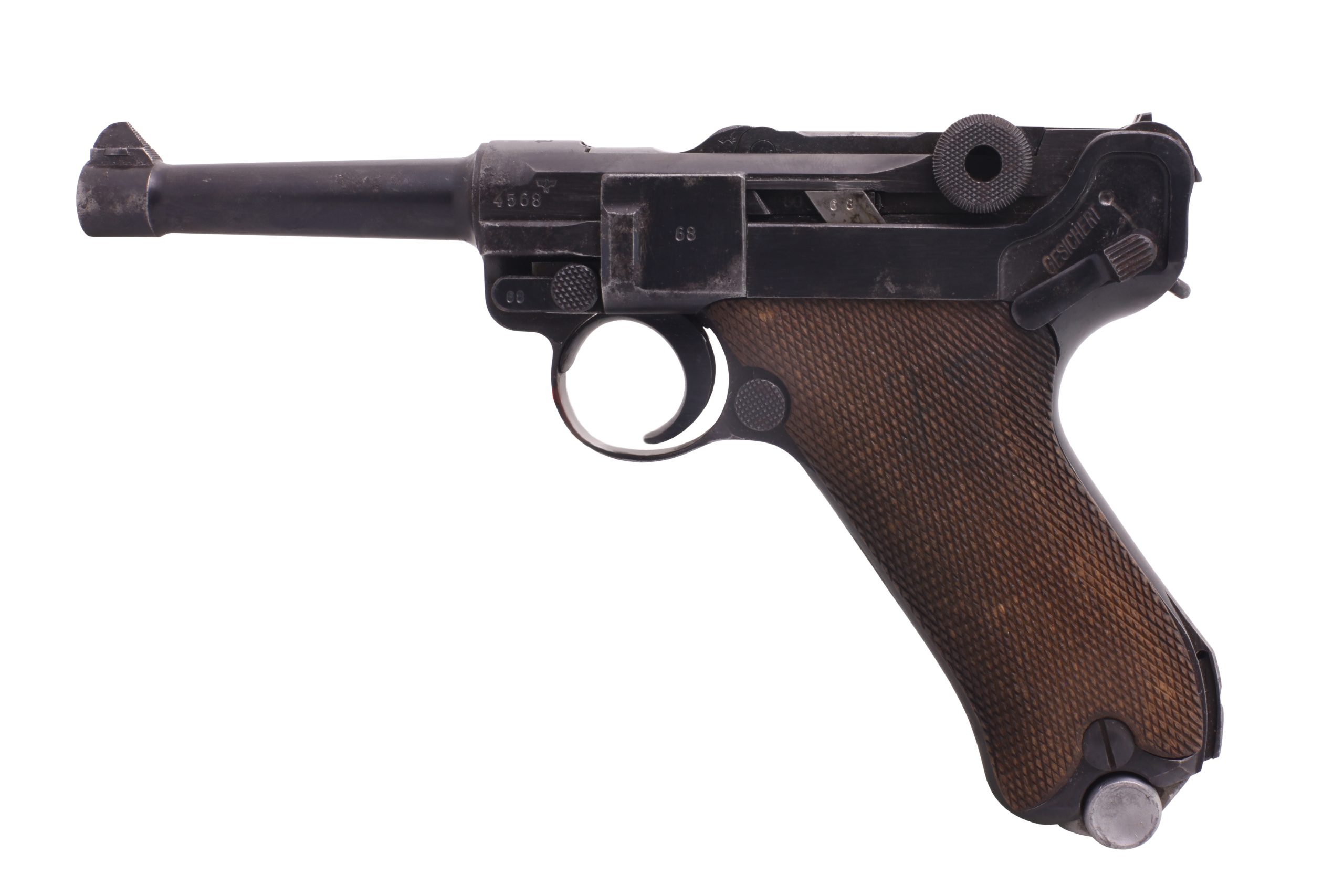
The Luger P08 is famous for its elegant toggle-lock action, but that sophistication came with a price. Its 9×19 mm chambering, 4-inch-class barrel on common service models, and unusually shaped toggle assembly made it sensitive to ammunition and maintenance differences. A minor interruption in the action could stop the firing cycle rather than being shrugged off. The pistol’s grip angle was distinctive too, so unfamiliar handling could feel awkward. Its reputation is therefore less about fragility than about demanding consistency from its operator and ammunition.
2. Colt M1911
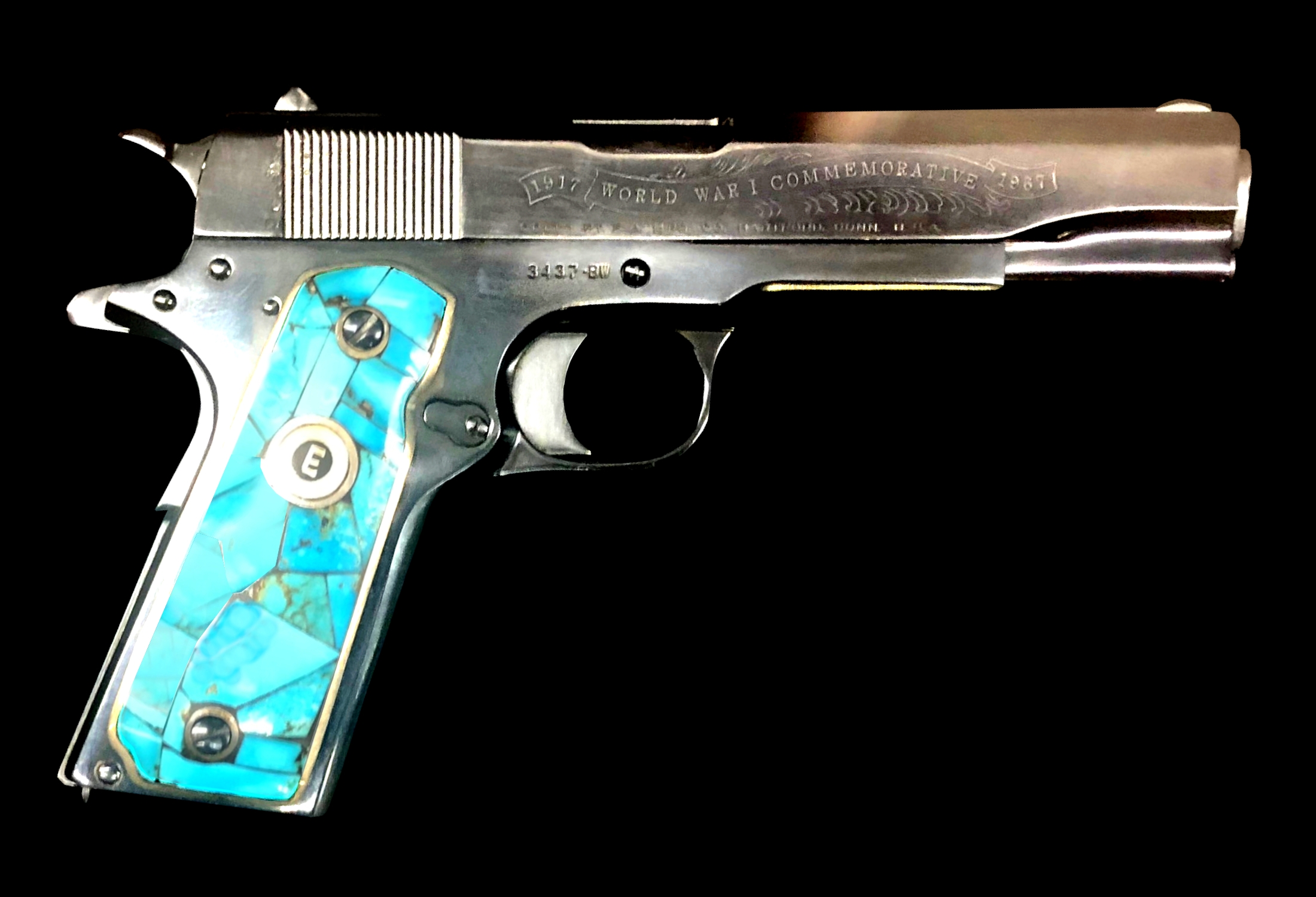
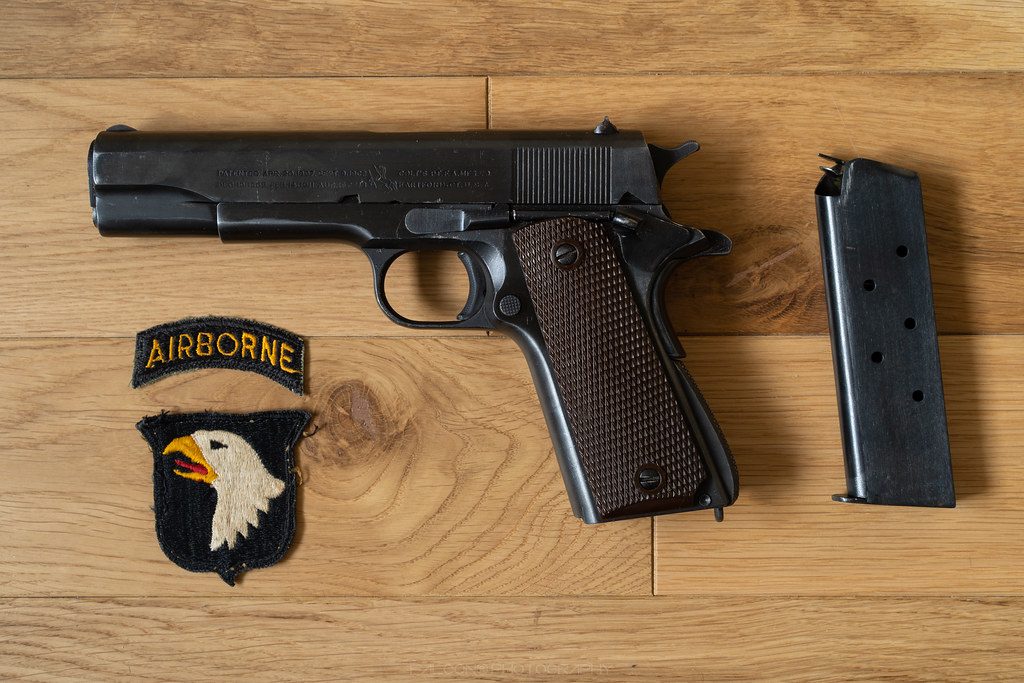
The M1911 combines a powerful .45 ACP cartridge with a single-action trigger system and several manual controls. Early service pistols used a 7-round magazine, while later variants commonly moved to 8 rounds. The design also has a frame-mounted thumb safety and a grip safety, so an unfamiliar user can encounter a different sequence of controls than on a modern striker-fired pistol. Its slim grip and short trigger reset reward familiarity, while a small lapse in handling can produce an unexpected pause. The lesson is simple: classic designs often demand practice with their particular controls.
3. Heckler & Koch P7
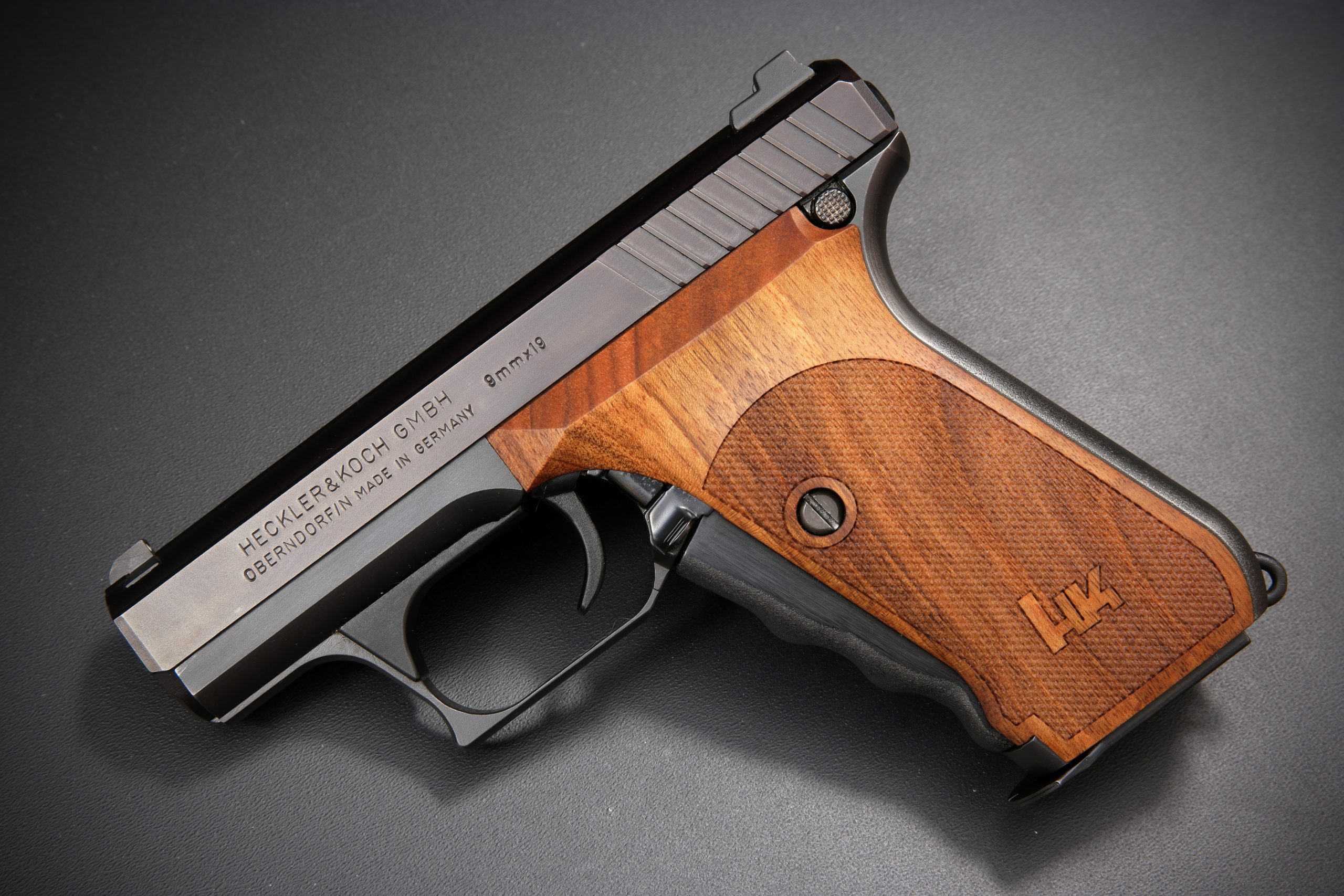
The Heckler & Koch P7 is an unusual pistol because its cocking system is built into the front of the grip. Squeezing the grip cocks the firing mechanism, while releasing it decocks the pistol. The P7 M13 also used a 13-round magazine, giving the compact design substantial capacity for its era. That clever system reduced the number of separate controls, but it also created a very different manual interface from conventional pistols. Heat buildup during extended firing was another well-known characteristic. Its quirks show how solving one handling problem can introduce another.
4. Steyr AUG
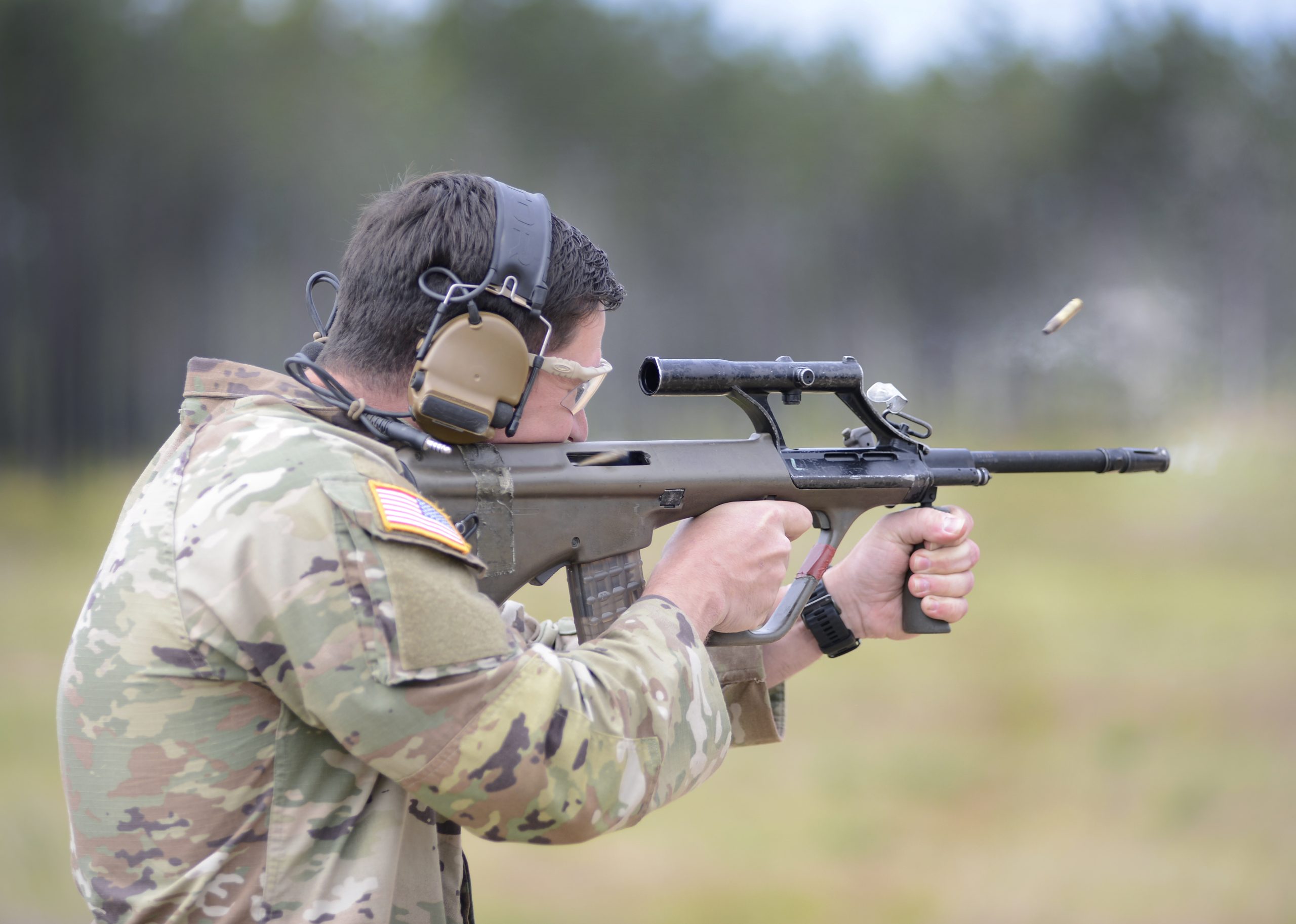
The Steyr AUG introduced a highly distinctive bullpup layout, placing the action and magazine behind the trigger. Standard versions use 5.56×45 mm and a 30-round magazine. That arrangement shortened the overall rifle without shortening the barrel, but it also changed the balance and control layout compared with conventional rifles. The charging handle and safety arrangement require familiarity, especially for anyone moving between rifle patterns. Its unusual architecture means assumptions from another rifle can quickly become confusing. Its bullpup layout is the defining challenge.
5. FN FAL
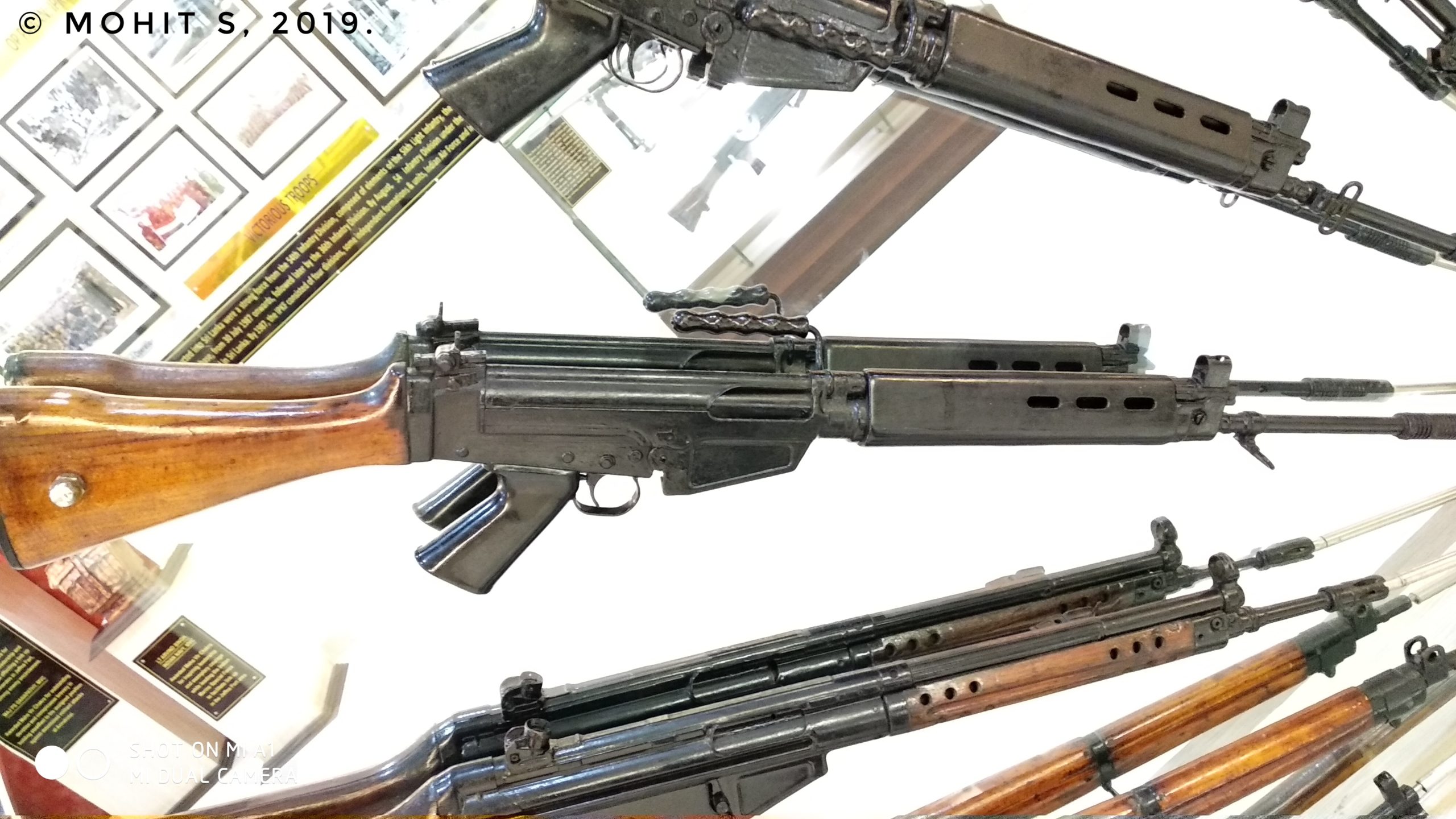
The FN FAL earned a reputation as the “Right Arm of the Free World,” and many versions fire the 7.62×51 mm NATO cartridge from 20-round magazines. That full-power cartridge and the rifle’s adjustable gas system give the design considerable mechanical character. The rifle is robust, but its controls, weight, and operating feel differ markedly among variants and configurations. A shooter accustomed to a lighter intermediate-caliber rifle can misjudge how the FAL handles. Its lesson is broader than the rifle itself: familiar-looking controls do not guarantee familiar behavior.
6. Walther P38
The Walther P38 introduced several features that later became common on service pistols, including a double-action first shot and a decocking system. Its 9×19 mm chambering and 8-round magazine were typical of its period. The long first trigger stroke also contrasts with the lighter single-action stroke that follows. That change in trigger feel can surprise an unfamiliar user. The P38 demonstrates how a design can be mechanically advanced for its time while still requiring the operator to understand exactly what each control does. That contrast can catch a new user off guard.
7. Mosin-Nagant M1891/30
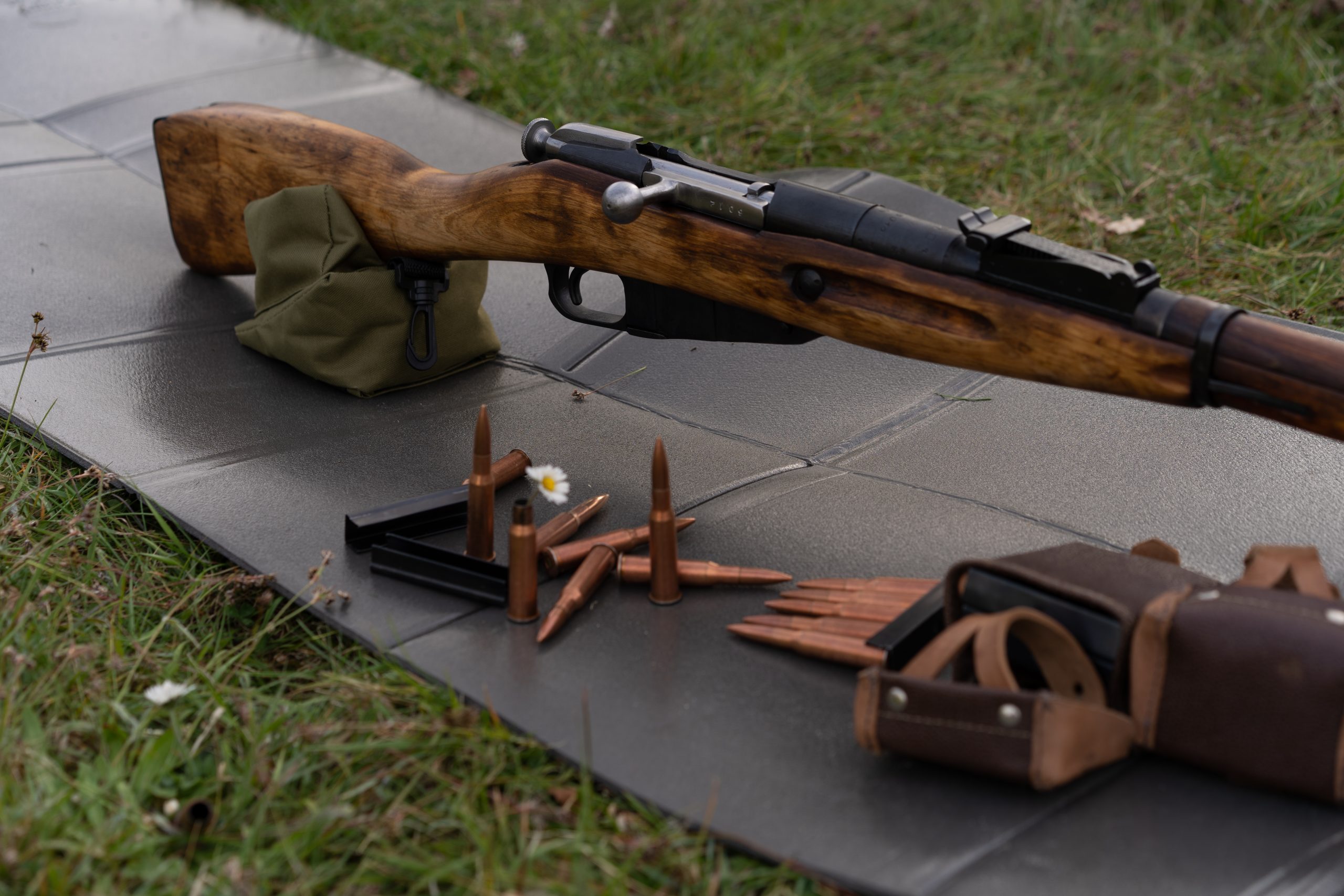
The Mosin-Nagant M1891/30 is a 7.62×54 mm R bolt-action rifle normally associated with a 5-round internal magazine. Its reputation for simplicity can hide handling quirks, including a bolt with a distinctive feel. Its long military configuration also affects balance. Wartime production varied widely, so individual examples can differ in finish and feel. None of that makes the design inherently unsafe, but it illustrates how age, manufacturing variation, and unfamiliar controls can magnify small mistakes. Classic simplicity is not the same as universal familiarity.
8. Browning Auto-5
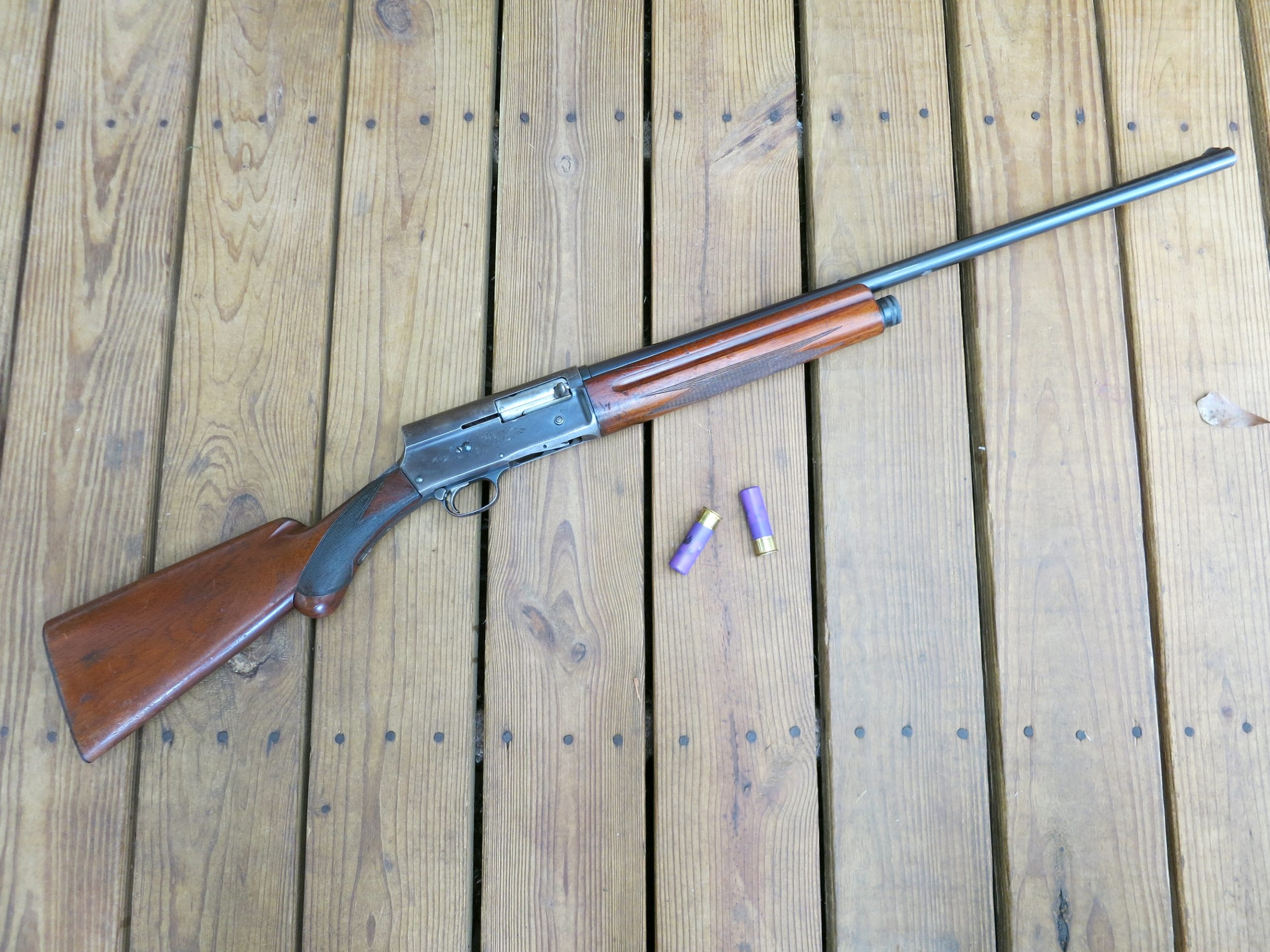
John Browning’s Auto-5 was one of the landmark self-loading shotguns, using a long-recoil operating system and appearing in many configurations over its long production life. Its action depends on coordinated movement of the barrel and bolt, making it mechanically distinctive among sporting shotguns. Configurations and loads can affect cycling behavior. Many sporting versions hold 5 rounds. The Auto-5 shows that a sophisticated operating system can be dependable while still rewarding users who understand its particular mechanical character rather than treating every shotgun as interchangeable.
9. Chauchat M1915
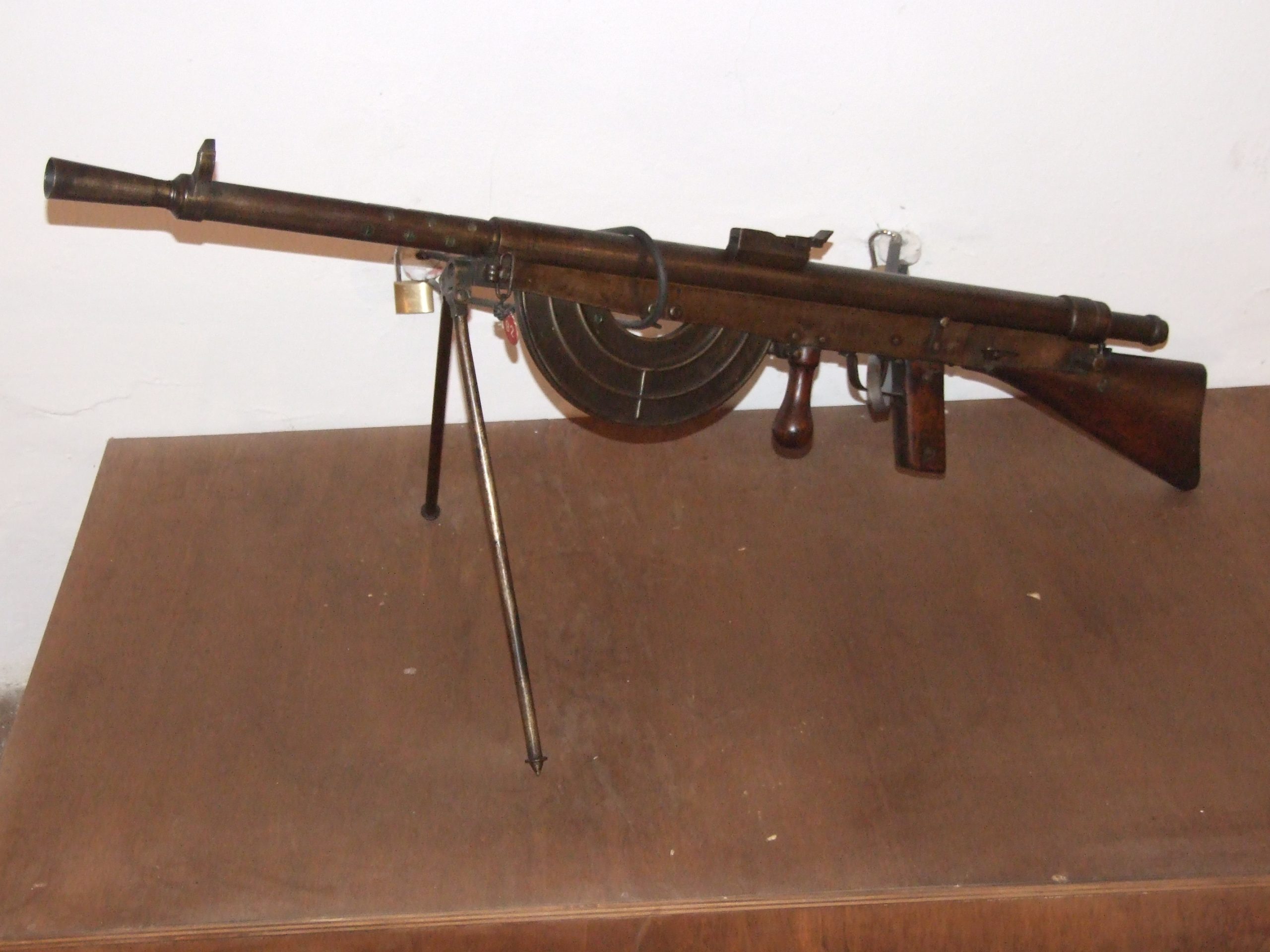
The French Chauchat M1915 is remembered for its unusual design choices and demanding wartime production environment. Chambered in 8 mm Lebel in French service, it used a long-recoil action and a distinctive 20-round magazine with large openings along its side. The openings exposed the magazine interior to battlefield conditions. Production quality also varied. The Chauchat is a useful historical example of how several small compromises can interact, turning an otherwise ingenious mechanism into a system that is less forgiving when conditions become difficult. Its reputation cannot be separated from its wartime manufacturing environment.
10. Ross Rifle
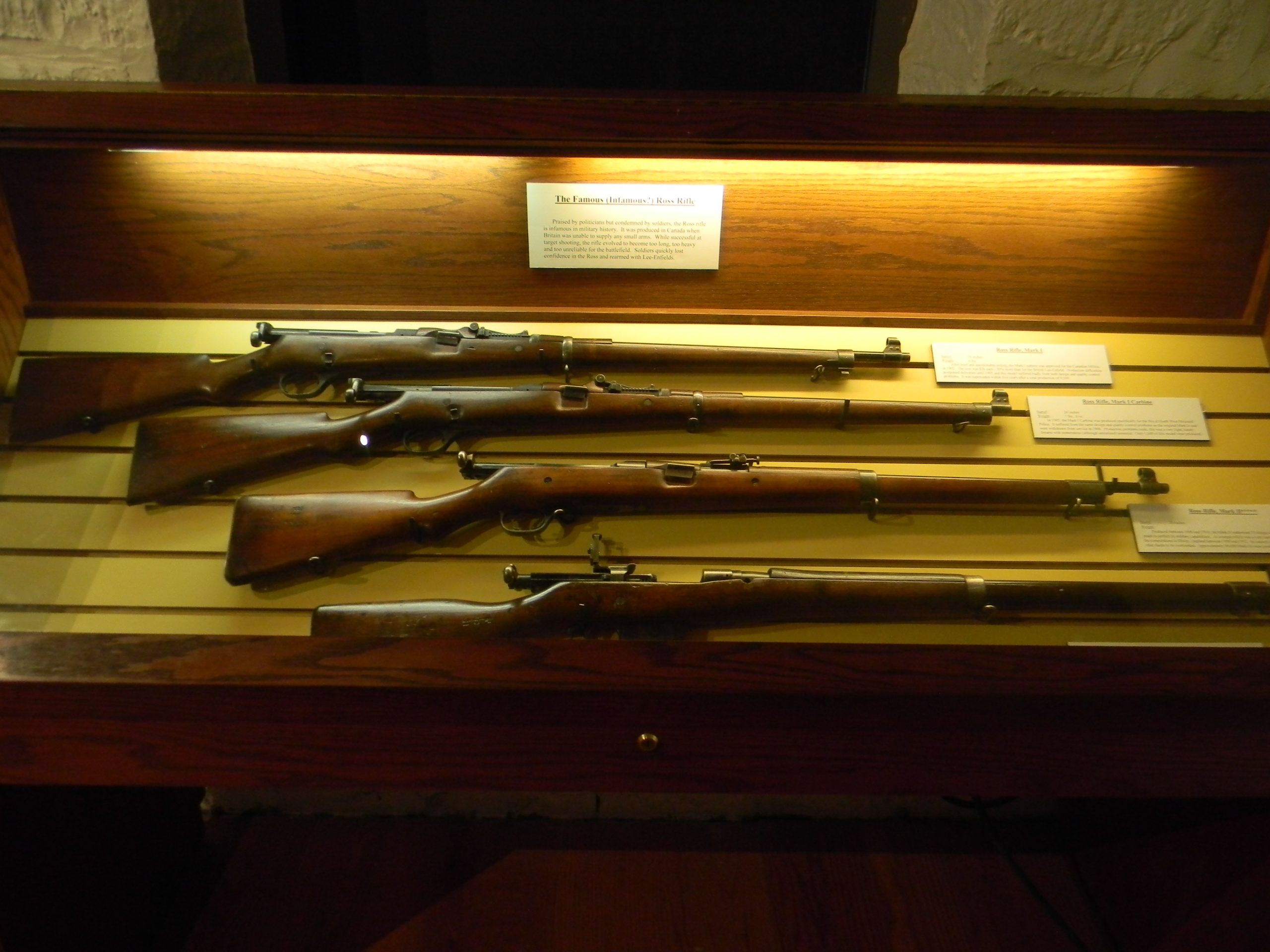
The Canadian Ross rifle began as an ambitious straight-pull design and was produced in several military versions before Canada moved away from it during World War I. The Ross Mk III used a 5-round magazine and a straight-pull bolt that allowed rapid cycling without a traditional lift-and-turn motion. Its very tight manufacturing tolerances and sensitivity to correct assembly became central to its troubled service history. The rifle shows how precision can become a weakness when users and parts vary. Small procedural errors mattered because the mechanism left little room for them.
11. Winchester Model 1895

The Winchester Model 1895 was a major departure from the company’s earlier tube-fed lever rifles because it used a box magazine, allowing it to handle cartridges with pointed bullets. Versions included the .30-06, with 5-round capacity in that configuration. Its lever action remained familiar, but the heavier rifle and powerful cartridges changed how it handled compared with lighter Winchester repeaters. The Model 1895 shows that even a proven control system can feel very different when the cartridge, weight, and mechanical layout change. Its box magazine was a key part of that change.