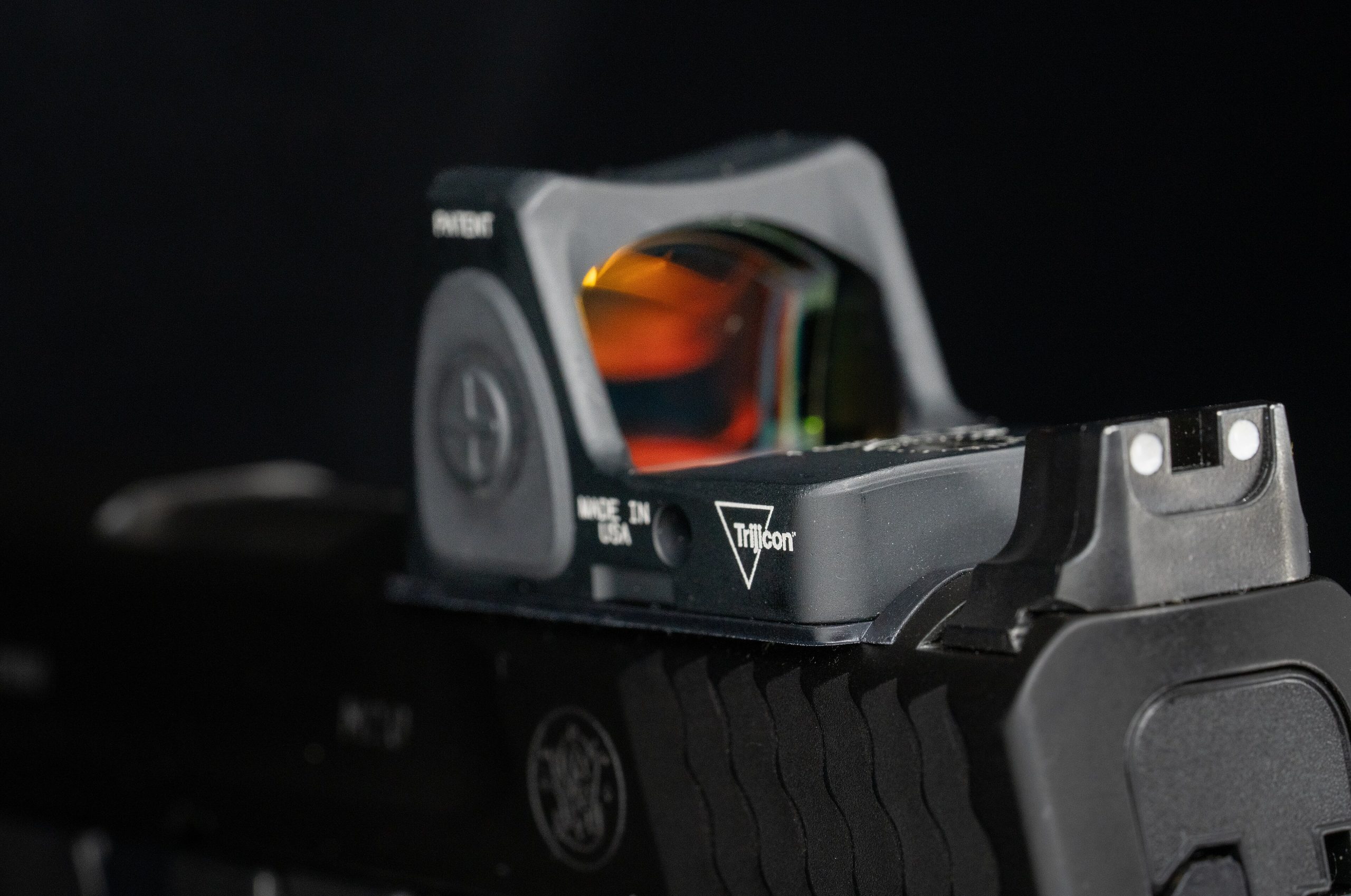
The concealed-carry market changed dramatically during the 2010s, and the Smith & Wesson M&P Shield arrived at exactly the right moment. Introduced in 2012, it took the familiar M&P concept and compressed it into a much slimmer, lighter package. The formula was straightforward: recognizable ergonomics, practical dimensions, multiple configurations, and a price aimed at a broad consumer market. Its commercial performance was extraordinary, passing 1 million shipments in fiscal 2016 and 3 million by fiscal 2019. Those numbers help explain why the Shield became one of the defining American concealed-carry pistols of its generation.
1. It Arrived at Exactly the Right Moment
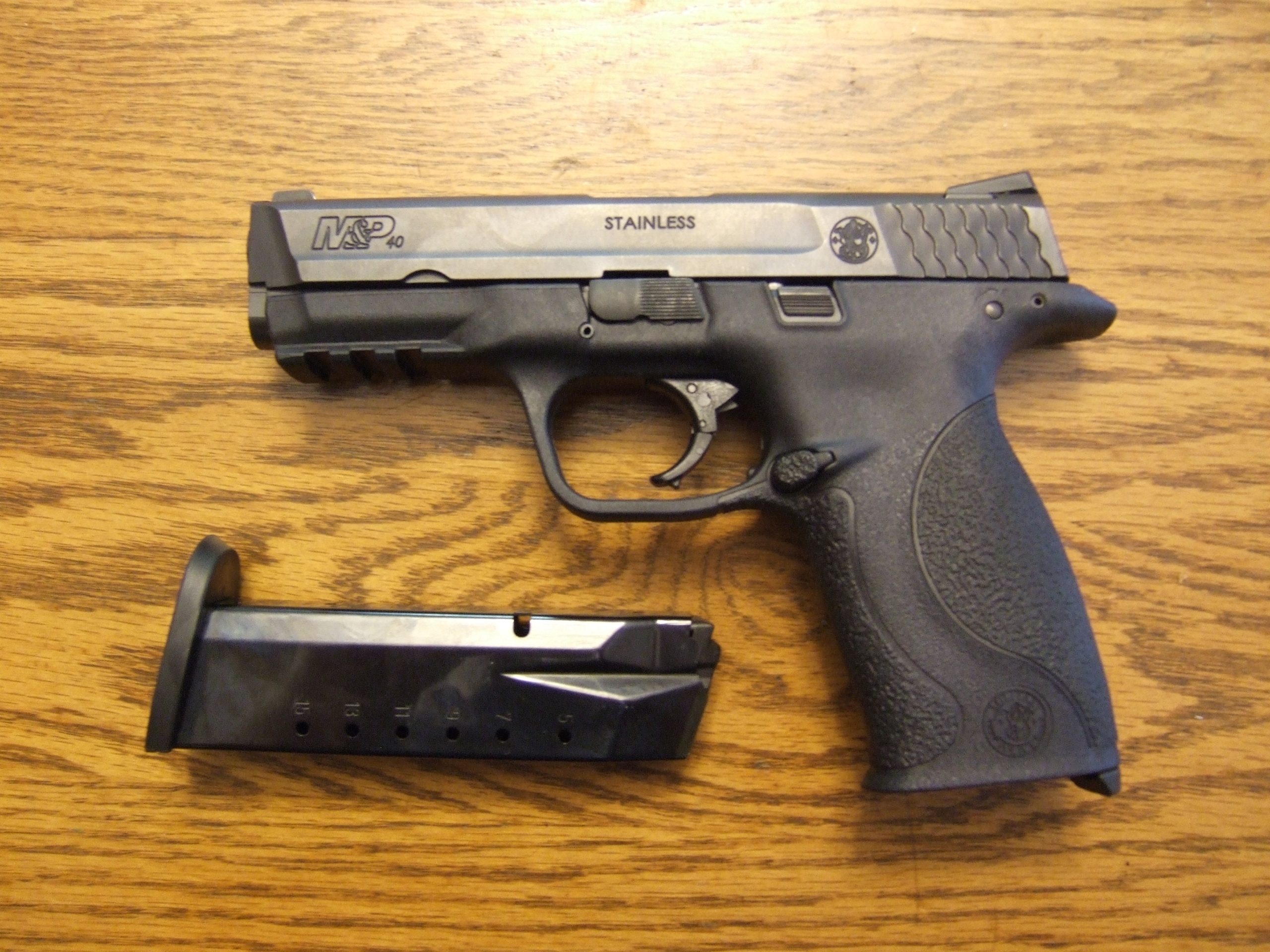
Introduced in 2012, the Shield arrived when concealed-carry pistols were moving toward slimmer polymer designs. Smith & Wesson kept the familiar M&P identity but trimmed the package substantially. The original 9mm and .40 S&W models used a 3.1-inch barrel, measured 6.1 inches overall, and weighed 19 ounces unloaded. Those figures made the Shield notably easier to carry than many service-sized pistols. More importantly, it offered familiar controls and handling rather than creating an entirely unfamiliar pocket-sized format. That balance gave the new pistol immediate appeal to people who wanted a smaller M&P without abandoning the platform’s established reputation.
2. Its Slim Profile Became Its Signature
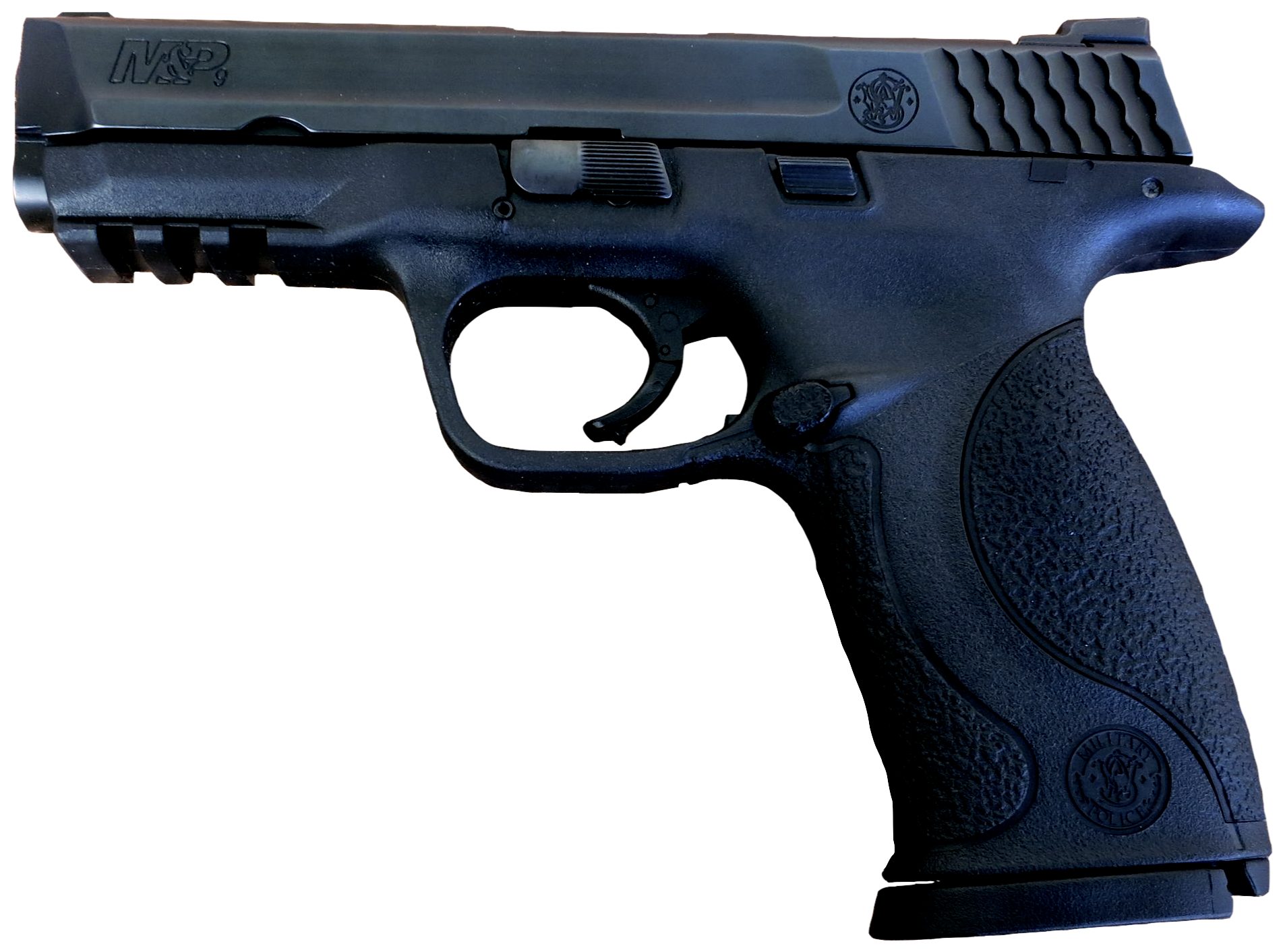
The Shield’s most important commercial advantage was its unusually narrow profile. Instead of chasing maximum magazine capacity, the original design emphasized a thin frame that could be carried discreetly under ordinary clothing. Its 19-ounce unloaded weight and 6.1-inch overall length kept the package compact without shrinking it to the point of becoming a specialized novelty. Smith & Wesson also used an 18-degree grip angle, a feature shared with the wider M&P family. The result was a pistol that looked purpose-built for concealed carry while still retaining the recognizable ergonomics of its larger relatives. That middle ground helped the Shield reach a very broad audience.
3. It Offered More Than One Caliber From Day One
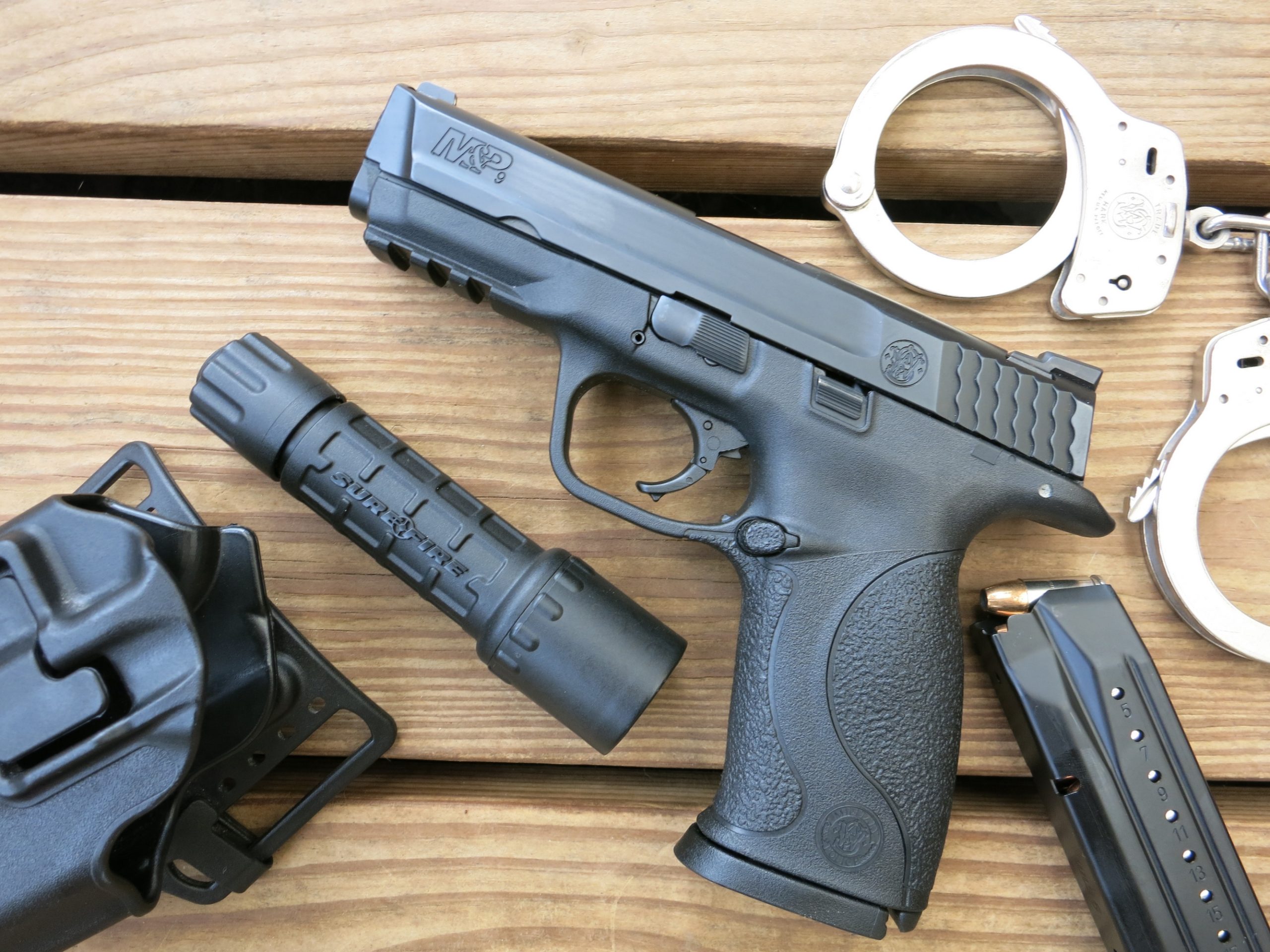
The original Shield did not rely on a single caliber to attract buyers. At launch in 2012, it was offered in both 9mm and .40 S&W, giving customers two established centerfire options. The 9mm version accepted either a 7-round or 8-round magazine, while the .40 S&W model used 6-round or 7-round magazines, depending on the magazine supplied. Those capacities reflected the design’s priority: keeping the pistol slim rather than maximizing ammunition. Later Shield-family models expanded the choices considerably, including .45 Auto and .380 Auto variants. That evolving lineup allowed the Shield name to remain relevant as concealed-carry preferences changed.
4. The M&P Family Gave It an Instant Advantage
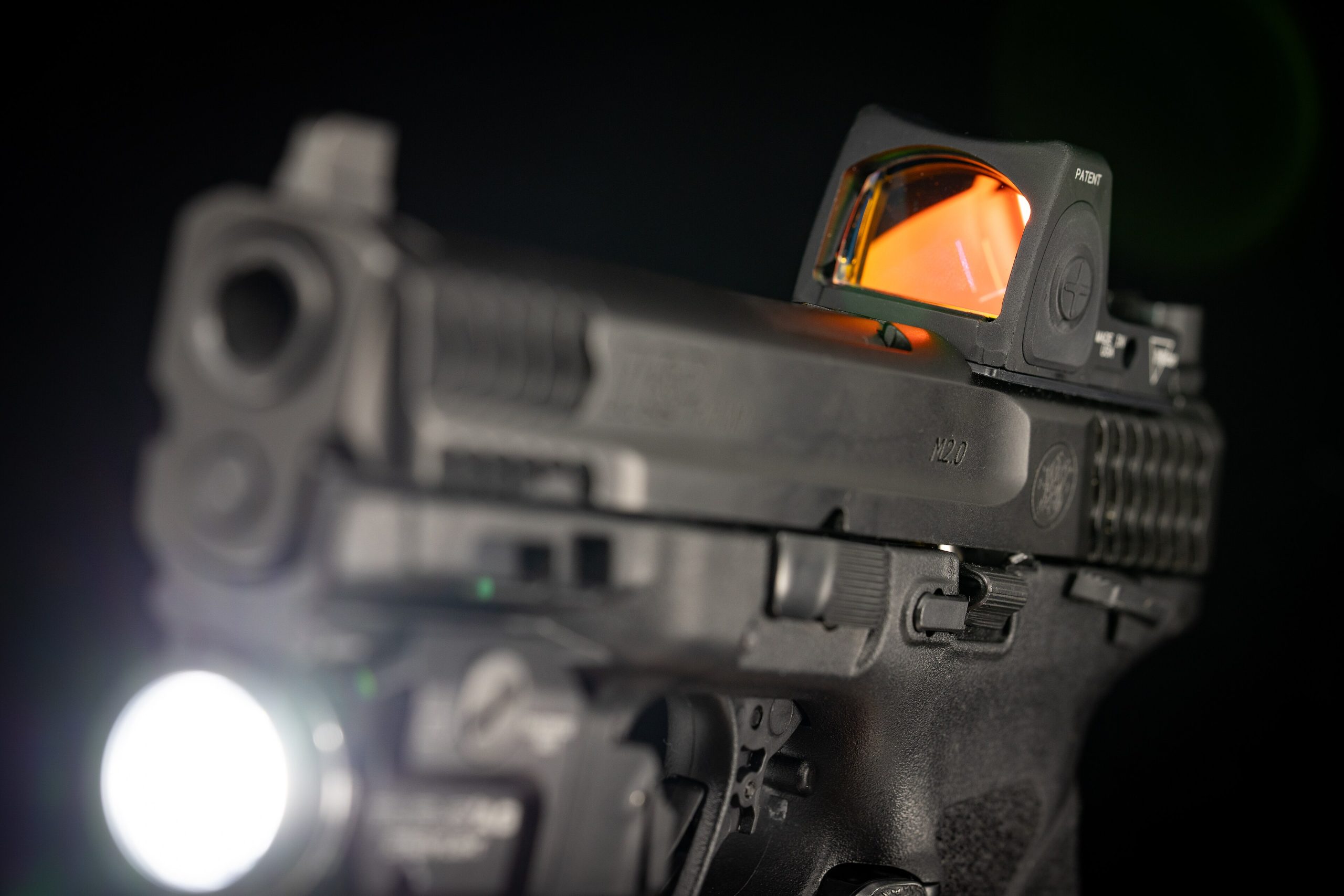
The Shield also benefited from being part of a much larger M&P ecosystem. Smith & Wesson introduced the polymer M&P pistol family in 2005, and the Shield arrived 7 years later with recognizable controls and internal design ideas. The company retained features such as a stainless-steel internal chassis, a passive trigger safety, and a sear-release system. That continuity mattered commercially because the Shield was not an isolated experiment. Buyers already familiar with M&P pistols could understand its basic design philosophy immediately. The broader M&P reputation gave the Shield a foundation that a brand-new concealed-carry line would have had to build from scratch.
5. Its Sales Numbers Were Extraordinary
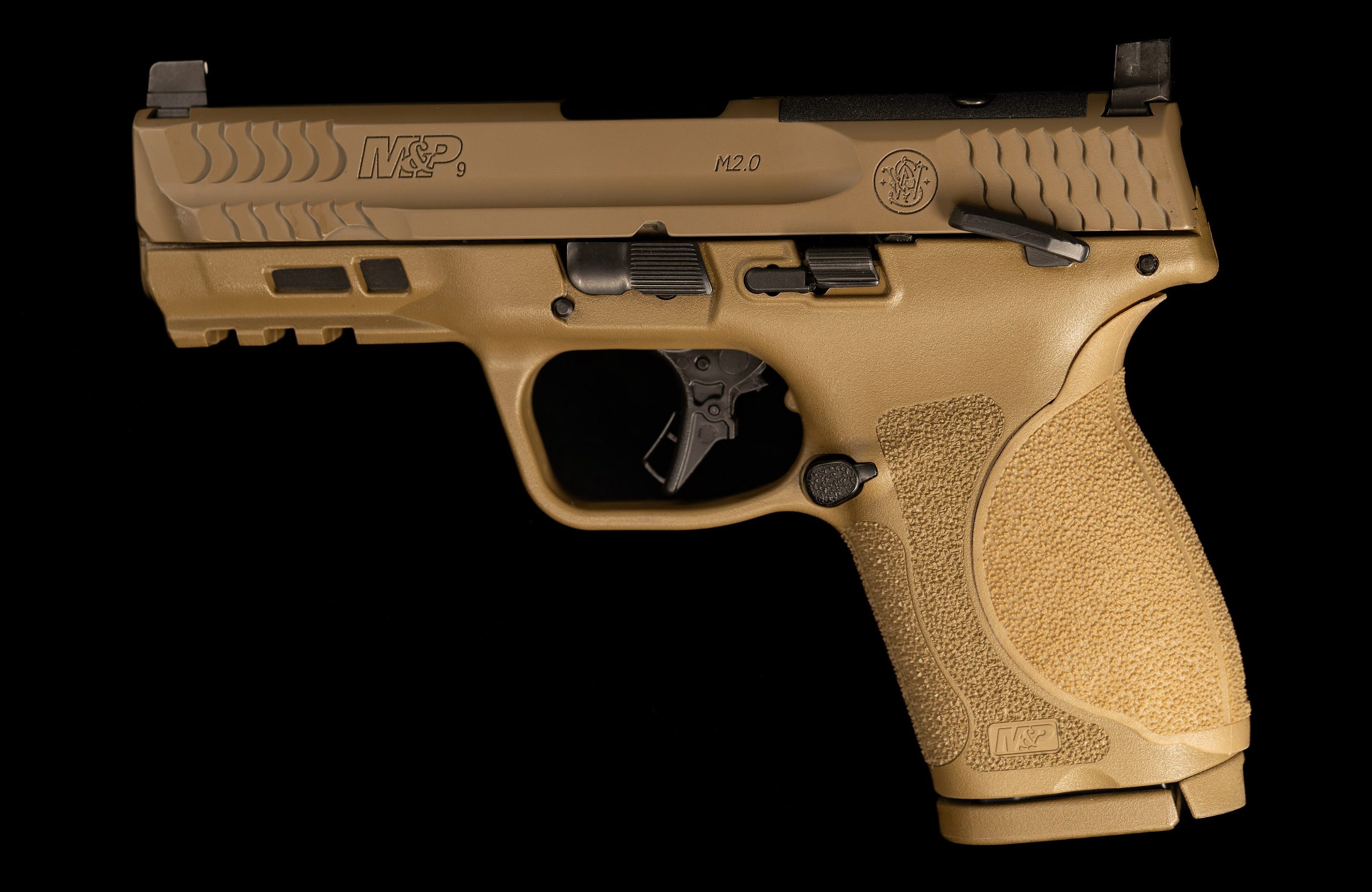
Its early sales record explains why the Shield became far more than another catalog model. Smith & Wesson reported that the Shield passed 1 million unit shipments during fiscal 2016, only about 4 years after its introduction. By the end of fiscal 2019, the company said more than 3 million Shield pistols had been shipped. Smith & Wesson also reported that cumulative Shield-family sales were approaching $1 billion at that point. Those figures are important because they demonstrate sustained consumer demand rather than a short-lived launch surge. The Shield had become a major commercial pillar of the company’s handgun business. That momentum became difficult for competitors to ignore.
6. Smith & Wesson Kept Expanding the Formula
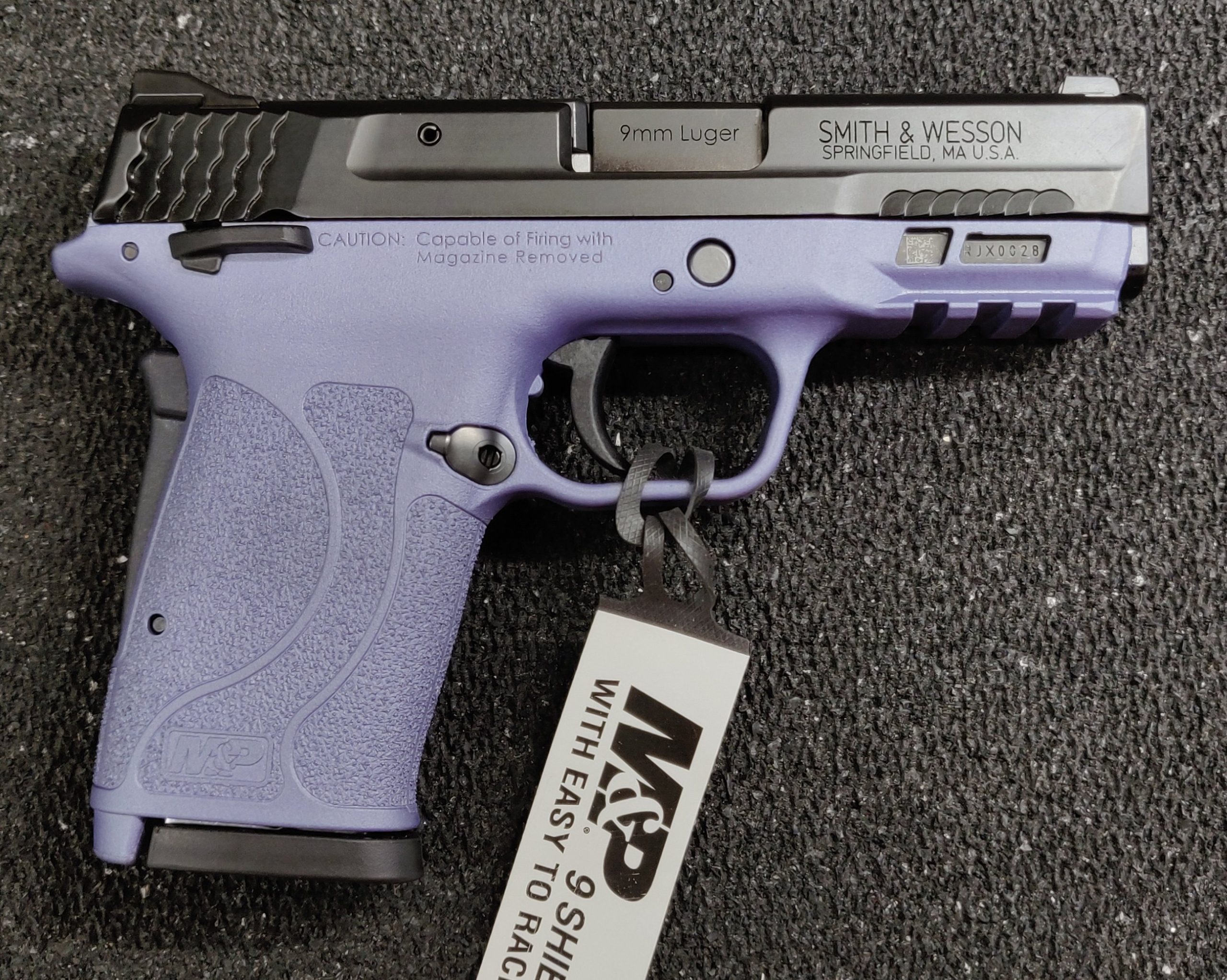
Another reason the platform endured was the steady expansion of the family. The company introduced additional Shield variants during the years after the original launch, including M2.0 versions and the .45 Auto Shield. In 2018, Smith & Wesson added the M&P380 Shield EZ, a related model designed around easier operation. Then, in 2021, the Shield Plus brought substantially greater magazine capacity to the slim format, with up to 13 rounds in its extended magazine. These changes let the Shield name follow market trends without discarding its central identity. Instead of replacing the original idea, Smith & Wesson kept widening its appeal. The family kept growing without losing its identity.
7. Its Straightforward Design Broadened Its Appeal
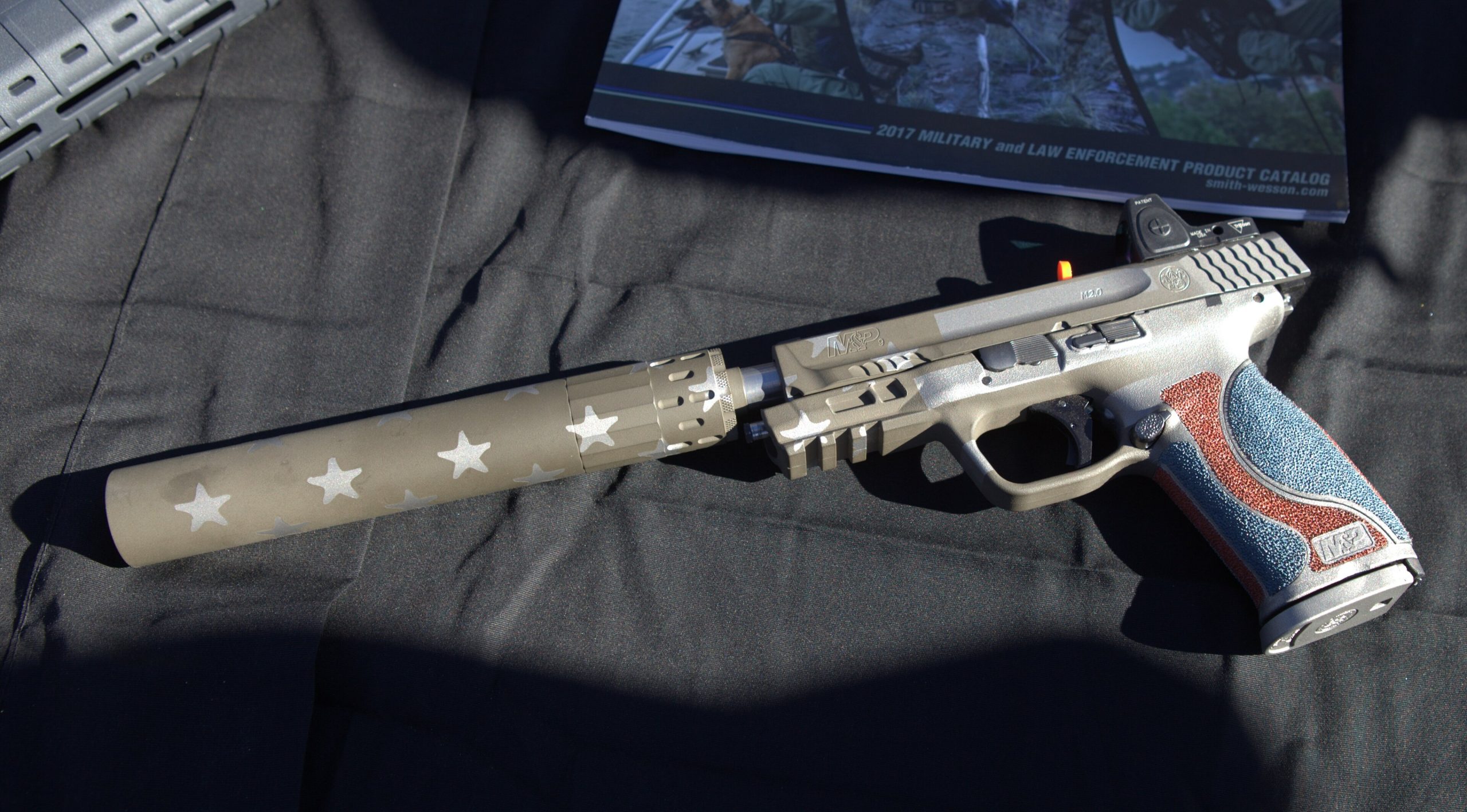
The Shield’s popularity also came from how deliberately ordinary it looked. It was not marketed as a futuristic pistol with a radical shape or complicated mechanism. The original model used a black-coated stainless-steel slide and barrel, a polymer frame, fixed sights, and straightforward controls. Its 3.1-inch barrel and 19-ounce unloaded weight communicated its purpose immediately. That simplicity helped the pistol appeal to experienced owners and newcomers alike. By combining recognizable M&P features with a substantially smaller footprint, Smith & Wesson created a product that felt familiar enough for mainstream buyers while still representing a clear change in size.
8. A Huge Accessory Market Reinforced Its Success
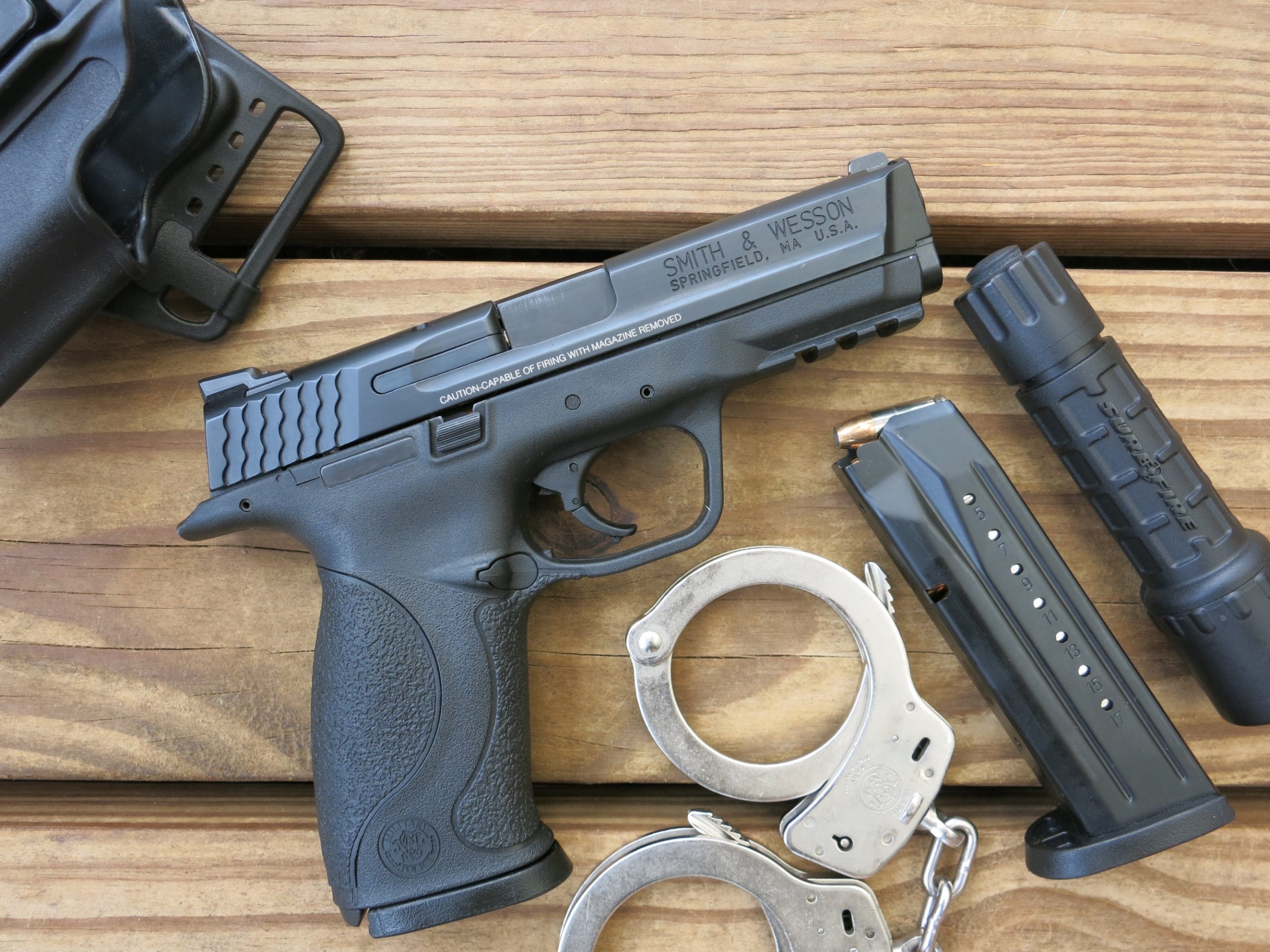
Accessory support strengthened the Shield’s position in the market. At launch, Smith & Wesson said it had worked with major holster, laser, and aftermarket sight manufacturers so owners could find compatible products immediately. That matters because a concealed-carry pistol is part of a larger ownership system, not simply a firearm bought in isolation. A wide accessory ecosystem made the Shield easier to integrate into different preferences and routines. Over time, the large number of pistols sold further encouraged manufacturers to support the platform. More owners created more demand for accessories, and more accessories made the Shield even easier to choose.
9. Its Real Secret Was Timing, Scale and Adaptability
The biggest achievement of the Shield was therefore not one specification but the combination of timing, scale and adaptability. Introduced in 2012, it arrived as compact polymer handguns were becoming increasingly important to the American concealed-carry market. Within roughly 4 years, shipments had passed 1 million, and by fiscal 2019 they exceeded 3 million. The family then continued evolving through M2.0, Shield EZ, and Shield Plus models. It is more precise to call the Shield one of America’s most commercially successful concealed-carry pistol families rather than claim an absolute sales title without a defined industry dataset. Its numbers nevertheless explain its enduring influence.