Firearms are surrounded by familiar names, visual stereotypes, and terminology that can blur important technical differences. A rifle that looks military may operate like a conventional semiautomatic firearm, while an old-looking handgun can have a surprisingly sophisticated mechanism. Some terms also have precise legal meanings that differ from everyday language. Here are 11 firearms and firearm categories that are frequently misunderstood, with the history, mechanics, and numbers that help put them into clearer context.
1. AR-15
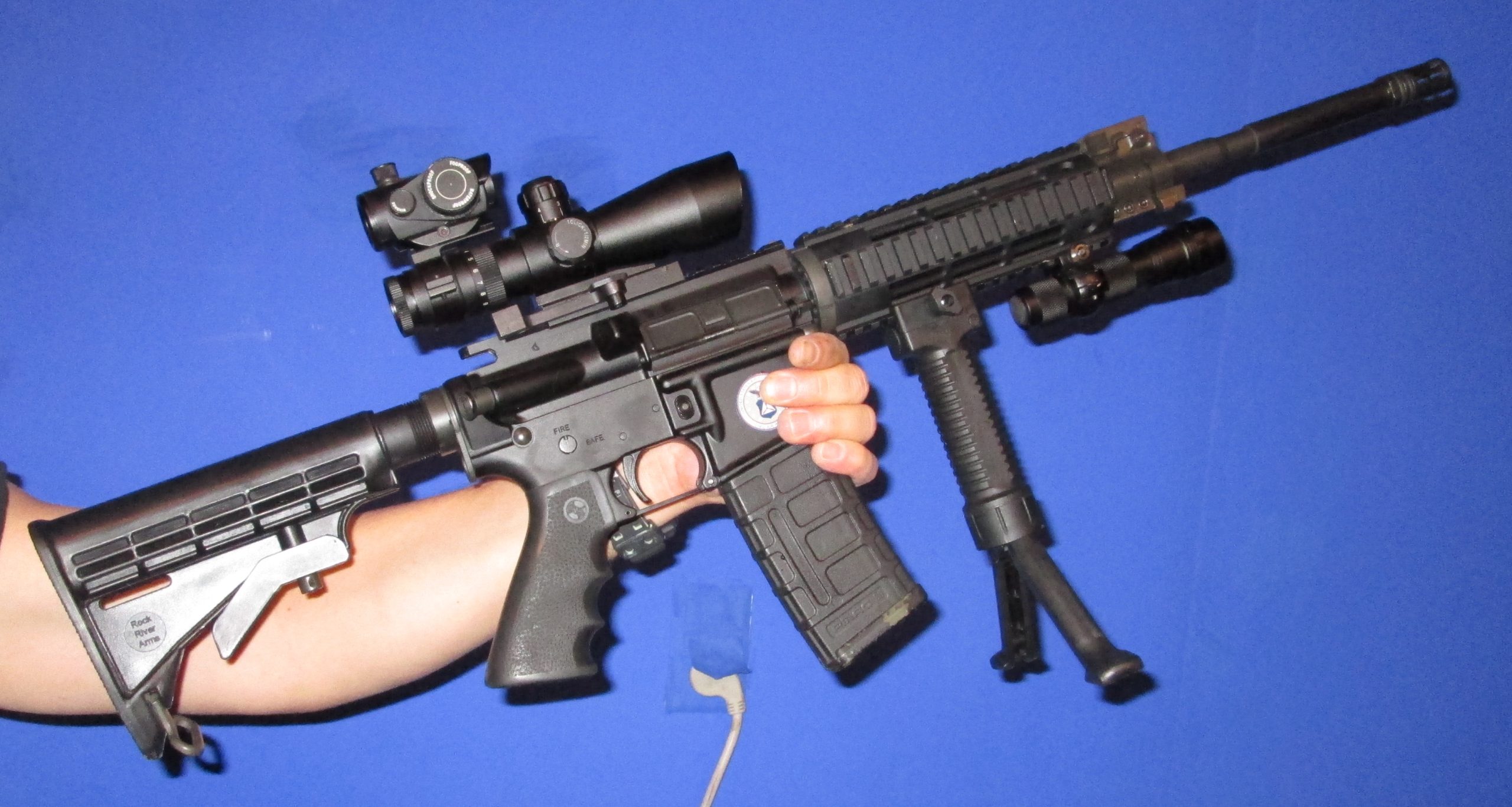
The AR-15 is often described as a machine gun, but a standard civilian AR-15 is a semiautomatic rifle: one trigger press fires one round, then the action loads the next. The design grew from the military AR-15 family, but civilian models vary widely in barrel length, caliber, stock, and features. The original AR-15 was developed in the 1950s, while the U.S. military adopted the M16 in 1964. So calling every AR-15 an automatic weapon confuses two different operating systems and ignores how civilian models are actually configured. The name alone therefore tells you little about its legal status.
2. AK-47
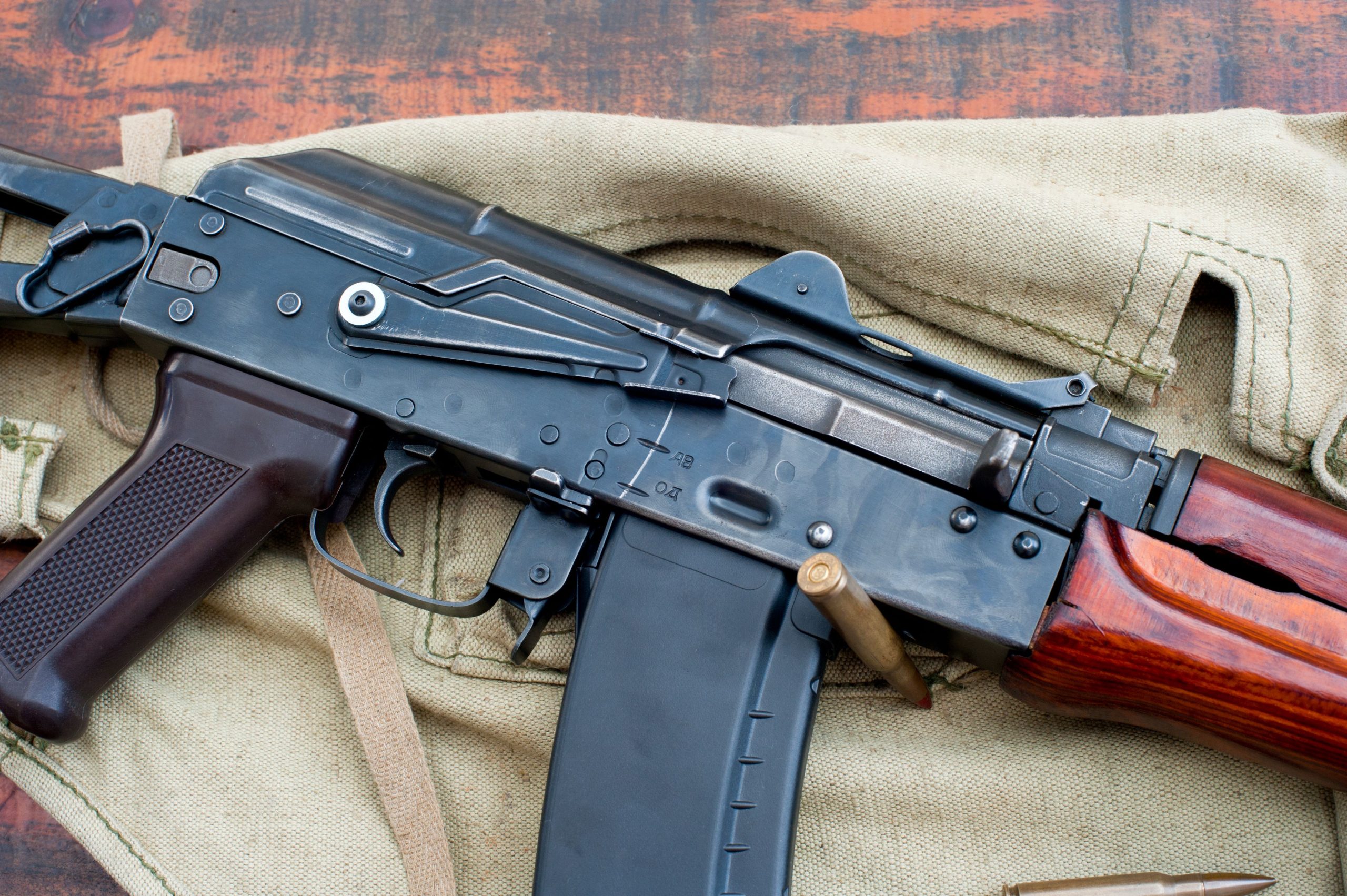
The AK-47 is frequently used as a catch-all name for almost any rifle with a curved magazine, yet the original Soviet AK-47 was a specific early Kalashnikov model. It was developed after World War II and officially adopted by the Soviet military in 1949. Many later rifles belong to the AK family but are not literally AK-47s. Civilian versions in the United States are commonly semiautomatic, meaning each shot requires a separate trigger press. Appearance alone does not determine the firing mechanism, and a curved magazine does not make a rifle fully automatic.
3. M1 Garand
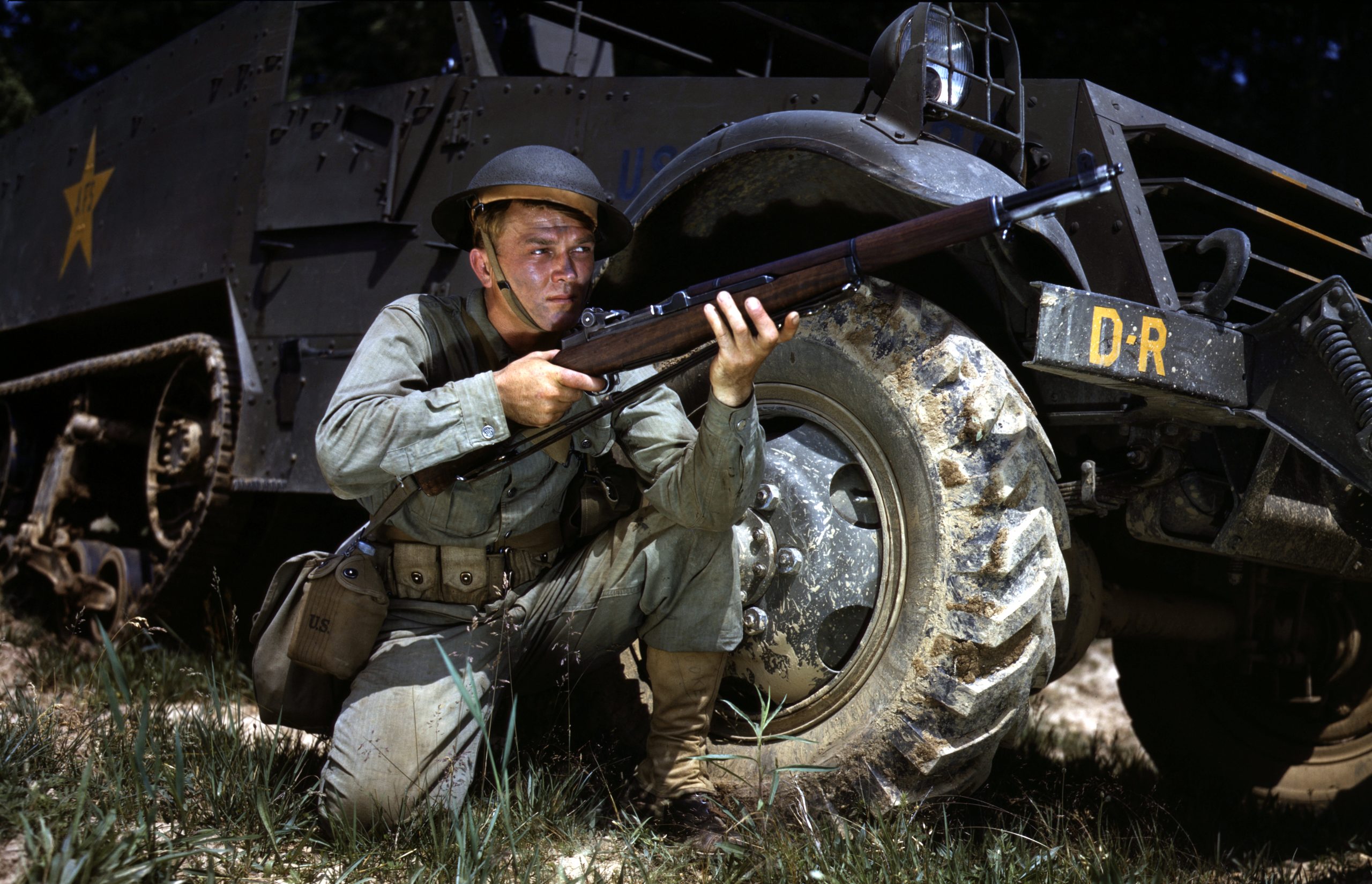
The M1 Garand is sometimes called a bolt-action rifle because of its traditional appearance, but it is semiautomatic. Adopted by the U.S. Army in 1936, it used gas operation to fire its .30-06 cartridges and automatically chamber the next round. Its standard en-bloc clip held 8 rounds. More than 6 million Garands were eventually produced, and the rifle served through World War II and the Korean War era. Its famous reputation comes from its military history, not from being a modern assault rifle. The M1 was also replaced by the M14 beginning in 1957.
4. Glock 17
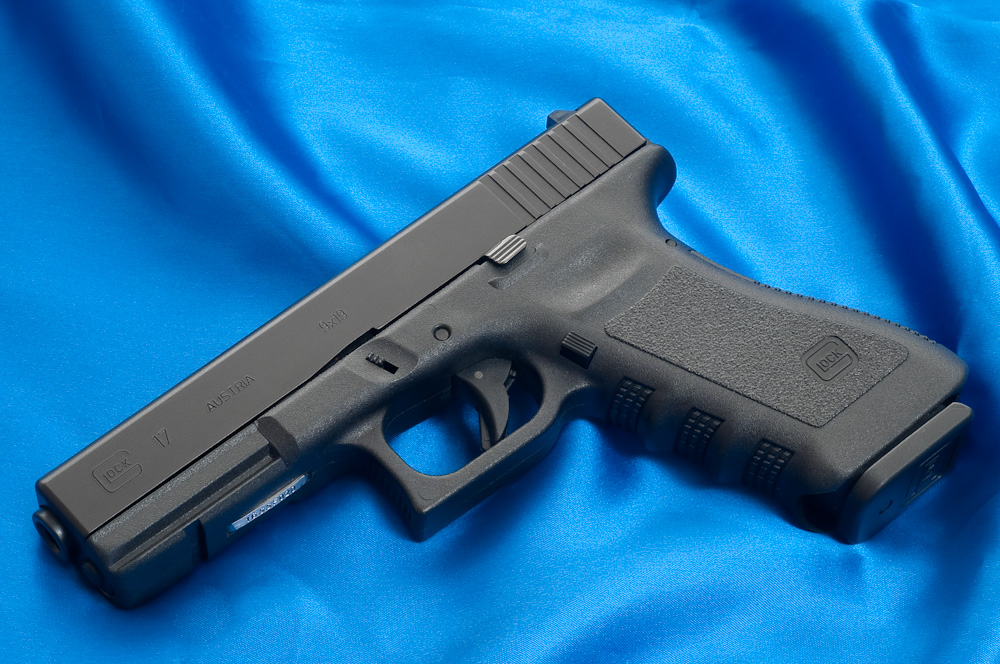
The Glock 17 is often assumed to be named for a 17-round magazine, but the number refers to the model designation. Introduced in 1982, it was designed around the 9x19mm cartridge and became widely known for its polymer frame and striker-fired action. Standard magazine capacity is commonly 17 rounds, but magazines of different capacities exist. It is a semiautomatic pistol, not a machine pistol. The slide cycles after firing, yet each round still requires a separate trigger press. Its success also helped popularize polymer-framed service pistols around the world.
5. 1911
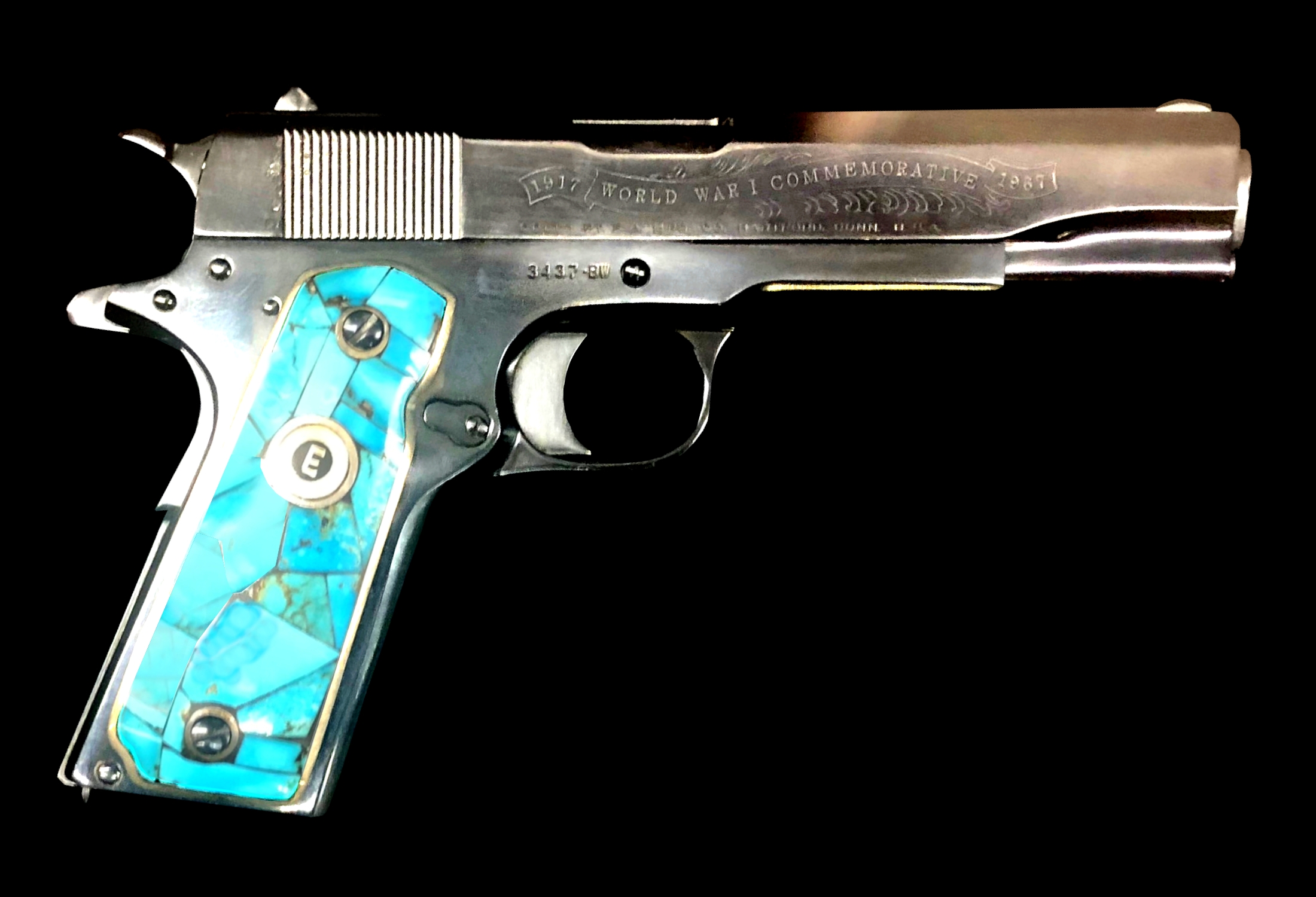
The Colt M1911 is often treated as just another modern pistol, although its history reaches back more than a century. The U.S. military adopted it in 1911, and the original design was chambered in .45 ACP. It is a recoil-operated, semiautomatic handgun with a single-action trigger. The classic military magazine holds 7 rounds. Modern 1911-style pistols can differ greatly in size, materials, sights, and capacity, so a current 1911 should not automatically be assumed to match the original service specification. The design remained in U.S. military service in various roles for decades.
6. Revolver
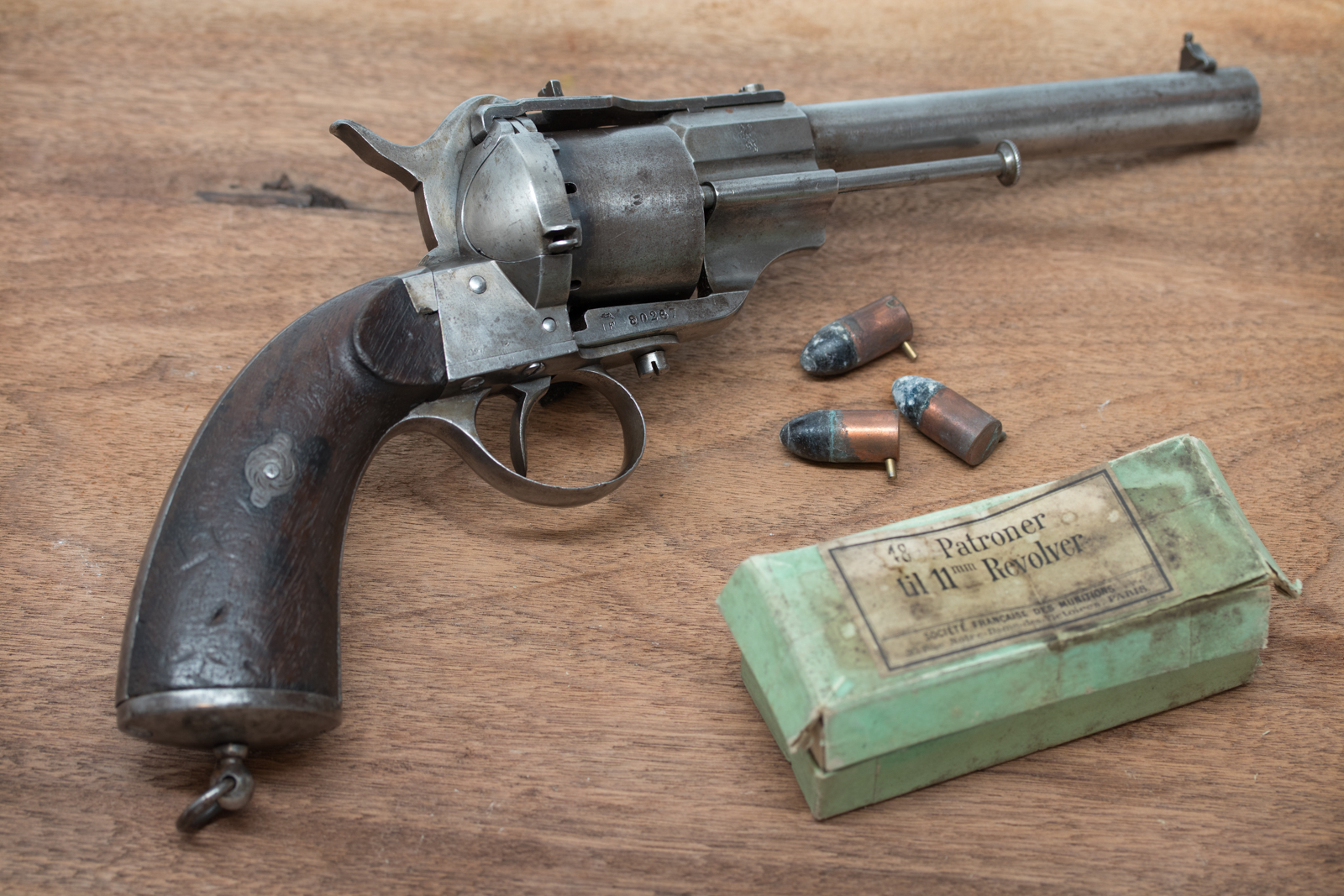
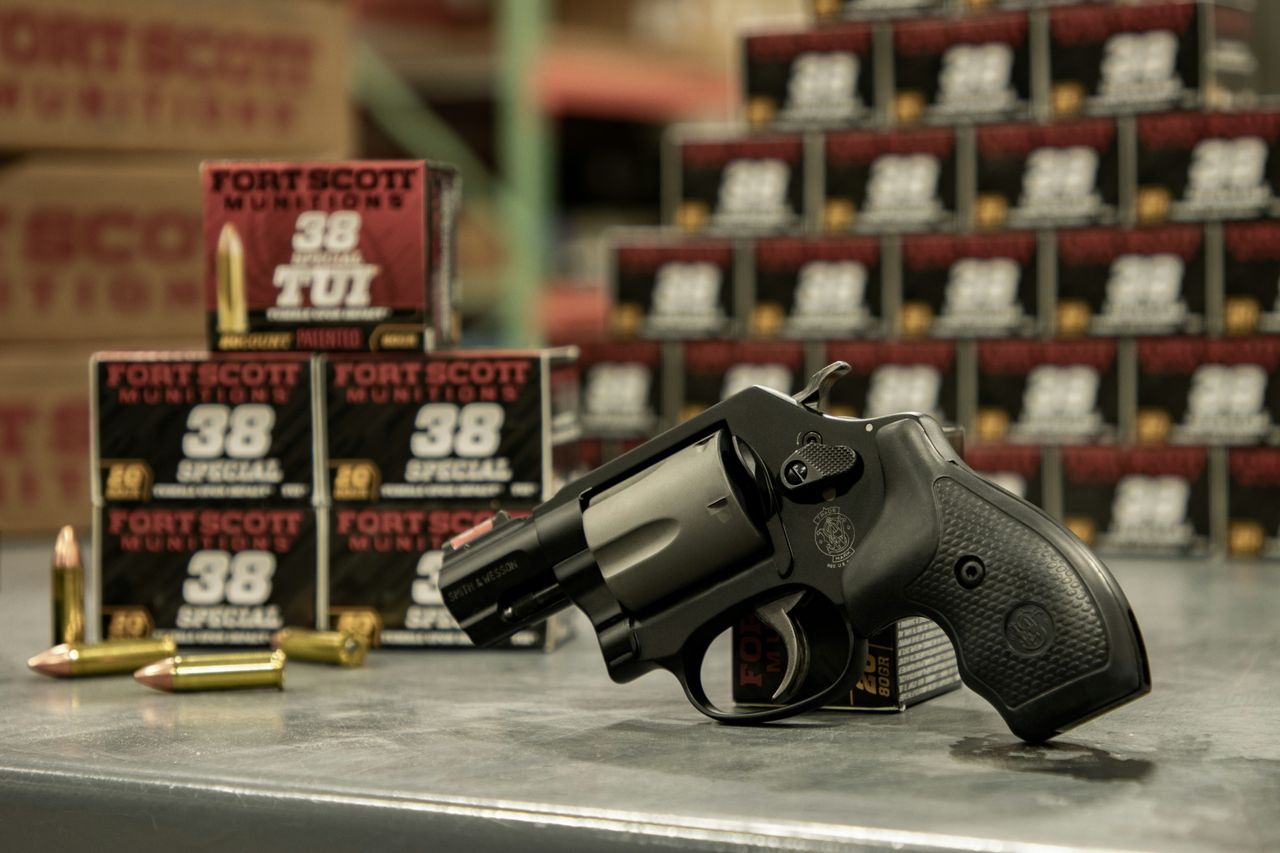
A revolver is often mistaken for a pistol category that means an older or weaker handgun. In fact, a revolver is a type of handgun defined by its rotating cylinder. Each chamber holds a cartridge, and the cylinder indexes a fresh chamber into firing position. Many common revolvers have 5 or 6 chambers, although larger and smaller capacities exist. Unlike most semiautomatic pistols, a traditional revolver does not use a detachable magazine to supply cartridges to the firing chamber. Its mechanism can be single-action, double-action, or a design combining both modes.
7. Shotgun

Calling a shotgun a weapon that fires only a spread of pellets is incomplete. A shotgun can fire shotshells containing multiple pellets, but it can also fire a single projectile known as a slug. Federal regulations define a shotgun as a shoulder-fired smoothbore design intended to fire shot or a single projectile. Common hunting and sporting gauges include 12 and 20. The gauge number is not simply the bore diameter in inches, which is why 12-gauge is larger than 20-gauge. Shotguns also come in several actions, including pump, semiautomatic, break-action, and lever-operated designs.
8. Musket
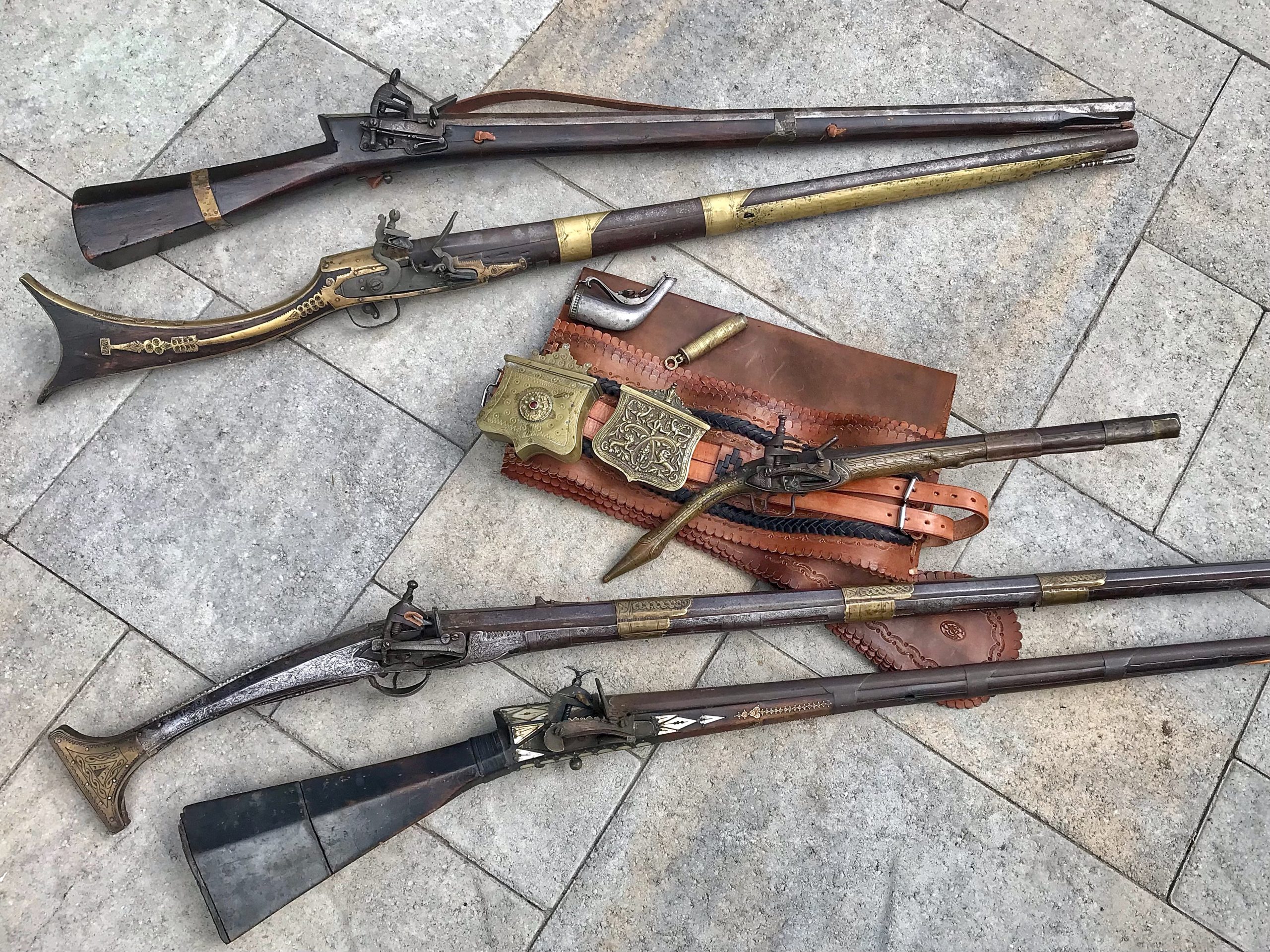
The word musket is often used for any old-fashioned long gun, but historical muskets and rifles were not identical. Many military muskets had smoothbore barrels and prioritized rapid loading and practical battlefield use. A flintlock musket could require a sequence involving flint, steel, priming powder, and the main charge. Rifling improved projectile stability and accuracy, but historically it could slow loading. In the American Revolution, smoothbore muskets such as the Brown Bess were standard infantry weapons. By the 1830s, percussion caps began replacing flintlock ignition.
9. Machine Gun
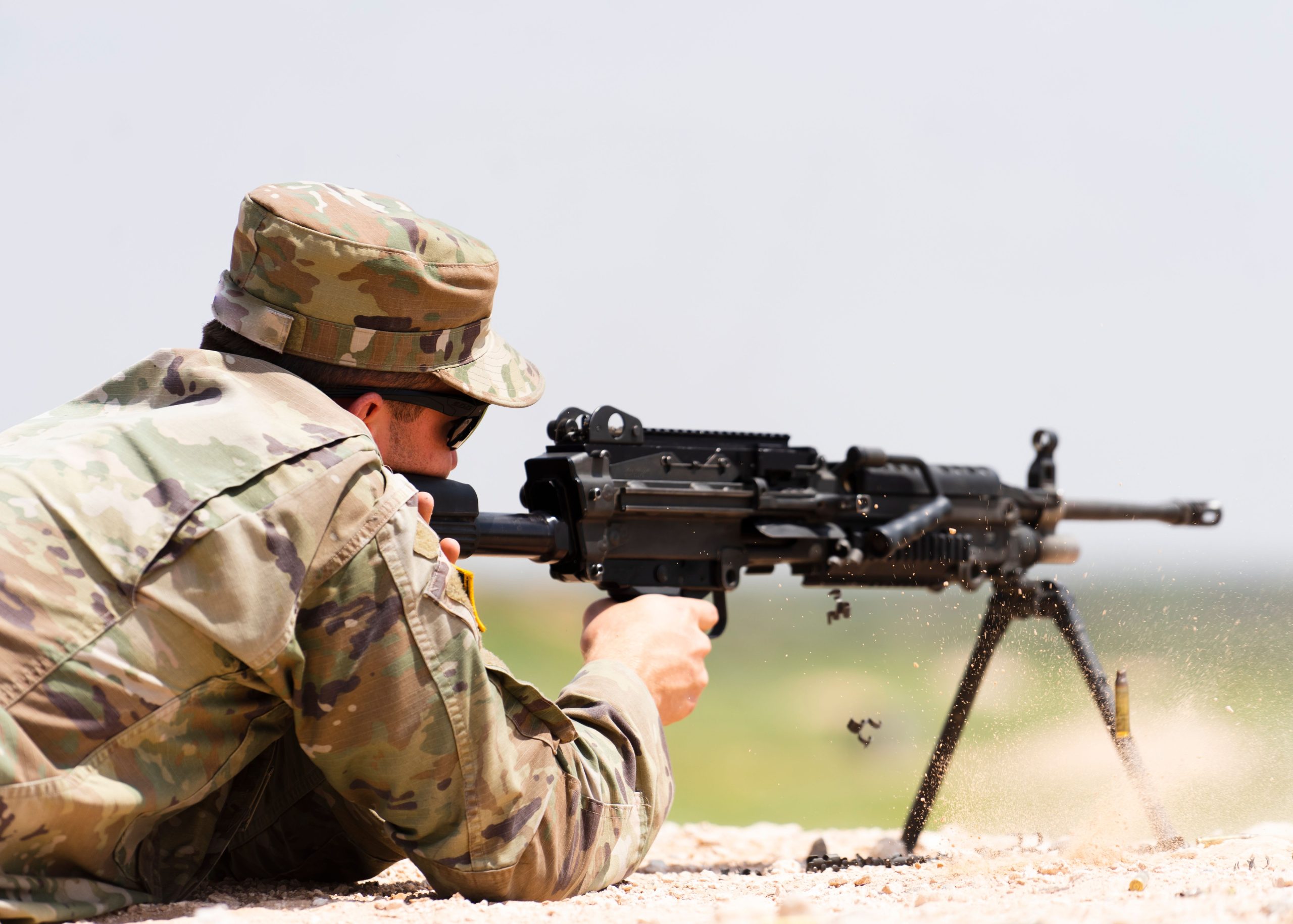
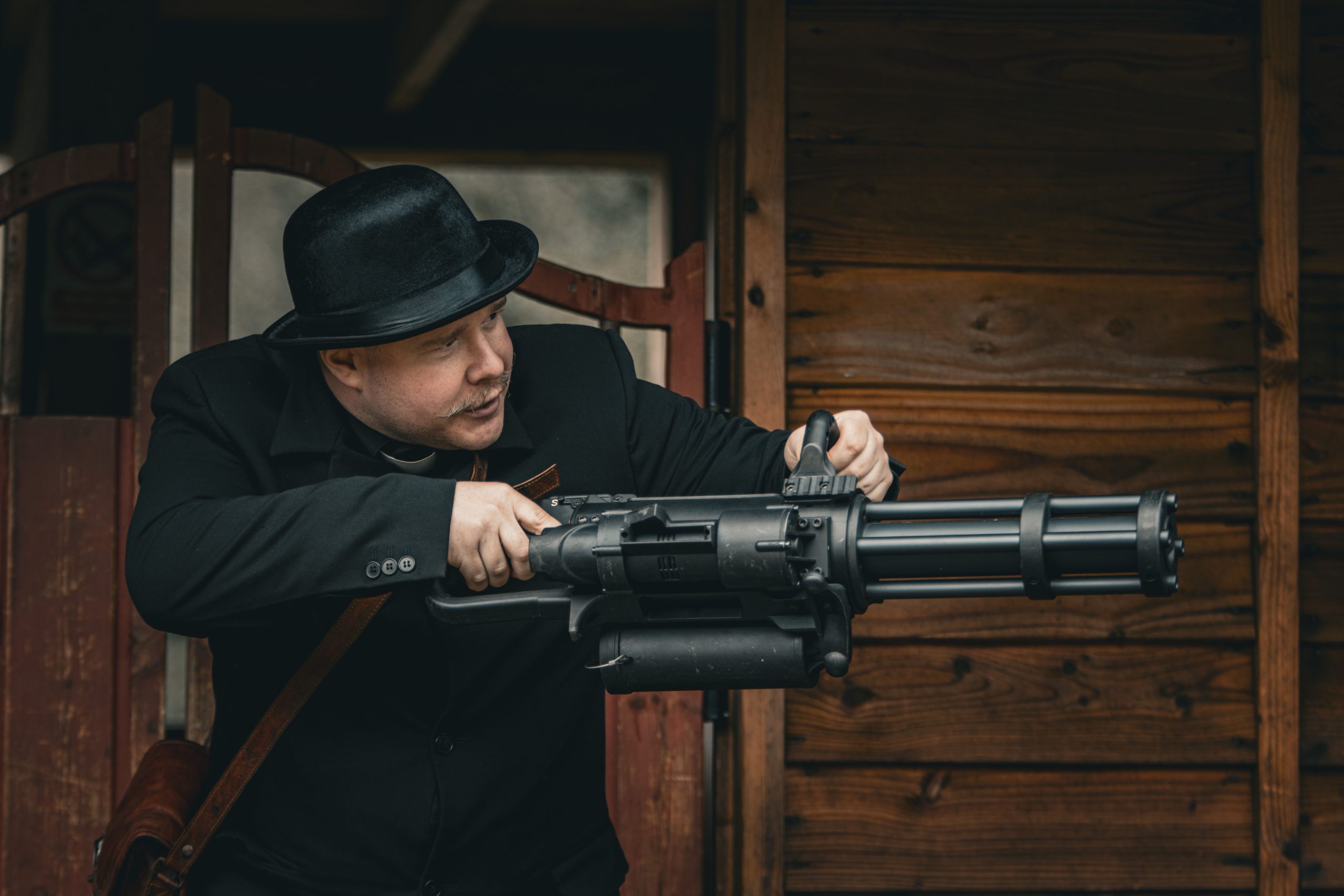
A machine gun is not simply any firearm that can fire quickly. Under federal law, a machine gun is a weapon that fires, is designed to fire, or can be readily restored to fire more than one shot automatically through a single trigger function. That distinction matters because a semiautomatic rifle fires one round for each separate trigger press. A rapid-firing semiautomatic firearm may look similar to a machine gun, but its operating classification is different under federal law. The distinction is about the firing mechanism, not appearance alone.
10. Suppressor
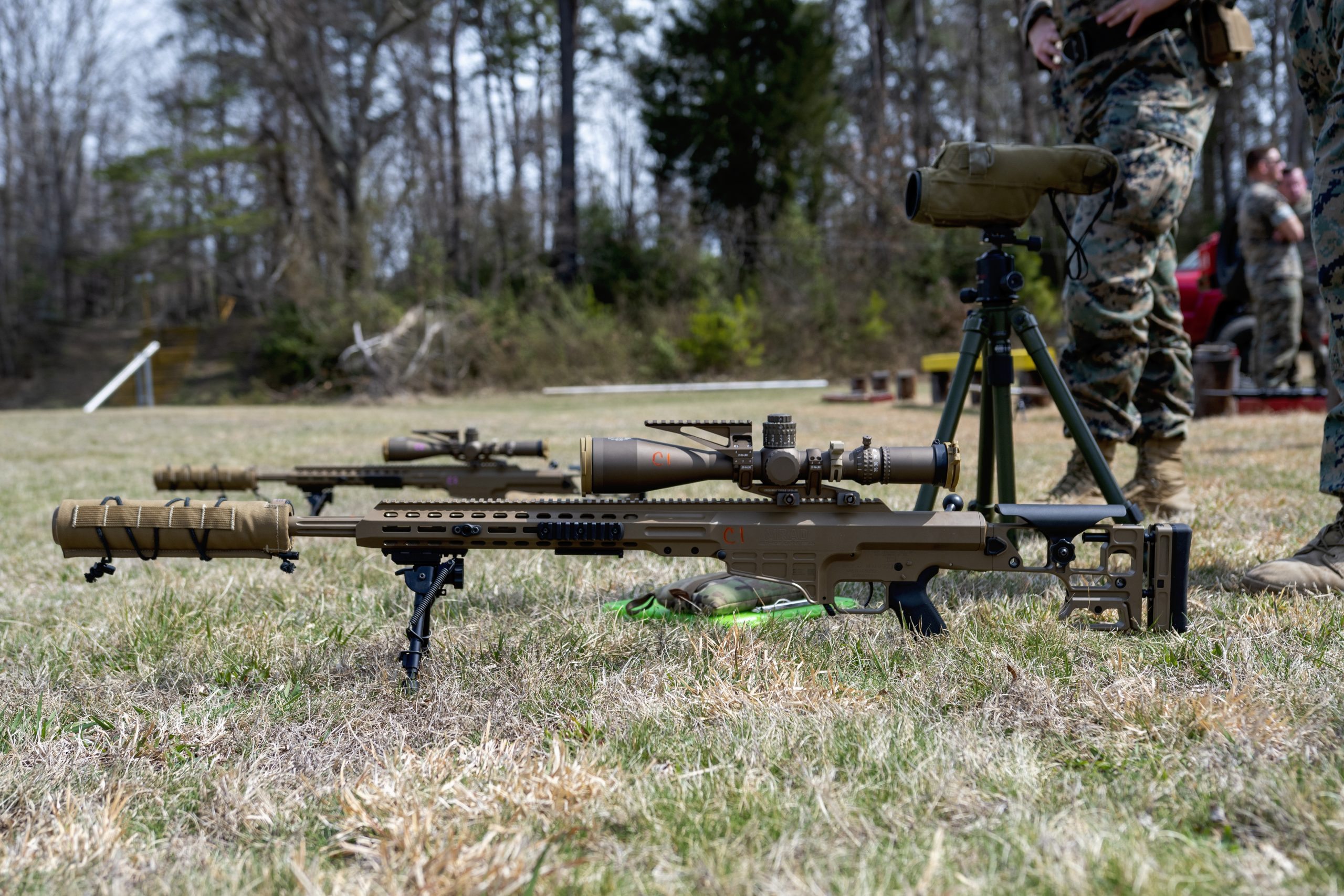
A suppressor is commonly called a silencer, leading some people to imagine that it makes a gun nearly silent. It does not. A suppressor reduces the report of a firearm by managing and slowing expanding gases, but the muzzle blast is only one part of the sound produced by a shot. The projectile can still create a ballistic crack when traveling faster than sound. Federal law defines a firearm silencer broadly as a device intended to silence, muffle, or diminish the report of a portable firearm. The term describes reduction, not complete elimination.
11. Short-Barreled Rifle
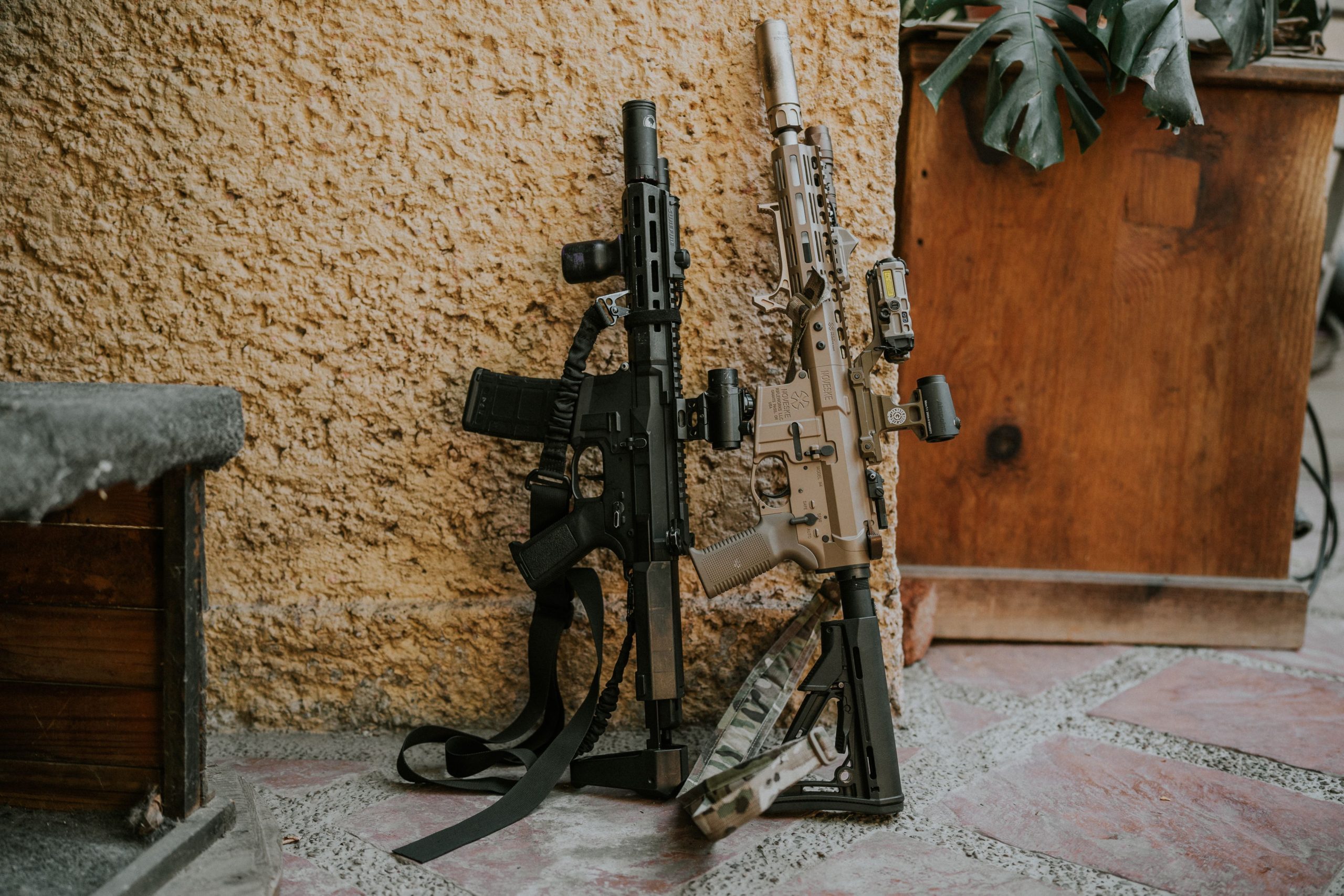
A short-barreled rifle, or SBR, is sometimes assumed to mean any rifle with a compact barrel. Federal law uses specific measurements instead. An SBR generally has a rifle barrel shorter than 16 inches, or can be a weapon made from a rifle that measures under 26 inches overall. That means appearance alone is not enough to determine the classification. A compact firearm may fall into a different category depending on how it was originally designed, its barrel length, and its overall configuration. Federal and state rules can also differ by jurisdiction.