Some rifle arguments never really die. The Marlin 336 versus the Winchester 94 is one of them, and for deer hunters, it still matters.
Two legends built for the same job
The Winchester 94 arrived first, introduced in 1894, and it became one of the defining American sporting rifles. American Rifleman has described it as the best-selling rifle in American history, and more recent reporting from Outdoor Life says more than 7.5 million Model 94s have been produced. That kind of reach matters because it means generations of hunters learned the deer woods with a 94 in hand.
The Marlin 336 came much later, debuting in 1948 as the successor to the Model 36. According to American Rifleman, the 336 brought a round bolt, a redesigned extractor, and right-side ejection. It was not the first deer lever gun, but it was a very smart update of the type.
Both rifles were most closely tied to the .30-30 Winchester, though Marlin also built a deep following around .35 Remington. In practical terms, both were made for quick shots in timber, brush edges, and broken country where handling beats raw range.
Why the Winchester 94 became the deer rifle
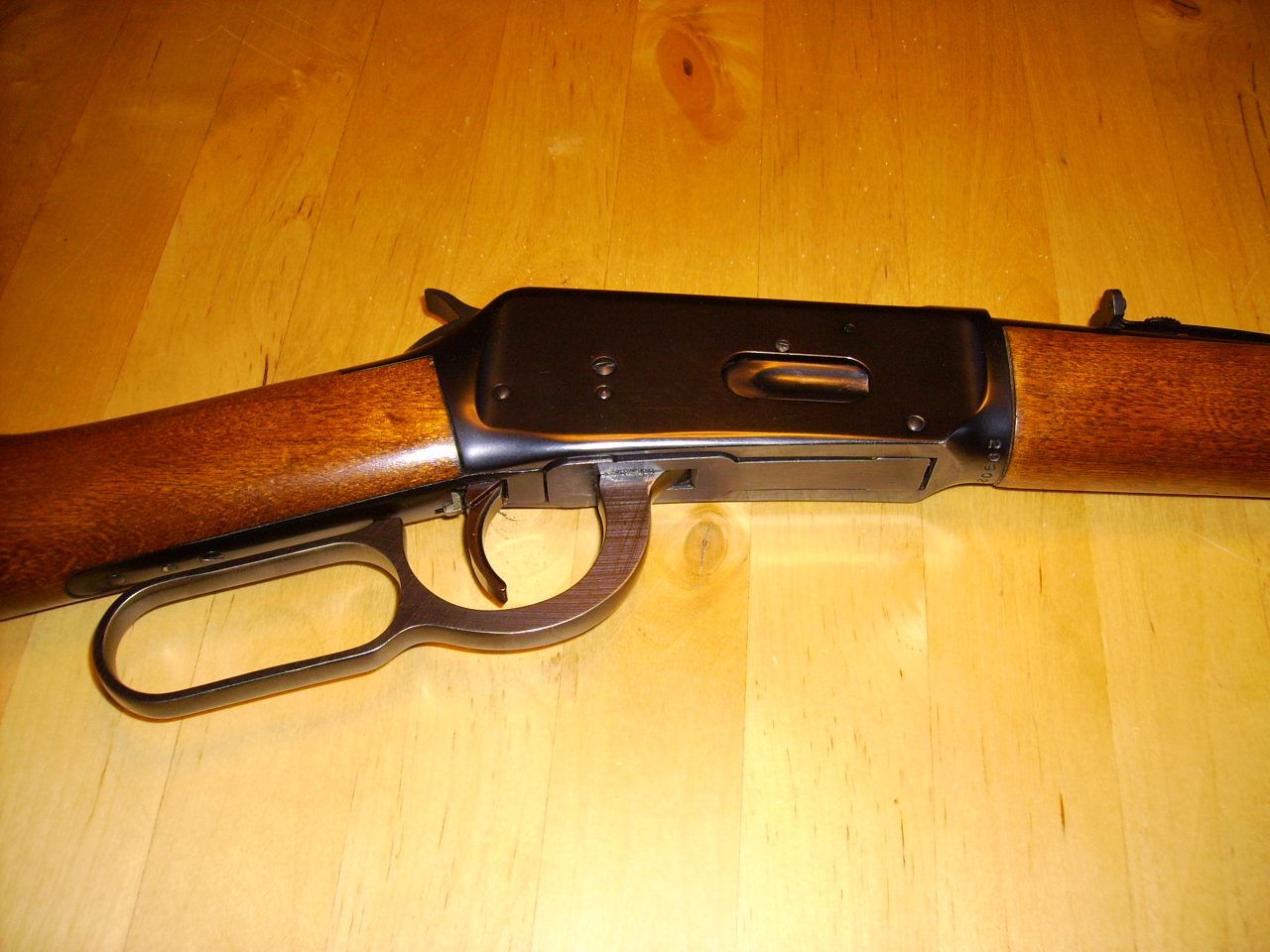
If one rifle won the public imagination, it was the Winchester 94. Field & Stream noted that for decades, if somebody was talking about a deer rifle, they were talking about a 94. That was not just about engineering. It was about timing, price, availability, and the powerful association between the Model 94 and the .30-30 cartridge.
The 94 carried slim and lively. Its flatter receiver and straight-grip feel made it easy to tote one-handed through hardwoods, fence lines, and cedar thickets. Hunters who still love them usually talk first about balance, not group size.
There was also a cultural advantage. Dad had one, granddad had one, and local hardware stores had ammo for it. In much of whitetail country, especially across the Northeast, Appalachia, and parts of the Midwest, the Winchester 94 became less a product than a tradition.
Where the Marlin 336 pulled ahead
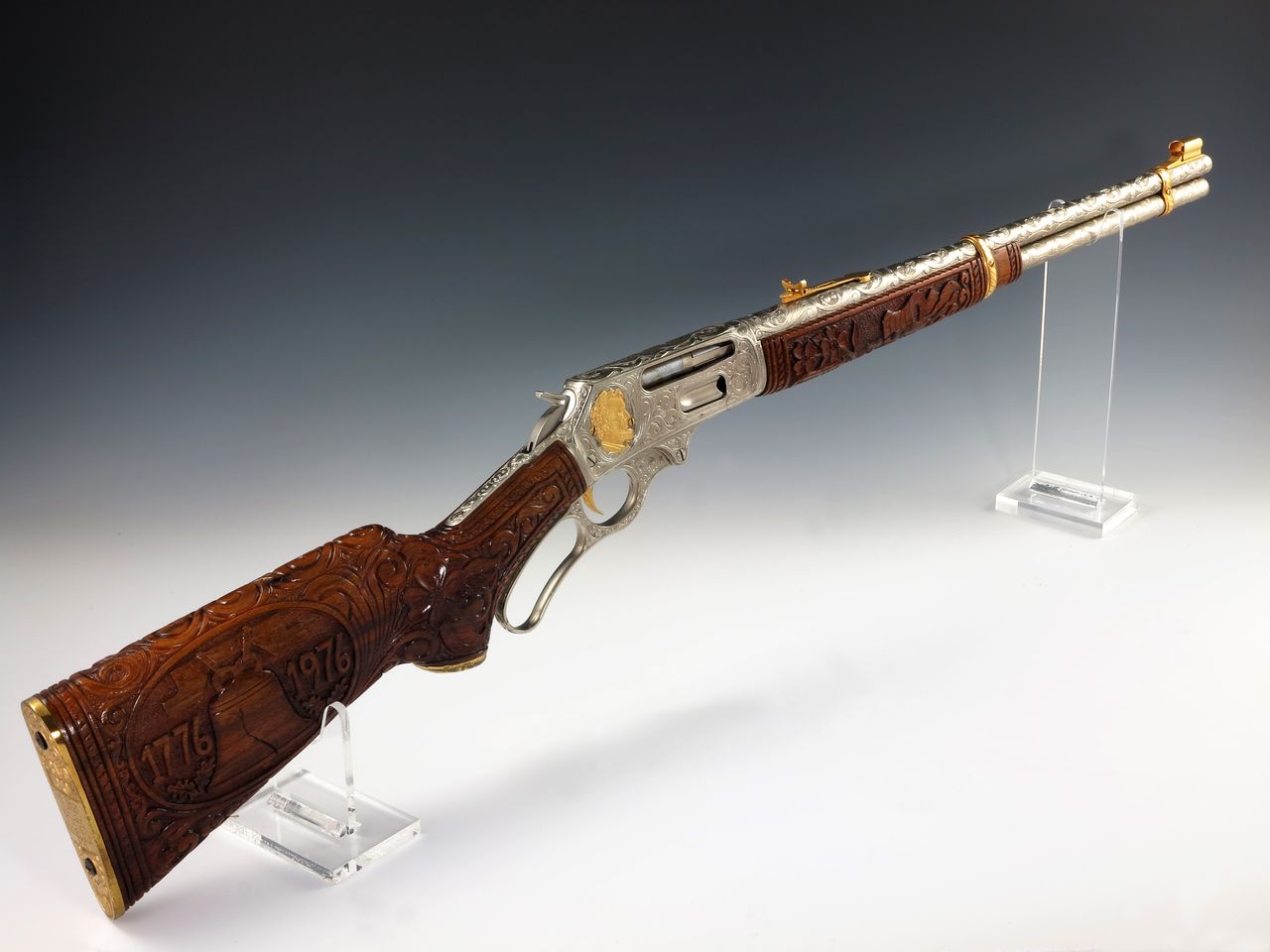
The Marlin’s biggest edge was practicality. Its solid-top receiver and side ejection made scope mounting easy, something the traditional top-eject Winchester 94 never handled gracefully. American Hunter and American Rifleman both point to that side-eject design as a major reason the 336 aged better as hunters moved toward optics.
Marlin also earned a reputation for easier maintenance. The bolt could be removed for breech cleaning, which is a real benefit on a hunting rifle that sees rain, grit, and a season’s worth of neglect. That sounds minor until you actually live with one.
Then there is shootability. Field & Stream argued that the 336 generally offered a better trigger and often better accuracy potential. Marlin’s later Micro-Groove barrels, introduced in 1956 according to American Rifleman, also helped build the brand’s accuracy reputation with many hunters.
What mattered in real deer country
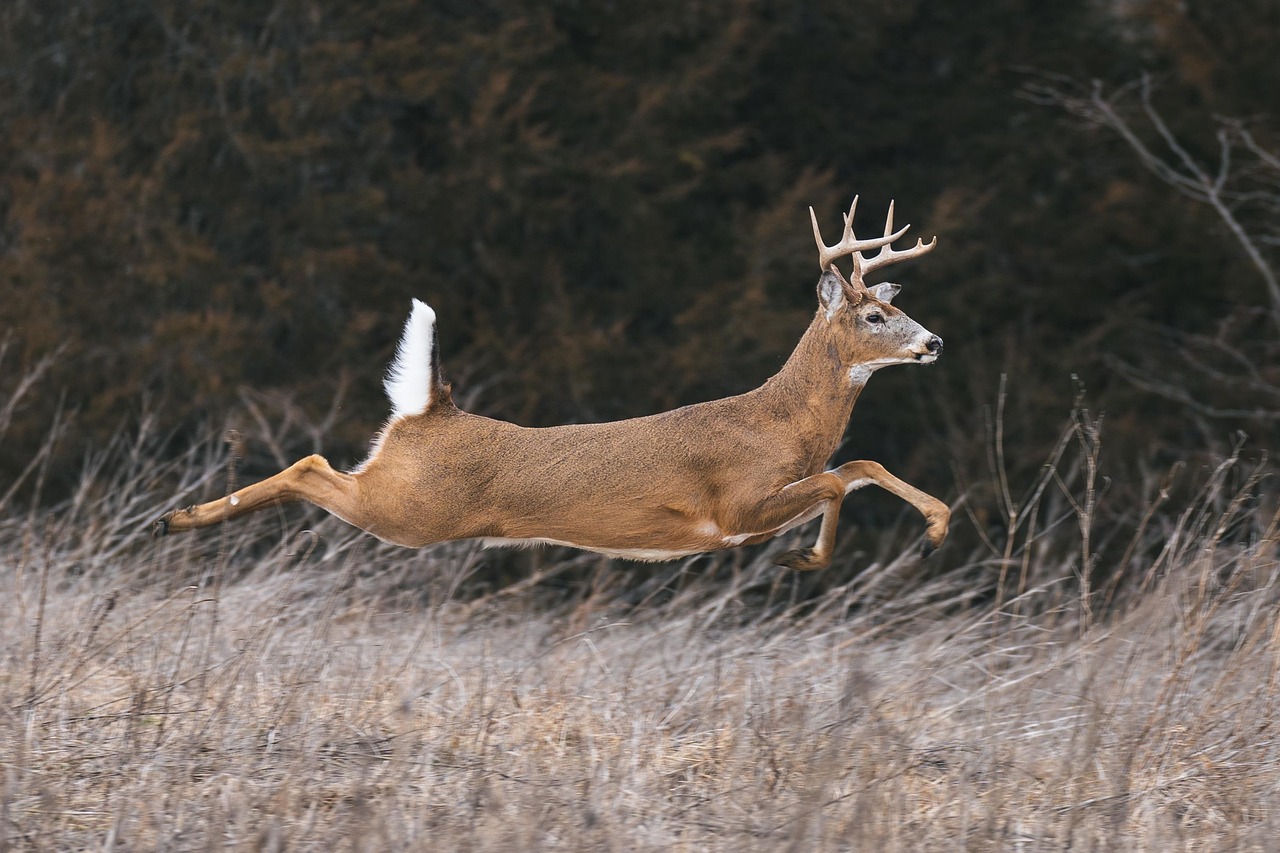
In the woods, neither rifle needed to be perfect. They needed to come to the shoulder fast, feed reliably, and put a flatnose bullet through a deer at sensible ranges. That is why both kept winning camps and truck racks for so long.
The Winchester 94 usually felt trimmer and handier on a long walk. The Marlin 336, typically a bit heavier, often settled better when the shot actually broke. That difference sounds small on paper, but hunters notice it immediately.
Outdoor Life testing on the current Marlin 336 Classic found 5-shot groups averaging roughly 1.6 inches at 100 yards with favored factory loads. Older Winchester 94s were rarely bought for benchrest bragging rights, but even critics concede they are fast, reliable, and deadly inside the distances where most whitetails are actually taken.
The verdict: image versus utility
If the question is which rifle most deeply shaped the idea of the American deer gun, the Winchester 94 wins. It owned the mythology. It was the rifle people pictured when they thought of a November buck slipping through timber at 75 yards.
But if the question is which rifle more completely answered the practical needs of postwar deer hunters, the Marlin 336 has the stronger case. Better optics compatibility, generally stronger accuracy reputation, and easier cleaning made it an evolution, not just an alternative.
That is why so many experienced hunters end up splitting the verdict. The Winchester 94 won the legend. The Marlin 336 won the long game.
So which one really won the deer woods?
My answer is simple: both did, but in different eras and for different reasons. The Winchester 94 dominated the emotional landscape of deer hunting in America. The Marlin 336 became the rifle that better matched how many hunters actually hunted from the 1950s forward.
If you judge by romance, the 94 still wears the crown. If you judge by features that mattered once scopes, better ammunition, and accuracy expectations became normal, the 336 probably edges ahead.
So which one really won the deer woods? The Winchester 94 was king of the tradition. The Marlin 336 was king of the job. For most hunters, that is the truest answer there is.