A backcountry shotgun doesn’t need romance. It needs to work when you’re cold, wet, tired, and a long way from help.
Why this debate never dies
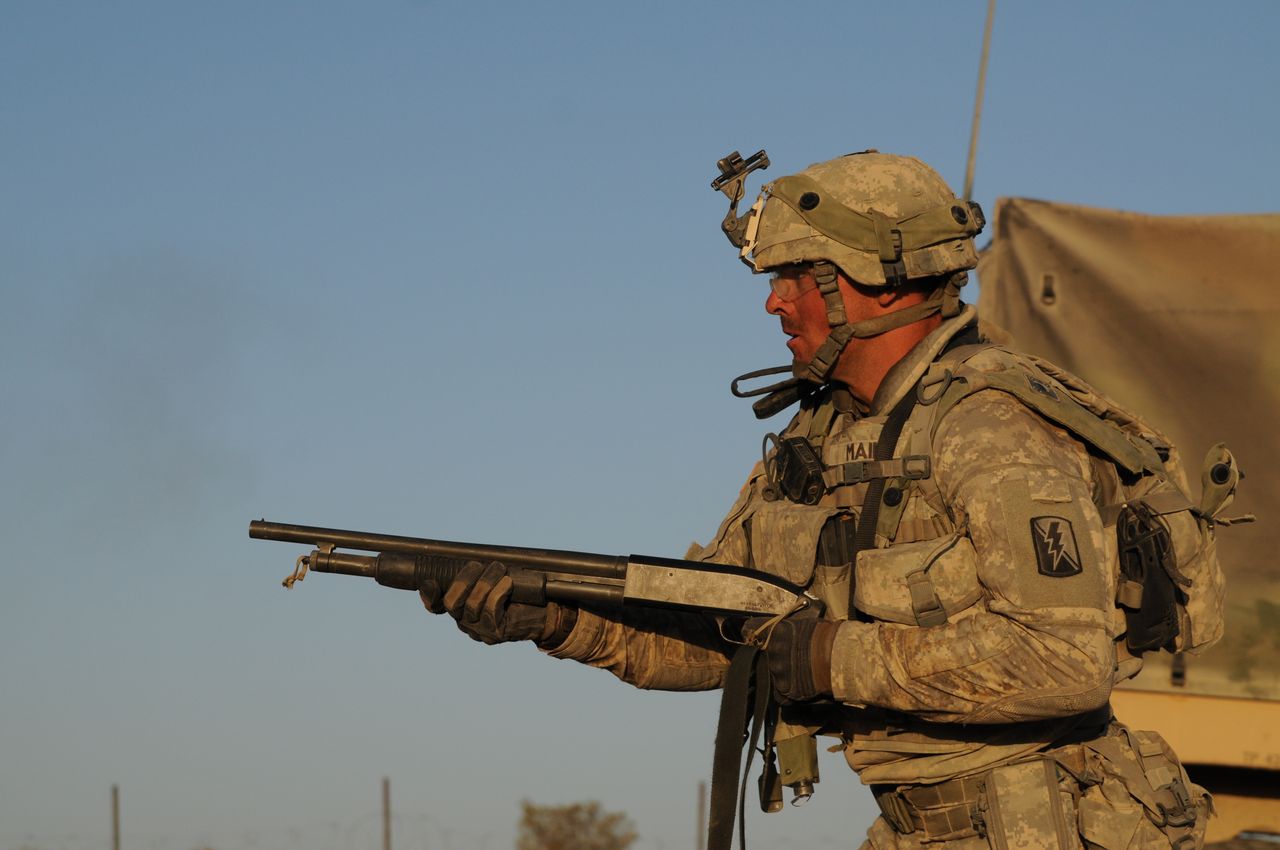
The Mossberg 500 and Remington 870 became classics for good reasons. Remington says the 870, introduced in 1950, has topped 10 million produced and remains the best-selling pump shotgun in firearms history. Mossberg’s 500 family, introduced in the early 1960s, has also crossed the 12 million mark according to the company, which tells you both platforms have been vetted by generations of hunters and hard users.
That kind of production doesn’t prove perfection, but it does prove staying power. These shotguns survived because parts are common, manuals are familiar, and gunsmiths know them inside and out.
In the backcountry, that matters almost as much as raw performance. A proven design is easier to trust when the weather turns ugly and your nearest truck is several ridges away.
Reliability under dirt, rain, and neglect
On paper, both guns are built around simple pump-action reliability. Mossberg highlights twin action bars, dual extractors, an anti-jam elevator, and positive steel-to-steel lockup as core 500 features. The 870 also has an enviable reputation for dependable cycling, and Outdoor Life still ranks the 870 Fieldmaster among the best modern pump guns.
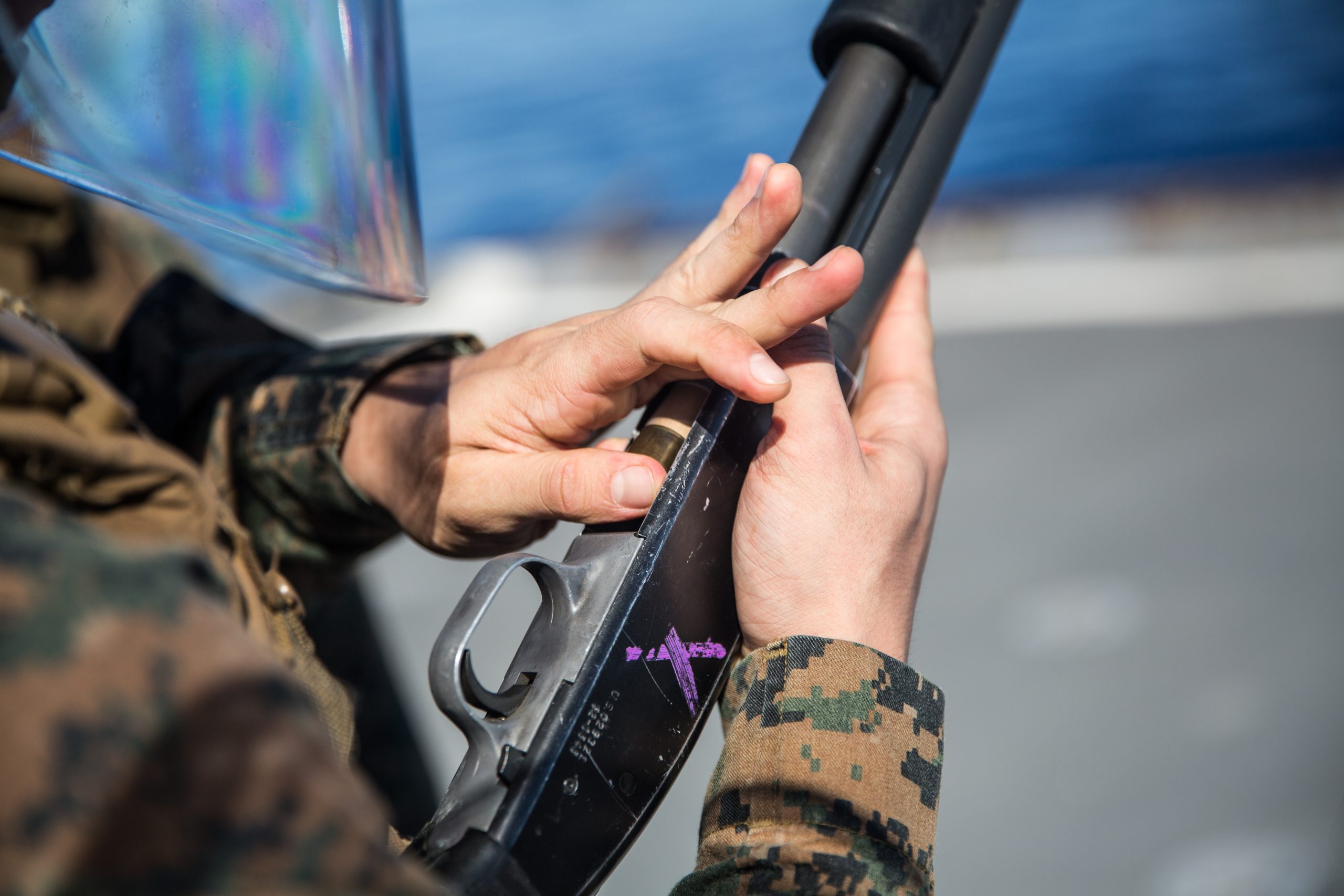
The practical difference is that the Mossberg was engineered with a few details that seem tailor-made for hard field use. Its ambidextrous tang safety is easy to find with gloves, and many shooters like the open loading port feel when topping off shells under stress.
The 870, meanwhile, often feels tighter and smoother. That polished feel has long been part of its appeal, especially on older Wingmaster and Police guns, which many experienced shooters still treat as the benchmark for pump-gun refinement.
Weight, handling, and carry comfort
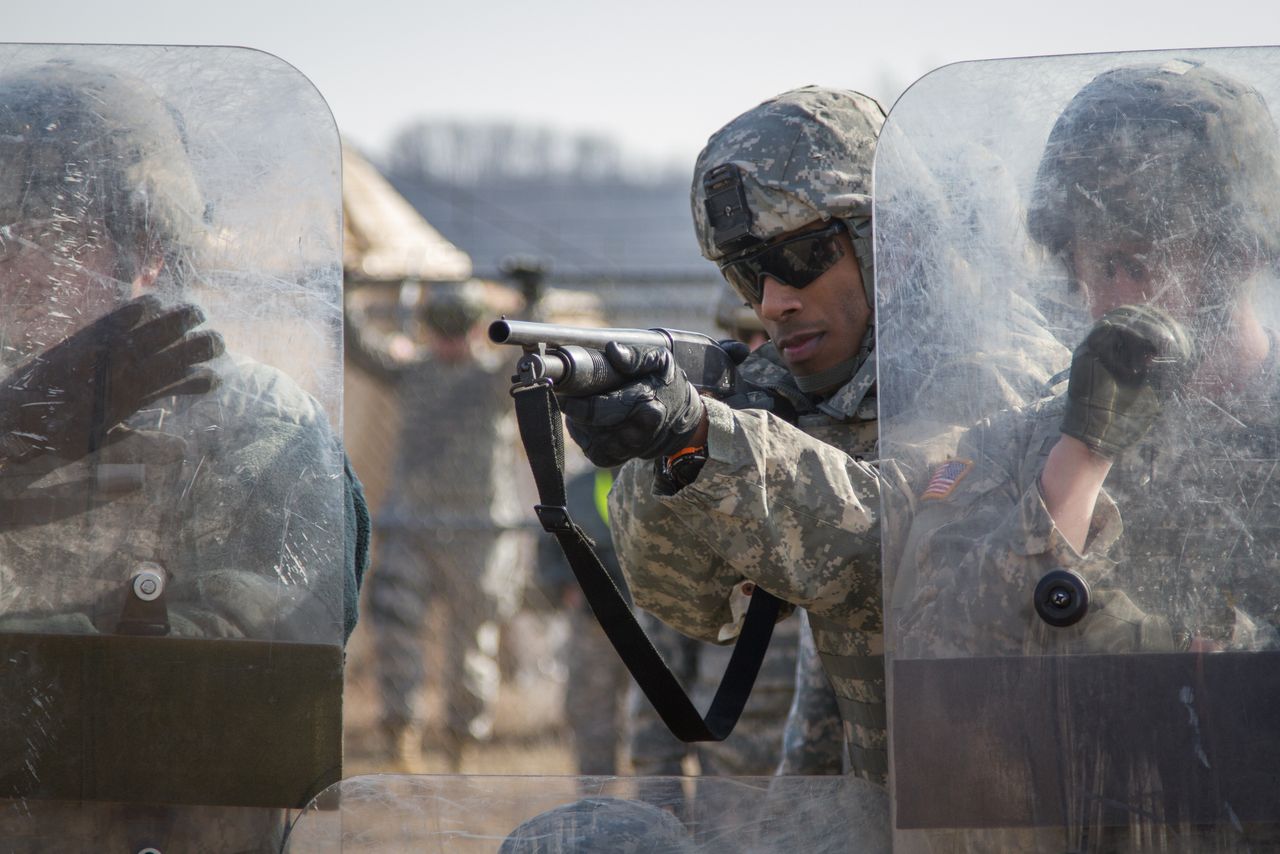
The Remington 870 uses a steel receiver, while the Mossberg 500 uses an anodized aluminum receiver with steel lockup. In real terms, that usually makes the Mossberg a bit lighter and a little handier on long hikes, especially once you add sling, shells, and a longer barrel.
That lighter build is not just a spec-sheet talking point. In steep country, a few saved ounces add up by the end of the day, especially if you are also carrying water, rain gear, optics, and emergency kit.
The 870 counters with a slightly more planted feel. Some shooters find that extra heft steadies the swing and softens perceived recoil a bit, which can matter if your backcountry role is mostly bird hunting rather than emergency camp defense.
Maintenance when you are far from a bench
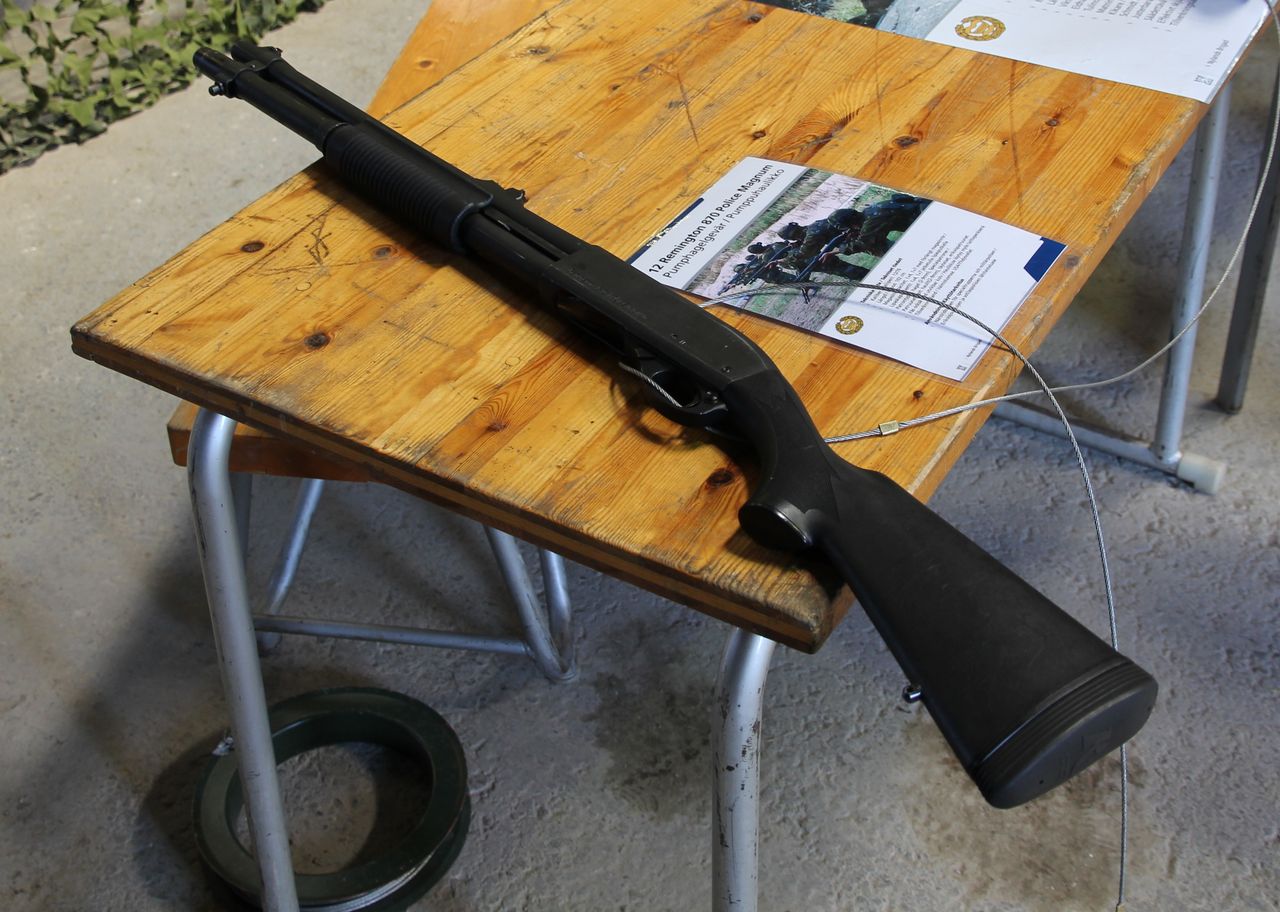
A backcountry gun should be easy to clear, wipe down, and keep running with minimal tools. Here the Mossberg has a real edge for me. The safety location is intuitive, the platform is famously easy to strip, and its design reputation for user-level maintenance is one reason it remains so popular with practical hunters.
The 870 is not difficult, but some repairs are less field-friendly. Its cross-bolt safety sits behind the trigger, and the platform’s riveted ejector has long been one of those parts that typically calls for proper tools if something goes wrong.
That may never matter to the average owner. But in a trust test, I weigh not just failure rate, but how gracefully a gun handles the rare bad day.
Aftermarket support and real-world versatility
Both platforms are kings of the accessory world. Barrels, magazine setups, stocks, sling options, sights, shell carriers, and replacement internals are easy to find, which is a huge advantage if you want one shotgun to cover birds, deer, camp duty, and predator control.
The Mossberg 500 line also benefits from a broad family tree that overlaps with 590-series lessons, including a long history of military and police use across related variants. Mossberg has repeatedly emphasized the platform’s durability and field-proven parts interchangeability.
The 870’s advantage is tradition and feel. There are still shooters who will take a good older 870 over almost anything else, and I understand why. A clean 870 with a smooth action inspires confidence the moment you run the forend.
Which one I would actually trust
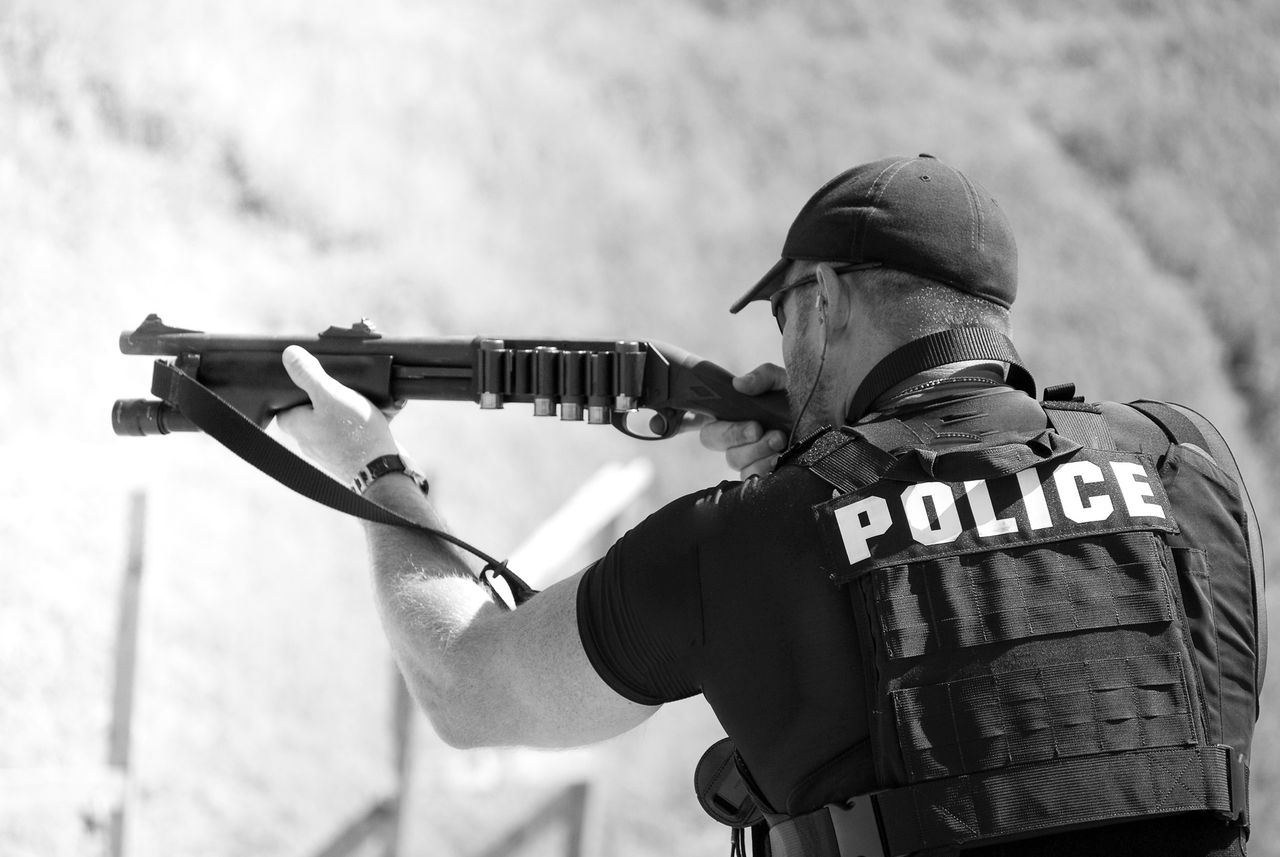
If I could choose any era of either gun, I would happily carry a well-kept older Remington 870 Wingmaster or Police model. Those guns earned their reputation honestly, and many still run like machinery built in a different age.
But if we are talking about a practical, buy-it-and-go backcountry choice today, I would trust the Mossberg 500. The lighter carry, ambidextrous tang safety, anti-jam elevator, dual extractors, and strong reputation for simple field service tip the scale for me.
The 870 is smoother. The 500 is a little more mountain-ready. When I am cold, wet, wearing gloves, and too far from camp to tolerate drama, I want the shotgun that feels easiest to run and easiest to keep alive. That’s the Mossberg.