Some rifles become legends because they are perfect. The Remington 700 became a legend because it was good at almost everything that mattered to ordinary shooters.
Why the Remington 700 rose so fast
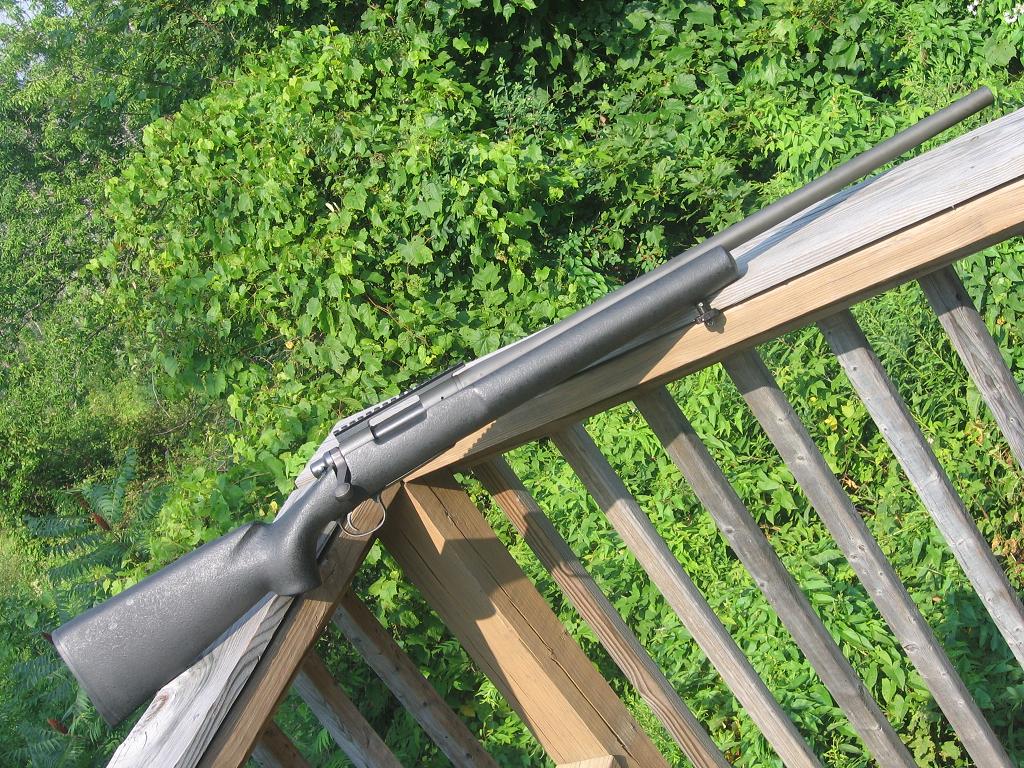
Introduced in 1962, the Remington 700 arrived at exactly the right moment for American hunters who wanted a modern, accurate bolt gun without paying custom-rifle money. Remington still highlights it as a flagship rifle more than 60 years later, and that long run matters because rifles do not stay relevant by accident. It earned shelf space, field use, and loyalty the hard way.
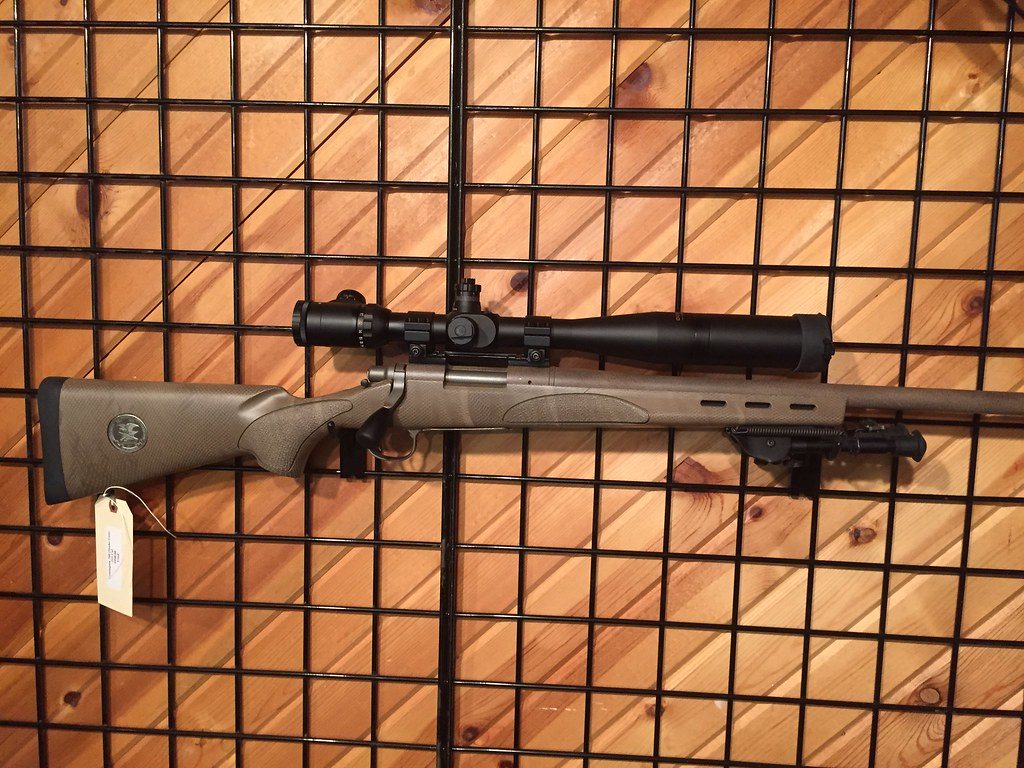
Its early appeal was simple: a strong cylindrical receiver, a clean push-feed design, and consistent factory production. Those features made the rifle relatively easy to manufacture and, just as important, easy to bed, scope, and tune. Gunsmiths liked it because the action was straightforward. Hunters liked it because it usually shot well enough right out of the box.
That combination gave the 700 a practical edge over many rivals. A Winchester Model 70 might have had more romance, and a Savage 110 might have offered excellent value, but the Remington often felt like the rifle that split the difference best. For a huge part of the market, that balance was more valuable than any single bragging point.
Where it really was better than competitors
Yes, in some ways it really was better. For many years, the 700’s biggest advantage was not raw mechanical superiority in every category, but the fact that it delivered repeatable accuracy at scale. Remington itself has long marketed the platform around out-of-box accuracy, and that claim stuck because enough shooters experienced it firsthand.
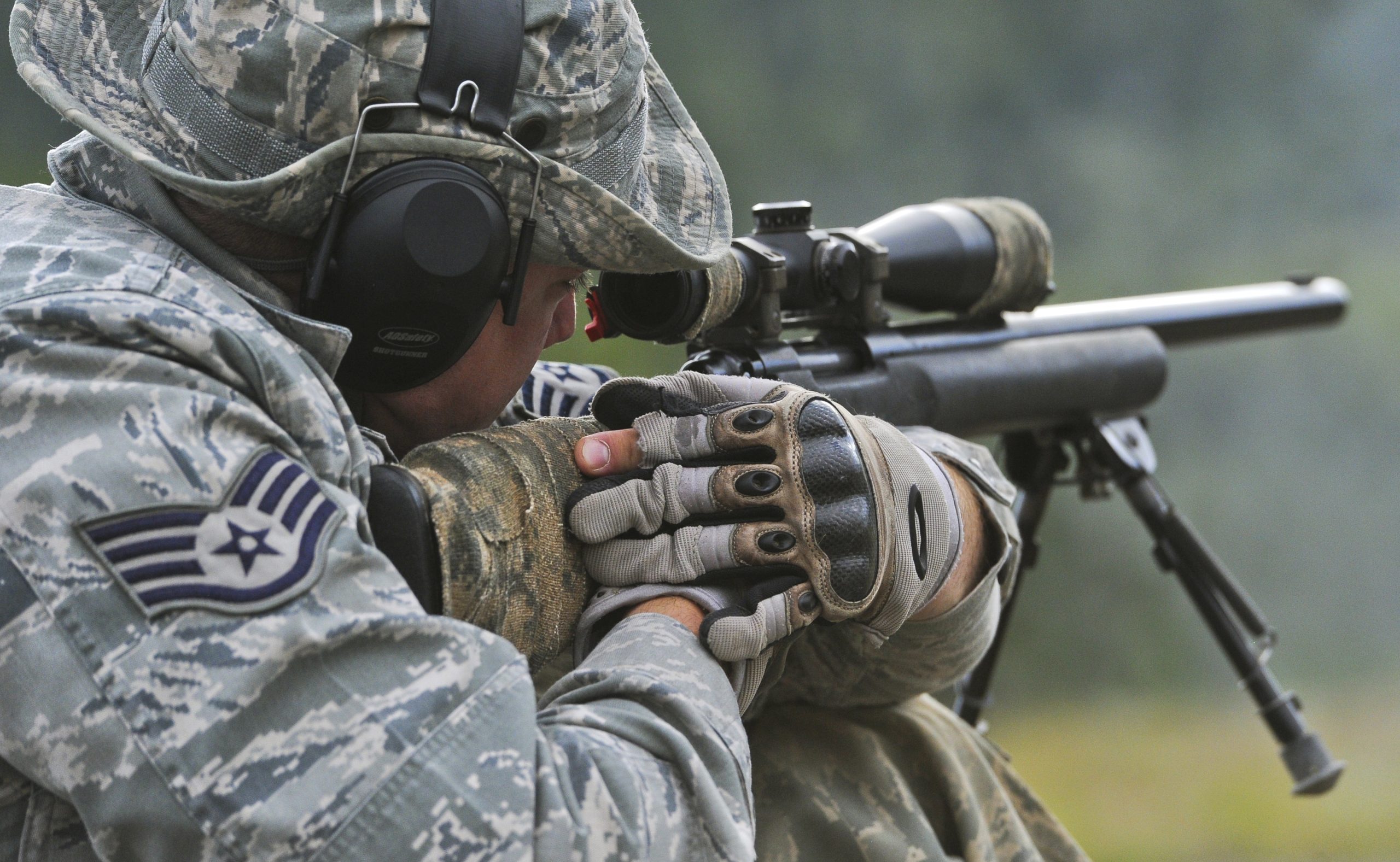
The receiver shape mattered more than many casual buyers realized. The round action made it especially friendly to mass production, aftermarket stocks, and precision work. That helped the 700 become a dominant donor action for custom rifles, police rifles, and later precision builds, which reinforced the idea that it was the serious shooter’s starting point.
Then there was aftermarket support. Triggers, stocks, bottom metal, scope bases, barrels, and chassis systems multiplied around the 700 footprint until it became a de facto standard. Once a rifle platform reaches that point, “better” stops meaning only factory features. It also means easier upgrades, cheaper parts, and more gunsmith familiarity than the competition could match.
Where competitors were stronger all along
The Remington 700 was never the undisputed best at everything. Winchester’s Model 70 carried enormous respect for its handling and, in many versions, controlled-round-feed operation. Winchester’s own manuals show that Model 70 variants have included controlled round feed, controlled round push feed, and push feed designs, reflecting how seriously the line treated action preferences that many dangerous-game and traditionalist hunters cared about.
Savage, meanwhile, competed from a different angle: value and user-adjustability. The Model 110 debuted in 1958, even before the 700, and Savage says it is the longest continuously produced bolt-action rifle in America. The line’s biggest modern leap came with the AccuTrigger in the early 2000s, which gave buyers a safe, crisp, user-adjustable trigger straight from the factory.
That was a big deal because plenty of shooters were no longer satisfied with buying a rifle and immediately budgeting for a trigger job. Savage also built a strong reputation for accuracy per dollar. So if the question is whether the 700 outclassed every rival, the answer is no. It simply had the broadest, most complete package for a very long time.
The problem that changed the conversation
No honest discussion of the Remington 700 can dodge the trigger controversy. The rifle’s reputation took a major hit from longstanding criticism of certain trigger designs and from recalls that changed how the public talked about the platform. Even people who loved the 700 started separating the action’s strengths from the company’s quality-control and product-liability headaches.
One important marker was the X-Mark Pro recall. Remington issued a safety recall for Model 700 and Model Seven rifles with X-Mark Pro triggers manufactured from May 1, 2006 through April 9, 2014, citing the possibility of unintended discharge under some circumstances due to excess bonding agent in assembly. That is not a small footnote. It became part of the rifle’s identity.
Once that happened, the older “best-selling classic” narrative got more complicated. A rifle can be accurate, common, and highly customizable, yet still lose trust if owners question its trigger system or factory oversight. In practical terms, that controversy gave competitors an opening. It did not erase the 700’s strengths, but it absolutely narrowed the margin.
Why the 700 still dominates the conversation
Even after the backlash, the Remington 700 remained the reference point for bolt-action rifles. That says something important. A platform does not stay culturally central for decades unless it did a lot right. In stores, on ranges, and in gunsmith shops, the 700 became the rifle everybody compared their rifle to, which is its own kind of victory.
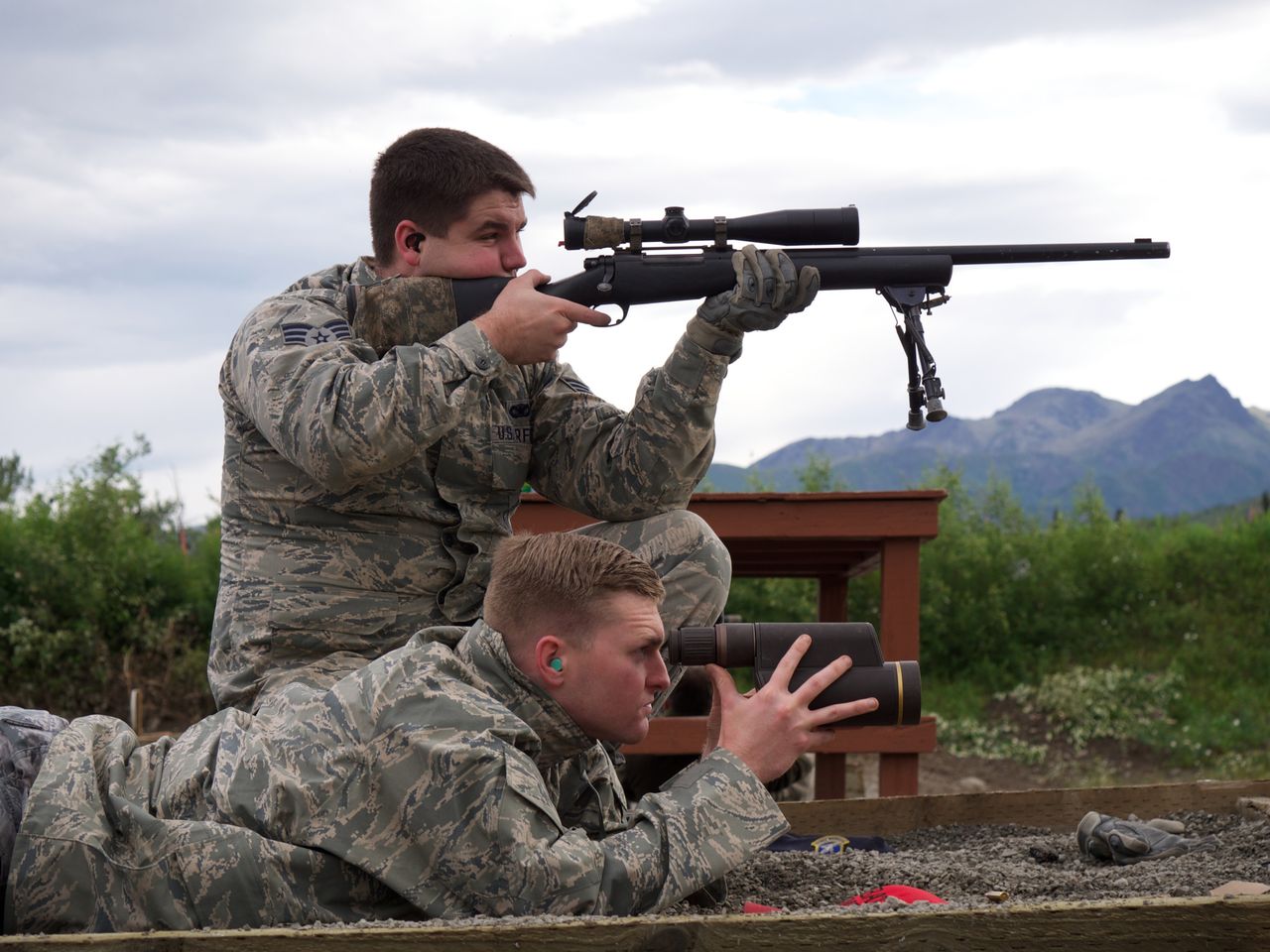
Its footprint in the precision world also kept the legend alive. Once military, law-enforcement, hunting, and civilian precision communities all use variations of the same basic action, the platform gains a self-reinforcing status. New buyers see parts availability, institutional familiarity, and proven results, then treat those as evidence of quality, which in many cases they are.
Meanwhile, competitors improved dramatically. Savage pushed factory accuracy and affordability. Winchester kept its prestige and field credibility. Bergara, Tikka, and others later entered the discussion with smoother actions or better factory fit and finish. So the 700 no longer owns the center of gravity the way it once did, but it still helped define the category.
The fair verdict on its legacy
So, was the Remington 700 ever really better than its competitors? Yes, but only in the way that matters most in the real world: it offered the best overall mix of accuracy, cost, support, and adaptability for a huge slice of shooters. It was rarely magic. It was simply useful in more situations than most of its rivals.
That distinction matters. Gun people often argue as if one rifle must be objectively supreme, but most legendary products win because they meet the broadest set of needs better than anyone else for long enough. The 700 did exactly that. It was not always the smoothest, prettiest, or most refined rifle on the rack, but it was often the smartest buy.
And that is probably the clearest answer. The Remington 700 was not better because every competitor was worse. It was better because, at its peak, it made precision, practicality, and customization feel accessible to ordinary shooters. That is a real advantage, and it is why people are still arguing about it today.