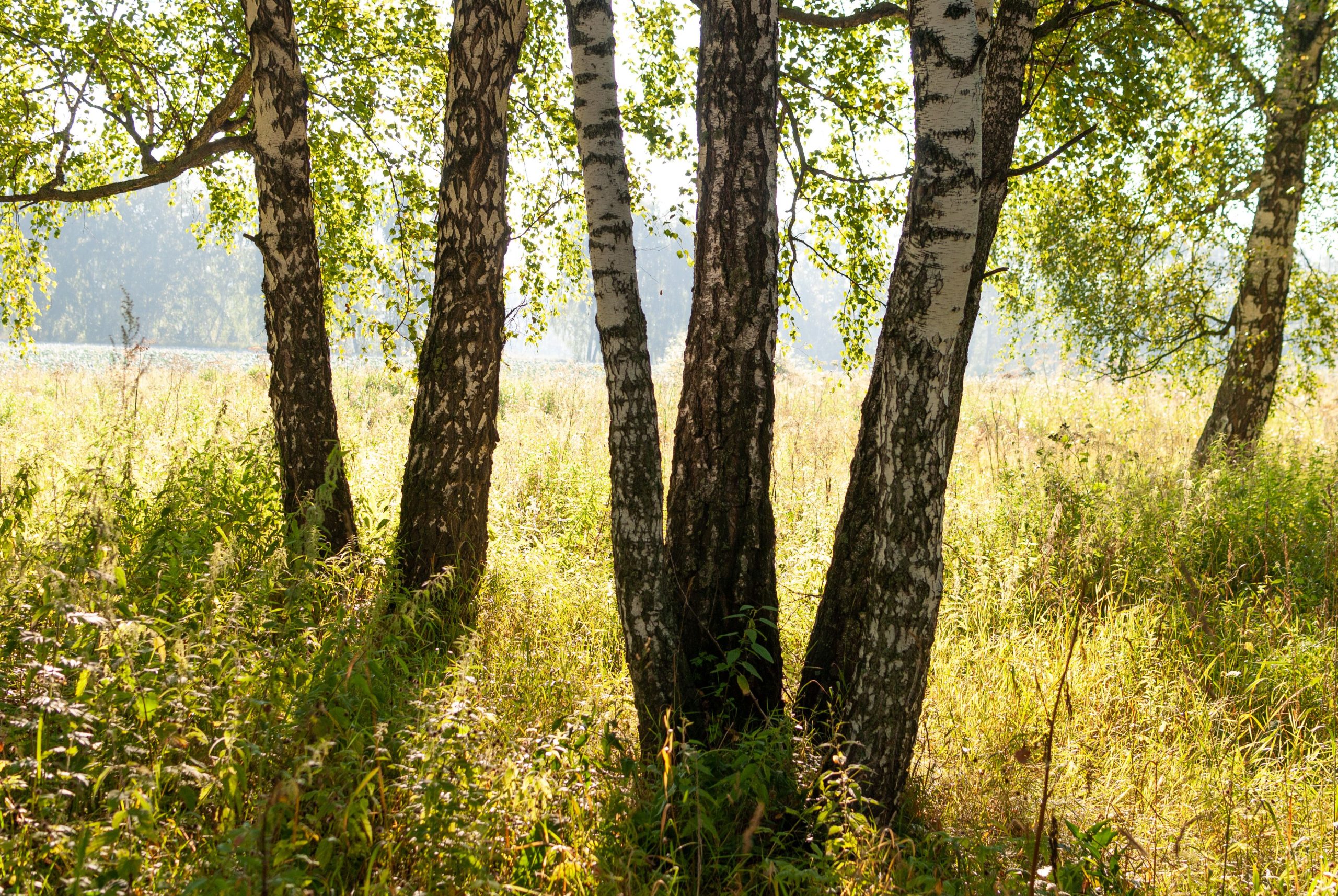
A birch tree can provide far more than firewood when you know how to use its different parts. Its bark, branches, twigs, wood, leaves, and roots each have practical applications in the wilderness. For generations, people have used birch for making containers, fire-starting materials, simple tools, and shelter components. Even one fallen birch tree can supply several useful materials for a bushcraft project, provided it is harvested responsibly. From waterproof bark containers to wooden utensils, here are 11 practical items you can make from a single birch tree and the details that make each project worthwhile.
1. Waterproof Birch Bark Container
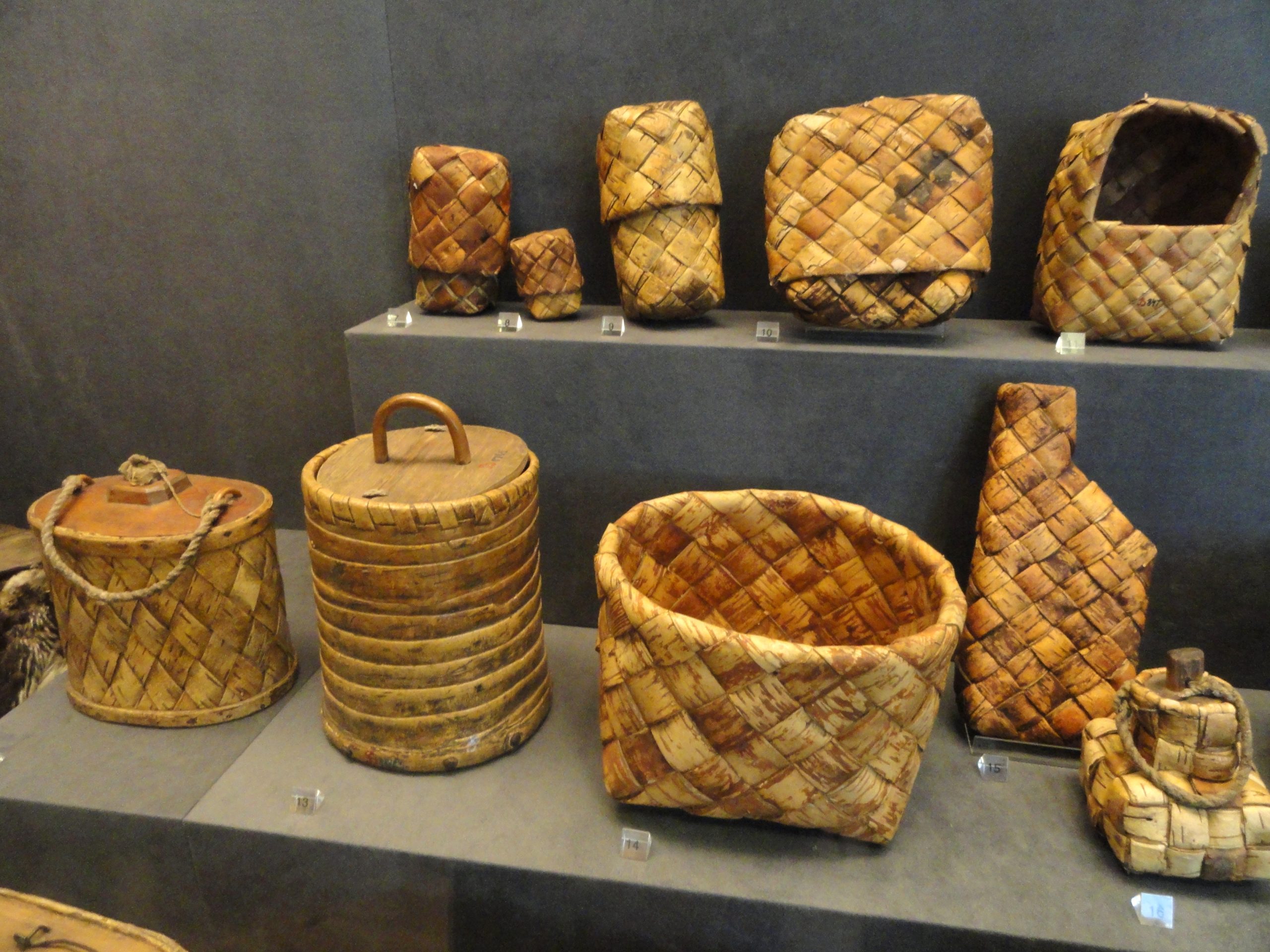
Birch bark is naturally suited to container-making because its outer layers contain compounds that help resist moisture. A rectangular piece measuring approximately 30 by 40 centimeters can form a useful small container. Carefully remove loose bark from a suitable fallen tree, then fold it into shape and secure the overlapping edges with thin wooden pegs or natural cordage. The bark can be softened slightly with gentle warmth to make folding easier. A properly constructed container can hold dry food, tinder, or small equipment. Although birch bark resists moisture, seams can leak, so it should not automatically be treated as a fully waterproof vessel.
2. Natural Fire Starter
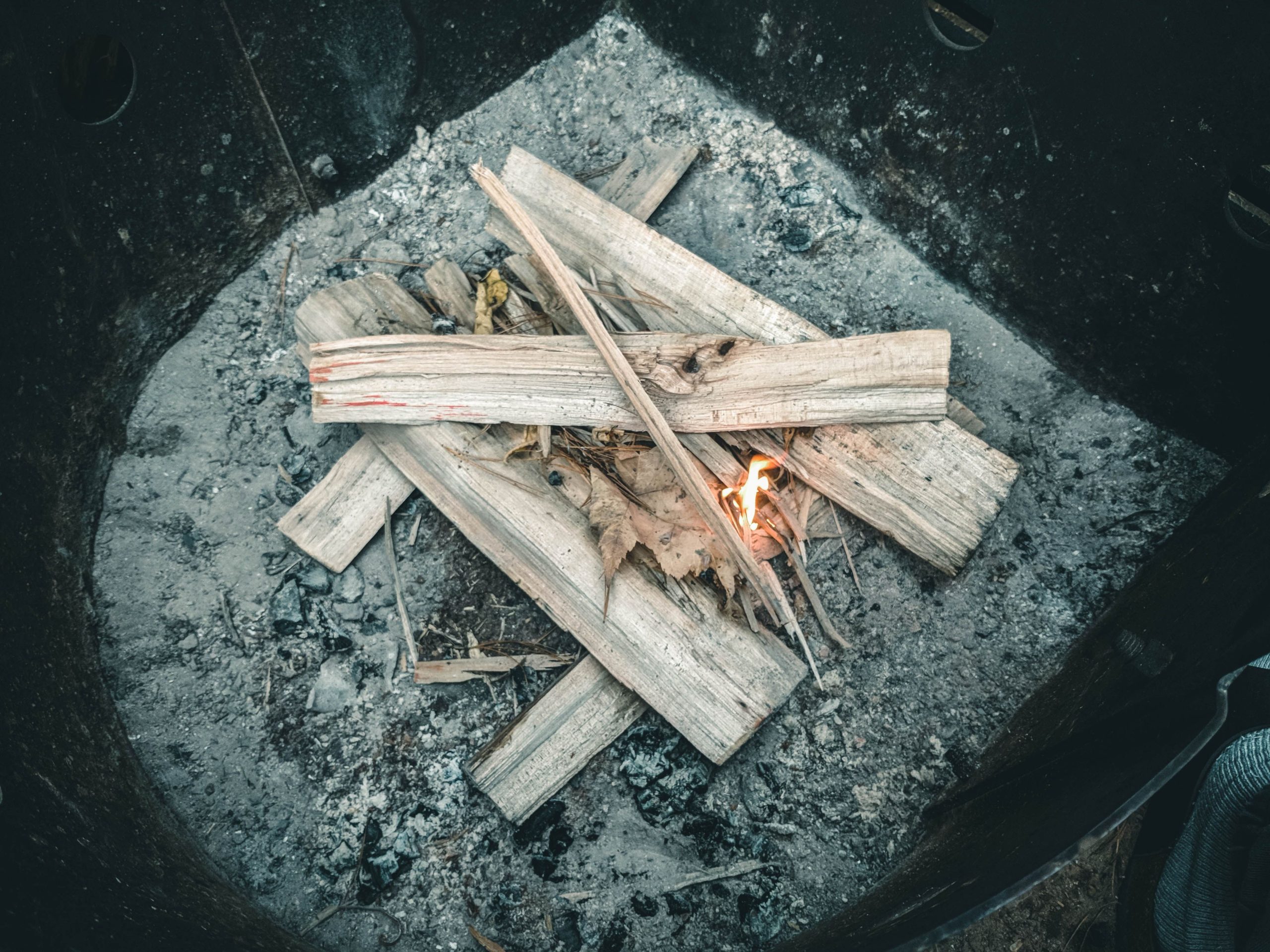
Birch bark is one of the most recognizable natural fire-starting materials because its outer surface contains flammable oils. Thin, dry strips catch a flame relatively easily and can help ignite small pieces of kindling. Collect approximately 10 to 15 grams of loose bark from a fallen tree rather than stripping a healthy trunk. Tear the material into narrow curls or scrape its surface to create fine shavings. Place the prepared bark beneath dry twigs and gradually increase the fuel size as the fire develops. Even slightly damp surroundings may leave the inner bark usable when its surface remains dry. Always follow local fire restrictions and use an established fire-safe location.
3. Wooden Cooking Spoon
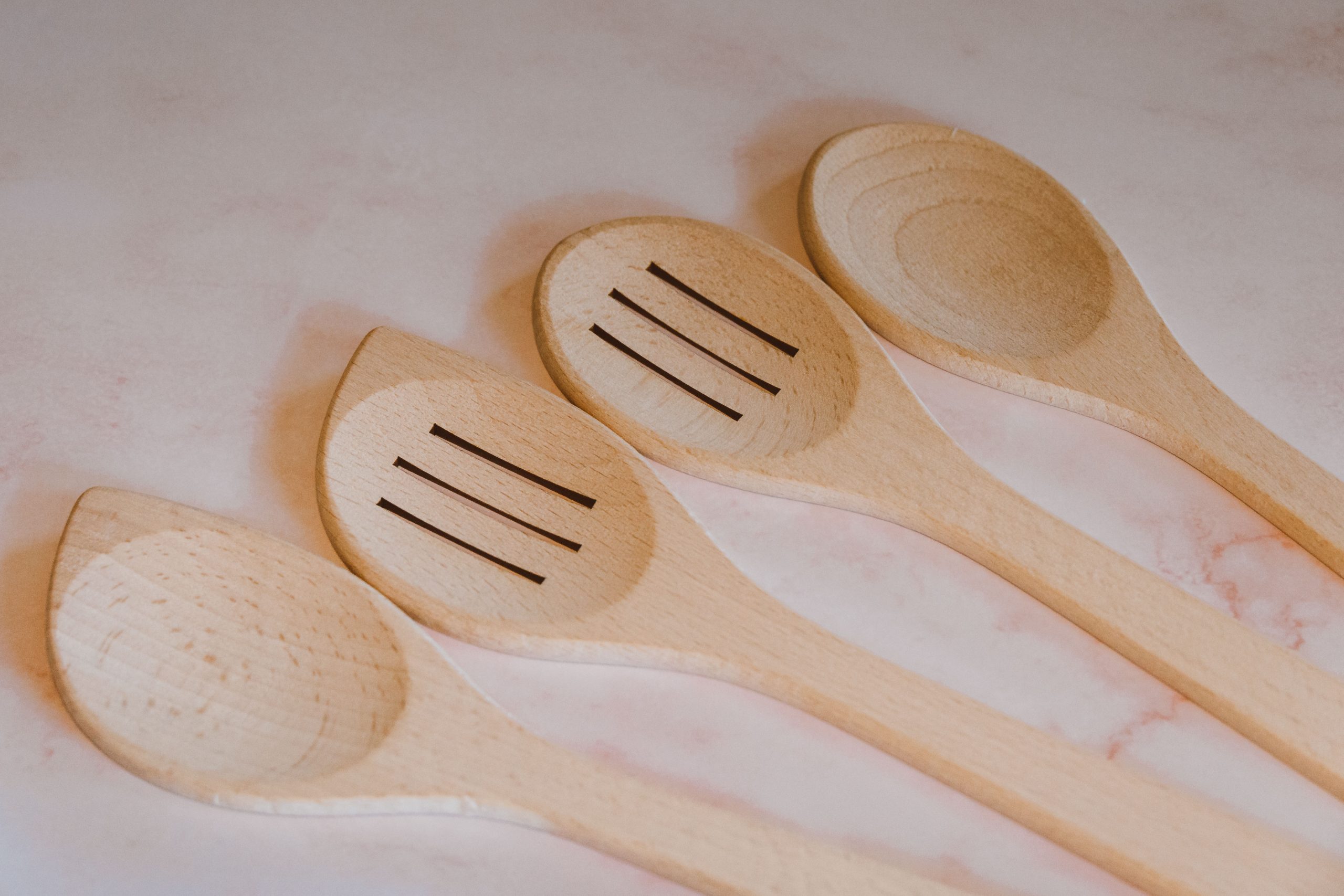
A straight section of birch branch can become a practical cooking spoon with basic carving tools. Choose a sound piece approximately 25 to 30 centimeters long and 3 to 4 centimeters thick. Remove the bark, shape one end into a comfortable handle, and gradually carve a shallow bowl at the opposite end. A small carving knife helps control the shape, while careful sanding removes rough edges. Birch is relatively workable and produces a smooth finish when properly prepared. Allow the spoon to dry gradually to reduce cracking, then finish the surface with a food-safe oil. Avoid using wood that shows fungal growth, decay, or contamination.
4. Birch Bark Torch

A simple torch can be assembled using a dry birch branch and strips of loose outer bark. Select a straight wooden handle approximately 40 to 50 centimeters long, leaving enough length for a secure grip. Wrap several narrow bark strips around one end and secure them with natural cordage made from suitable plant fibers. The bark contains naturally occurring combustible compounds that help it catch fire. However, a birch bark torch burns relatively quickly and may produce smoke, falling embers, and unpredictable flames. It is better understood as a traditional demonstration of material use than dependable outdoor lighting. Never carry a burning torch near dry vegetation or shelters.
5. Natural Cordage From Birch Roots

Flexible roots from young birch trees can provide material for simple binding and lashing projects. Fine roots measuring approximately 2 to 4 millimeters in diameter are easier to handle than thick, woody sections. After collecting suitable loose roots from an already fallen tree, clean away soil and separate the usable fibers. Depending on their condition, they may be softened in water before being twisted into short lengths of cordage. Two smaller strands can be twisted together to create a stronger line. This material can help secure lightweight bundles, decorative projects, or small craft structures. Root cordage varies considerably in strength, so never rely on it for climbing or supporting heavy loads.
6. Birch Wood Drinking Cup
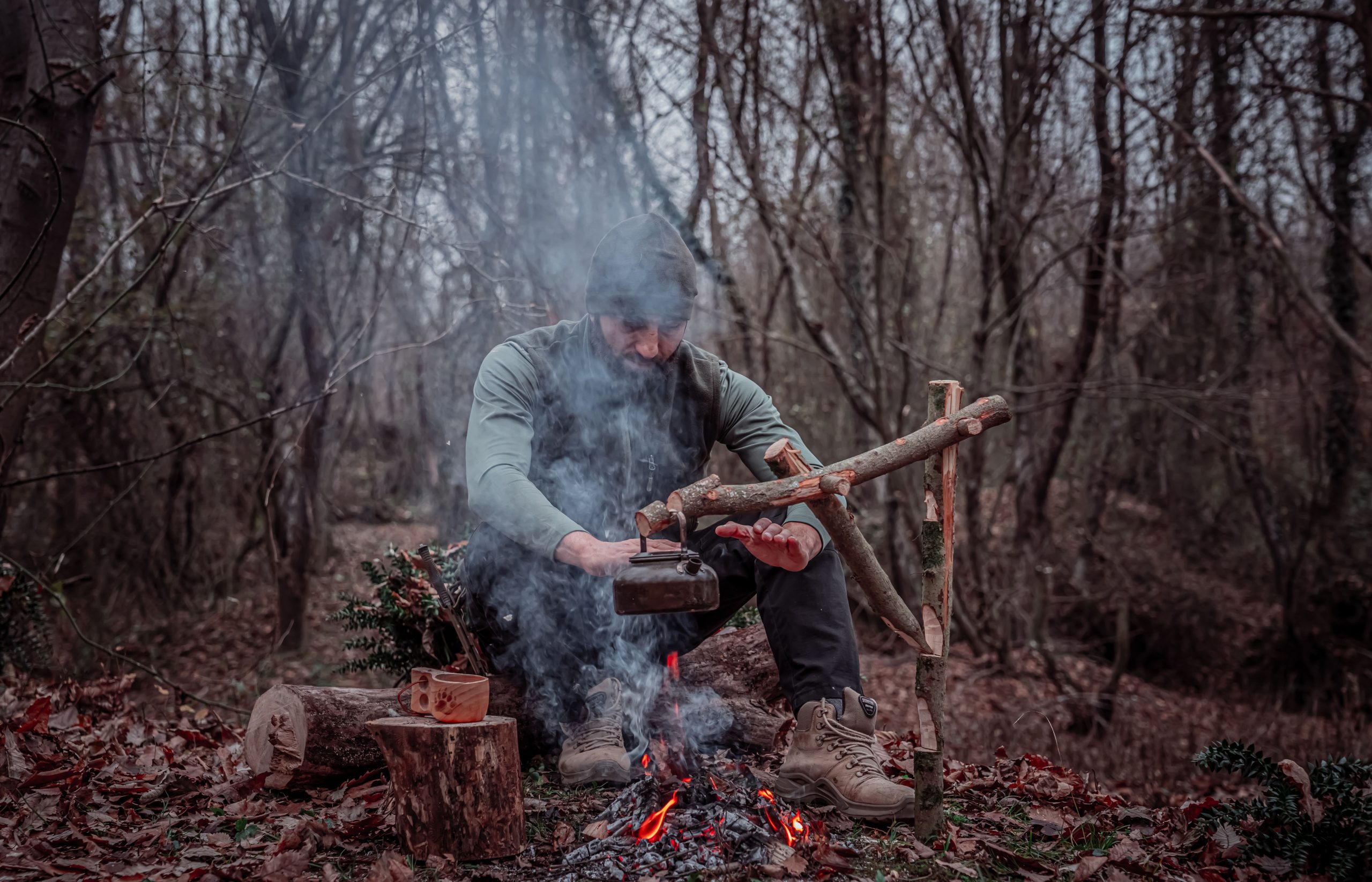
A small drinking cup can be carved from a solid section of birch wood. Start with a branch approximately 8 to 10 centimeters in diameter and cut a manageable piece around 12 centimeters long. Remove the bark and carefully hollow the center, leaving a sufficiently thick base and surrounding walls. A carving knife and small gouge make the work easier, although the project requires patience. Smooth the rim and interior to remove splinters, then allow the finished cup to dry slowly. Birch can develop cracks if dried too quickly. Importantly, a carved wooden cup is not automatically hygienic or leakproof, so it needs thorough cleaning and inspection before food or drink use.
7. Traditional Birch Bark Roof Shingles
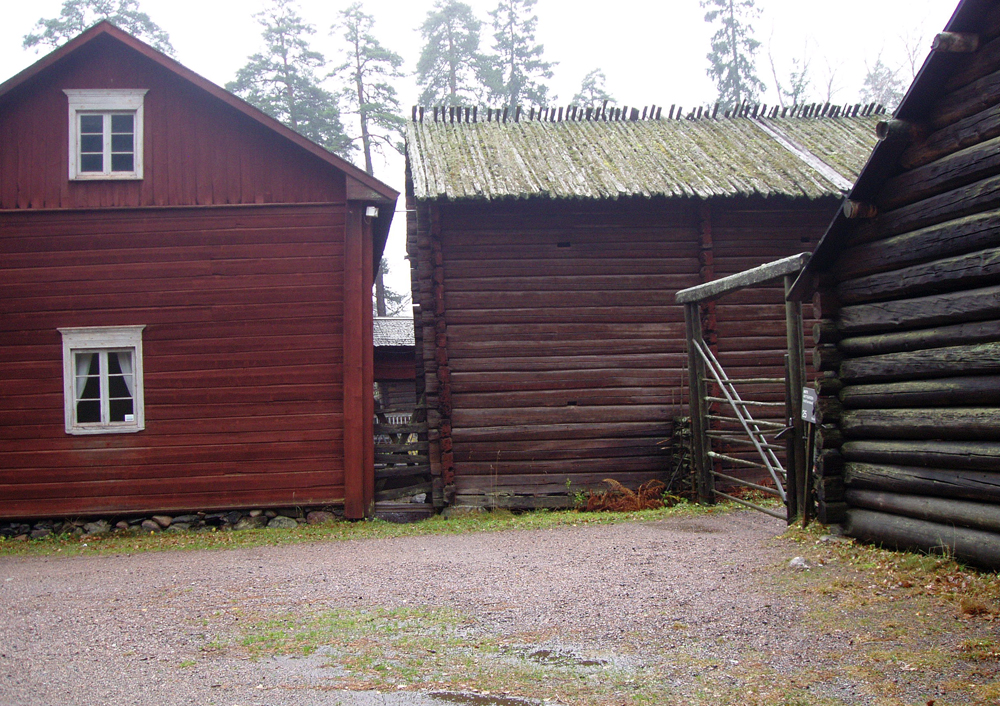
Large pieces of birch bark can serve as overlapping weather-resistant layers in a small traditional shelter. Each usable sheet may measure around 20 to 30 centimeters across, depending on the tree. Arrange the pieces from the bottom upward, allowing the upper sheets to overlap the lower ones by approximately 5 to 8 centimeters. This arrangement encourages rainwater to run downward rather than through the joints. Thin wooden pegs or carefully positioned branches can help hold the material in place. Several layers improve coverage, but bark can curl, tear, or deteriorate with exposure. Use responsibly collected material and never remove large sections from living trees.
8. Birch Twig Broom
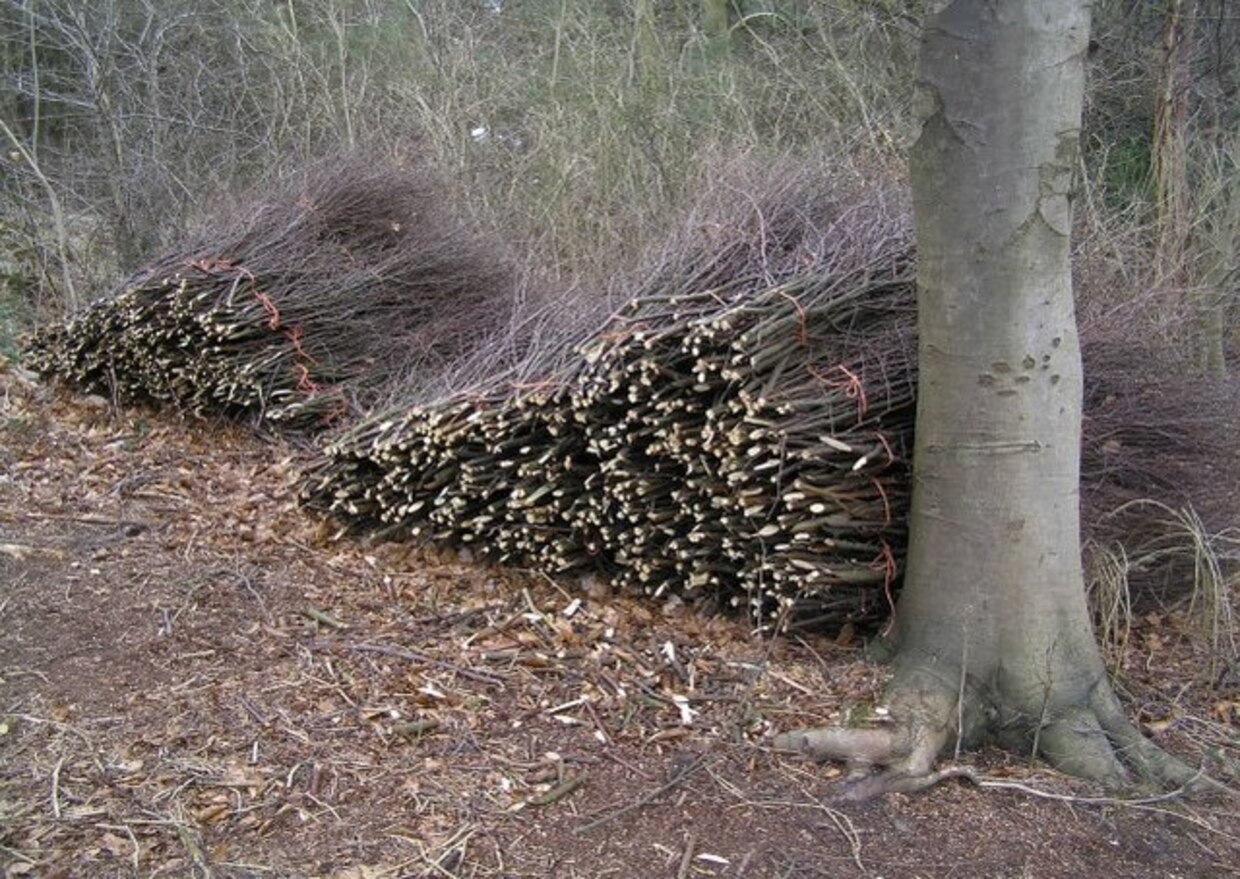
Thin birch branches make an effective traditional hand broom for clearing leaves, loose soil, and small debris around a campsite. Collect approximately 20 to 30 flexible twigs, ideally between 30 and 45 centimeters long. Remove the leaves and damaged ends, then arrange the branches so their tips form an even sweeping surface. Bind the thicker ends tightly around a wooden handle using natural cordage or flexible bark strips. Trim the working end to create a balanced shape that feels comfortable in the hand. A well-made broom is lightweight, easy to repair, and useful for keeping a shelter entrance tidy. Avoid using it near hot embers because dry twigs ignite easily.
9. Carved Birch Fishing Floats
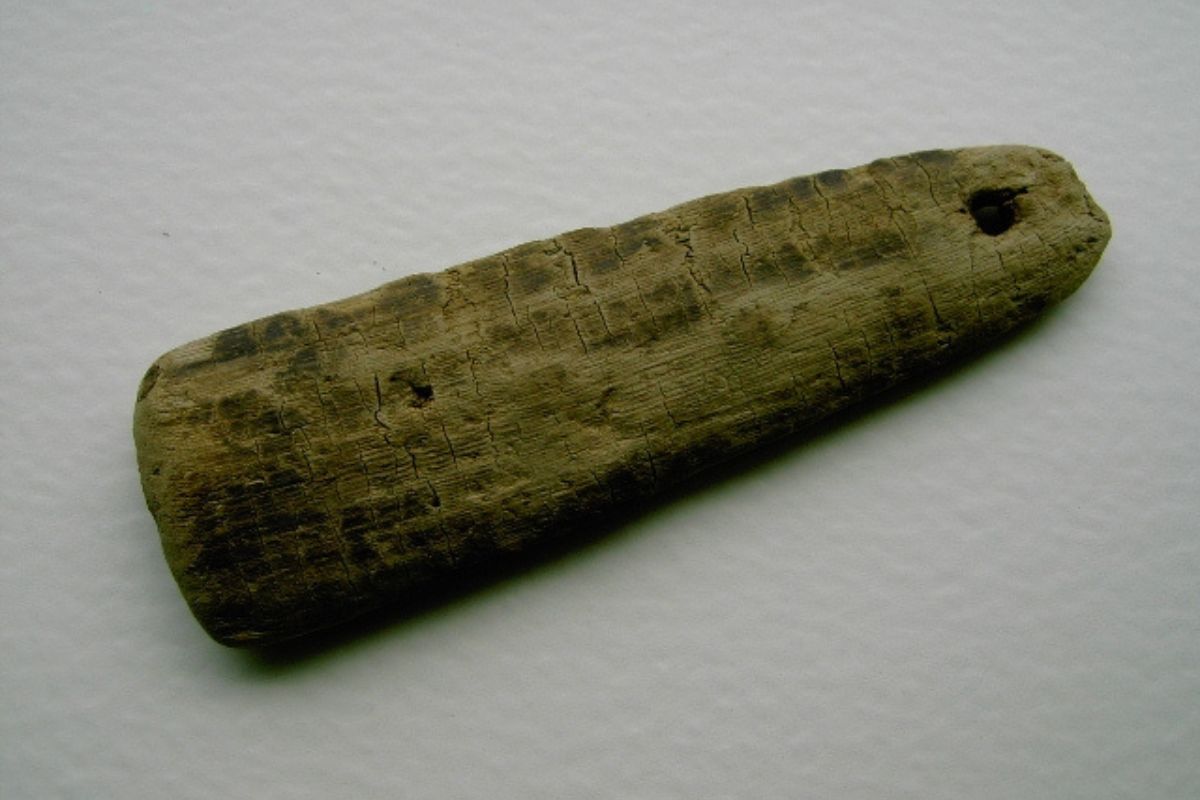
Lightweight birch wood can be shaped into simple fishing floats for traditional fishing setups. Choose a dry, straight branch approximately 2 to 3 centimeters thick and cut several pieces measuring 8 to 12 centimeters long. Carefully shape each piece into a narrow body with slightly rounded ends, then create a small attachment point for the fishing line. Birch floats are naturally buoyant, although their performance depends on the wood’s density, dimensions, and water absorption. Test each float in a container of water before using it. A small carved float can help indicate movement on a fishing line without requiring manufactured materials. Check local fishing regulations before using handmade equipment.
10. Birch Bark Storage Pouch
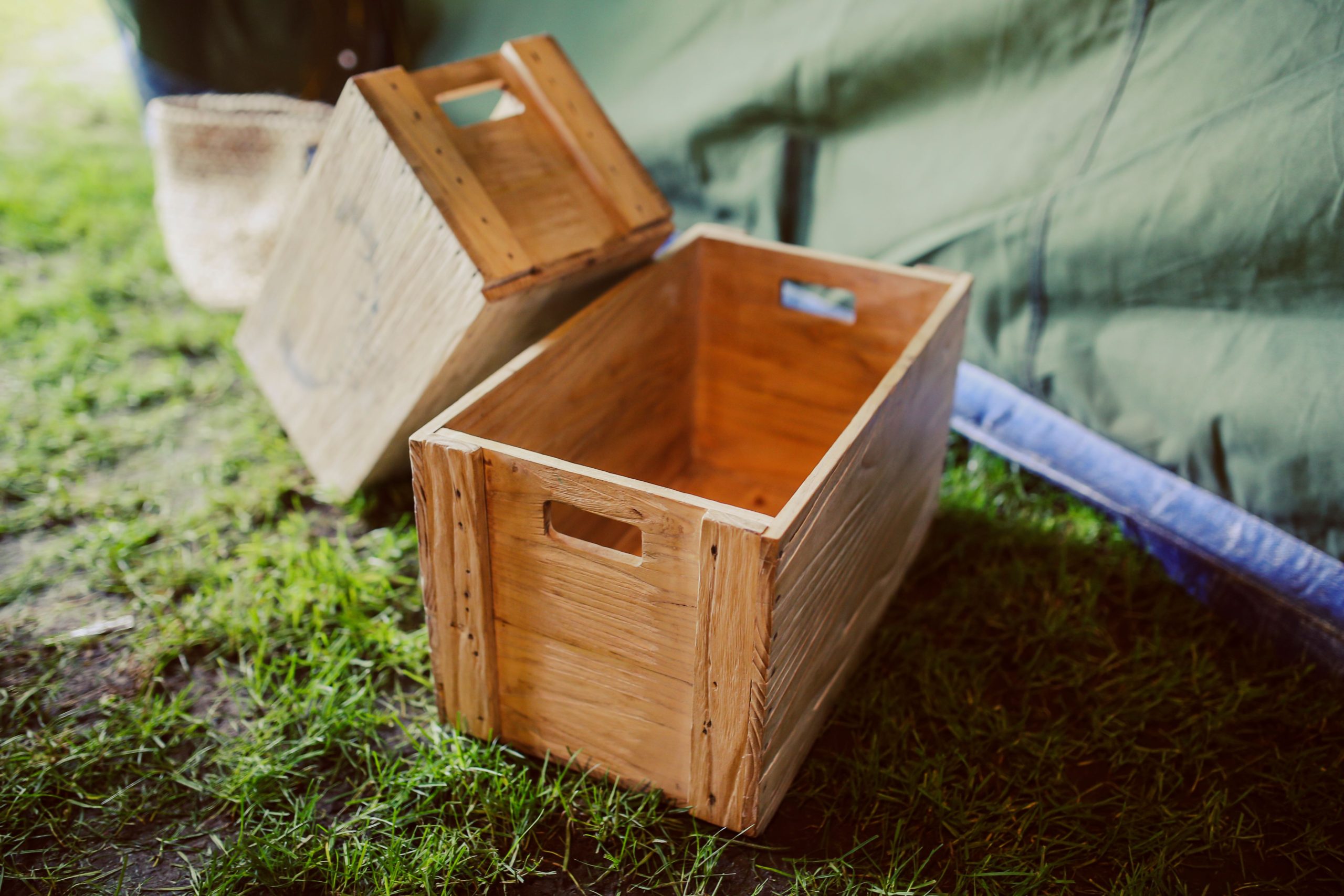
A simple storage pouch can be made by combining flexible birch bark with thin wooden fasteners. Begin with a sheet approximately 25 by 35 centimeters, then gently fold it into a pocket shape with overlapping sides. Use small wooden pegs or narrow strips of bark to secure the edges. A second piece measuring around 10 by 25 centimeters can serve as a simple protective flap. The finished pouch is suitable for carrying dry tinder, small carving tools, or other lightweight supplies. Its natural appearance makes it particularly useful for traditional bushcraft demonstrations. Keep sharp objects wrapped separately, since thin bark can split under pressure and is not designed to carry heavy equipment.
11. Birch Wood Firewood and Kindling Bundle
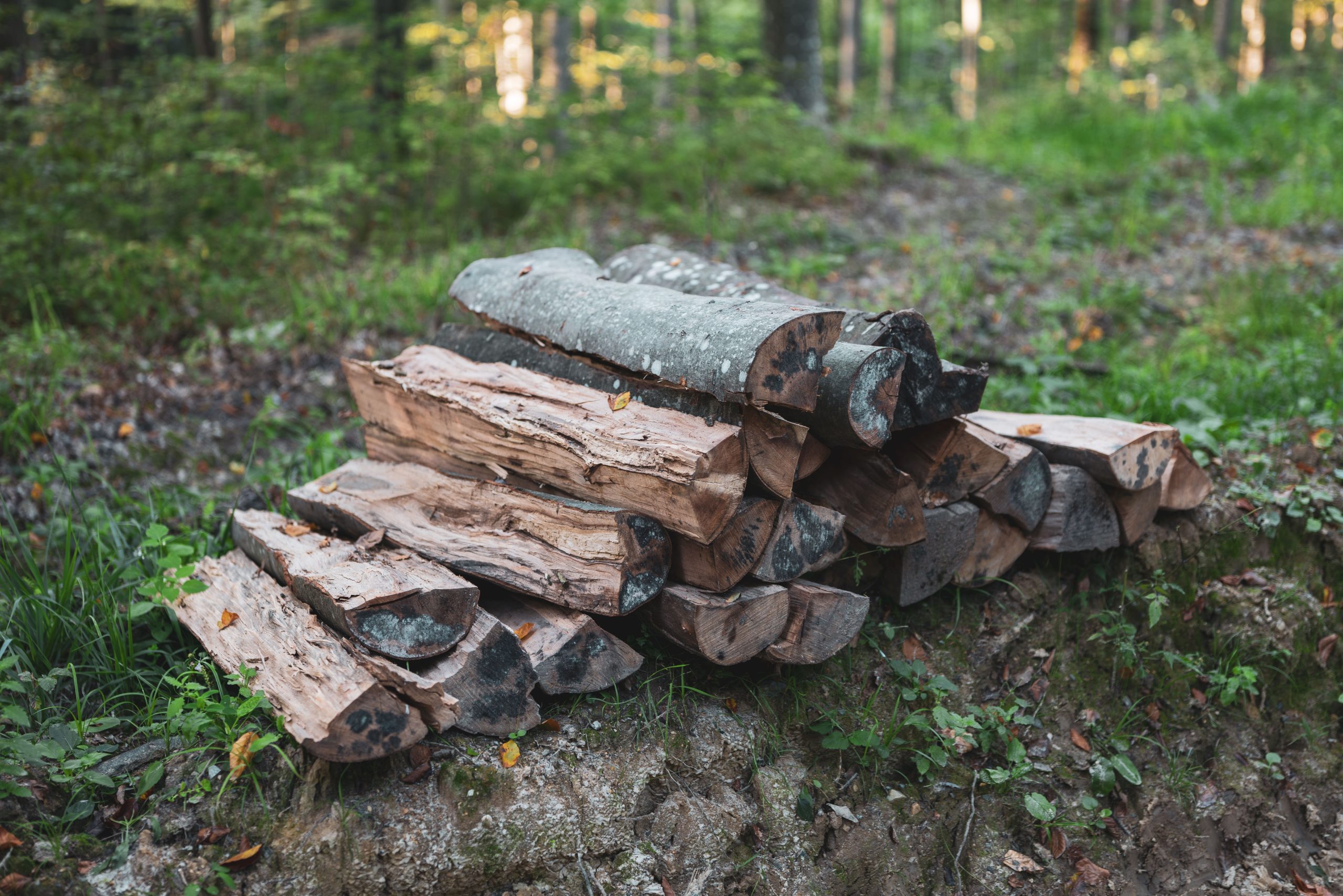
The remaining branches and trunk sections can provide useful fuel for a campsite fire. Split suitable dry wood into approximately 2 to 3 centimeter kindling pieces, while thicker sections can be reserved for longer-burning fuel. Thin twigs are useful for starting a fire, medium branches help establish a steady flame, and larger pieces provide sustained heat. Birch wood generally burns well when properly seasoned, although freshly cut wood contains considerable moisture and produces less efficient combustion. Separate the fuel into three groups based on thickness and keep it protected from rain. Never assume that a freshly fallen birch tree is ready to burn immediately; drying time depends on its size and storage conditions.