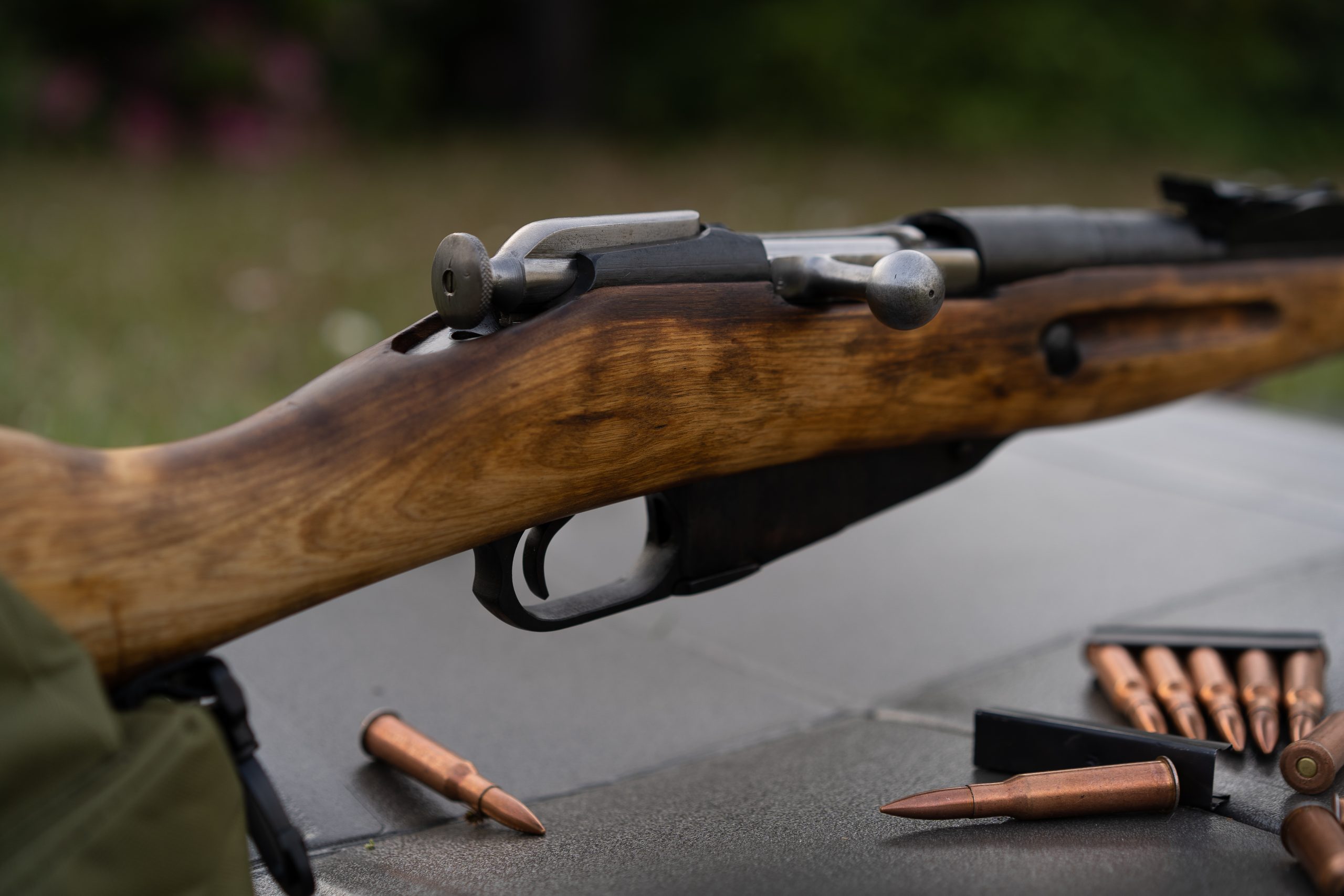
Few military rifles have stayed this common for this long. The Mosin-Nagant is the rare old warhorse whose biggest claim to fame may be just how many were built.
WHY THE MOSIN-NAGANT NEVER REALLY WENT AWAY
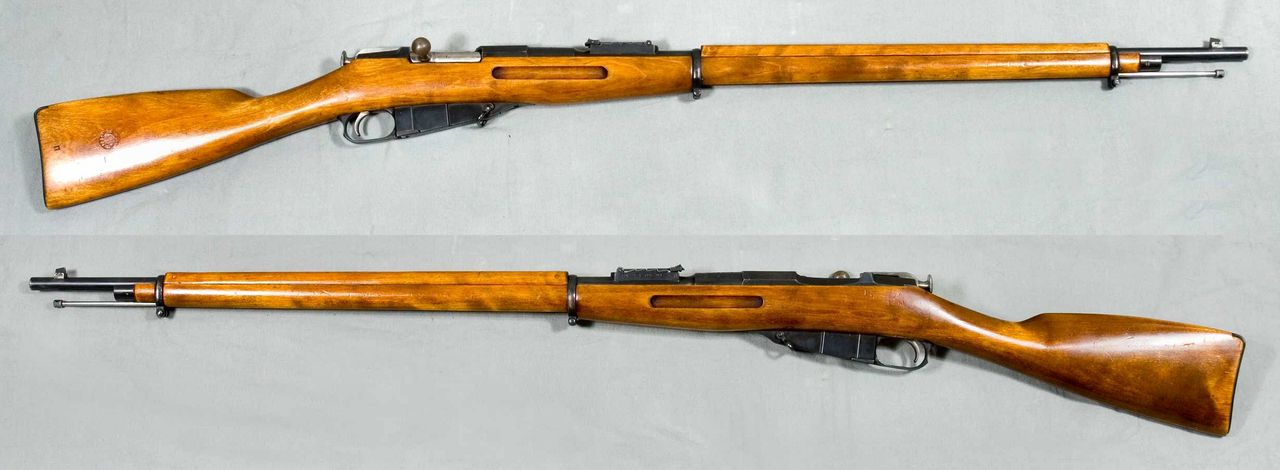
The Mosin-Nagant entered Russian service in 1891, and from the start it was built with large-scale military need in mind. Museums and firearms historians have long noted that the design favored simplicity, durability, and mass production over refinement. That matters, because rifles built for giant conscript armies tend to leave a very long afterlife once wars end.
The real reason the rifle is still affordable comes down to industrial output on a staggering scale. Royal Armouries notes that the rifle was easy and cheap to produce, and Gun Digest reports that more than 17 million M91/30 rifles alone were made between 1930 and 1944. That figure does not even count earlier Imperial rifles, later carbines, or Finnish variants built from captured and inherited actions.
In plain English, the Mosin was never a scarce collectible in the way a low-production sporting rifle is. It was a utilitarian tool churned out by the millions because the Soviet Union needed arms fast and in absurd quantities. When a rifle exists in that kind of volume, scarcity takes a long time to show up in prices.
That is why so many American shooters came to know the Mosin as the archetypal cheap surplus gun. For years, importers brought in refurbished examples by the crate. The rifle’s reputation was built not just on battlefield history, but on the simple fact that there were always more of them.
MASS PRODUCTION MADE IT CHEAP, NOT REFINED
The Mosin-Nagant was never prized because it felt elegant. In fact, one reason it could be built in such numbers is that it was a fairly blunt instrument by design. The action is strong, the controls are simple, and the rifle has a reputation for functioning in cold, mud, and neglect, but nobody mistakes it for a silky Swiss straight-pull or a polished commercial hunting rifle.
That roughness is part of the value equation. Royal Armouries describes the Mosin as less user-friendly than some of its peers, with a stiff bolt and awkward safety, yet still very powerful and extremely reliable. A rifle that is durable but not especially refined tends to attract practical buyers first and connoisseurs later, which keeps values grounded for a long time.
The M91/30 became the face of the platform for exactly that reason. It was the standard wartime version, it was made in overwhelming numbers, and it was rebuilt in arsenals after the war. Many of the examples sold in the United States were not pristine bring-backs but refurbished service rifles, often force-matched and stored for decades.
That creates an unusual market dynamic. A buyer gets a genuine military rifle with real World War II lineage, but often without the rarity premium attached to more limited-issue arms. You are paying for history and function, not hand fitting or exclusivity.
THE SURPLUS FLOOD CHANGED THE AMERICAN MARKET
For a whole generation of shooters, the Mosin-Nagant was the first centerfire rifle they could actually afford. Guns.com recently described the M91/30 as one of the least expensive centerfire rifles available during its peak surplus years. Earlier market reporting from Guns.com even called it the “$100 rifle,” which says almost everything about its place in gun culture.
Gun Digest’s market coverage adds an important detail: the common M91/30 largely vanished from wholesaler catalogs in late 2012, after years of easy availability. Once that happened, prices rose quickly into the $200 to $300 range, and higher as supply tightened. That history matters because it shows the rifle is no longer as dirt cheap as it once was, but it is still cheap relative to many other military surplus bolt-actions.
Compared with Mausers, M1 Garands, or desirable Lee-Enfields, the Mosin usually remains the budget entry point. Guns.com wrote in 2026 that although prices have increased, the Mosin line still represents an economical buy for history enthusiasts. In other words, the bargain is no longer shocking, but it is still real.
That affordability is partly psychological too. Buyers remember when these rifles were stacked in barrels at gun shops, and that memory lingers. A Mosin at a few hundred dollars still feels inexpensive because its image was built in the era of mass surplus abundance.
WHY SHOOTERS STILL BUY THEM TODAY
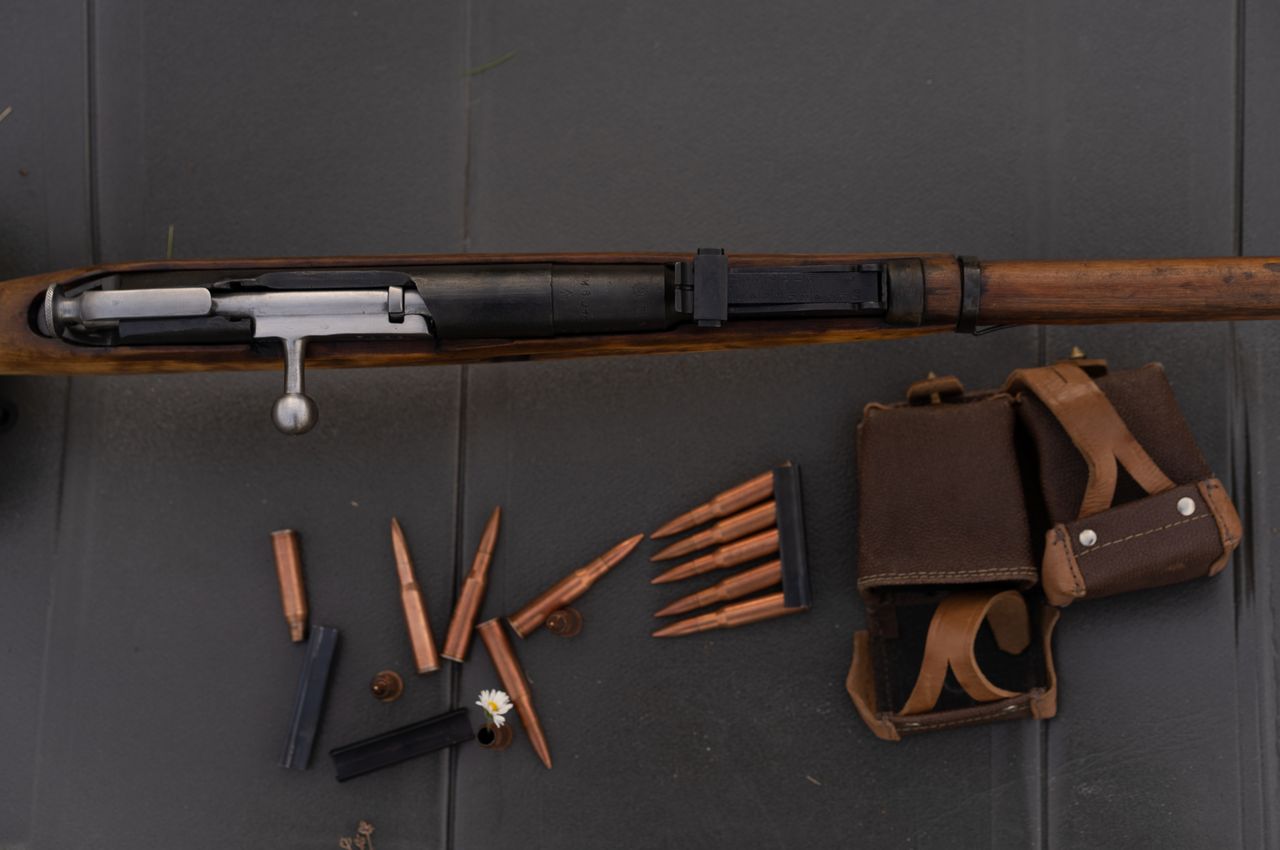
The Mosin-Nagant survives because it offers three things at once: history, power, and simplicity. It fires 7.62x54R, one of the oldest military cartridges still in widespread use. Royal Armouries points out that the cartridge designed for the rifle in 1891 remains in service globally in weapons like the SVD and PKM, which helps explain why commercial ammunition is still around.
That chambering gives the rifle practical appeal beyond collecting. Even a basic 91/30 is fully capable of recreational target shooting, and plenty of hunters have used them effectively within reasonable distances. The rifle is long, heavy, and not especially graceful, but it hits hard and has a battlefield toughness that many owners genuinely enjoy.
There is also the romance factor. This is a rifle tied to Imperial Russia, the Eastern Front, Soviet arsenals, Finnish reuse, and decades of postwar storage. Few affordable guns let an ordinary buyer hold that much 20th-century history in one package. That emotional value keeps demand steady even when newer rifles outperform it mechanically.
Just as important, the Mosin is still a conversation piece. Pull one out at the range and somebody will usually have a story about cosmoline, surplus ammo, or the first time they worked that stubborn bolt. Cheap guns come and go, but very few become cultural landmarks.
THE CATCH: “CHEAP” DOES NOT MEAN WHAT IT USED TO
Here is the part many longtime shooters will tell you immediately: the Mosin-Nagant is not 2008 cheap anymore. The days of near-disposable surplus pricing are gone, largely because the giant import waves slowed and existing stock got absorbed into private collections. Once surplus stops flowing, even a massively produced rifle starts climbing.
Gun Digest has estimated common M91/30 values in the roughly $300 to $500 range depending on condition, while rarer variants go much higher. That is still affordable in the broader collector market, but it is no longer pocket-change territory. A clean Finnish rifle, an original sniper configuration, or a desirable early receiver can jump well beyond entry-level pricing.
Ammo economics have changed too. Cheap corrosive surplus ammunition is not the universal default it once was, and modern ammo prices across the board remain elevated compared with pre-pandemic norms, according to Outdoor Life. So the rifle may still be inexpensive to buy, but feeding it is no longer the absurd bargain older collectors remember.
Even so, value is relative. In a market where many historic military rifles are pushing into premium territory, the Mosin still sits closer to working-class money than collector-class money. That is exactly why it keeps finding new owners.
THE MOSIN-NAGANT’S REAL SECRET IS SHEER NUMBERS
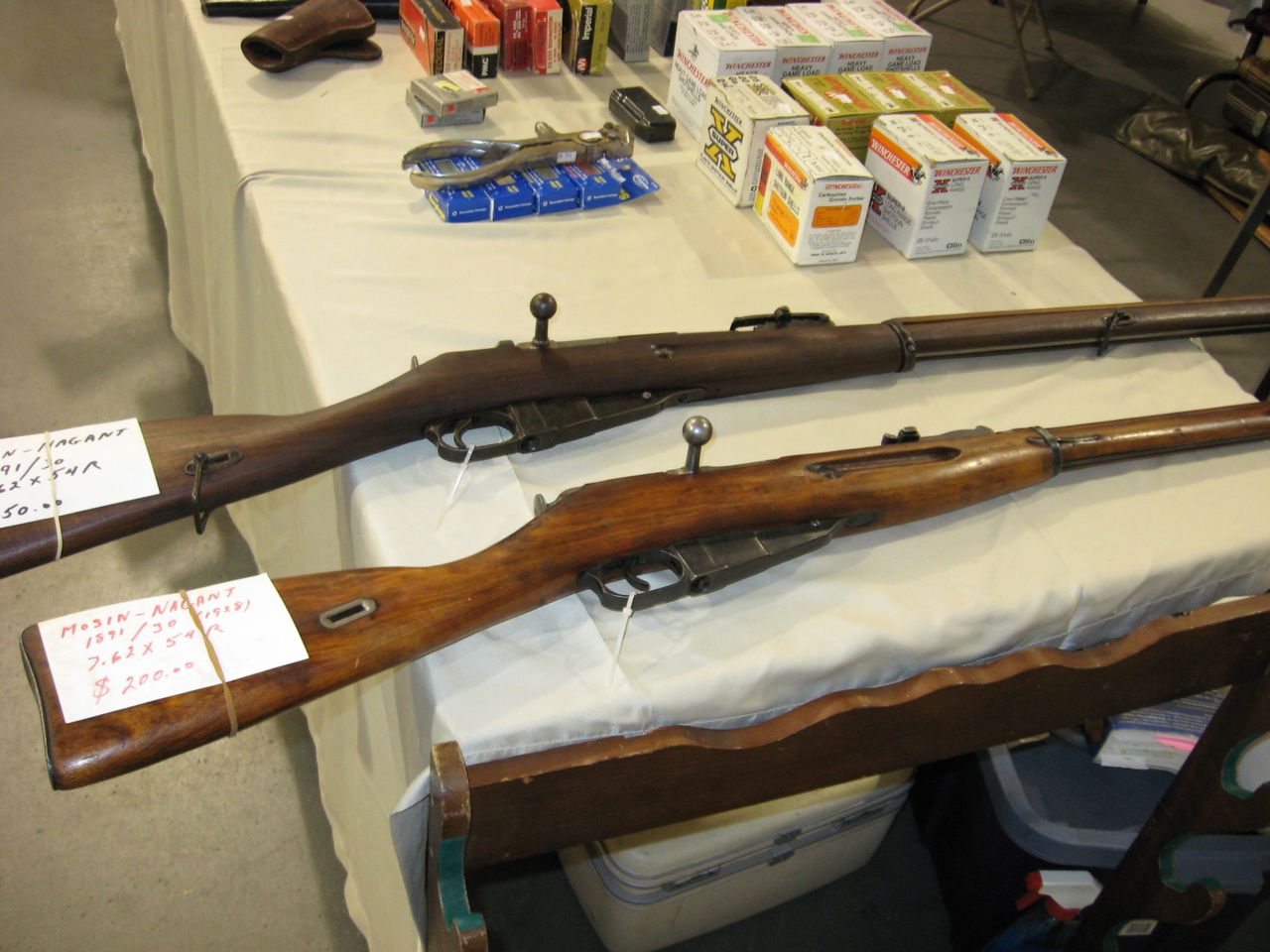
The simplest explanation is still the best one: this rifle was made in gigantic numbers, then stored, refurbished, exported, and recirculated for decades. Royal Armouries says over fifty million Mosins are still in existence, and even if individual market counts vary by country and condition, the point stands. The rifle is everywhere by historical standards.
That scale is what separates the Mosin-Nagant from almost every other iconic bolt-action military rifle. Plenty of old service rifles are famous. Far fewer were produced so heavily that ordinary shooters could buy them cheaply for generations after the wars ended. The Mosin became affordable not because it was obscure, but because it was everywhere.
For the general buyer, that is good news. You get a rifle with real military pedigree, a still-supported cartridge, and a century-spanning backstory without paying the kind of premium attached to rarer surplus arms. It may be clunky, loud, and occasionally stubborn, but it is honest history made of steel and wood.
And that is the punch line. The Mosin-Nagant is still cheap today for the same reason it was cheap yesterday: the world simply has too many of them for the legend to outrun the supply.