The word “compact” no longer means quite what it did a decade ago. Traditionally, compact pistols sat between full-size service guns and smaller subcompacts, often using barrels around 3.5 to 4.5 inches. Today, micro-compact 9mm pistols can combine roughly 3-inch barrels with double-stack magazines and 10 or more rounds. That shift has made several established designs look larger than their old classifications suggested, while newer pistols are stretching the boundaries in the opposite direction.
1. Glock 19
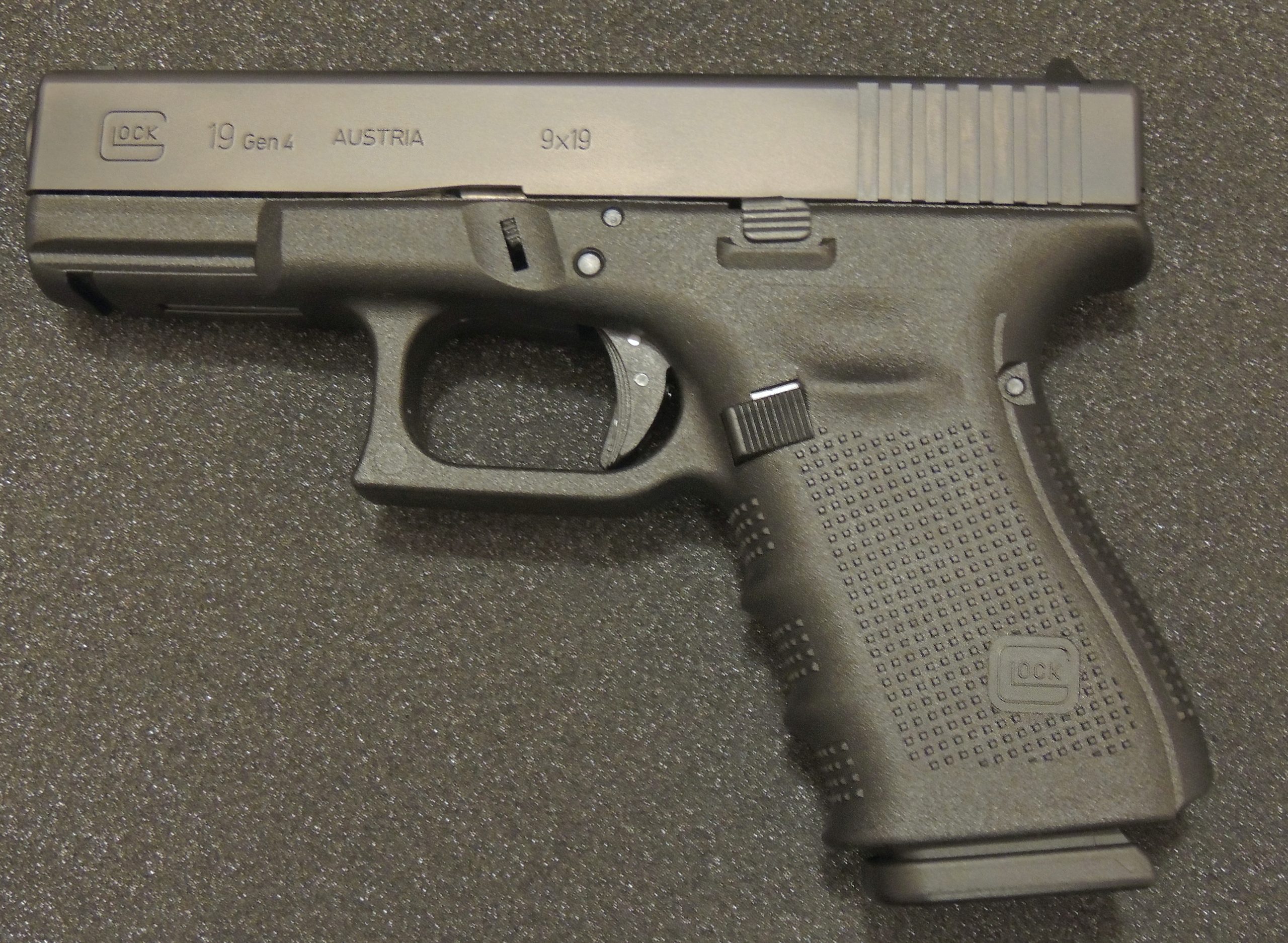
The Glock 19 helped define the modern compact pistol, but the meaning of compact has shifted around it. Its 4.02-inch barrel, 7.36-inch overall length and 1.26-inch width put it above newer micro-compacts. Standard capacity is 15 rounds, and the unloaded pistol weighs 21.16 ounces. Those numbers explain why the G19 remains a traditional compact benchmark rather than a truly small carry gun. As slimmer 9mm pistols approach 3-inch barrels while retaining useful capacity, the G19 now occupies a middle ground: compact by older standards, but relatively large beside today’s smallest double-stack designs. That makes it a useful reference point today.
2. SIG Sauer P365
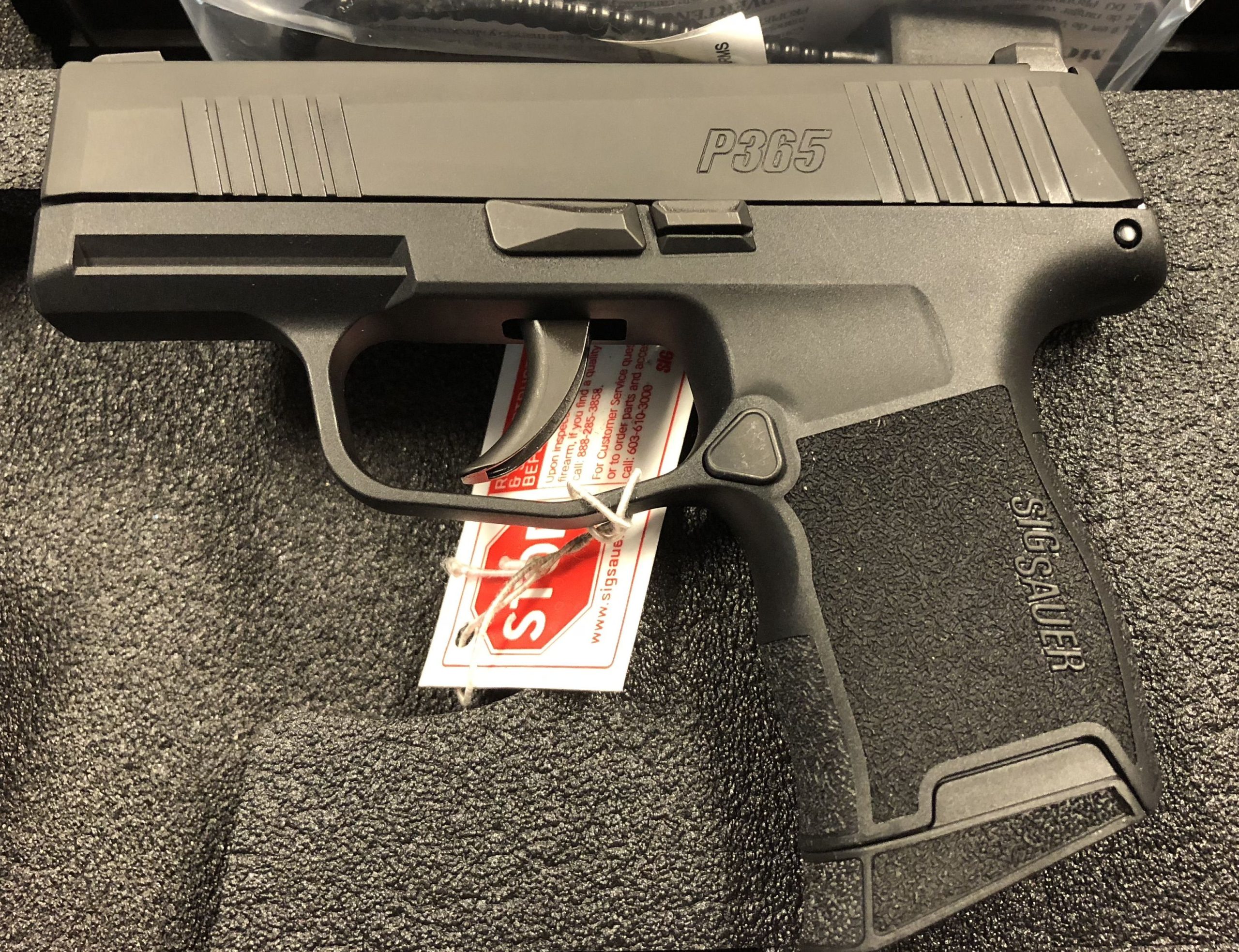
The SIG Sauer P365 changed the compact-pistol conversation by shrinking the package without following the old capacity formula. The standard 9mm model has a 3.1-inch barrel, measures about 5.8 inches long and 1 inch wide, and weighs roughly 18.2 ounces with its magazine. Its flush magazine holds 10 rounds, while factory extended magazines can raise capacity to 12 or 17 rounds. Earlier micro-compacts often sacrificed capacity for size. The P365 showed that a pistol could remain exceptionally narrow while carrying more ammunition than many older pocket-sized designs. That balance helped define the modern micro-compact class in particular.
3. Glock 26
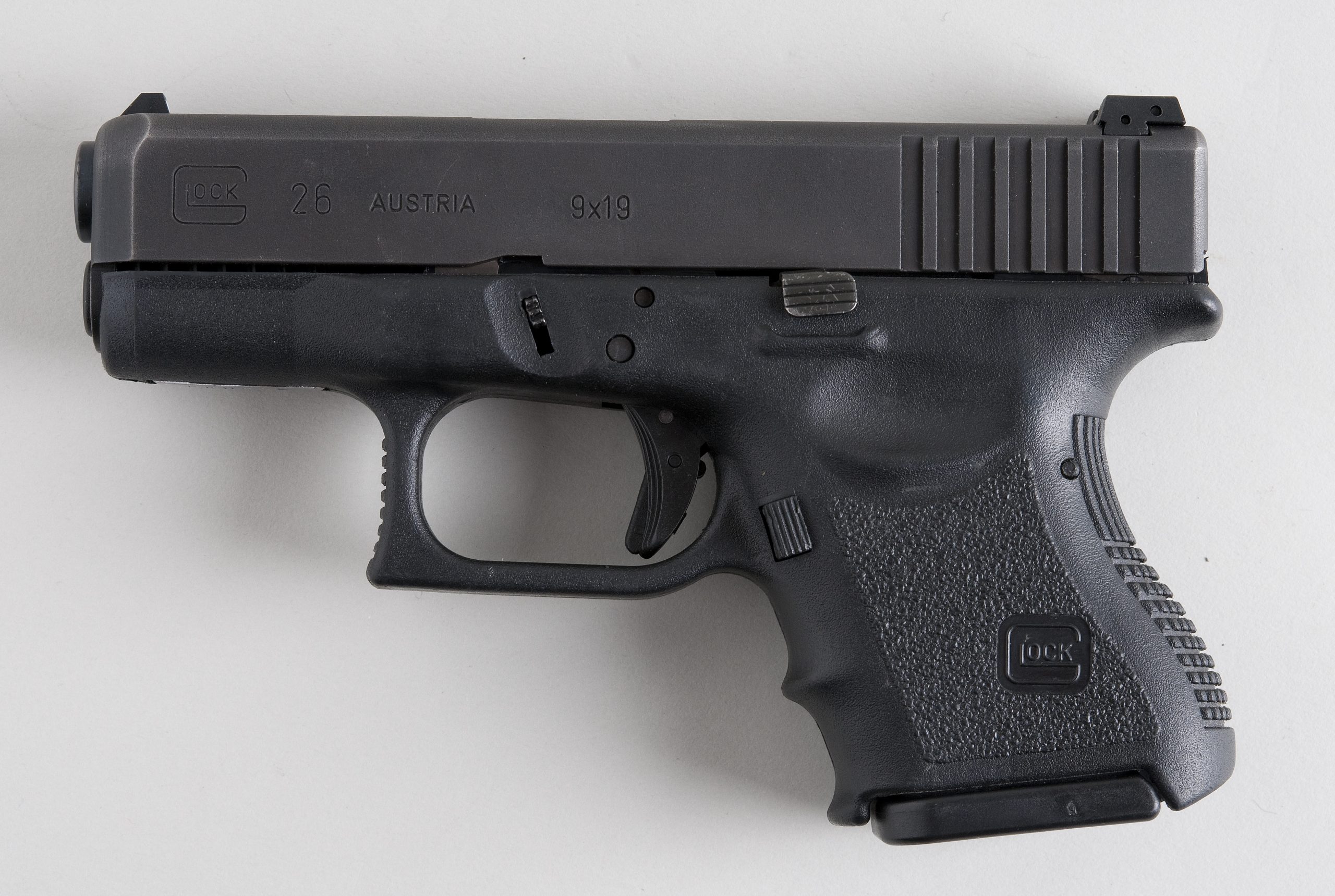
The Glock 26 represents the older idea of a subcompact 9mm: short, thick enough for a secure grip, and built around a familiar double-stack magazine system. Its 3.43-inch barrel and compact frame make it shorter than the Glock 19, while its standard magazine holds 10 rounds. It can also accept larger Glock-pattern magazines, depending on configuration and local law. That combination once made the G26 an obvious bridge between pocket pistols and service-sized handguns. Today, newer micro-compacts can offer similar capacity in narrower packages, making the G26 a useful example of how the compact category keeps moving smaller. Micro-compacts now make the same size comparison look less dramatic.
4. Smith & Wesson M&P Shield
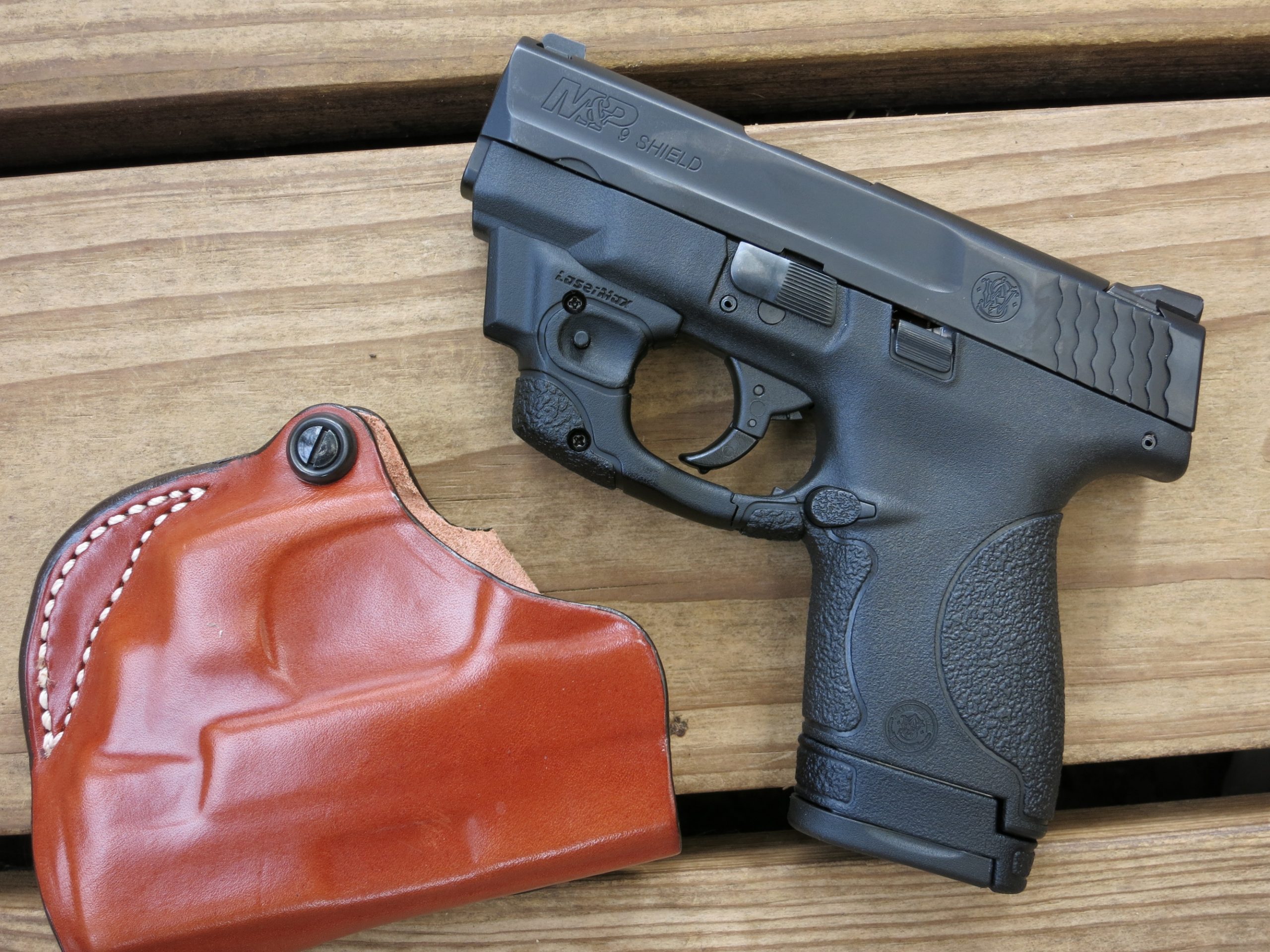
The original M&P Shield helped popularize the slim single-stack 9mm before the micro-compact wave arrived. The 9mm Shield uses a 3.1-inch barrel and a slim profile designed around concealability, with magazine options traditionally centered on 7- and 8-round capacities. Its significance is less about raw dimensions than timing: it helped establish the expectation that a carry pistol could be thin without becoming a tiny pocket gun. Newer designs now combine similar barrel lengths with double-stack magazines and capacities of 10 rounds or more. That comparison makes the Shield look less compact today, even though its basic dimensions remain practical. That legacy still shapes today’s slim carry-pistol market.
5. SIG Sauer P365 XL
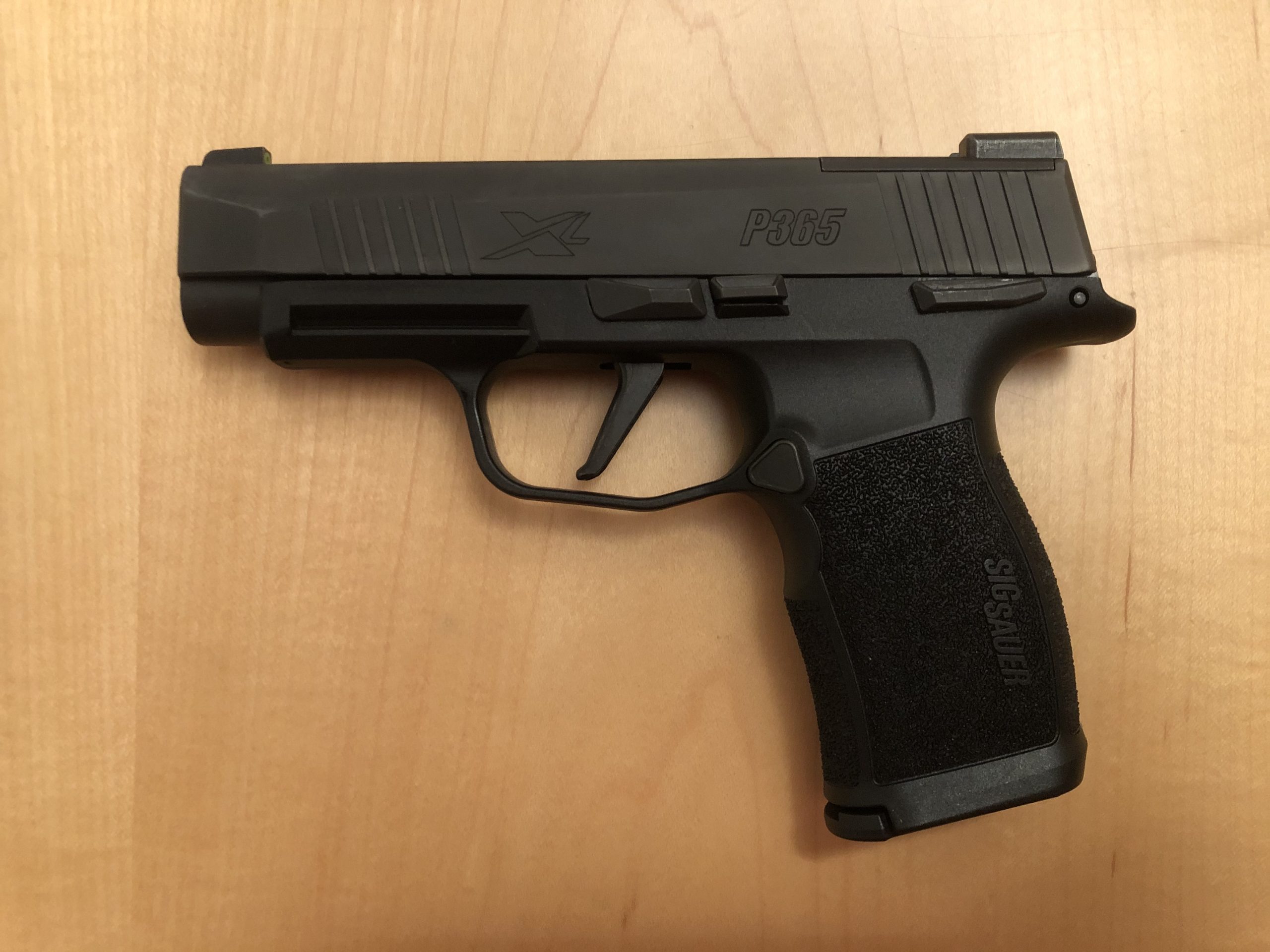
The P365 XL shows how quickly the word compact can change within one product family. It keeps the P365’s narrow 1-inch class but stretches the slide and grip to create a longer package than the original. Factory specifications list a 3.7-inch barrel and magazines commonly holding 12 rounds, with larger options available. The added length provides a longer sight radius and more grip area, while the slim frame keeps the overall profile smaller than many traditional compacts. It occupies a middle ground: larger than a micro-compact, yet still slimmer than many older compact pistols. This makes the XL a useful marker in the changing size vocabulary.
6. Springfield Hellcat
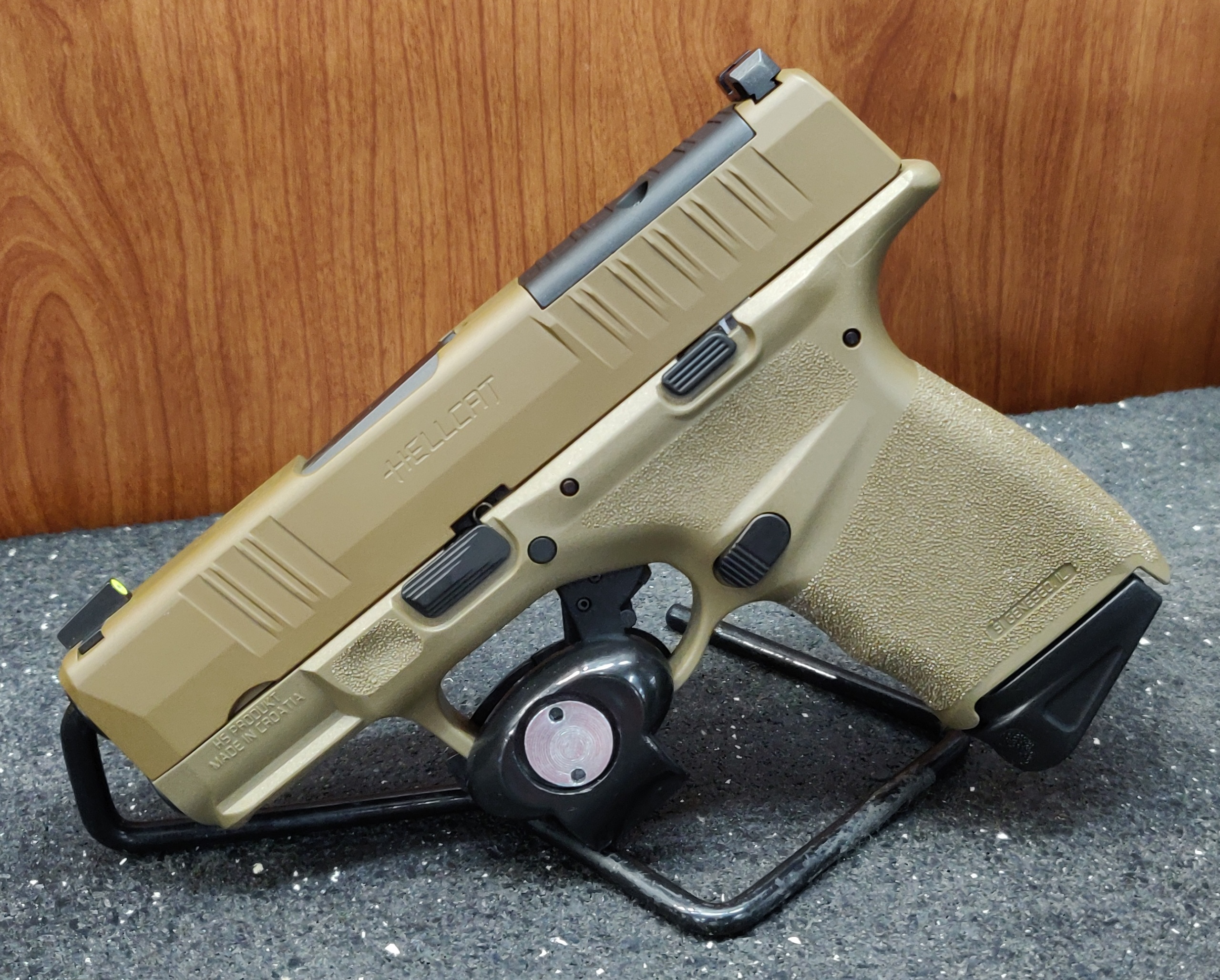
The Springfield Hellcat helped accelerate the shift toward high-capacity micro-compacts. Its standard configuration uses a 3-inch barrel and a compact frame, while the flush-fit magazine carries 11 rounds and an extended magazine carries 13. Those figures place double-digit capacity into a package designed around the micro-compact concept. Compared with a traditional compact such as the Glock 19, the Hellcat is shorter and narrower, but it does not require the six- or seven-round capacity once associated with very small pistols. Its design reflects how manufacturers now measure compactness in several dimensions at once. The result is a category that once seemed unusual.
7. Smith & Wesson M&P Shield Plus
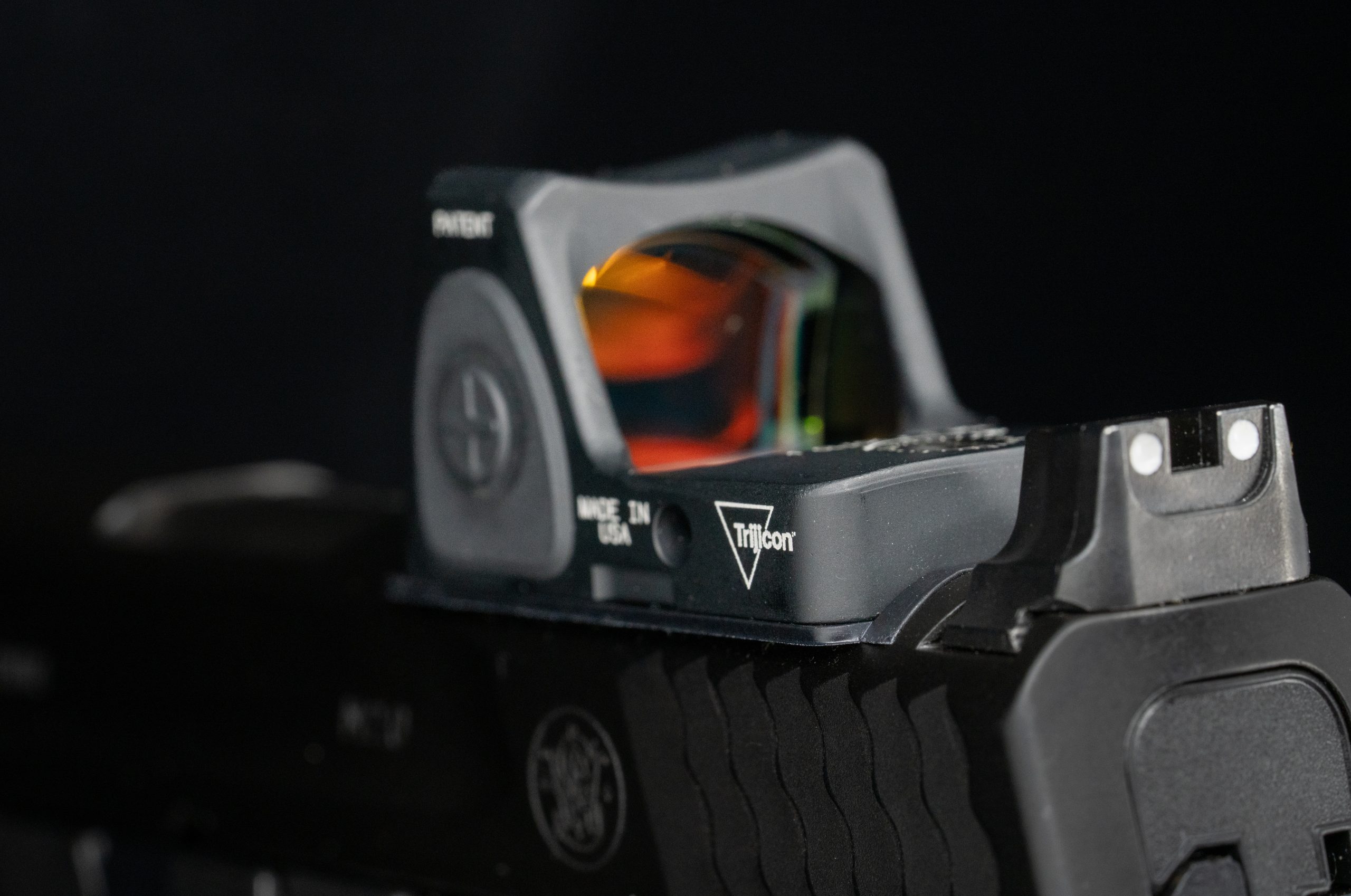
The M&P Shield Plus is an example of an older slim-pistol concept redesigned around modern capacity expectations. It retains the Shield family’s narrow profile while moving to a 13-round capacity with its extended magazine; a 10-round option is also available. Its 3.1-inch barrel keeps it at the small end of the 9mm market, but the higher-capacity magazine changes how it compares with earlier single-stack designs. The Shield Plus therefore sits between generations: its dimensions resemble the classic slim carry pistol, while its magazine capacity reflects the micro-compact era. The change is especially clear when capacity and width are compared.