For U.S. hunters, understanding seasonal migrations is crucial. Wildlife movement dictates when and where game can be found, influencing strategy, safety, and success. From ducks to deer, each species follows predictable patterns shaped by weather, food availability, and breeding cycles. Tracking these shifts allows hunters to plan trips effectively, select optimal locations, and anticipate game behavior. Observing the subtle cues of migration ensures that your hunting party is prepared, efficient, and ethically responsible in the field.
1. Waterfowl Fall Migration
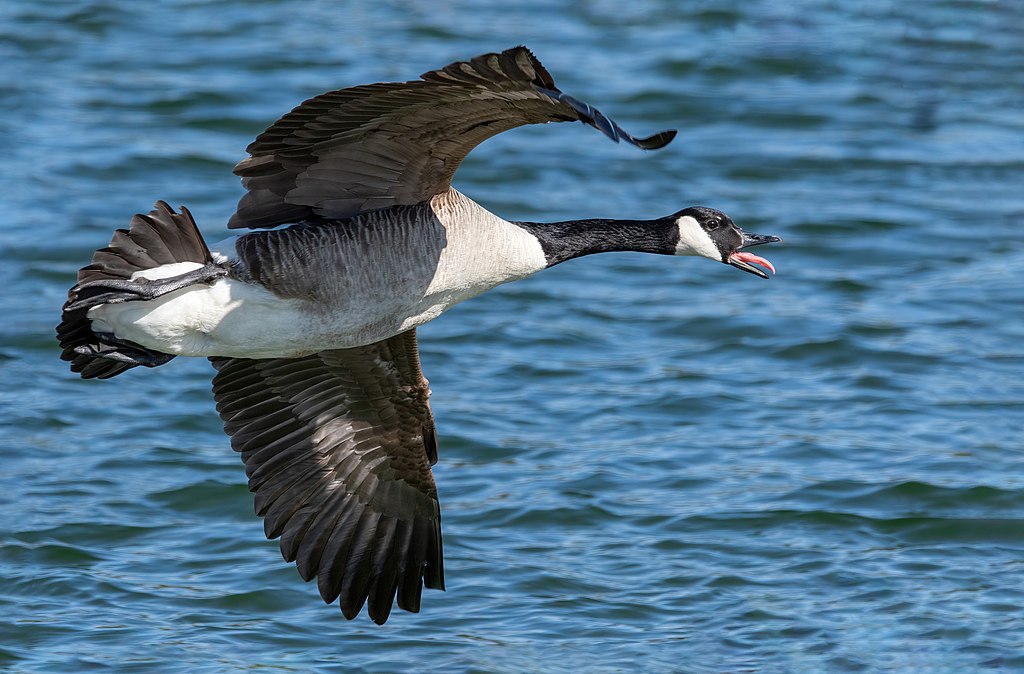
In the fall, ducks and geese head south, following wetlands and open water as temperatures drop. Hunters track these routes to locate prime hunting sites near rivers, lakes, and flooded fields. Early frost, drought, or urban development can shift flight paths, making scouting essential. Observing daily flight times, preferred resting spots, and feeding areas helps hunters anticipate flocks, improving success while staying aligned with seasonal regulations and ethical hunting practices.
2. Spring Turkey Movement
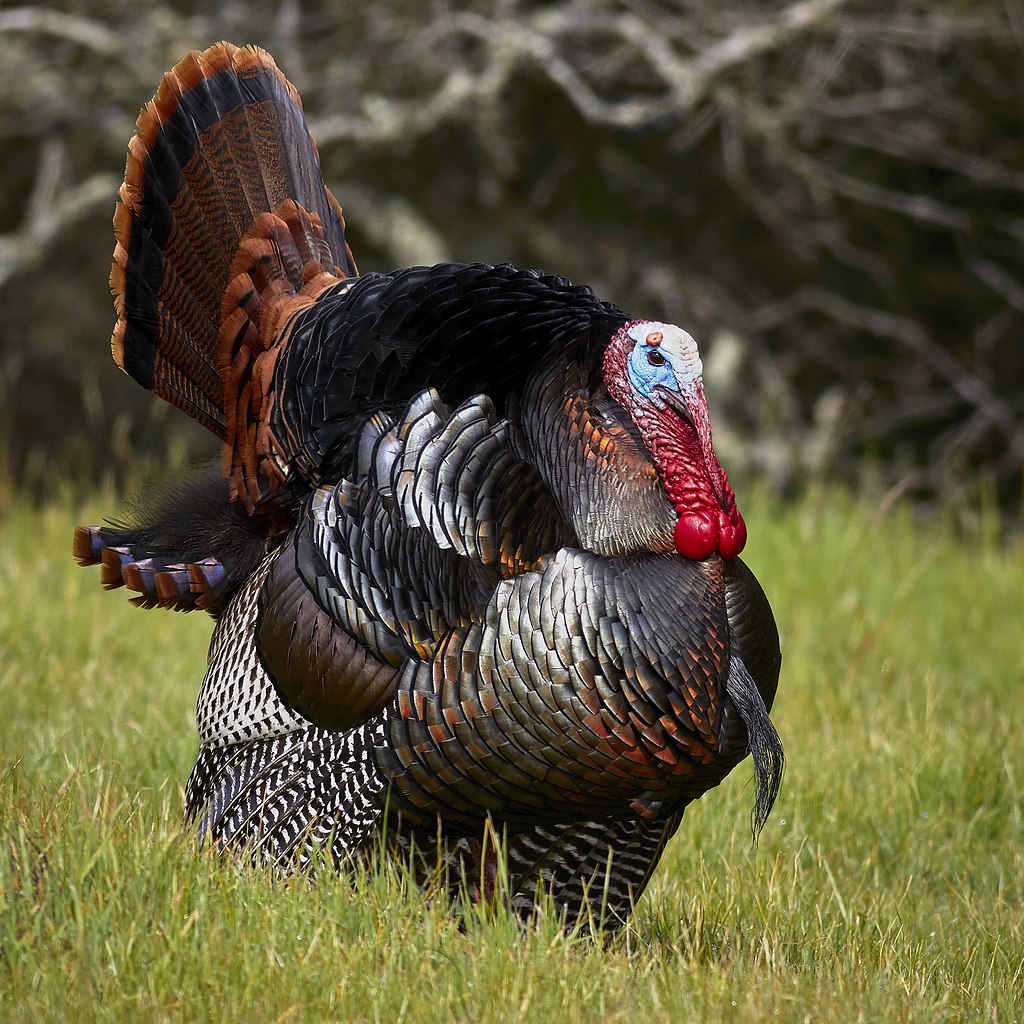
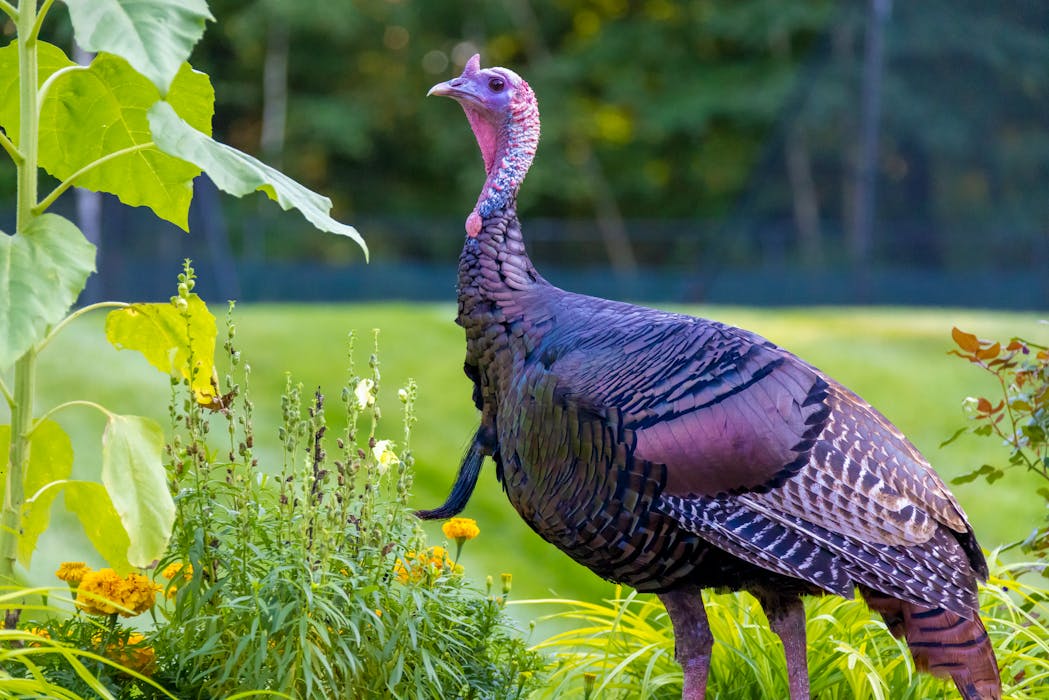
During spring, turkeys move from roosting sites to feeding grounds, often at dawn and dusk. Hunters observing droppings, scratch marks, and dusting areas can locate active flocks. Recognizing patterns allows strategic placement of blinds and calls to attract birds. Terrain preferences, weather, and food availability influence their movement, so careful scouting and patience are key. Understanding these subtle shifts ensures a productive hunt without disturbing natural behavior.
3. Deer Rut Patterns
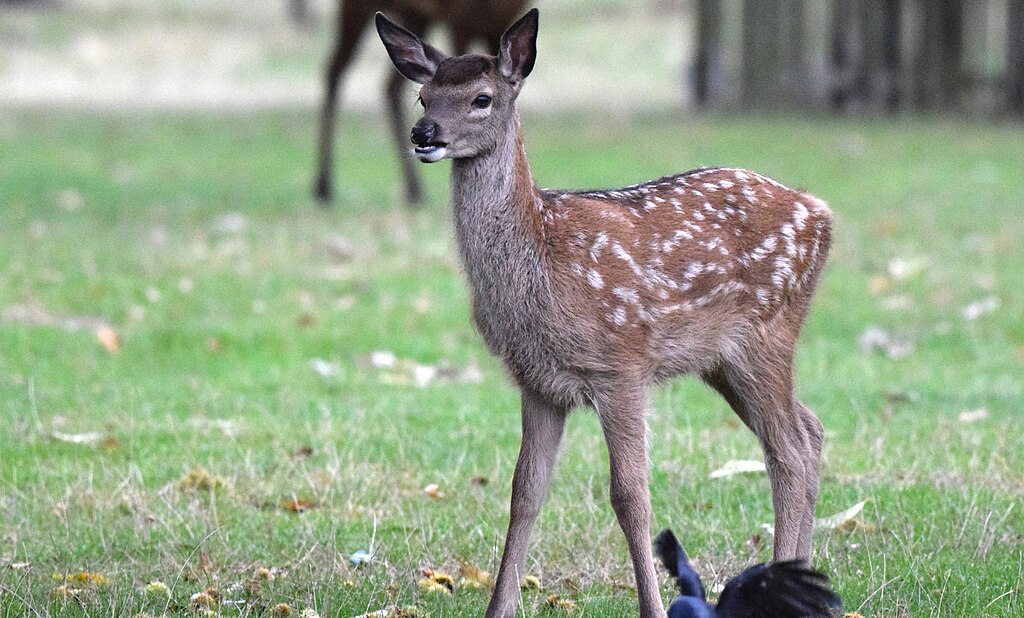
White tailed deer follow seasonal trails during the rut, moving between feeding and bedding areas. Bucks are more active, creating scrapes and rubs along trails. Hunters tracking these signs can anticipate where deer travel during peak activity periods. Weather, moon phases, and local food sources influence their behavior. Observing movement quietly ensures optimal stand placement and enhances chances of ethical harvesting while minimizing disturbances to the herd.
4. Elk Seasonal Herd Movement
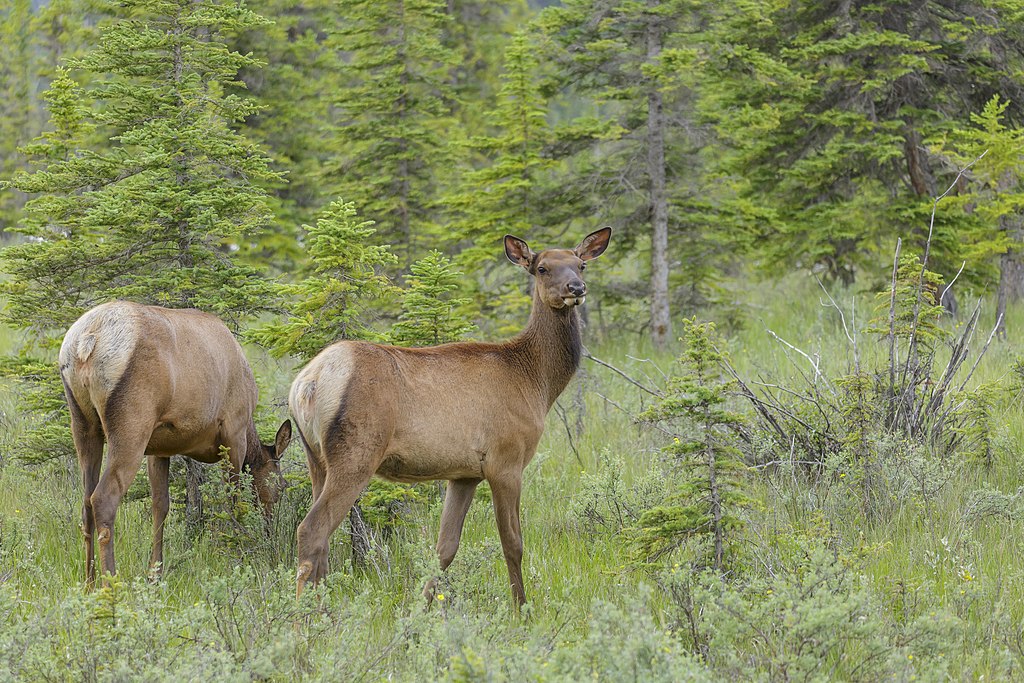
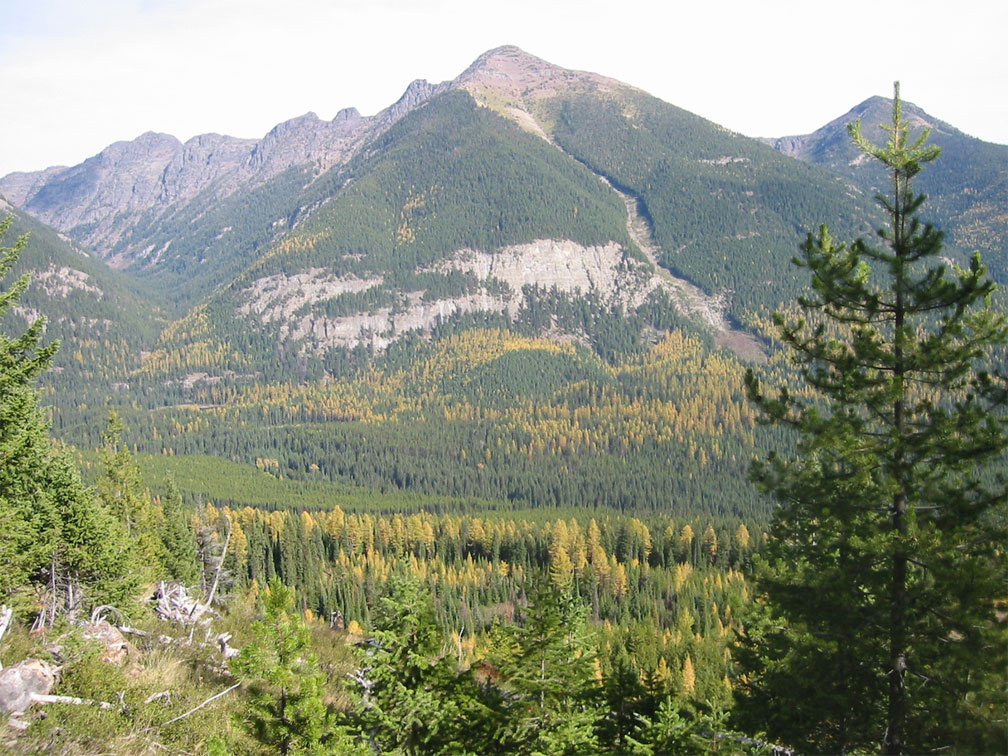
Elk migrate from low-elevation winter valleys to higher summer grazing grounds. Hunters can track these shifts by monitoring snowmelt, plant growth, and herd locations. Early fall hunts are ideal as herds descend for accessible feeding. Recognizing travel corridors, bedding zones, and congregation areas allows for strategic planning. Understanding seasonal elk behavior improves both safety and hunting efficiency while respecting natural rhythms and habitats.
5. Goose Spring Migration
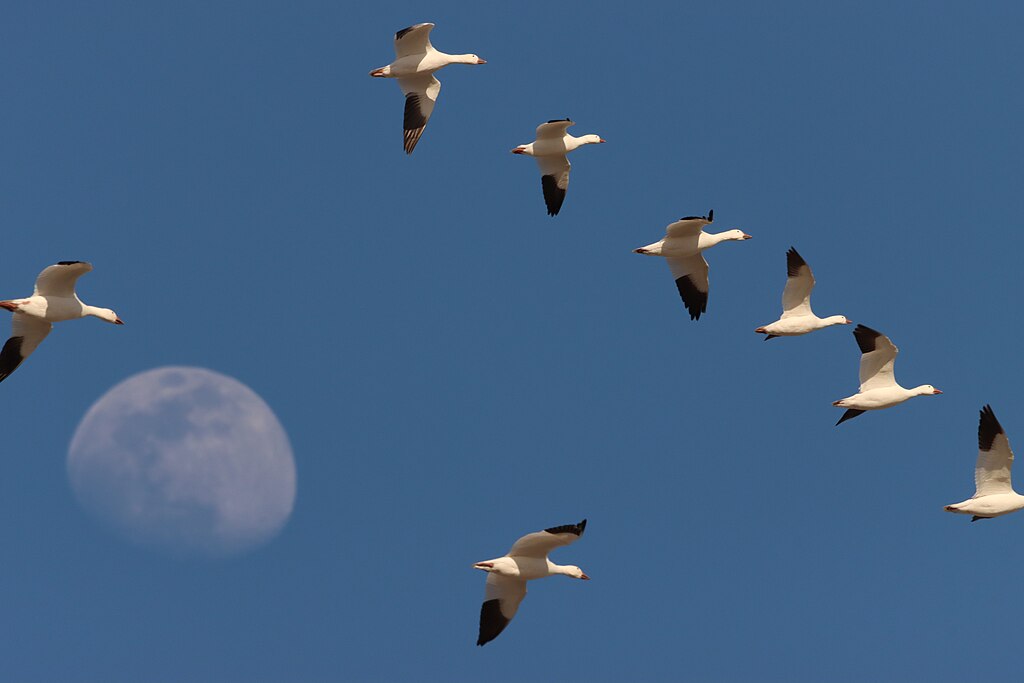
In spring, geese return north along the Mississippi and Atlantic Flyways, stopping at wetlands and agricultural fields. Hunters observe these areas to anticipate feeding and resting patterns. Weather, water levels, and crop availability affect timing. Scouting stopover locations helps determine decoy placement, approach paths, and optimal shooting periods. Tracking these migrations ensures encounters with larger flocks while preserving ethical hunting practices.
6. Small Game Seasonal Movement
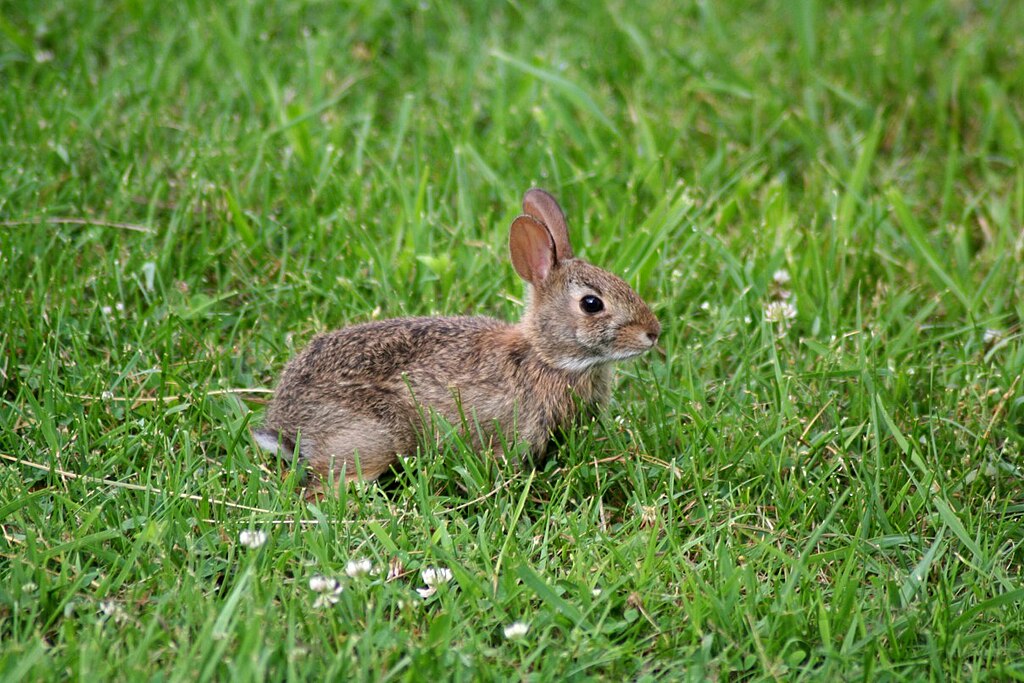
Rabbits, squirrels, and other small game shift locations seasonally in response to food and cover availability. In winter, they often concentrate near dense brush or evergreen forests; in spring and summer, they spread into fields and edges for feeding. Tracking feeding signs, tracks, and burrows allows hunters to predict daily movement and hunting hotspots. Understanding these seasonal patterns improves success, efficiency, and safety while respecting the natural behavior of small game species.
7. Shorebird and Wading Bird Wintering Routes
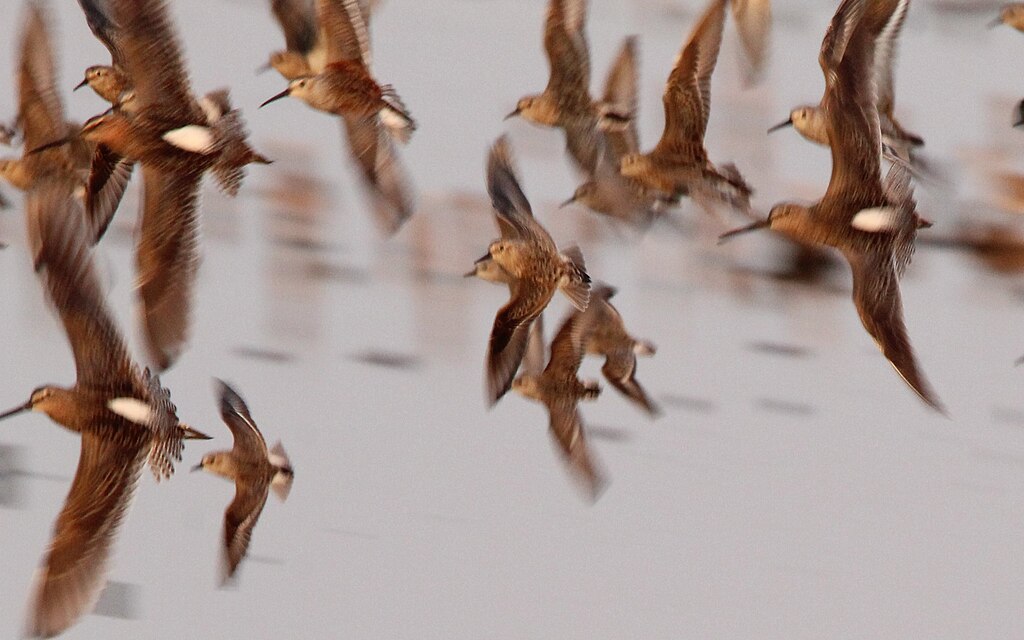
Many shorebirds, including sandpipers and herons, migrate south during winter, seeking open mudflats, estuaries, and shallow wetlands. Hunters and bird watchers track these routes to locate prime feeding and resting areas. Weather, tides, and food availability affect stopover timing and location. Observing flight patterns, roosting sites, and daily movement helps anticipate where birds concentrate, making planning more effective and ensuring minimal disturbance during peak migration.
8. Bear Seasonal Movements
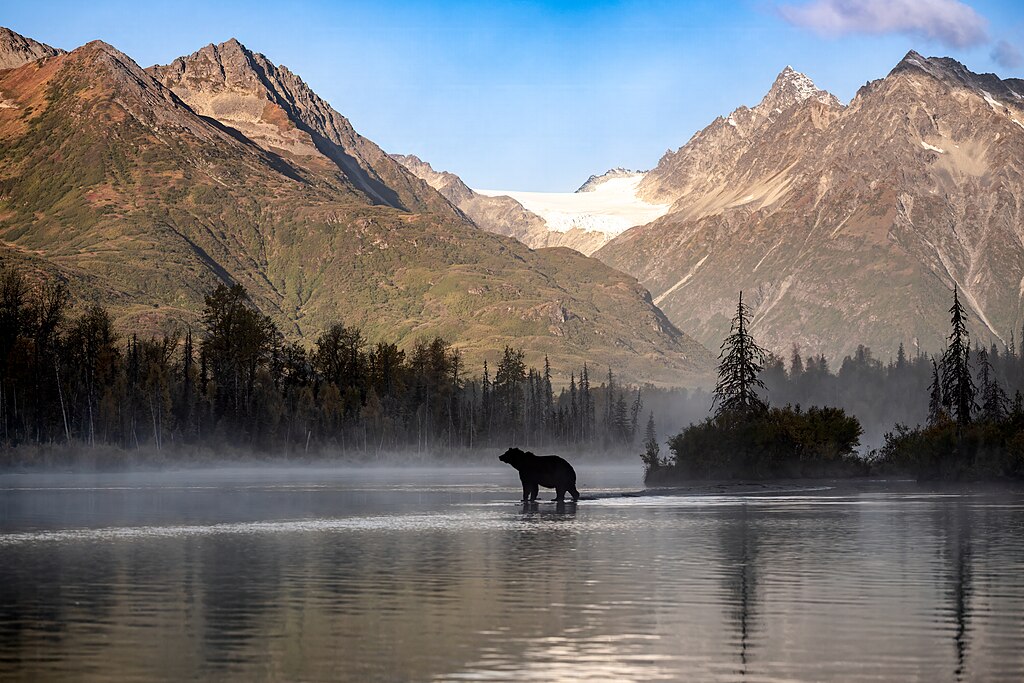
Black bears migrate between feeding grounds, dens, and mating areas. In spring, they emerge hungry and move toward berry patches, nut trees, and carrion, while fall drives hyperphagia before winter. Tracking feeding areas, travel routes, and signs of activity helps hunters anticipate encounters. Recognizing seasonal patterns ensures safer hunts and avoids disturbing denning bears, improving both ethical hunting practices and the likelihood of successful observations or harvests.
9. Moose Migration Patterns
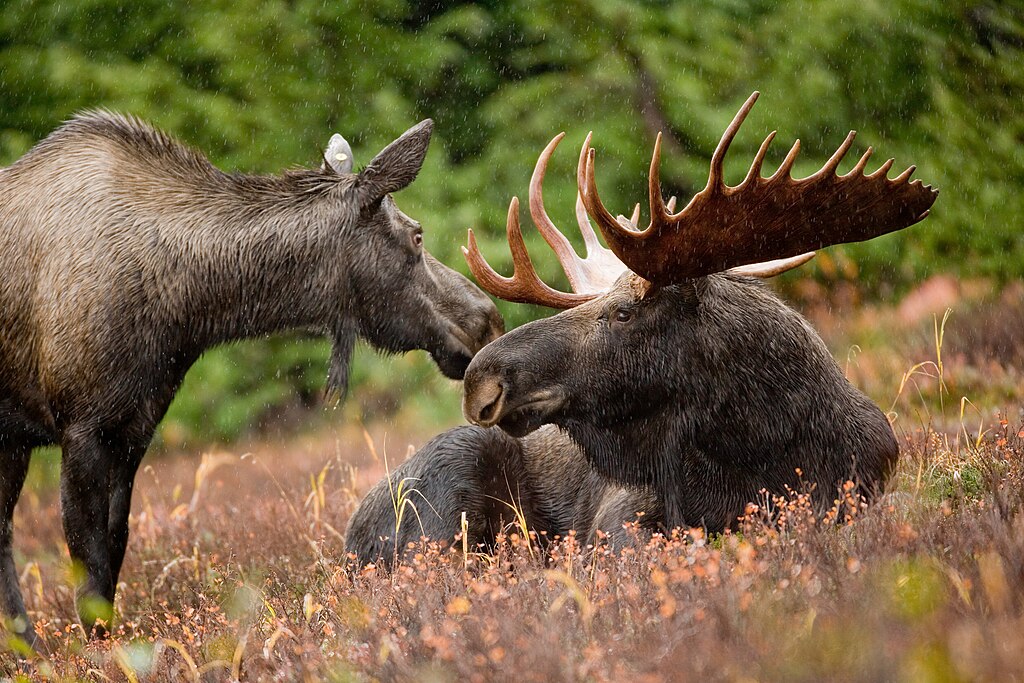
Moose shift between calving grounds, feeding areas, and wintering zones based on snow depth and forage. Summer finds moose at higher elevations, while winter drives them to valleys and forests. Hunters tracking browse signs, tracks, and rut activity can predict movement patterns. Awareness of seasonal locations minimizes disturbance during sensitive periods. Understanding these migrations allows for safer, more strategic hunting while respecting wildlife and preserving habitats.
10. Sandhill Crane Migration
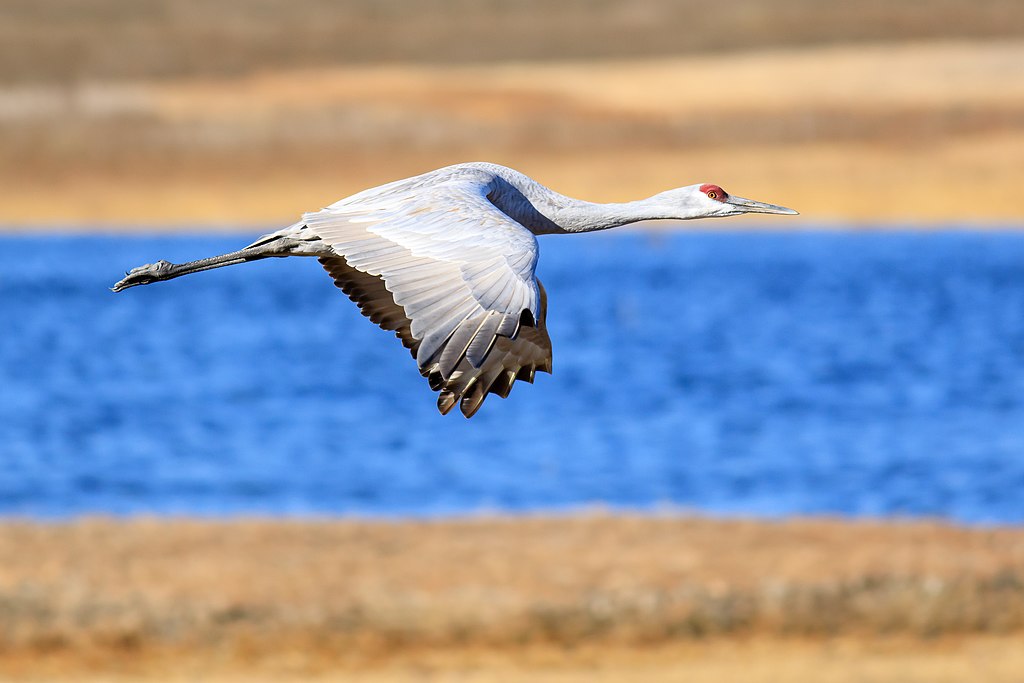
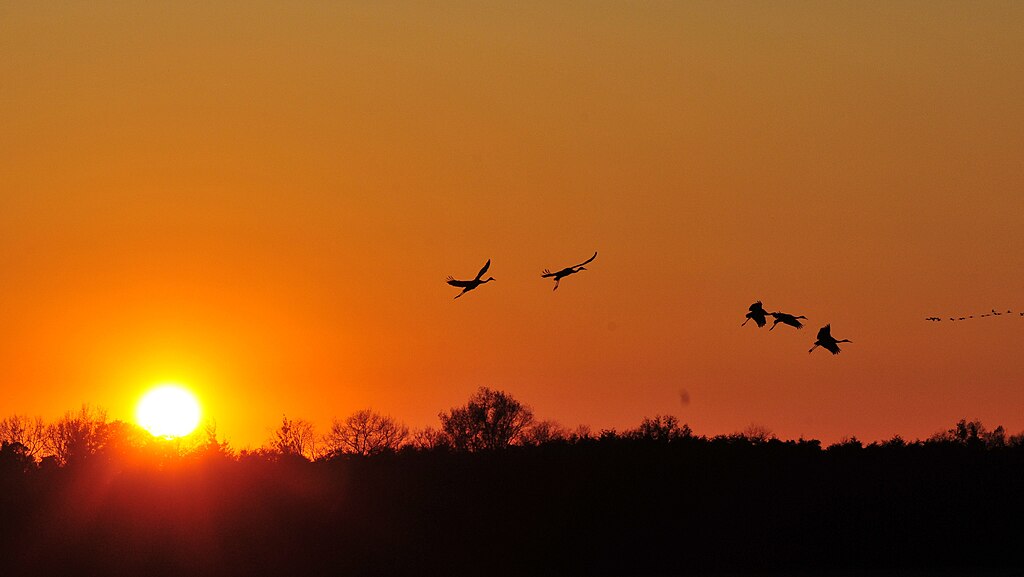
Sandhill cranes follow well-defined flyways between northern breeding sites and southern wintering grounds. Hunters can monitor stopover wetlands and agricultural fields for feeding and resting patterns. Migration timing varies with weather, water availability, and food sources. Observing these seasonal cues enables hunters to position blinds and decoys effectively. Tracking crane movement ensures productive hunting while respecting migratory rhythms and maintaining ethical standards.