
A peaceful hike can shift quickly when conditions begin to change, making awareness an essential part of any outdoor experience. Trails often present small challenges that slowly build or appear without warning, and recognizing early signals helps prevent minor issues from turning into real dangers. Staying attentive to the surroundings supports safer decisions and allows hikers to return with confidence for future adventures.
Sudden Weather Shifts

Rapid cloud buildup, falling temperatures, or rising wind often signal that conditions may soon become unsafe. Fog can hide trail features while storms create slippery ground and fast-moving streams. Turning back when weather patterns shift helps reduce the chance of becoming disoriented or stranded. Awareness of subtle changes supports a more controlled return and helps prevent hikers from facing increasingly unstable terrain.
Persistent Fatigue
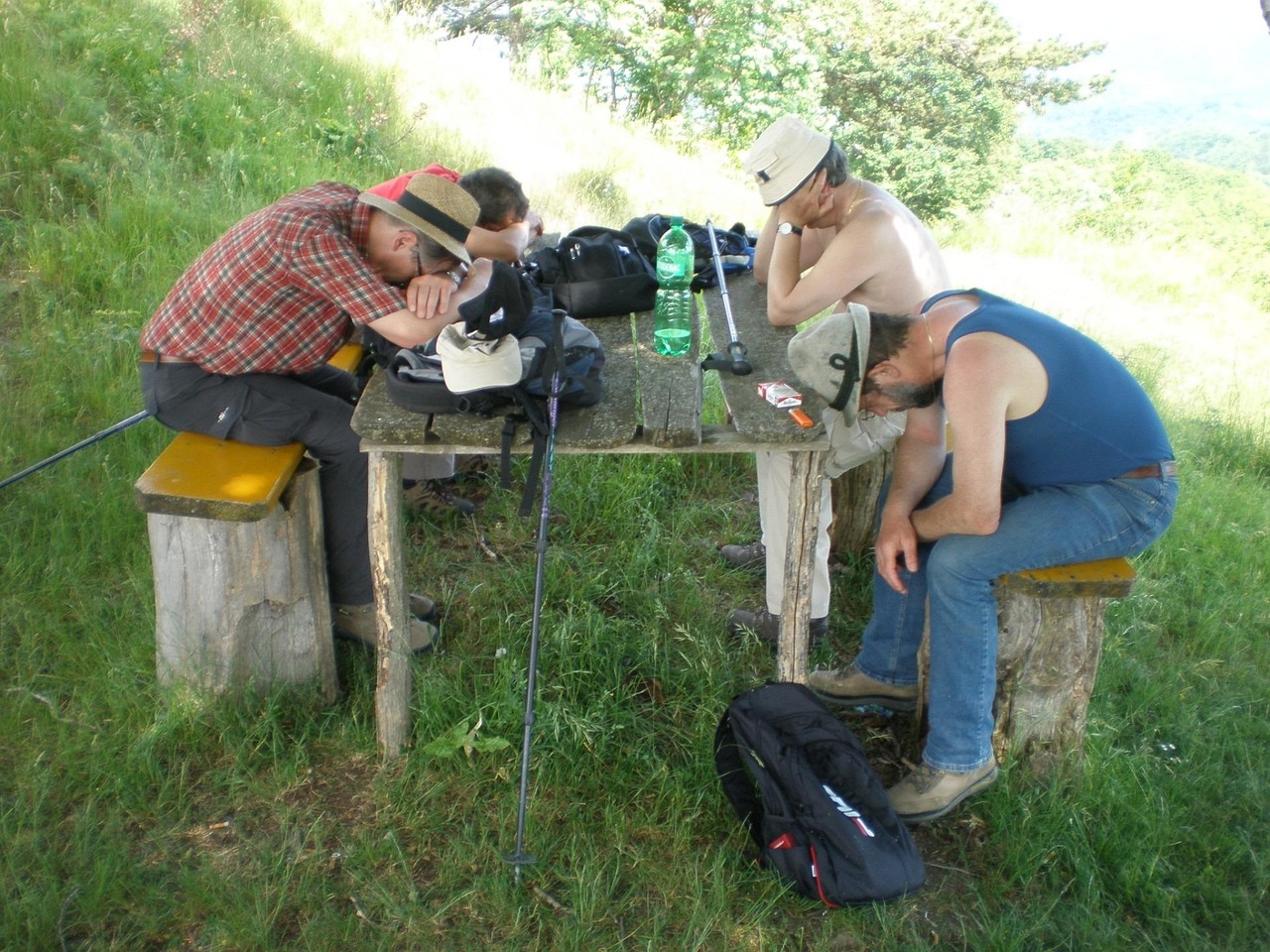
Hikers may notice slow but steady signs of fatigue through heavier steps or difficulty maintaining a comfortable pace. When exhaustion increases despite brief pauses or water breaks, the trail ahead becomes more challenging to navigate safely. Persistent tiredness raises the risk of small stumbles that can lead to larger problems. Heading back early preserves energy and makes the overall outing more manageable and enjoyable.
Trail Markers Becoming Hard To Follow

If trail blazes or directional signs begin to fade from view or the route starts to feel unclear, it often indicates that continuing forward may lead to confusion. Overgrown vegetation, seasonal changes, or fresh snowfall can disguise established paths. When navigation requires more guessing than certainty, turning around becomes the safer option. Staying connected to familiar ground keeps the experience steady and reduces unnecessary risk.
Changing Terrain Quality

Shifts in terrain such as unstable rocks, deeper mud, crumbling slopes, or icy patches in shaded areas often signal that conditions are deteriorating. Even well-known trails change through erosion, runoff, and temperature swings. When steps require constant adjustment or slipping becomes frequent, the trail may soon grow even more hazardous. Returning before footing worsens helps prevent injuries and maintains control over the overall pace of the hike.
Unsettling Gut Feeling

Sometimes a subtle sense of unease arises without a clear cause. The natural environment provides cues that may not be immediately obvious, and instinct often responds to patterns the mind has not fully processed. When something feels out of place, such as unusual silence or unfamiliar sounds, acknowledging that reaction adds an important layer of safety. Trusting instinct encourages hikers to avoid potential hazards that may still be hidden.