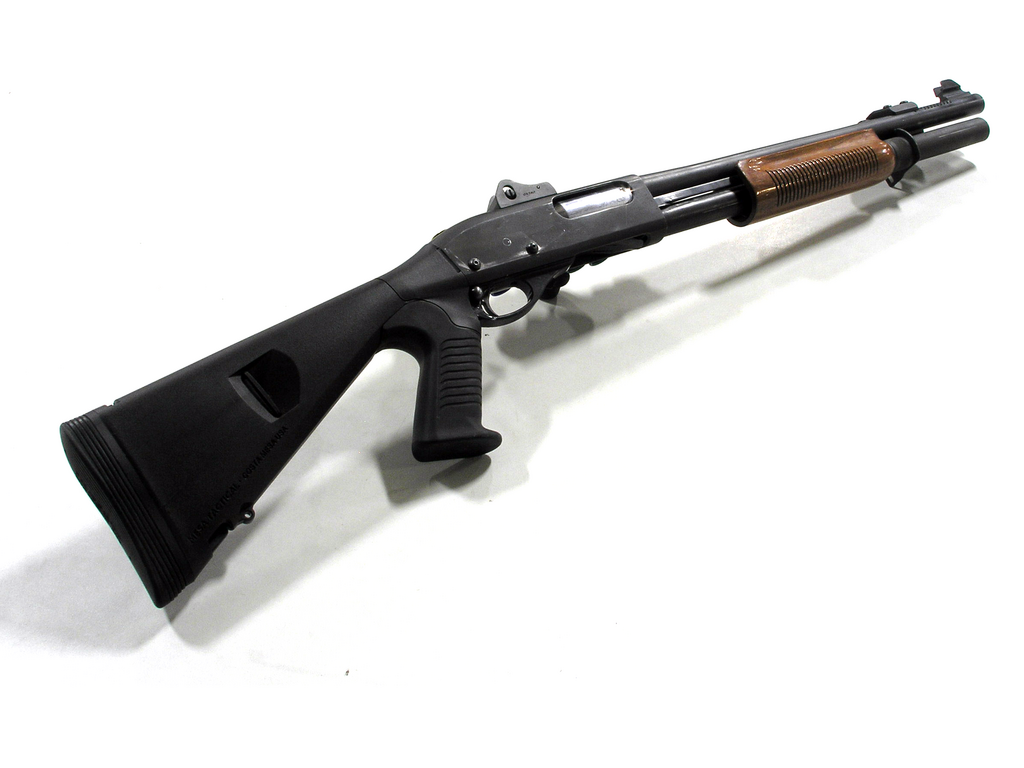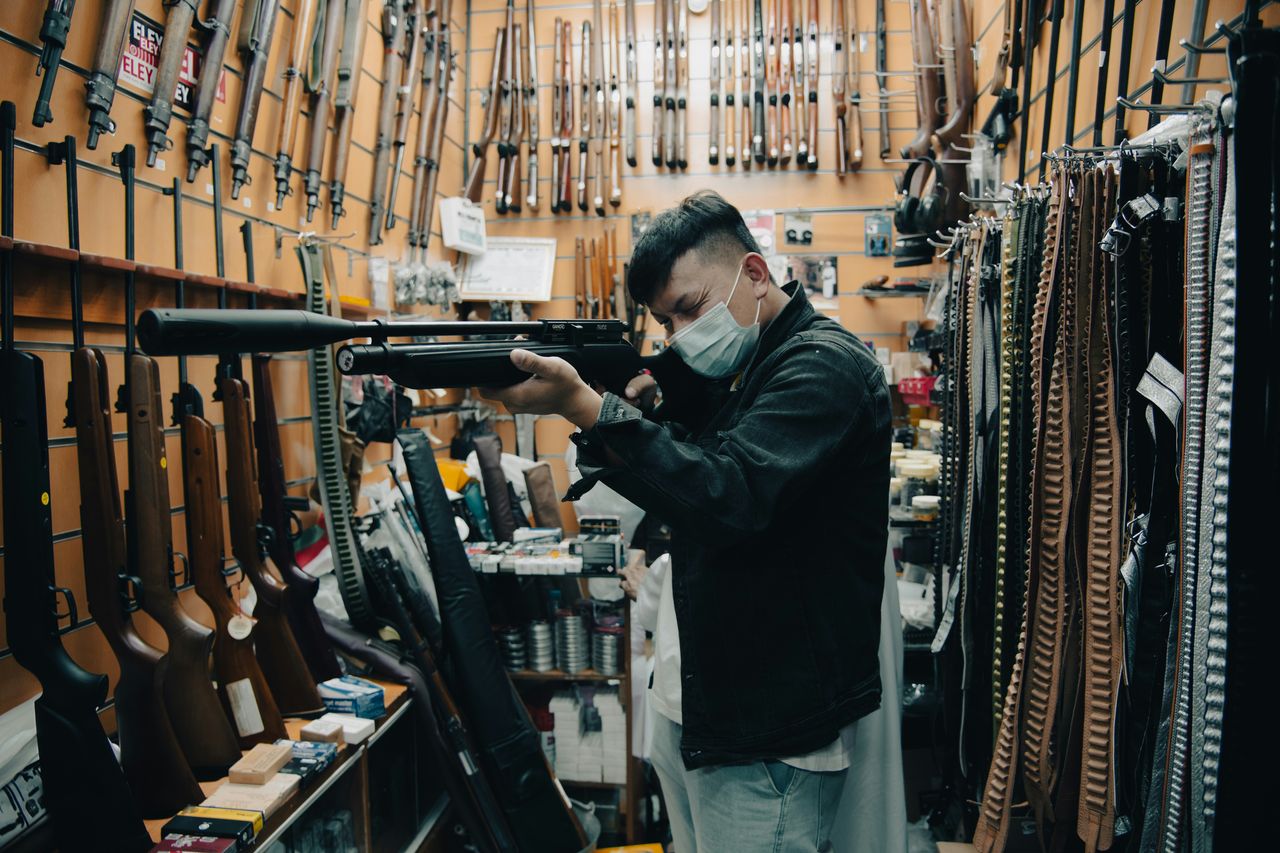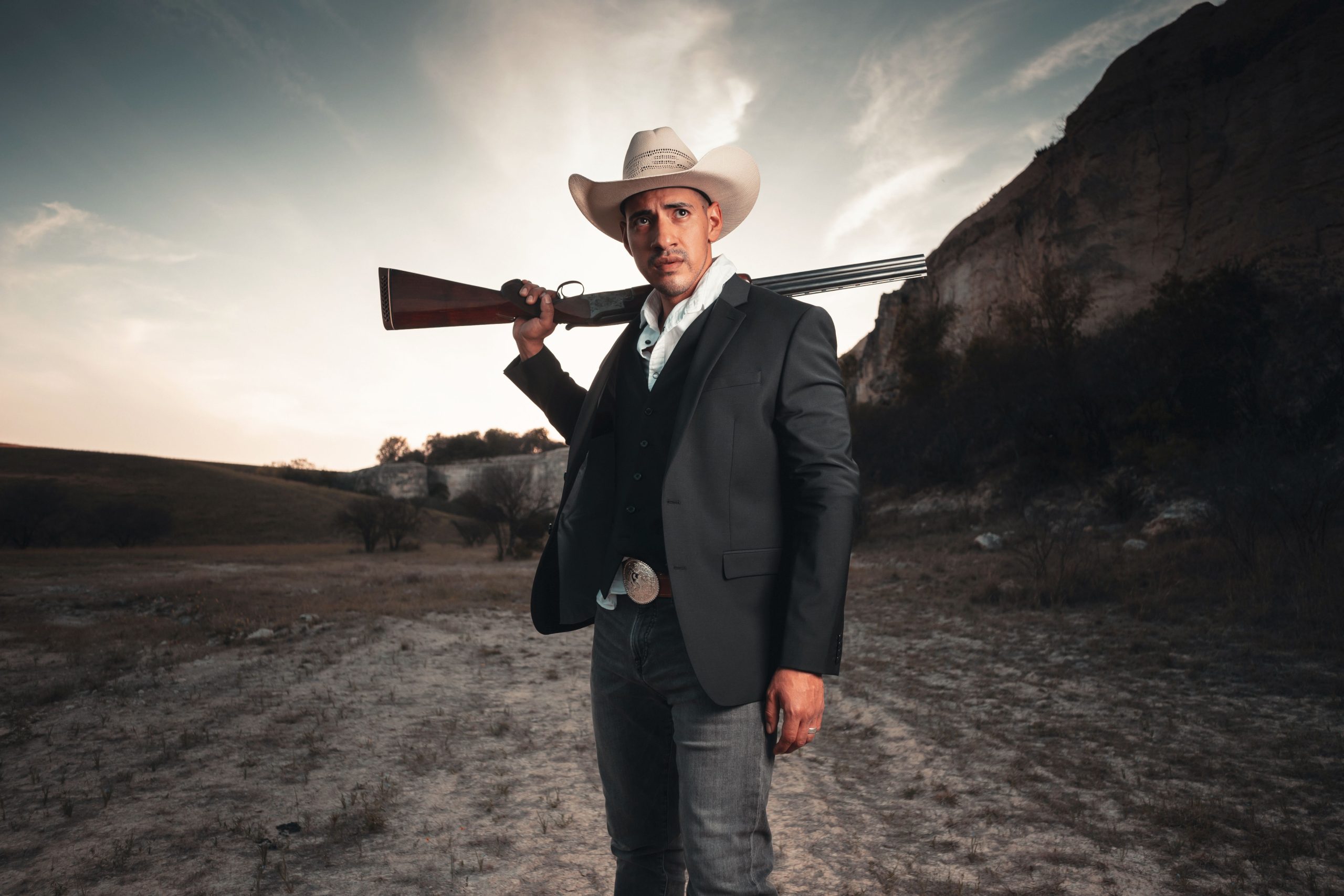
A shotgun can be surprisingly versatile, but the load that makes sense for one animal may be poorly suited to another. Ducks, quail, turkey, rabbits, and deer have very different sizes, habits, shooting distances, and legal requirements. Shot size, pellet material, payload, gauge, and choke all influence the result. The goal is not simply to choose the heaviest shell, but to match the ammunition to the quarry and conditions while staying within local hunting laws.
1. Ducks
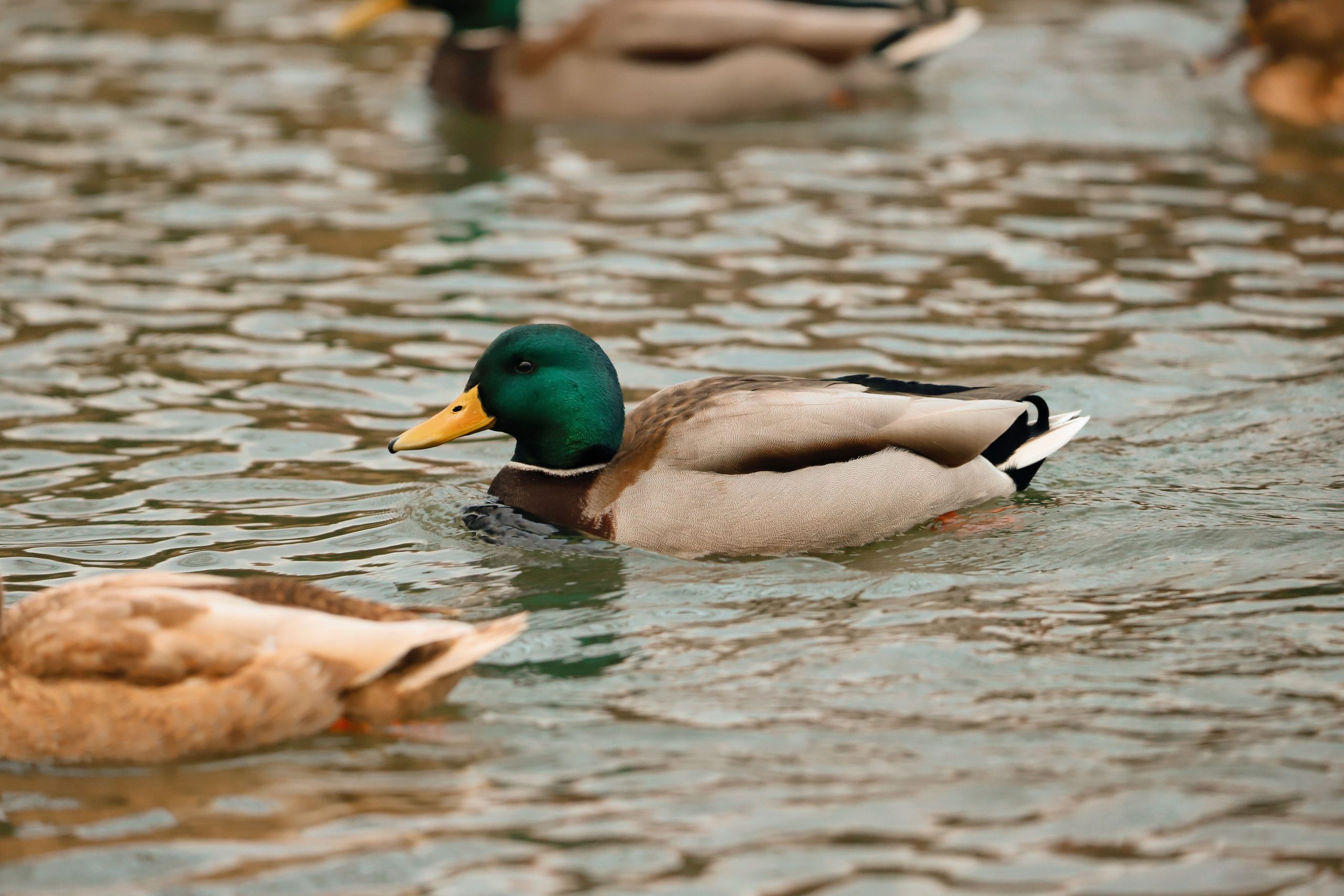
Ducks call for loads that balance pellet count, retained energy, and pattern density. A common starting point is a 12-gauge 3-inch shell with No. 2 or No. 3 steel, often around 1 to 1 1/4 ounces. Steel is lighter than lead, so hunters commonly move to larger pellets rather than simply copying older lead recipes. A 20-gauge can work well over decoys at closer distances when the pattern is proven. Choke choice also matters, and every shotgun should be patterned before hunting. Waterfowl hunters in the United States must use approved nontoxic shot.
2. Geese
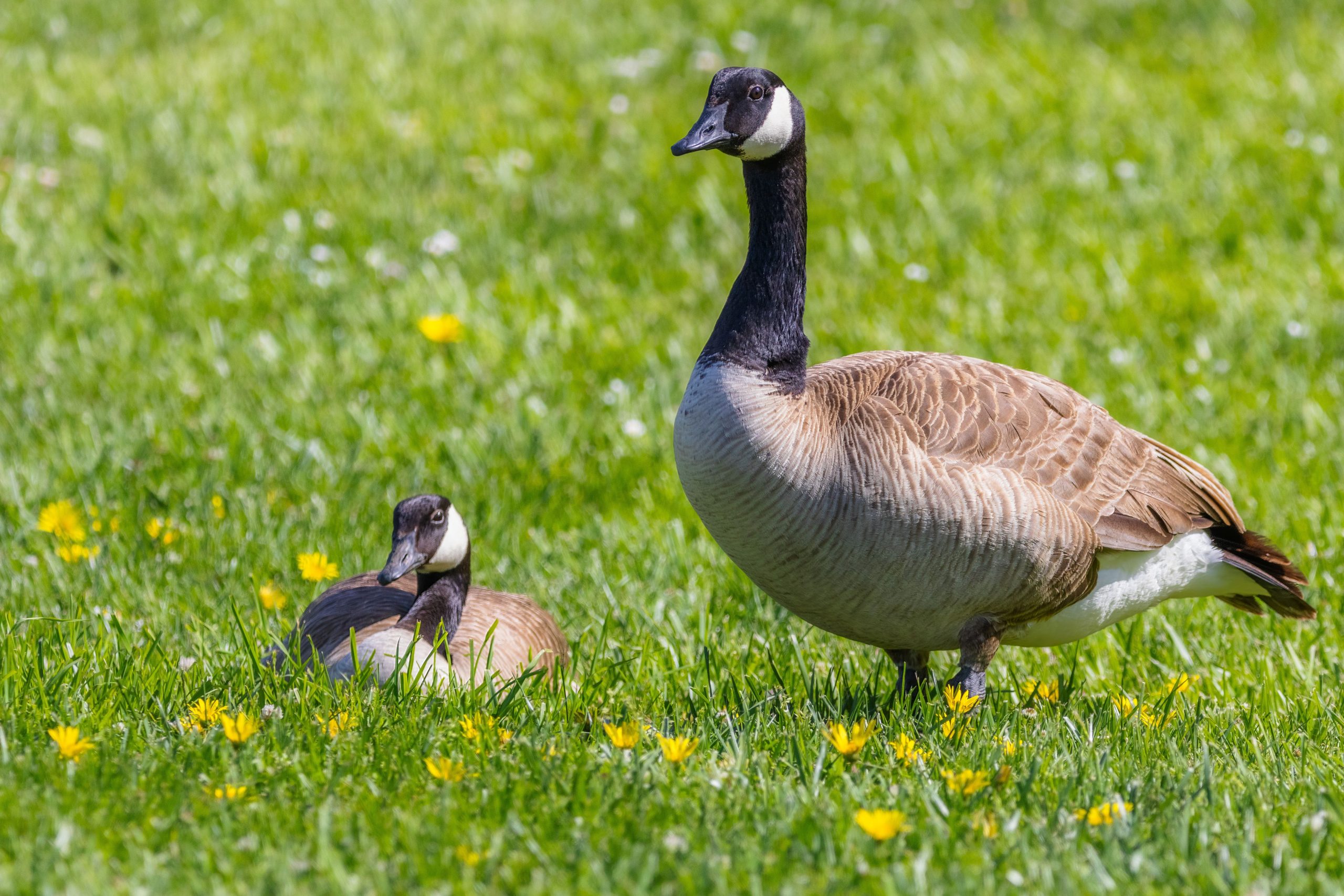
Geese are larger and heavily feathered, so loads usually favor larger pellets and substantial payloads. A 12-gauge 3-inch shell loaded with BB, No. 1, or No. 2 steel is a familiar choice, while denser nontoxic materials can provide more retained energy in a smaller pellet. A 3 1/2-inch shell may offer a heavier payload, but more ammunition does not automatically mean a better pattern. Test the exact shell and choke together. Federal waterfowl rules require approved nontoxic shot, while state and local rules can add restrictions. Pattern test it first.
3. Turkey
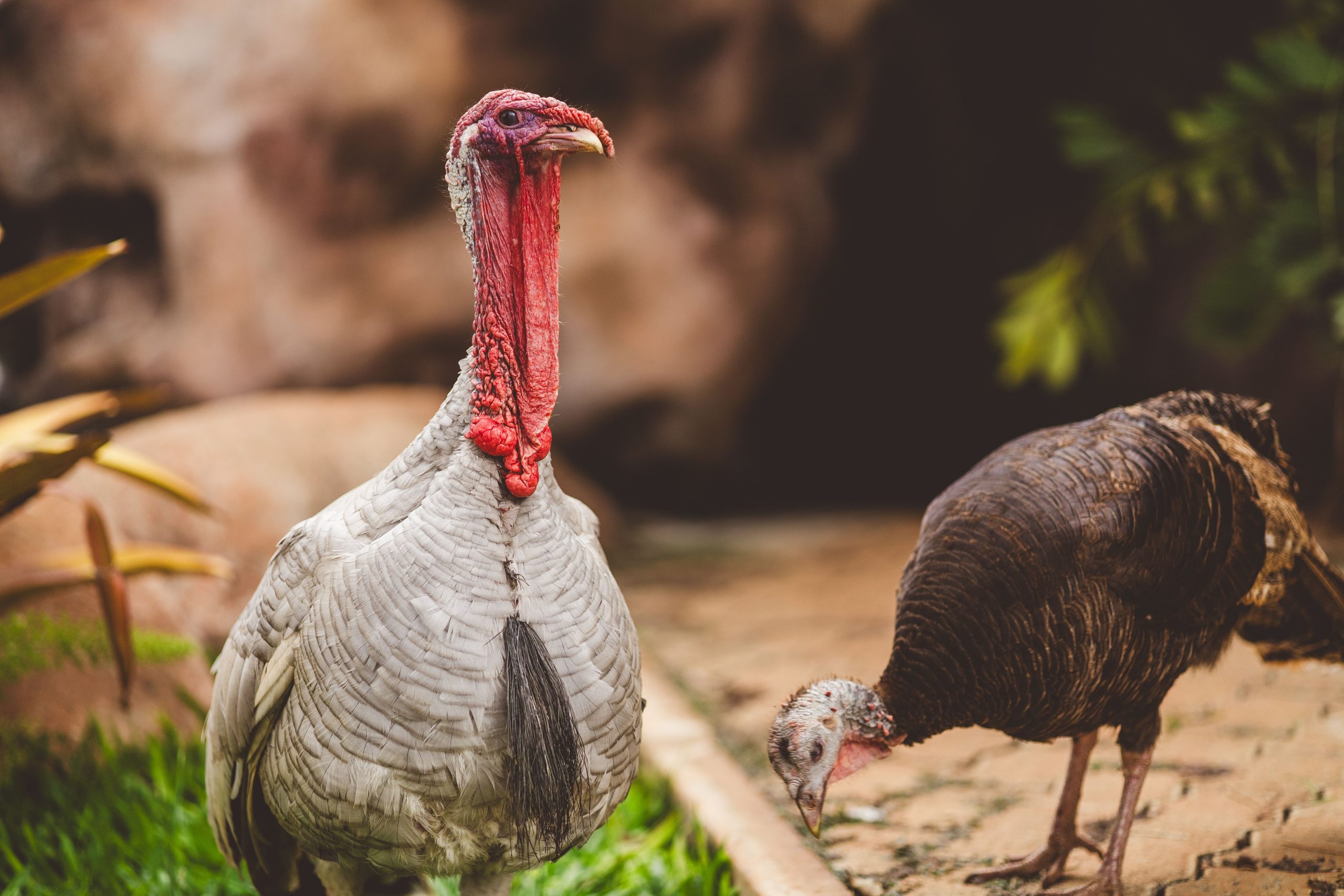
Turkey loads are built around dense patterns rather than simply throwing the biggest pellets possible. Traditional choices include 12- or 20-gauge shells with No. 4, 5, or 6 lead, while modern tungsten-based loads can use much smaller pellets because tungsten is extremely dense. A 3-inch shell is common, with 3 1/2-inch 12-gauge options also available. Patterning at 40 yards is a useful benchmark, and many training guides use about 100 pellet strikes inside a 10-inch circle as a general reference. Never assume a load will perform the same in every choke.
4. Pheasant
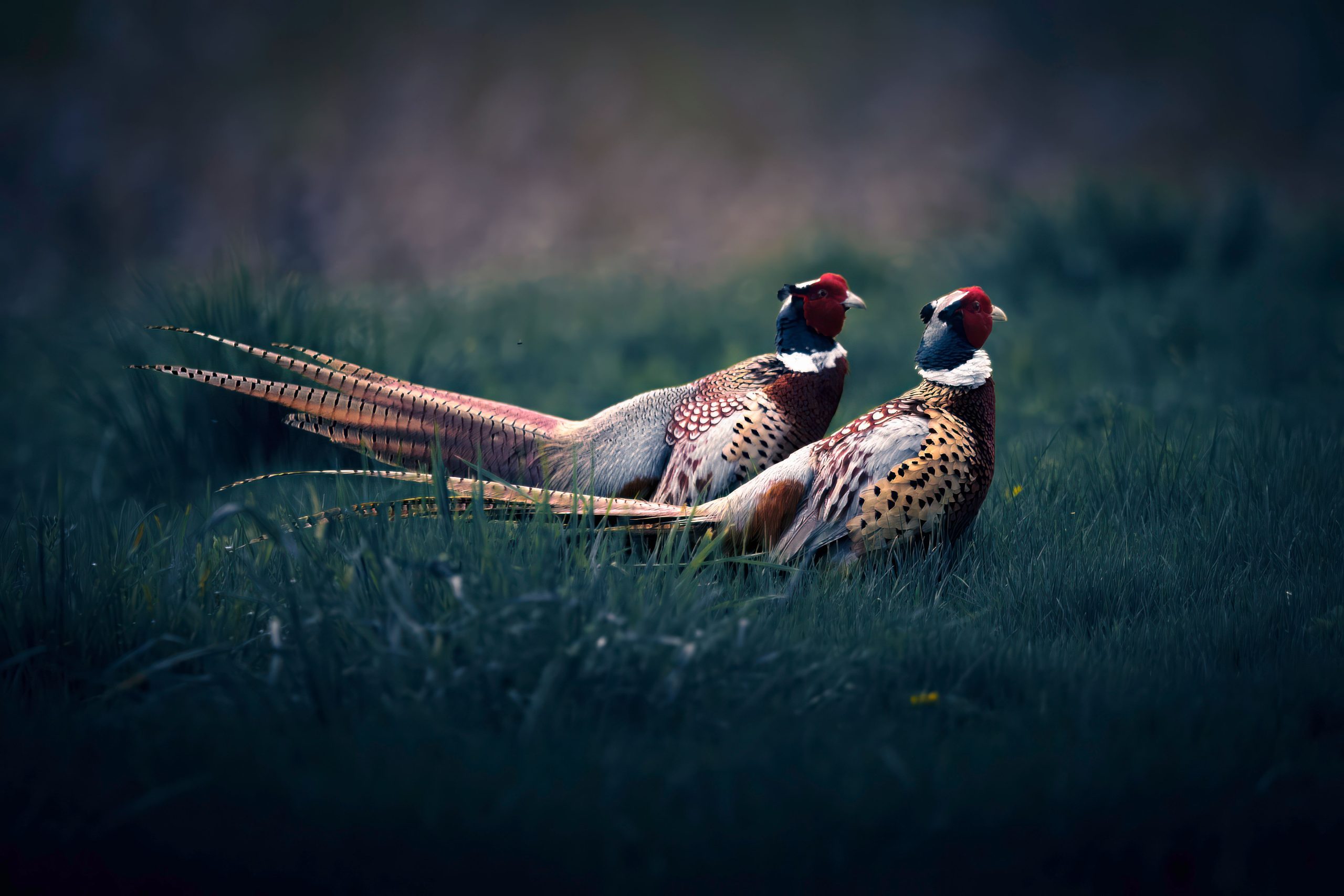
Pheasants are fast, tough upland birds, so hunters often choose a balanced field load that produces enough pellets without excessive recoil. A 12- or 20-gauge shell using No. 5 or No. 6 shot is a traditional combination, with 1 to 1 1/4 ounces common in many field loads. Modified or improved-cylinder chokes are frequently used depending on cover and shooting distance. The best load is the one that gives a reliable pattern in your shotgun and suits the terrain. A close-range pheasant hunt can favor a more open pattern than a long crossing shot. Patterning matters.
5. Quail
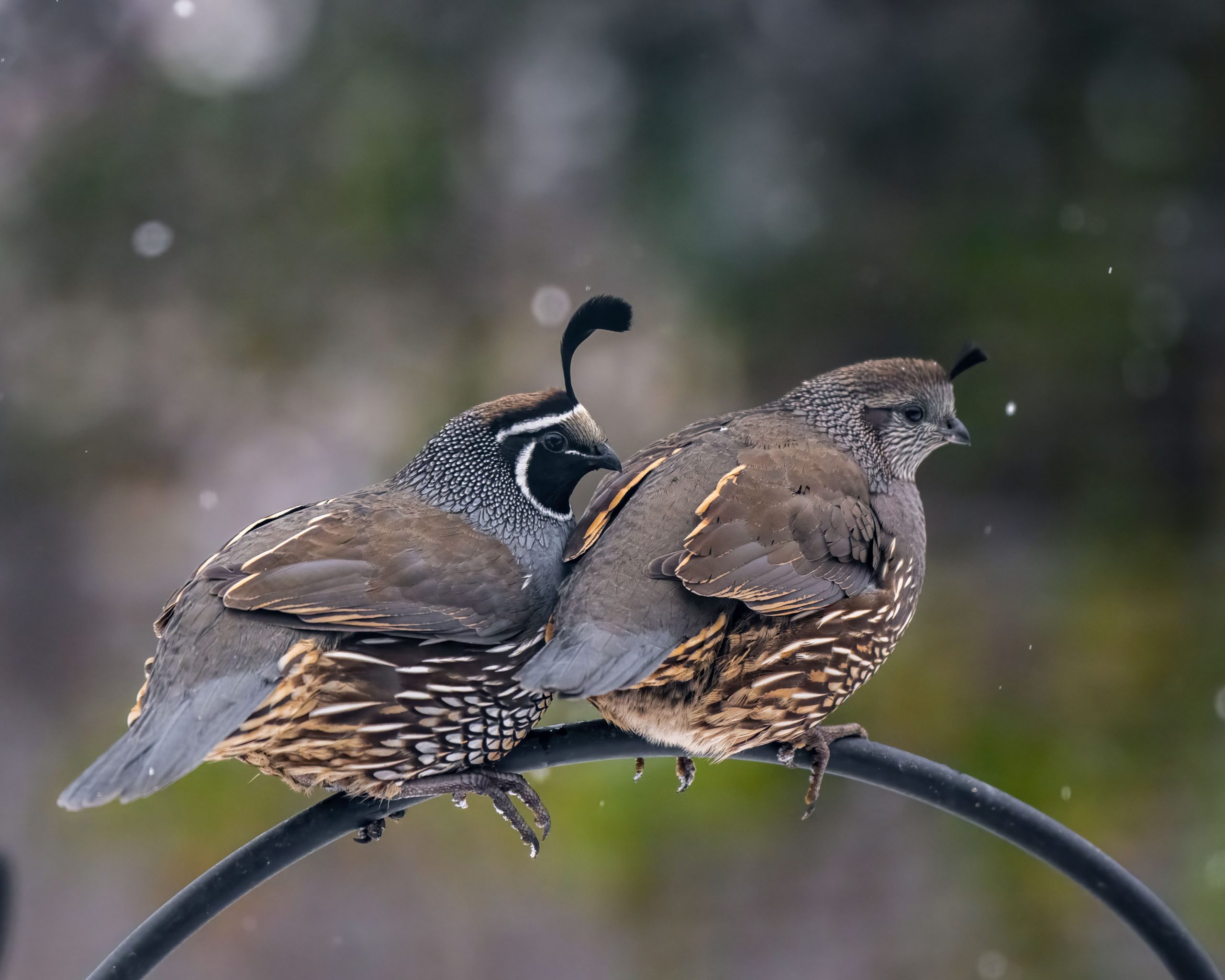
Quail hunting usually involves quick opportunities at relatively short range, often in thick cover where a fast-handling shotgun matters. No. 7 1/2 or No. 8 shot is widely associated with this type of shooting because the smaller pellets provide a dense pattern. A 20-gauge with roughly 3/4 to 1 ounce of shot can be comfortable for long walks, while 12-gauge field loads remain versatile. Improved-cylinder or skeet chokes can suit close birds, but the exact combination should be patterned first. Range, cover, and local rules should guide the final choice.
6. Dove
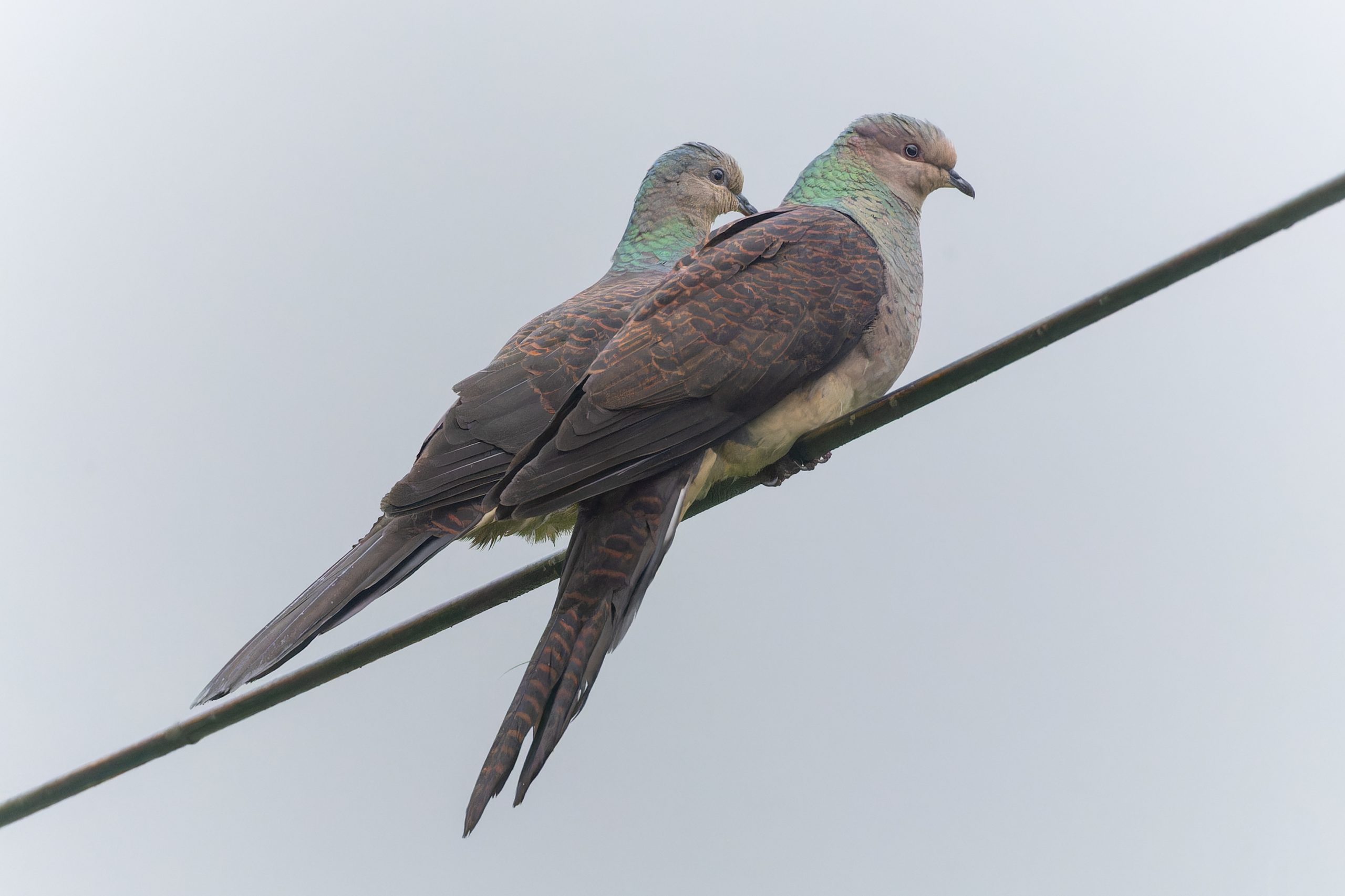
Doves are small, quick, and often present crossing targets, so pellet count and pattern density can matter more than raw pellet size. Many hunters use 12- or 20-gauge shells with No. 7 1/2 or No. 8 shot, commonly around 1 ounce in a field load. Improved-cylinder and modified chokes cover many common situations, from close shots around water to longer pass shooting. A lighter 20-gauge can reduce fatigue during an extended hunt. Because doves are migratory birds in the United States, hunters must follow federal and state regulations, including applicable nontoxic-shot rules.
7. Rabbit
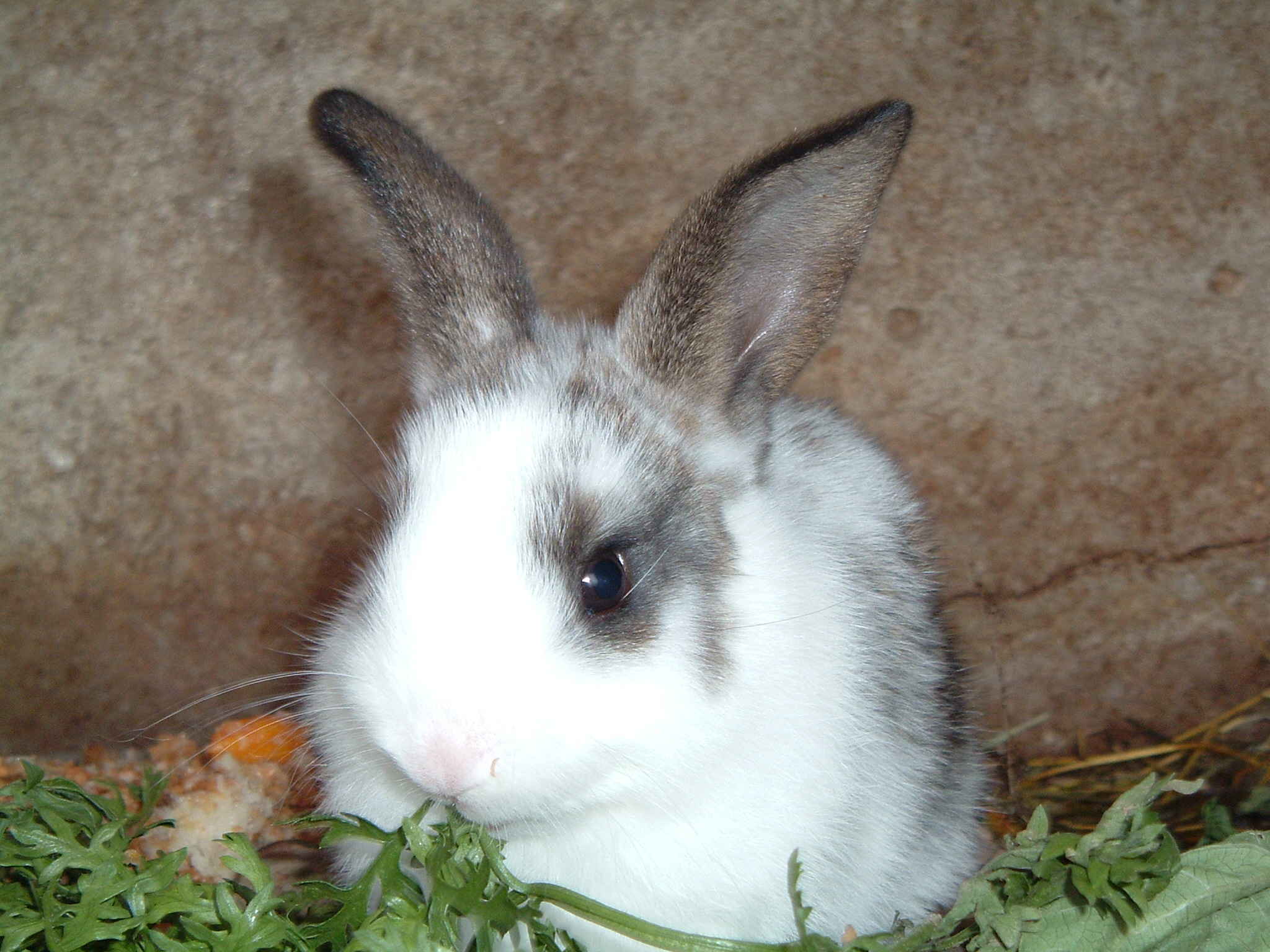
Rabbits can demand a different balance because shots may be close in brush or farther across open ground. No. 5 or No. 6 shot is a traditional choice, often from a 12-, 20-, or .410-bore shotgun depending on conditions and the hunter’s experience. A modified choke offers a useful middle ground for changing distances, while a more open choke can be helpful in tight cover. A 2 3/4-inch shell is common for many field loads. Hunters should avoid choosing a load solely by pellet size and instead consider pattern quality, range, local regulations, and the need for a clean, ethical harvest.
8. Squirrel
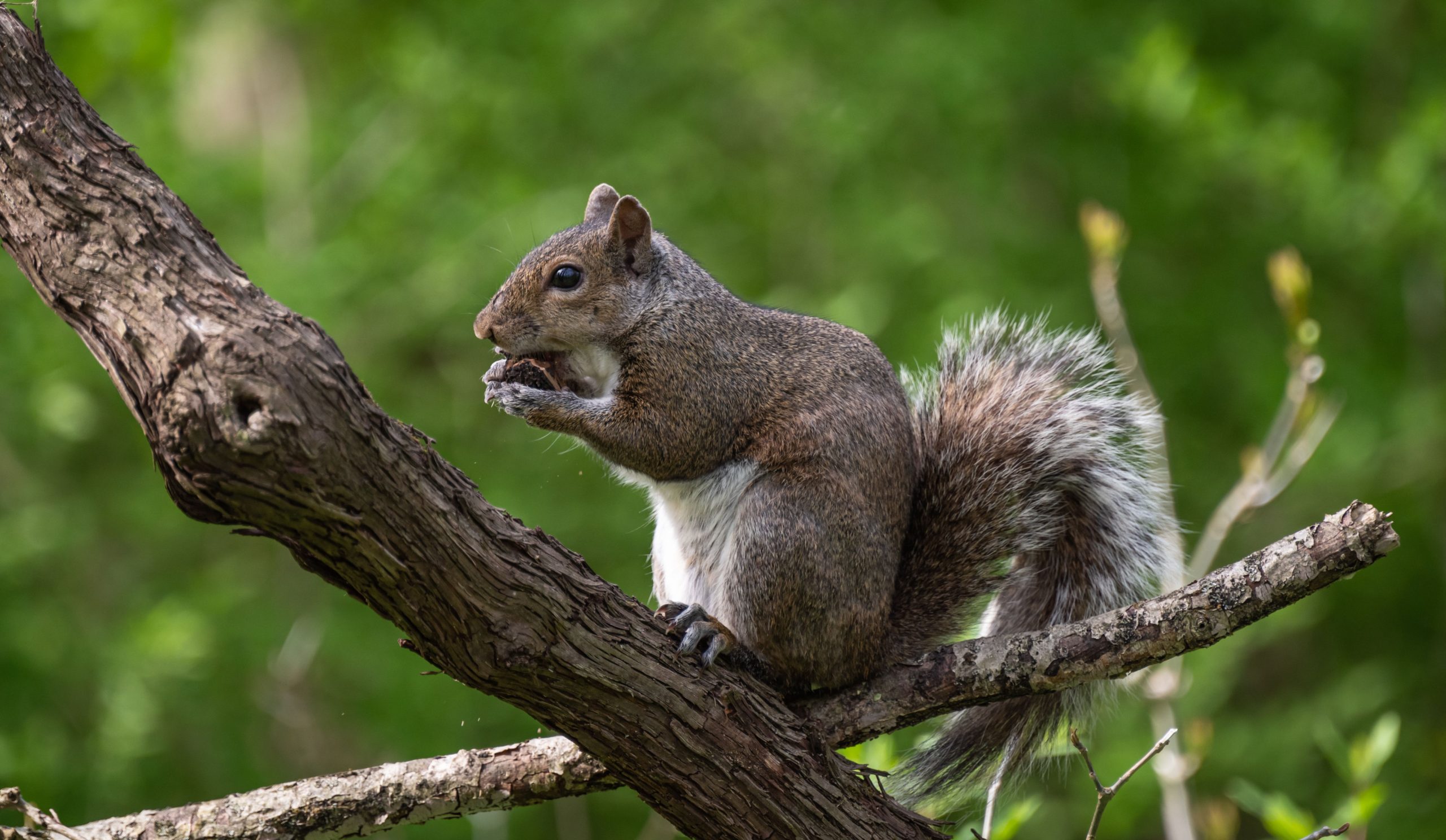
Squirrels are small targets that may sit still in a tree one moment and disappear behind branches the next. No. 5 or No. 6 shot is a common traditional pairing, with 12- and 20-gauge field guns offering plenty of versatility. A .410 can also be effective when range and pattern limitations are understood. A modified choke is frequently suggested for changing woodland distances. Around 25 to 30 yards, pattern testing becomes especially useful because branches, foliage, and pellet spread can make a clean shot harder. Always follow the season, weapon, and ammunition rules where you hunt.
9. Woodcock
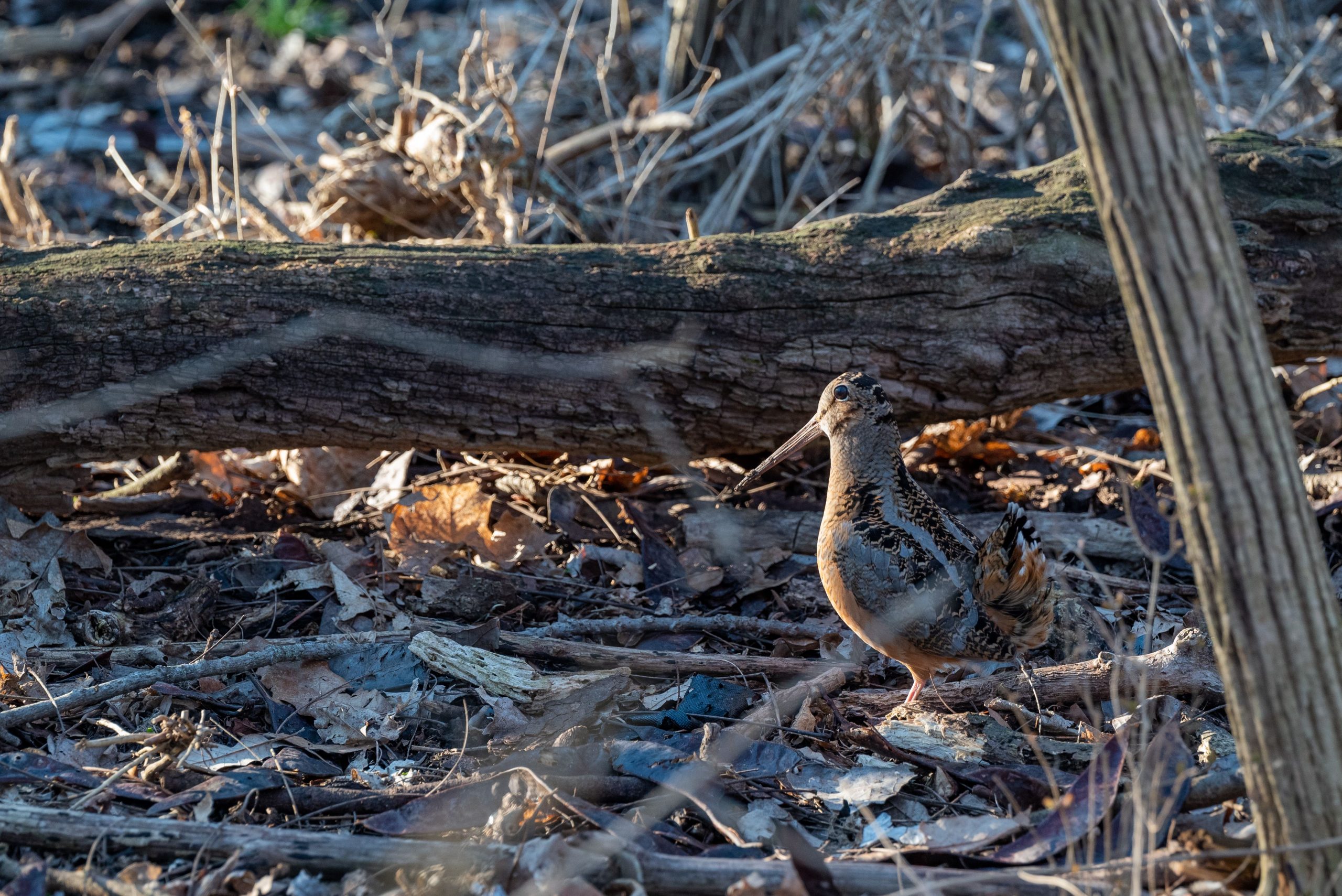
Woodcock hunting is built around fast, close encounters, often in tangled cover where a bird can appear for only a second. No. 7 1/2, No. 8, or No. 9 shot is commonly suited to these short-range opportunities, with 20- and 28-gauge guns popular for their light handling. Improved-cylinder or skeet chokes can provide a useful spread in tight cover, while a 2 3/4-inch shell is usually ample. The ideal setup depends on the habitat and shooting distance. Pattern your shotgun at realistic ranges so the load produces dependable coverage without unnecessary pellet concentration.
10. Deer
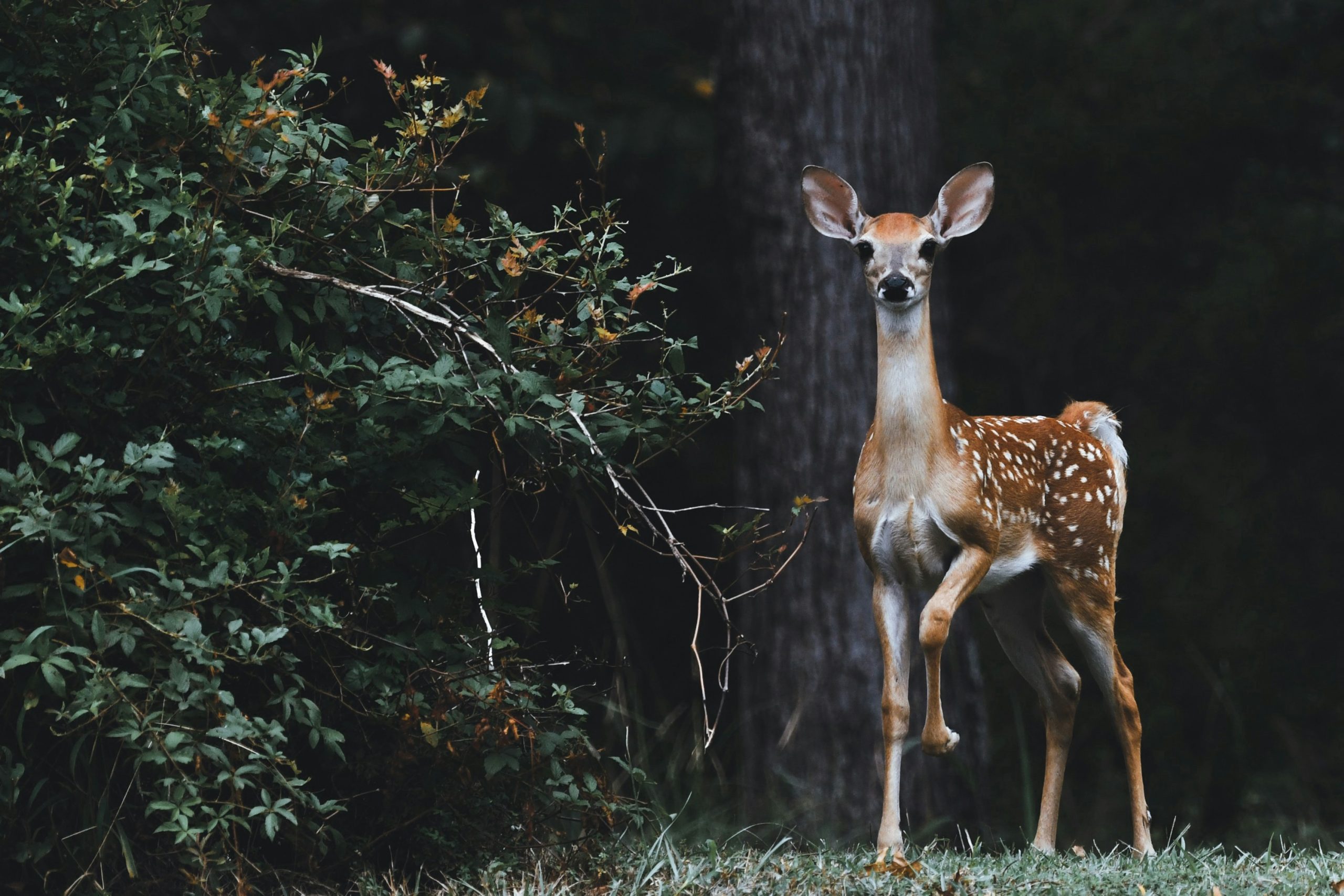
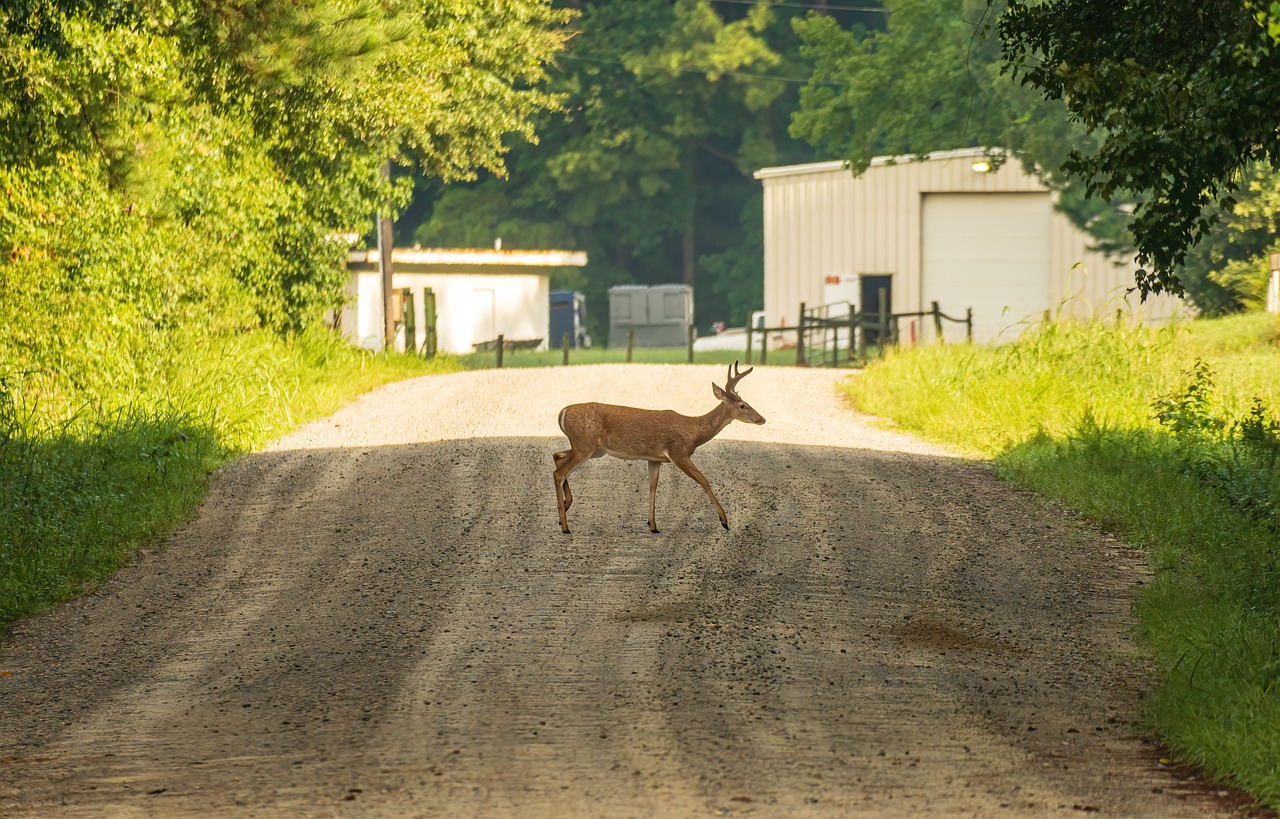
Deer are the major exception in this list because hunters normally use a single projectile rather than a conventional birdshot load. Depending on local law, a 12-gauge slug can be selected for deer, while some jurisdictions and firearms also permit buckshot. Rifled slugs are intended for smoothbore barrels, while sabot slugs are generally paired with fully rifled barrels. A 2 3/4-inch shell is common, with 3-inch options too. Shotgun deer rules vary sharply by state and zone, so hunters should confirm the legal method, projectile type, season, and equipment before heading afield.